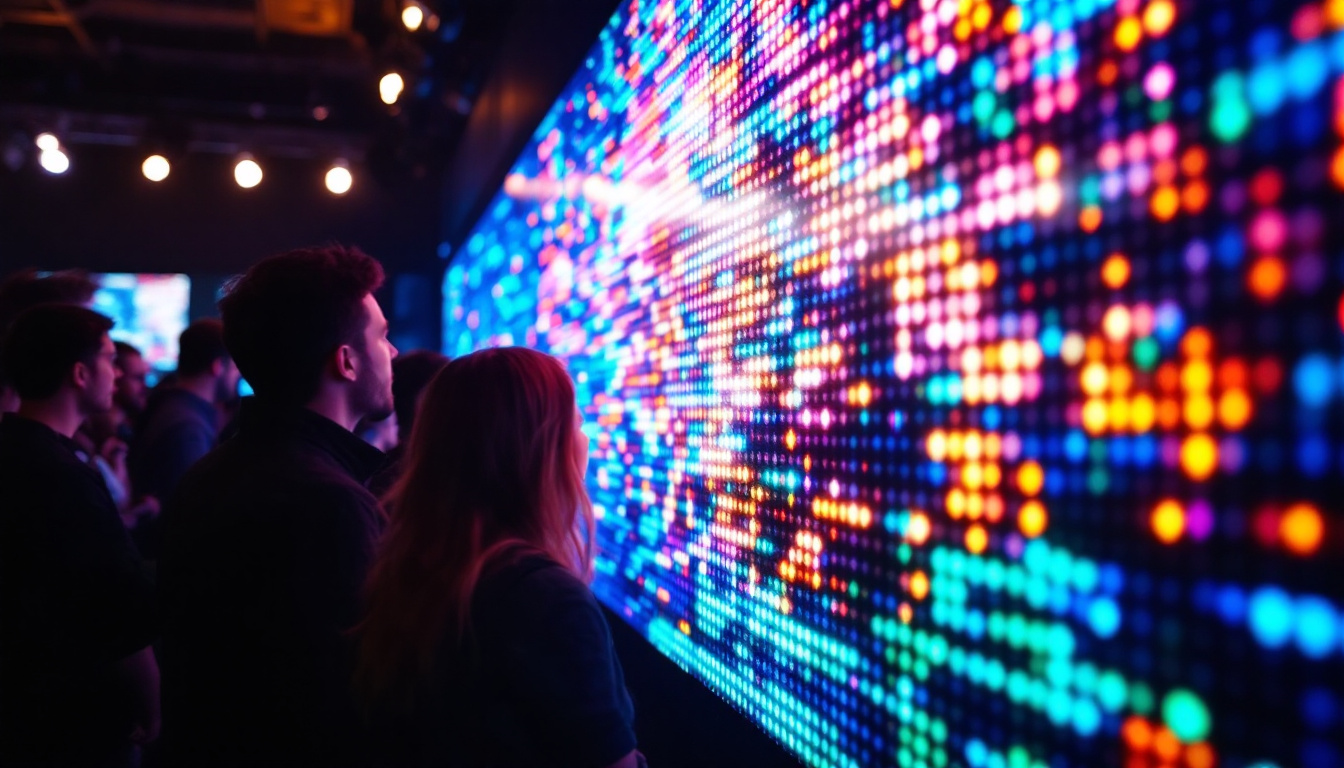
In the rapidly evolving world of visual technology, the 3D Jumbotron stands out as a revolutionary advancement in large-scale displays. Combining the immersive qualities of three-dimensional imagery with the brightness and versatility of LED technology, 3D Jumbotrons are transforming how audiences experience live events, advertising, and public installations. This article explores the technology behind 3D Jumbotrons, their applications, and the future potential of this captivating display medium.
Understanding the Basics: What is a 3D Jumbotron?
A 3D Jumbotron is essentially a large-scale LED display capable of rendering three-dimensional images and videos without the need for special glasses. Unlike traditional flat LED screens, these displays create an illusion of depth, allowing viewers to perceive images that appear to pop out or recede into the screen.
The term “Jumbotron” originally referred to giant video screens used in stadiums and arenas, popularized in the 1980s. Modern 3D Jumbotrons build upon this legacy by integrating advanced LED technology with 3D imaging techniques, making them suitable for a wide range of environments, from sports venues to urban advertising spaces. These displays have become a focal point in entertainment and advertising, captivating audiences with their immersive visuals and dynamic content.
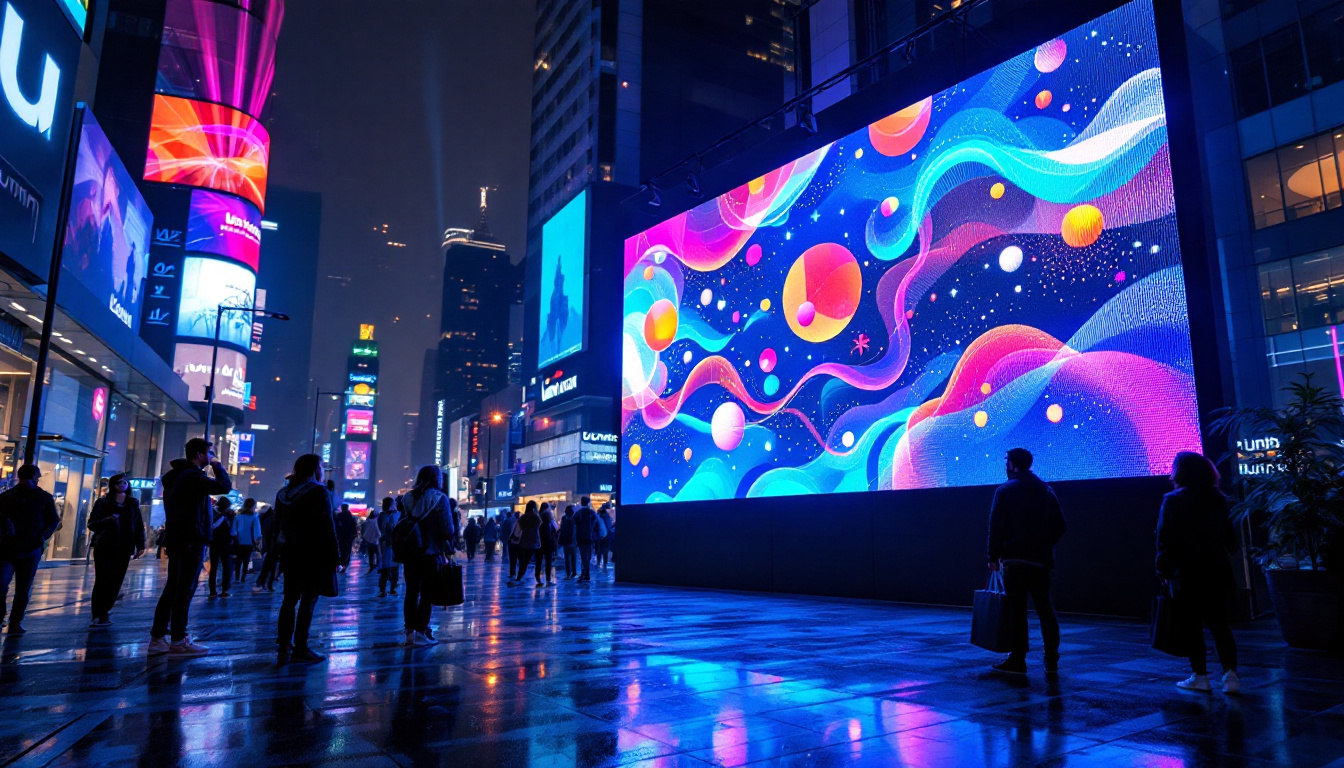
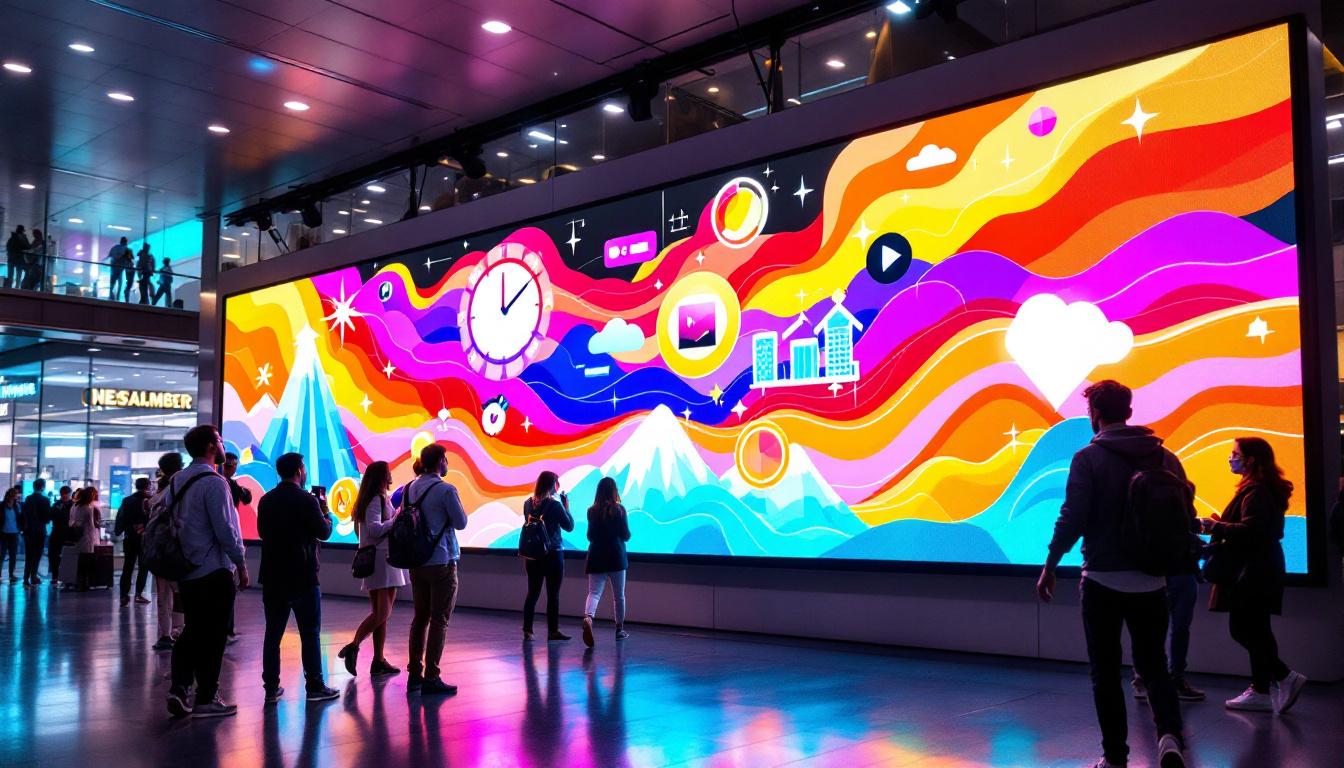
In addition to sports arenas, 3D Jumbotrons are increasingly being installed in shopping malls, airports, and public squares, transforming these spaces into interactive experiences. Their ability to engage viewers with stunning visuals has made them a popular choice for brands looking to make a memorable impact. The combination of high-quality imagery and strategic placement allows businesses to capture the attention of passersby, enhancing brand visibility and customer engagement.
How Does the 3D Effect Work?
The 3D effect in Jumbotrons is typically achieved through a combination of hardware and software innovations. One common method is the use of lenticular lenses or parallax barriers integrated into the LED panel. These optical elements direct light from different pixels to each eye separately, simulating binocular vision and creating a sense of depth.
Another approach involves multi-angle LED modules that emit light in specific directions, allowing multiple viewers to experience the 3D effect simultaneously from different vantage points. This autostereoscopic technology eliminates the need for glasses, making the experience more natural and accessible. As viewers move around the display, the images adjust accordingly, maintaining the illusion of depth and enhancing the overall viewing experience. This adaptability is particularly beneficial in crowded spaces where viewers may be positioned at various angles.
LED Technology: The Backbone of Jumbotrons
LEDs, or light-emitting diodes, are the fundamental building blocks of Jumbotron displays. Their advantages include high brightness, energy efficiency, long lifespan, and excellent color reproduction. These qualities are essential for outdoor and indoor displays that must perform reliably under varying lighting conditions.
Modern LED modules used in 3D Jumbotrons often feature ultra-fine pixel pitches—sometimes as low as 1 millimeter—allowing for high-resolution images even at close viewing distances. This precision is crucial for rendering detailed 3D content that maintains its depth and clarity. Furthermore, advancements in LED technology have led to the development of flexible and transparent displays, opening up new possibilities for creative installations and applications. These innovations enable designers to create stunning visual effects that can blend seamlessly into their surroundings, making the Jumbotron not just a display but a transformative element of the environment.
Applications of 3D Jumbotrons: Beyond Traditional Screens
3D Jumbotrons are no longer confined to sports arenas or concert venues. Their versatility and visual impact have opened doors to innovative uses across multiple industries.
Live Events and Entertainment
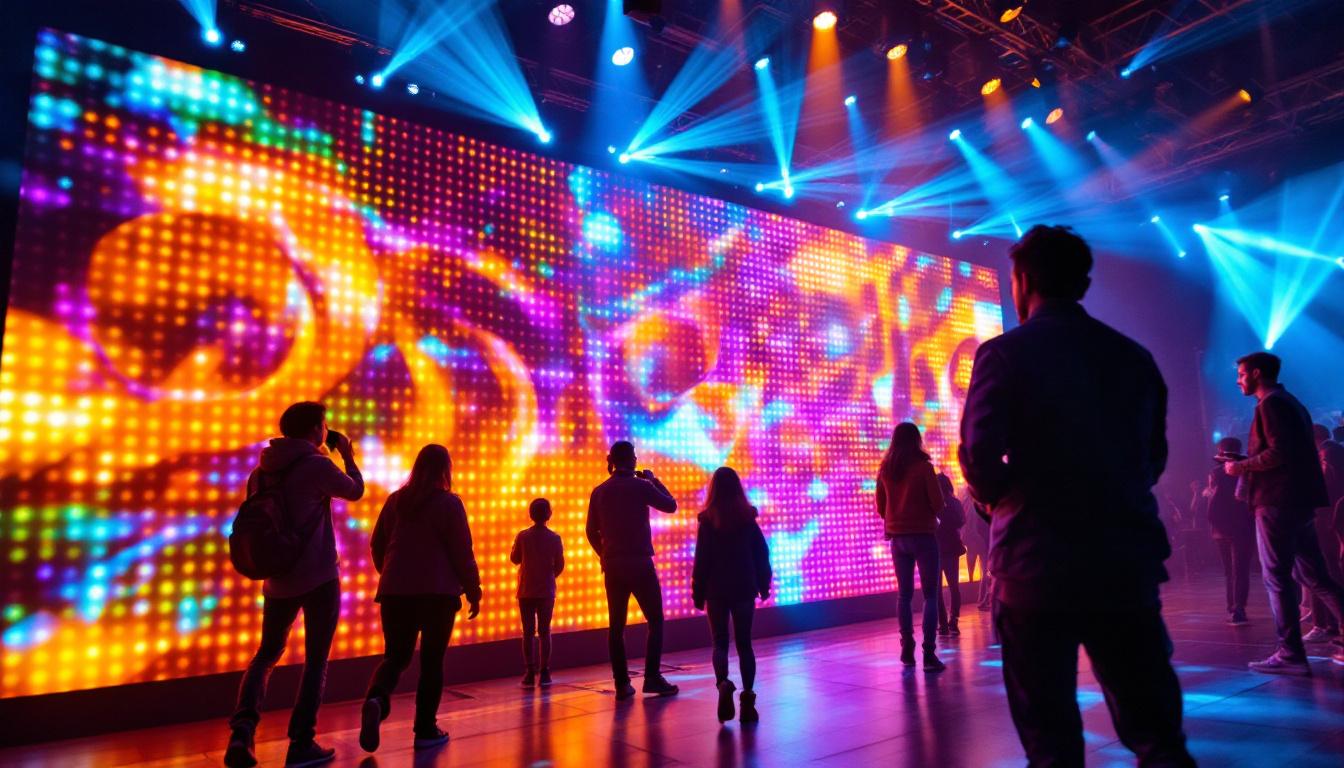
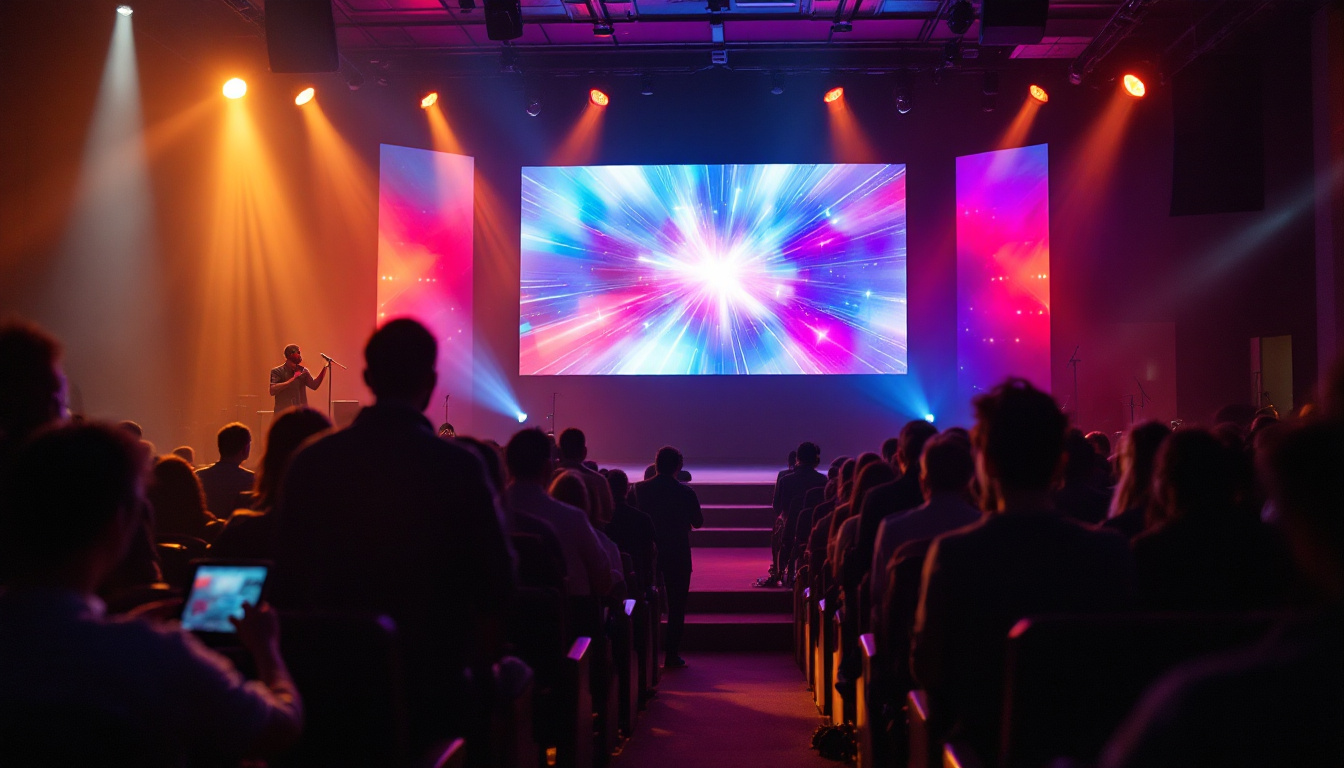
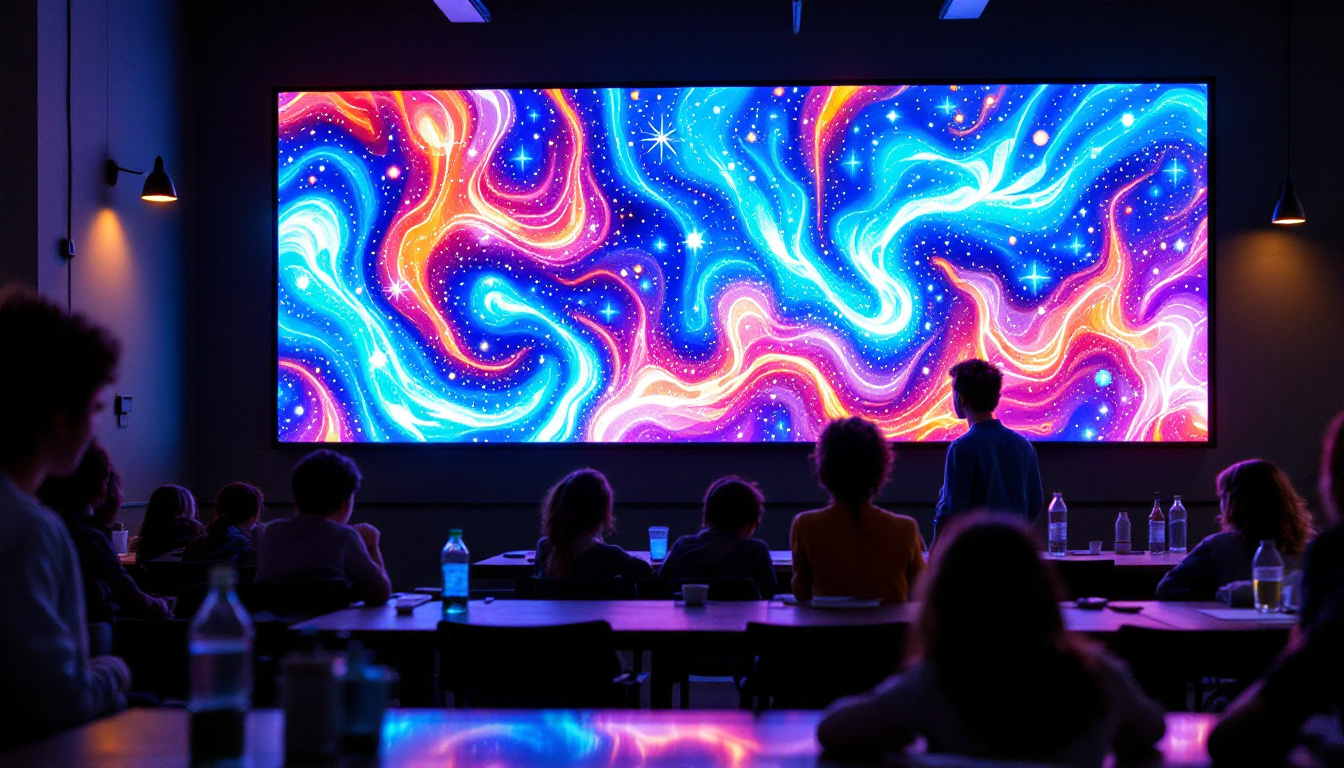
In concerts, festivals, and theatrical performances, 3D Jumbotrons create immersive backdrops that enhance storytelling and audience engagement. For example, artists can project holographic-like images that interact with performers, adding a new dimension to live shows. This technology not only captivates the audience’s attention but also allows for seamless transitions between scenes, making the overall production more fluid and dynamic.
Sports events also benefit from 3D Jumbotrons by displaying dynamic replays and statistics with depth, making it easier for spectators to follow the action. This technology enriches the fan experience and can even be used for interactive fan zones. Fans can engage with the displays through augmented reality features, allowing them to view player stats or game highlights on their mobile devices while enjoying the live atmosphere. Such interactive elements create a more personalized experience, ensuring that fans feel connected to the game in real-time.
Advertising and Marketing
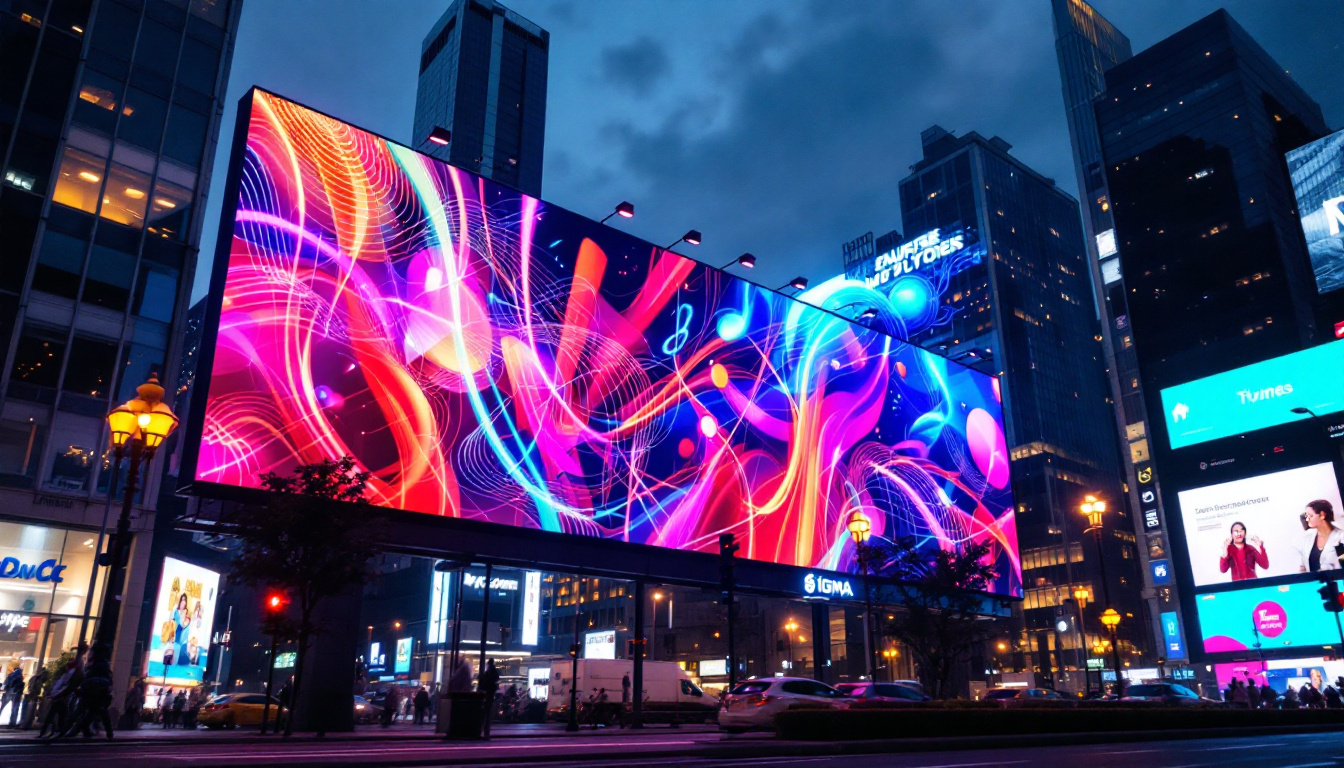
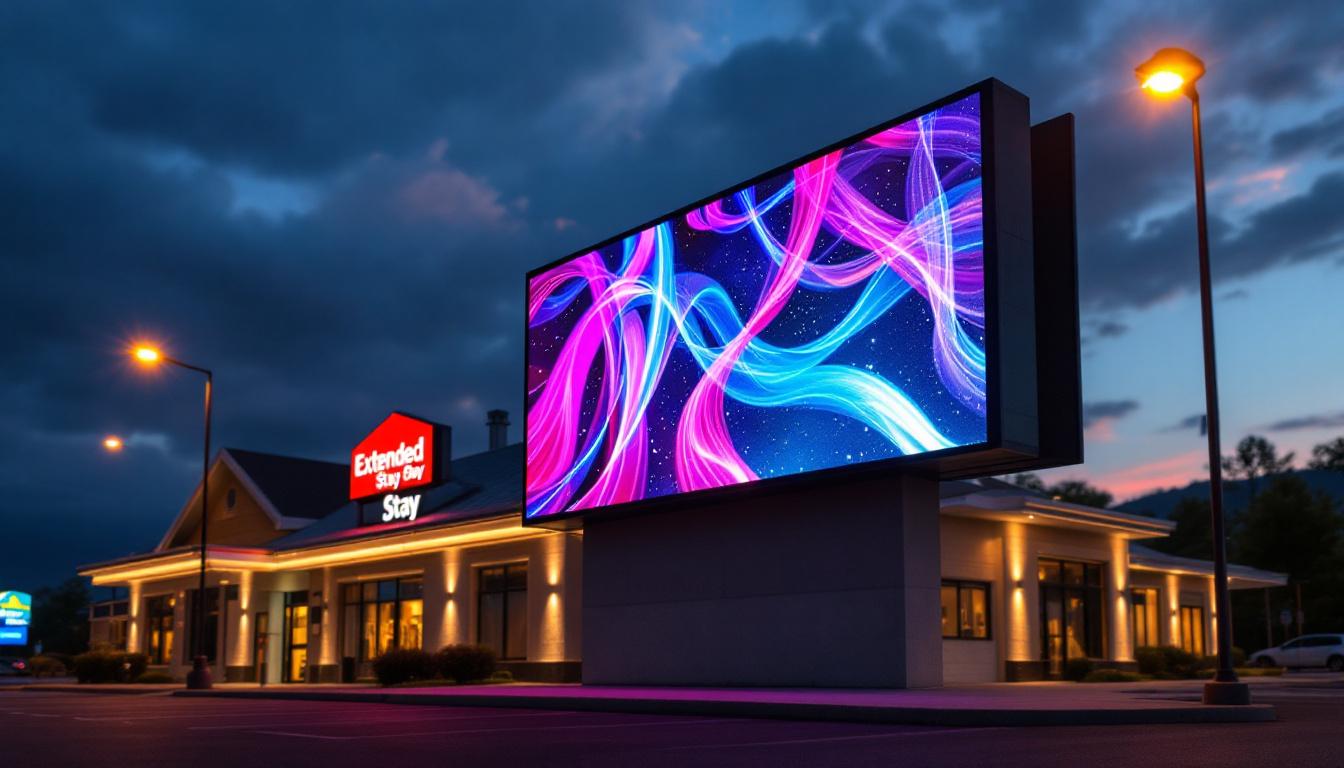
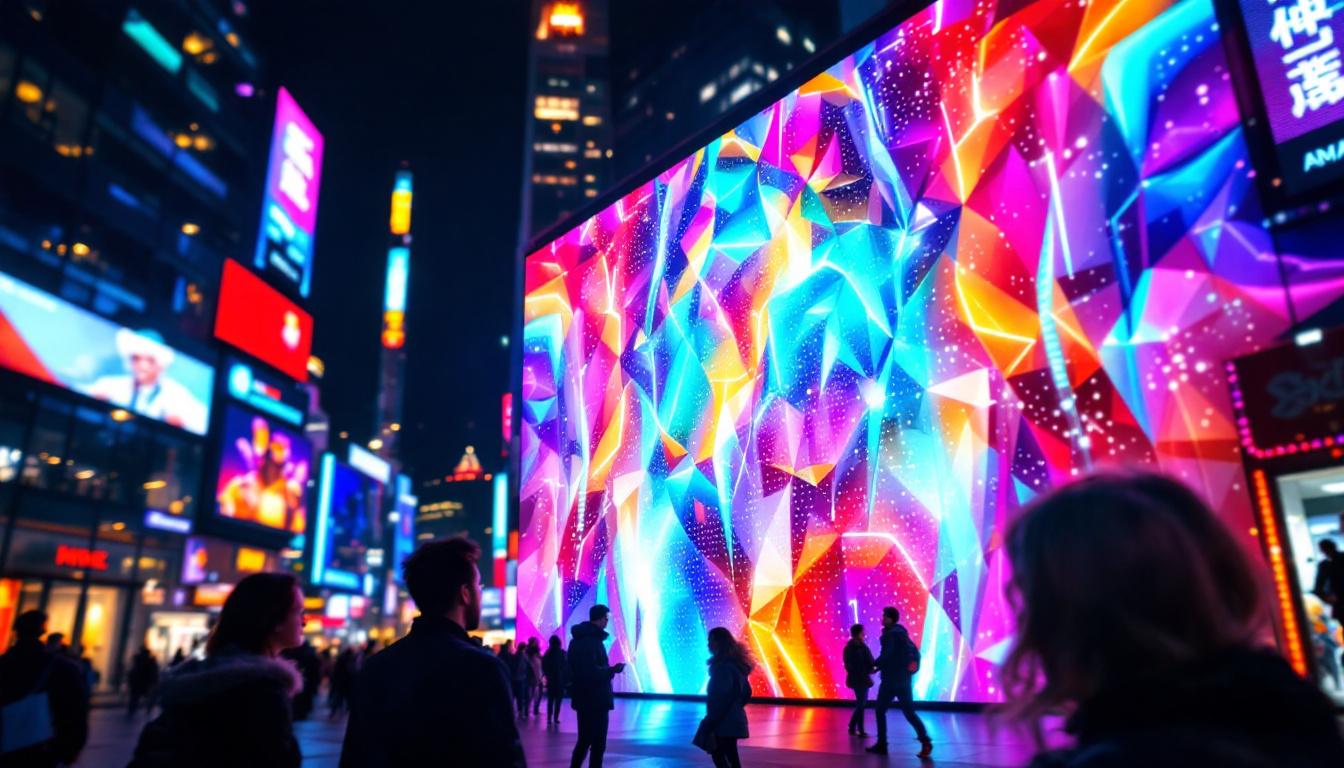
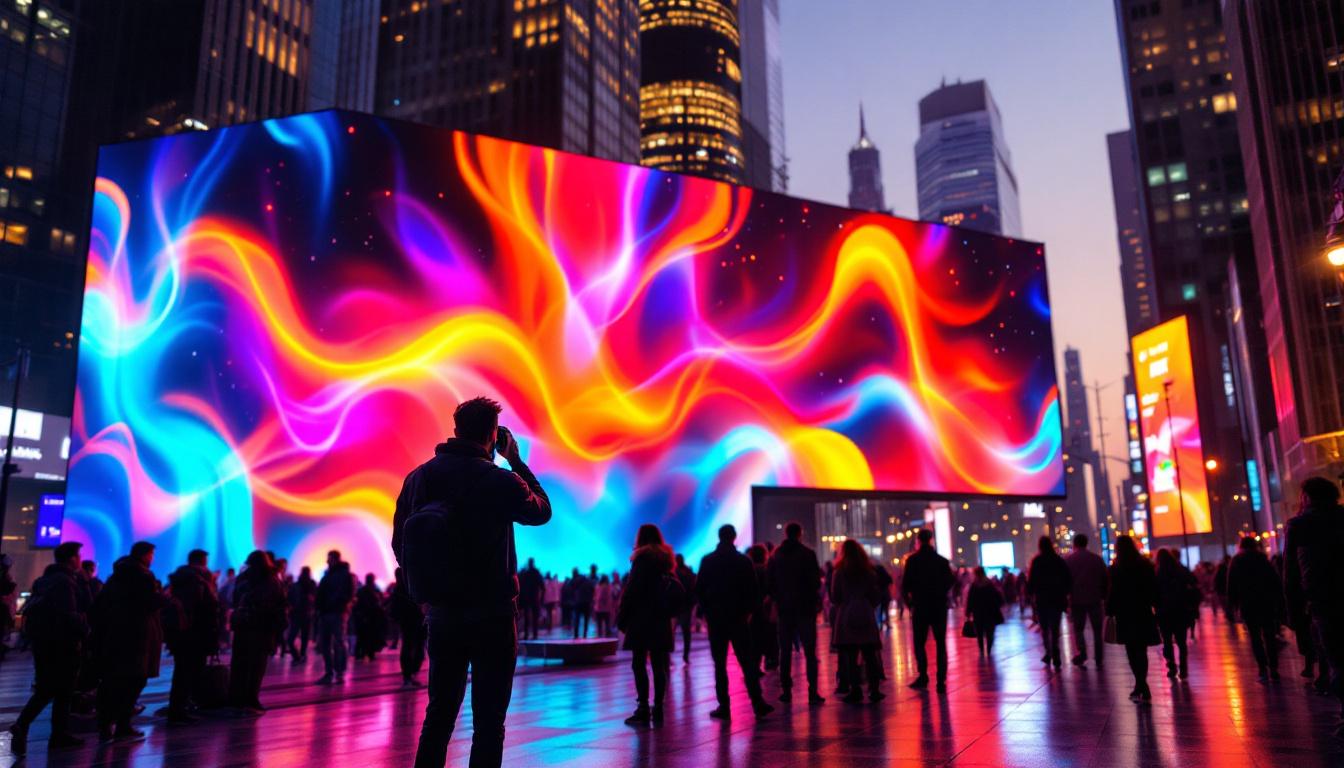
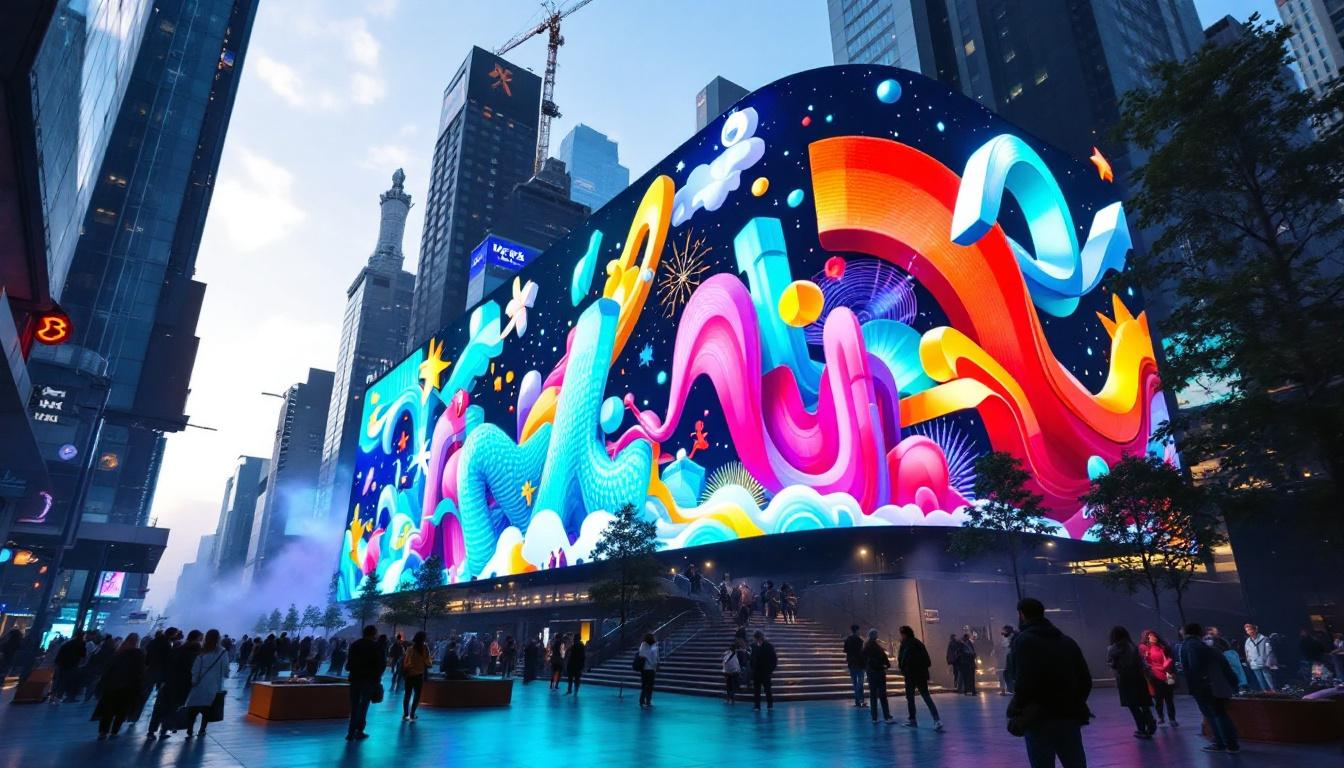
Advertising is one of the fastest-growing sectors adopting 3D Jumbotron technology. Brands leverage the eye-catching nature of 3D visuals to capture attention in crowded urban environments. Iconic locations like Times Square in New York City and Shibuya Crossing in Tokyo have started featuring 3D LED billboards that create striking illusions, driving consumer engagement and social media buzz. These displays not only showcase products but also tell stories that resonate with viewers, making the advertisements more memorable.
Studies show that 3D advertisements can increase viewer engagement by up to 30% compared to traditional 2D ads. This boost is attributed to the novelty and immersive experience that 3D visuals provide, making them a powerful tool for brand differentiation. Additionally, the integration of real-time data into these advertisements allows brands to tailor their messaging based on audience demographics and behaviors, further enhancing their effectiveness. Marketers are now able to create campaigns that evolve throughout the day, ensuring that their content remains relevant and impactful.
Public Information and Art Installations
City planners and cultural institutions are exploring 3D Jumbotrons for public information displays and interactive art. These installations can transform public spaces into vibrant, dynamic environments that communicate messages more effectively and foster community interaction. By utilizing 3D technology, cities can provide real-time updates on public transport, weather conditions, and local events, making information more accessible to residents and visitors alike.
For example, museums have used 3D Jumbotrons to display historical reconstructions or scientific visualizations, offering visitors a more engaging learning experience. Similarly, urban art projects utilize these displays to create moving sculptures and visual narratives that captivate passersby. Artists are experimenting with augmented reality features that allow viewers to interact with the artwork using their smartphones, providing a deeper understanding of the piece and encouraging dialogue within the community. These installations not only beautify public spaces but also serve as platforms for education and cultural exchange, enriching the urban landscape in meaningful ways.
Technical Challenges and Solutions in 3D Jumbotron Development
While the potential of 3D Jumbotrons is vast, developing and deploying these displays involves overcoming several technical hurdles.
Viewing Angles and Audience Positioning
One of the primary challenges is ensuring that the 3D effect is visible and consistent from multiple viewing angles. Since the technology relies on directing light to each eye separately, the optimal viewing zones can be limited.
To address this, manufacturers design multi-viewpoint systems that support several distinct viewing angles simultaneously. Advanced calibration and tracking technologies can also adjust the display dynamically based on audience position, though these solutions increase complexity and cost.
Brightness and Ambient Light Conditions
Outdoor 3D Jumbotrons must contend with varying ambient light, including direct sunlight, which can wash out the display. Achieving sufficient brightness without excessive power consumption requires high-efficiency LEDs and intelligent brightness control systems.
Recent innovations include the use of micro-LED technology, which offers higher brightness levels and better thermal management, making outdoor 3D displays more viable and energy-efficient.
Content Creation and Management
Producing compelling 3D content for Jumbotrons demands specialized skills and software. Content must be designed to exploit the depth capabilities while remaining clear and legible from different distances.
To streamline this process, content management systems tailored for 3D LED displays have emerged, allowing creators to preview and optimize content before deployment. Additionally, real-time rendering engines enable live 3D visualizations, expanding creative possibilities.
The Future of 3D Jumbotron Technology
The trajectory of 3D Jumbotron technology points toward even more immersive and interactive experiences. Several trends and innovations are shaping this future landscape.
Integration with Augmented Reality (AR) and Artificial Intelligence (AI)
Combining 3D Jumbotrons with AR can create hybrid experiences where digital content interacts seamlessly with the physical environment. For instance, AR-enabled smartphones or wearables can augment the 3D visuals on Jumbotrons, providing personalized or enhanced layers of information.
AI plays a role in optimizing content delivery, adjusting visuals based on crowd behavior, weather conditions, or time of day. Intelligent systems can also tailor advertisements in real-time, maximizing relevance and impact.
Advances in Display Materials and Pixel Density
Emerging materials like quantum dots and micro-LEDs promise higher color accuracy, brightness, and energy efficiency. Increasing pixel density will allow 3D Jumbotrons to display ultra-high-definition content that remains crisp even at close range.
Flexible and transparent LED panels are also under development, enabling new form factors such as curved or wrap-around 3D displays that blend into architectural elements.
Environmental and Sustainability Considerations
As large-scale displays consume significant energy, there is growing emphasis on sustainability. Innovations in low-power LEDs, solar-powered installations, and recyclable components are becoming priorities for manufacturers and clients alike.
Moreover, the ability to dynamically update content reduces the need for physical signage, lowering waste and supporting circular economy principles.
Conclusion: Why 3D Jumbotrons Matter
3D Jumbotrons represent a significant leap forward in visual communication, merging cutting-edge LED technology with immersive 3D imaging to create unforgettable experiences. Their applications span entertainment, advertising, public information, and art, offering new ways to engage audiences and convey messages.
Despite technical challenges, ongoing innovations continue to enhance the capabilities, accessibility, and sustainability of 3D Jumbotrons. As this technology matures, it is poised to become a staple in the visual landscape of cities, venues, and events worldwide, transforming how people see and interact with digital content on a grand scale.
Discover the Future of Visual Engagement with LumenMatrix
Ready to elevate your visual presence and captivate your audience like never before? LumenMatrix is at the forefront of LED display innovation, offering a comprehensive range of solutions that bring your brand to life. From Indoor and Outdoor LED Wall Displays to specialized options like Vehicle, Sports, and Floor LED Displays, our technology is designed to make a lasting impression. Experience the transformative power of 3D Jumbotrons and more with our Custom, All-in-One, and Transparent LED Displays. Check out LumenMatrix LED Display Solutions today and join the revolution in visual communication.