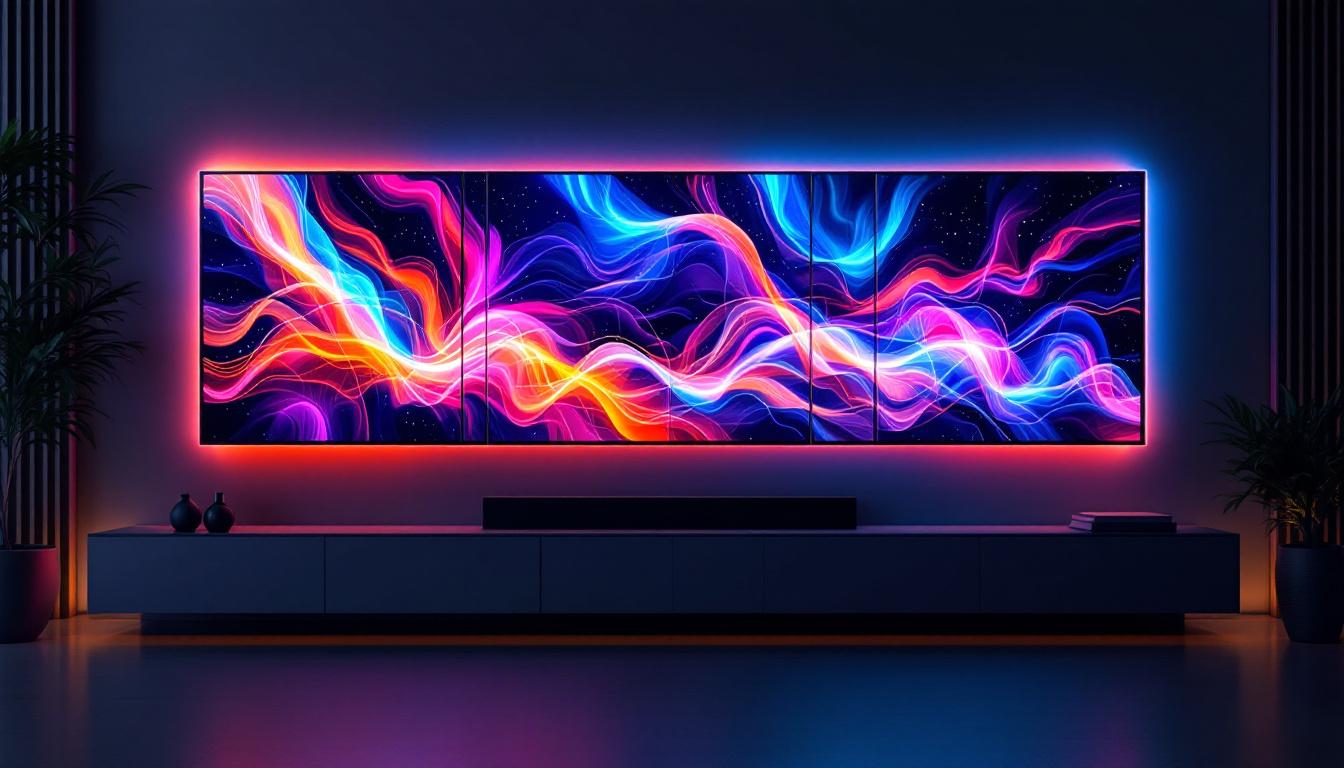
4 TV Screens Into 1 Wall Display: LED Display Explained
In today’s world of digital signage and immersive visual experiences, the ability to transform multiple TV screens into a single, seamless wall display is a game-changer. Whether it’s for corporate boardrooms, retail environments, control rooms, or entertainment venues, combining four TV screens into one large LED display offers a dynamic and flexible solution that enhances visual impact and functionality.
This article explores the technology behind LED displays, the practicalities of merging multiple screens, and the benefits and challenges of creating a unified video wall. By understanding these concepts, businesses and tech enthusiasts can make informed decisions about deploying large-scale displays that captivate audiences and improve communication.
Understanding LED Displays: The Foundation of Large Wall Screens
What is an LED Display?
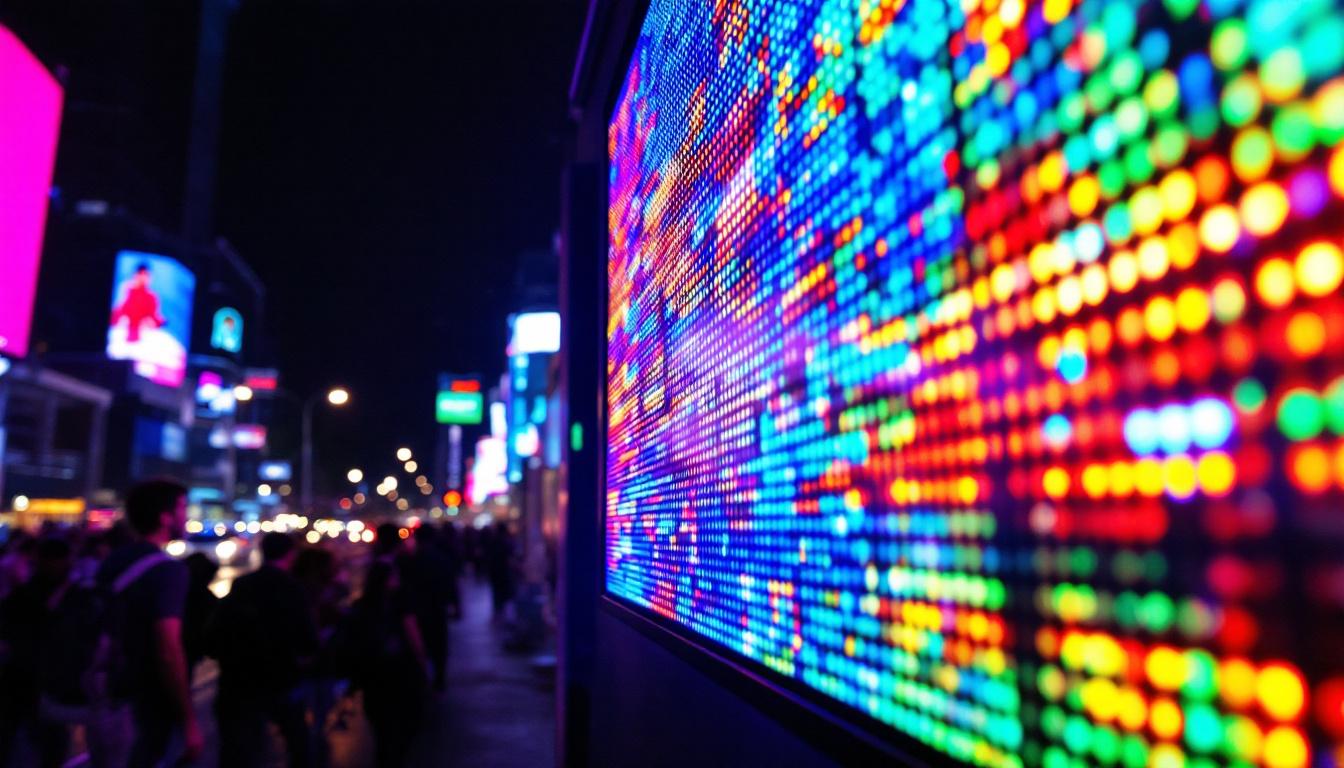
LED (Light Emitting Diode) displays are composed of many tiny LEDs that emit light when an electric current passes through them. Unlike traditional LCD or plasma screens, LED displays use these diodes as individual pixels, allowing for brighter images, deeper contrast, and superior energy efficiency.
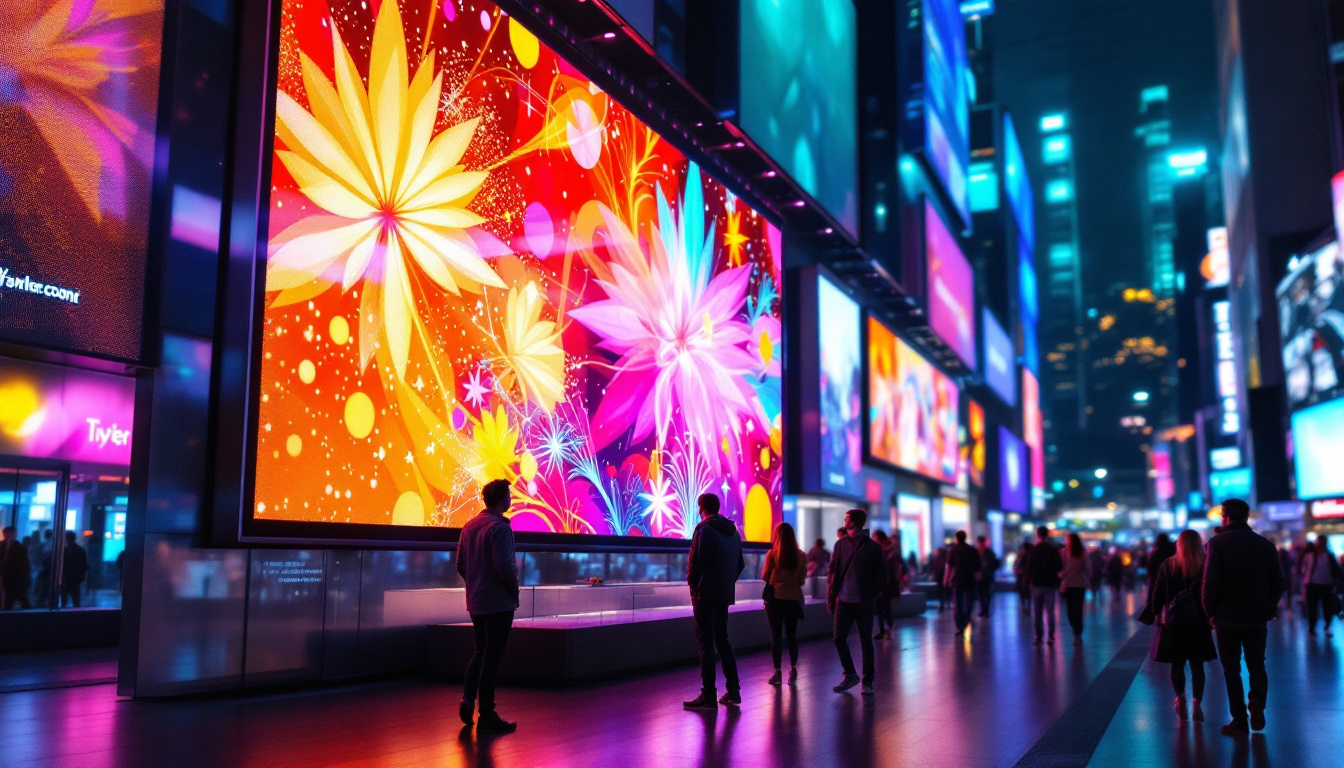
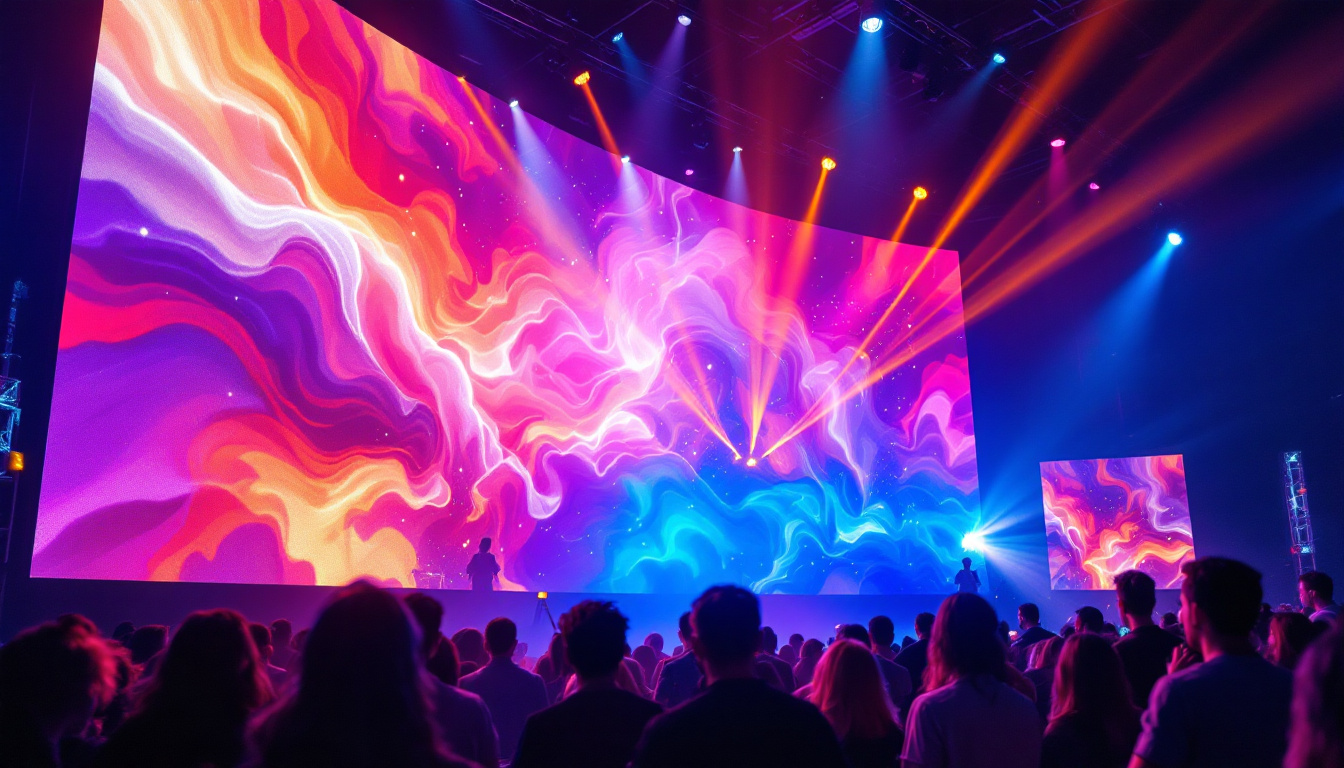
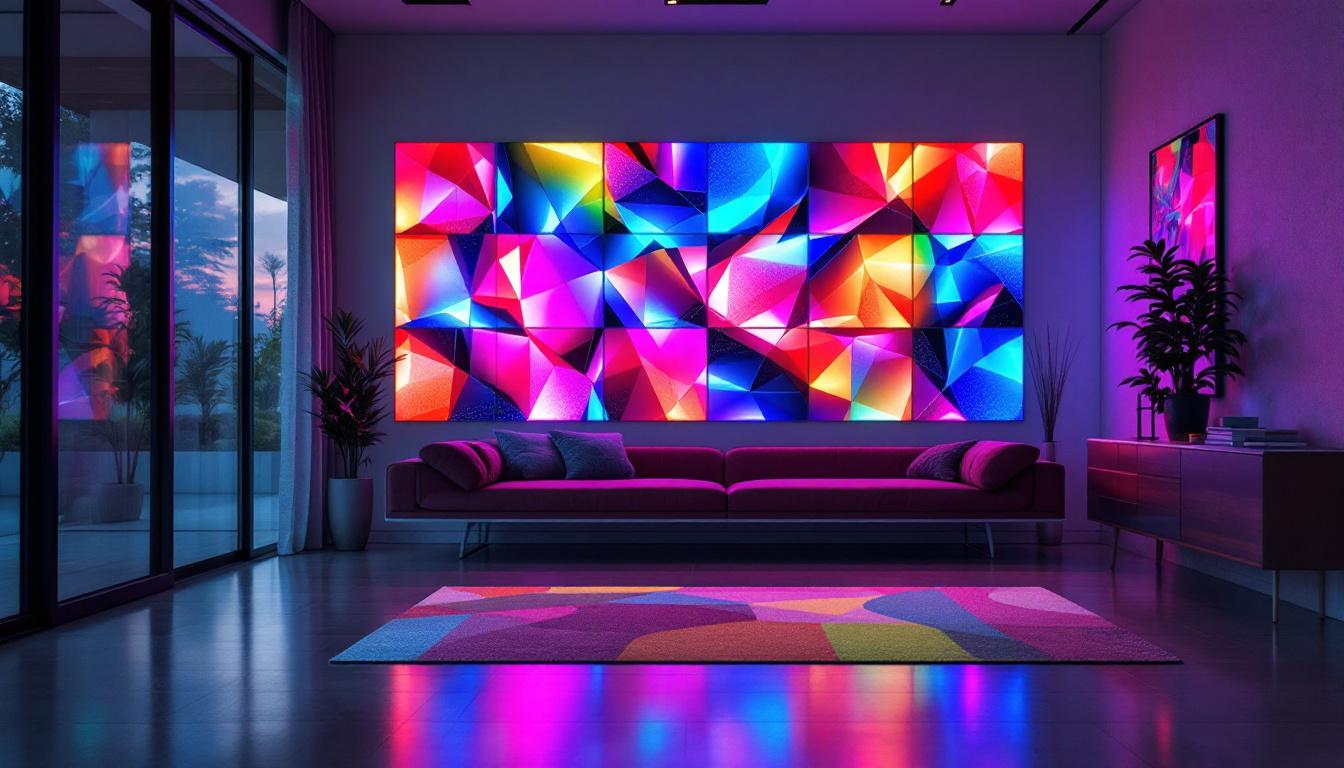
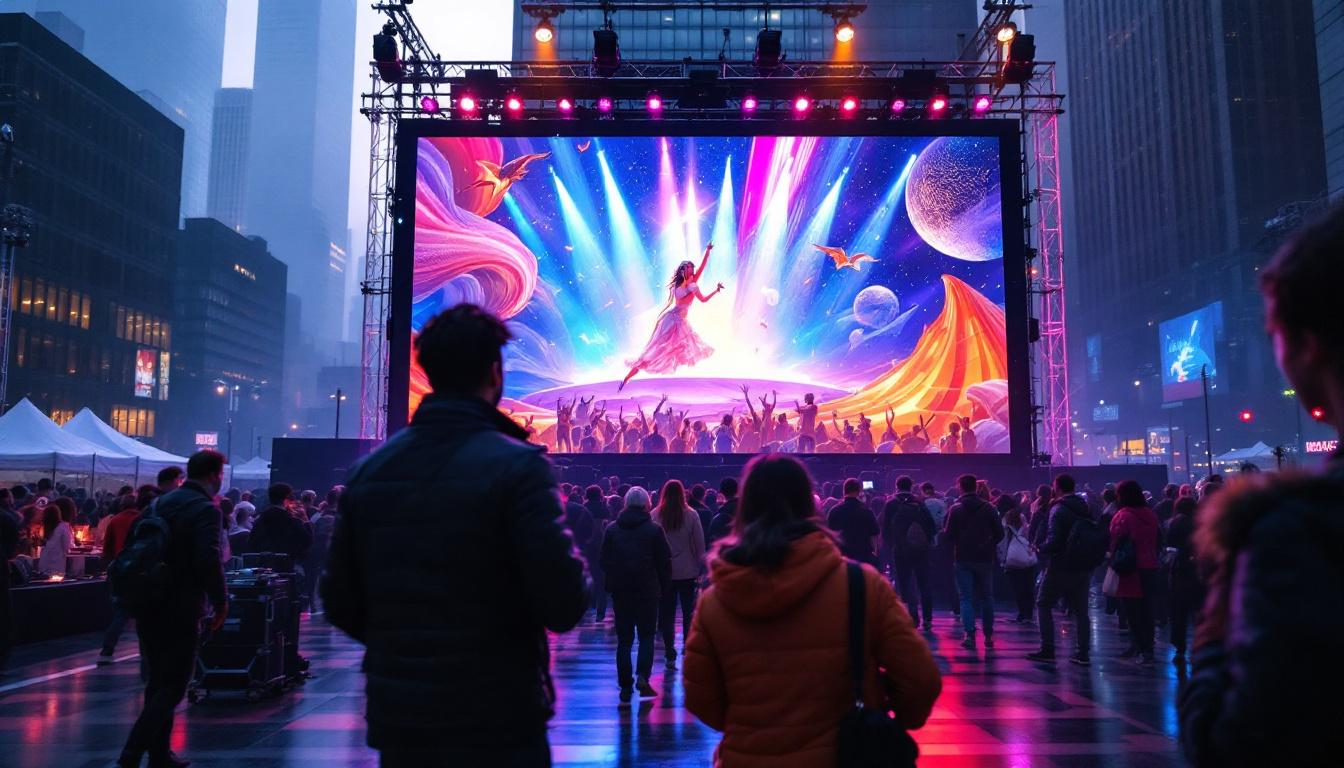
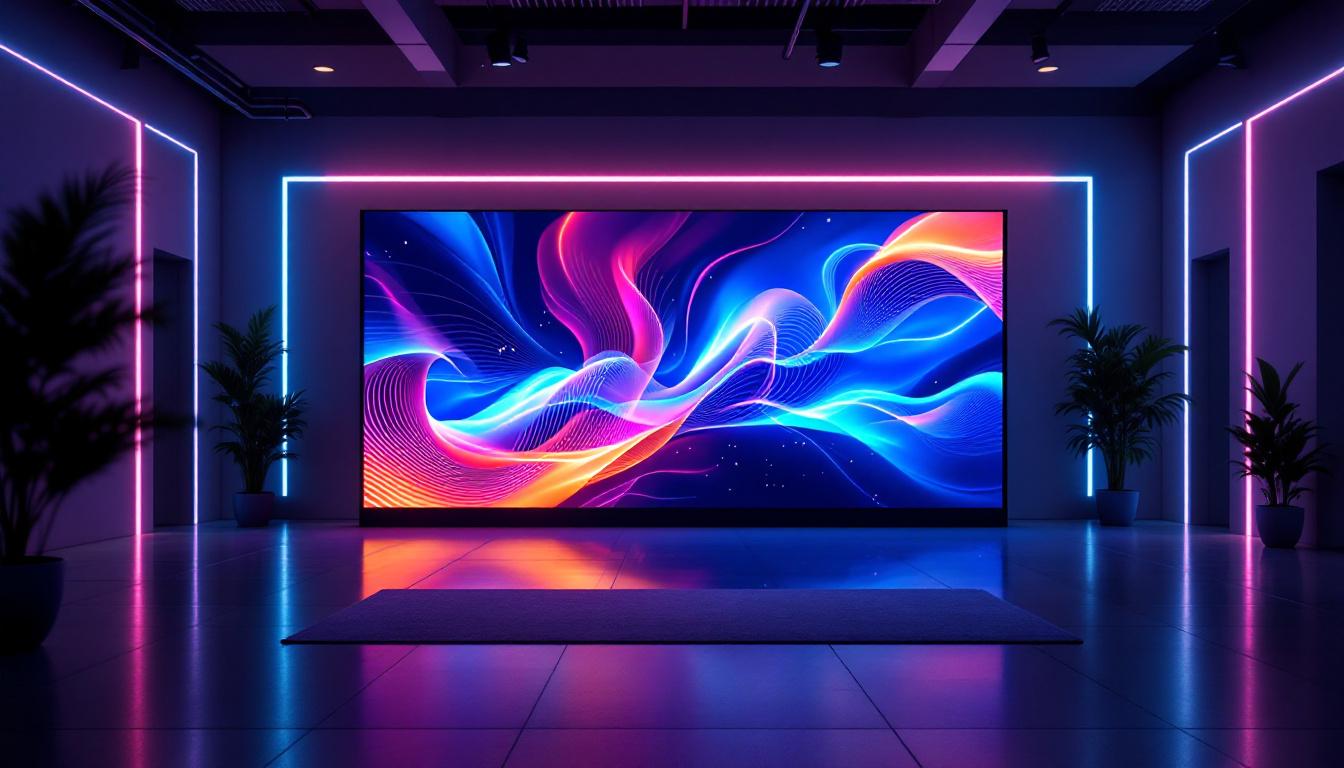
LED technology is versatile, ranging from small indicator lights to massive outdoor billboards. In the context of video walls, LED displays are often modular panels that can be tiled together to create large, high-resolution screens without visible bezels interrupting the image. This modularity not only enhances the visual experience but also provides flexibility in design, enabling creative installations that can adapt to various environments and applications, from corporate settings to entertainment venues.
Moreover, the longevity and durability of LED displays make them an attractive option for both indoor and outdoor use. They are designed to withstand harsh weather conditions, making them ideal for advertising in public spaces. The ability to operate effectively in a wide range of temperatures and humidity levels further underscores their versatility, ensuring that they deliver consistent performance over time.
Direct View LED vs. LCD Video Walls
When assembling a video wall from multiple screens, two main technologies come into play: direct view LED and LCD panels. Direct view LED video walls consist of LED modules that emit light directly, offering unparalleled brightness and color vibrancy, especially in environments with high ambient light.
LCD video walls, on the other hand, use traditional LCD panels placed side-by-side. While LCDs can offer high resolution and are often more affordable initially, they suffer from bezel gaps between screens, which can disrupt the continuity of the image. Advances in ultra-narrow bezel LCDs have narrowed this gap, but LED video walls remain the gold standard for seamless large-scale displays. Additionally, LED technology allows for a wider viewing angle, ensuring that the image remains clear and vibrant from various perspectives, which is particularly beneficial in large spaces where viewers may be positioned at different angles.
Furthermore, the energy efficiency of LED displays is a significant advantage in today’s environmentally conscious market. They consume less power compared to their LCD counterparts, which not only translates to lower operational costs but also aligns with sustainability goals. This efficiency, combined with the ability to produce high-quality images even in bright conditions, makes LED displays a preferred choice for dynamic advertising and immersive experiences in venues like sports arenas, concert halls, and trade shows. As technology continues to evolve, we can expect even more innovations that will enhance the capabilities of LED displays, further solidifying their place in the realm of visual communication.
Combining Four TV Screens Into One Display: How It Works
The Concept of Video Wall Controllers
To convert four separate TV screens into a single, cohesive display, a video wall controller is essential. This device or system takes a single video input and splits it across multiple screens, ensuring that each TV displays the correct portion of the overall image.
Video wall controllers come in various forms, from hardware-based solutions with dedicated processors to software-driven systems that utilize networked media players. These controllers handle image scaling, synchronization, and sometimes even advanced features like bezel compensation to minimize the visual disruption caused by screen edges.
Physical Setup and Calibration
Physically aligning four TVs to form a perfect 2×2 grid requires precision. The screens must be mounted securely on a wall or frame, with minimal gaps and perfectly aligned edges. This setup often involves adjustable mounts that allow fine-tuning of height, tilt, and depth to achieve a flat, uniform surface.
Calibration is equally critical. Color matching and brightness adjustments ensure that the image looks consistent across all four screens. Without proper calibration, viewers might notice differences in hue or luminance, which detracts from the immersive experience.
Bezel Management
One of the biggest challenges in combining multiple TV screens is dealing with bezels—the physical borders around each screen. Bezels create visible lines that interrupt the image, breaking the illusion of a single display.
Modern video wall solutions use bezel compensation techniques, where the content is adjusted to account for the bezel width. For example, the image is slightly cropped or shifted so that important content doesn’t fall within the bezel area. Additionally, some manufacturers offer ultra-narrow bezel TVs specifically designed for video walls, reducing the visual impact.
Benefits of Using Four TVs as One Wall Display
Cost-Effectiveness and Flexibility
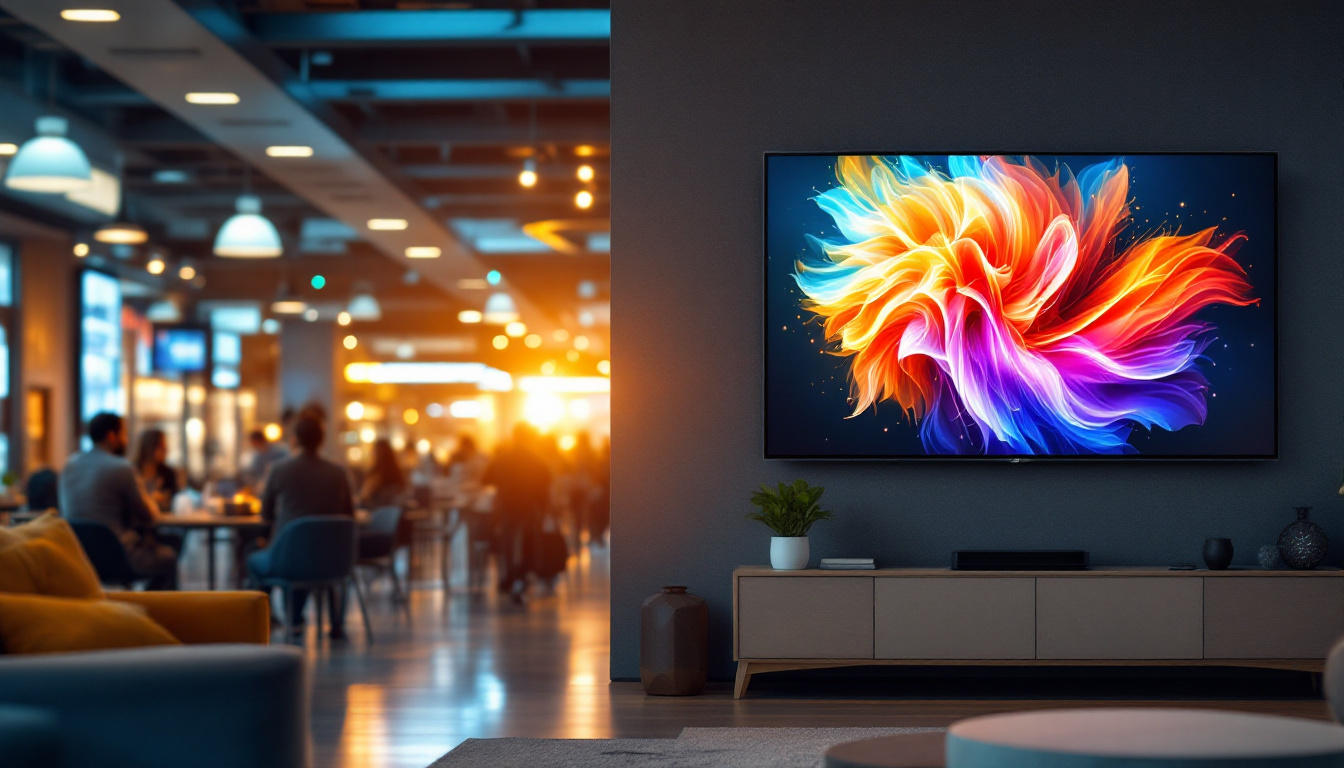
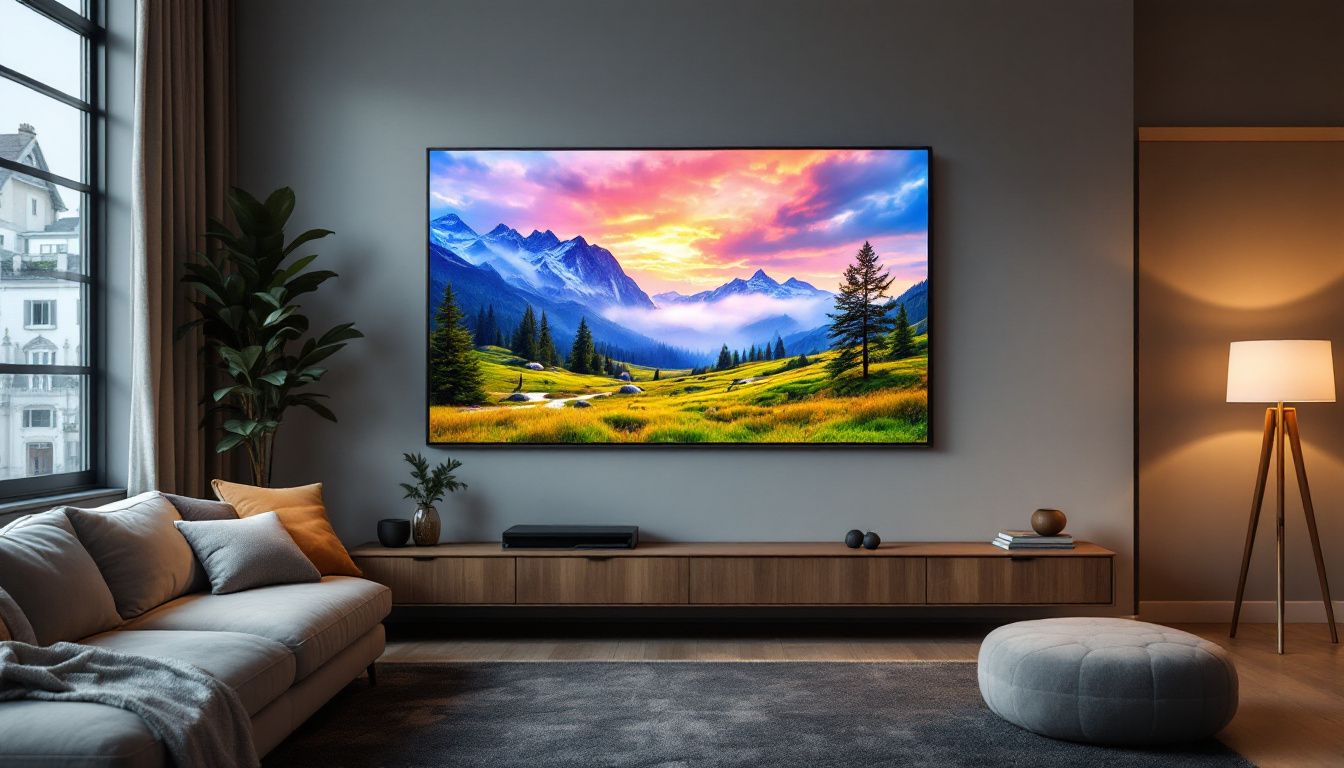
Using four standard TVs to create a large display can be more cost-effective than investing in a single large-format LED panel, especially for smaller budgets or temporary installations. TVs are widely available, easy to replace, and often come with built-in smart features, adding versatility.
This modular approach also allows for scalability. If the display needs to grow, additional screens can be added, and the video wall controller can be reconfigured accordingly. This flexibility is particularly useful for businesses that anticipate changing display requirements over time.
Enhanced Visual Impact
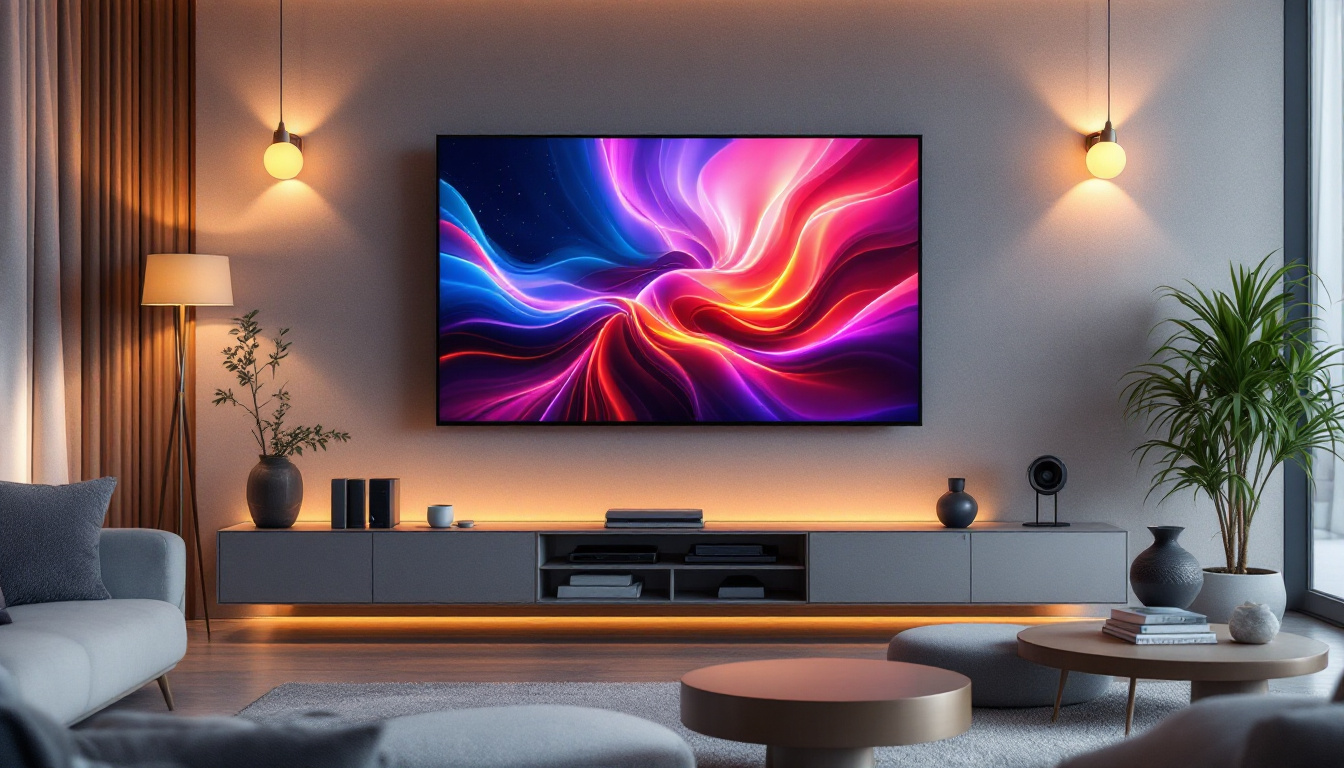
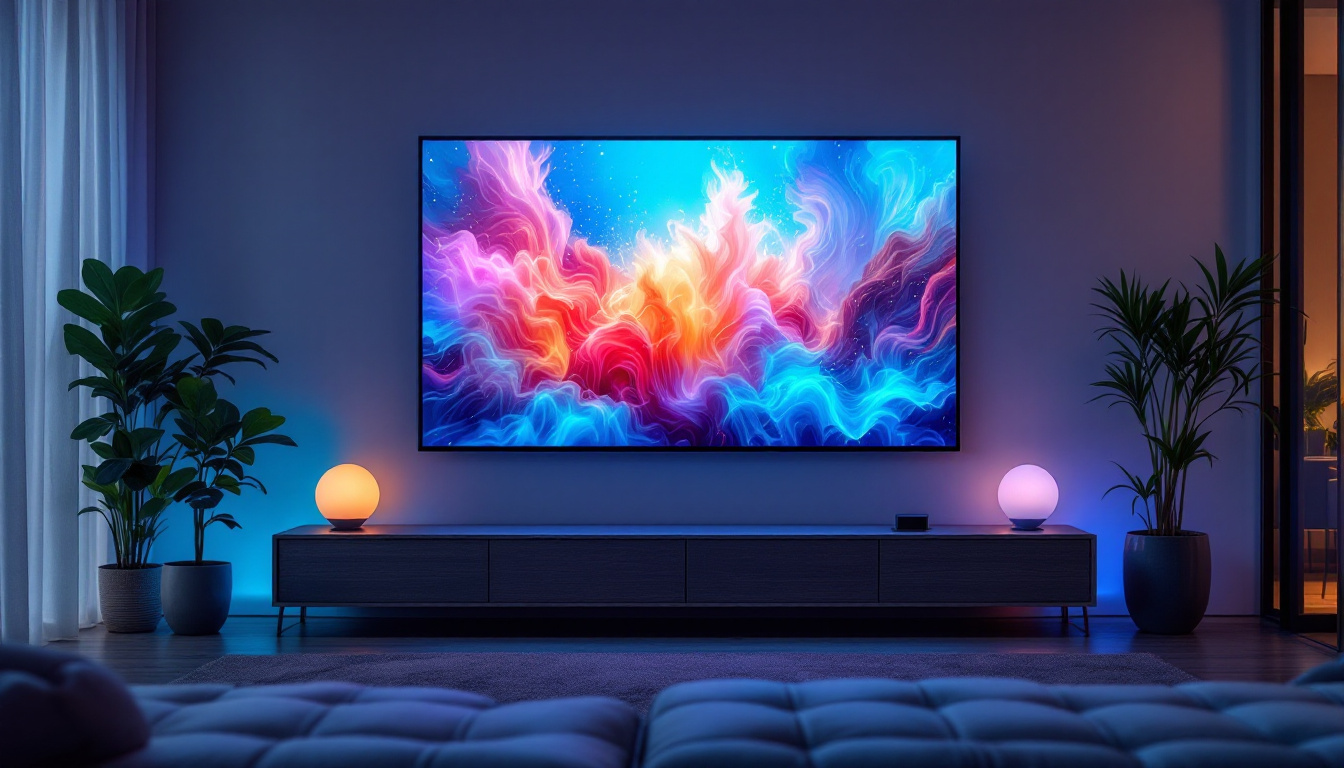
A 2×2 video wall created from four TVs offers a much larger canvas than a single screen, enabling more detailed and impactful content. This is ideal for presentations, advertising, or monitoring multiple data streams simultaneously.
High resolution and brightness levels achievable with modern TVs ensure that the content remains crisp and vibrant, even in brightly lit rooms. This makes video walls suitable for a variety of environments, from corporate lobbies to retail showrooms.
Improved Audience Engagement
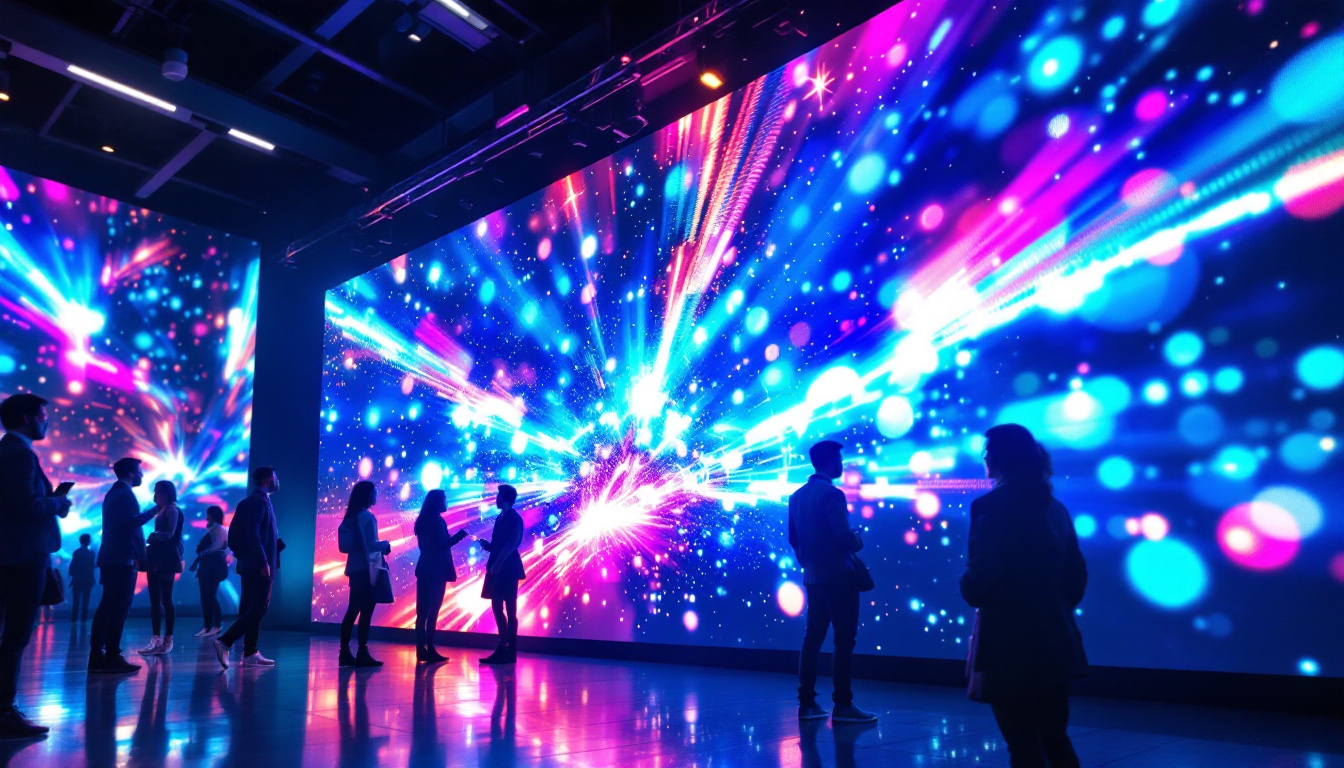
Large video walls naturally draw attention. They can be used to display dynamic content such as videos, animations, and interactive interfaces that engage viewers more effectively than static signage.
In retail settings, for example, video walls can showcase promotional campaigns or product demonstrations, increasing customer dwell time and potentially driving sales. In control rooms, they enable operators to monitor multiple information sources simultaneously, enhancing decision-making.
Challenges and Considerations When Creating a Multi-Screen Wall Display
Technical Complexity and Maintenance
While assembling four TVs into a single display is achievable, it requires technical expertise. Ensuring synchronization, managing input signals, and calibrating colors demand specialized knowledge and equipment.
Maintenance can also be more complex. If one screen fails or exhibits issues, it can disrupt the entire display. Having a plan for quick replacement or repair is essential to minimize downtime.
Viewing Angles and Image Uniformity
Different TV models have varying viewing angles and color reproduction characteristics. Using identical screens is crucial to maintaining uniformity across the video wall. Even then, slight variations in brightness or color can occur, especially when viewed from extreme angles.
Choosing high-quality commercial-grade TVs designed for video wall applications can mitigate these issues, ensuring consistent performance over time.
Space and Installation Requirements
Mounting four TVs as a single display requires sufficient wall space and structural support. The combined weight and size must be considered, and professional installation is often recommended to ensure safety and optimal alignment.
Additionally, cable management becomes more complex with multiple screens, requiring careful planning to avoid clutter and maintain a clean appearance.
Real-World Applications of Four-Screen LED Wall Displays
Corporate and Conference Rooms
Many businesses use four-screen video walls in conference rooms to facilitate presentations and video conferencing. The large display area allows for multiple content sources to be shown simultaneously, such as slides, live video feeds, and data dashboards.
This setup enhances collaboration by providing clear visuals that are easily visible to all participants, improving communication and decision-making.
Retail and Advertising
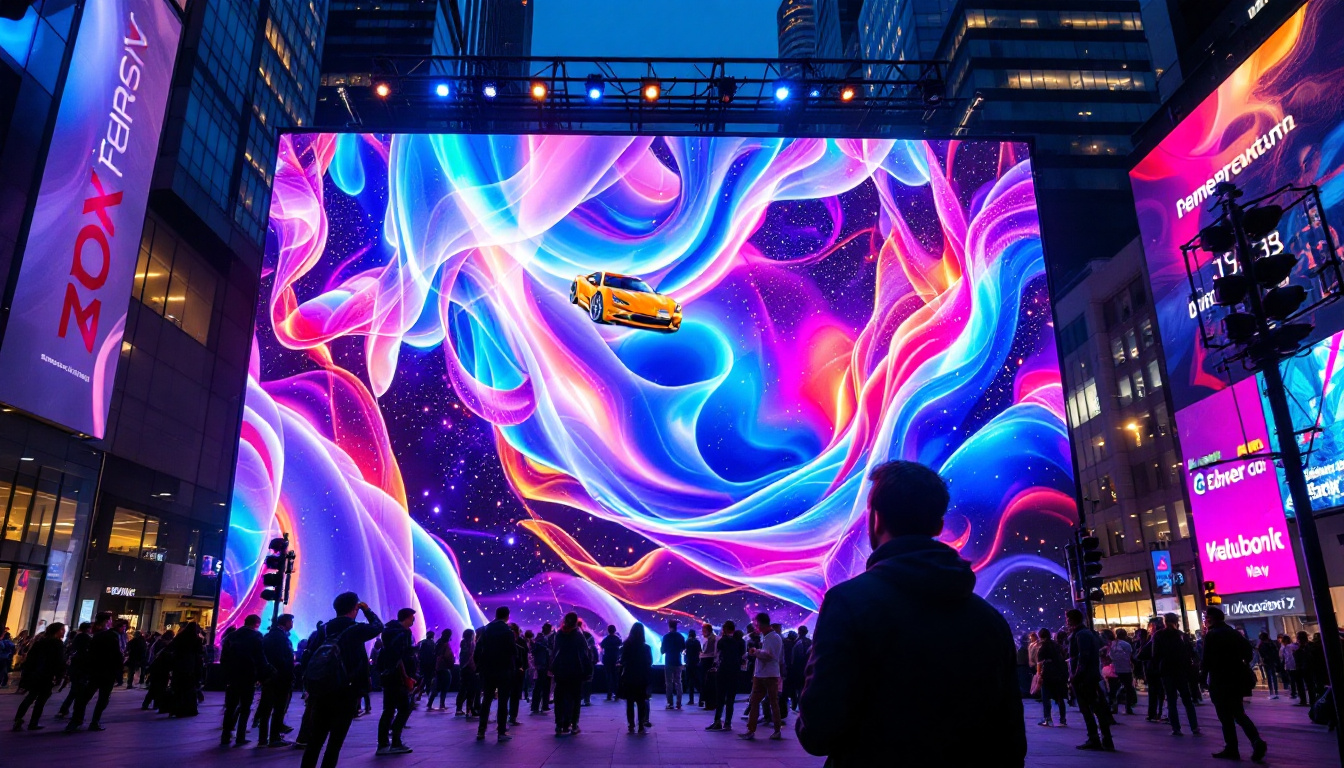
Retailers leverage video walls to create eye-catching digital signage that promotes products and sales. A four-screen display can show high-resolution videos and animations that captivate shoppers and create a modern, tech-savvy brand image.
Interactive video walls can also be integrated with touch technology, enabling customers to explore product catalogs or customize items directly on the display.
Control Rooms and Command Centers
In environments where monitoring multiple data streams is critical, such as security operations centers or traffic management facilities, four-screen video walls provide a comprehensive overview. Operators can view live feeds, maps, and analytics simultaneously, enhancing situational awareness.
The ability to reconfigure the display layout dynamically allows teams to prioritize information based on real-time needs.
Future Trends in Multi-Screen LED Displays
MicroLED and MiniLED Technologies
Emerging display technologies like MicroLED and MiniLED promise even greater brightness, contrast, and energy efficiency. These advancements will make video walls more vibrant and durable, with even thinner bezels and improved color accuracy.
As production costs decrease, these technologies will become more accessible for multi-screen configurations, further enhancing the visual experience.
Integration with AI and Interactive Features
Artificial intelligence is beginning to influence how content is displayed on video walls. AI-powered systems can automatically adjust brightness and contrast based on ambient lighting or audience engagement metrics.
Interactive features, including gesture recognition and voice control, will make video walls more intuitive and responsive, opening new possibilities for user interaction.
Wireless and Cloud-Based Video Wall Management
Advancements in wireless technology and cloud computing are simplifying video wall management. Remote control and content updates over the internet enable faster deployment and easier maintenance, especially for multi-location businesses.
Cloud-based platforms allow centralized management of multiple video walls, streamlining operations and ensuring consistent branding across all displays.
Conclusion
Transforming four TV screens into a single, unified LED wall display offers a compelling way to create large-format visual experiences that are both impactful and versatile. By understanding the underlying LED technology, the role of video wall controllers, and the practical considerations involved, organizations can harness this approach to enhance communication, marketing, and operational efficiency.
While challenges such as bezel management and technical complexity exist, advances in display technology and management tools continue to make multi-screen video walls more accessible and effective. As the technology evolves, these displays will become even more integral to how businesses and public spaces engage with audiences through vibrant, large-scale visuals.
Discover LumenMatrix’s Innovative LED Display Solutions
Ready to elevate your visual experience with a seamless, large-format LED display? LumenMatrix is at the forefront of LED technology, offering a wide range of solutions that transform spaces and captivate audiences. From vibrant Indoor and Outdoor LED Wall Displays to dynamic Vehicle and Sports LED Displays, our products are designed to revolutionize visual communication and engagement. Explore our innovative LED Poster Displays, Floor LED Displays, Custom LED Displays, All-in-One LED Displays, and LED Transparent Displays. Embrace the future of digital signage with LumenMatrix and create unforgettable visual experiences. Check out LumenMatrix LED Display Solutions today and see how we can help you share your message with impact and clarity.