In today’s digital age, LED displays have become an integral part of how information is communicated visually, from advertising billboards to stadium screens and even everyday consumer electronics. The term “85 display” often appears in discussions related to LED technology, but what exactly does it mean, and how does it fit into the broader context of LED displays? This article provides a comprehensive explanation of LED displays, focusing on the concept of the 85 display, its technology, applications, and why it matters in modern visual communication.
Understanding LED Displays: The Basics
LED stands for Light Emitting Diode, a semiconductor device that emits light when an electric current passes through it. LED displays are made up of many such diodes arranged in a matrix or grid, which can be controlled individually to create images, text, or video content. These displays are known for their brightness, energy efficiency, and long lifespan, making them a popular choice across various industries. From advertising billboards to television screens, the versatility of LED technology has revolutionized how visual information is presented.
The core advantage of LED displays over traditional display technologies like LCD or plasma is their ability to produce vivid colors and high contrast ratios even in bright ambient conditions. This makes them ideal for outdoor use, where sunlight can wash out other types of screens. Additionally, LED displays have a faster refresh rate, which is particularly beneficial for displaying dynamic content such as sports events or live performances, ensuring that motion appears smooth and fluid without any blurring.
What Does “85 Display” Mean?
The term “85 display” typically refers to an LED display that operates at an 85% duty cycle or has an 85% fill factor, depending on the context. In LED technology, the duty cycle is the percentage of time a LED is turned on during a cycle, while the fill factor relates to the proportion of the display area that emits light.
For example, an 85% duty cycle means the LEDs are illuminated 85% of the time, which affects brightness and power consumption. Similarly, an 85% fill factor indicates that 85% of the display surface is active light-emitting area, contributing to higher image clarity and brightness. Understanding these parameters is crucial for evaluating display performance and suitability for specific applications. In environments where power efficiency is paramount, such as in large-scale installations or during extended use, displays with a higher fill factor can significantly reduce energy costs while maintaining excellent visual quality.
Moreover, the implications of an 85% duty cycle extend beyond just brightness; they also influence the thermal management of the display. LEDs generate heat, and a higher duty cycle can lead to increased temperatures, which may necessitate advanced cooling solutions to prevent overheating and ensure longevity. This is particularly important in high-performance settings, such as concert venues or sports arenas, where displays are subjected to prolonged periods of intense use. Understanding these technical specifications allows designers and engineers to optimize LED display systems for both performance and reliability, ensuring they meet the demanding requirements of modern visual communication.
Key Components and Technology Behind LED Displays
LED Pixels and Modules
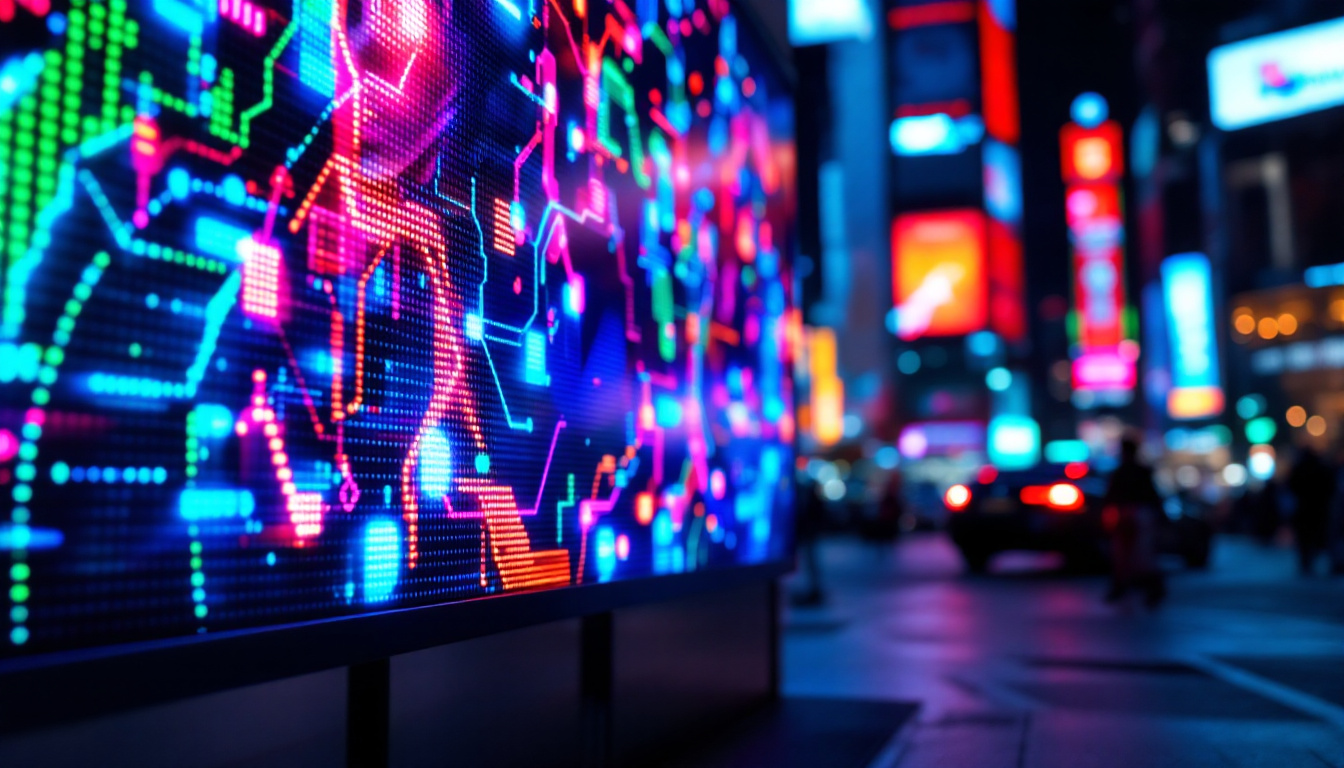
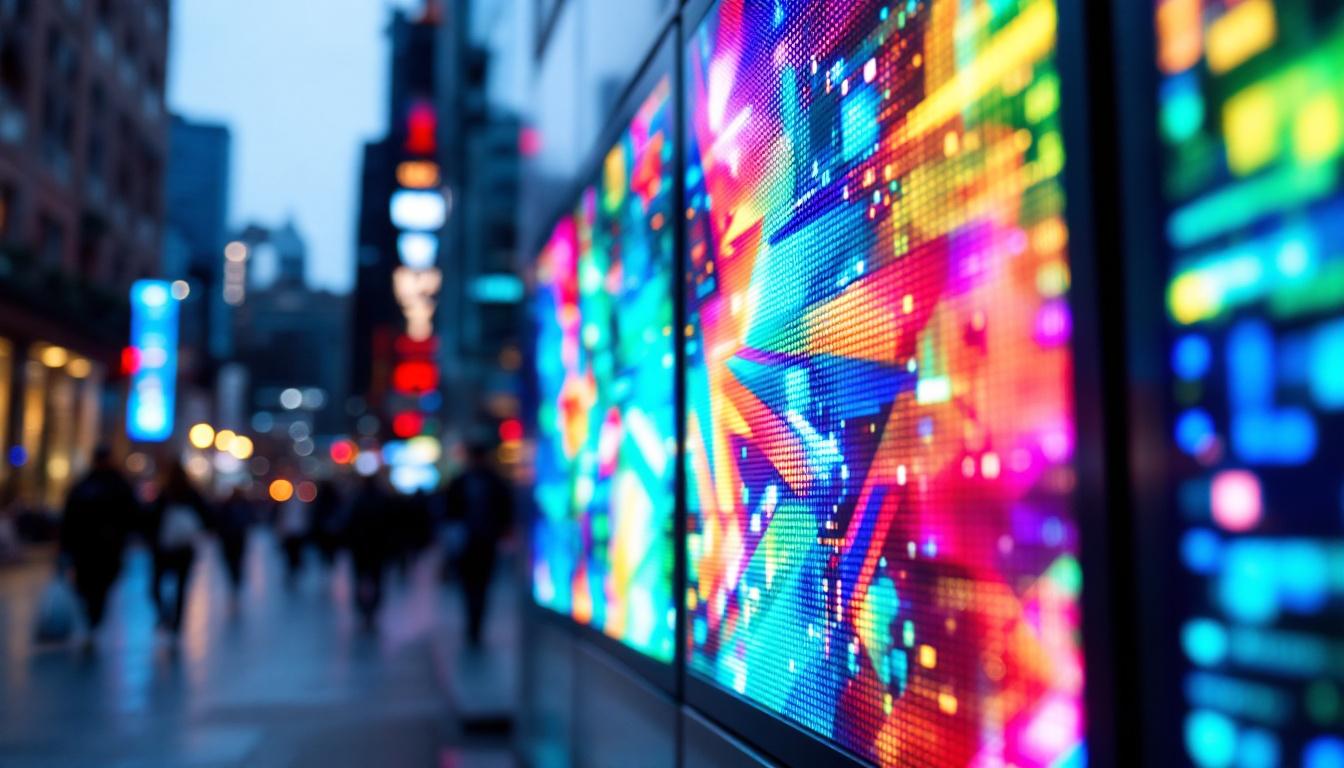
Each LED display is composed of numerous pixels, with each pixel typically consisting of three sub-pixels: red, green, and blue LEDs. By varying the intensity of these sub-pixels, the display can produce a wide range of colors through additive color mixing. The resolution and image quality of the display depend heavily on the pixel pitch, which is the distance between the centers of two adjacent pixels.
Modules are the building blocks of LED displays, containing a set number of pixels arranged on a circuit board. These modules are assembled to form larger screens. The modular design allows for scalability and easier maintenance, as faulty modules can be replaced without dismantling the entire display.
Driving Circuits and Control Systems
LED displays require sophisticated driving circuits to control the timing, brightness, and color of each pixel. These circuits use pulse-width modulation (PWM) to adjust brightness by varying the duty cycle of the LEDs. Higher PWM frequencies reduce flicker, which is essential for applications like broadcasting or close-up viewing.
Control systems manage the input signals, process the image or video data, and synchronize the display output. Advanced controllers can handle high-definition content, support real-time updates, and integrate with networked systems for remote management.
Types of LED Displays
LED displays come in various forms, including:
- Indoor LED Displays: Designed for controlled lighting environments, these displays have smaller pixel pitches for higher resolution and closer viewing distances.
- Outdoor LED Displays: Built to withstand weather conditions and high ambient light, these displays have higher brightness levels and larger pixel pitches.
- Transparent LED Displays: These allow light to pass through the screen, making them ideal for storefront windows and architectural applications.
- Flexible LED Displays: Made with bendable materials, these can be curved or shaped to fit unique surfaces.
Applications of 85 Displays and LED Technology
Advertising and Digital Signage
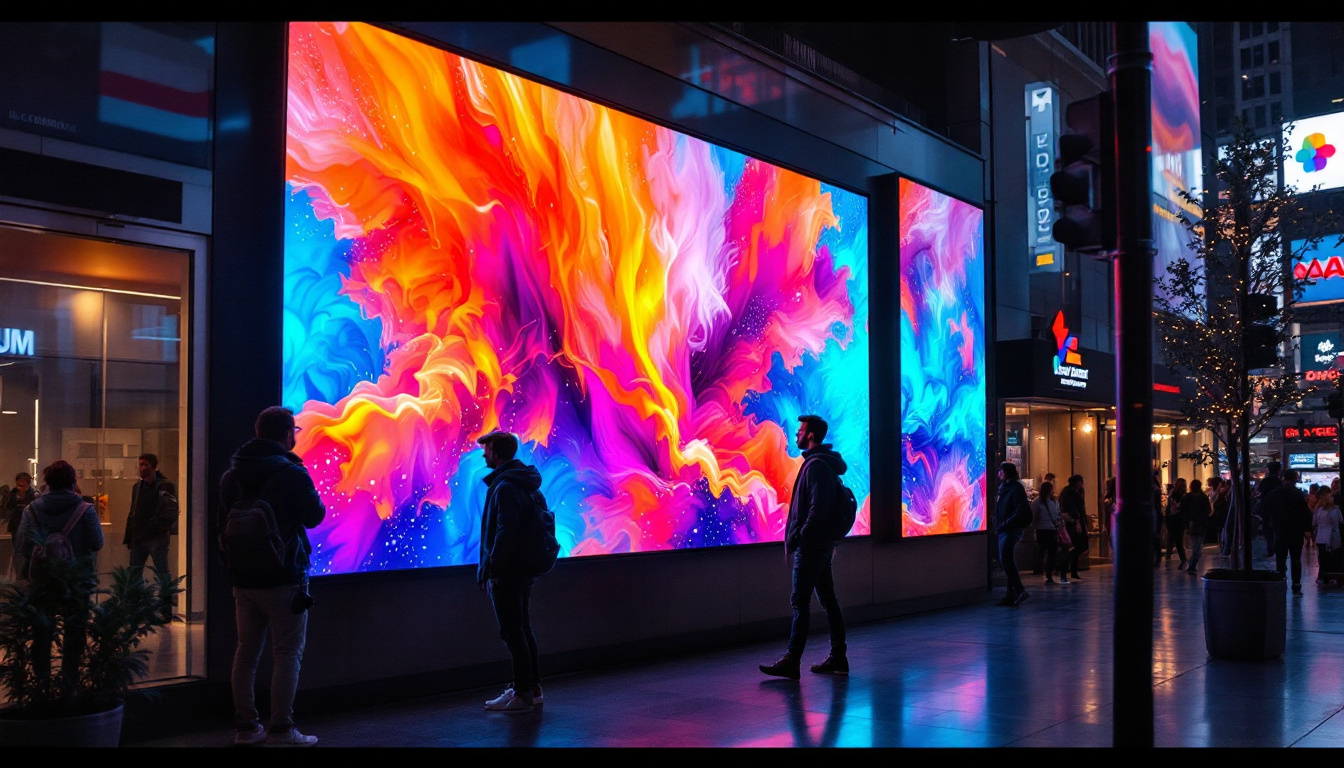
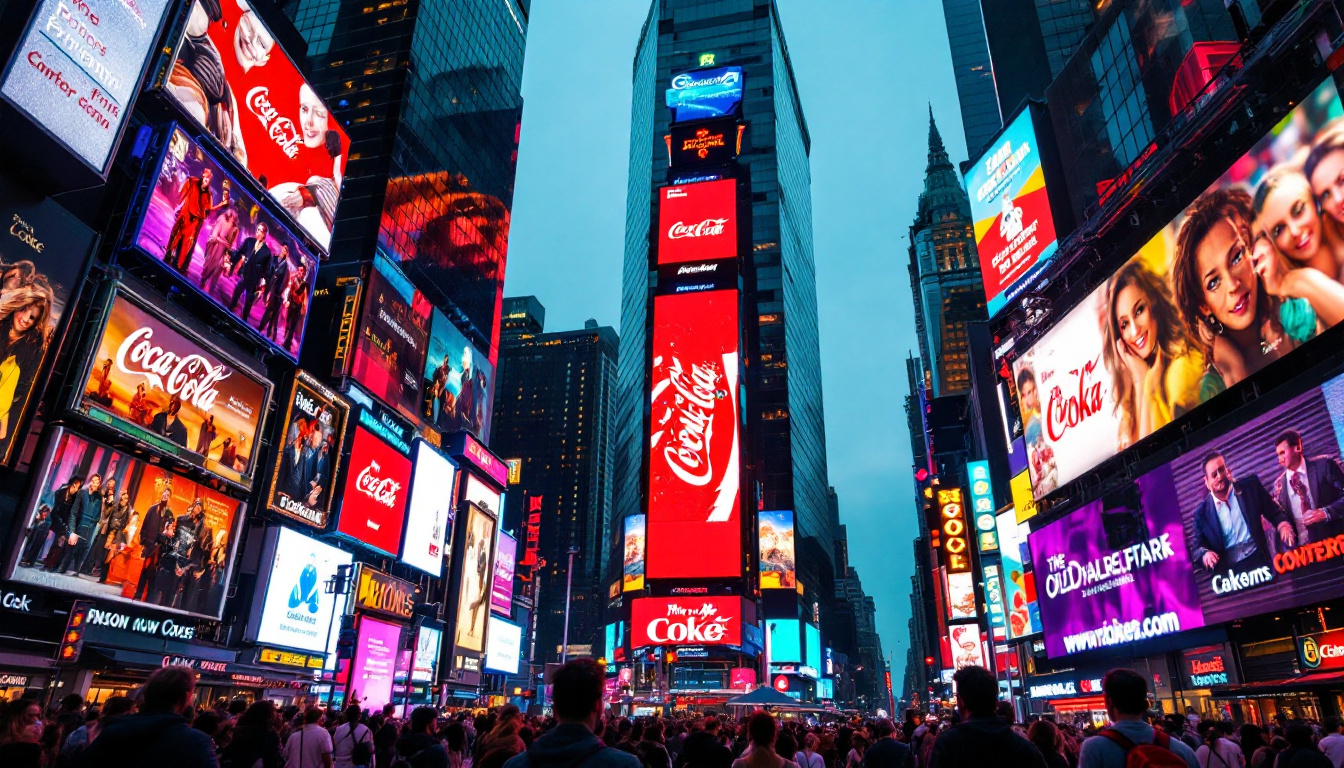
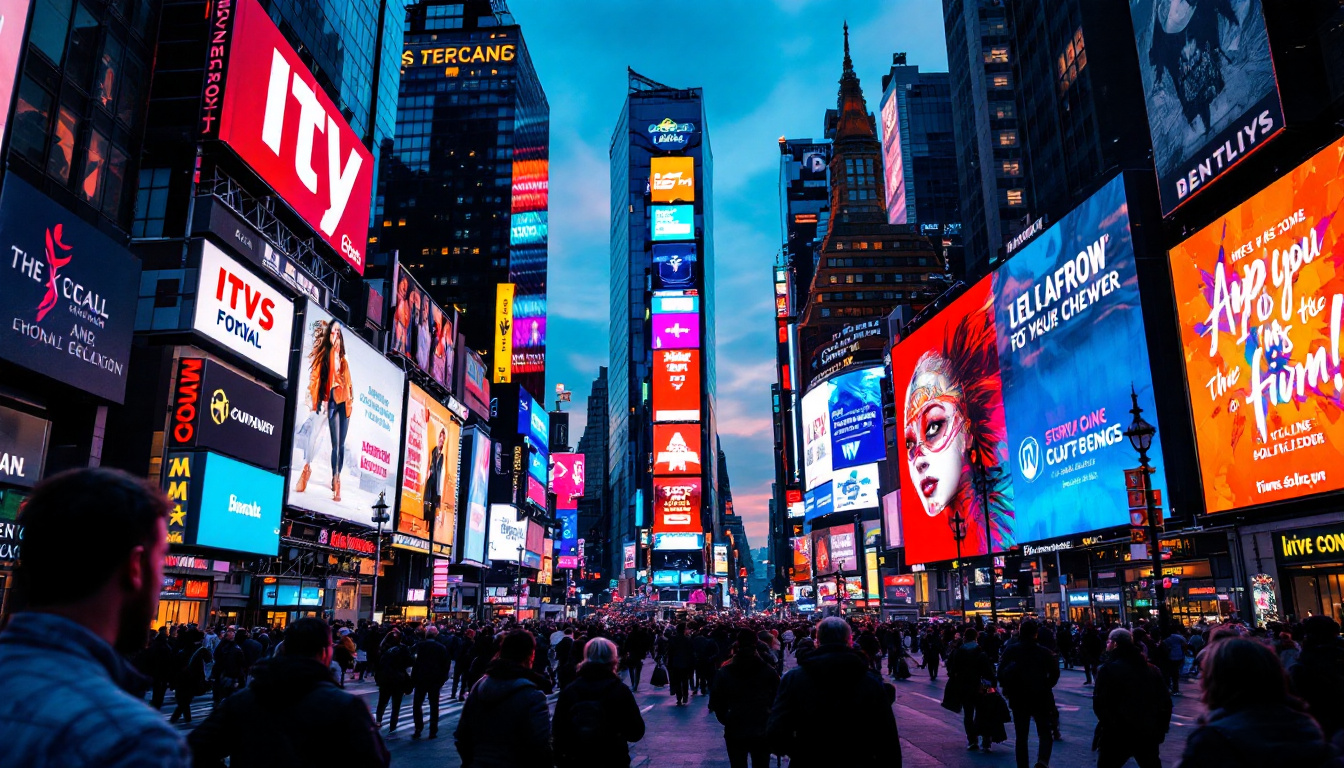
One of the most widespread uses of LED displays is in advertising. Digital billboards and signage leverage the brightness and vivid colors of LED technology to capture attention in busy urban environments. An 85% fill factor or duty cycle ensures that the display remains bright and clear, even under direct sunlight, maximizing visibility and impact.
Dynamic content capabilities allow advertisers to change messages in real-time, providing flexibility and cost savings compared to traditional static billboards. Additionally, the energy efficiency of LED displays reduces operating costs, which is a significant consideration for large-scale installations.
Sports and Entertainment Venues
Stadiums and arenas use massive LED displays to enhance the spectator experience. Scoreboards, instant replays, and interactive content are displayed on high-resolution LED screens strategically placed around the venue. The durability and brightness of these displays ensure visibility from all seating areas.
With the rise of esports and live streaming, LED displays also play a crucial role in broadcasting events, offering clear visuals and vibrant colors that engage audiences both on-site and online.
Transportation and Public Information Systems
LED displays are commonly used in transportation hubs such as airports, train stations, and bus terminals to provide real-time information. The reliability and clarity of LED technology are essential for conveying critical updates, schedules, and alerts to travelers.
Furthermore, traffic management systems utilize LED displays for variable message signs that inform drivers about road conditions, speed limits, and hazards, contributing to safer and more efficient transportation networks.
Advantages and Challenges of 85 LED Displays
Benefits of High Fill Factor and Duty Cycle
An 85% fill factor means that a large portion of the display area emits light, which directly translates to brighter images and better contrast. This is especially important for outdoor displays where ambient light can diminish visibility. Similarly, an 85% duty cycle allows LEDs to be on for most of the time, increasing brightness while maintaining energy efficiency through PWM control.
These characteristics help achieve superior image quality, making LED displays suitable for applications requiring high visibility and color accuracy.
Energy Efficiency and Longevity
LED technology is inherently energy-efficient compared to other display types. Operating at an 85% duty cycle balances brightness with power consumption, extending the lifespan of the LEDs. High-quality LED displays can last upwards of 100,000 hours, reducing maintenance costs and downtime.
Potential Limitations and Considerations
Despite their advantages, LED displays with high fill factors and duty cycles can generate significant heat, necessitating effective thermal management to prevent damage and maintain performance. Additionally, achieving an 85% fill factor requires precise manufacturing, which can increase production costs.
Another consideration is the viewing distance and pixel pitch. High-resolution displays with small pixel pitches are more expensive and may not be necessary for all applications. Choosing the right balance between resolution, brightness, and cost is critical.
Future Trends in LED Display Technology
MicroLED and MiniLED Innovations
Emerging technologies like MicroLED and MiniLED are pushing the boundaries of LED displays. MicroLEDs are tiny LEDs that offer even higher resolution, better color accuracy, and improved energy efficiency. They hold promise for next-generation displays in smartphones, TVs, and augmented reality devices.
MiniLED technology enhances backlighting for LCD screens by using thousands of small LEDs, improving contrast ratios and brightness. These advancements complement traditional LED displays and expand their applications.
Integration with Smart Technologies
LED displays are increasingly integrated with IoT (Internet of Things) and AI-driven systems. Smart displays can adjust brightness automatically based on ambient light, display personalized content, and provide interactive experiences. This integration enhances user engagement and operational efficiency.
Sustainability and Environmental Impact
As sustainability becomes a priority, manufacturers are focusing on eco-friendly materials and energy-saving designs. LED displays with optimized duty cycles and fill factors contribute to reducing carbon footprints, aligning with global environmental goals.
Conclusion
The “85 display” concept in LED technology highlights important parameters like duty cycle and fill factor that influence the performance and efficiency of LED screens. Understanding these factors is essential for selecting the right LED display for specific needs, whether for advertising, entertainment, transportation, or other applications.
LED displays continue to evolve, driven by technological innovations and growing demand for high-quality visual communication. Their brightness, durability, and versatility make them indispensable in a world increasingly reliant on digital information. As advancements like MicroLED and smart integration emerge, the future of LED displays promises even greater possibilities for engaging and effective visual experiences.
Explore Cutting-Edge LED Displays with LumenMatrix
Ready to elevate your visual communication with the latest in LED display technology? LumenMatrix is at the forefront of innovation, offering a wide array of LED display solutions tailored to your unique needs. From captivating Indoor LED Walls to dynamic Outdoor LED Displays, and from versatile Vehicle LED Displays to engaging LED Sports Displays, our products are designed to enhance engagement and ensure your message resonates with clarity and impact. Discover how LumenMatrix can transform your space and captivate your audience. Check out LumenMatrix LED Display Solutions today and step into the future of digital signage.