In the ever-evolving world of digital signage and display technology, LED displays have become a cornerstone for businesses, advertisers, and event organizers alike. One particular specification that often comes up in discussions about LED screens is the “85 x 20” configuration. But what exactly does this mean, and why is it significant? This article aims to demystify the concept of an 85 x 20 LED display, exploring its technical aspects, applications, and benefits.
Understanding the Basics of LED Displays
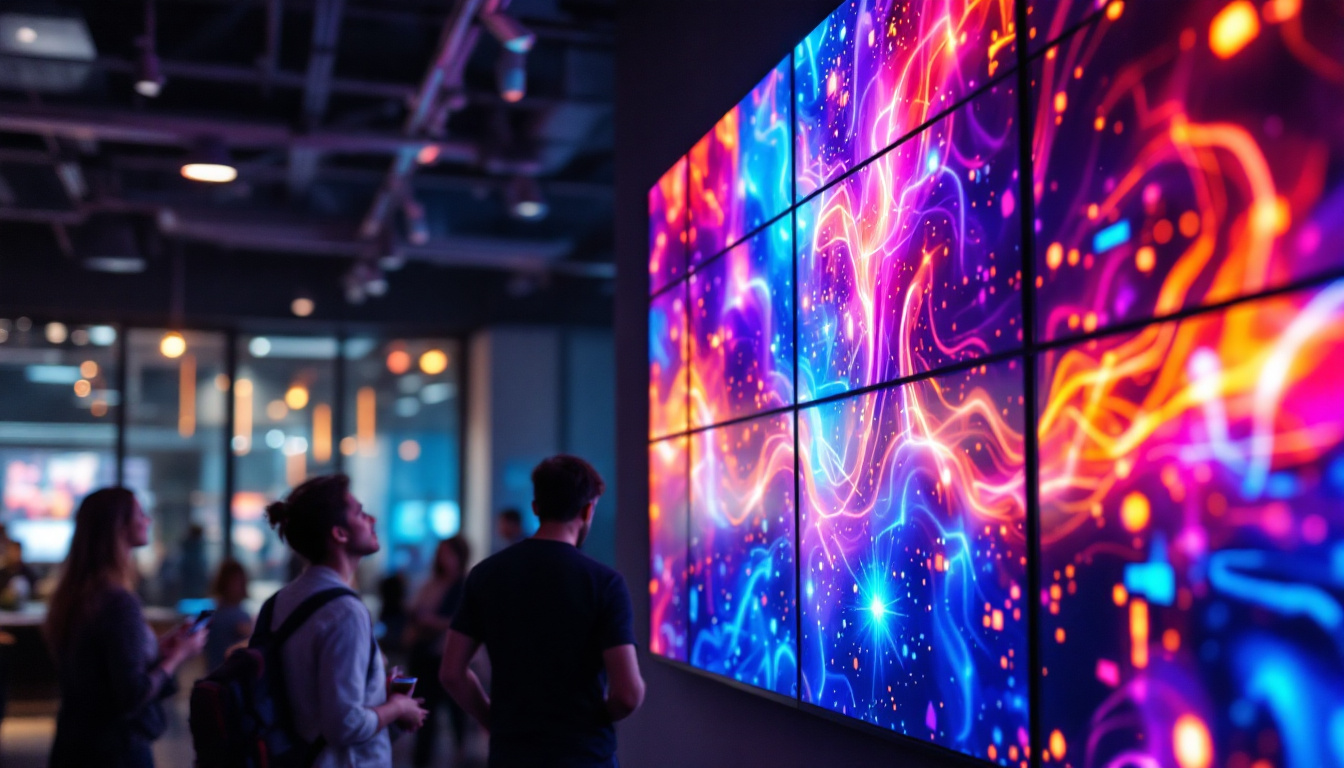
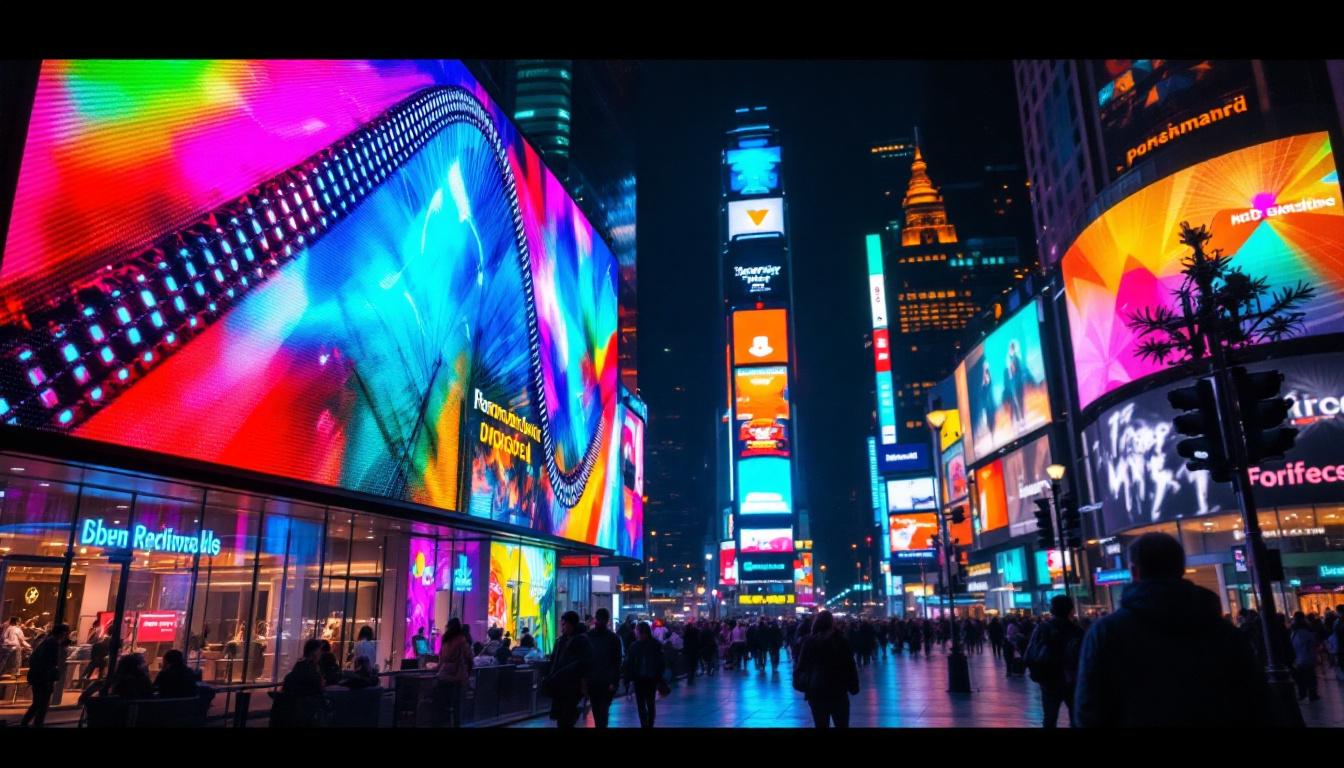
LED, or Light Emitting Diode, displays are composed of numerous tiny light sources that can be individually controlled to produce images, videos, and text. Unlike traditional LCD or plasma screens, LED displays are known for their brightness, energy efficiency, and ability to create large-scale visuals that remain clear even under direct sunlight. This makes them particularly popular for outdoor advertising, sports arenas, and concert venues, where visibility is paramount. The vibrant colors and high contrast ratios of LED displays also enhance the viewing experience, making them a preferred choice for many applications.
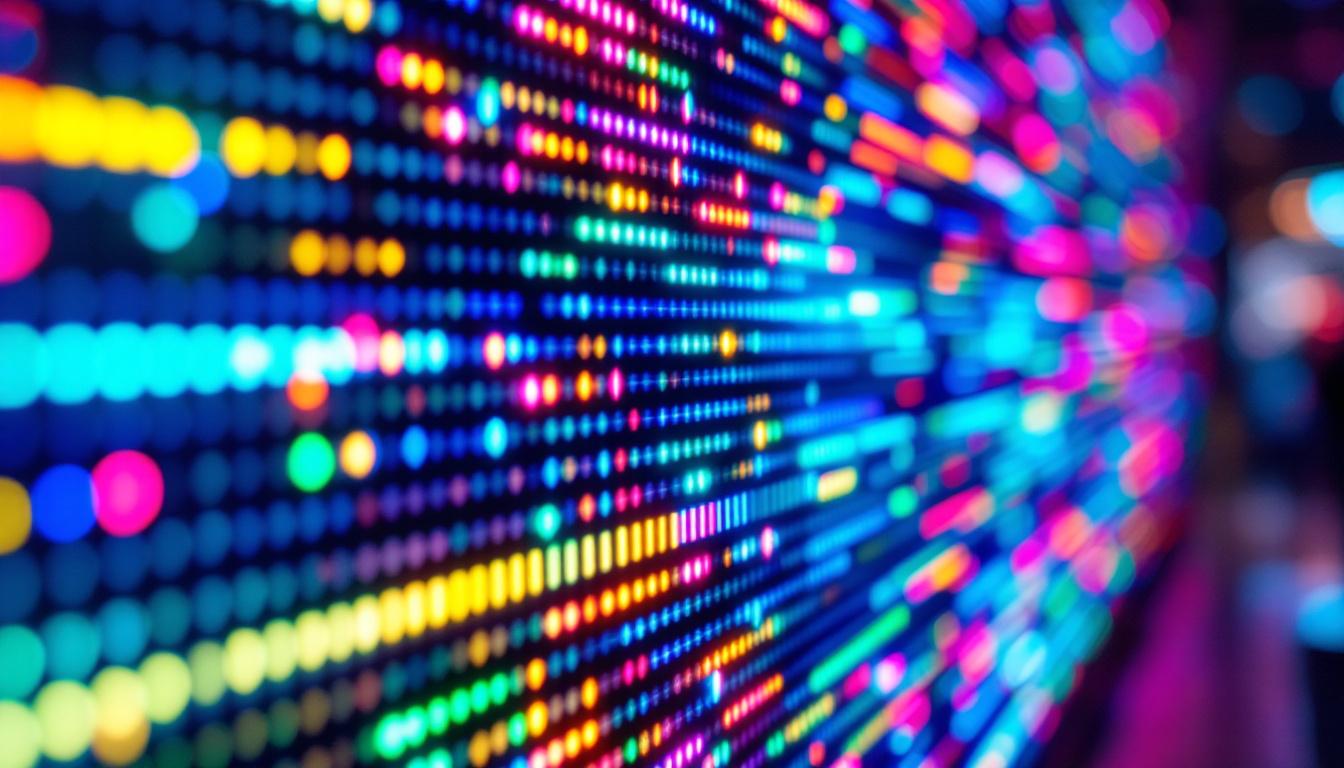
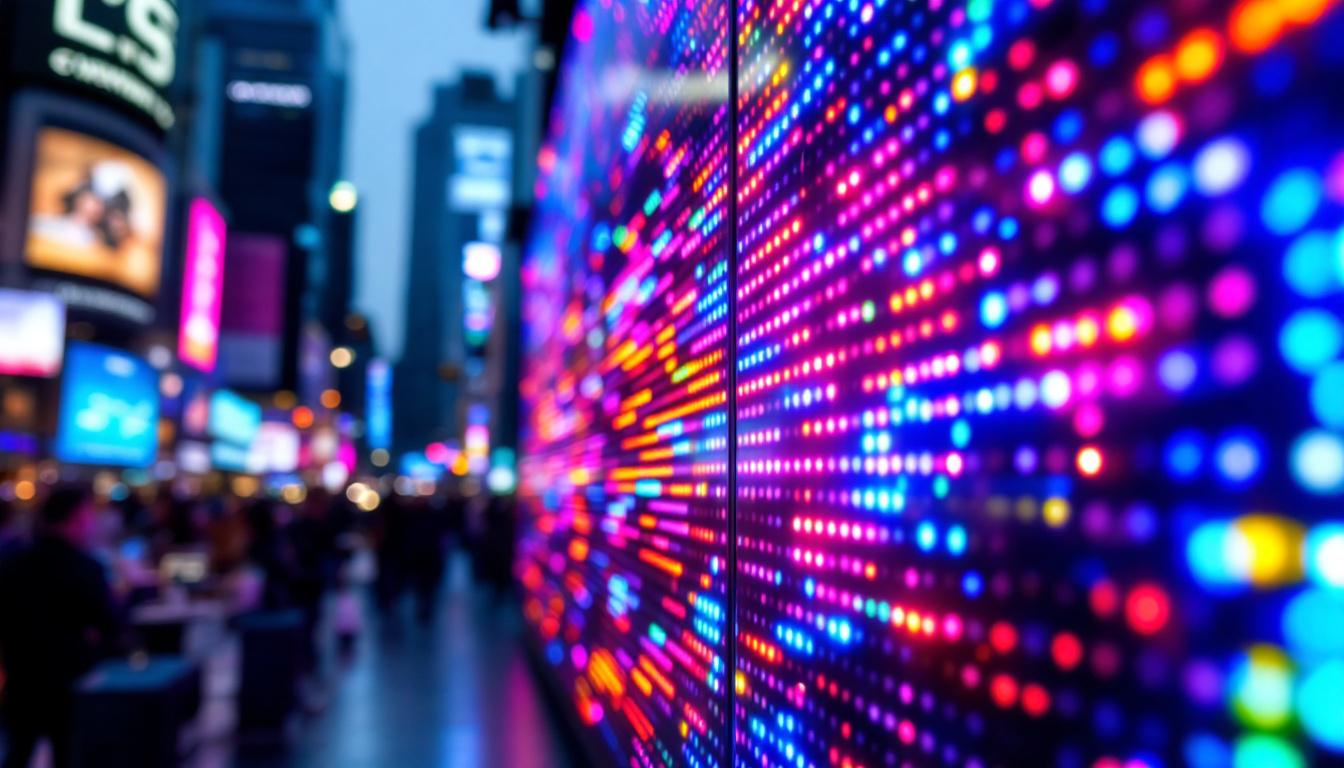
The core of any LED display is its pixel matrix, which is essentially the grid of LEDs arranged in rows and columns. The resolution and size of the display are determined by the number of these pixels and their pitch (the distance between adjacent LEDs). The “85 x 20” specification typically refers to the pixel matrix, meaning the display consists of 85 pixels horizontally and 20 pixels vertically. This configuration allows for a variety of applications, from simple text displays to complex video presentations, depending on the content and context in which the display is used.
What Does “85 x 20” Mean in LED Displays?
The notation “85 x 20” indicates the number of LED modules or pixels arranged in a grid format. Specifically, 85 pixels across the width and 20 pixels down the height. This results in a total of 1,700 pixels (85 multiplied by 20) that make up the entire display surface. Each pixel can be controlled independently, allowing for dynamic content that can change in real-time, which is particularly useful for advertising campaigns that need to adapt to different audiences or events.
It is important to note that in LED display terminology, the term “pixel” can refer to a cluster of LEDs that together form one color point on the screen. The pixel pitch, which is the physical distance between these pixels, plays a crucial role in determining the display’s resolution and clarity. As technology advances, manufacturers are continually developing smaller and more efficient LEDs, enabling displays to achieve even higher resolutions and more intricate designs, which can be particularly advantageous in artistic installations or high-definition video walls.
Pixel Pitch and Its Impact on Image Quality
Pixel pitch is usually measured in millimeters and defines the density of pixels in a given area. A smaller pixel pitch means more pixels per square meter, resulting in higher resolution and sharper images. Conversely, a larger pixel pitch is suitable for displays viewed from a distance, where ultra-high resolution is less critical. This relationship between pixel pitch and viewing distance is crucial for designers and advertisers, as it influences how the display will be perceived by the audience.
For an 85 x 20 LED display, the pixel pitch could range from 2mm to 10mm or more, depending on the intended use. For example, a 3mm pitch would provide a crisp image suitable for close viewing, while a 10mm pitch would be ideal for large outdoor billboards seen from afar. Additionally, advancements in technology have led to the development of flexible LED displays, which can bend and shape to fit various environments, further expanding the possibilities for creative applications. This flexibility allows for innovative designs that can enhance the architectural aesthetics of a space while delivering impactful visual communication.
Technical Specifications of an 85 x 20 LED Display
To fully appreciate the capabilities of an 85 x 20 LED display, it is essential to understand the technical specifications that define its performance, durability, and suitability for various environments.
Resolution and Screen Size
With 85 pixels horizontally and 20 vertically, the total resolution amounts to 1,700 pixels. While this may seem low compared to modern high-definition screens, it is important to remember that LED displays are often designed for large-scale viewing rather than close-up detail.
The physical size of the display depends on the pixel pitch. For instance, an 85 x 20 display with a 10mm pitch would measure approximately 850mm wide by 200mm tall (85 x 10mm and 20 x 10mm). This size is roughly 33.5 inches by 7.9 inches, making it suitable for narrow, elongated signage applications.
Brightness and Contrast
One of the most significant advantages of LED displays is their high brightness levels, often ranging from 1,000 to 5,000 nits or more. This brightness ensures visibility even in direct sunlight, a crucial factor for outdoor advertising and public information displays.
Contrast ratio, which measures the difference between the darkest black and the brightest white the display can produce, is another vital specification. High contrast ratios contribute to better image depth and color vibrancy, enhancing viewer engagement.
Color Depth and Refresh Rate
Modern LED displays support millions of colors, thanks to advanced color depth capabilities. This allows for smooth gradients, realistic images, and vibrant video playback. The refresh rate, typically 60Hz or higher, ensures that motion appears fluid without flickering, which is essential for dynamic content like videos or animations.
Applications of 85 x 20 LED Displays
The unique dimensions and resolution of an 85 x 20 LED display make it particularly suited for specific applications where a wide but narrow display area is needed.
Digital Ticker Displays
One of the most common uses of an 85 x 20 LED display is as a digital ticker or information strip. These displays are often found in financial institutions, stock exchanges, and newsrooms, where they continuously scroll text such as stock prices, headlines, or sports scores.
The narrow height combined with a wide horizontal span makes the 85 x 20 format ideal for displaying concise, real-time information without occupying excessive space.
Transportation and Public Information Systems
Many transit systems use LED displays in this format to show arrival times, route information, or alerts. Their high brightness and visibility in various lighting conditions make them reliable tools for communicating with commuters.
Retail and Advertising
Retailers often employ 85 x 20 LED displays for promotional messages, pricing updates, or event announcements. Their compact yet wide form factor fits well above entrances, along aisles, or at checkout counters, catching customer attention effectively.
Advantages of Using an 85 x 20 LED Display
Choosing an 85 x 20 LED display offers several benefits that cater to specific needs in digital signage and communication.
Space Efficiency
The slim vertical dimension combined with a wide horizontal layout allows these displays to fit into tight spaces where traditional screens might be impractical. This makes them perfect for environments with architectural constraints or where subtlety is desired.
Energy Efficiency and Durability
LED technology is inherently energy-efficient compared to older display technologies, reducing operating costs. Additionally, LED displays are known for their longevity and resistance to environmental factors such as moisture and temperature fluctuations, which is crucial for outdoor or semi-outdoor installations.
Customizable Content and Flexibility
With modern control systems, content on an 85 x 20 LED display can be easily updated remotely, scheduled, and customized to suit different audiences or times of day. This flexibility enhances marketing strategies and information dissemination.
Installation and Maintenance Considerations
While LED displays are robust and versatile, proper installation and maintenance are vital to ensure optimal performance and longevity.
Mounting and Placement
Given the specific dimensions of an 85 x 20 LED display, careful planning is required to select the ideal mounting location. Factors such as viewing distance, ambient lighting, and structural support must be considered to maximize visibility and safety.
Maintenance and Repairs
LED displays require periodic cleaning to maintain brightness and clarity. Additionally, although LEDs have long lifespans, individual pixels or modules may occasionally fail and need replacement. Modular designs facilitate easier repairs without the need to replace the entire display.
Future Trends in LED Display Technology
The LED display industry continues to innovate, with trends that will likely influence the design and functionality of displays like the 85 x 20 format.
Higher Resolution and Smaller Pixel Pitch
Advancements in manufacturing are enabling smaller pixel pitches, allowing even narrow displays to deliver sharper images and more detailed content. This trend will expand the range of applications for 85 x 20 LED displays.
Integration with IoT and Smart Systems
Smart LED displays connected to the Internet of Things (IoT) can adapt content dynamically based on environmental data, audience demographics, or real-time analytics. This enhances engagement and operational efficiency.
Energy Harvesting and Sustainability
Emerging technologies are focusing on reducing the environmental impact of LED displays through energy harvesting, solar integration, and recyclable materials, aligning with global sustainability goals.
Conclusion
The 85 x 20 LED display represents a specialized yet highly effective format within the broader landscape of LED technology. Its unique dimensions make it ideal for applications requiring wide, narrow visual communication, such as tickers, transit information, and retail messaging.
Understanding the technical specifications, advantages, and potential applications of this display type empowers businesses and organizations to make informed decisions when selecting digital signage solutions. As LED technology continues to advance, the versatility and impact of formats like the 85 x 20 display will only grow, offering new opportunities for dynamic and engaging visual communication.
Discover LumenMatrix’s Innovative LED Solutions
Ready to elevate your visual communication with the specialized 85 x 20 LED display format? LumenMatrix is at the forefront of LED display technology, offering a diverse range of solutions tailored to your needs. From captivating Indoor and Outdoor LED Wall Displays to dynamic Vehicle and Sports LED Displays, our products are designed to make your brand shine. Experience the future of digital signage with our Custom, All-in-One, and Transparent LED Displays. Check out LumenMatrix LED Display Solutions today and transform your space into a vibrant hub of engagement and interaction.