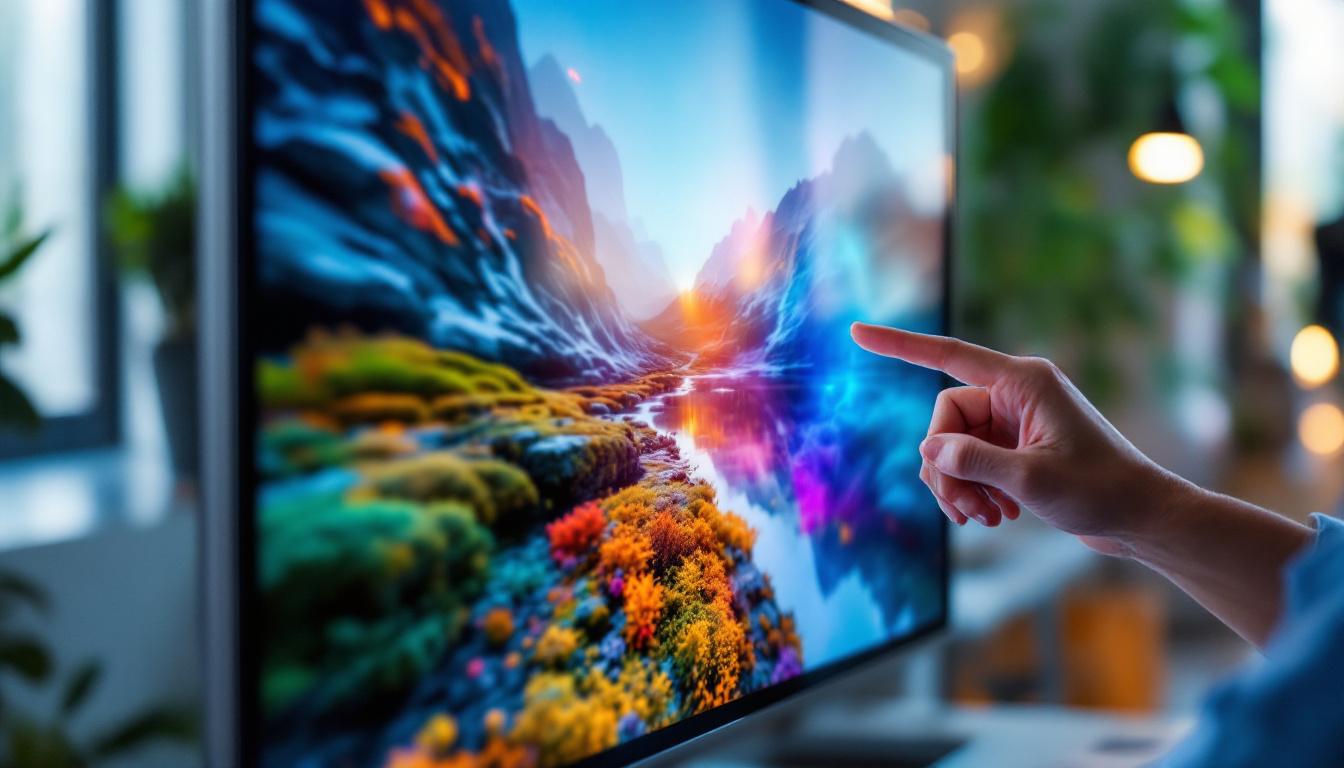
In today’s digital world, LED displays have become an integral part of our daily lives, from the smartphones in our pockets to massive billboards lighting up cityscapes. Understanding what LED displays are, how they work, and why they are preferred over other display technologies is essential for professionals in tech, marketing, event management, and many other fields. This comprehensive guide delves into the fundamentals of LED displays, their types, applications, and the future trends shaping this dynamic technology.
What is an LED Display?
LED stands for Light Emitting Diode. An LED display is a flat panel display that uses an array of light-emitting diodes as pixels for a video display. Unlike traditional LCD or plasma screens, LED displays emit their own light, which results in brighter images, better contrast, and improved energy efficiency. This self-illuminating property not only enhances the visual experience but also allows for thinner and lighter designs, making them ideal for a variety of applications.
LED displays can be found in various sizes and configurations, from small wearable devices to enormous outdoor screens covering entire building facades. Their versatility and performance have made them a preferred choice for both indoor and outdoor applications. In fact, LED displays are increasingly being used in advertising, sports arenas, and public transportation systems, where high visibility and dynamic content are crucial for engaging audiences. The ability to display real-time information and advertisements makes them an invaluable tool for businesses looking to capture consumer attention.
How LED Displays Work
Each pixel in an LED display consists of one or more LEDs that emit light when an electric current passes through them. These LEDs can be red, green, and blue (RGB), and by varying the intensity of each color, the display can produce a full spectrum of colors. This RGB color mixing is the core principle behind the vivid and vibrant images seen on LED screens. Additionally, many LED displays incorporate advanced technologies such as HDR (High Dynamic Range) to further enhance color accuracy and brightness, providing viewers with an even more immersive experience.
Modern LED displays often use surface-mounted device (SMD) technology, where tiny LEDs are mounted directly onto the circuit board. This allows for higher pixel density, resulting in sharper images and smoother video playback. Furthermore, advancements in LED technology have led to the development of flexible and transparent displays, expanding the possibilities for creative applications in architecture and design. These innovations not only enhance aesthetic appeal but also open new avenues for interactive displays, where users can engage with content in real-time, transforming the way information is presented and consumed.
Types of LED Displays
LED displays come in various types, each designed for specific uses and environments. Understanding these types helps in selecting the right display for a given application.
1. Direct View LED (DVLED) Displays
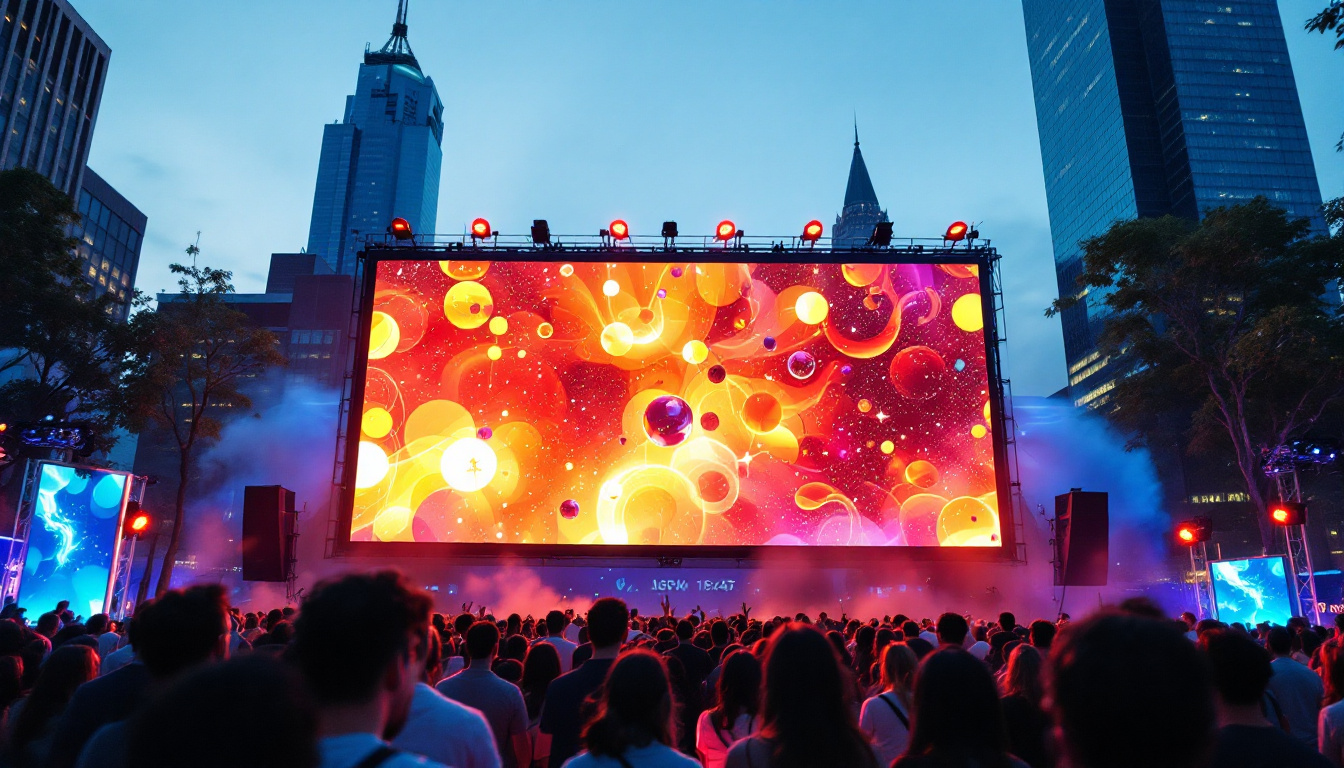
Direct View LED displays are composed of individual LEDs arranged closely together to form pixels. These displays are known for their high brightness and excellent visibility, even in direct sunlight, making them ideal for outdoor advertising, sports arenas, and large public events.
DVLED screens can be customized in size and shape, allowing for creative installations such as curved or irregularly shaped displays. Their modular design also facilitates easy maintenance and scalability. Furthermore, the ability to create large-scale video walls using DVLED technology has transformed the way brands engage with audiences, providing immersive experiences that capture attention and enhance storytelling.
2. LED-Backlit LCD Displays
While traditional LCD screens use cold cathode fluorescent lamps (CCFL) for backlighting, LED-backlit LCDs use LEDs instead. This technology enhances brightness, contrast, and energy efficiency compared to CCFL-backlit screens.
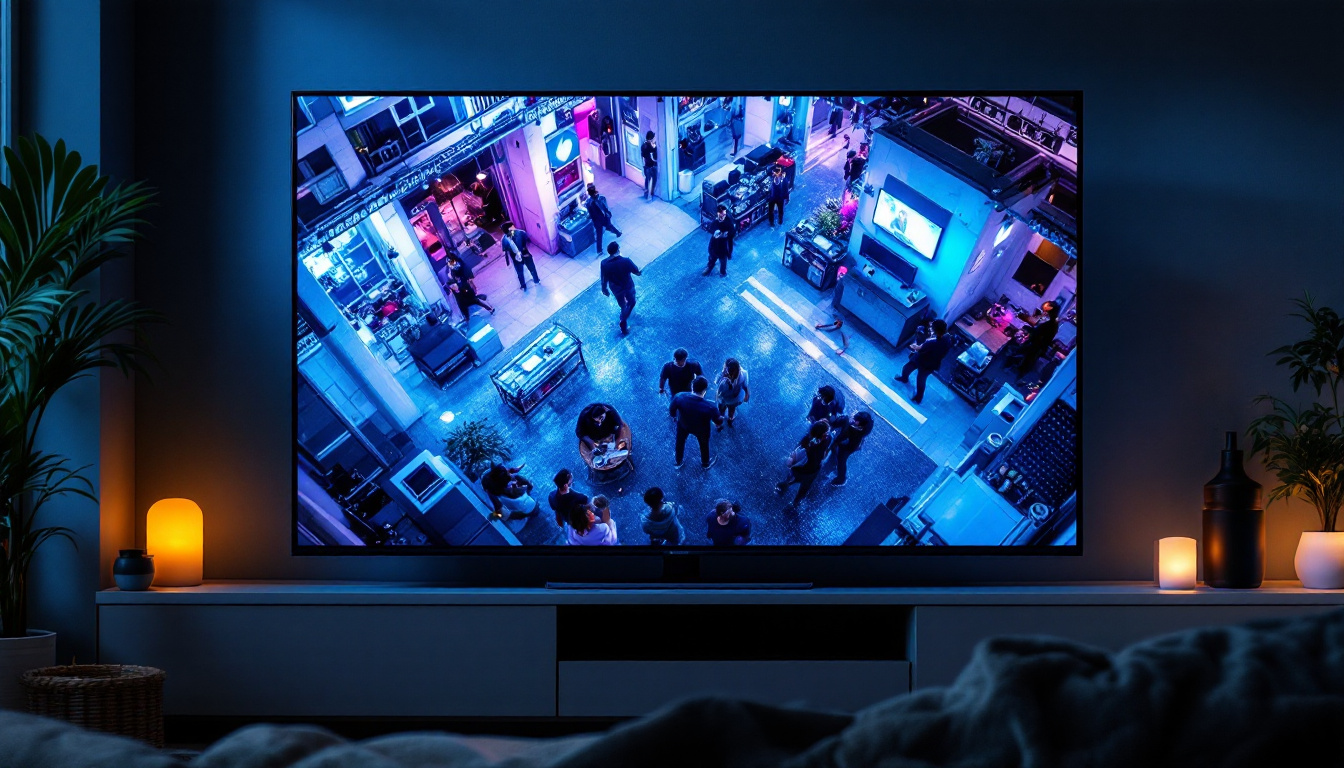
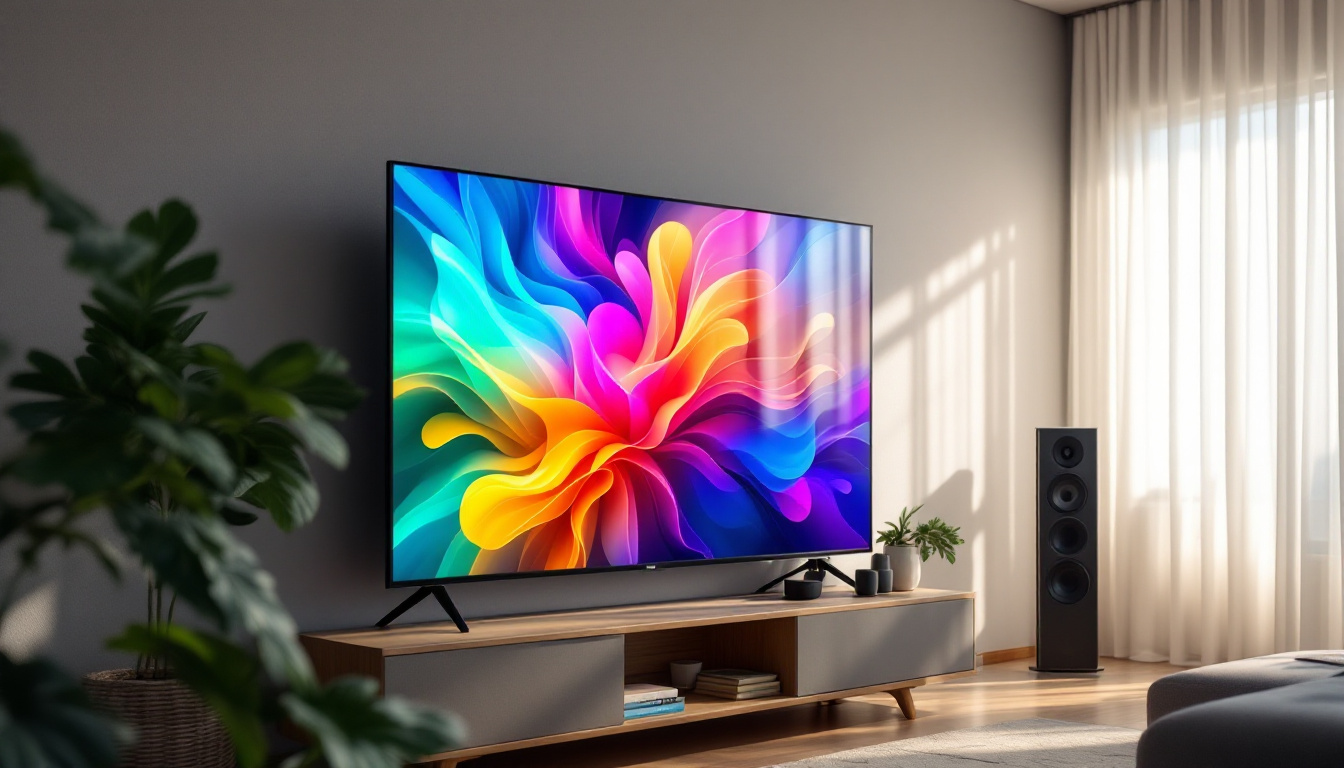
LED-backlit LCDs are common in consumer electronics such as televisions, monitors, and laptops. They offer improved color accuracy and thinner panel designs, contributing to sleek and lightweight devices. Additionally, advancements in local dimming technology allow for better contrast by adjusting the brightness of specific areas of the screen, resulting in deeper blacks and more vibrant colors. This makes LED-backlit LCDs particularly appealing for home theaters and gaming setups where visual quality is paramount.
3. OLED Displays
Organic Light Emitting Diode (OLED) displays are a subset of LED technology where organic compounds emit light when electrically stimulated. Unlike traditional LEDs, OLED pixels emit light individually without requiring a backlight, enabling true blacks and exceptional contrast ratios.
OLED technology is widely used in high-end smartphones, televisions, and wearable devices. However, OLED displays typically have higher production costs and shorter lifespans compared to standard LED displays. Despite these drawbacks, the stunning visual quality and flexibility of OLED screens have made them a favorite among designers and consumers alike. The ability to create ultra-thin and flexible displays opens up new possibilities for innovative product designs, such as bendable smartphones and immersive curved TVs that enhance the viewing experience further.
Key Advantages of LED Displays
LED displays offer numerous benefits over other display technologies, which explain their widespread adoption across industries.
Brightness and Visibility
One of the most significant advantages of LED displays is their superior brightness. LEDs can produce intense light output, making the displays easily visible even under direct sunlight. This feature is critical for outdoor advertising, traffic signs, and stadium screens where ambient light conditions vary significantly.
Energy Efficiency
LED technology is inherently energy-efficient because LEDs convert most of the electrical energy into light rather than heat. Compared to traditional lighting and display technologies, LED displays consume less power, reducing operational costs and environmental impact.
Longevity and Durability
LEDs have a longer lifespan than many other light sources, often exceeding 50,000 hours of operation. Additionally, LED displays are robust and resistant to shock and vibration, making them suitable for various environments, including harsh outdoor conditions.
Color Accuracy and Contrast
Thanks to precise control over individual LEDs, LED displays can achieve excellent color accuracy and high contrast ratios. This results in vibrant images with deep blacks and bright whites, enhancing the viewing experience for both static and dynamic content.
Applications of LED Displays
The versatility of LED displays has led to their adoption across a wide range of industries and use cases.
Outdoor Advertising and Digital Billboards
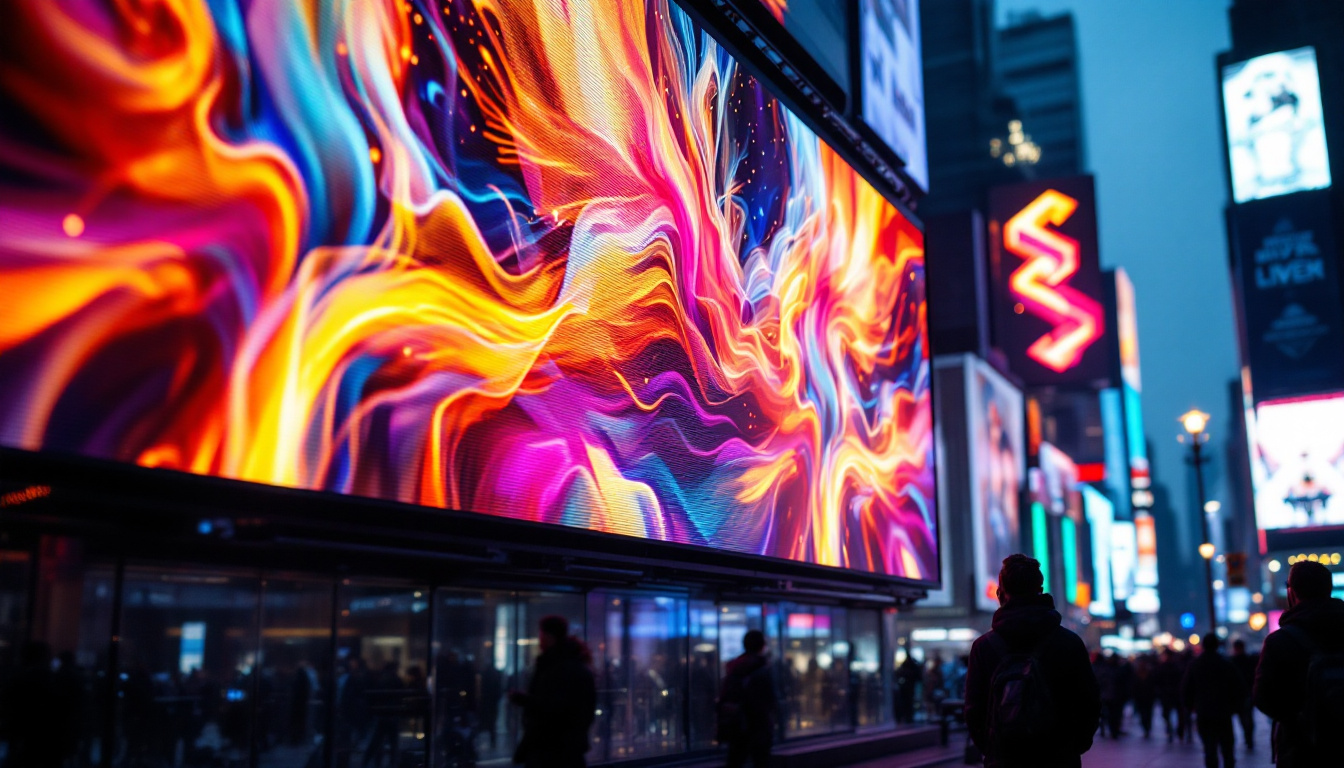
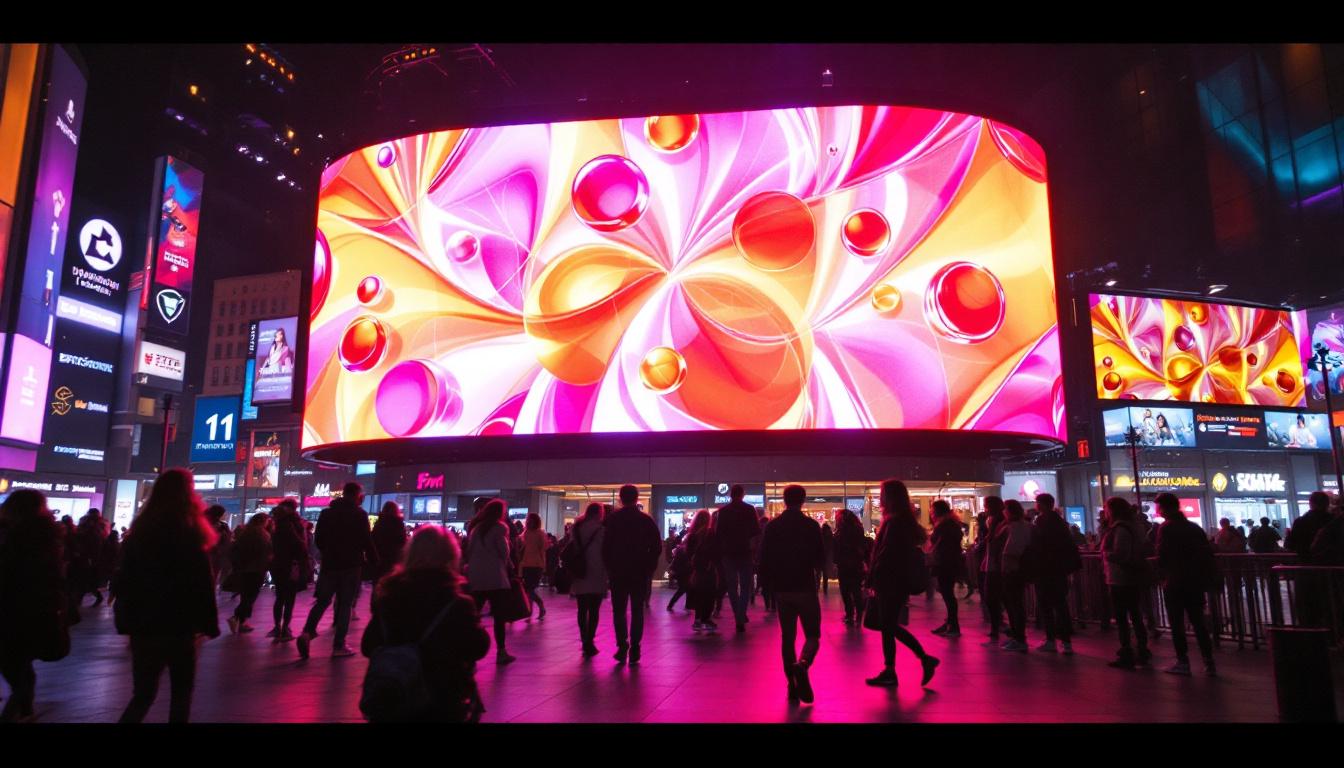
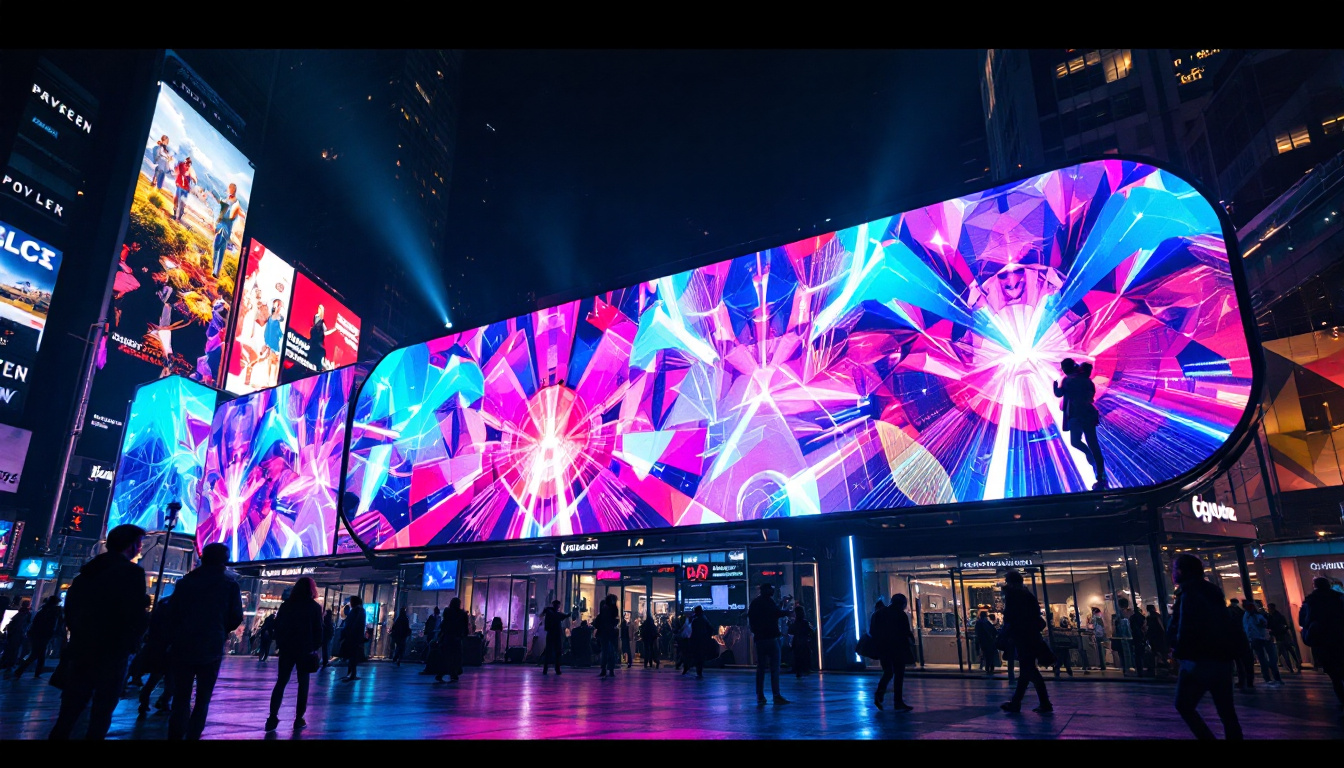
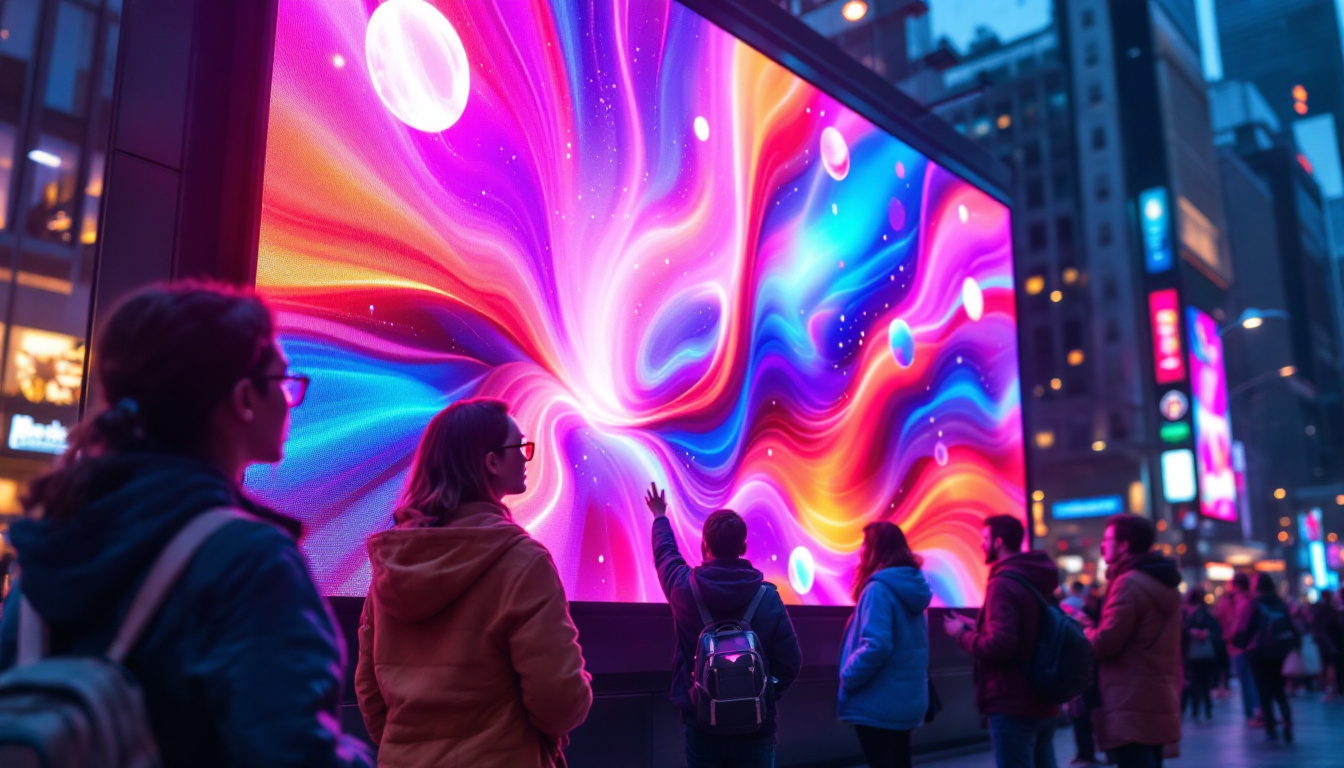
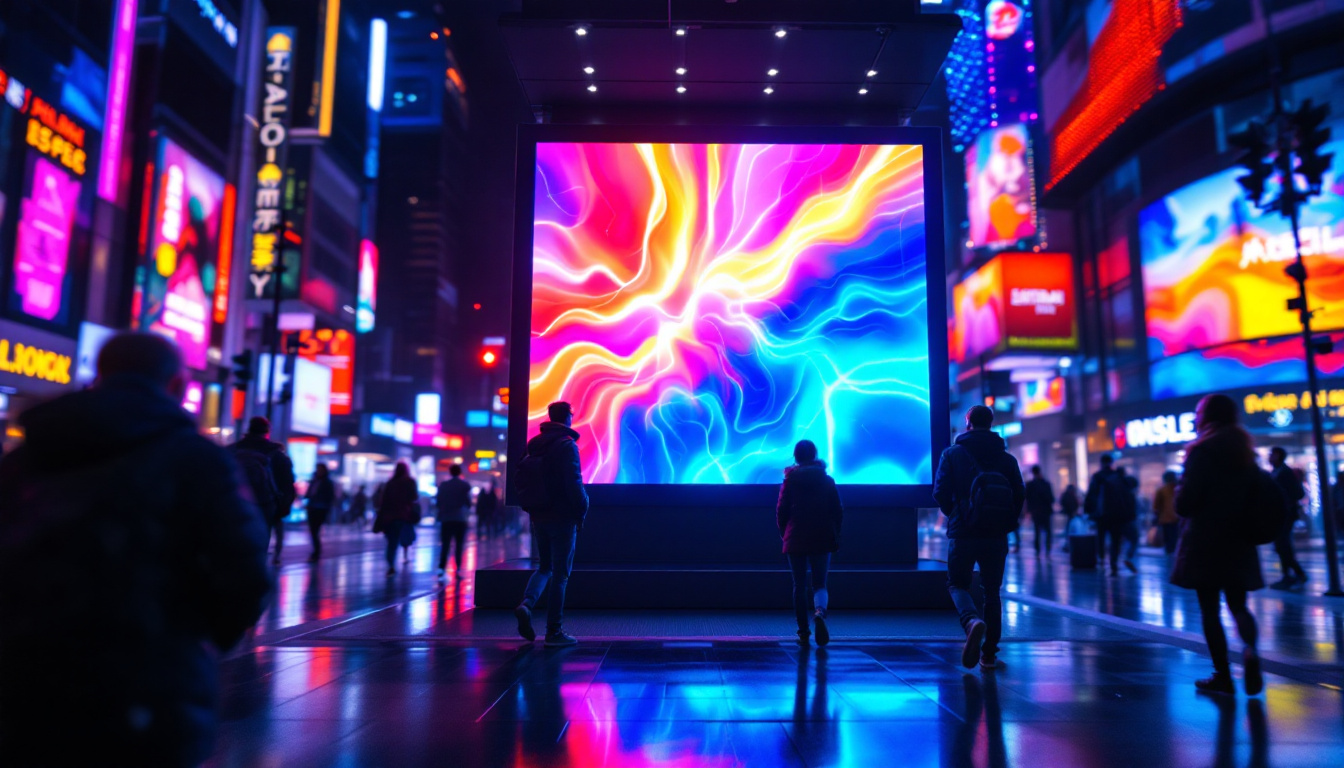
LED displays dominate the outdoor advertising sector due to their brightness, scalability, and ability to display dynamic content. Digital billboards can be updated remotely and frequently, allowing advertisers to deliver timely and targeted messages.
For example, Times Square in New York City features some of the most iconic LED billboards globally, showcasing advertisements that captivate millions of viewers daily.
Sports and Entertainment Venues
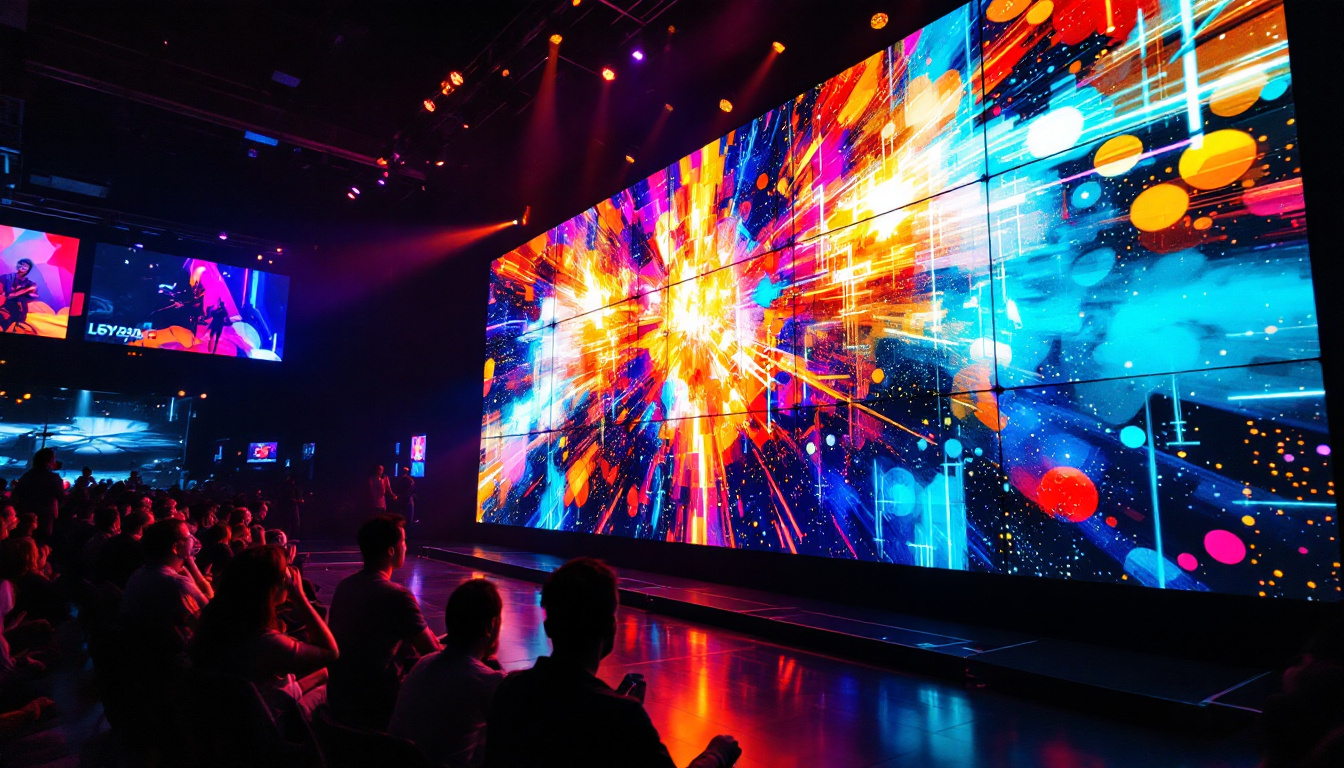
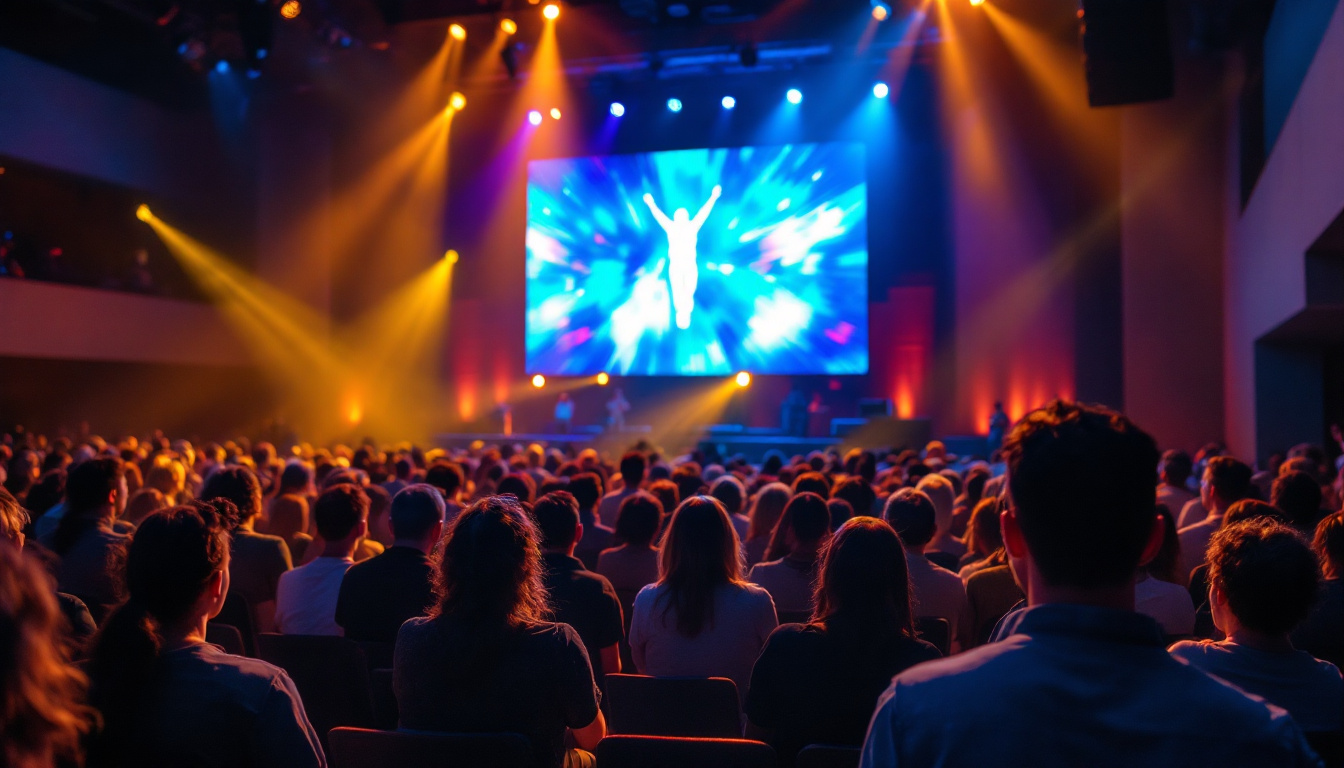
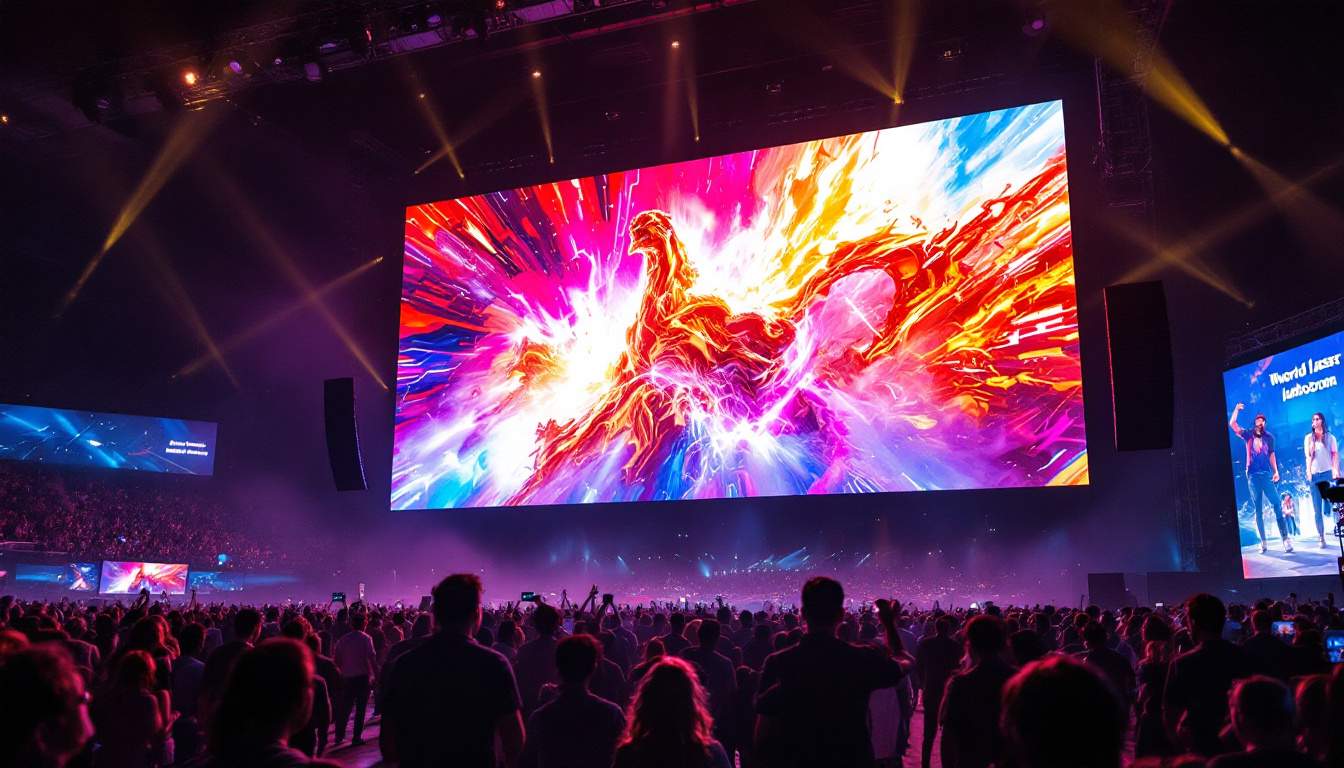
Stadiums and arenas use large LED screens to enhance the spectator experience by displaying live game footage, replays, and interactive content. These displays must be visible from long distances and withstand outdoor weather conditions, making DVLED technology ideal.
Retail and Indoor Signage
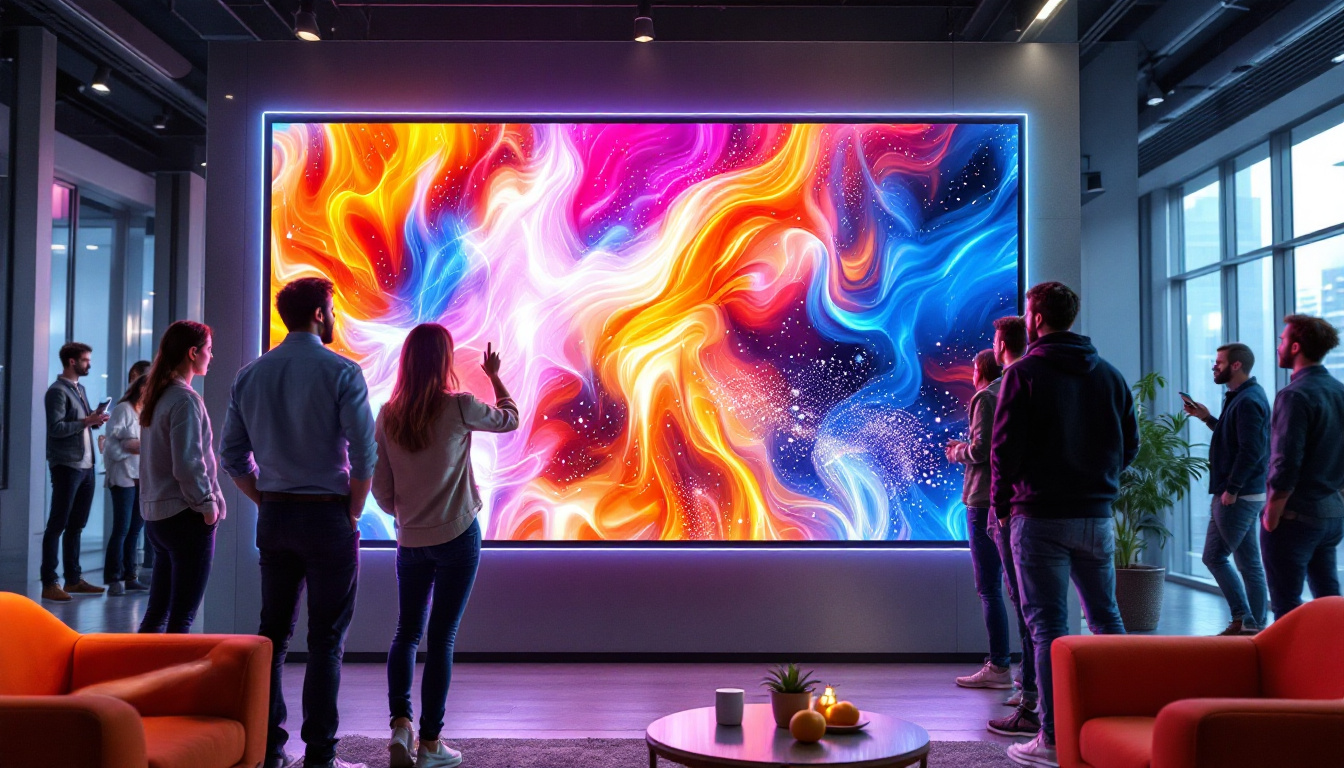
Retailers utilize LED displays for digital signage, product promotions, and interactive kiosks. The high resolution and color accuracy of LED-backlit LCDs and OLEDs make them perfect for close-range viewing, enhancing customer engagement.
Transportation and Public Information Systems
LED displays are widely used in airports, train stations, and bus terminals to provide real-time information such as schedules, alerts, and directions. Their visibility in various lighting conditions ensures passengers receive critical updates promptly.
Technical Considerations When Choosing an LED Display
Selecting the right LED display involves understanding several technical parameters that affect performance and suitability.
Pixel Pitch
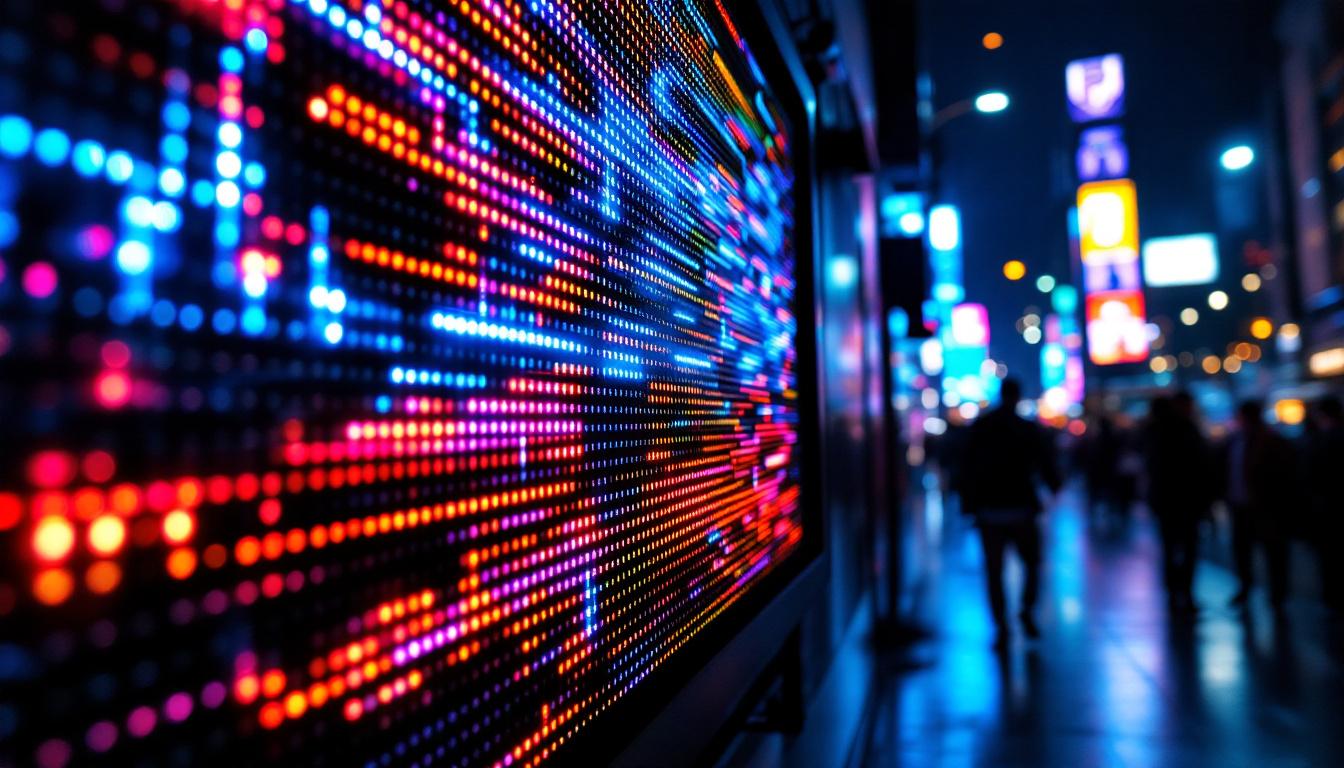
Pixel pitch refers to the distance between the centers of two adjacent pixels, typically measured in millimeters. A smaller pixel pitch means higher pixel density, resulting in sharper images and better resolution. For indoor displays viewed at close range, pixel pitches of 1-2 mm are common, while outdoor displays typically have larger pitches (4 mm and above) due to viewing distance requirements.
Brightness Levels
Brightness is measured in nits (cd/m²). Outdoor LED displays often require brightness levels exceeding 5,000 nits to remain visible in direct sunlight, whereas indoor displays generally operate at 300-1,000 nits.
Refresh Rate
The refresh rate, measured in Hertz (Hz), indicates how many times per second the display updates its image. Higher refresh rates reduce flicker and improve video smoothness, which is especially important for live broadcasts and fast-moving content. Modern LED displays typically support refresh rates of 1,000 Hz or higher.
Viewing Angle
The viewing angle defines the maximum angle at which the display can be viewed without significant color or brightness distortion. Wide viewing angles are crucial for public displays to ensure visibility from different positions.
Future Trends in LED Display Technology
The LED display industry continues to evolve rapidly, driven by advancements in materials, manufacturing, and software integration.
MicroLED Technology
MicroLED displays use microscopic LEDs to create pixels, combining the advantages of OLEDs (such as true blacks and high contrast) with the durability and brightness of traditional LEDs. MicroLED promises higher resolution, lower power consumption, and longer lifespan, making it a promising technology for next-generation displays.
Flexible and Transparent LED Displays
Innovations in flexible substrates have enabled the creation of bendable and even transparent LED displays. These displays open new possibilities for design and installation, such as curved screens, wearable devices, and augmented reality applications.
Integration with AI and IoT
Smart LED displays are increasingly integrated with artificial intelligence (AI) and Internet of Things (IoT) technologies. This integration allows for dynamic content adaptation based on audience demographics, environmental conditions, and real-time data analytics, enhancing engagement and operational efficiency.
Conclusion
LED displays have revolutionized visual communication across multiple industries by offering superior brightness, energy efficiency, and versatility. From towering outdoor billboards to sleek indoor monitors, LED technology continues to push the boundaries of what is possible in digital displays.
Understanding the different types of LED displays, their technical specifications, and emerging trends is crucial for businesses and professionals seeking to leverage this technology effectively. As innovations like MicroLED and flexible displays become mainstream, the future of LED displays promises even more exciting possibilities for immersive and impactful visual experiences.
Discover LumenMatrix LED Display Solutions
Ready to elevate your visual communication with the latest in LED technology? LumenMatrix is at the forefront of innovation, offering a wide array of LED display solutions tailored to your needs. From vibrant Indoor and Outdoor LED Wall Displays to dynamic Vehicle and Sports LED Displays, our products are designed to captivate and engage. Experience the future of digital signage with our Custom, All-in-One, and Transparent LED Displays. Check out LumenMatrix LED Display Solutions today and transform your brand’s visibility with unparalleled clarity and impact.