In the fast-evolving world of advertising, capturing attention quickly and effectively is paramount. Among the many tools available to marketers, LED displays have emerged as a dominant force, transforming how brands communicate with their audiences. This article delves into the intricacies of LED displays in advertising, exploring their technology, benefits, applications, and future trends to provide a comprehensive understanding of why they have become indispensable in modern marketing strategies.
Understanding LED Display Technology
What is an LED Display?
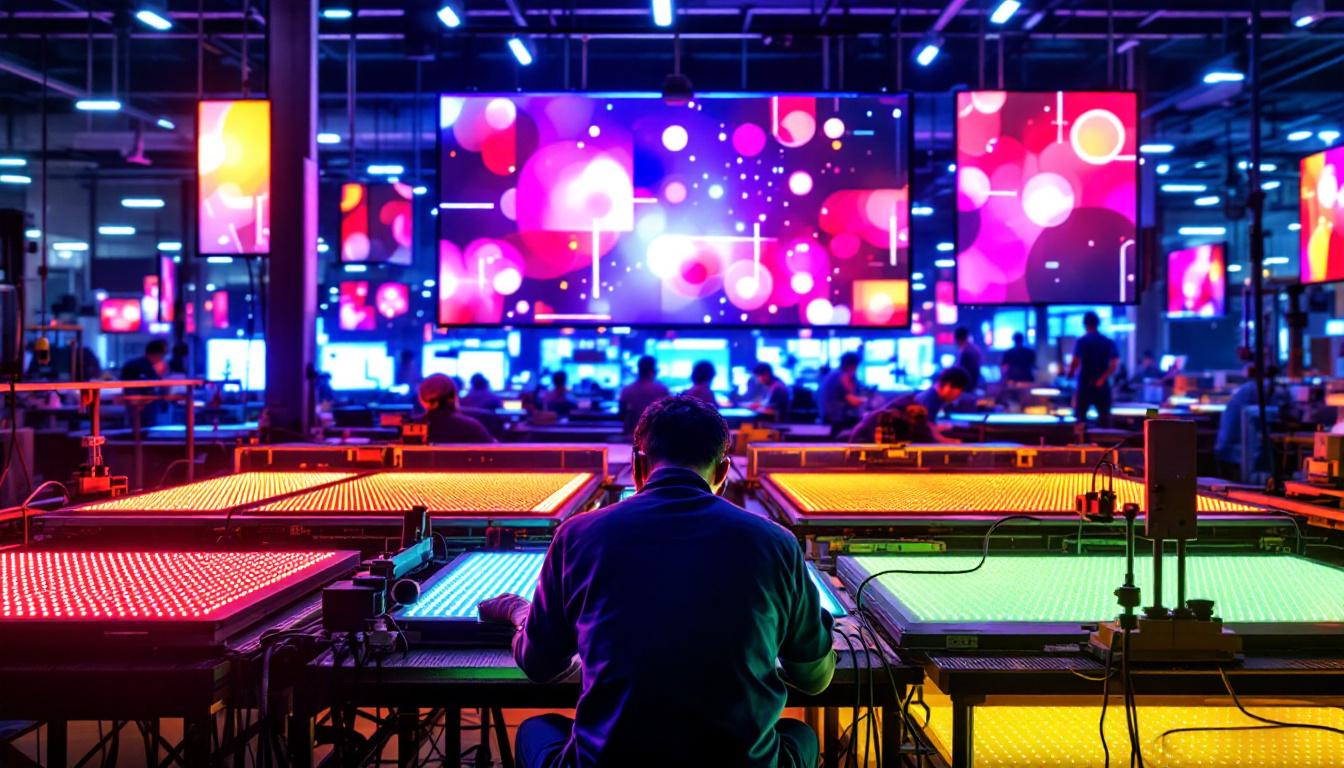
LED stands for Light Emitting Diode, a semiconductor device that emits light when an electric current passes through it. An LED display is essentially a screen composed of numerous tiny LEDs arranged in a matrix to form images, videos, or text. These displays can vary in size from small panels used in retail counters to massive billboards towering over cityscapes.
Unlike traditional LCD or plasma screens, LED displays use individual diodes as pixels, which allows for brighter, more vibrant images and greater energy efficiency. The technology behind LED displays has advanced significantly over the past decade, making them more affordable, durable, and versatile. This evolution has led to the incorporation of smart technology, enabling features like remote management and real-time content updates, which are particularly beneficial for businesses aiming to engage customers dynamically.
Types of LED Displays Used in Advertising
There are several types of LED displays tailored for different advertising needs:
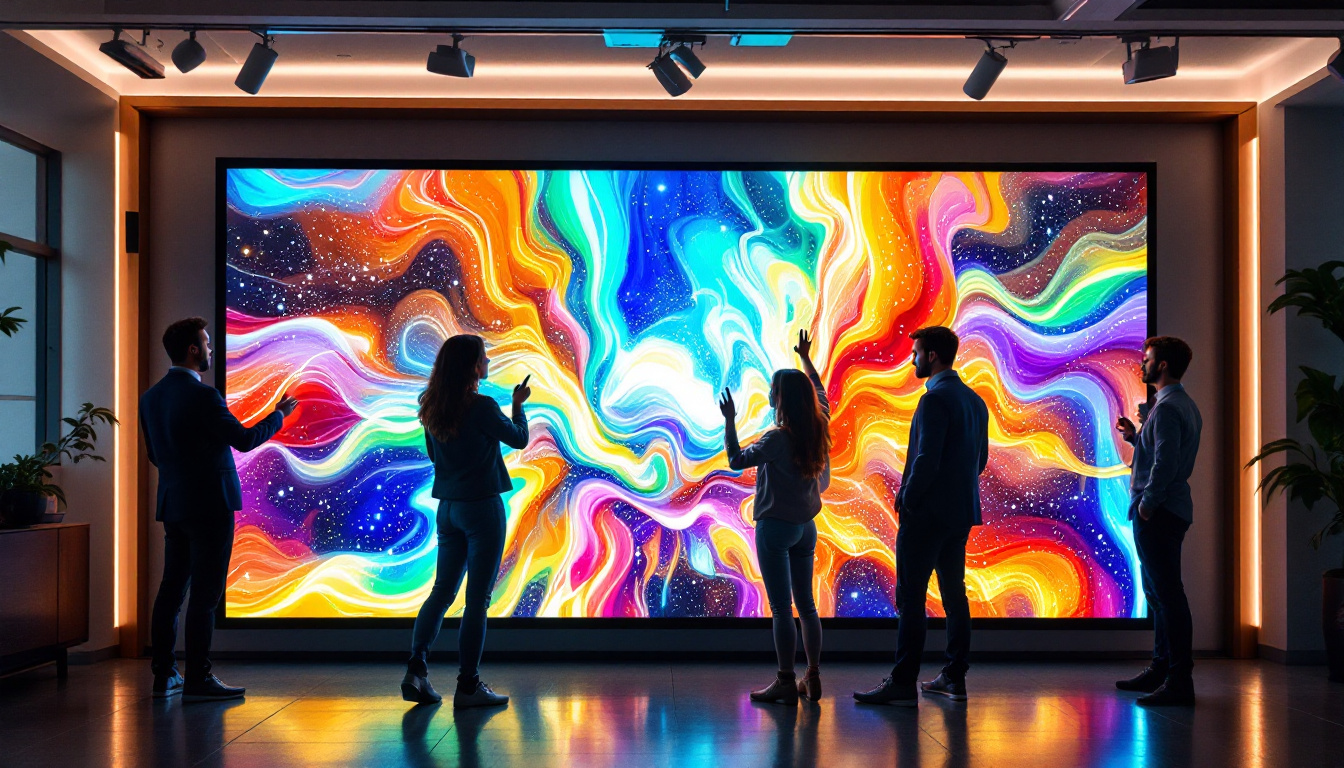
- Indoor LED Displays: Designed for controlled lighting environments such as shopping malls, airports, and conference centers. These displays offer high resolution and fine pixel pitches, ideal for close viewing distances. They are often utilized for promotional events, product launches, or informational displays, allowing businesses to captivate their audience with stunning visuals and engaging content.
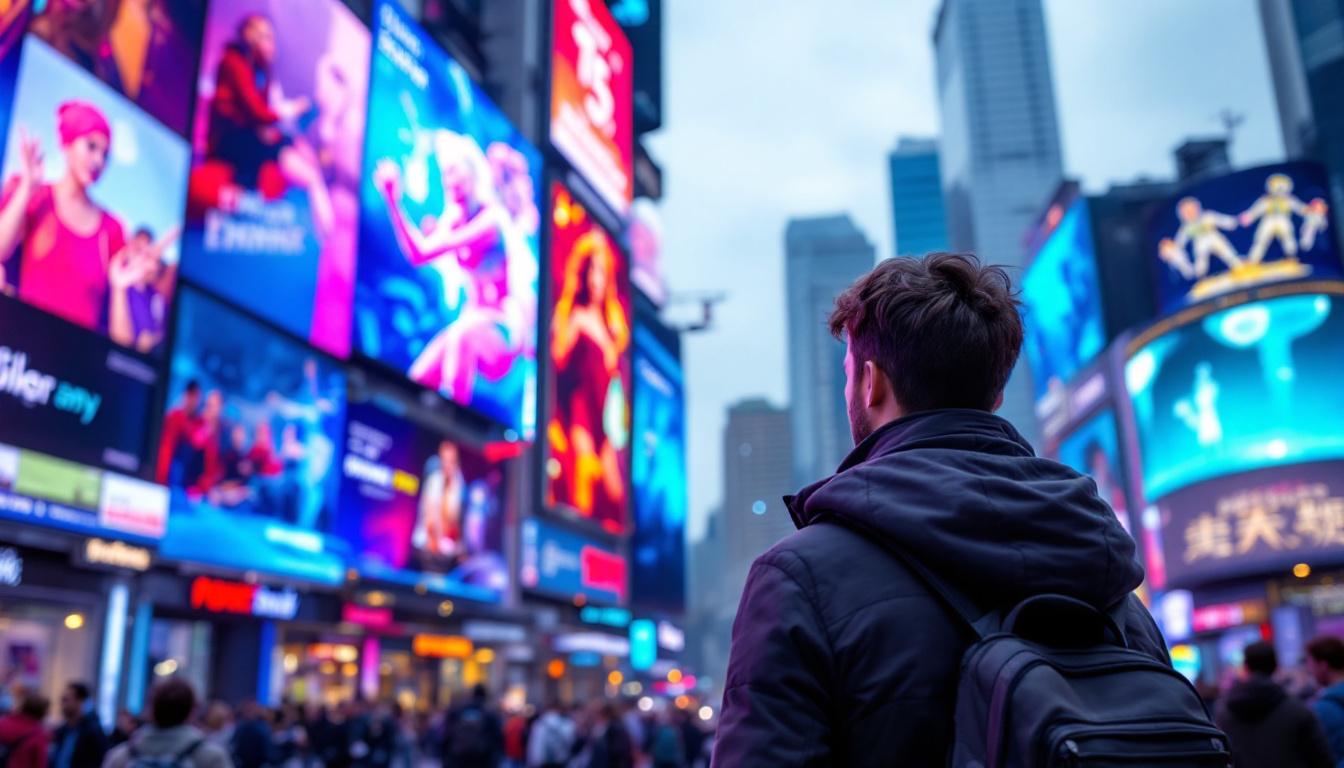
- Outdoor LED Displays: Built to withstand harsh weather conditions, these displays are brighter and more robust. They are commonly found on billboards, stadiums, and building facades. Outdoor LED displays are engineered to maintain visibility even in direct sunlight, ensuring that advertisements reach their target audience effectively, day or night.
- Transparent LED Displays: These innovative screens allow light to pass through, enabling use on glass surfaces without obstructing views. They are popular in retail windows and architectural installations, providing a unique way to showcase products while maintaining an open feel. This technology not only enhances aesthetic appeal but also allows for interactive advertising experiences that can draw in passersby.
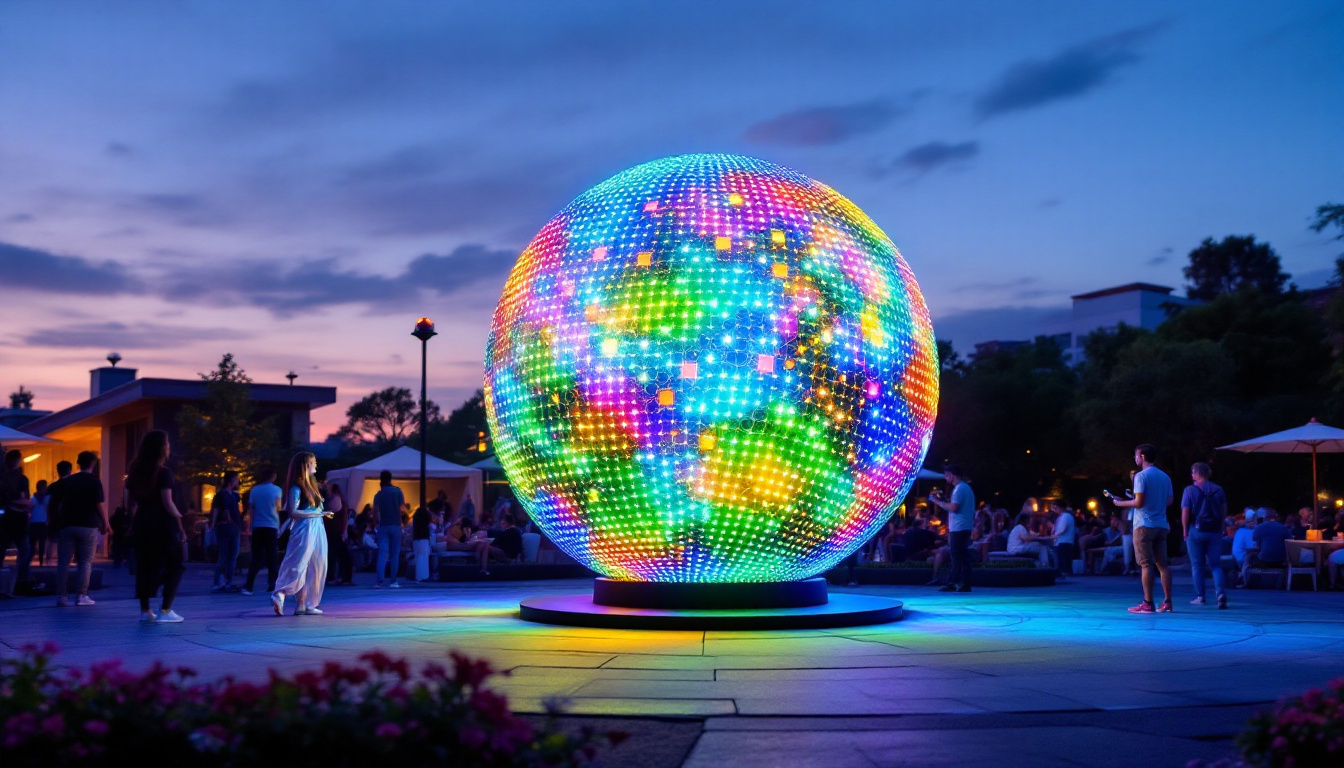
- Flexible and Curved LED Displays: Offering creative freedom, these displays can wrap around structures or form unique shapes, enhancing visual impact. Their adaptability makes them perfect for immersive environments, such as theme parks or exhibitions, where traditional flat screens would be less effective. The ability to create a 360-degree viewing experience captivates audiences and encourages longer engagement with the displayed content.
As the demand for innovative advertising solutions continues to grow, LED display technology is evolving rapidly. New advancements, such as higher pixel densities and improved color accuracy, are making it possible for advertisers to create even more striking and memorable campaigns. Furthermore, the integration of augmented reality (AR) with LED displays is on the rise, allowing brands to create interactive experiences that blend the physical and digital worlds, captivating consumers in unprecedented ways. This ongoing evolution in LED technology not only enhances advertising effectiveness but also transforms how brands connect with their audiences, making it an exciting time for the industry.
Advantages of LED Displays in Advertising
High Visibility and Brightness
One of the most significant advantages of LED displays is their exceptional brightness. Outdoor LED billboards can reach brightness levels of up to 8,000 nits, ensuring visibility even in direct sunlight. This high luminance makes LED displays stand out in crowded urban environments, increasing the likelihood of catching the eye of passersby.
Indoor LED screens, while less bright, still provide vivid colors and sharp images that outperform traditional display technologies. The ability to maintain image quality regardless of ambient lighting conditions makes LED displays a reliable choice for advertisers.
Dynamic and Engaging Content
Unlike static billboards, LED displays enable dynamic content that can be updated in real-time. Advertisers can showcase videos, animations, and interactive elements, making the messaging more engaging and memorable. This flexibility allows for campaigns that can adapt to time of day, weather, or audience demographics, enhancing relevance and effectiveness.
For example, a restaurant could display breakfast specials in the morning and switch to dinner promotions in the evening without the need for physical signage changes. This adaptability not only saves costs but also maximizes the impact of advertising efforts.
Energy Efficiency and Longevity
LED technology is inherently energy-efficient compared to older display types like neon or incandescent lighting. LEDs consume less power and generate less heat, which contributes to lower operating costs and a reduced environmental footprint. Many modern LED displays also incorporate sensors that adjust brightness based on ambient light, further optimizing energy use.
Additionally, LEDs have a long lifespan, often exceeding 100,000 hours of operation. This durability reduces maintenance and replacement expenses, making LED displays a cost-effective investment over time.
Applications of LED Displays in Advertising
Billboards and Outdoor Advertising
Outdoor LED billboards have revolutionized the advertising landscape by offering unparalleled visibility and flexibility. According to a 2023 report by the Outdoor Advertising Association of America (OAAA), digital out-of-home (DOOH) advertising, which includes LED billboards, accounted for over 35% of total outdoor ad spend in the U.S., reflecting rapid adoption.
These billboards are strategically placed in high-traffic areas such as highways, city centers, and transit hubs. Their ability to display multiple ads in rotation allows advertisers to reach diverse audiences throughout the day, maximizing exposure and return on investment.
Retail and Point of Sale Displays
In retail environments, LED displays serve as powerful tools to attract customers and influence purchasing decisions. From large video walls in storefronts to smaller digital price tags and promotional screens, LED technology enhances the shopping experience by providing dynamic, eye-catching content.
Studies show that digital signage can increase customer engagement by up to 30%, with many shoppers reporting that digital displays positively influence their perception of a brand. Retailers leverage this by showcasing product demos, flash sales, and interactive content that encourage impulse buys.
Events, Exhibitions, and Public Spaces
LED displays are a staple at events and exhibitions, where they deliver high-impact visuals that draw crowds and communicate messages effectively. Their portability and modular design make them ideal for temporary installations, such as trade shows, concerts, and sports events.
Public spaces also benefit from LED displays for informational and advertising purposes. Digital kiosks and wayfinding screens enhance visitor experience while providing advertisers with valuable real estate to promote products and services.
Design Considerations for Effective LED Advertising
Resolution and Pixel Pitch
The resolution of an LED display is determined by its pixel pitch—the distance between individual LEDs. A smaller pixel pitch means higher resolution and sharper images, which is crucial for displays viewed from close distances. Conversely, larger pixel pitches are suitable for billboards viewed from afar.
Choosing the right pixel pitch ensures clarity and legibility, which are essential for conveying messages quickly and effectively. Advertisers should consider viewing distance and environment when selecting LED displays to optimize impact.
Content Strategy and Scheduling
Effective LED advertising goes beyond hardware; content strategy plays a critical role. Advertisers must craft concise, visually appealing messages that can be absorbed within seconds. Using high-contrast colors, bold fonts, and simple animations helps capture attention without overwhelming viewers.
Scheduling content based on audience behavior and environmental factors enhances relevance. For instance, displaying weather-related ads during storms or promoting lunch specials around midday can increase engagement and conversions.
Compliance and Safety
When installing LED displays, especially outdoors, compliance with local regulations is vital. These may include restrictions on brightness levels, content types, and operating hours to prevent distractions or light pollution. Ensuring adherence not only avoids legal issues but also fosters positive community relations.
Safety considerations include secure mounting, weatherproofing, and electrical standards to protect both the display and the public. Partnering with experienced manufacturers and installers helps guarantee that these requirements are met.
The Future of LED Displays in Advertising
Integration with Smart Technologies
The convergence of LED displays with smart technologies is shaping the future of advertising. Integration with sensors, cameras, and artificial intelligence enables personalized and interactive experiences. For example, facial recognition can tailor ads based on demographics, while motion sensors trigger content when people approach.
Such innovations increase engagement and provide valuable data insights, allowing advertisers to refine campaigns and measure effectiveness with greater precision.
Advancements in MicroLED and MiniLED
Emerging technologies like MicroLED and MiniLED promise to further enhance display quality and efficiency. MicroLEDs are smaller than traditional LEDs, allowing for even higher resolution and contrast ratios, rivaling OLED displays but with superior brightness and lifespan.
These advancements will enable more immersive and flexible advertising formats, from ultra-thin transparent screens to foldable and wearable displays, expanding creative possibilities.
Sustainability and Environmental Impact
As environmental concerns grow, the advertising industry is increasingly prioritizing sustainable practices. LED displays contribute to this by offering energy-efficient alternatives to traditional signage. Future developments aim to reduce manufacturing waste and incorporate recyclable materials.
Advertisers adopting green technologies not only reduce their carbon footprint but also appeal to eco-conscious consumers, enhancing brand reputation.
Conclusion
LED displays have transformed advertising by combining technological innovation with creative flexibility. Their ability to deliver bright, dynamic, and engaging content across diverse environments makes them a powerful tool for brands seeking to capture attention and drive results.
Understanding the technology, benefits, and strategic considerations behind LED advertising empowers marketers to leverage this medium effectively. As advancements continue and integration with smart technologies deepens, LED displays will remain at the forefront of advertising innovation, shaping how brands connect with audiences in the years to come.
Discover LumenMatrix’s Innovative LED Solutions
Ready to elevate your advertising strategy with the latest in LED technology? Look no further than LumenMatrix, a pioneer in crafting LED display modules that bring your brand to life. From the vibrancy of an Indoor LED Wall Display to the resilience of an Outdoor LED Wall Display, and from the mobility of a Vehicle LED Display to the creativity of Custom LED Displays, LumenMatrix offers a comprehensive range of solutions designed to captivate and engage. Embrace the future of visual communication with our All-in-One LED Displays and LED Transparent Displays, and let your message resonate with unparalleled clarity. Check out LumenMatrix LED Display Solutions today and transform how you connect with your audience.