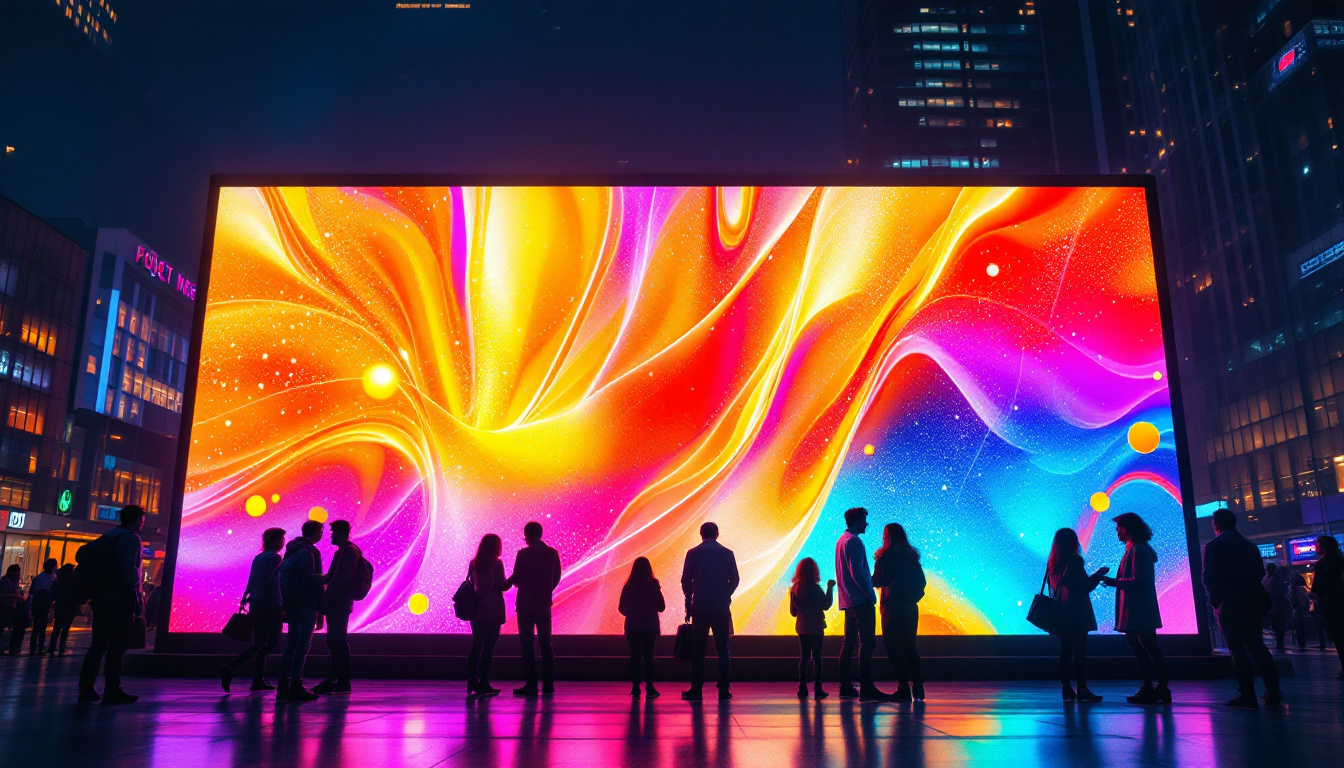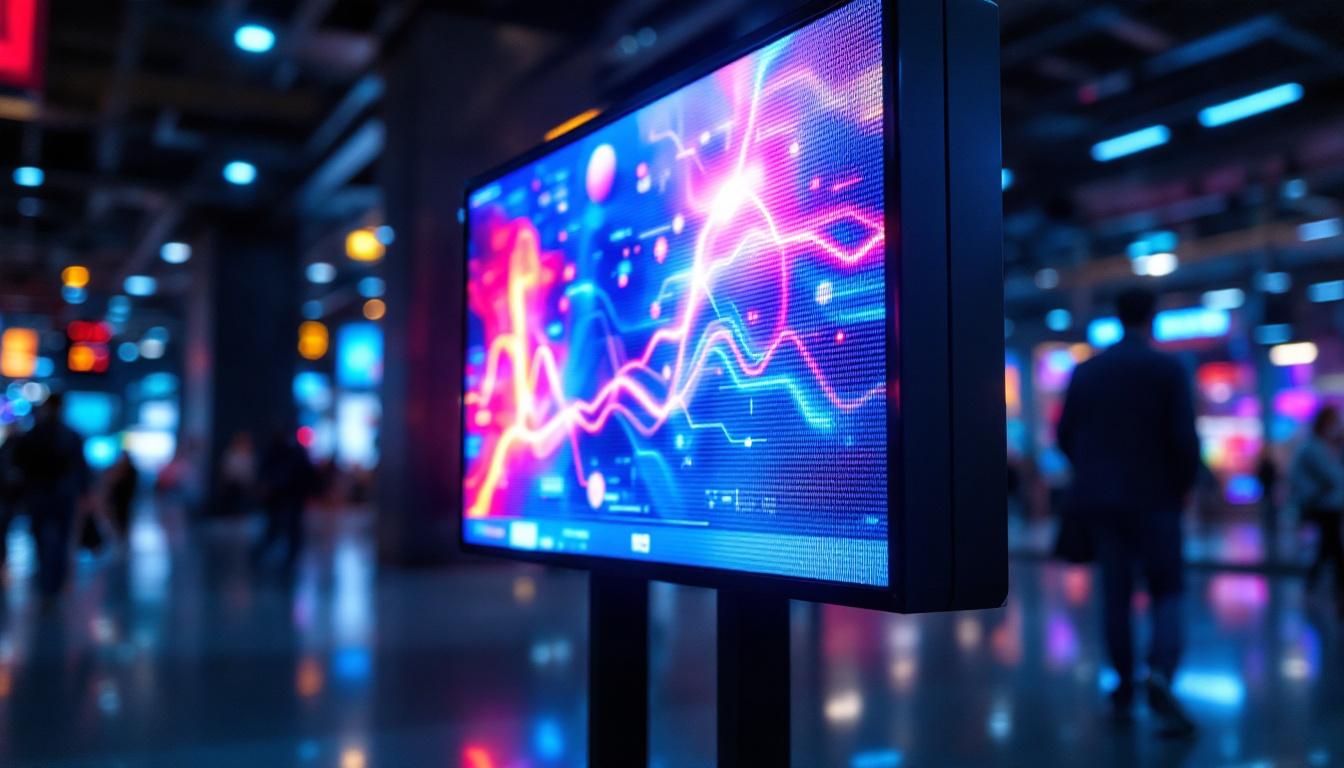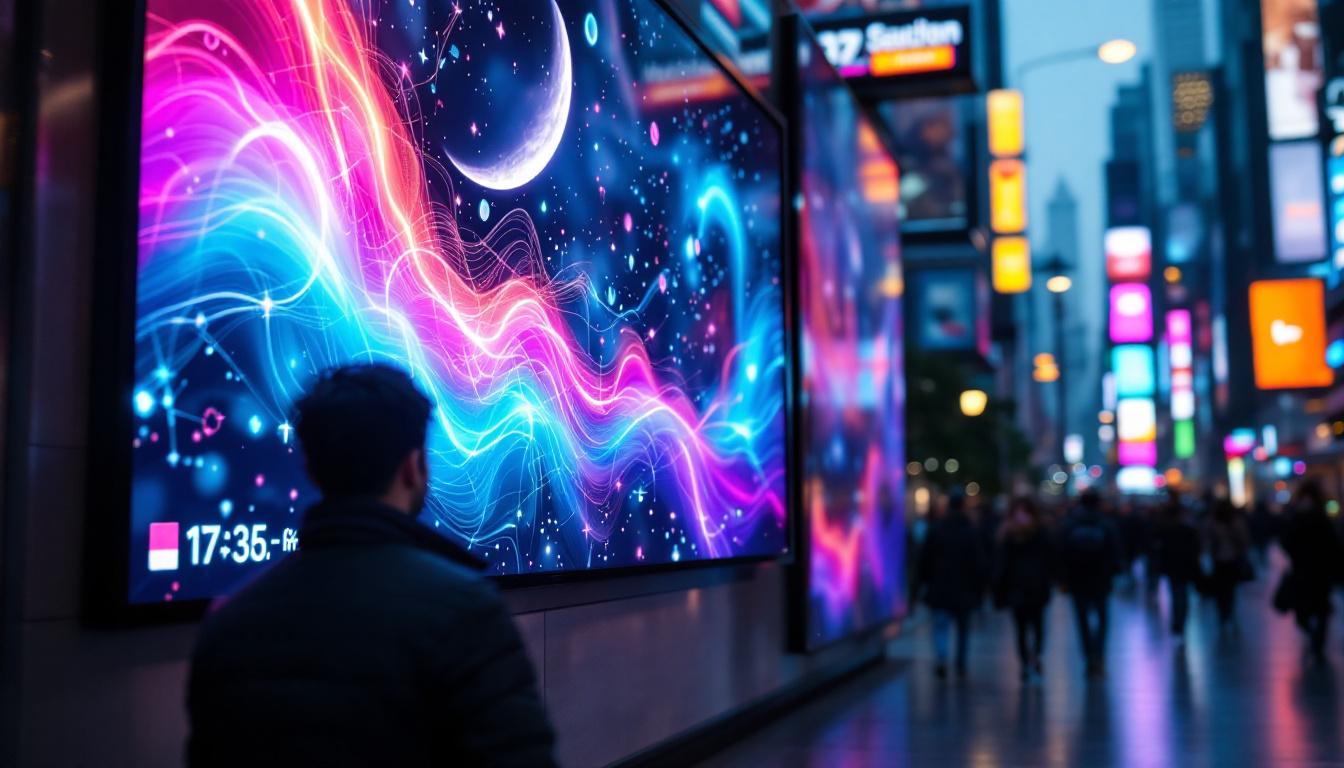
In today’s fast-paced world, capturing consumer attention is more challenging than ever. Digital signage has emerged as a dynamic solution for businesses seeking to engage audiences effectively. Among the various technologies available, LED displays stand out for their brightness, versatility, and cost-effectiveness. This article delves into the essentials of affordable digital signage through LED displays, exploring their technology, benefits, applications, and how businesses can leverage them without breaking the bank.
Understanding LED Displays: The Technology Behind the Glow
LED, or Light Emitting Diode, displays consist of tiny light-emitting components that produce bright, vibrant images. Unlike traditional LCD screens that rely on backlighting, LEDs emit their own light, resulting in superior brightness and contrast. This fundamental difference makes LED displays highly visible even in direct sunlight, a crucial factor for outdoor signage. Additionally, the energy efficiency of LED technology means that these displays consume less power compared to their predecessors, making them not only cost-effective but also environmentally friendly.
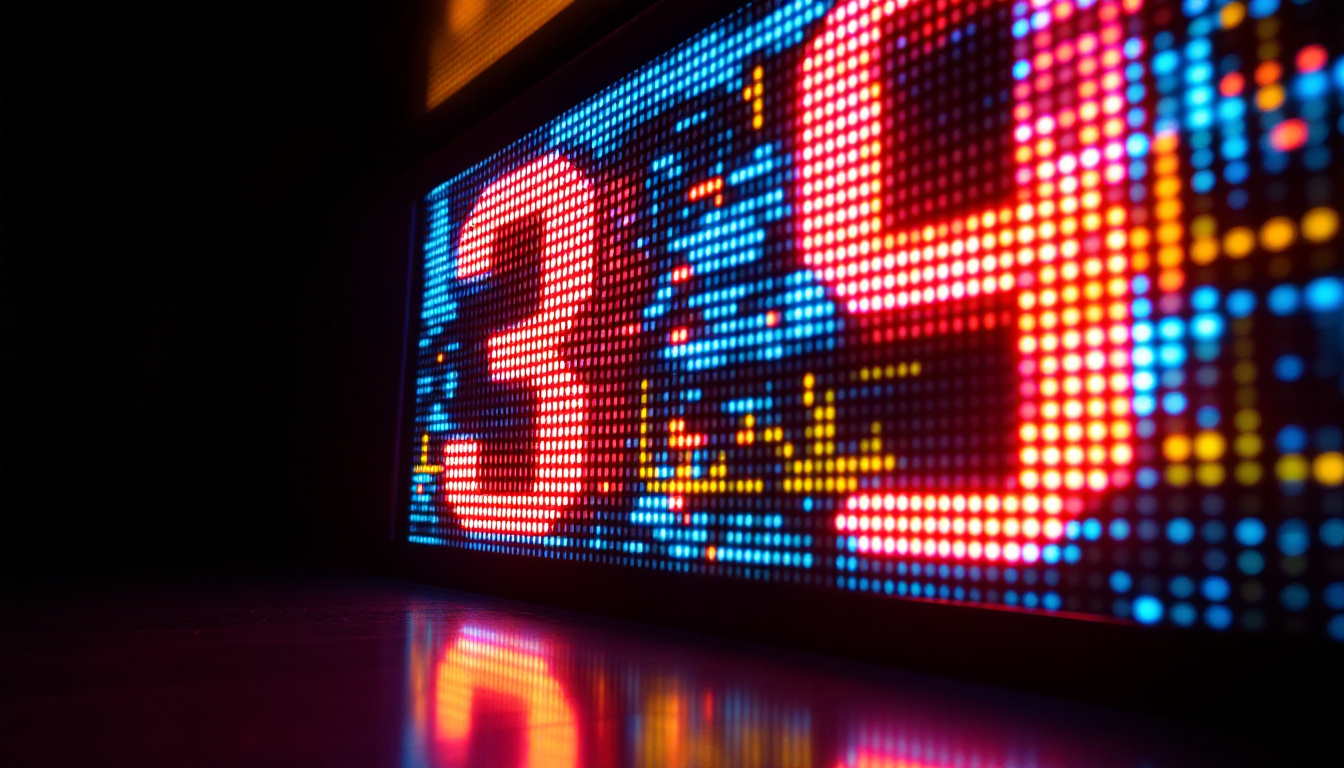
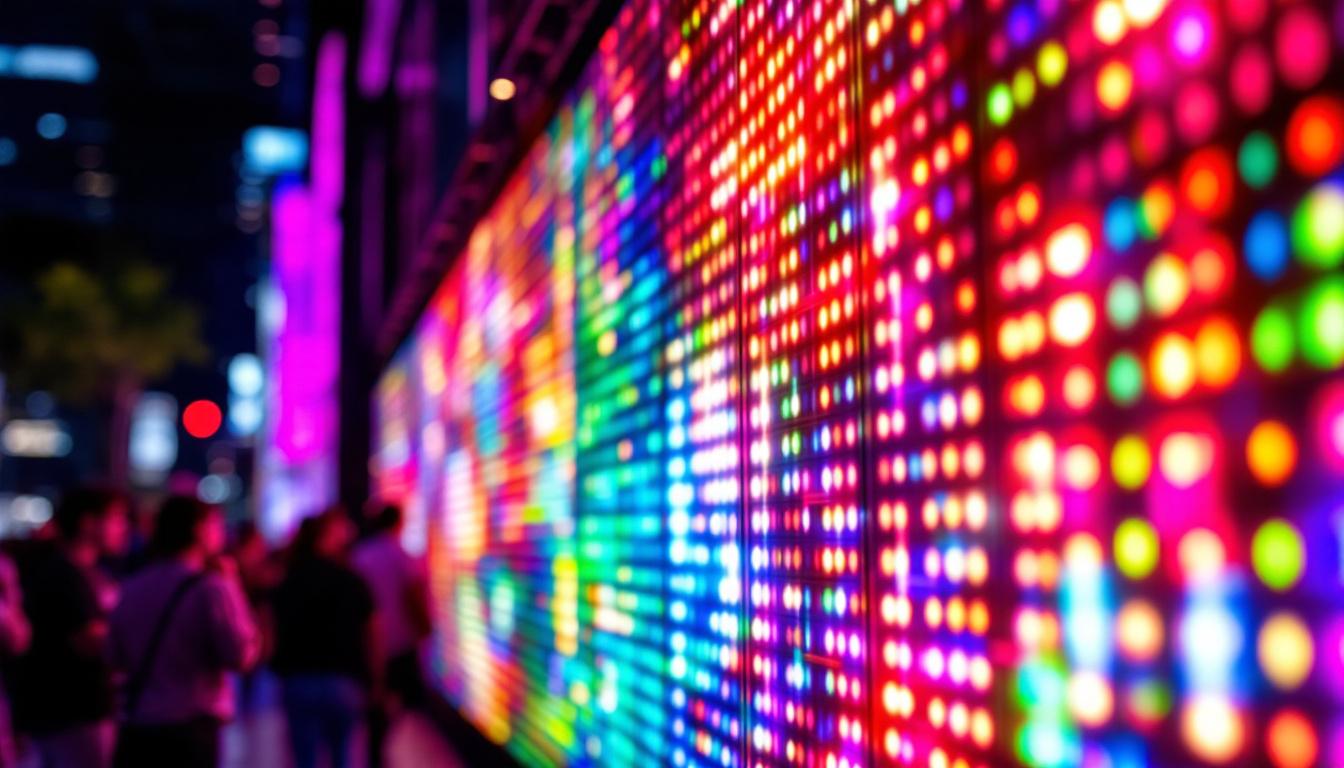
LED displays are composed of numerous modules or panels, each containing multiple diodes arranged in a grid. These diodes can be red, green, or blue, and by adjusting their intensity, the display can produce a full spectrum of colors. The resolution and clarity depend on the pixel pitch—the distance between individual LEDs. A smaller pixel pitch means higher resolution, but also higher cost. This resolution capability allows for detailed graphics and text, making LED displays an ideal choice for advertising, information dissemination, and entertainment across various venues, from stadiums to shopping malls.
Modern LED technology has evolved to include various types such as surface-mounted device (SMD) LEDs and chip-on-board (COB) LEDs, each offering different levels of brightness, color accuracy, and energy efficiency. This evolution has paved the way for more affordable options suitable for a range of business needs. Furthermore, advancements in LED technology have led to the development of flexible and transparent displays, opening up new possibilities for creative applications in architecture and interior design. These innovative formats allow for seamless integration into building facades and retail environments, enhancing the aesthetic appeal while providing dynamic visual content.
Another significant aspect of LED displays is their lifespan. Typically, LED displays can last upwards of 50,000 hours, significantly outlasting traditional display technologies. This longevity reduces the need for frequent replacements, contributing to lower maintenance costs over time. Additionally, the durability of LED displays means they are more resistant to shock and vibration, making them suitable for a variety of environments, from bustling urban centers to remote outdoor locations. As technology continues to advance, we can expect even more enhancements in LED displays, including improved color reproduction and smarter integration with digital content management systems, allowing for real-time updates and interactivity.
Why LED Displays Are a Cost-Effective Choice for Digital Signage
Energy Efficiency and Longevity
One of the primary reasons LED displays are considered affordable in the long run is their energy efficiency. Compared to traditional lighting and older display technologies, LEDs consume significantly less power. For instance, an LED display can use up to 50% less energy than an equivalent LCD screen, which translates to lower electricity bills over time. This energy efficiency not only benefits the environment by reducing carbon footprints but also aligns with the growing consumer preference for sustainable practices, making businesses that adopt LED technology more appealing to eco-conscious customers.
Additionally, LEDs have a longer lifespan, often exceeding 50,000 hours of operation. This durability reduces the frequency and cost of replacements and maintenance, making them a smart investment for businesses aiming to minimize ongoing expenses. The extended lifespan of LED displays also means that businesses can enjoy consistent performance without the worry of sudden failures, allowing for uninterrupted marketing efforts and a steady flow of information to customers.
Lower Maintenance Costs
LED displays are designed to be robust and resistant to environmental factors such as moisture, dust, and temperature fluctuations. This resilience means fewer repairs and less downtime, which is critical for businesses relying on continuous advertising or information display. The modular nature of LED panels also allows for easy replacement of individual sections rather than the entire screen, further reducing maintenance costs. This modularity not only simplifies repairs but also allows for quick upgrades as technology advances, ensuring that businesses remain at the forefront of digital signage innovation without incurring significant costs.
Moreover, the low maintenance requirements of LED displays contribute to their overall cost-effectiveness. With fewer components that can fail and a design that minimizes wear and tear, businesses can allocate resources that would have gone to maintenance towards other strategic initiatives, such as marketing campaigns or product development. This efficiency in resource allocation can significantly enhance a company’s competitive edge in the marketplace.
Scalability and Flexibility
LED displays offer unparalleled scalability. Businesses can start with a small screen and expand by adding more panels as their budget grows. This modular approach helps spread out the investment, avoiding large upfront costs. Moreover, LED signage can be customized in size and shape, fitting unique spaces and creative designs without the premium price tag associated with custom LCD installations. This flexibility allows businesses to adapt their signage strategies to meet changing market demands or seasonal promotions, ensuring that their messaging remains relevant and impactful.
Additionally, the versatility of LED displays means they can be used in a variety of settings, from outdoor billboards to indoor retail displays. This adaptability makes them suitable for a wide range of industries, including retail, hospitality, and transportation. As a result, businesses can leverage LED technology to create dynamic and engaging experiences that capture customer attention, drive foot traffic, and ultimately boost sales. The ability to easily update content in real-time further enhances the effectiveness of LED displays, allowing businesses to respond swiftly to market trends and customer preferences.
Applications of Affordable LED Digital Signage
Retail Environments
Retailers benefit immensely from LED digital signage due to its ability to attract customers with vivid visuals and dynamic content. From promoting sales to displaying product information, LED signs enhance the shopping experience and drive impulse purchases. Their brightness ensures visibility even in brightly lit stores or near windows, where traditional displays might struggle.
For example, a clothing store using LED signage can quickly update promotions for seasonal sales or new arrivals without the cost and delay of printing new posters. This agility supports more effective marketing strategies and better inventory management.
Transportation Hubs
Airports, train stations, and bus terminals rely heavily on clear and timely information dissemination. LED displays are ideal for these environments because they remain readable under various lighting conditions and can be programmed to update schedules, alerts, and advertisements in real time.
In fact, many major airports worldwide have adopted LED signage for their departure boards and wayfinding systems, citing improved passenger experience and operational efficiency.
Corporate and Educational Settings
Businesses and educational institutions use LED digital signage for internal communications, event promotions, and wayfinding. Affordable LED displays allow these organizations to maintain a professional appearance while keeping staff and visitors informed with up-to-date content.
For instance, universities often deploy LED screens in student centers and lecture halls to broadcast announcements, upcoming events, and emergency notifications, ensuring rapid and effective communication.
Choosing the Right LED Display for Your Budget
Assessing Your Needs
Before investing in an LED display, it is essential to evaluate the specific requirements of your application. Consider factors such as viewing distance, ambient lighting conditions, content type, and installation location. For example, outdoor signs require higher brightness levels and weatherproofing, which can increase costs.
Understanding these parameters will help you select a display with the appropriate pixel pitch, brightness, and durability without overspending on unnecessary features.
Comparing Indoor vs. Outdoor LED Displays
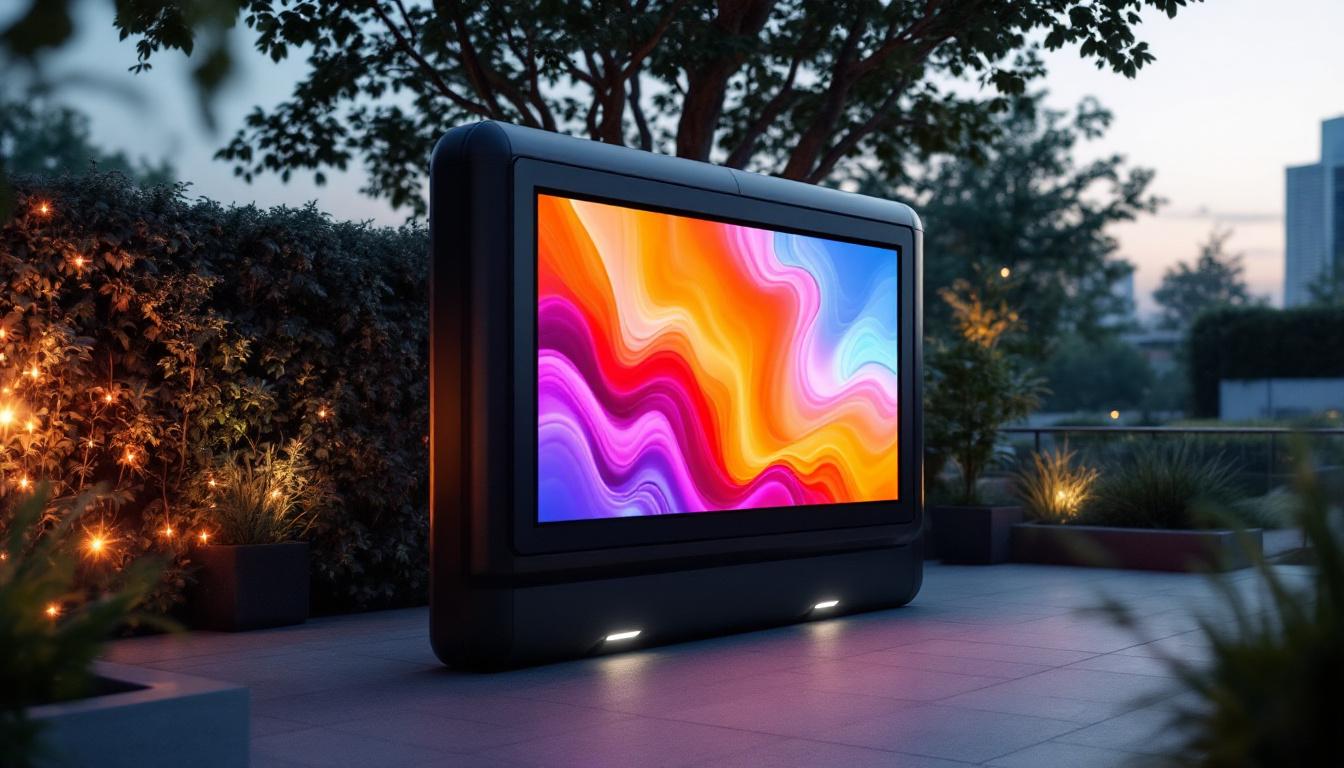
Indoor LED displays generally have lower brightness requirements (typically around 800 to 1,500 nits) compared to outdoor displays, which may need brightness levels exceeding 5,000 nits to combat sunlight glare. Outdoor models also require rugged enclosures to withstand weather conditions, which adds to the price.
Choosing an indoor LED display for an outdoor environment or vice versa can lead to poor performance and higher costs in the long run. Therefore, selecting the right type based on the installation environment is crucial for affordability and effectiveness.
Evaluating Resolution and Pixel Pitch
Pixel pitch directly impacts both image quality and cost. For close viewing distances, such as retail counters or conference rooms, a smaller pixel pitch (e.g., 1.5mm to 3mm) is necessary to ensure sharp images. For large outdoor billboards viewed from afar, a larger pixel pitch (e.g., 10mm or more) is sufficient and more cost-effective.
Balancing resolution with budget constraints is key. Opting for the highest resolution display when it’s not needed can unnecessarily increase expenses.
Maximizing ROI with LED Digital Signage
Dynamic Content Management
One of the greatest advantages of LED displays is the ability to update content quickly and remotely. Utilizing digital signage software allows businesses to schedule promotions, display real-time data, and tailor messages to specific audiences. This flexibility increases engagement and ensures that advertising remains relevant and timely.
Studies have shown that digital signage can increase customer engagement by up to 30%, leading to higher sales and improved brand recognition.
Integration with Other Technologies
LED signage can be integrated with sensors, cameras, and mobile devices to create interactive experiences. For example, proximity sensors can trigger specific advertisements when a customer approaches, or QR codes displayed on the screen can direct viewers to online promotions.
This interactivity enhances customer experience and provides valuable data analytics, helping businesses refine their marketing strategies and improve ROI.
Energy Savings and Environmental Impact
Beyond cost savings, LED displays contribute to sustainability goals due to their low power consumption and longer lifespan. Many LED manufacturers now offer eco-friendly options with reduced hazardous materials and recyclable components, aligning with corporate social responsibility initiatives.
Adopting LED digital signage not only benefits the bottom line but also supports environmental stewardship, which resonates positively with consumers and stakeholders alike.
Conclusion: Affordable LED Displays as a Strategic Investment
Affordable digital signage powered by LED technology represents a compelling opportunity for businesses across industries to enhance communication, attract customers, and boost sales. By understanding the technology, carefully assessing needs, and selecting the right display, organizations can achieve a high return on investment without overspending.
As LED technology continues to advance, prices are expected to decrease further, making these displays even more accessible. Businesses that embrace LED digital signage today position themselves to stay competitive and innovative in an increasingly visual marketplace.
Discover Cutting-Edge LED Solutions with LumenMatrix
Ready to elevate your brand’s presence and captivate your audience with high-impact visuals? Look no further than LumenMatrix, a pioneer in LED display technology. Our extensive range of products, from Indoor and Outdoor LED Wall Displays to innovative LED Transparent Displays, is designed to meet your unique needs and exceed expectations. Embrace the future of visual communication with our dynamic LED solutions that promise to transform your space and engage viewers like never before. Check out LumenMatrix LED Display Solutions today and start making a lasting impression!