In today’s fast-paced digital world, small touch screen monitors have become indispensable tools across various industries and personal applications. Whether used for point-of-sale systems, industrial controls, or compact computing setups, these devices combine portability with intuitive interaction. Central to their functionality and visual appeal is the LED display technology that powers them. This article delves into the intricacies of small touch screen monitors, focusing on LED displays, their advantages, technical aspects, and practical applications.
Understanding Small Touch Screen Monitors
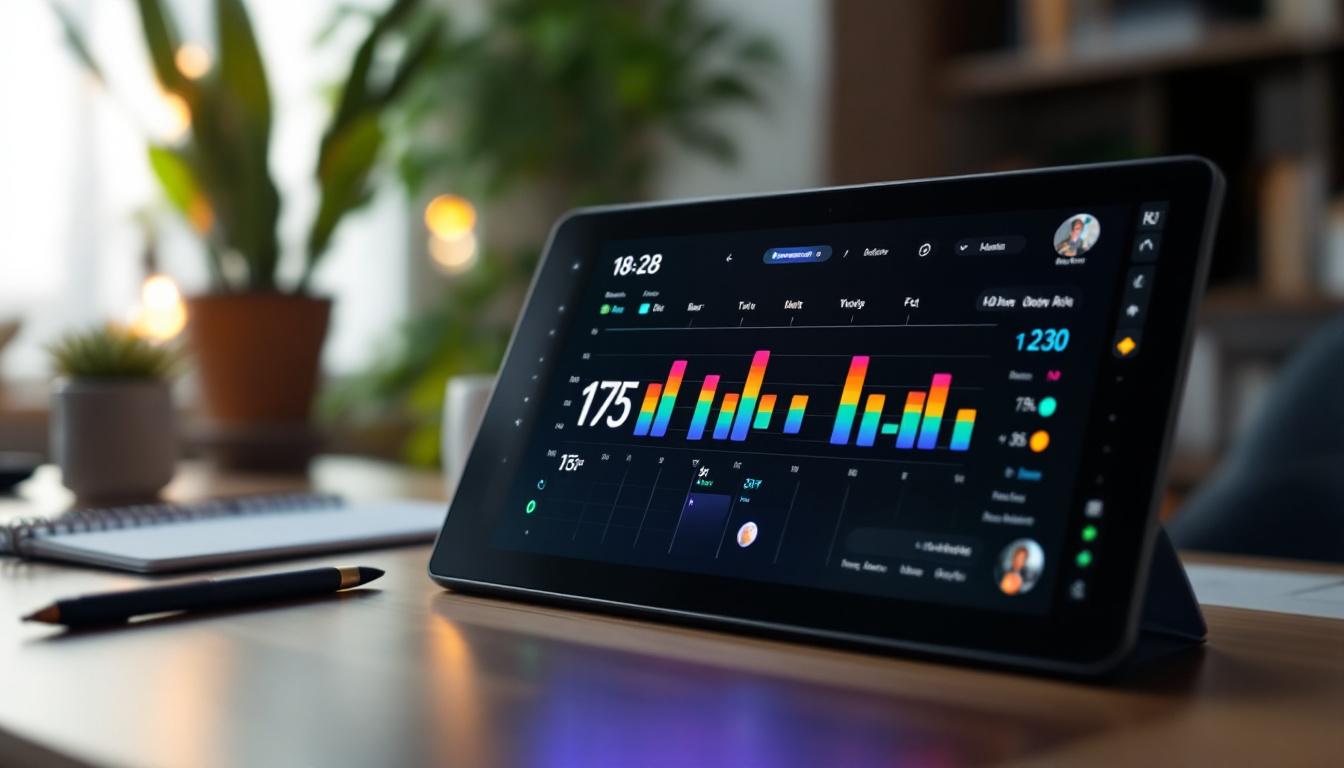
Small touch screen monitors typically range from 5 to 15 inches in diagonal size, designed to offer interactive display capabilities without occupying much space. Their compactness makes them ideal for environments where space is limited or where mobility is essential. These monitors are often lightweight and can be easily mounted on walls or integrated into various devices, making them versatile tools for both personal and professional use.
These devices integrate a display panel with a touch-sensitive layer, enabling users to interact directly with the content through taps, swipes, or multi-touch gestures. The touch interface enhances user experience by providing a natural, intuitive way to control software applications, navigate menus, or input data. Many models also support stylus input, which can be particularly useful for precision tasks such as drawing or detailed data entry, further broadening their application scope.
Common Uses and Industries
Small touch screen monitors are widely used in retail environments as part of point-of-sale (POS) systems, allowing cashiers and customers to interact seamlessly with transaction software. The ability to customize the interface for different products and services makes these monitors invaluable for enhancing customer engagement and streamlining operations. In industrial settings, these monitors serve as human-machine interfaces (HMIs) for controlling machinery or monitoring processes, providing real-time data and alerts that improve operational efficiency and safety. Additionally, they are popular in healthcare for patient monitoring and data entry, as well as in automotive applications for infotainment systems, where they provide drivers and passengers with easy access to navigation, music, and communication features.
With the rise of IoT devices and smart home technologies, these monitors are increasingly embedded in control panels for home automation, security systems, and environmental monitoring. This integration allows users to manage various aspects of their home environment, such as lighting, temperature, and security, all from a central touch interface. Furthermore, as technology advances, many small touch screen monitors now come equipped with features like voice recognition and connectivity options such as Wi-Fi and Bluetooth, enabling them to interact with other smart devices and systems for a more cohesive user experience. This trend not only enhances convenience but also opens up new possibilities for innovative applications across various sectors, including education, hospitality, and transportation.
LED Display Technology: The Backbone of Small Touch Screens
At the heart of most small touch screen monitors lies LED (Light Emitting Diode) display technology. Understanding how LED displays work is crucial to appreciating their performance benefits and limitations.
What Is an LED Display?
LED displays use an array of light-emitting diodes to produce images. Unlike traditional LCDs that rely on fluorescent backlighting, LED displays utilize LEDs either as backlights or as individual pixels in the case of OLED (Organic LED) and microLED technologies. This fundamental difference results in improved brightness, contrast, and energy efficiency.
In small touch screen monitors, the most common implementation is LED-backlit LCDs, where a liquid crystal display panel modulates light from an LED backlight to create images. This hybrid approach combines the color accuracy and sharpness of LCDs with the energy-saving advantages of LEDs.
Advantages of LED Displays in Small Touch Screens
LED displays offer several benefits that make them ideal for small touch screen monitors:
- Brightness and Visibility: LED backlights can achieve higher brightness levels compared to older CCFL (cold cathode fluorescent lamp) backlights, ensuring clear visibility even in brightly lit environments.
- Energy Efficiency: LEDs consume less power, which is critical for portable or battery-powered devices.
- Thin and Lightweight Design: LED technology allows for slimmer display panels, contributing to the compactness of small monitors.
- Longer Lifespan: LEDs have a longer operational life, reducing maintenance and replacement costs.
- Better Color Reproduction: LED backlighting enhances color gamut and contrast ratios, improving image quality.
Types of LED Displays in Small Touch Screen Monitors
While LED-backlit LCDs dominate the market, emerging LED display types are gaining traction, especially in high-end or specialized applications.
LED-Backlit LCDs
This is the most common display type for small touch screen monitors. The LCD panel controls the image, while an array of LEDs provides uniform backlighting. These displays are cost-effective, reliable, and offer good brightness and color performance.
OLED Displays
Organic LED displays differ by having pixels that emit their own light, eliminating the need for a backlight. This allows for deeper blacks, higher contrast ratios, and wider viewing angles. OLED small touch screen monitors are prized for their superior image quality but tend to be more expensive and have shorter lifespans compared to LED-backlit LCDs.
MicroLED Displays
MicroLED technology is an emerging contender, combining the self-emissive properties of OLEDs with the durability and brightness of traditional LEDs. While still in early stages for small monitors, microLEDs promise exceptional brightness, energy efficiency, and lifespan, potentially revolutionizing the market in the near future.
Technical Considerations When Choosing a Small Touch Screen Monitor
Selecting the right small touch screen monitor involves evaluating several technical factors beyond just LED display type. These considerations ensure the device meets the specific needs of the intended application.
Resolution and Pixel Density
Resolution determines the clarity and detail of the displayed image. For small monitors, higher pixel density (measured in pixels per inch or PPI) translates to sharper visuals. Common resolutions include 800×480, 1024×600, and 1280×720 pixels. Choosing an appropriate resolution depends on the content being displayed and the viewing distance.
Touch Technology
Touch screens use different sensing technologies, primarily resistive and capacitive:
- Resistive Touch: Consists of multiple layers that detect pressure from a finger or stylus. It is cost-effective and works with gloves or any pointing device but offers lower clarity and multi-touch capability.
- Capacitive Touch: Uses the electrical properties of the human body to detect touch. It supports multi-touch gestures and provides better image clarity but requires direct skin contact or specialized gloves.
Capacitive touch is generally preferred for consumer devices due to its responsiveness and durability, while resistive touch is common in industrial settings.
Viewing Angles and Brightness
Wide viewing angles ensure that the display remains clear and color-accurate when viewed from different positions. This is particularly important for monitors used in collaborative environments or where the screen is frequently viewed from the side.
Brightness, measured in nits, affects visibility in various lighting conditions. For indoor use, 300 to 500 nits is sufficient, whereas outdoor or high-ambient-light environments may require 700 nits or more.
Durability and Environmental Resistance
Small touch screen monitors used in industrial or outdoor settings must withstand harsh conditions such as dust, moisture, temperature extremes, and vibrations. Look for monitors with appropriate IP (Ingress Protection) ratings and ruggedized designs to ensure longevity and reliability.
Connectivity Options
Common interfaces include HDMI, VGA, USB, and DisplayPort. Some monitors also support wireless connectivity via Wi-Fi or Bluetooth. The choice depends on the devices the monitor will connect to and the intended use case.
Practical Applications and Benefits of Small Touch Screen Monitors
The versatility of small touch screen monitors is reflected in their broad range of applications and the tangible benefits they bring to users.
Enhanced User Interaction
Touch screens simplify user interfaces by allowing direct manipulation of on-screen elements. This reduces the learning curve, speeds up workflows, and minimizes errors, especially in environments where quick decisions are critical.
Space-Saving and Portability
Small monitors fit into compact spaces, making them ideal for kiosks, handheld devices, and mobile workstations. Their lightweight design facilitates portability, enabling users to carry and operate them in diverse locations.
Improved Efficiency in Industrial Automation
In manufacturing and process control, small touch screen monitors serve as intuitive HMIs, allowing operators to monitor system status, adjust parameters, and receive alerts in real time. This leads to faster response times and reduced downtime.
Retail and Hospitality Advantages
Point-of-sale terminals equipped with small touch screen monitors streamline transactions, inventory management, and customer engagement. Their sleek design also enhances the aesthetic appeal of service counters.
Healthcare Applications
Compact touch screen monitors facilitate patient data entry, monitoring, and diagnostics in clinical settings. Their ease of cleaning and durability are additional benefits in maintaining hygiene standards.
Future Trends in Small Touch Screen LED Displays
As technology advances, small touch screen monitors continue to evolve, incorporating new features and improved display technologies.
Integration of AI and Gesture Recognition
Future devices are expected to incorporate artificial intelligence to enable smarter interfaces, including gesture recognition beyond touch. This will allow for contactless control, enhancing hygiene and accessibility.
Flexible and Foldable Displays
Emerging flexible LED display technologies will enable monitors that can bend or fold, opening new possibilities for portable devices and space-saving designs.
Higher Resolution and Color Accuracy
Advancements in microLED and OLED technologies will push the boundaries of resolution and color fidelity, delivering stunning visuals even on small screens.
Energy Harvesting and Sustainability
Innovations in low-power displays and energy harvesting technologies will make small touch screen monitors more sustainable, reducing their environmental footprint.
Conclusion
Small touch screen monitors with LED displays are vital components in a wide array of modern applications, combining compactness with interactive functionality and superior visual performance. Understanding the underlying LED technology, along with key technical considerations, empowers users and businesses to select the right device tailored to their needs. As display technologies continue to evolve, these monitors will become even more versatile, efficient, and integral to digital interaction across industries.
Discover LumenMatrix’s Advanced LED Display Solutions
Ready to elevate your interactive digital experience with the latest in LED display technology? Look no further than LumenMatrix, a pioneer in crafting LED display modules that bring your content to life. Whether you’re seeking dynamic Indoor LED Walls, vibrant Outdoor Displays, mobile Vehicle LED solutions, sleek LED Posters, immersive LED Sports Displays, innovative Floor LEDs, or Custom and All-in-One LED solutions, LumenMatrix has you covered. Our Transparent LED Displays are designed to captivate and engage, ensuring your message resonates with clarity and impact. Check out LumenMatrix LED Display Solutions today and join the revolution in visual communication.