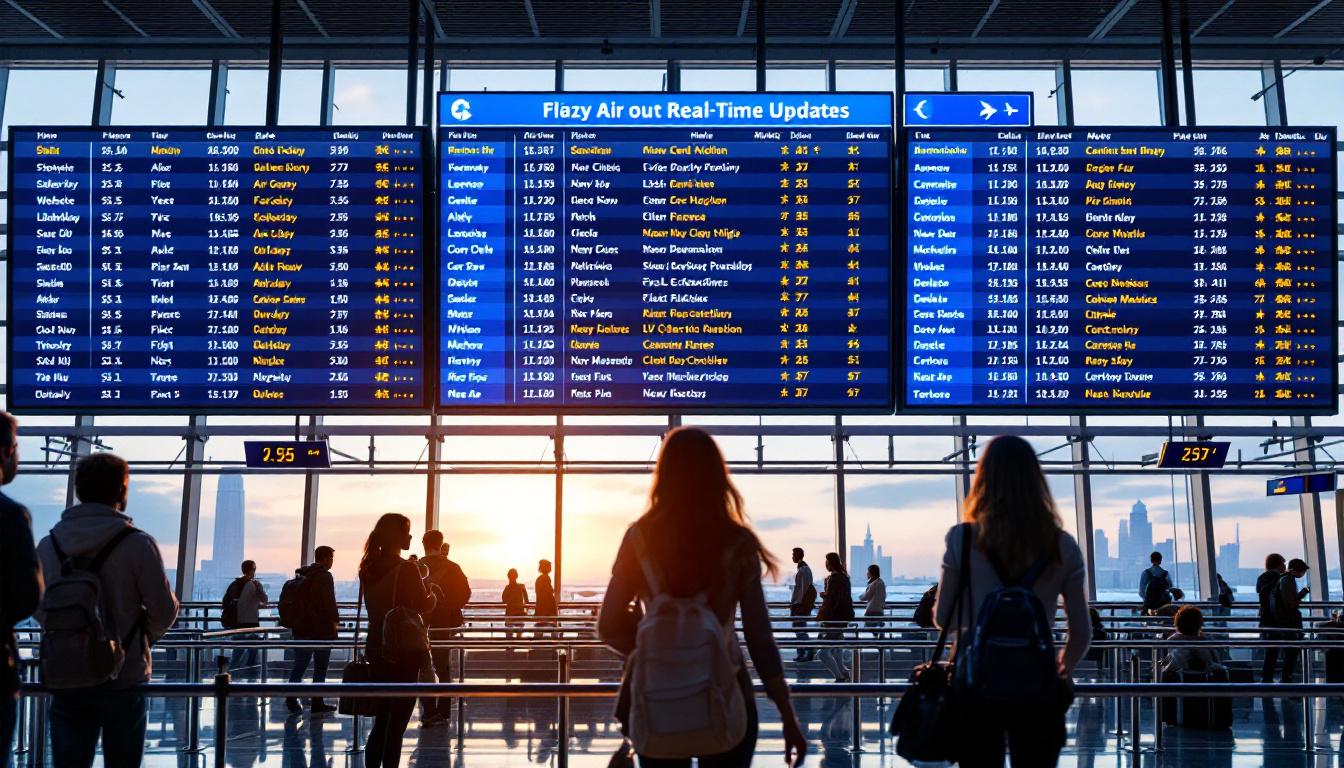
In modern airports around the world, LED displays have become an indispensable part of the passenger experience. From flight information to wayfinding and advertising, these vibrant screens play a crucial role in ensuring smooth operations and effective communication. But what exactly makes LED displays the preferred choice for airport monitors? This article delves into the technology behind LED displays, their benefits, and why airports rely on them to enhance both functionality and aesthetics.
Understanding LED Display Technology
What Is an LED Display?
LED stands for Light Emitting Diode. An LED display is essentially a flat panel that uses an array of tiny LEDs as pixels to create images, text, and video. Unlike traditional LCDs that require a backlight, LEDs emit their own light, which allows for brighter and more vibrant displays. This self-illumination is particularly advantageous in environments like airports, where visibility under varying lighting conditions is critical. The ability to adjust brightness levels dynamically ensures that information is easily readable, whether in the bright sunlight of a midday flight or the dimmer settings of an evening arrival.
LED displays come in various forms, including direct-view LED panels and LED-backlit LCDs. For airport monitors, the direct-view LED panels are most common due to their superior brightness, contrast, and viewing angles. These panels are composed of thousands of tiny LEDs arranged in a grid, which can be individually controlled to produce dynamic content. This capability allows airports to display real-time information such as flight status updates, gate changes, and emergency announcements, enhancing the overall passenger experience. Furthermore, the longevity of LED technology means that these displays can operate for years with minimal maintenance, making them a cost-effective solution for airport operators.
Types of LED Displays Used in Airports
Airports utilize several types of LED displays depending on their specific needs:
- Indoor LED Displays: Designed for interior environments such as terminals and lounges, these displays offer high resolution and brightness levels optimized for indoor lighting. They are often used for advertising, wayfinding, and providing essential information to travelers, ensuring that passengers can easily navigate through busy terminals.
- Outdoor LED Displays: Used for exterior signage like arrival/departure boards visible from outside the terminal or on the tarmac, these displays are weather-resistant and extremely bright to combat sunlight glare. Their rugged design allows them to withstand harsh weather conditions, ensuring that critical information is always accessible to both arriving and departing passengers.
- Transparent LED Displays: These innovative screens allow light to pass through, making them ideal for glass walls or windows without obstructing views. They can be used creatively for advertising while maintaining visibility of the surroundings, providing a modern aesthetic that enhances the overall ambiance of the airport.
Each type is tailored to meet the unique demands of airport environments, balancing durability, visibility, and energy efficiency. Additionally, the integration of smart technology into these displays enables airports to monitor performance and make adjustments in real-time, ensuring optimal operation. This adaptability is crucial in managing the high volume of passengers and the fast-paced nature of airport operations. As technology continues to evolve, we can expect to see even more advanced features, such as interactive displays that engage travelers and provide personalized information based on their travel itineraries.
Why Airports Prefer LED Displays Over Other Technologies
Superior Visibility and Brightness
Airports are bustling hubs with diverse lighting conditions, ranging from bright daylight streaming through large windows to dimly lit waiting areas. LED displays excel in these environments due to their high brightness levels, often exceeding 1,000 nits for indoor screens and up to 5,000 nits or more for outdoor displays. This ensures flight information and announcements remain clearly visible at all times, reducing passenger confusion and enhancing safety.
Energy Efficiency and Longevity
Energy consumption is a significant consideration for airports, which operate 24/7 and often have hundreds of display units. LEDs are far more energy-efficient than older technologies like fluorescent or incandescent lighting. According to the U.S. Department of Energy, LED lighting can use up to 75% less energy and last 25 times longer than traditional lighting solutions.
This efficiency translates into lower operational costs and reduced environmental impact, aligning with many airports’ sustainability goals. Additionally, the long lifespan of LEDs—often exceeding 50,000 hours—means fewer replacements and less maintenance downtime, crucial for high-traffic areas.
Flexibility and Customization
LED displays offer unparalleled flexibility in terms of size, shape, and resolution. Airports can install massive video walls in terminals or compact, high-resolution panels at check-in counters and boarding gates. The modular nature of LED panels allows for custom configurations that fit architectural constraints and aesthetic preferences.
Moreover, LED displays support dynamic content management, enabling airports to update flight schedules, emergency alerts, advertisements, and wayfinding information in real-time. This adaptability is vital for handling the fast-paced, ever-changing environment of air travel.
Applications of LED Displays in Airports
Flight Information Display Systems (FIDS)
One of the most critical uses of LED displays in airports is the Flight Information Display System. These monitors provide passengers with up-to-the-minute details on arrivals, departures, gate assignments, delays, and cancellations. The clarity and brightness of LED screens ensure that this vital information is easily accessible, reducing passenger anxiety and streamlining airport operations.
Modern FIDS often integrate with airport management software, allowing for automated updates and multilingual support. Some airports have even adopted interactive LED kiosks where travelers can search for flight information, directions, and services.
Wayfinding and Passenger Guidance
Airports can be complex and intimidating, especially for first-time travelers. LED displays are increasingly used to provide wayfinding assistance, guiding passengers to gates, lounges, baggage claims, and other facilities. Digital signage with LED technology can display maps, directional arrows, and real-time updates about gate changes or security wait times.
Interactive LED touchscreens further enhance passenger experience by offering personalized navigation and information, reducing the need for physical signage and staff intervention.
Advertising and Revenue Generation
Beyond operational uses, LED displays serve as lucrative advertising platforms. Airports attract a diverse, captive audience, making them prime locations for brands to showcase products and services. LED screens offer vibrant, eye-catching visuals that can be updated frequently, allowing for targeted marketing campaigns.
Some airports have adopted programmatic advertising on their LED displays, dynamically adjusting content based on time of day, passenger demographics, and flight schedules. This approach maximizes advertising effectiveness and generates significant revenue streams for airport authorities.
Technical Considerations for Airport LED Displays
Resolution and Pixel Pitch
Resolution and pixel pitch are key factors determining the clarity of an LED display. Pixel pitch refers to the distance between the centers of two adjacent pixels, measured in millimeters. A smaller pixel pitch means higher resolution and sharper images, which is essential for close-up viewing areas like check-in counters.
Airports typically use a range of pixel pitches depending on viewing distance. For example, a 1.5mm to 2.5mm pixel pitch is common for indoor displays viewed up close, while outdoor displays might have a larger pitch of 6mm to 10mm, optimized for visibility from farther away.
Brightness and Contrast Ratio
Brightness is measured in nits and is crucial for ensuring visibility under various lighting conditions. High contrast ratios, which represent the difference between the darkest black and brightest white a display can produce, enhance readability and reduce eye strain.
For airport environments, LED displays often incorporate sensors that automatically adjust brightness based on ambient light, maintaining optimal visibility without excessive power consumption.
Durability and Maintenance
Airports demand displays that can withstand continuous use and exposure to environmental factors such as dust, temperature fluctuations, and vibrations. LED modules designed for airports are typically rated with high IP (Ingress Protection) levels, ensuring resistance to dust and moisture.
Modular designs facilitate quick repairs and replacements, minimizing downtime. Additionally, many LED systems include remote monitoring capabilities, allowing maintenance teams to detect and address issues proactively.
Future Trends in Airport LED Displays
Integration with Artificial Intelligence and IoT
The integration of AI and the Internet of Things (IoT) is transforming how airports utilize LED displays. AI-driven content management systems can analyze passenger flow, weather conditions, and flight data to deliver personalized and context-aware information.
IoT sensors embedded throughout terminals can communicate with LED displays to provide real-time updates on security queues, baggage claim status, and even retail promotions tailored to passenger preferences. This interconnected approach enhances operational efficiency and passenger satisfaction.
Advancements in Display Technology
Emerging technologies such as MicroLED and MiniLED promise even higher brightness, better color accuracy, and longer lifespans. MicroLED displays, in particular, offer true self-emissive pixels with superior contrast and energy efficiency, potentially revolutionizing airport signage in the coming years.
Additionally, flexible and curved LED panels are enabling more creative and immersive display installations, enhancing the aesthetic appeal of airport interiors while maintaining functionality.
Sustainability and Eco-Friendly Design
As airports worldwide commit to reducing their carbon footprints, LED displays are evolving to support sustainability goals. Newer LED modules are designed with recyclable materials and lower power consumption. Some airports are incorporating solar-powered LED signage and smart energy management systems to further minimize environmental impact.
These initiatives not only reduce operational costs but also align with the growing demand from travelers and stakeholders for greener airport infrastructure.
Conclusion
LED displays have become a cornerstone of modern airport infrastructure, offering unmatched brightness, energy efficiency, and versatility. Their ability to deliver real-time, dynamic information enhances passenger experience while supporting critical airport operations. As technology advances, airports will continue to adopt innovative LED solutions that improve communication, streamline navigation, and contribute to sustainability efforts.
For airport authorities and technology planners, understanding the nuances of LED display technology is essential to making informed decisions that balance performance, cost, and passenger satisfaction. With the ongoing evolution of display technologies and smart integration, the future of airport monitors looks brighter than ever.
Discover LumenMatrix LED Display Solutions
Ready to elevate your airport’s passenger experience with the latest in LED display technology? LumenMatrix is at the forefront of creating immersive and dynamic visual solutions tailored to the unique needs of airport environments. From Indoor and Outdoor LED Wall Displays to innovative Transparent LED solutions, our products are designed to captivate, inform, and guide travelers every step of their journey. Embrace the future of airport communication and sustainability with LumenMatrix’s cutting-edge LED displays. Check out LumenMatrix LED Display Solutions today and transform your airport into a beacon of efficiency and engagement.