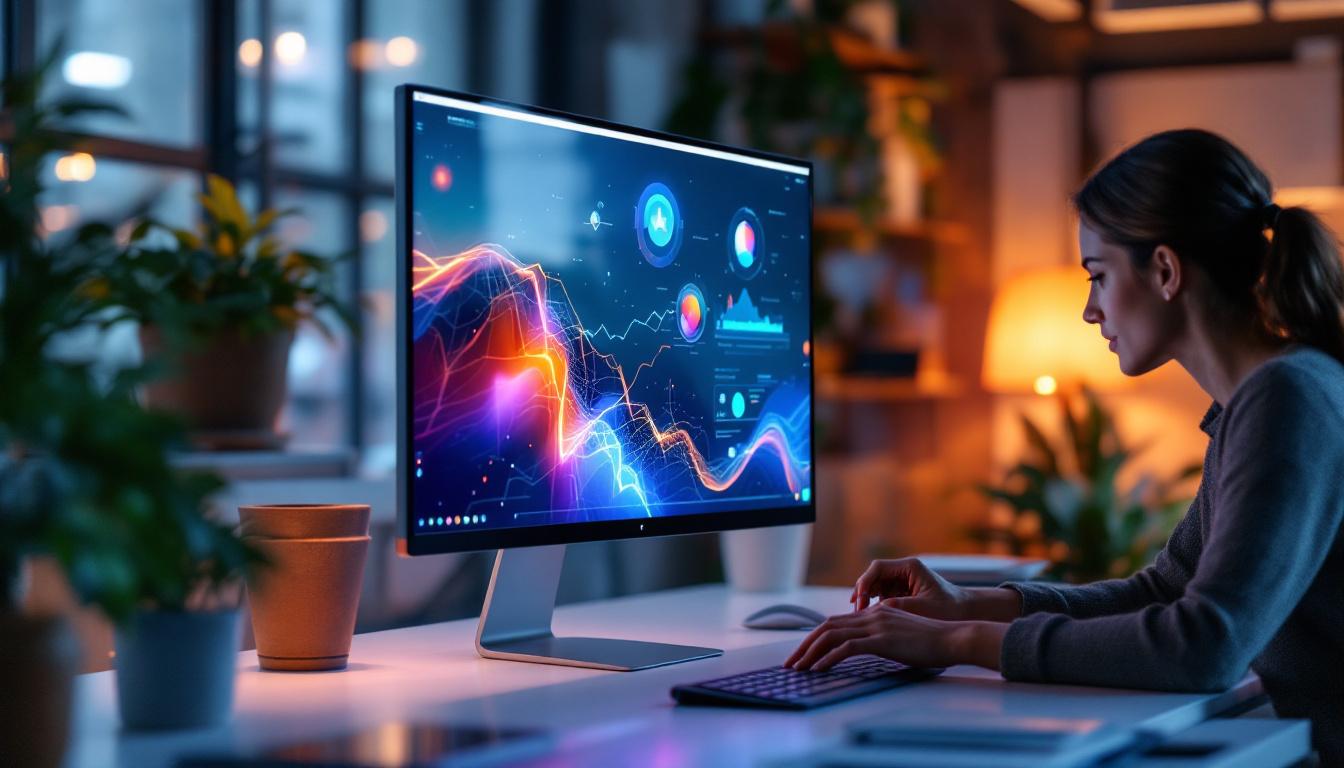
In today’s fast-evolving digital landscape, touchscreens have become an integral part of our daily interactions with technology. From smartphones and tablets to interactive kiosks and digital signage, the demand for seamless, vibrant, and responsive displays is higher than ever. Among the various display technologies, LED displays stand out for their brightness, energy efficiency, and versatility. This article delves into the world of all-in-one touchscreen LED displays, explaining their technology, applications, and why they are becoming the preferred choice across industries.
Understanding LED Display Technology
What is an LED Display?
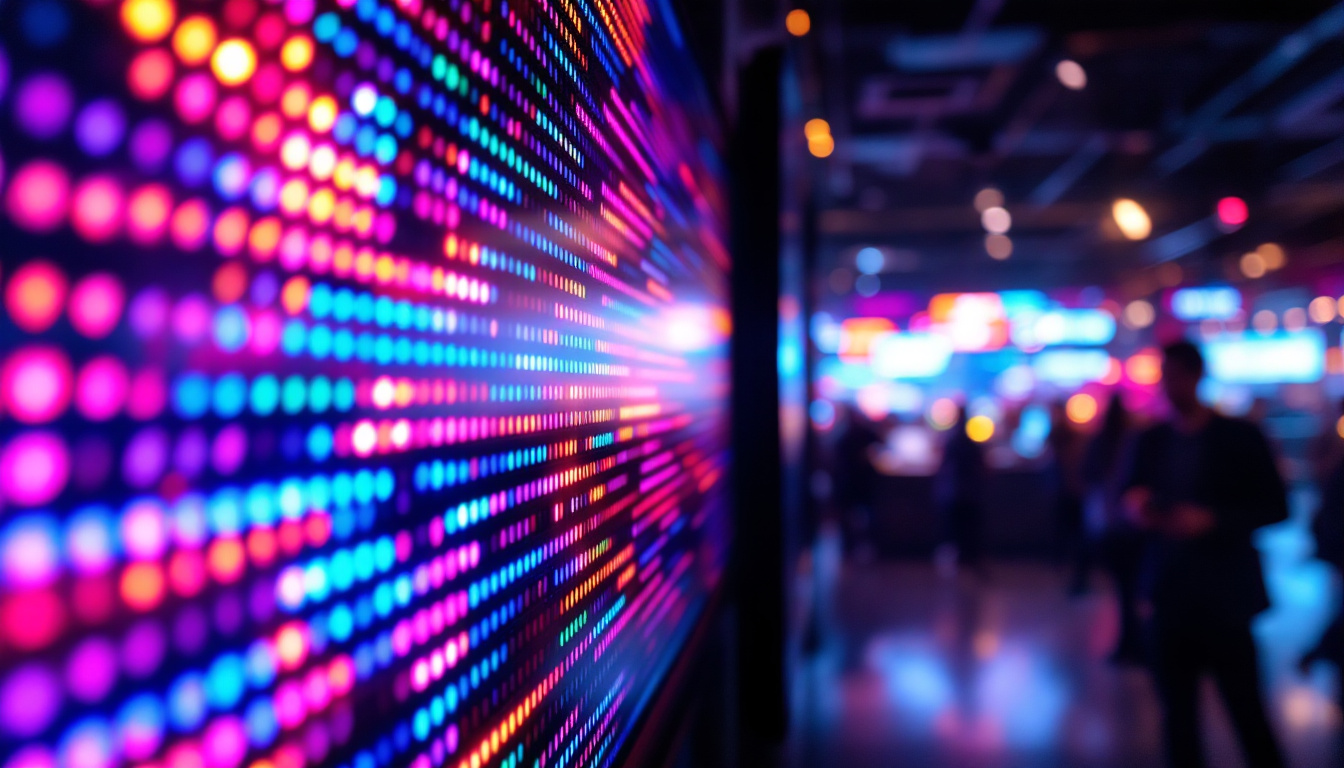
LED stands for Light Emitting Diode, a semiconductor device that emits light when an electric current passes through it. An LED display is a flat panel display that uses an array of LEDs as pixels to produce images, videos, and other visual content. Unlike traditional LCDs that rely on backlighting, LED displays use these tiny diodes to generate light directly, resulting in brighter and more vibrant images. This direct emission of light allows for deeper blacks and more vivid colors, making LED displays particularly appealing for applications where image quality is paramount.
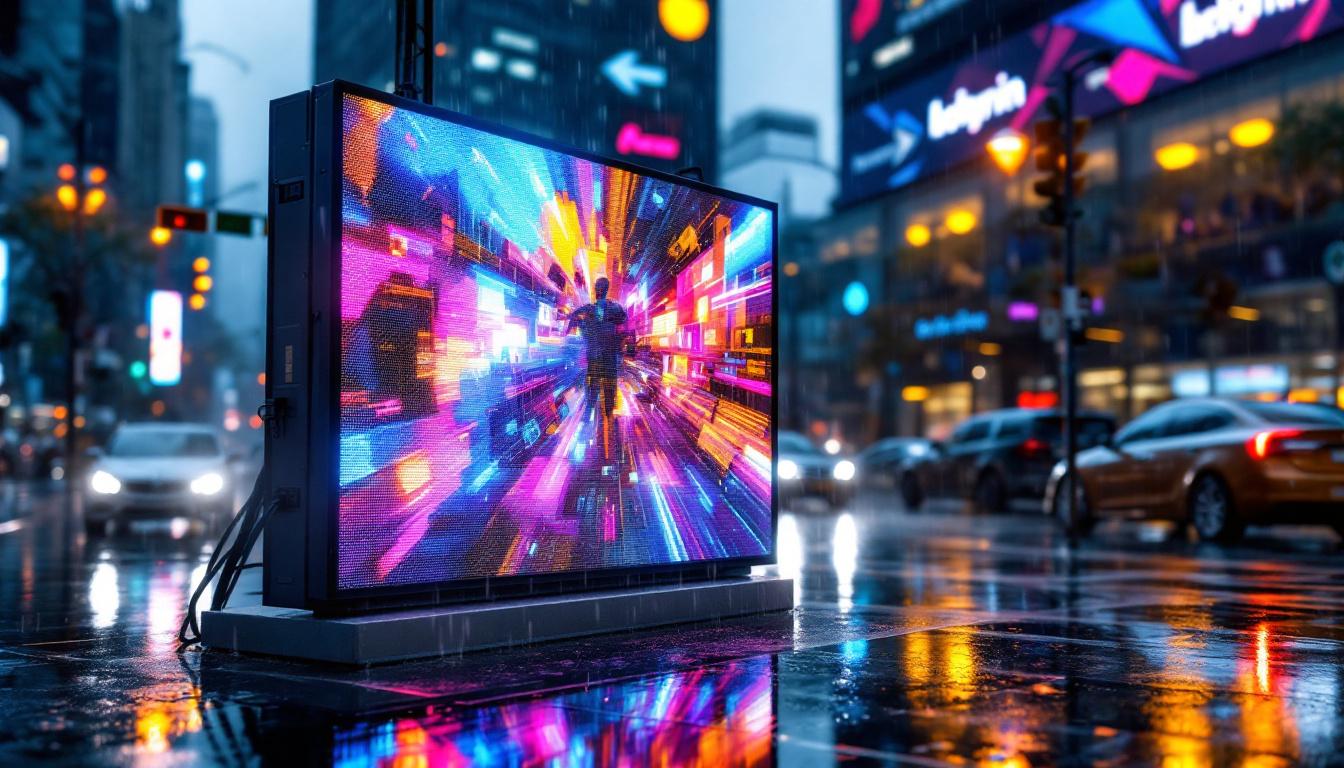
LED displays are widely used in various formats, including large outdoor billboards, indoor screens, and increasingly in all-in-one touchscreen devices. Their ability to deliver high brightness and contrast ratios makes them ideal for environments with varying lighting conditions. Additionally, LED technology is highly versatile, enabling the creation of flexible displays that can be curved or shaped to fit unique spaces, enhancing their aesthetic appeal in modern architecture and design.
Types of LED Displays
There are two primary types of LED displays commonly used in touchscreens:
- Direct LED (or LED-backlit LCD): This technology uses LEDs as a backlight source behind an LCD panel. It improves brightness and contrast compared to traditional CCFL backlighting but still relies on the LCD layer for image formation. This type of display is particularly popular in televisions and computer monitors, where a balance of cost and performance is essential.
- MicroLED: An emerging technology where microscopic LEDs serve as individual pixels, eliminating the need for an LCD layer. MicroLED offers superior brightness, color accuracy, and energy efficiency, though it is currently more expensive and less common. This technology promises to revolutionize display quality, providing a viewing experience that rivals OLED while avoiding some of its drawbacks, such as burn-in issues.
Most all-in-one touchscreen LED displays today utilize LED-backlit LCD technology due to its balance of performance and cost-effectiveness. However, as the demand for higher resolution and more immersive experiences grows, manufacturers are increasingly investing in MicroLED technology. This shift not only aims to enhance consumer electronics but also opens up possibilities for innovative applications in augmented reality (AR) and virtual reality (VR), where display quality is critical for user engagement and satisfaction. As these technologies evolve, we can expect to see even more exciting developments in the world of LED displays.
The Integration of Touchscreen and LED Display
How Touchscreens Work with LED Displays
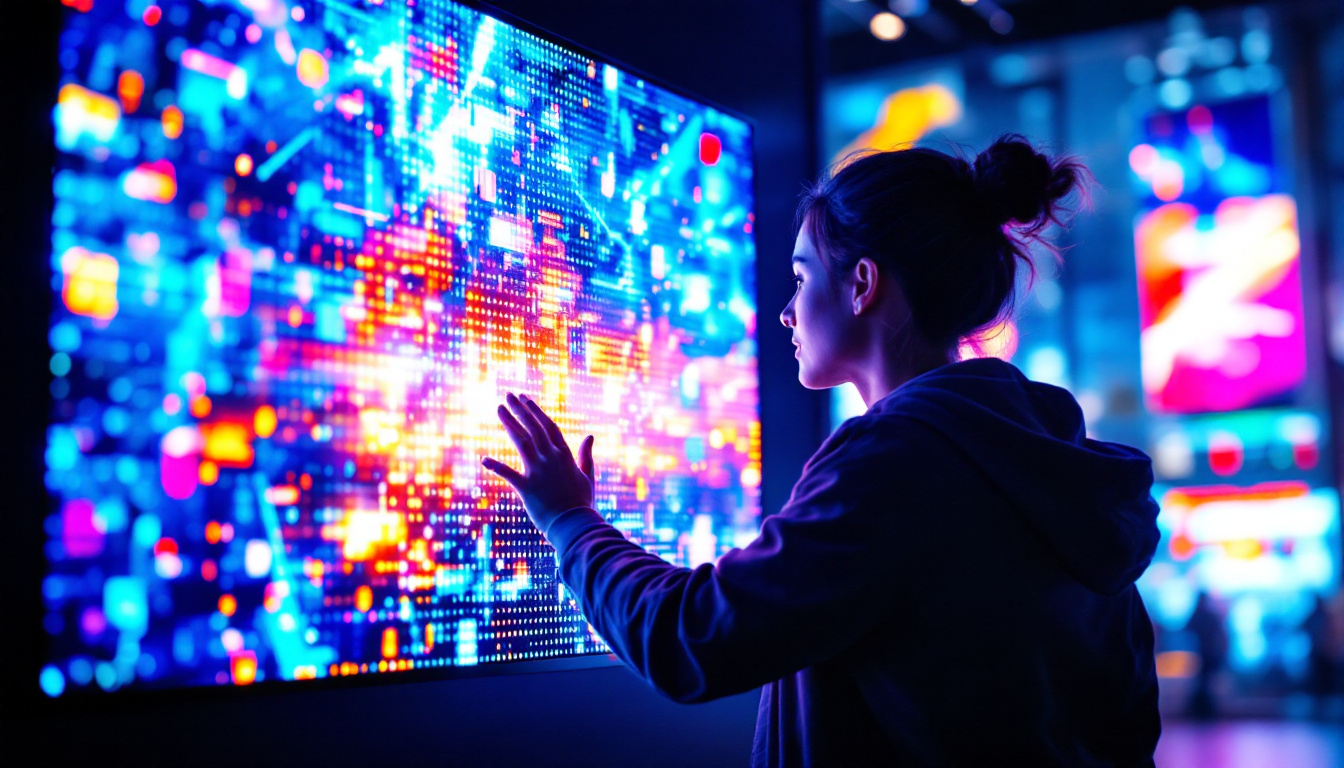
Combining touch functionality with LED displays creates an interactive experience that is intuitive and engaging. The touchscreen layer sits atop the LED display panel and detects user inputs through various technologies such as capacitive, resistive, or infrared touch sensing.
Capacitive touchscreens are the most prevalent in modern devices. They work by detecting the electrical properties of the human finger, allowing for multi-touch gestures and high sensitivity. When integrated with an LED display, capacitive touchscreens maintain the display’s brightness and clarity while providing smooth responsiveness. This technology has revolutionized the way users interact with devices, enabling gestures like pinch-to-zoom and swipe, which enhance user engagement and make navigation more fluid. As a result, applications ranging from mobile devices to large interactive displays have become more user-friendly and accessible, catering to a wide range of audiences.
All-In-One Touchscreen LED Displays: What Sets Them Apart?
All-in-one touchscreen LED displays combine the display panel, touch sensor, and often the processing hardware into a single, compact unit. This integration offers several advantages:
- Space Efficiency: With all components housed together, these units save valuable space, making them ideal for kiosks, digital signage, and point-of-sale systems.
- Enhanced Durability: The integrated design reduces the number of connectors and cables, minimizing points of failure and improving reliability.
- Simplified Installation and Maintenance: Pre-assembled units reduce setup time and streamline troubleshooting.
Such displays are increasingly popular in commercial, educational, and industrial settings where robust, user-friendly interfaces are essential. In educational environments, for instance, these displays facilitate interactive learning experiences, allowing teachers to engage students through multimedia presentations and collaborative activities. The ability to annotate directly on the screen enhances the learning process, making complex concepts easier to grasp. Similarly, in retail, touchscreen LED displays can transform the shopping experience, enabling customers to access product information, browse catalogs, and even place orders directly from the screen, thus streamlining the purchasing process and enhancing customer satisfaction.
Moreover, the versatility of these all-in-one systems extends to their application in smart homes and offices. With the rise of the Internet of Things (IoT), touchscreen LED displays serve as central control hubs for managing various connected devices, from lighting and security systems to entertainment options. This capability not only simplifies user interaction with technology but also promotes energy efficiency by allowing users to monitor and adjust their environments easily. As technology continues to evolve, the integration of touchscreens with LED displays will likely lead to even more innovative applications and enhancements, further blurring the lines between digital interaction and everyday life.
Key Benefits of All-In-One Touchscreen LED Displays
Superior Image Quality
LED technology delivers excellent brightness levels, often exceeding 500 nits, which is crucial for visibility in brightly lit environments. The high contrast ratios achievable with LED displays enhance image depth and color richness, making content more engaging and easier to read.
For example, in retail environments, vibrant product images displayed on LED touchscreens can significantly influence purchasing decisions by attracting customer attention and providing interactive product information.
Energy Efficiency and Longevity
Compared to older display technologies like CCFL-backlit LCDs, LED displays consume considerably less power. This energy efficiency translates to lower operating costs, especially important for digital signage that runs continuously.
Additionally, LEDs have a longer lifespan, often rated between 50,000 to 100,000 hours, reducing the frequency and cost of replacements. This durability is particularly valuable in industrial applications where downtime can be costly.
Enhanced User Experience
The integration of responsive touchscreen technology with LED displays creates a seamless user interface. Capacitive touchscreens support multi-touch gestures, enabling intuitive navigation and interaction. This is critical in environments such as educational institutions, where interactive whiteboards foster collaborative learning, or in healthcare, where quick and accurate data entry is essential.
Applications Across Industries
Retail and Hospitality
All-in-one touchscreen LED displays are revolutionizing customer engagement in retail and hospitality. Interactive kiosks allow customers to browse products, check prices, and place orders without staff assistance, enhancing convenience and reducing wait times.
Restaurants use touchscreen menus with LED displays to showcase vivid images of dishes, improving order accuracy and upselling opportunities. The bright, clear displays also perform well under various lighting conditions, from dim dining rooms to sunlit outdoor patios.
Education and Corporate Environments
In educational settings, LED touchscreen displays serve as interactive whiteboards, enabling teachers and students to collaborate dynamically. The high brightness and wide viewing angles ensure visibility for all participants, while the touch functionality supports a variety of instructional methods.
Corporate offices utilize all-in-one touchscreen LED displays for presentations, video conferencing, and collaborative workspaces. Their sleek design and ease of use contribute to more productive meetings and brainstorming sessions.
Healthcare and Industrial Use
Healthcare facilities benefit from the hygienic and durable nature of all-in-one touchscreen LED displays. They are used for patient check-ins, digital charts, and telemedicine consultations. The displays’ brightness and clarity help medical staff access critical information quickly and accurately.
In industrial environments, ruggedized versions of these displays withstand harsh conditions such as dust, moisture, and temperature fluctuations. They facilitate machine control, monitoring, and data entry on the factory floor, improving operational efficiency.
Challenges and Considerations When Choosing an All-In-One Touchscreen LED Display
Touchscreen Technology Selection
Choosing the right touchscreen technology depends on the application. Capacitive touchscreens offer superior responsiveness and multi-touch capability but may not work well with gloves or styluses. Resistive touchscreens, while less sensitive, can be operated with any object, making them suitable for industrial settings.
Understanding the user environment and interaction style is essential to selecting the appropriate touchscreen technology.
Display Size and Resolution
The size of the display should match the intended use case. For example, kiosks and point-of-sale terminals typically use screens between 10 to 22 inches, while conference rooms and classrooms may require larger displays exceeding 55 inches.
Resolution also impacts image clarity. Full HD (1920×1080) is standard for most applications, but higher resolutions like 4K are becoming more common for detailed visuals and larger screens.
Environmental Factors
Consideration of ambient lighting, temperature, and potential exposure to moisture or dust is critical. Outdoor or semi-outdoor installations require displays with higher brightness (often above 1,000 nits) and weatherproof enclosures.
Industrial environments may necessitate displays with enhanced durability ratings such as IP65 or higher to ensure reliable operation.
The Future of All-In-One Touchscreen LED Displays
Emerging Technologies and Trends
MicroLED technology promises to revolutionize all-in-one touchscreen displays by offering unparalleled brightness, color accuracy, and energy efficiency. Although still in early stages of commercial deployment, MicroLED could eventually replace traditional LED-backlit LCDs in premium applications.
Flexible and transparent LED displays are also gaining traction, enabling innovative form factors such as curved screens and see-through interfaces that blend digital content with the physical environment.
Integration with AI and IoT
Smart all-in-one touchscreen LED displays are increasingly integrated with artificial intelligence (AI) and Internet of Things (IoT) technologies. This integration enables personalized content delivery, predictive maintenance, and enhanced interactivity.
For instance, retail displays can adjust promotions based on customer demographics detected through AI, while industrial displays can provide real-time equipment diagnostics and alerts.
Conclusion
All-in-one touchscreen LED displays represent a powerful convergence of display technology and interactive interfaces. Their superior brightness, energy efficiency, and durability make them suitable for a wide range of applications across retail, education, healthcare, and industry. As technology advances, these displays will become even more versatile, intelligent, and immersive, driving new possibilities for user engagement and operational efficiency.
Understanding the underlying LED technology, touchscreen integration, and application-specific requirements is essential for selecting the right all-in-one touchscreen LED display solution. With careful consideration, businesses and institutions can harness the full potential of this technology to create impactful, user-friendly digital experiences.
Discover LumenMatrix’s Innovative LED Display Solutions
Ready to elevate your digital experience with the latest in LED display technology? LumenMatrix is at the forefront of creating immersive visual solutions that captivate and engage. From dynamic Indoor and Outdoor LED Wall Displays to versatile All-in-One LED Displays and beyond, our products are designed to revolutionize visual communication and enhance your brand’s presence. Don’t miss the opportunity to transform your space with our cutting-edge LED display modules. Check out LumenMatrix LED Display Solutions today and see your vision come to life with unparalleled clarity and impact.