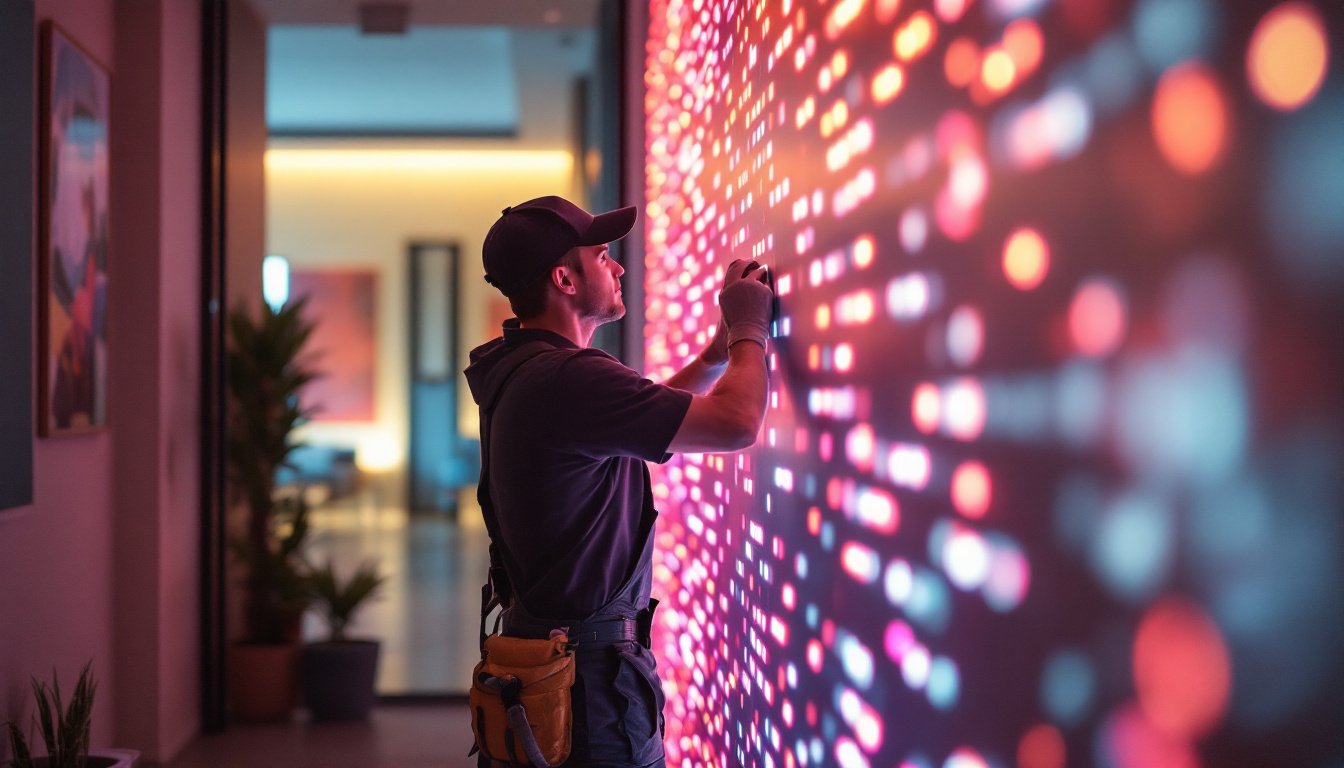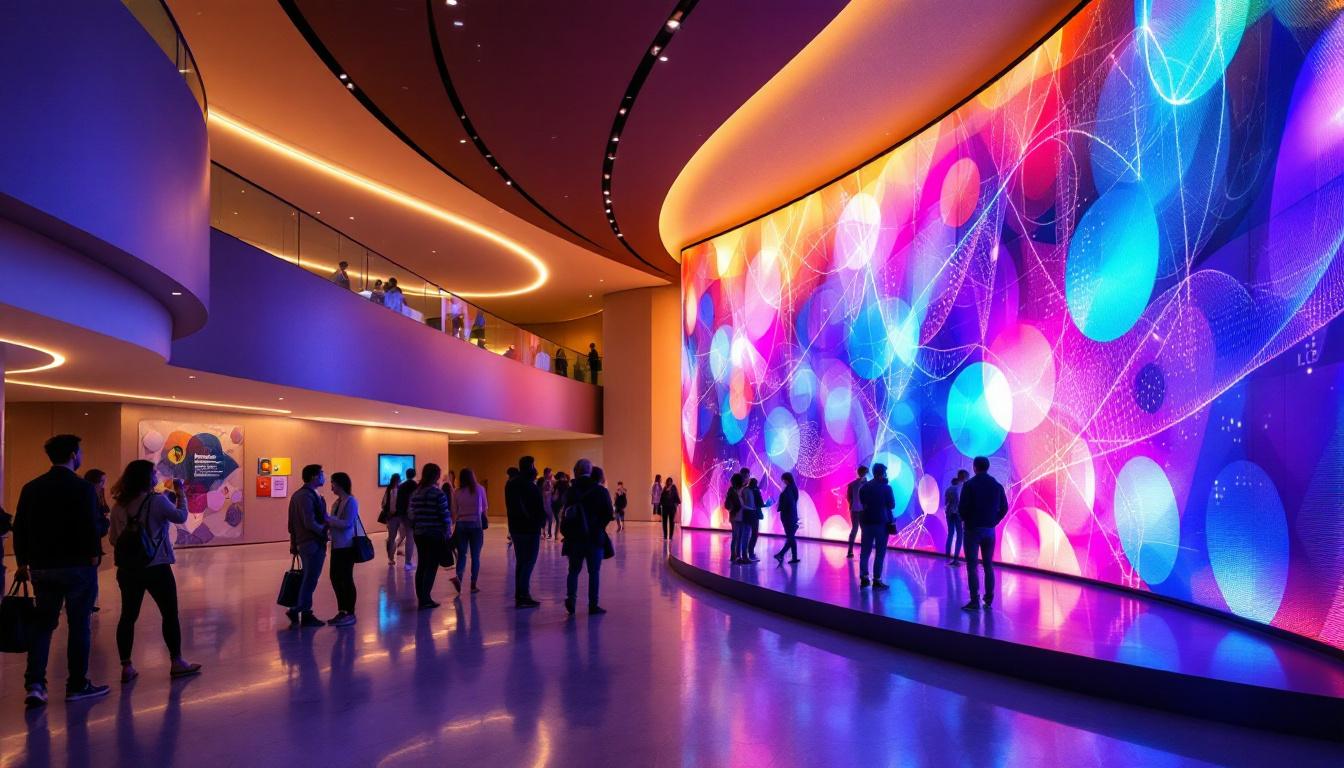
In the evolving world of architecture and urban design, LED displays have emerged as a powerful tool for enhancing both aesthetics and functionality. From towering skyscrapers to public plazas, LED technology is transforming how buildings communicate, engage, and interact with their surroundings. This article delves into the fundamentals of LED displays in architectural contexts, exploring their technology, applications, benefits, and future trends.
Understanding LED Display Technology
What is an LED Display?
LED stands for Light Emitting Diode, a semiconductor device that emits light when an electrical current passes through it. An LED display is a flat panel or flexible surface that uses an array of these tiny diodes to produce images, videos, or text. Unlike traditional lighting or display technologies, LEDs offer high brightness, energy efficiency, and long lifespan, making them ideal for architectural applications.
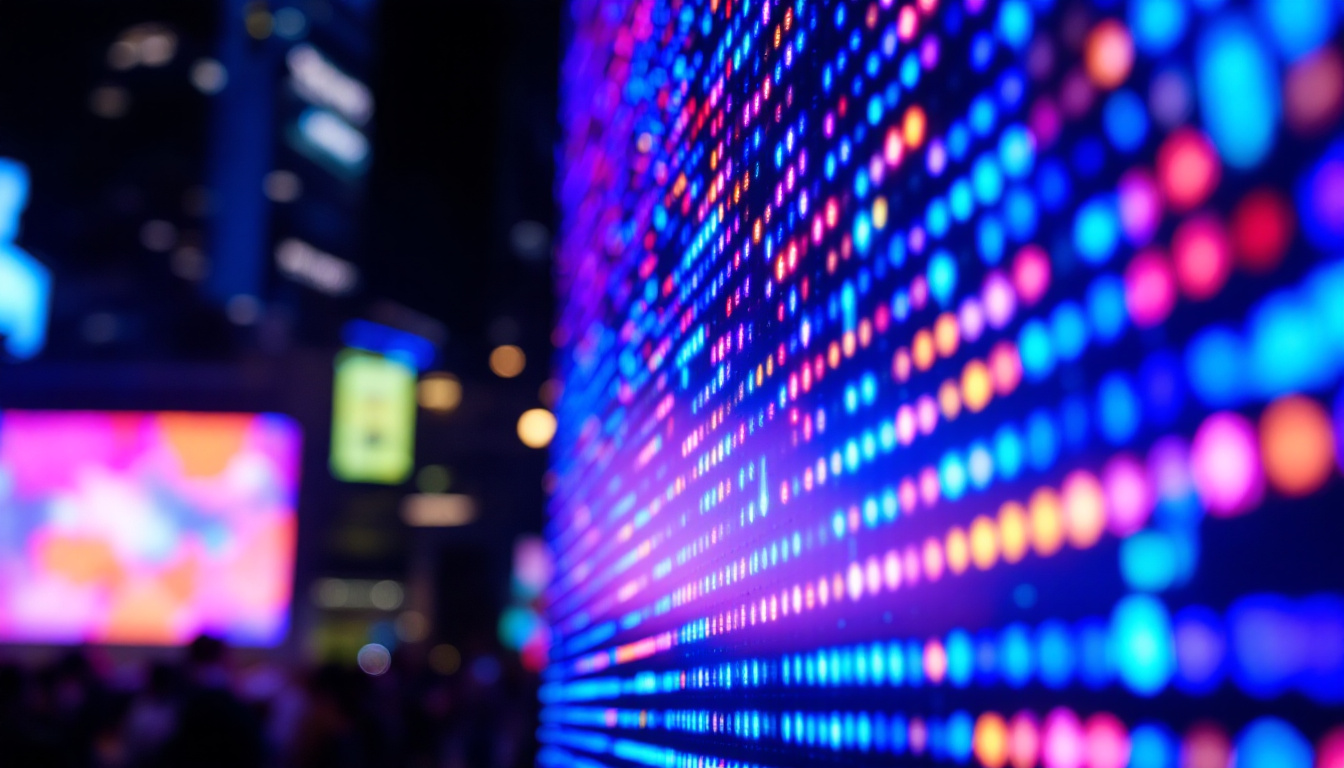
LED displays can vary in size, resolution, and pixel pitch—the distance between individual diodes—which determines the clarity and viewing distance. Architectural LED installations often require large-scale, high-resolution displays capable of delivering vivid visuals even under direct sunlight. The versatility of LED technology allows for dynamic content changes, enabling buildings to transform their appearance based on time of day or special events, thus enhancing the urban landscape.
Types of LED Displays Used in Architecture
Architectural LED displays come in several forms, each suited to different design goals and environments:
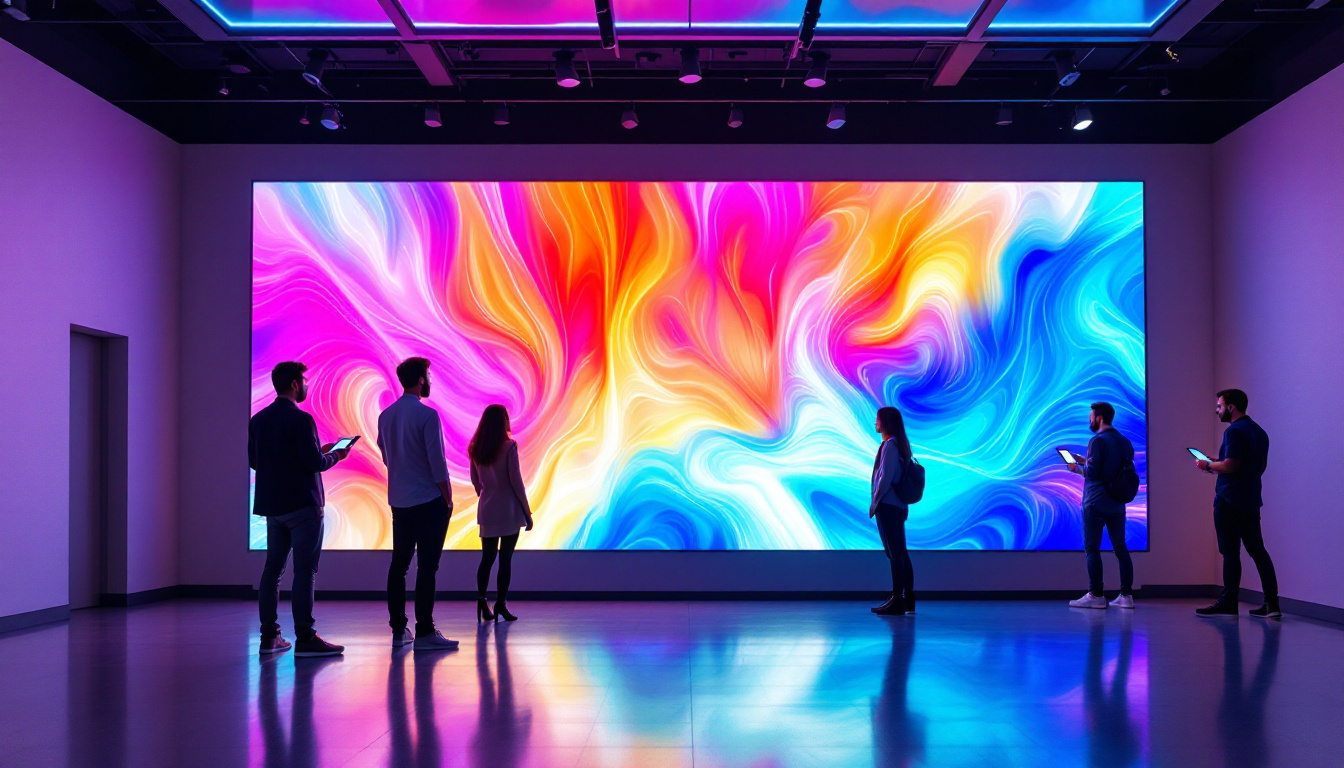
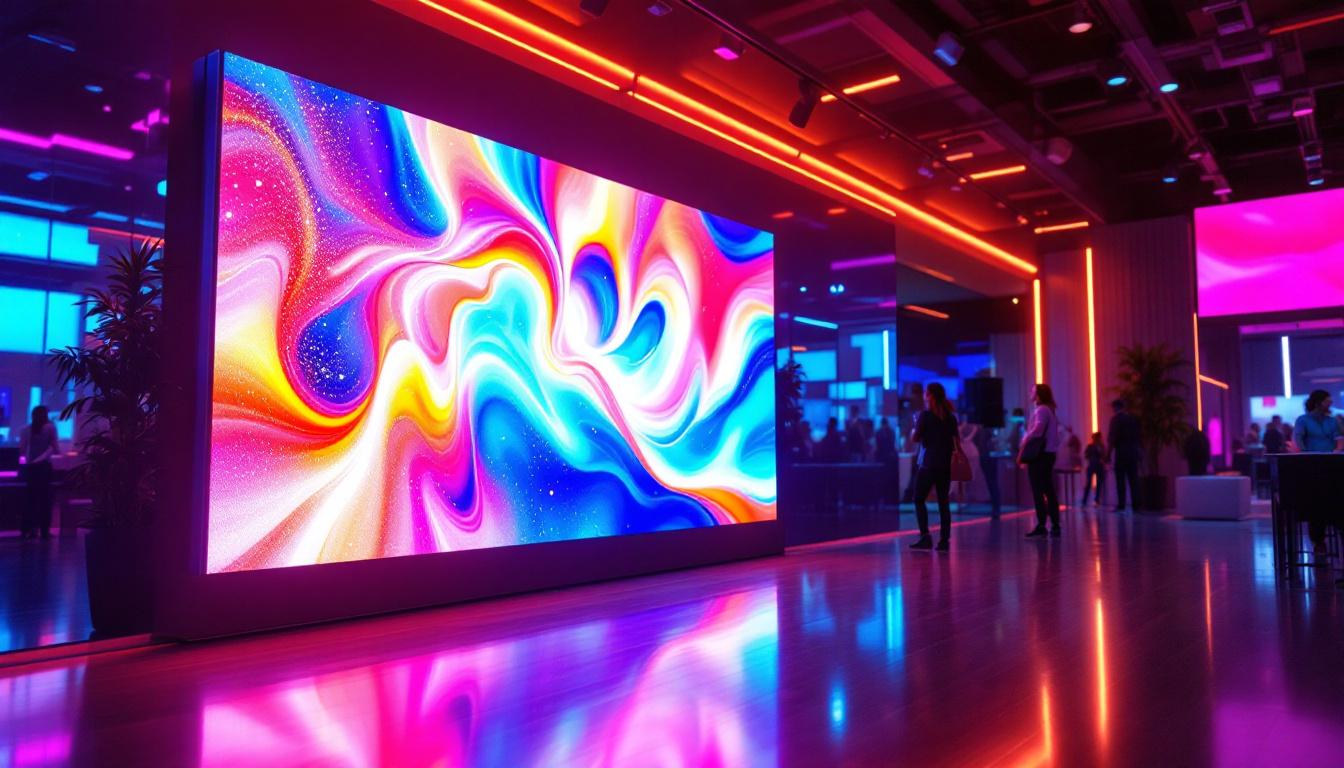
- Indoor LED Displays: These are designed for controlled lighting environments such as lobbies, atriums, or conference rooms. They offer high resolution and color accuracy for detailed visuals.
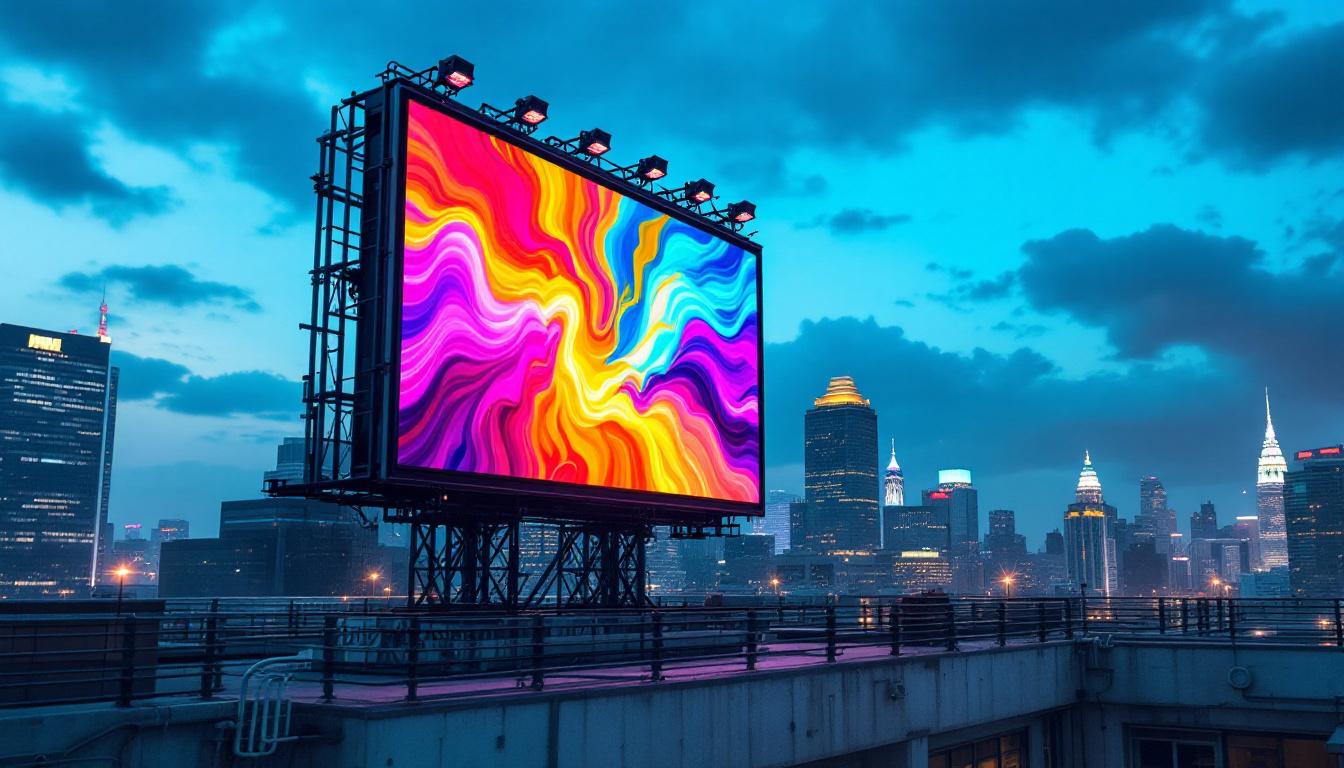
- Outdoor LED Displays: Built to withstand weather elements, these displays feature higher brightness levels and robust protective casing. They are commonly used on building facades, billboards, and public squares.
- Flexible and Transparent LED Displays: These innovative types allow integration into curved surfaces or glass panels, enabling seamless architectural integration without obstructing natural light or views.
Understanding these types helps architects and designers select the appropriate technology to meet both aesthetic and functional requirements. Additionally, the choice of display type can significantly influence energy consumption and maintenance costs. For instance, while outdoor displays may require more robust materials to endure harsh conditions, indoor displays can focus on maximizing visual fidelity and user engagement. Furthermore, the integration of smart technology into LED displays allows for real-time content management, enabling dynamic advertising and information dissemination tailored to specific audiences or events.
Moreover, the rise of interactive LED displays has opened new avenues for architectural design. These displays can respond to touch or motion, creating immersive experiences that engage viewers in unique ways. For example, a façade that changes color or pattern in response to pedestrian movement not only captivates attention but also fosters a sense of connection between the building and its surroundings. As technology continues to evolve, the potential applications of LED displays in architecture will likely expand, paving the way for innovative designs that blend functionality with artistic expression.
Applications of LED Displays in Architecture
Dynamic Building Facades
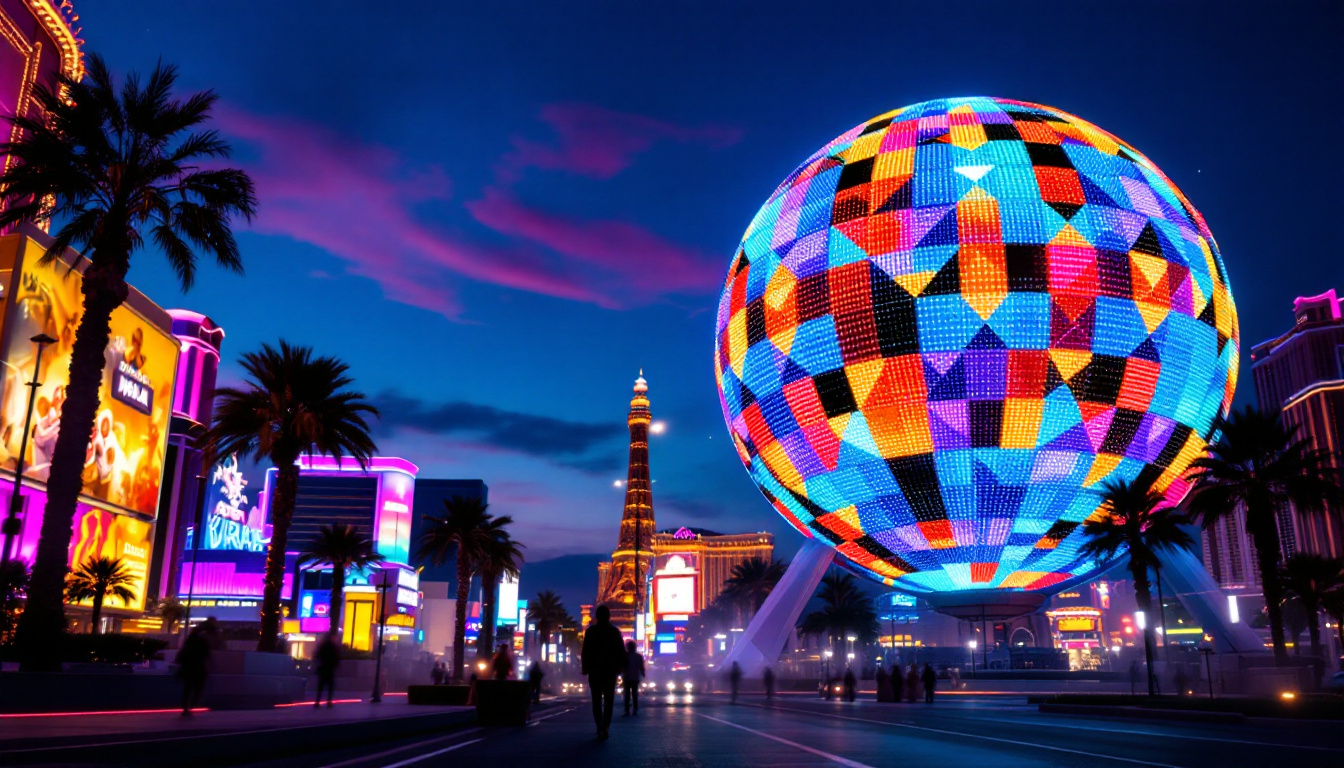
One of the most striking uses of LED displays is in dynamic building facades. These installations transform static exteriors into vibrant canvases that can display animations, branding, or environmental data. For example, the Allianz Arena in Munich uses a facade of LED panels that change colors based on the home team playing, creating an iconic and immersive experience for visitors.
Such facades not only enhance visual appeal but also allow buildings to communicate messages, celebrate events, or adapt to seasonal themes, making architecture more interactive and engaging. The flexibility of LED technology enables architects to experiment with various designs, creating a synergy between light and structure that can redefine urban landscapes. For instance, the use of programmable LEDs allows for real-time changes, meaning a single building can take on multiple identities throughout the day, reflecting the mood of the city or the specific occasion being celebrated.
Public Art and Urban Engagement
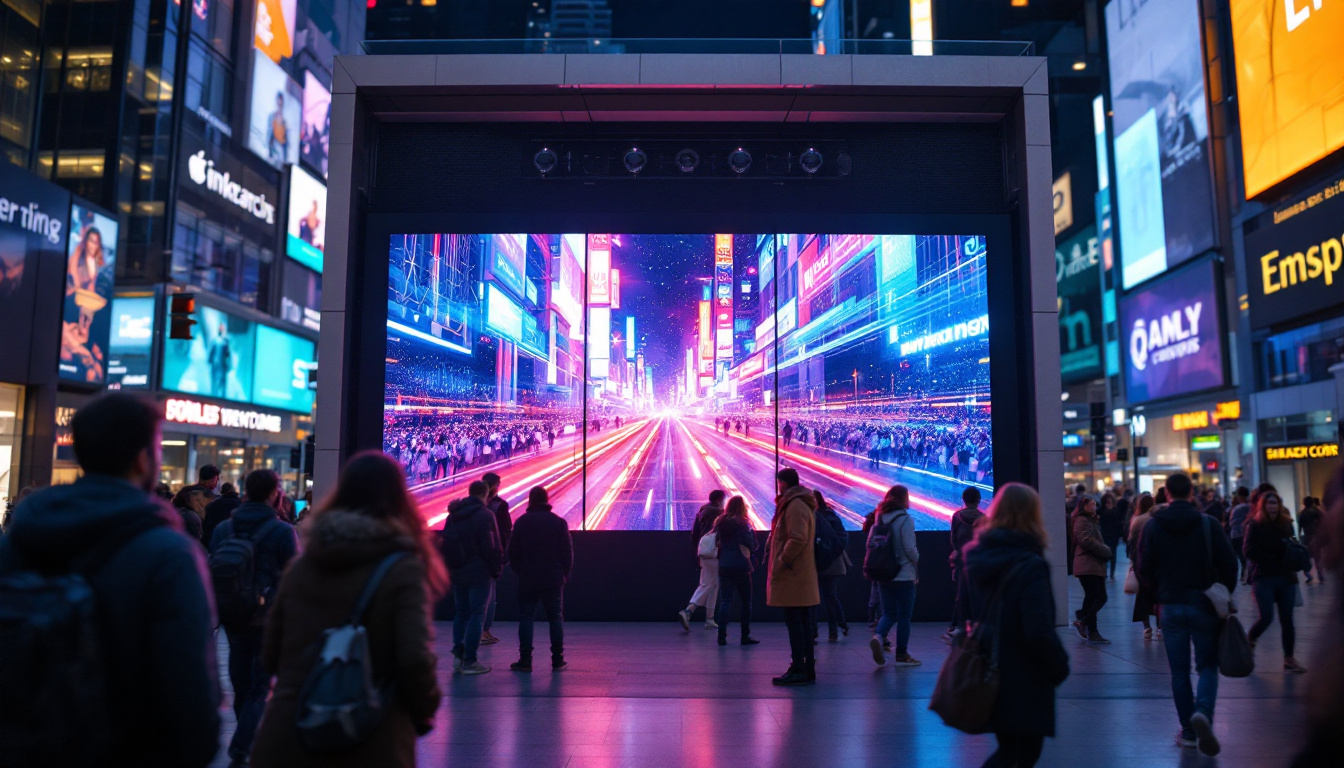
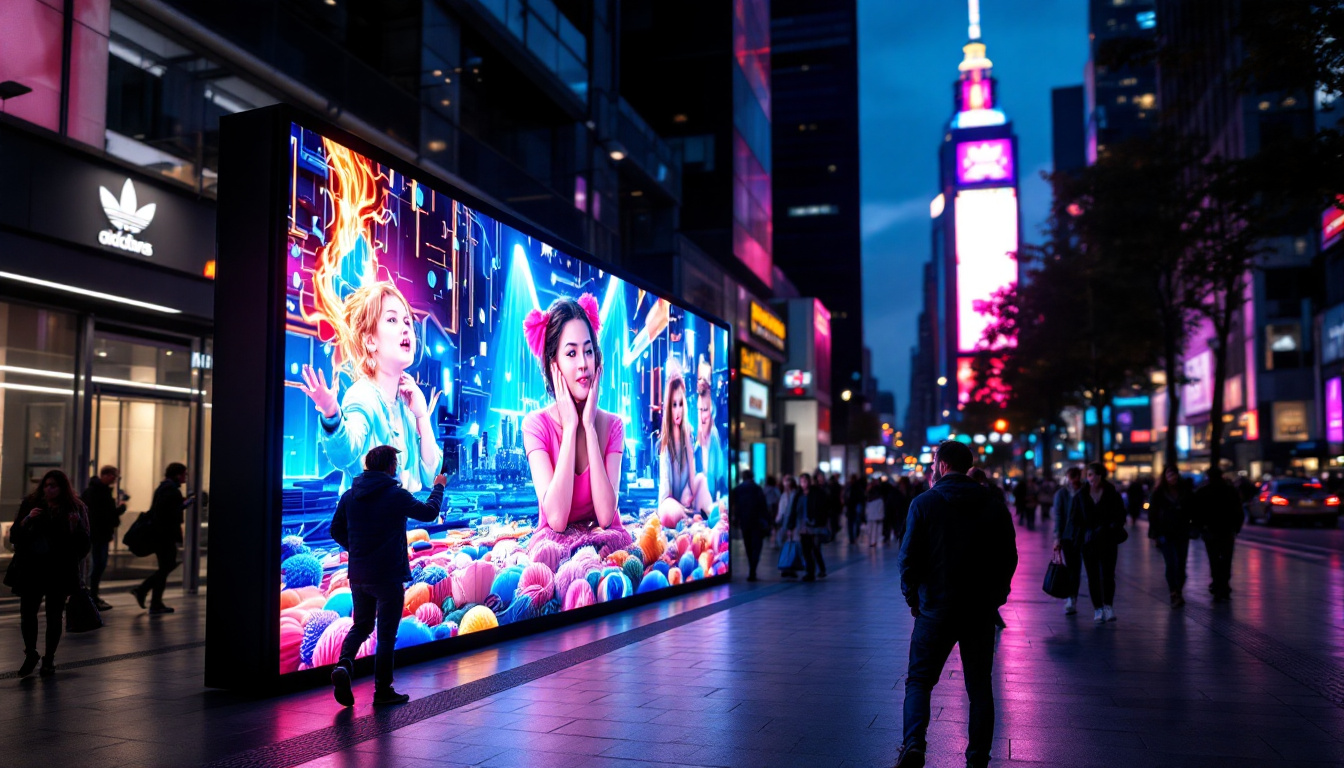
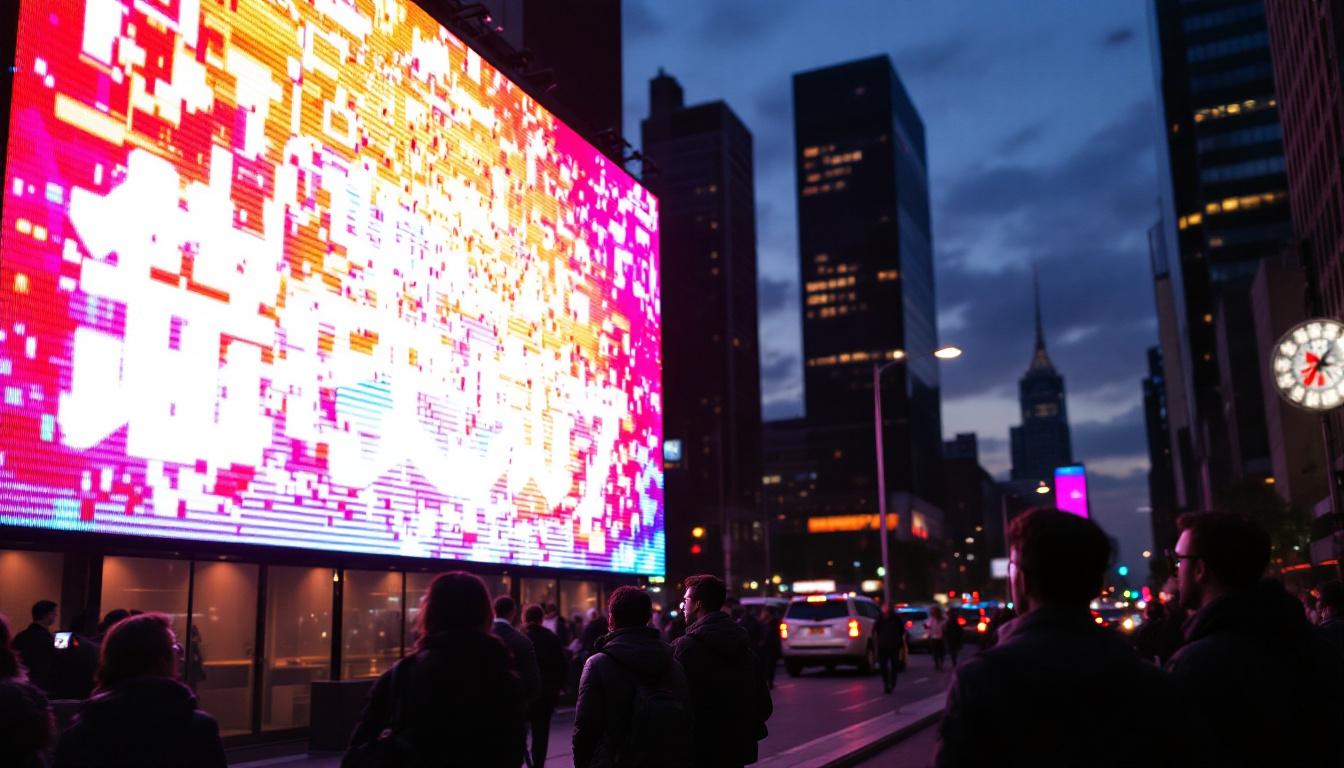
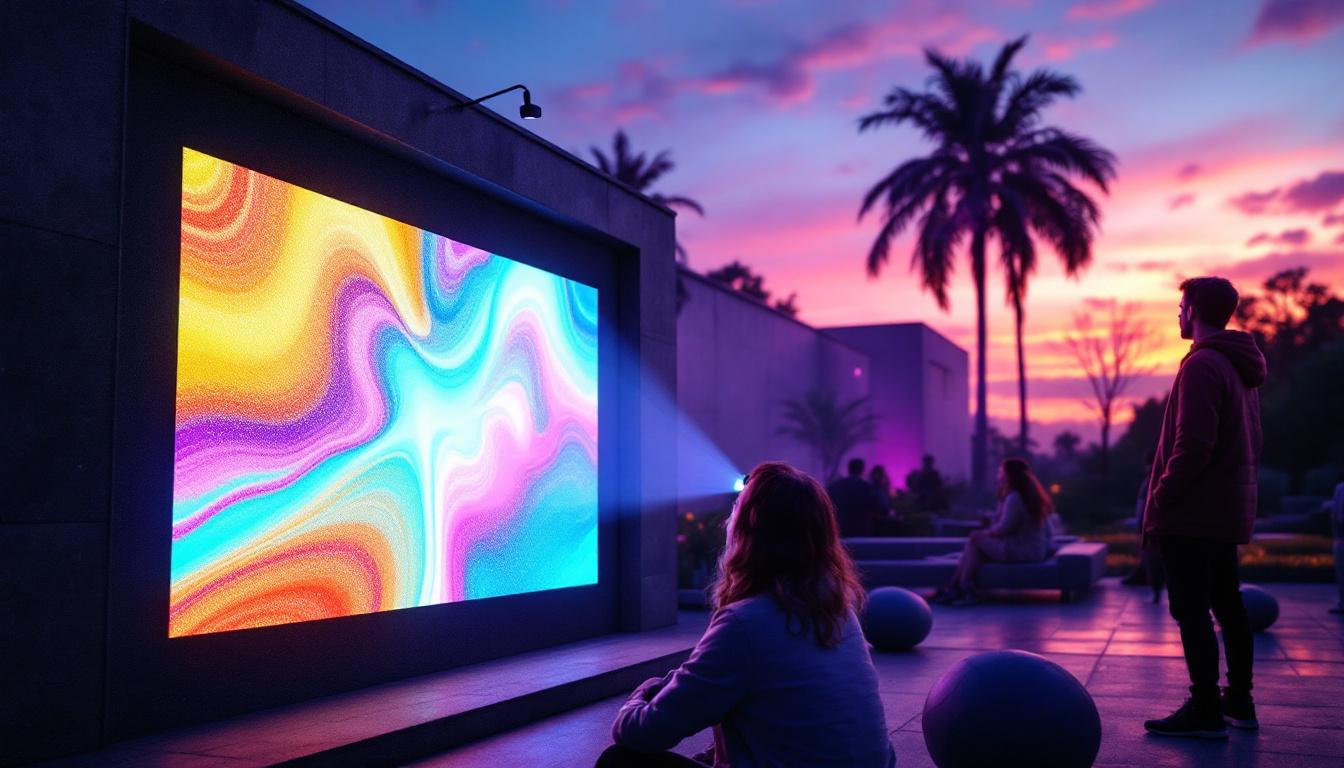
LED displays have become integral to public art installations, where they contribute to urban revitalization and community engagement. Cities like Seoul and New York have incorporated large-scale LED artworks in plazas and parks, inviting public interaction and fostering cultural expression.
These installations often feature responsive technology, reacting to environmental stimuli or user input, which adds a layer of interactivity that traditional static art cannot provide. For example, some installations might change colors or patterns based on the number of people nearby or the time of day, creating a dynamic dialogue between the artwork and its audience. This engagement not only beautifies urban spaces but also encourages social interaction, as people gather to experience the art together, transforming public areas into communal hubs of creativity and conversation.
Wayfinding and Information Displays
Beyond aesthetics, LED displays serve practical purposes in architectural environments. They are widely used for wayfinding in large complexes such as airports, shopping malls, and convention centers. Their brightness and clarity ensure information is accessible even in crowded or dimly lit spaces.
Moreover, LED displays can provide real-time updates, emergency alerts, or promotional content, enhancing the overall user experience and safety within architectural spaces. The integration of smart technology allows these displays to adapt to changing conditions; for instance, they can direct foot traffic during emergencies or provide updates on flight statuses in airports, ensuring that visitors remain informed and safe. As cities continue to evolve, the role of LED displays in wayfinding is expected to expand, incorporating advanced features like augmented reality overlays that guide users through complex environments with ease and efficiency.
Benefits of Integrating LED Displays in Architecture
Energy Efficiency and Sustainability
LED technology is renowned for its energy efficiency, consuming up to 80% less power compared to traditional incandescent or fluorescent lighting. This characteristic aligns well with the growing emphasis on sustainable architecture and green building certifications such as LEED.
By incorporating LED displays, architects can reduce a building’s carbon footprint while maintaining high-impact visual communication. Additionally, the long lifespan of LEDs minimizes maintenance and replacement costs, contributing to overall sustainability.
Design Flexibility and Customization
LED displays offer unparalleled design flexibility. Their modular nature allows for custom shapes, sizes, and resolutions, enabling architects to realize bold, innovative concepts that were previously unattainable. Transparent and flexible LED panels further expand creative possibilities by integrating displays into windows, glass walls, or curved surfaces.
This adaptability supports unique branding opportunities and helps buildings stand out in competitive urban landscapes.
Enhanced User Experience and Interaction
Architectural LED displays can transform passive spaces into interactive environments. By integrating sensors and smart controls, displays can respond to movement, weather conditions, or social media feeds, creating personalized and dynamic experiences for occupants and visitors.
Such interactivity not only improves engagement but also encourages longer dwell times and positive emotional connections with the space.
Challenges and Considerations in Architectural LED Display Projects
Technical and Structural Integration
Incorporating LED displays into architectural designs requires careful planning to address technical and structural challenges. The weight, heat dissipation, and power requirements of large LED installations must be accounted for in the building’s design and engineering phases.
Coordination between architects, engineers, and LED specialists is essential to ensure seamless integration without compromising structural integrity or safety.
Cost Implications
While LED technology has become more affordable over the years, large-scale architectural displays can still represent a significant investment. Costs include not only the initial purchase and installation but also ongoing maintenance, software updates, and potential repairs.
Budgeting for these factors early in the project lifecycle helps avoid unexpected expenses and ensures the display’s longevity and performance.
Regulatory and Environmental Concerns
Architectural LED displays must comply with local regulations regarding light pollution, energy consumption, and public safety. Excessive brightness or flashing content can cause disturbances to nearby residents or drivers, leading to restrictions on display usage or operating hours.
Designers must balance visual impact with community considerations, often employing dimming controls, timers, or content guidelines to mitigate negative effects.
Future Trends in Architectural LED Displays
Advancements in MicroLED and MiniLED Technologies
Emerging microLED and miniLED technologies promise even higher resolution, brightness, and energy efficiency. These smaller diodes enable ultra-fine pixel pitches, making LED displays suitable for close-up viewing without sacrificing image quality.
As these technologies mature and costs decrease, they are expected to become standard in architectural applications, allowing for more detailed and immersive visual experiences.
Integration with Smart Building Systems
The rise of smart cities and IoT (Internet of Things) is driving the integration of LED displays with building automation systems. Future architectural displays will not only show static or dynamic content but also interact with environmental sensors, security systems, and occupant preferences in real time.
This convergence will create responsive environments that enhance comfort, efficiency, and connectivity.
Sustainability and Circular Economy Approaches
As sustainability continues to shape architectural innovation, LED display manufacturers and designers are focusing on recyclability, modularity, and energy harvesting. Future LED installations may incorporate solar panels or kinetic energy capture to power themselves, reducing reliance on external electricity sources.
Additionally, modular designs will facilitate easier upgrades and recycling, minimizing electronic waste and supporting circular economy principles.
Conclusion
LED displays have revolutionized architectural design by merging technology with creativity, functionality, and sustainability. Their ability to transform static structures into dynamic, interactive canvases opens new possibilities for urban expression and communication. While challenges remain in integration, cost, and regulation, ongoing technological advancements and thoughtful design approaches continue to expand the role of LED displays in shaping the built environment.
For architects, urban planners, and designers, understanding the capabilities and considerations of LED display technology is essential to harnessing its full potential and creating vibrant, future-ready architectural experiences.
Illuminate Your Space with LumenMatrix
As you consider the transformative impact of LED displays in architecture, envision the possibilities with LumenMatrix. Our commitment to innovation positions us at the forefront of LED display technology, offering a diverse range of solutions tailored to your unique design needs. From the vibrant ambiance of Indoor LED Wall Displays to the robust performance of Outdoor LED Wall Displays, and the creative freedom of Custom LED Displays, LumenMatrix is here to elevate your project. Ready to bring your architectural vision to life with unparalleled clarity and engagement? Check out LumenMatrix LED Display Solutions and step into the future of visual storytelling.