In the evolving world of art presentation, technology plays a pivotal role in transforming how audiences experience visual creations. Among the most revolutionary advancements in this space is the use of LED displays. From galleries to public installations, LED technology has redefined the boundaries of artistic expression, offering vibrant, dynamic, and immersive experiences. This article delves into the intricacies of LED displays, exploring their technology, applications in art, and why they have become indispensable tools for modern artists and curators alike.
Understanding LED Display Technology
What is an LED Display?
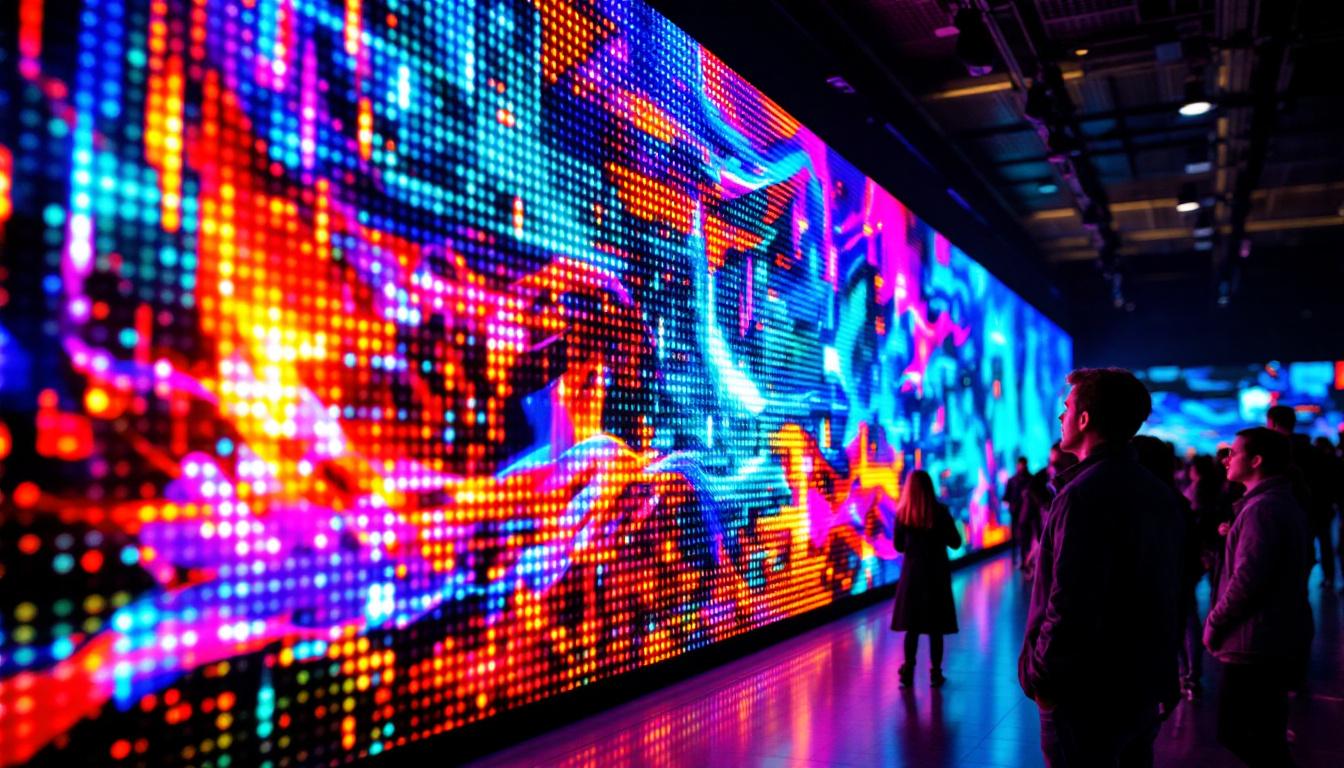
LED, or Light Emitting Diode, displays are screens composed of numerous tiny light sources that emit light when an electric current passes through them. Unlike traditional LCD or projection systems, LEDs produce their own light, which results in higher brightness levels, deeper contrast, and more vivid colors. LED displays can be configured in various sizes and shapes, making them highly versatile for different artistic applications.
At their core, LED displays consist of pixels made up of red, green, and blue diodes. By adjusting the intensity of each diode, the display can render a wide spectrum of colors. This capability allows for precise color reproduction, which is critical for accurately presenting artworks that rely on subtle color nuances. Additionally, the rapid response time of LEDs ensures that dynamic content, such as video art or interactive installations, can be displayed without blurring or lag, enhancing the overall viewer experience.
Types of LED Displays Used in Art
There are primarily two types of LED displays utilized in art installations: direct view LED displays and LED-backlit LCD displays. Direct view LED displays are made up of individual LEDs that form the image directly and are often used for large-scale installations due to their brightness and scalability. On the other hand, LED-backlit LCDs use LEDs only as a backlight for liquid crystal displays, which is more common in smaller, high-resolution screens.
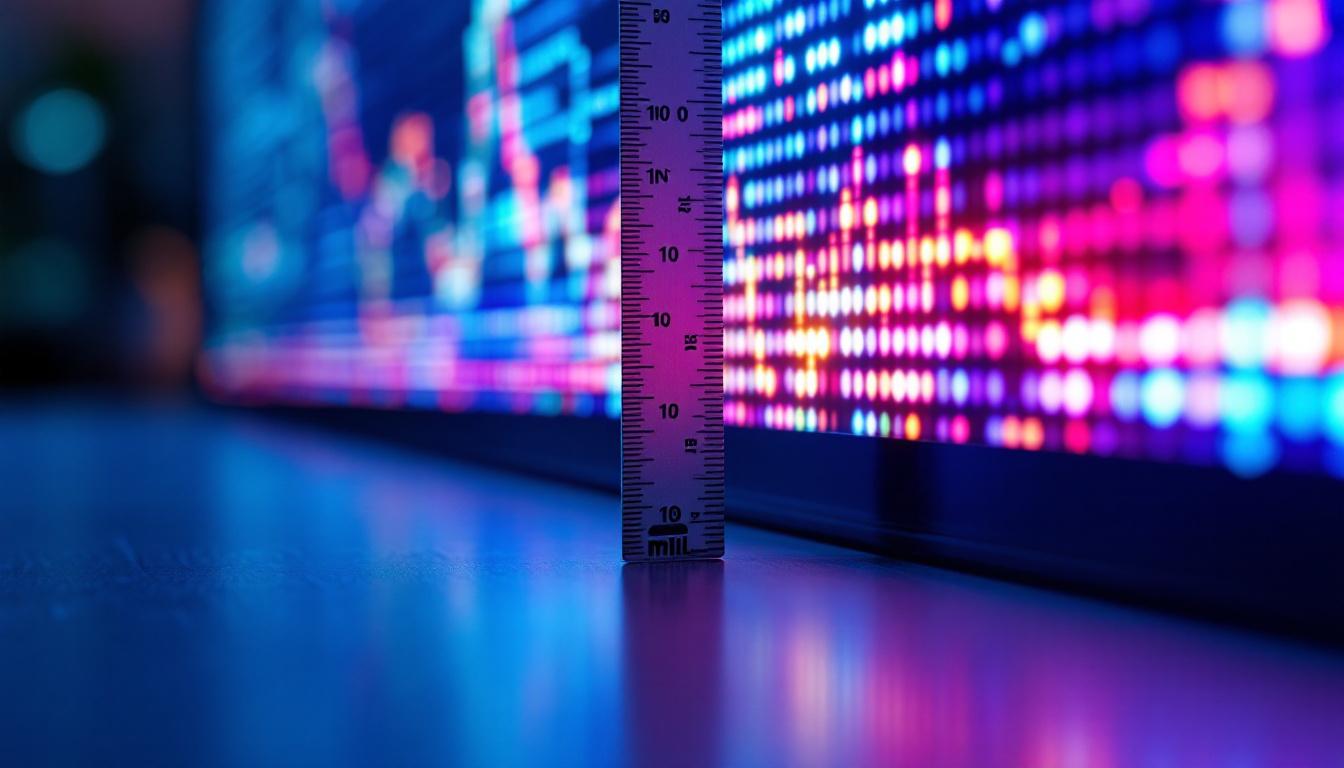
Within direct view LED displays, further distinctions exist based on pixel pitch—the distance between individual LEDs. A smaller pixel pitch means higher resolution and finer detail, which is essential for indoor art displays where viewers are close to the screen. Conversely, larger pixel pitches are suitable for outdoor or large-scale installations where viewers are farther away. The choice of pixel pitch not only affects the visual quality but also influences the overall design and installation process, as it determines how the artwork will interact with its environment and audience. Moreover, advancements in technology have led to the development of flexible LED displays, which can be bent or shaped to fit unconventional spaces, allowing artists to push the boundaries of traditional display formats and create immersive experiences that engage viewers in new ways.
The Role of LED Displays in Contemporary Art
Dynamic and Interactive Art Experiences
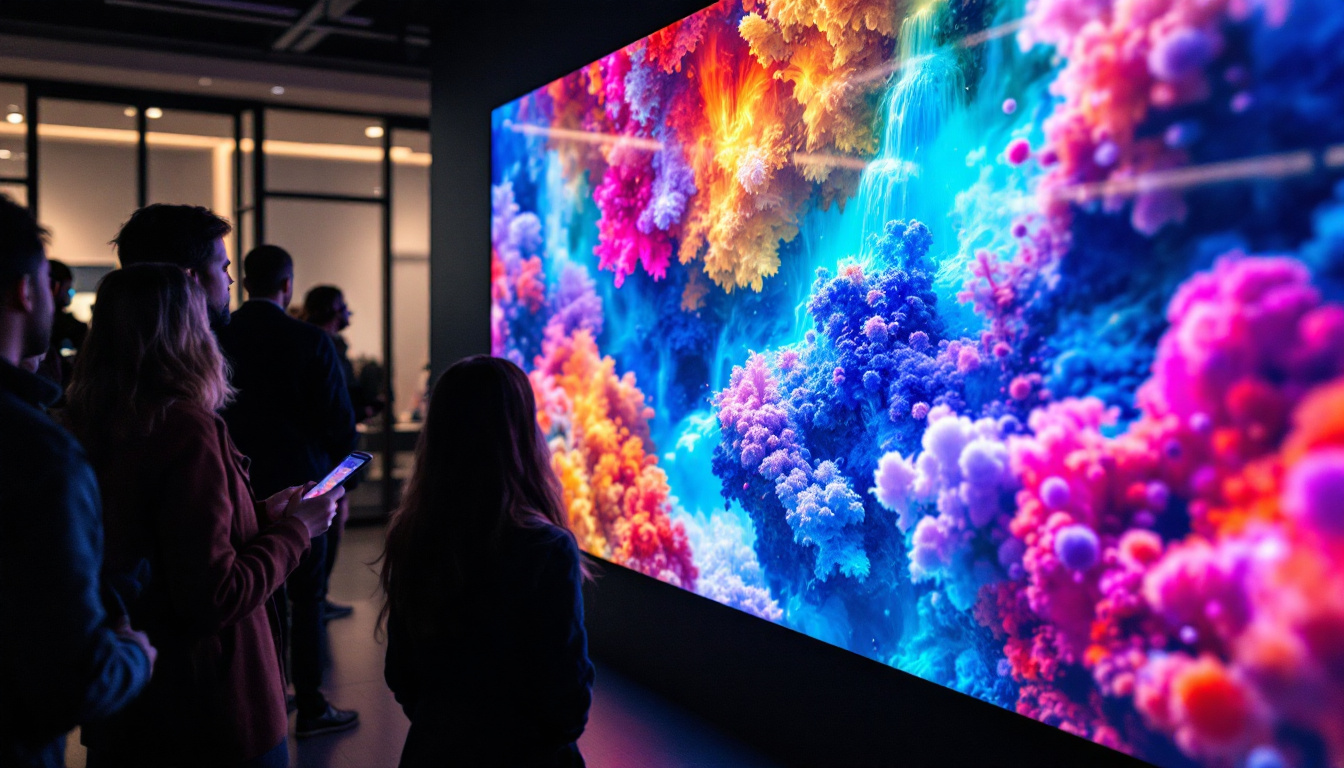
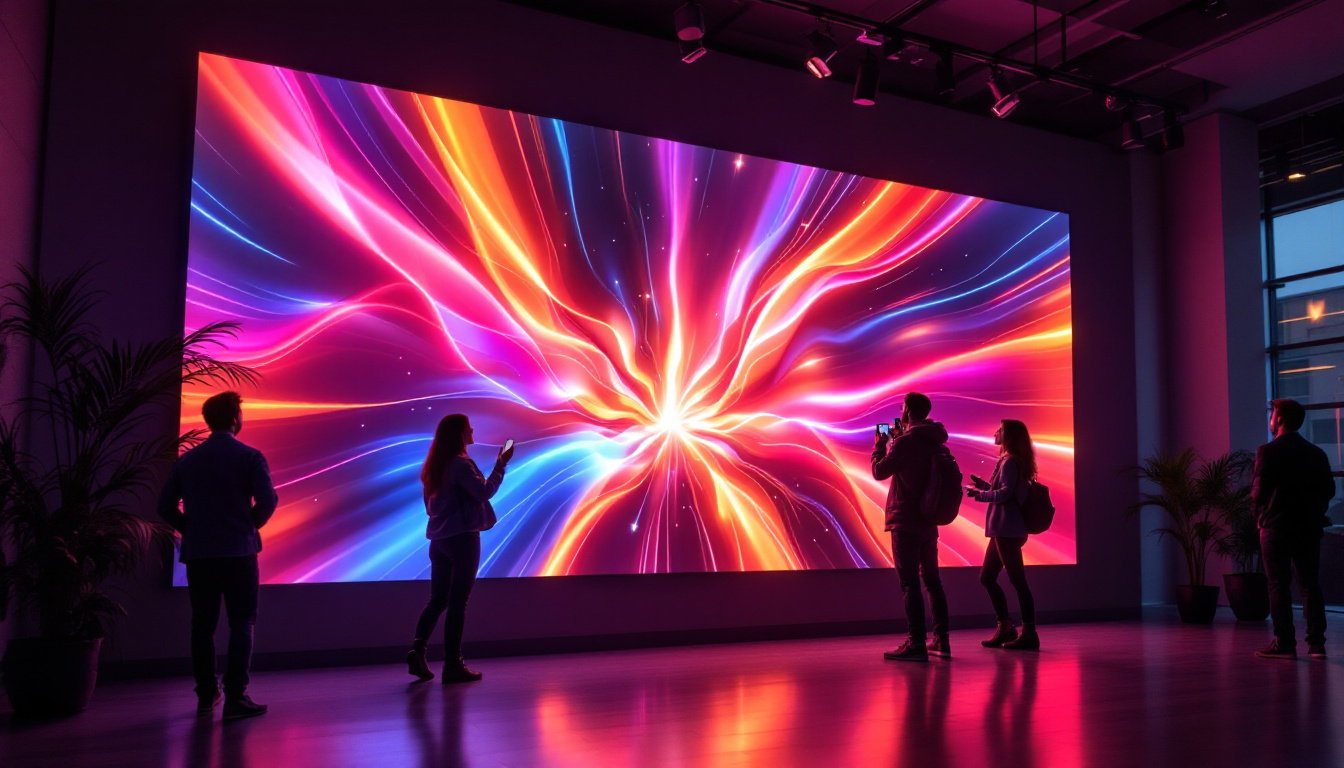
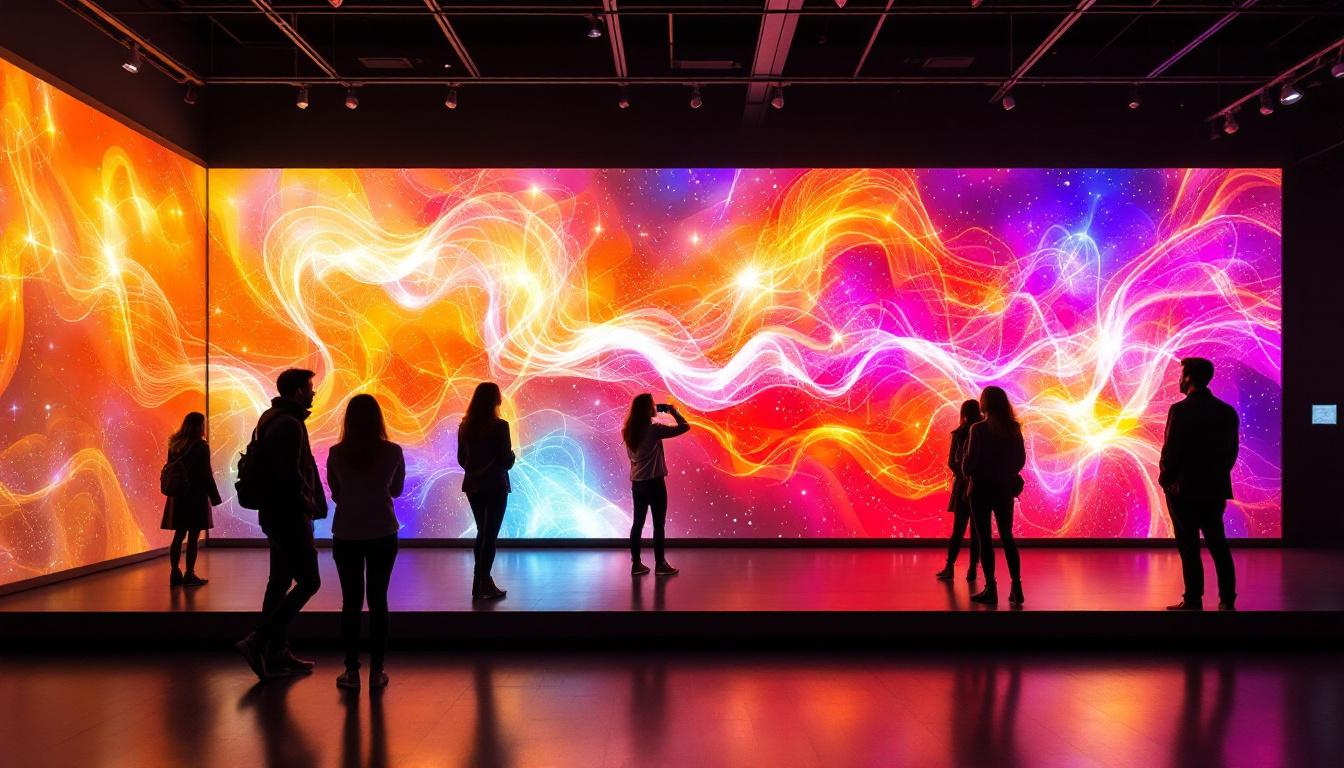
LED displays have empowered artists to create works that are not static but dynamic, evolving, and interactive. Unlike traditional canvases or sculptures, LED art can change in real-time, responding to environmental stimuli, audience interaction, or programmed sequences. This interactivity opens new avenues for storytelling and engagement, making art a participatory experience.
For example, artist Jenny Holzer’s use of LED text installations conveys powerful social and political messages that scroll across public spaces, catching the eye and provoking thought. Similarly, teamLab, a collective of artists and technologists, utilizes LED displays in immersive digital environments that respond to visitors’ movements, blurring the lines between observer and participant. These experiences often invite viewers to become co-creators, as their actions can influence the visual narrative unfolding before them, thus fostering a deeper connection to the artwork.
Moreover, the integration of sound and motion sensors with LED displays can amplify the immersive quality of these installations. Artists are now experimenting with multisensory approaches, where visual elements are synchronized with audio landscapes, creating a holistic experience that engages multiple senses. This synergy not only captivates audiences but also encourages them to reflect on their own interactions with the art, transforming passive viewing into an active dialogue.
Enhancing Accessibility and Reach
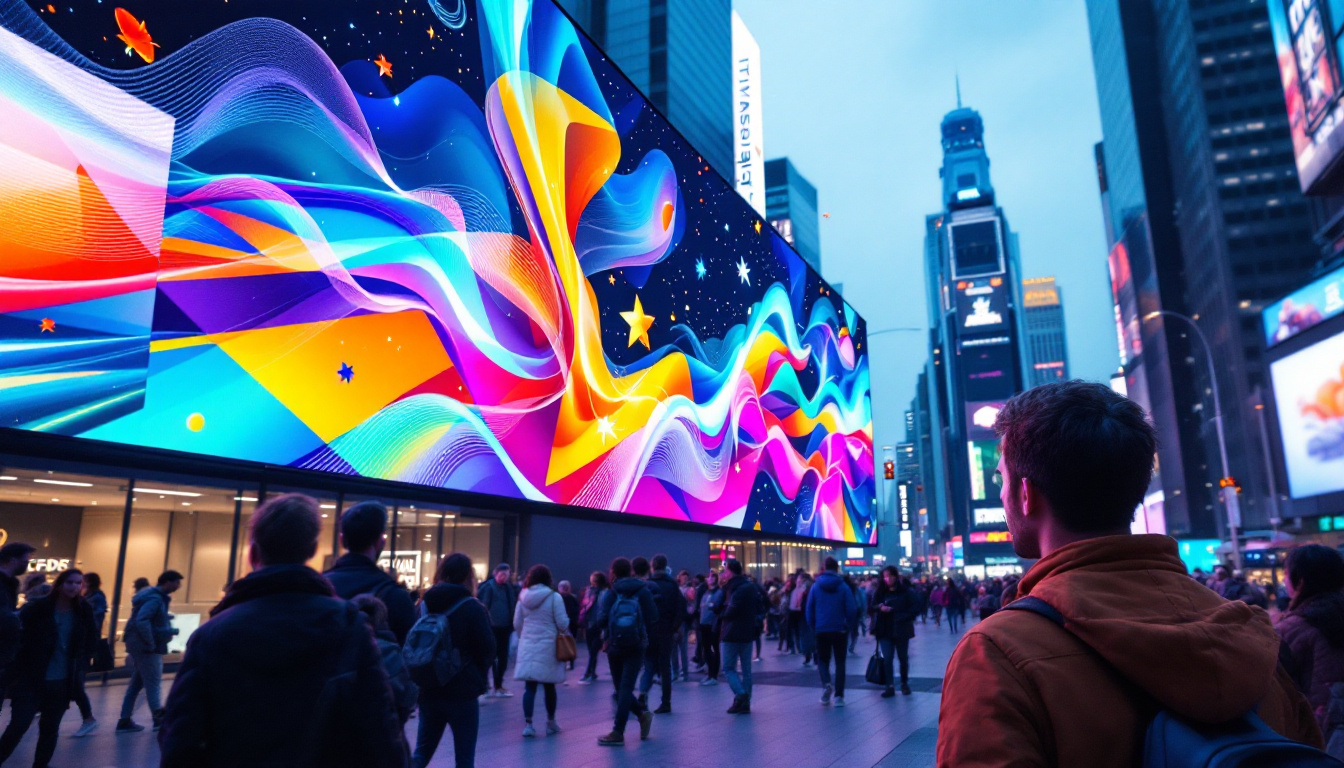
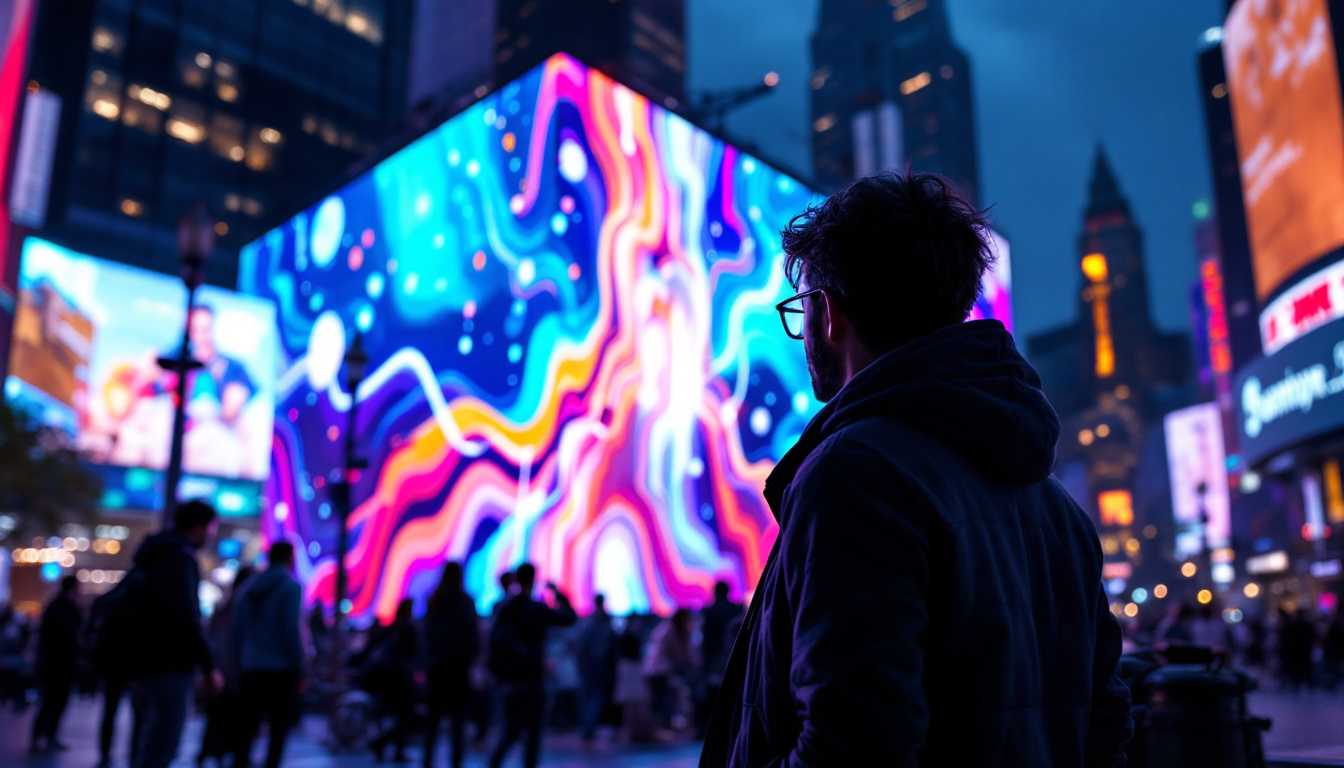
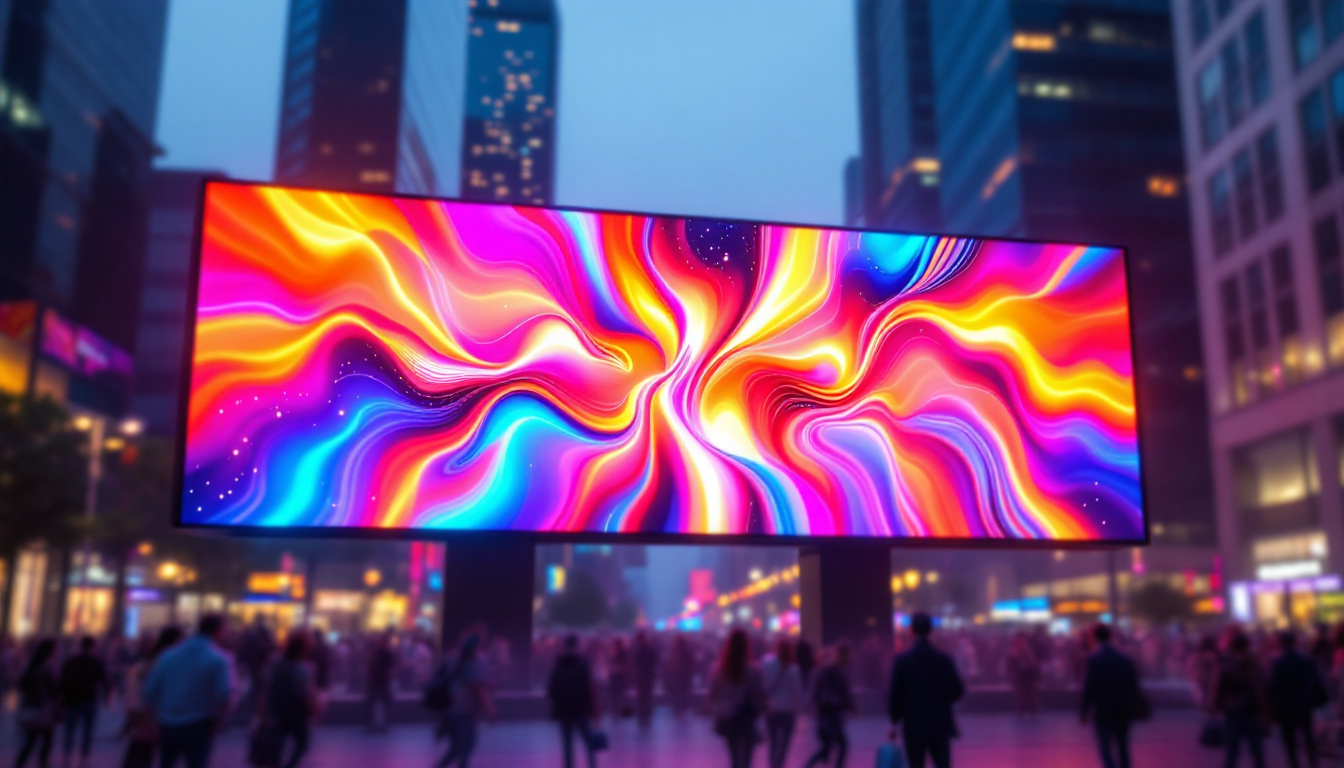
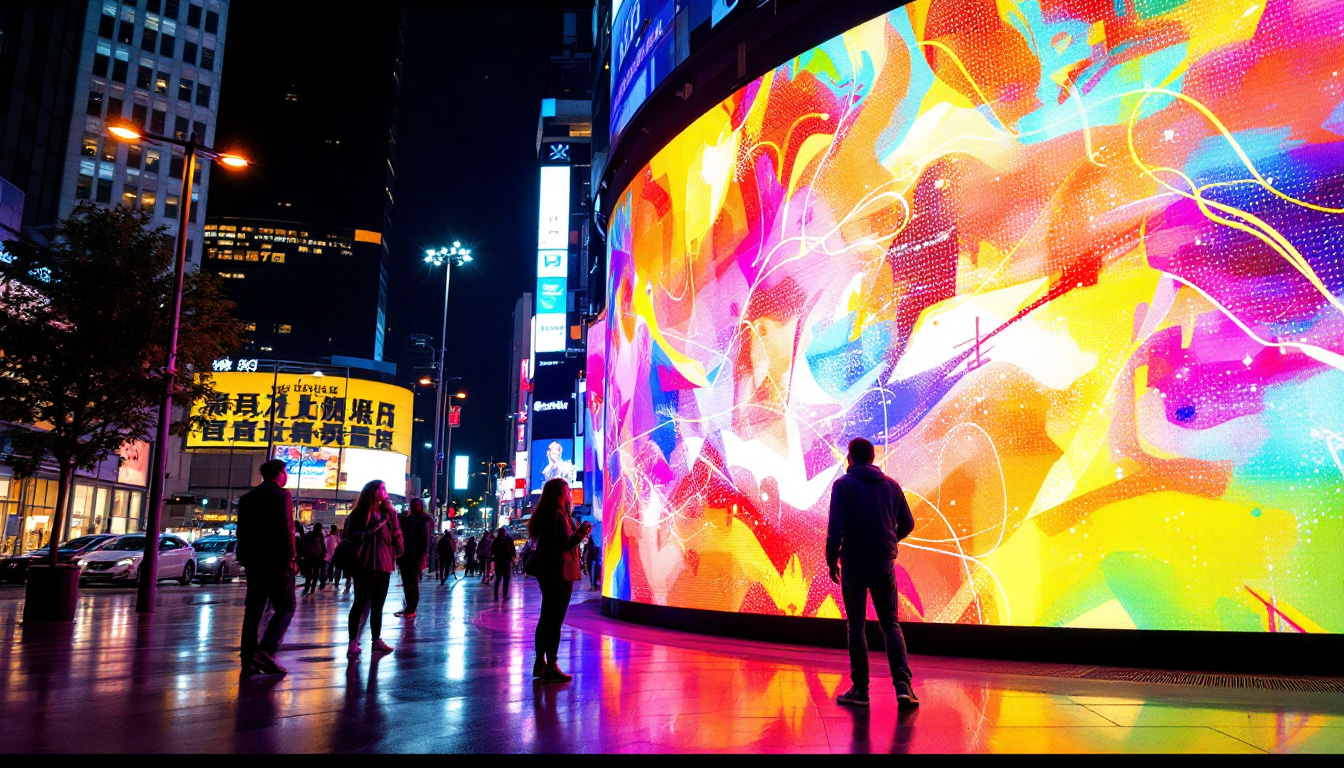
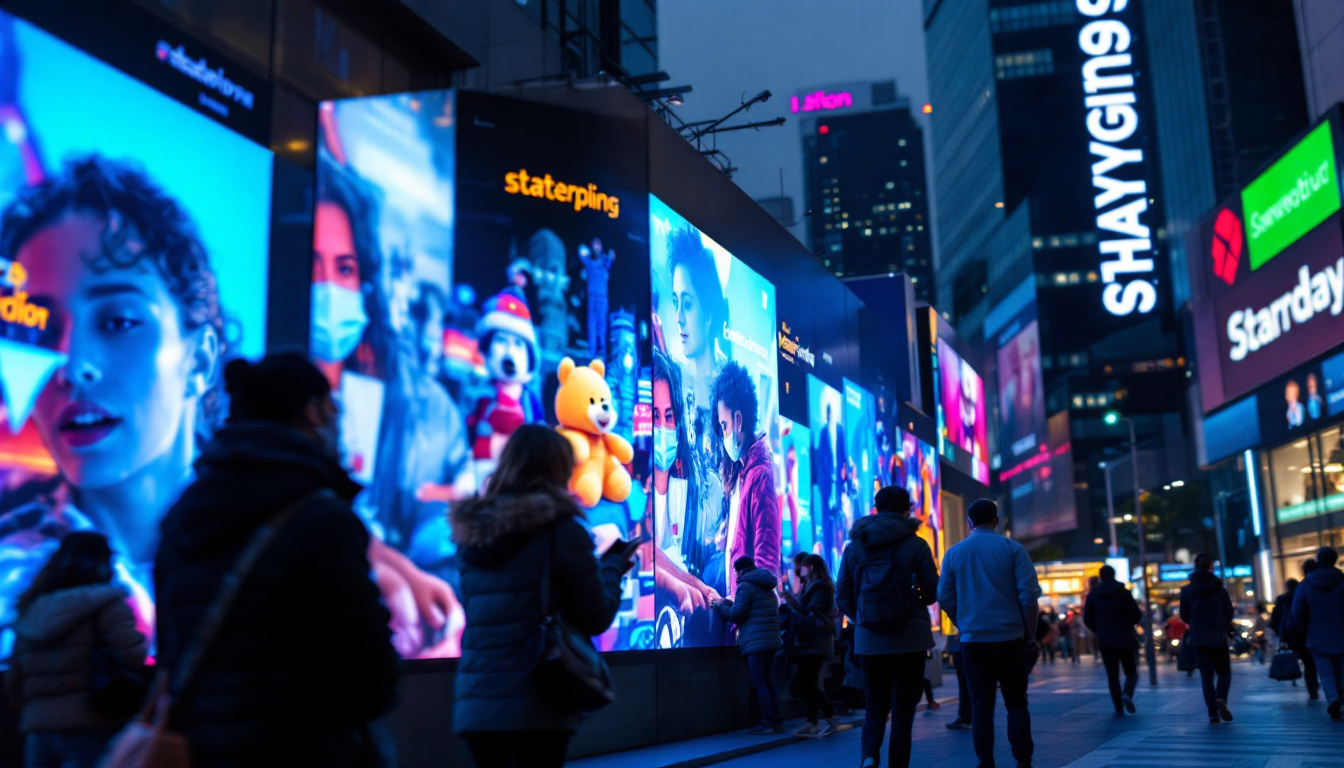
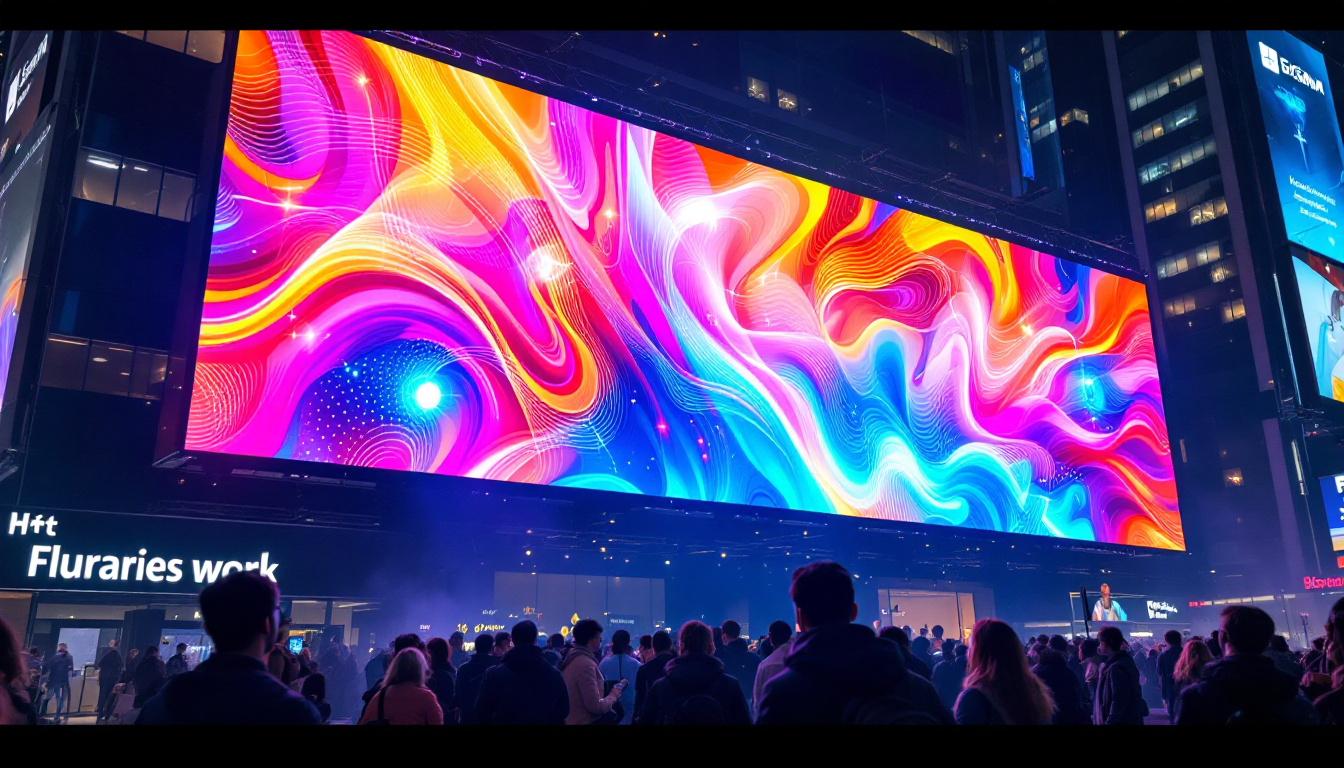
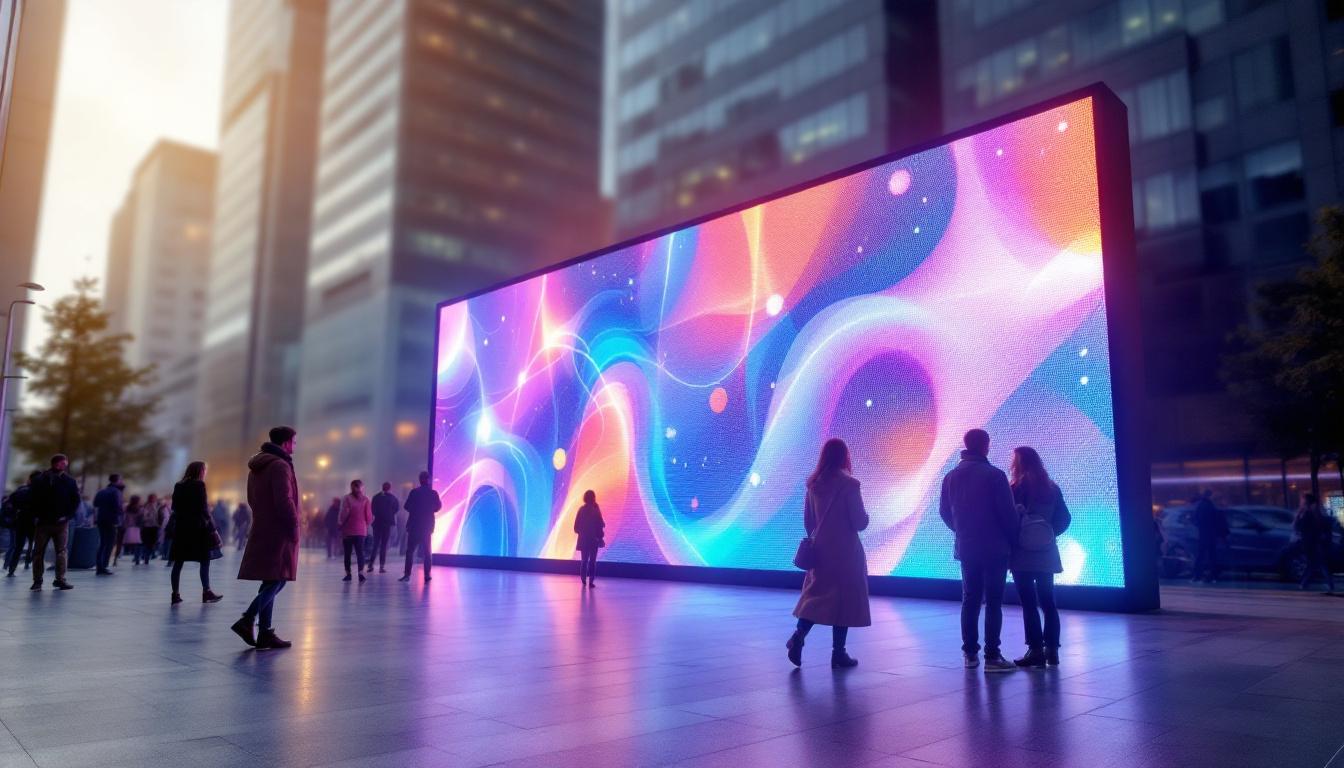
LED displays are not confined to traditional gallery spaces; they can be installed in public areas, making art accessible to broader audiences. This democratization of art presentation allows communities to engage with contemporary works outside the confines of museums or galleries. For example, large-scale LED murals in urban centers can transform mundane cityscapes into vibrant canvases, fostering cultural dialogue and community pride.
Moreover, the durability and brightness of LED displays make them suitable for outdoor exhibitions, ensuring that artworks remain visible and impactful regardless of lighting conditions or weather. This capability significantly extends the reach and lifespan of art installations. In addition, the adaptability of LED technology allows for temporary exhibitions that can be easily set up and dismantled, enabling artists to explore new locations and contexts for their work without the logistical challenges associated with traditional art forms.
Furthermore, the use of LED displays can also bridge the gap between local and global audiences. Artists can livestream their installations or create virtual reality experiences that allow people from around the world to engage with their work in real-time. This not only enhances the visibility of the artists but also cultivates a sense of global community, as viewers can share their experiences and interpretations across social media platforms, sparking discussions and collaborations that transcend geographical boundaries.
Technical Considerations for Art Installations Using LED Displays
Resolution and Pixel Pitch
When selecting an LED display for an art installation, resolution is a paramount consideration. The pixel pitch determines the clarity and detail of the image. For indoor installations where viewers are close, a pixel pitch of 1.5mm to 2.5mm is often recommended to ensure sharpness. Outdoor displays can tolerate larger pixel pitches, such as 6mm or more, due to the increased viewing distance.
Artists and curators must balance resolution with budget, as higher resolution displays are more expensive. However, investing in appropriate resolution is crucial to preserving the integrity of the artwork’s visual impact.
Color Accuracy and Calibration
Color fidelity is essential in art displays to maintain the artist’s intended palette and mood. LED displays require careful calibration to ensure that colors are rendered accurately and consistently. This process involves adjusting brightness, contrast, and color temperature, often using specialized software and hardware tools.
Regular calibration is necessary, especially for long-term installations, as LED performance can shift over time. Collaborating with display manufacturers or technical experts can help maintain optimal color accuracy throughout the exhibit’s duration.
Brightness and Viewing Environment
One of the advantages of LED displays is their high brightness, which can exceed 1,000 nits, making them visible even in direct sunlight. However, excessive brightness in dim environments can cause eye strain or wash out colors. Therefore, the display’s brightness should be adjustable to suit the ambient lighting conditions of the installation space.
For indoor gallery settings, dimmable LED displays or those with adaptive brightness features are preferable. Outdoor installations benefit from high-brightness LEDs to ensure visibility and impact.
Case Studies: LED Displays in Art Installations
The Bay Lights, San Francisco
One of the most iconic examples of LED art is The Bay Lights installation on the San Francisco-Oakland Bay Bridge. Created by artist Leo Villareal, this project involved 25,000 white LEDs arranged along the bridge’s vertical cables, creating a dynamic light sculpture visible from miles away. The installation uses complex algorithms to generate ever-changing patterns, transforming a functional structure into a monumental piece of public art.
The Bay Lights demonstrate how LED technology can scale to massive outdoor environments, combining engineering and artistry to create a landmark attraction that engages millions of viewers annually.
Refik Anadol’s Data-Driven LED Art
Media artist Refik Anadol leverages LED displays to visualize data in compelling and poetic ways. His installations often use machine learning algorithms to interpret vast datasets, which are then projected onto LED surfaces as abstract, flowing visuals. Anadol’s works, such as “Machine Hallucinations,” explore the intersection of technology, memory, and perception, pushing the boundaries of what LED art can convey.
By integrating LED displays with cutting-edge computational techniques, Anadol’s art invites viewers to contemplate the digital age’s complexities through immersive visual experiences.
Future Trends in LED Art Displays
Flexible and Transparent LED Panels
Emerging LED technologies include flexible and transparent panels that can be integrated into unconventional surfaces such as glass walls, curved structures, or wearable art. These innovations expand the possibilities for artists to incorporate LED displays seamlessly into architectural elements or interactive sculptures, creating hybrid forms that blend physical and digital realms.
Transparent LEDs, for instance, allow light and images to coexist, enabling artworks that change appearance based on the viewer’s perspective or the environment’s lighting.
Integration with Augmented Reality (AR) and Artificial Intelligence (AI)
The convergence of LED displays with AR and AI technologies promises to enhance interactivity and personalization in art installations. AI-driven content can adapt in real-time to audience behavior, environmental factors, or even emotional responses, while AR overlays can extend LED art beyond physical screens into virtual spaces.
This synergy will likely lead to more immersive and responsive art experiences, where LED displays serve as dynamic canvases within broader digital ecosystems.
Conclusion: The Impact of LED Displays on Art Presentation
LED display technology has fundamentally transformed how art is created, presented, and experienced. Its ability to deliver bright, vivid, and dynamic visuals enables artists to break free from traditional constraints and engage audiences in novel ways. As LED technology continues to advance, incorporating flexibility, transparency, and intelligent interactivity, its role in the art world is set to expand even further.
For artists, curators, and institutions, understanding the technical and creative potentials of LED displays is essential to harnessing their full power. By thoughtfully integrating this technology, the art community can continue to push boundaries, making art more accessible, engaging, and impactful for diverse audiences worldwide.
Explore the Future of Art with LumenMatrix LED Displays
As you contemplate the limitless possibilities LED display technology brings to the art world, consider how LumenMatrix can elevate your next project. Our innovative solutions, from Indoor and Outdoor LED Wall Displays to specialized options like Vehicle, Sports, and Floor LED Displays, are designed to push the envelope of visual storytelling. Whether you’re looking to create an immersive gallery experience or a striking public installation, LumenMatrix is your partner in revolutionizing visual communication. Check out LumenMatrix LED Display Solutions and join us in shaping the future of artistic expression.