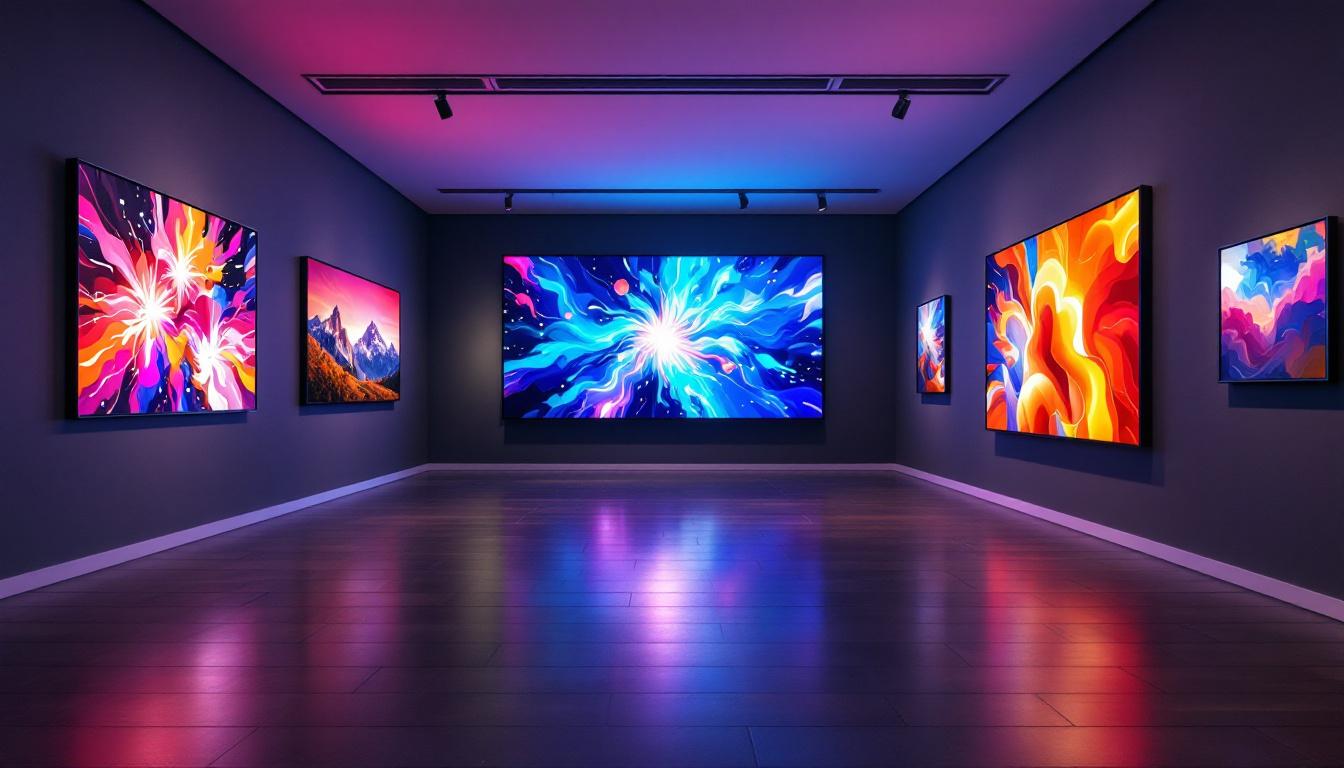
In the evolving world of art presentation, the integration of technology has revolutionized how galleries display their collections. Among the most significant advancements is the use of LED display systems within art gallery hanging solutions. These systems not only enhance the visual appeal of artworks but also offer flexible, dynamic, and energy-efficient options for curators and artists alike. This article explores the intricacies of art gallery hanging systems with a focus on LED displays, covering their benefits, technical aspects, and practical applications in modern galleries.
The Evolution of Art Gallery Hanging Systems
Traditional art gallery hanging systems have long relied on fixed hooks, nails, and wire suspensions to display paintings and photographs. While these methods are effective, they often lack flexibility and can cause damage to walls or artworks over time. The introduction of modular hanging systems, such as rail and cable systems, allowed for greater adaptability and minimized wall impact, enabling curators to rearrange exhibits with ease.
In recent years, the integration of LED technology into these hanging systems has marked a new chapter in art display. LED (Light Emitting Diode) displays provide vibrant, customizable lighting and digital display capabilities that enhance the viewing experience. This shift reflects a broader trend in galleries embracing technology to engage audiences and preserve artworks. With the ability to adjust brightness and color temperature, curators can create an atmosphere that complements the mood of the artwork, ensuring that each piece is presented in its best light.
From Static to Dynamic Displays
Static displays, while timeless, limit the scope of what galleries can showcase. LED display systems introduce dynamic elements such as digital art, interactive installations, and multimedia presentations. This flexibility allows galleries to diversify their exhibitions, attract a wider audience, and incorporate contemporary art forms that rely on digital media. Furthermore, the use of augmented reality (AR) in conjunction with these systems opens up new avenues for viewer interaction, allowing visitors to engage with the art in ways that were previously unimaginable. For example, AR can provide additional context or narrative layers to a piece, enriching the viewer’s understanding and appreciation.
Moreover, the evolution of hanging systems is not just about aesthetics; it also addresses practical concerns such as conservation and preservation. Many modern systems are designed with materials that are less likely to damage the artwork over time, such as acid-free mounting boards and adjustable supports that distribute weight evenly. This focus on preservation is crucial as galleries strive to maintain the integrity of their collections while simultaneously pushing the boundaries of how art can be experienced. As a result, the future of art display is not only about showcasing creativity but also about ensuring that these works can be enjoyed by generations to come.
Understanding LED Display Technology in Art Galleries
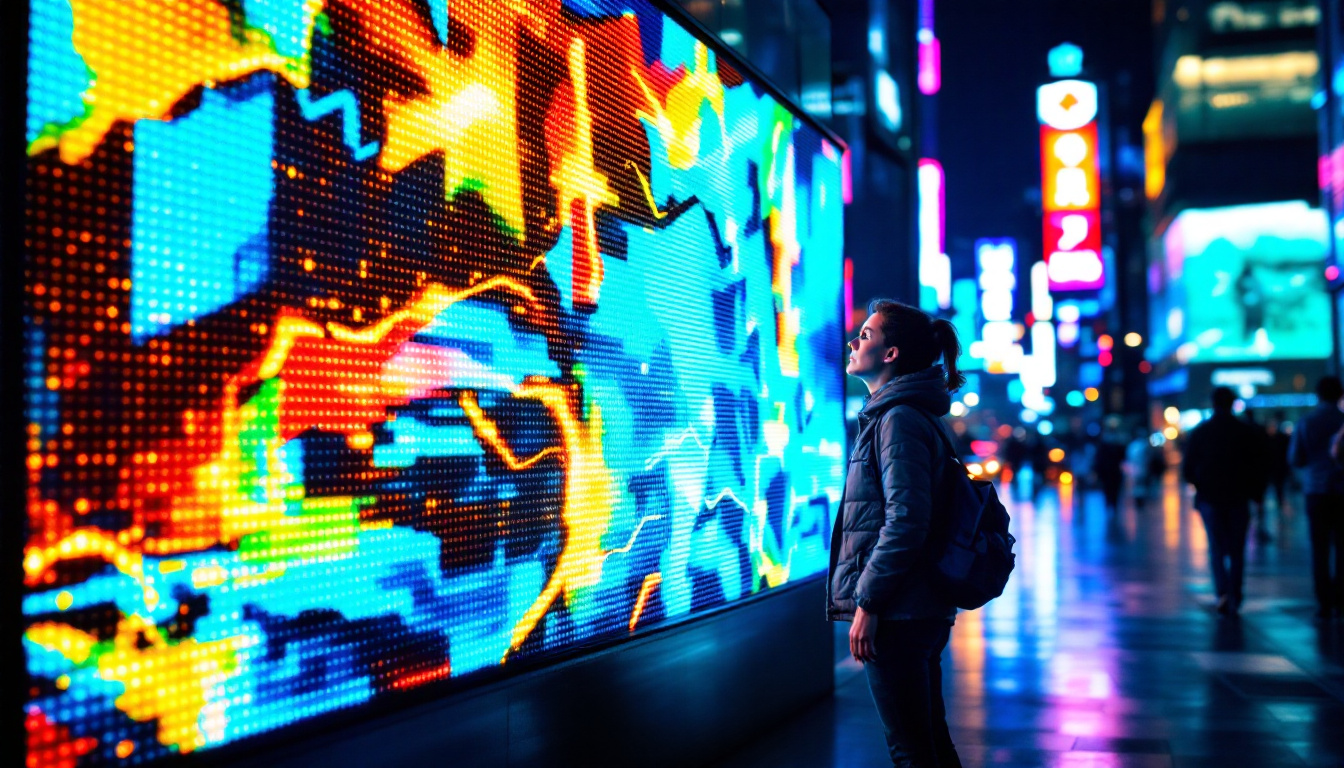
LED displays are composed of numerous tiny light-emitting diodes that collectively create images or lighting effects. Their application in art galleries ranges from subtle accent lighting to full digital canvases capable of showcasing high-resolution artworks.
Types of LED Displays Used in Galleries
There are several types of LED displays commonly employed in galleries:
- LED Light Strips and Panels: Used primarily for accentuating artworks, these provide adjustable lighting that can mimic natural daylight or create mood lighting to complement the art.
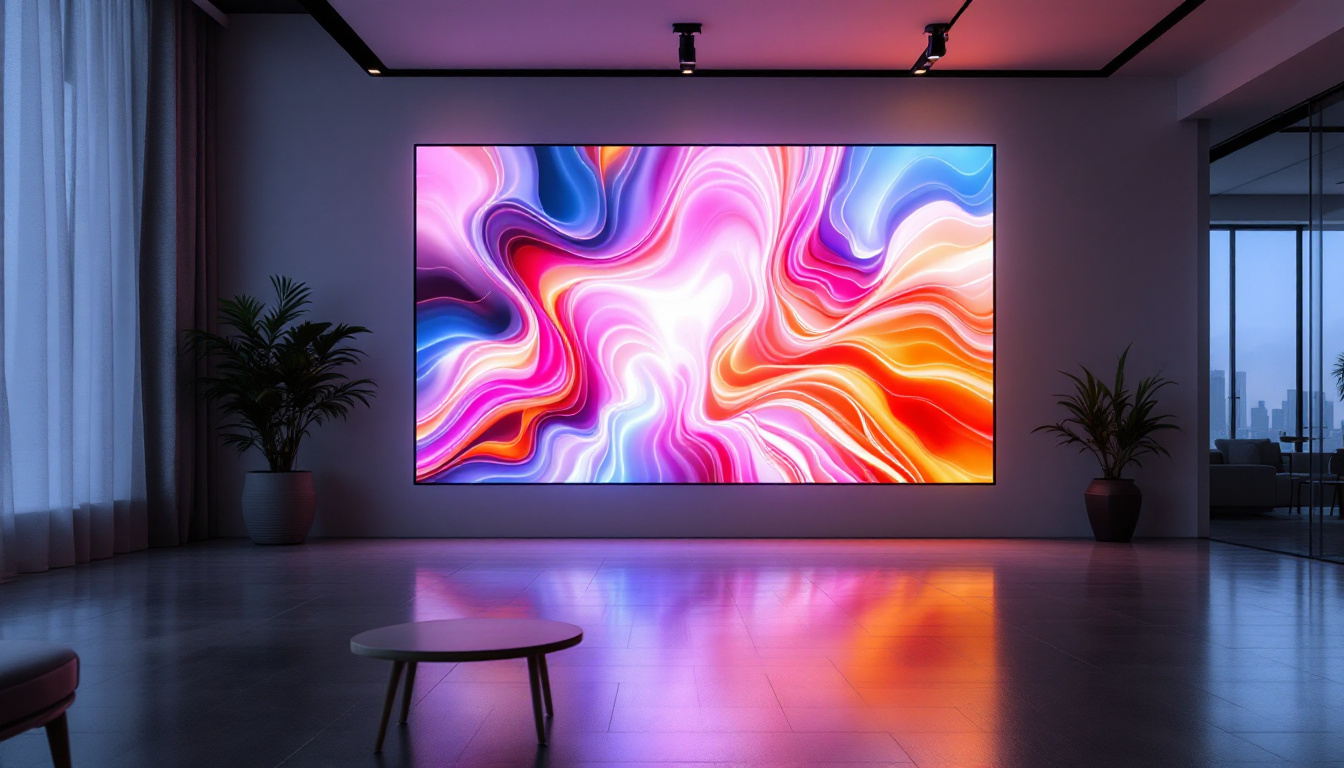
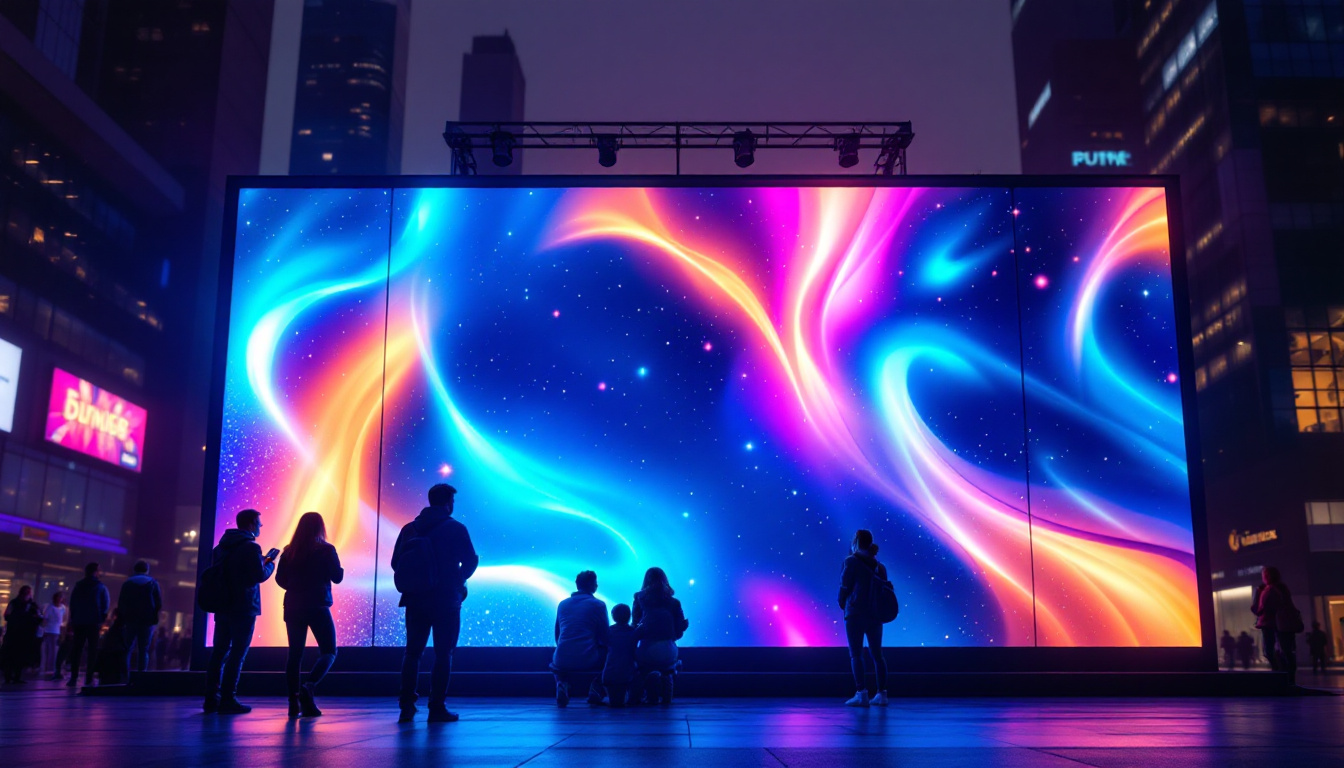
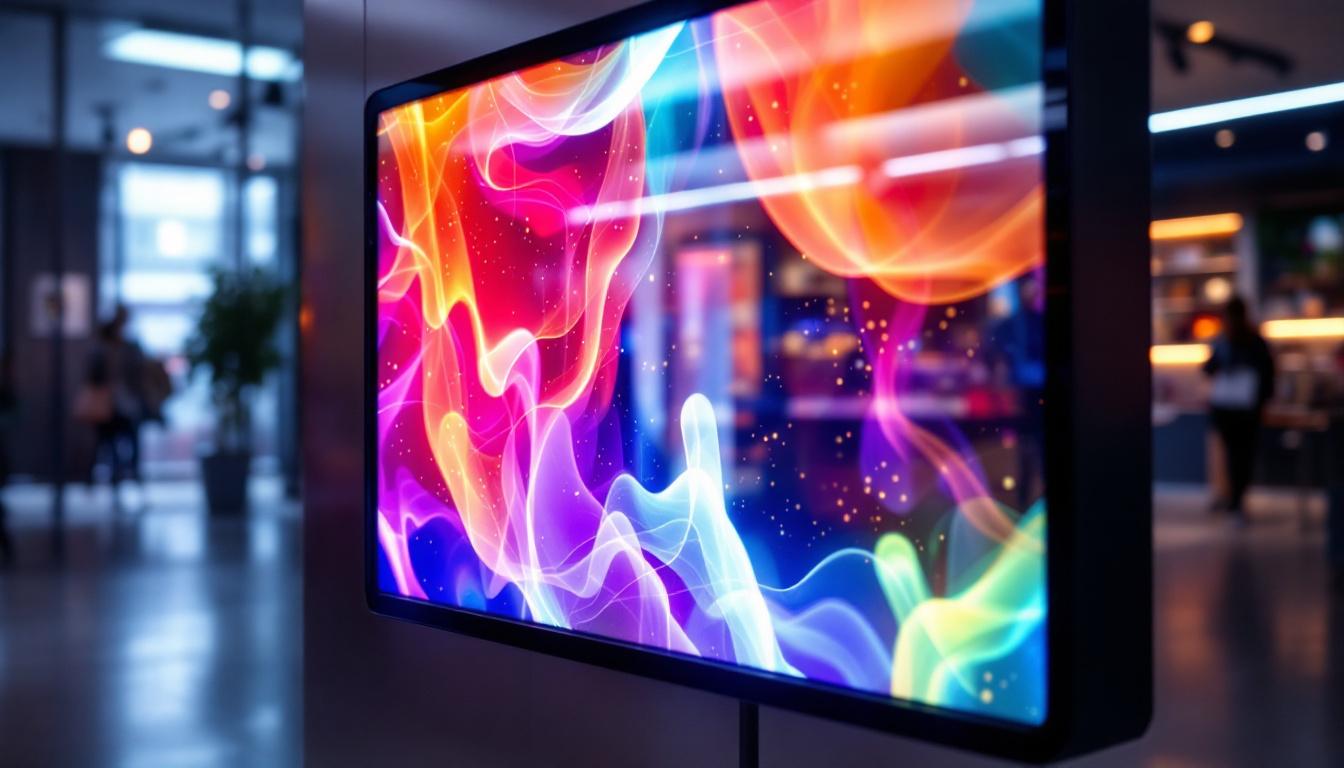
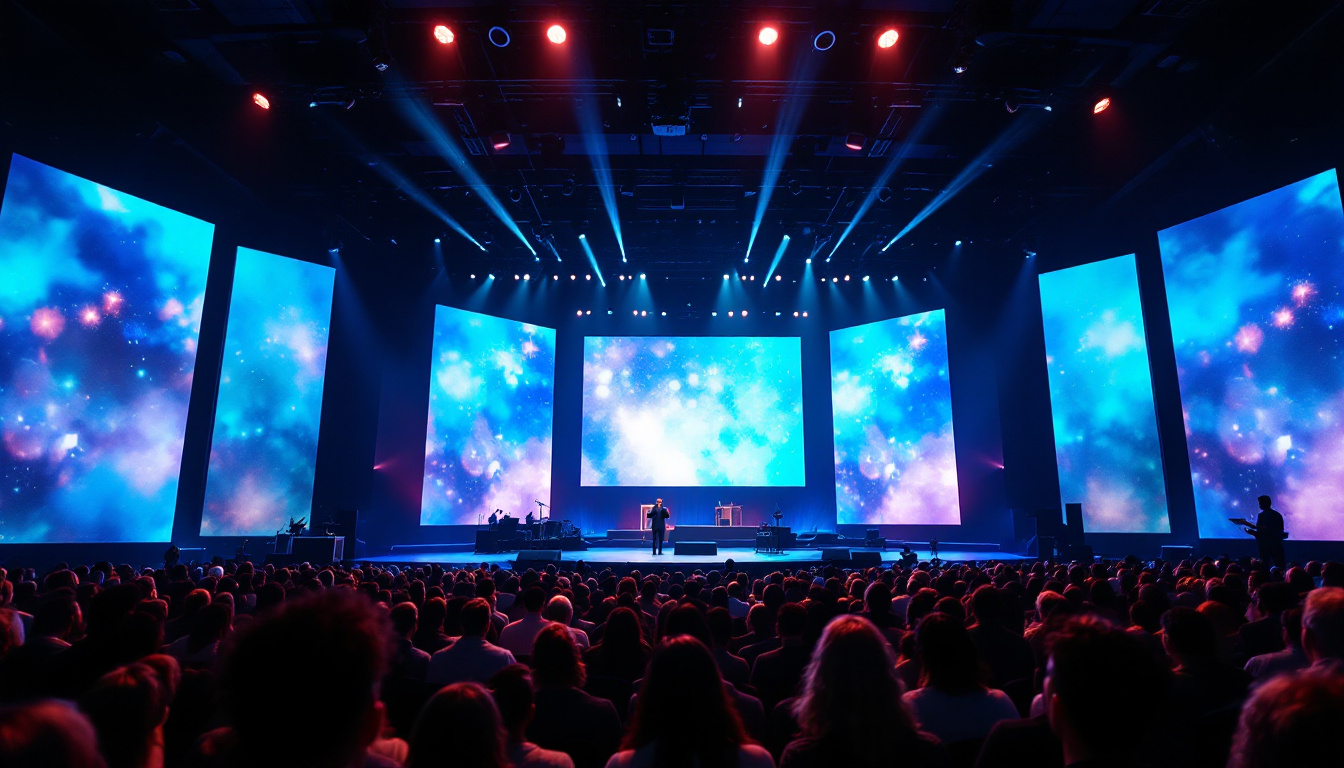
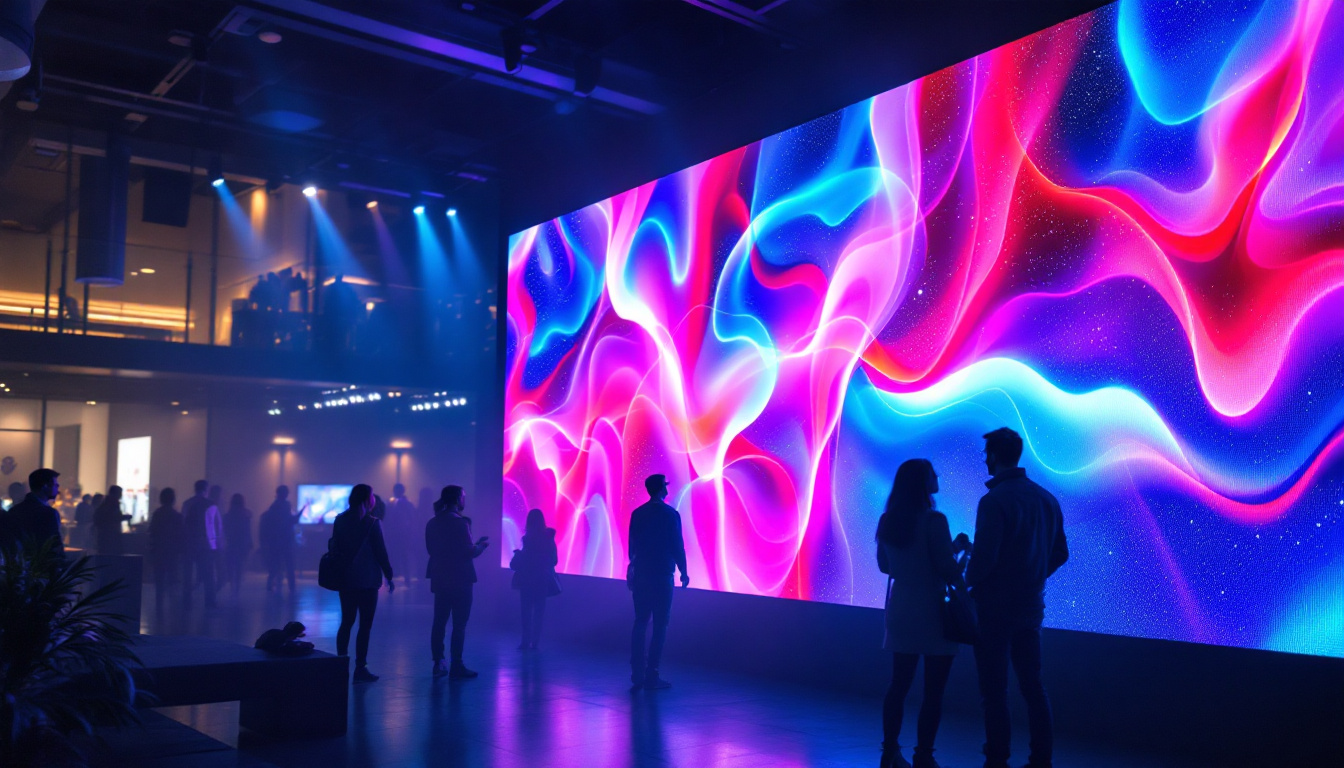
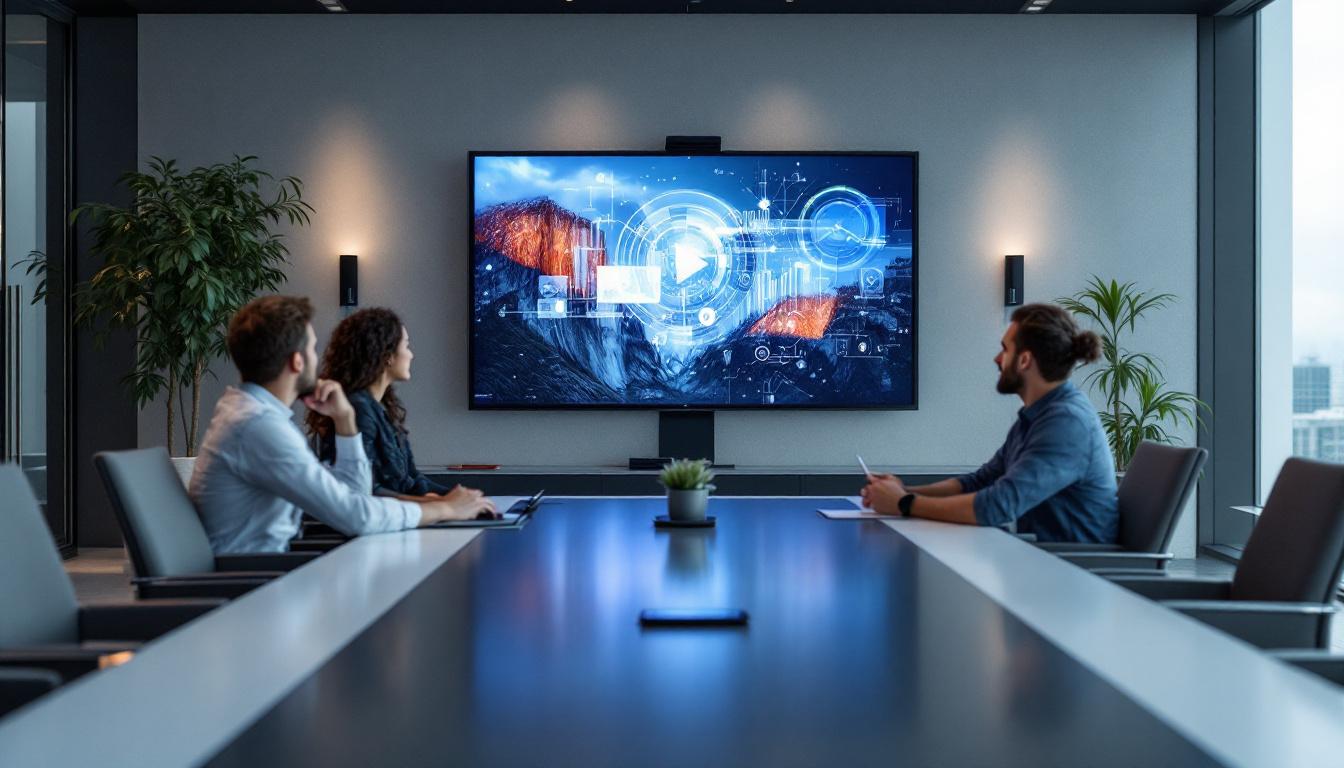
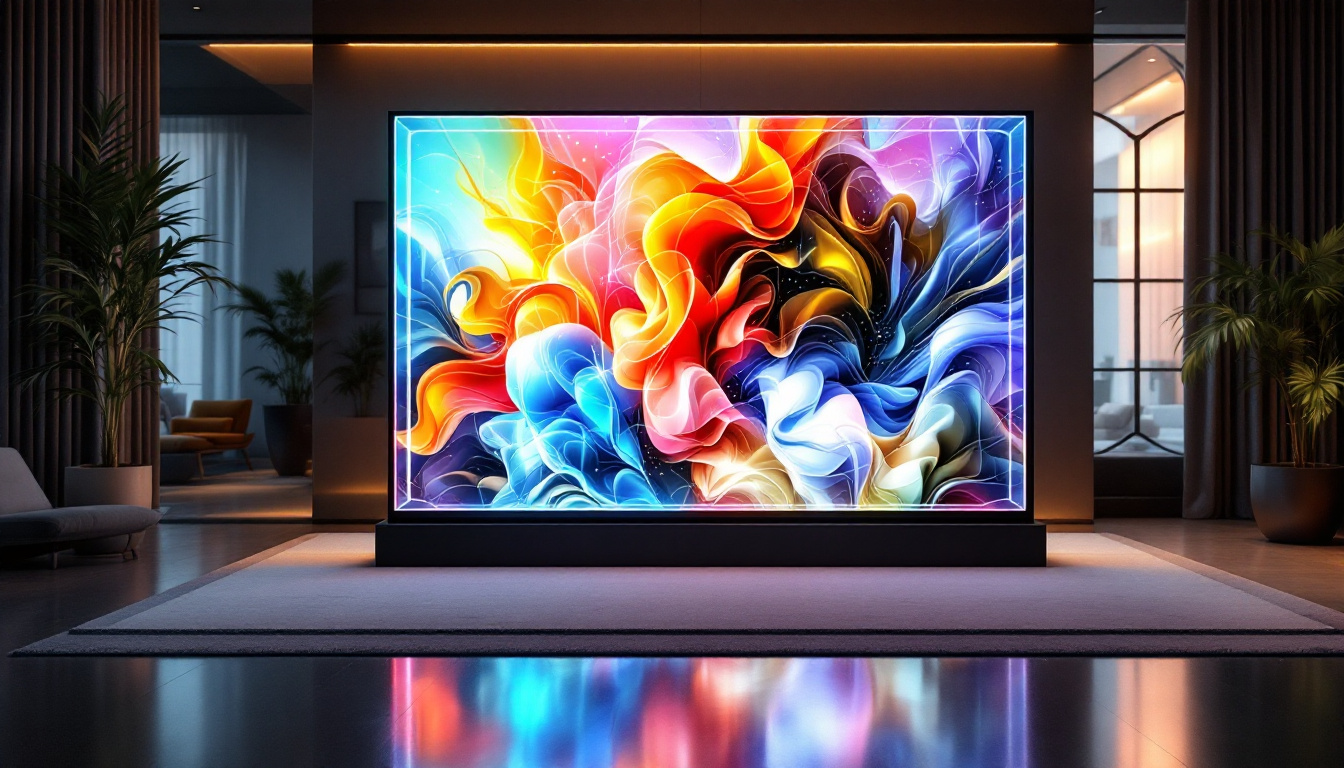
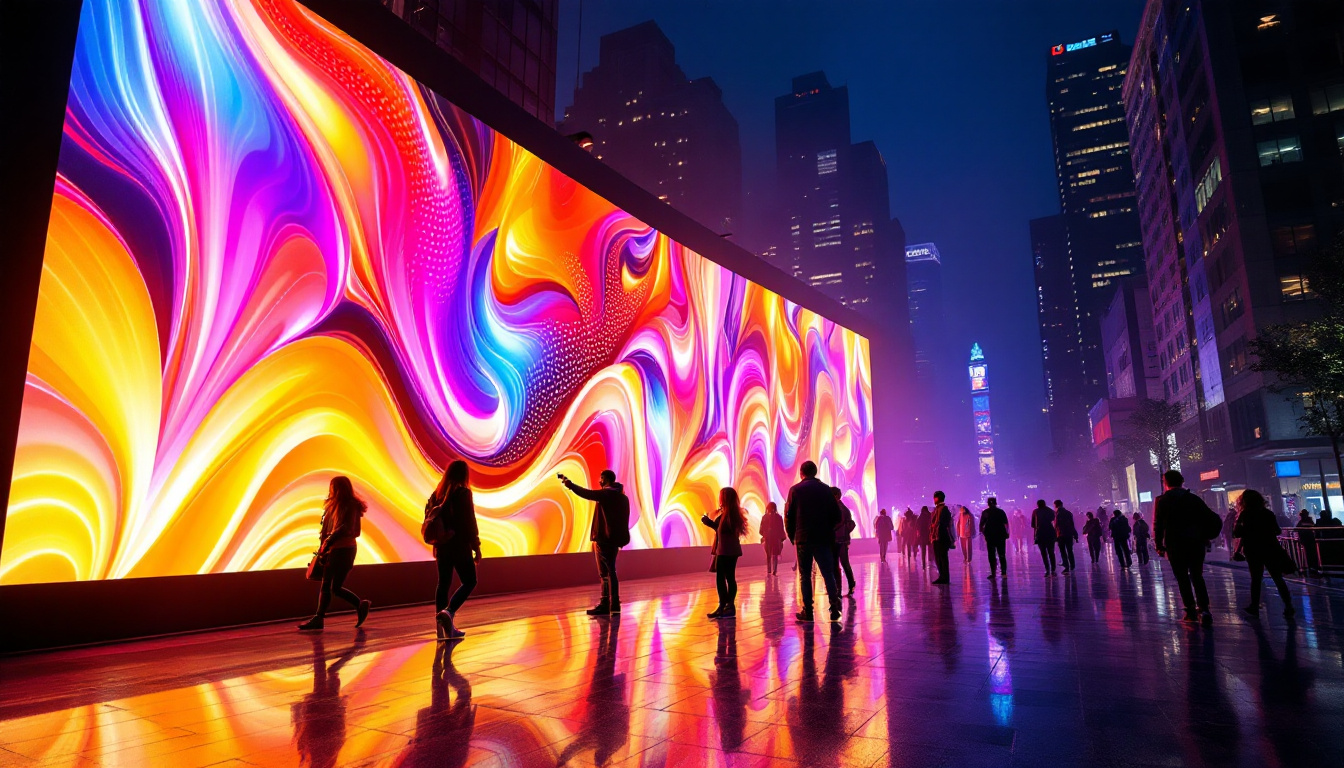
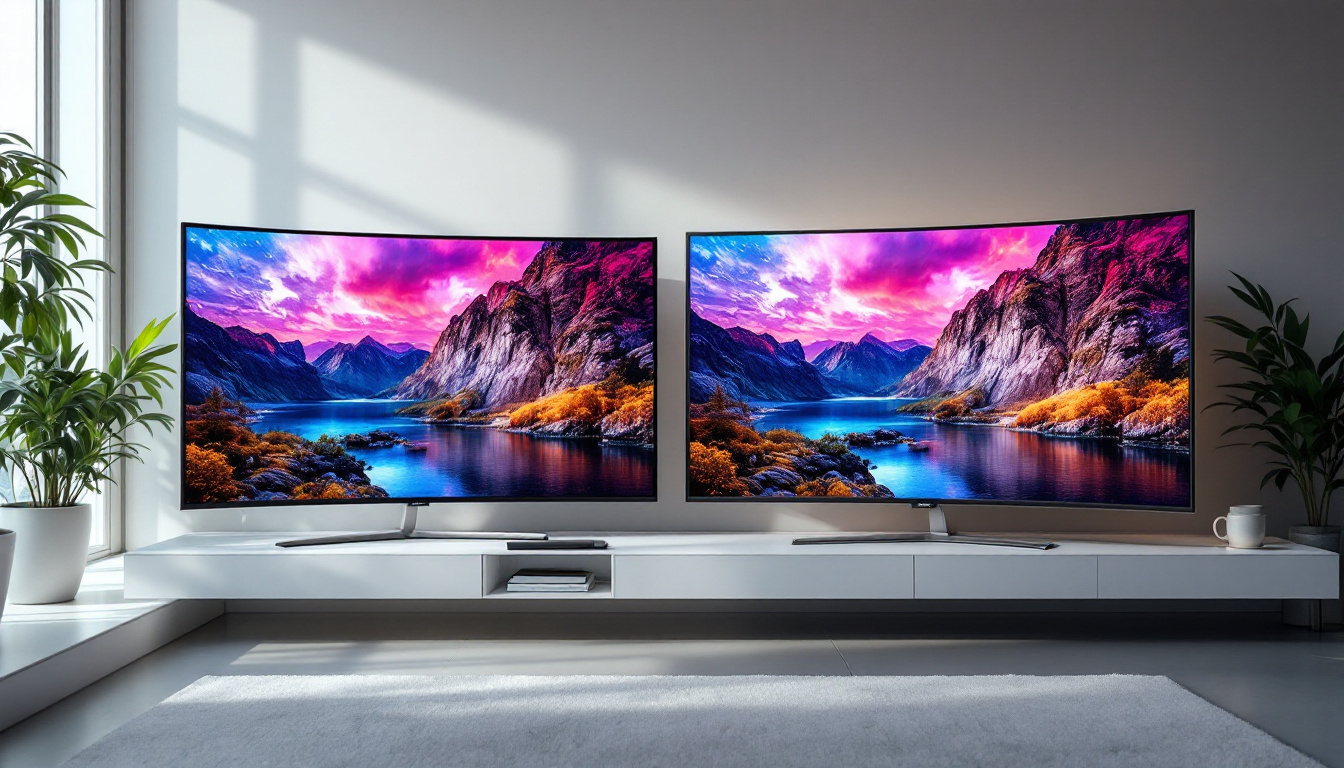
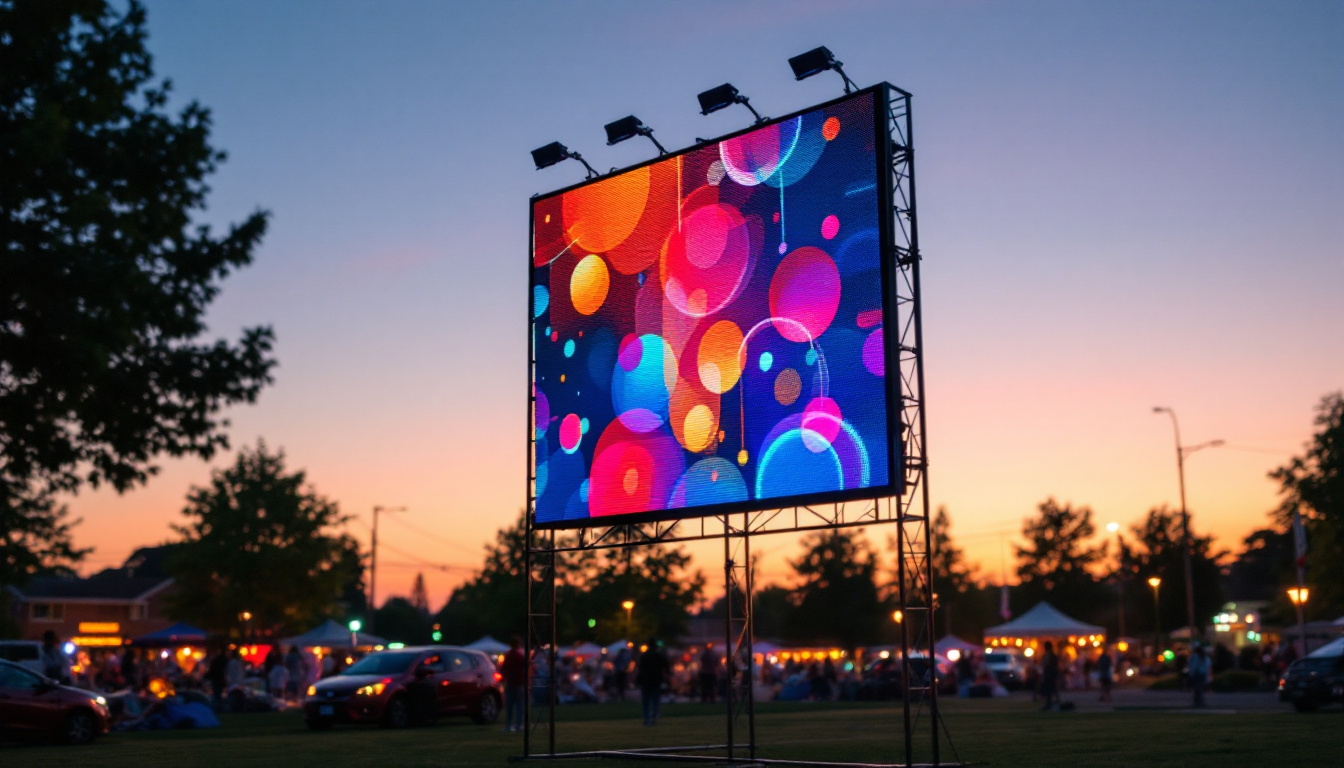
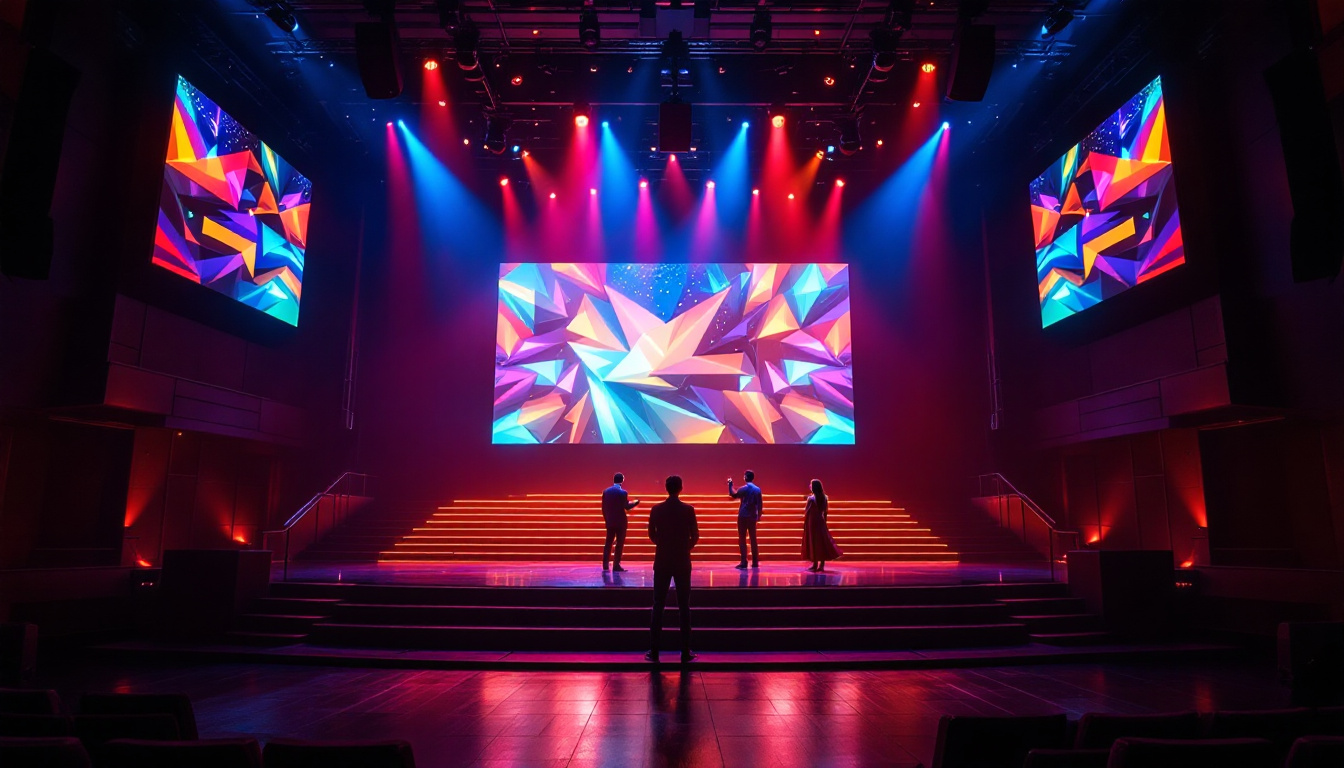
- LED Video Walls: Large-scale digital screens that can display high-definition images, videos, or interactive content. These are ideal for contemporary exhibitions and multimedia installations.
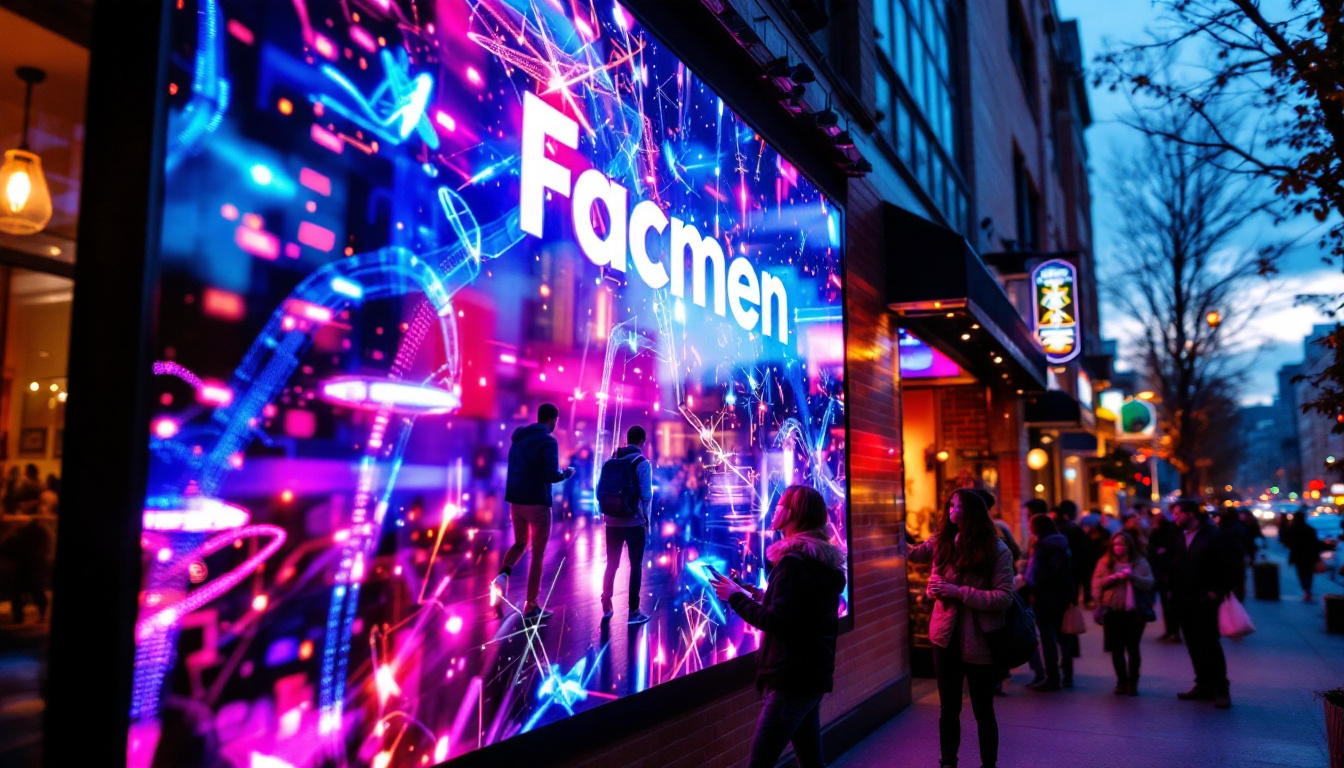
- Transparent LED Screens: These innovative displays allow viewers to see through the screen while still projecting images, ideal for gallery windows or overlaying digital art on physical pieces.
Advantages of LED Technology in Art Display
LED technology offers several compelling benefits for art galleries:
- Energy Efficiency: LEDs consume significantly less power than traditional lighting, reducing operational costs and environmental impact.
- Longevity: LED lights have a longer lifespan, often exceeding 50,000 hours, which minimizes maintenance and replacement frequency.
- Color Accuracy: Modern LEDs can produce a wide color gamut with high color rendering index (CRI), ensuring that artworks are illuminated accurately and vibrantly.
- Flexibility and Control: LED systems can be programmed to adjust brightness, color temperature, and even display content dynamically, allowing for tailored exhibition lighting and multimedia presentations.
- Minimal Heat Emission: Unlike incandescent or halogen lights, LEDs emit very little heat, which helps protect sensitive artworks from damage.
Integrating LED Displays into Gallery Hanging Systems
The successful integration of LED displays into hanging systems requires thoughtful design and technical expertise. The goal is to enhance the artwork without overpowering it, maintaining the gallery’s aesthetic and functional requirements.
Modular Hanging Systems with LED Integration
Modern hanging systems often feature modular rails or tracks installed along gallery walls or ceilings. These systems support adjustable cables or rods from which artworks and LED fixtures can be suspended. Incorporating LED panels or strips into these rails allows for seamless lighting integration that can be repositioned as exhibits change.
For example, a gallery might use a rail system with built-in LED strips that provide uniform backlighting for paintings or sculptures. Alternatively, LED video panels can be mounted within the hanging system to display digital art or supplementary information about the exhibit.
Custom LED Frames and Mounts
Another innovative approach involves framing artworks with LED-embedded mounts. These frames can highlight the piece with dynamic lighting effects or act as digital borders that change color or pattern based on the exhibition theme. Custom mounts also enable interactive elements, such as touch-sensitive LEDs that respond to viewer proximity or gestures.
Ensuring Conservation and Safety
When integrating LED displays, galleries must consider the conservation needs of artworks. LEDs’ low heat emission and adjustable intensity help mitigate risks associated with light exposure. Additionally, hanging systems should be designed to securely support LED components without stressing the artworks or gallery infrastructure.
Case Studies: LED Display Applications in Contemporary Galleries
Several leading galleries worldwide have embraced LED display technology to transform their exhibition spaces. These case studies illustrate the versatility and impact of LED integration.
The Museum of Modern Art (MoMA), New York
MoMA has incorporated LED video walls in select exhibitions to showcase digital art and immersive installations. The museum’s use of modular hanging systems with LED lighting allows for rapid reconfiguration of gallery spaces, accommodating diverse artworks ranging from traditional paintings to cutting-edge digital media.
Tate Modern, London
Tate Modern utilizes transparent LED screens in its lobby windows to blend street views with digital art projections. This innovative use of LED technology engages passersby and extends the gallery experience beyond its walls. The hanging systems supporting these screens are designed for easy maintenance and minimal visual intrusion.
Local Art Galleries and LED Adoption
Smaller galleries have also benefited from LED display systems, often using LED strips to enhance lighting quality and reduce energy costs. For instance, community galleries have reported a 30% reduction in electricity usage after upgrading to LED lighting integrated into their hanging systems, demonstrating the technology’s accessibility and practical advantages.
Practical Considerations for Choosing LED Hanging Systems
Selecting the right LED display system for an art gallery involves balancing aesthetics, functionality, and budget. Several factors should guide decision-making:
Artwork Type and Lighting Needs
Different artworks require specific lighting conditions. Paintings may benefit from soft, even illumination, while sculptures might need directional lighting to emphasize texture and form. LED systems should offer adjustable settings to accommodate these needs.
Space and Layout Constraints
The physical dimensions and architectural features of the gallery influence the choice of hanging systems. Ceiling height, wall material, and available power sources affect installation options and LED system design.
Interactivity and Digital Content
Galleries aiming to showcase digital art or interactive exhibits should consider LED video walls or transparent screens that support multimedia content. Integration with software platforms for content management is also essential.
Budget and Maintenance
While LED systems may have higher upfront costs compared to traditional lighting, their energy savings and longevity often result in lower total cost of ownership. Maintenance requirements, such as ease of replacing LED modules or cleaning, should also be factored in.
Future Trends in LED Display and Gallery Hanging Systems
As technology advances, LED display systems in galleries are expected to become even more sophisticated and integrated. Emerging trends include:
- Smart Lighting Systems: AI-driven lighting that adapts automatically to ambient conditions and visitor flow, optimizing artwork presentation and energy use.
- Augmented Reality (AR) Integration: Combining LED displays with AR to create immersive, interactive art experiences.
- Wireless and Battery-Powered LEDs: Enhancing installation flexibility by reducing dependence on wired power sources.
- Eco-Friendly Materials: Use of sustainable materials in LED mounting and hanging systems to support green initiatives.
These innovations promise to further blur the lines between traditional and digital art, offering galleries new ways to captivate audiences and preserve cultural heritage.
Conclusion
LED display technology has transformed art gallery hanging systems from simple support mechanisms into dynamic, multifunctional platforms that enhance the art viewing experience. By offering superior lighting quality, energy efficiency, and digital capabilities, LED-integrated hanging systems enable galleries to adapt to contemporary artistic trends and audience expectations.
For curators and gallery designers, understanding the technical and practical aspects of LED displays is crucial to creating engaging, flexible, and sustainable exhibition spaces. As LED technology continues to evolve, its role in art presentation will undoubtedly expand, shaping the future of gallery design and art appreciation.
Illuminate Your Art with LumenMatrix
Ready to elevate your gallery’s visual experience with the latest in LED display technology? Discover LumenMatrix’s innovative solutions that bring art to life. From Indoor LED Wall Displays that transform your space to Custom LED Displays tailored to your unique vision, LumenMatrix is at the forefront of creating immersive environments that captivate and engage. Embrace the future of art presentation and check out LumenMatrix LED Display Solutions today to redefine how your audience interacts with art.