In the world of audio technology and visual displays, the term “pitch” often appears with different meanings depending on the context. When discussing LED displays, “pitch” refers to a critical specification that directly influences image quality, viewing distance, and overall performance. Understanding LED display pitch is essential for professionals in event production, digital signage, and broadcast environments, as well as for businesses and consumers looking to invest in LED technology.
This article delves into the concept of LED display pitch, explaining what it is, why it matters, and how it impacts the visual experience. It also explores the relationship between pitch and audio applications, highlighting how LED displays complement sound systems in modern multimedia setups.
What Is LED Display Pitch?
Defining Pixel Pitch
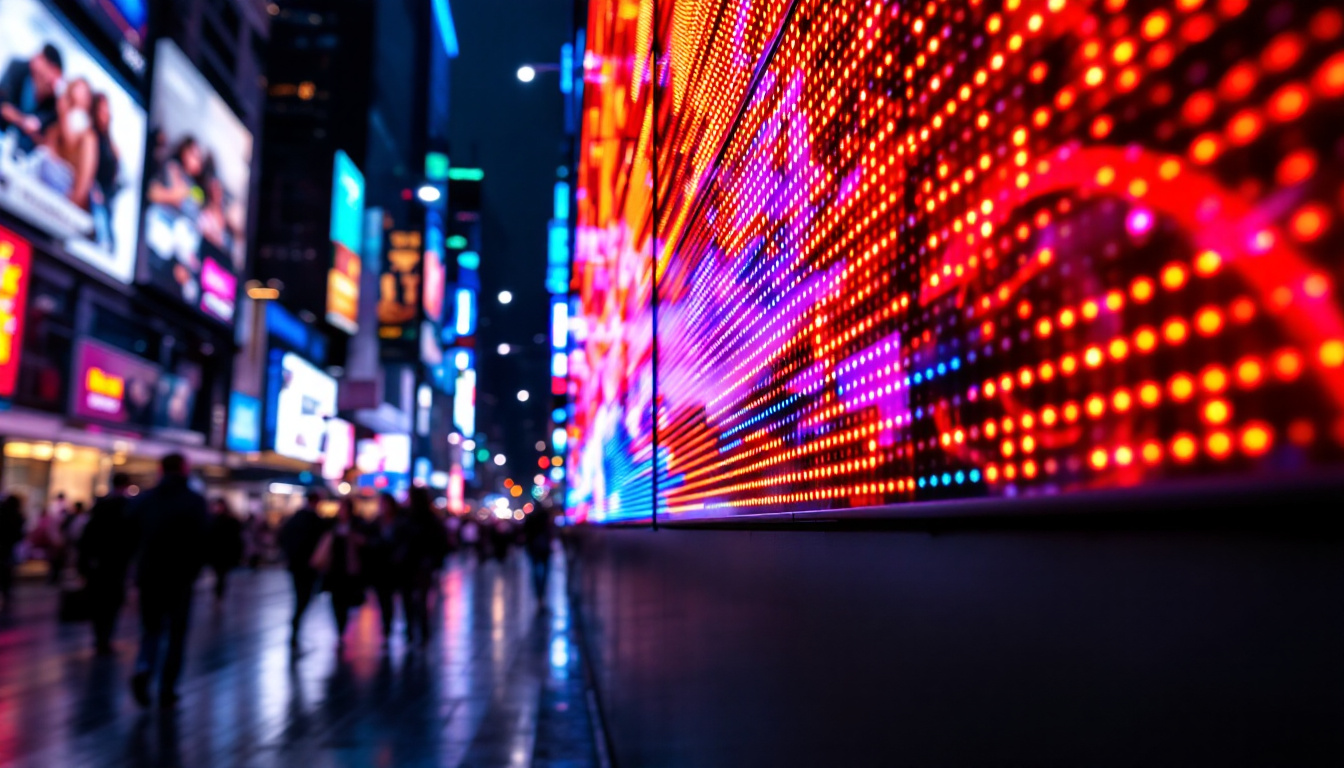
LED display pitch, commonly referred to as pixel pitch, is the distance between the centers of two adjacent pixels on an LED screen. Pixels, the smallest units of a digital image, consist of clusters of LEDs—usually red, green, and blue—that combine to produce a full spectrum of colors. The pitch is measured in millimeters (mm) and is a key factor in determining the resolution and clarity of the displayed image.
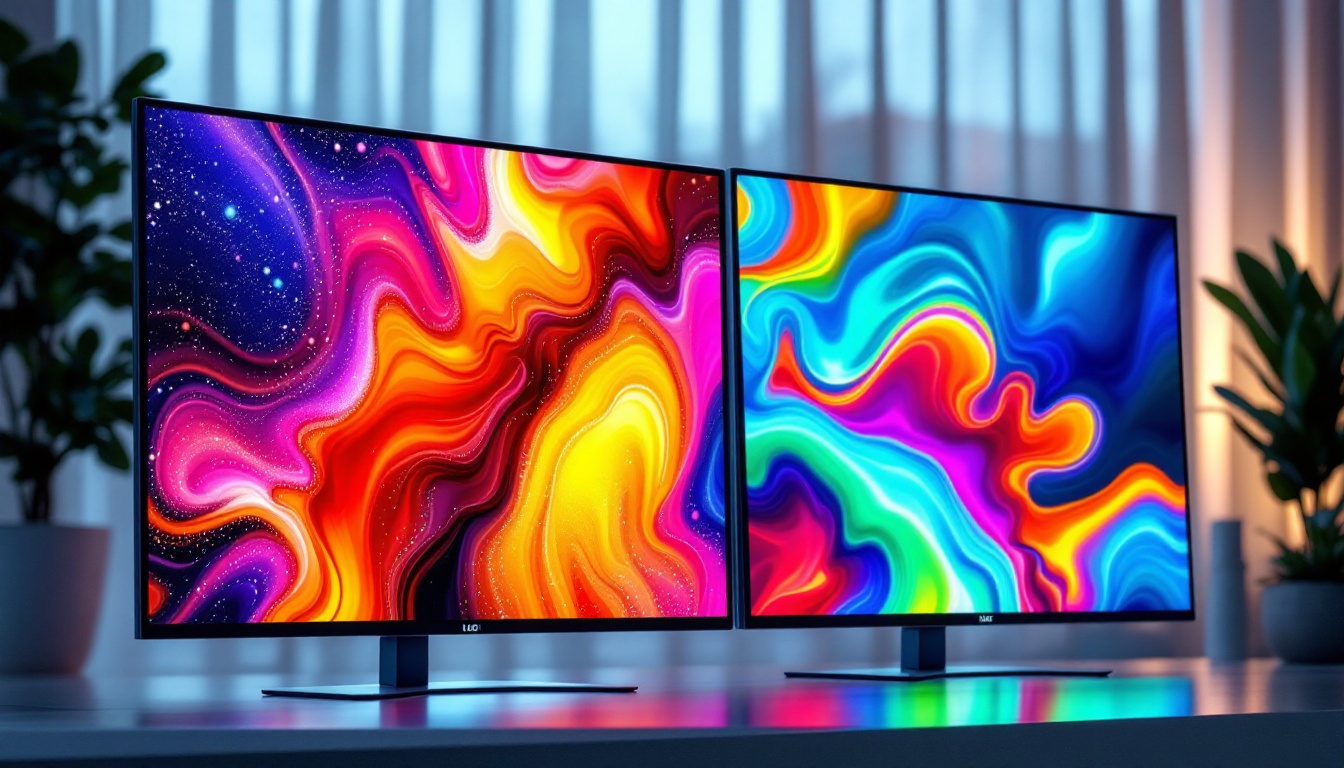
For example, a pixel pitch of 2.5 mm means that the center-to-center distance between two adjacent pixels is 2.5 millimeters. Smaller pitch values indicate pixels are packed more tightly, resulting in higher pixel density and sharper images. This is particularly important in environments where visual clarity is paramount, such as in high-end retail displays or during live events where every detail matters. The choice of pixel pitch can significantly influence the overall viewing experience, making it essential for designers and engineers to consider the specific requirements of their projects.
Why Pixel Pitch Matters
The pixel pitch directly affects the visual quality of an LED display. A smaller pitch means more pixels per unit area, which translates to higher resolution and finer detail. Conversely, a larger pitch results in fewer pixels per area, which can cause images to appear less sharp or pixelated, especially when viewed up close. This relationship is crucial for selecting the right LED display for specific applications. For instance, indoor screens used in conference rooms or retail environments typically require a smaller pitch for close viewing distances, while large outdoor billboards can use a larger pitch since viewers are farther away.
Moreover, the choice of pixel pitch can also impact the cost and energy efficiency of the display. Displays with smaller pixel pitches often require more LEDs and advanced technology to manage the increased pixel density, which can drive up production costs. However, the investment can be justified by the enhanced visual experience and the potential for higher engagement from viewers. Additionally, advancements in LED technology, such as improved energy efficiency and longer lifespans, have made it feasible to use smaller pitches in a wider range of applications, from sports arenas to corporate environments, where visual impact is crucial for communication and branding.
How Pixel Pitch Influences Viewing Experience
Optimal Viewing Distance
One of the most important considerations when choosing an LED display is the optimal viewing distance, which is closely linked to pixel pitch. The general rule of thumb is that the minimum viewing distance should be at least the same as the pixel pitch in millimeters multiplied by 1000. For example, a 2.5 mm pitch display is best viewed from about 2.5 meters (approximately 8 feet) or more.
If viewers stand closer than the recommended distance, individual pixels may become visible, reducing image quality and immersion. Conversely, if the viewing distance is much greater than necessary, a display with a smaller pitch might be an unnecessary expense without noticeable benefits. This balance is crucial for ensuring that the audience enjoys a seamless visual experience, particularly in settings like theaters or large venues where multiple viewers may be positioned at varying distances from the screen.
Additionally, the environment in which the display is placed can also influence the perceived viewing distance. Factors such as ambient lighting, the size of the room, and the arrangement of seating can all play a role in how viewers perceive the image quality. For instance, in a brightly lit space, a larger pitch might be more forgiving, as the light can wash out finer details, making the visibility of individual pixels less of an issue.
Resolution and Image Quality
Pixel pitch also affects the overall resolution of the LED display. A smaller pitch allows for more pixels within the same physical screen size, increasing the resolution and enabling the display of detailed graphics, fine text, and high-definition video content.
For example, a 55-inch LED display with a 1.5 mm pitch will have significantly more pixels than a 55-inch display with a 4 mm pitch. This difference is critical for applications such as control rooms, broadcast studios, or digital signage in retail environments where sharpness and clarity are paramount. In these scenarios, the ability to display intricate details can mean the difference between effective communication and a muddled message that fails to capture the audience’s attention.
Moreover, advancements in technology have made it possible to achieve even finer pixel pitches, pushing the boundaries of resolution further. Displays with pitches as small as 0.9 mm are now available, allowing for ultra-high-definition content that can be viewed up close without any visible pixelation. This is particularly advantageous in environments where viewers might be interacting with the display, such as in interactive kiosks or exhibitions, where clarity and detail enhance user engagement and experience.
Types of LED Display Pitch and Their Applications
Fine Pitch LED Displays
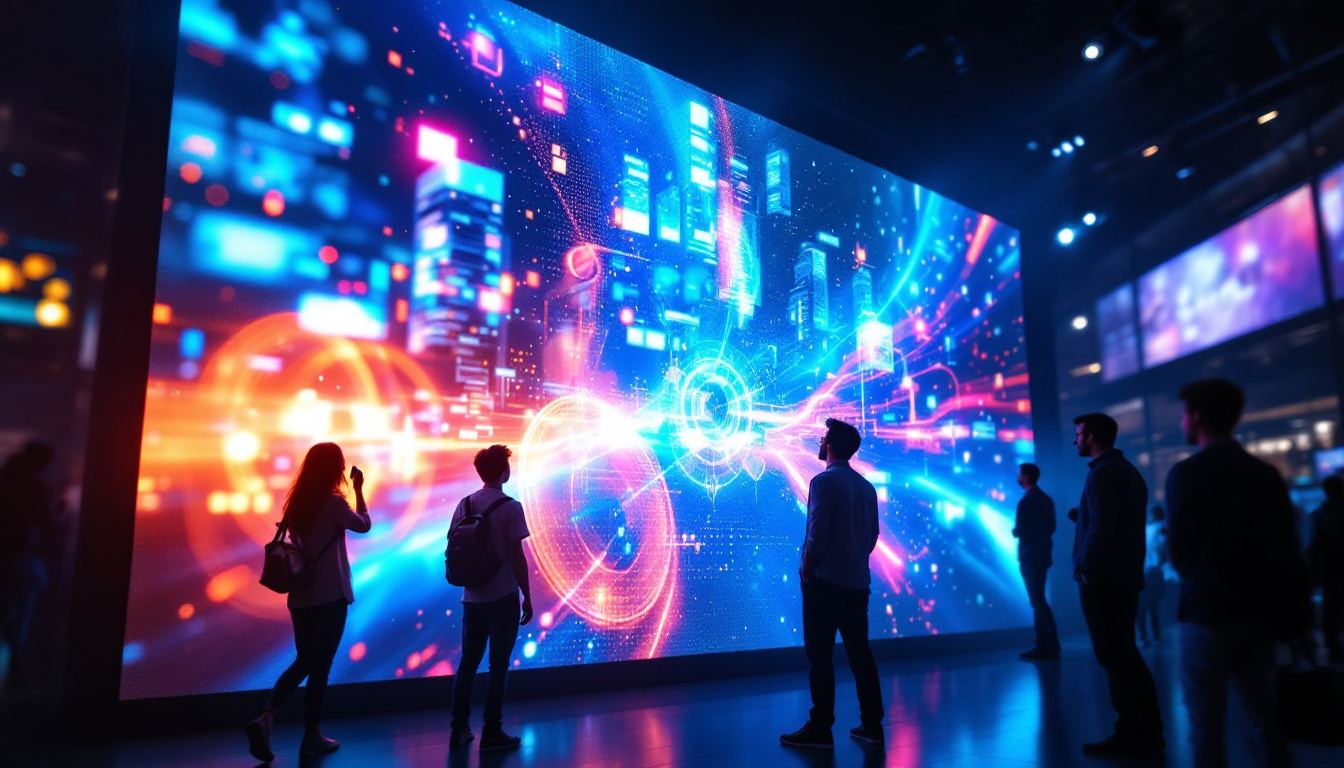
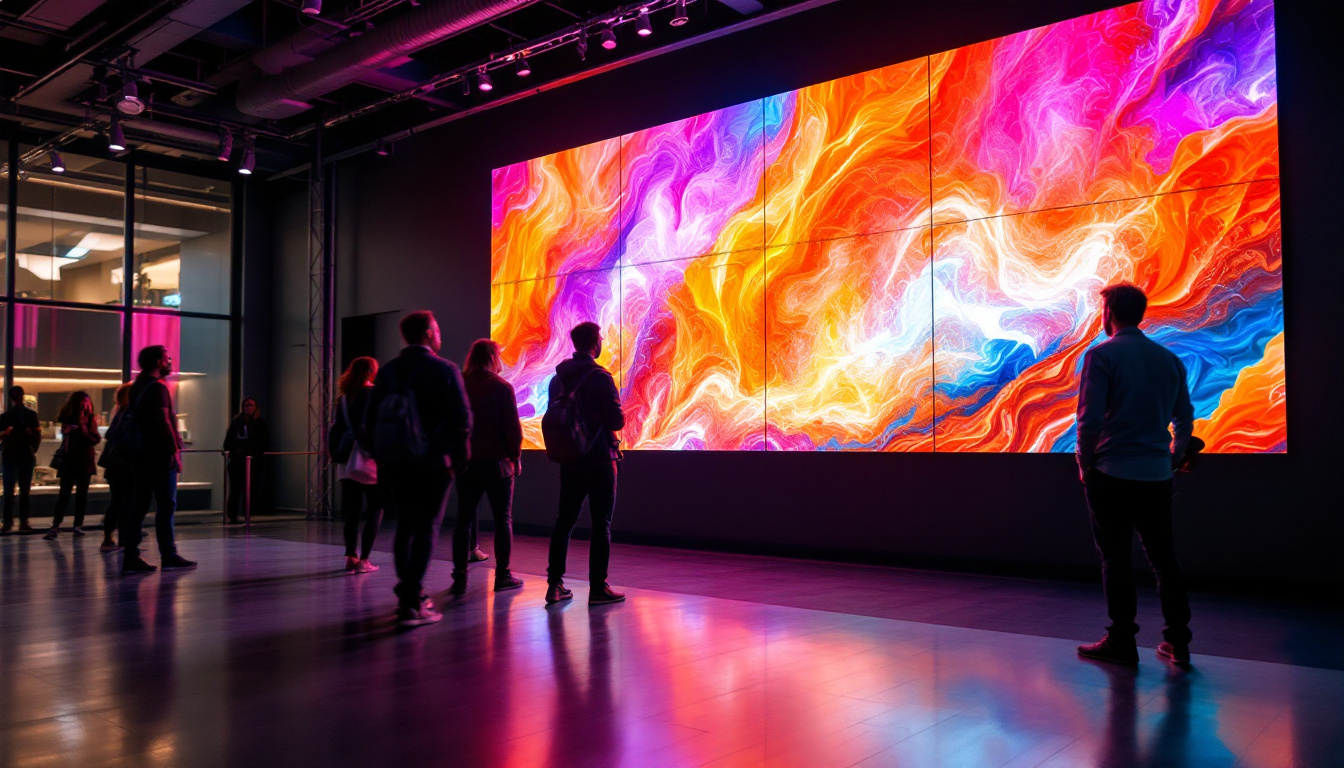
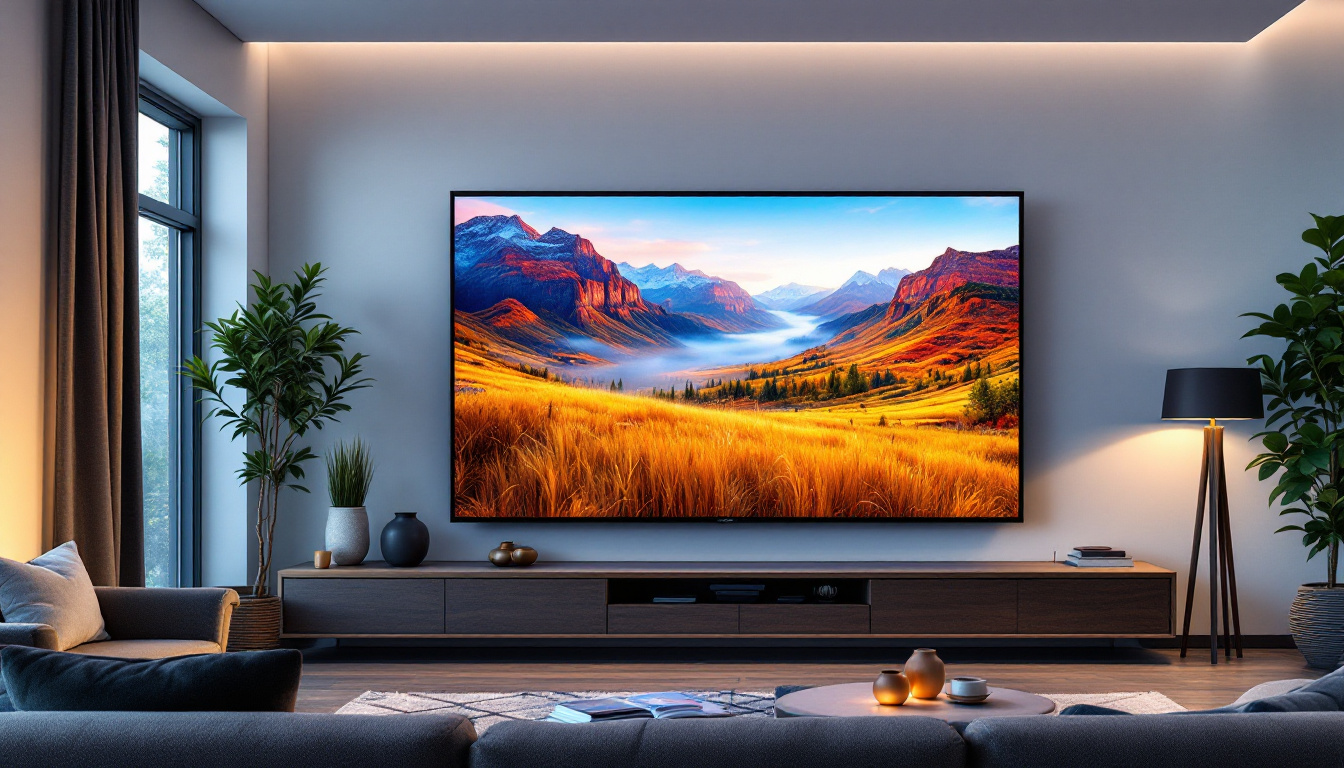
Fine pitch LED displays typically have a pixel pitch ranging from 0.9 mm to 2.5 mm. These displays are designed for indoor use where viewers are close to the screen. The high pixel density provides excellent image quality, making them ideal for corporate presentations, television studios, museums, and high-end retail environments.
Fine pitch LED technology has advanced rapidly in recent years, with manufacturers now offering displays with pitches as low as 0.7 mm. These ultra-fine pitch screens are becoming increasingly popular for applications requiring ultra-high resolution and vibrant color reproduction.
Standard Pitch LED Displays
Standard pitch LED displays usually range between 2.5 mm and 6 mm. These are versatile solutions suitable for both indoor and semi-outdoor environments. They offer a balance between cost and image quality, making them popular for event staging, sports arenas, and medium-distance digital signage.
These displays are often used in concert venues where audio and visual elements must work in harmony. The pitch ensures that visuals remain clear at typical audience distances, complementing the sound system without overwhelming the senses.
Large Pitch LED Displays
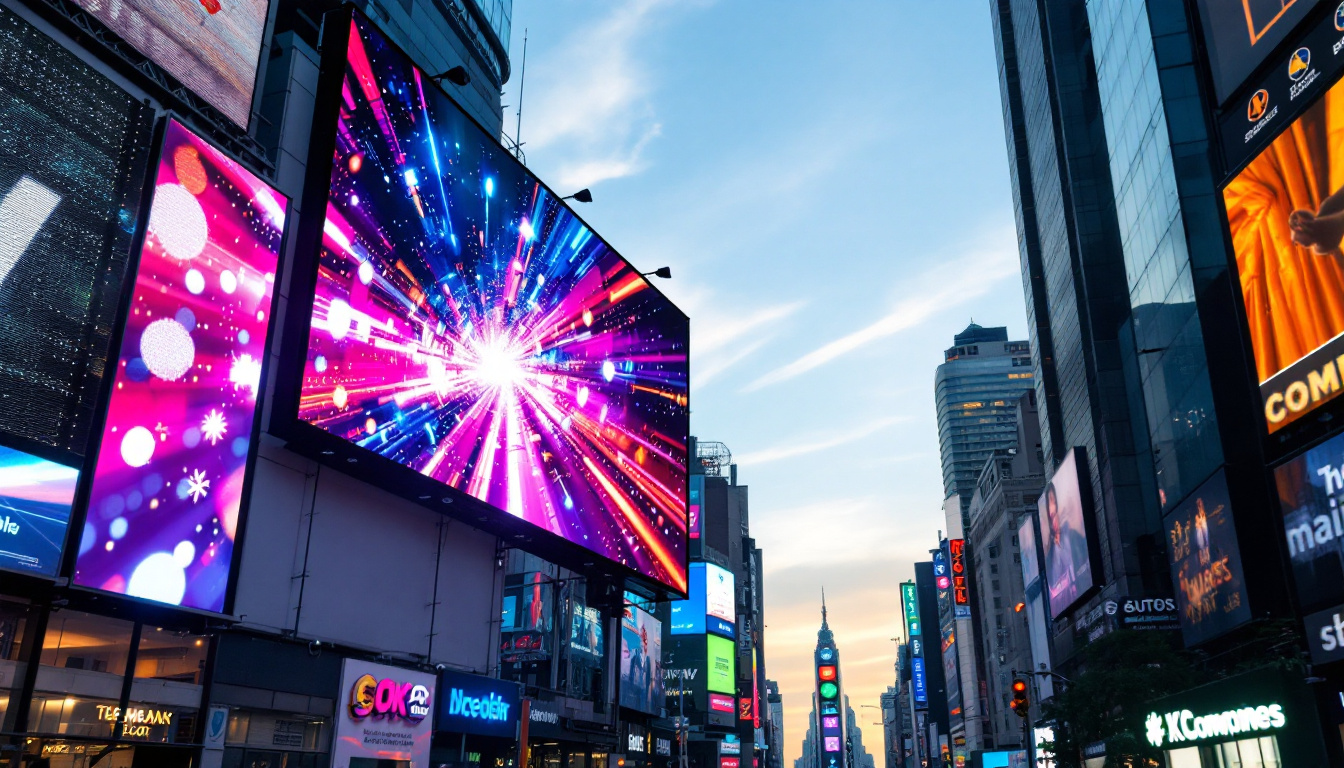
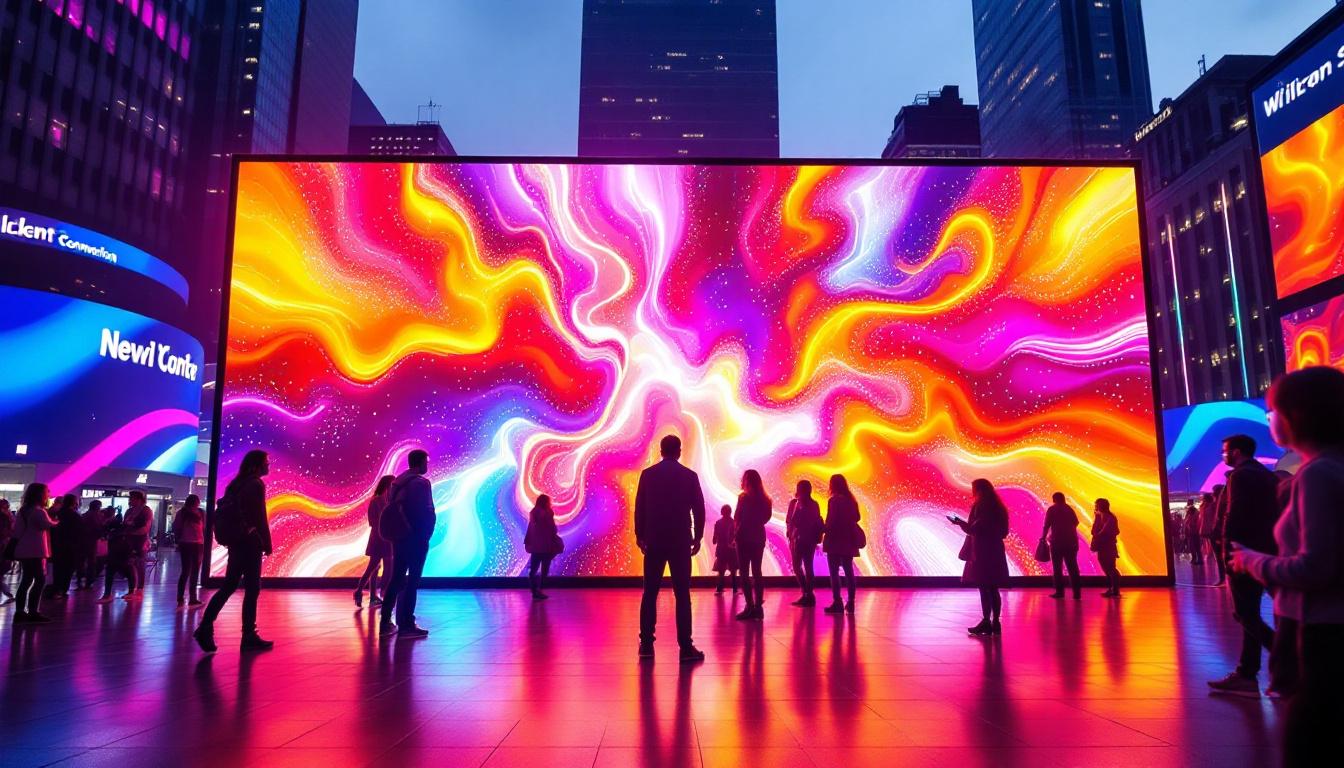
Large pitch LED displays have pixel pitches greater than 6 mm and are primarily used for outdoor applications such as billboards, stadium screens, and transportation hubs. Since these displays are viewed from longer distances, the larger pixel pitch does not compromise perceived image quality.
These displays are designed to withstand harsh weather conditions and high ambient light levels, ensuring visibility even in bright sunlight. Their size and pitch make them cost-effective for large-scale advertising and public information systems.
Audio and LED Displays: Creating a Cohesive Multimedia Experience
Synchronizing Audio Pitch and Visual Pitch
While “pitch” in audio refers to the perceived frequency of sound, in LED displays, it relates to pixel spacing. However, both concepts intersect in multimedia environments where sound and visuals must synchronize seamlessly to create an immersive experience.
For example, in concert productions or live events, the clarity of the LED display complements the audio system’s fidelity. A high-resolution LED screen ensures that visual cues, lyrics, or branding elements are crisp and readable, enhancing audience engagement alongside clear, well-pitched audio.
Importance of Integrated Systems
Modern event production often involves integrating LED displays with advanced audio systems. Technologies like audio-visual (AV) control systems enable precise synchronization between sound and visuals, ensuring that audio pitch changes correspond with visual effects on the LED screen.
Such integration is critical in broadcast studios, live concerts, and corporate events where timing and clarity are paramount. The LED display’s pixel pitch must be chosen to match the venue’s acoustics and audience viewing patterns, creating a harmonious sensory experience.
Choosing the Right LED Display Pitch for Your Needs
Assessing Viewing Distance and Environment
When selecting an LED display, understanding the typical viewing distance is the first step. For close-range applications such as control rooms or retail displays, a fine pitch (below 2.5 mm) is advisable. For medium distances, a standard pitch between 2.5 mm and 6 mm is suitable, while large outdoor displays can use pitches above 6 mm.
Environmental factors such as ambient light, weather exposure, and installation location also influence pitch choice. Outdoor displays require higher brightness and durability, which often correlates with larger pixel pitches.
Budget Considerations
Pixel pitch significantly affects the cost of LED displays. Smaller pitch displays contain more LEDs per square meter, increasing manufacturing complexity and price. Therefore, it’s important to balance image quality requirements with budget constraints.
Investing in the smallest possible pitch is not always necessary or cost-effective. Instead, selecting a pitch that matches the intended use and viewing conditions ensures optimal performance without overspending.
Future-Proofing and Scalability
Technology evolves rapidly, and LED display standards continue to improve. When planning a purchase, consider future needs such as potential changes in venue layout, audience size, or content complexity. Modular LED displays with scalable pixel pitch options can provide flexibility for upgrades or reconfiguration.
Conclusion: Understanding LED Display Pitch for Enhanced Visual Communication
LED display pitch is a fundamental concept that shapes the quality and effectiveness of digital visual communication. By understanding pixel pitch, its impact on resolution, viewing distance, and application suitability, users can make informed decisions that align with their specific needs.
In multimedia environments where audio pitch and LED visual pitch intersect, selecting the right LED display pitch enhances the overall sensory experience, ensuring that sound and visuals work in harmony. Whether for indoor corporate settings, large-scale outdoor advertising, or live event production, mastering the nuances of LED display pitch is key to delivering compelling, clear, and engaging content.
Explore Cutting-Edge LED Display Solutions with LumenMatrix
Ready to take your visual communication to the next level? LumenMatrix is at the forefront of LED display innovation, offering a wide range of solutions tailored to your needs. From captivating Indoor LED Wall Displays to dynamic Outdoor LED Wall Displays, and from versatile Vehicle LED Displays to sleek LED Poster Displays, our technology is designed to make your brand stand out. Discover the power of LED Sports Displays, immersive Floor LED Displays, and the customization possibilities with Custom LED Displays. Embrace the future with our All-in-One LED Display and LED Transparent Display options. Elevate your audience’s experience and share your message with unparalleled clarity. Check out LumenMatrix LED Display Solutions today and revolutionize your visual engagement.