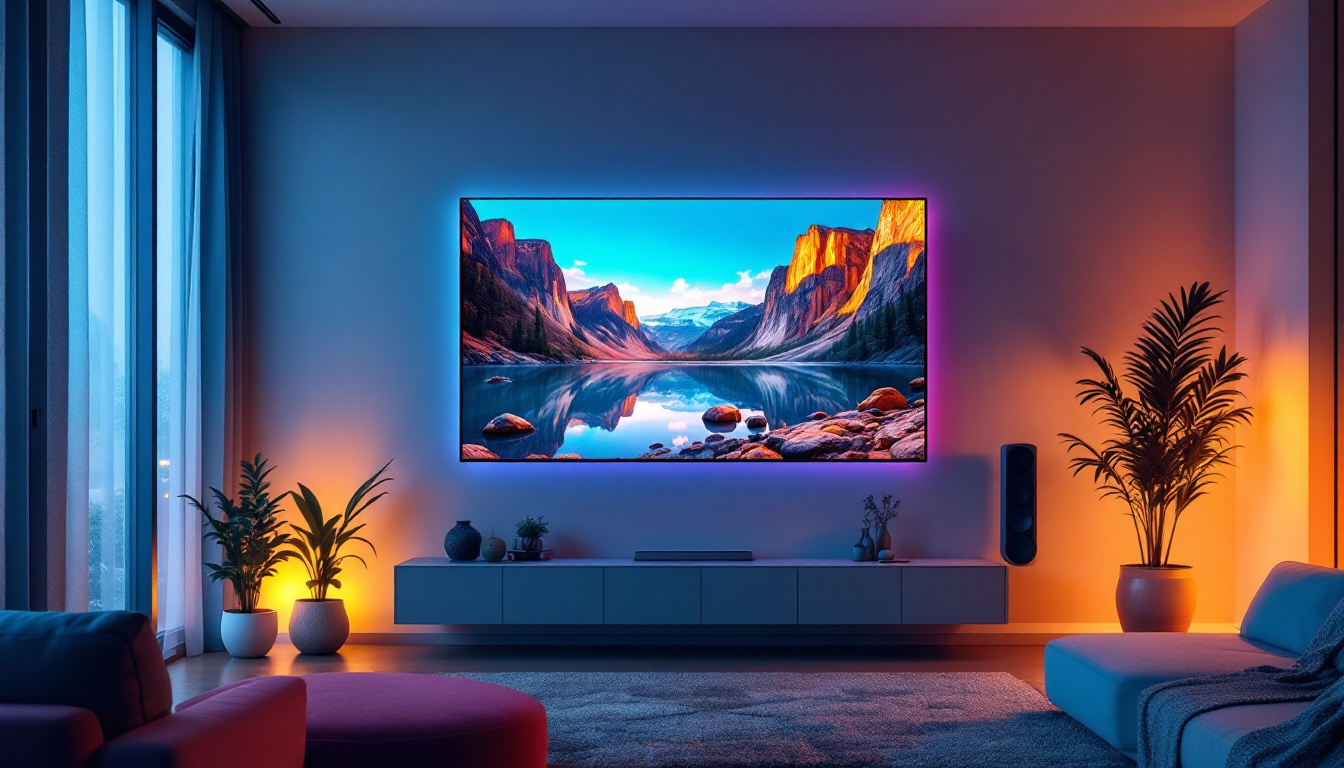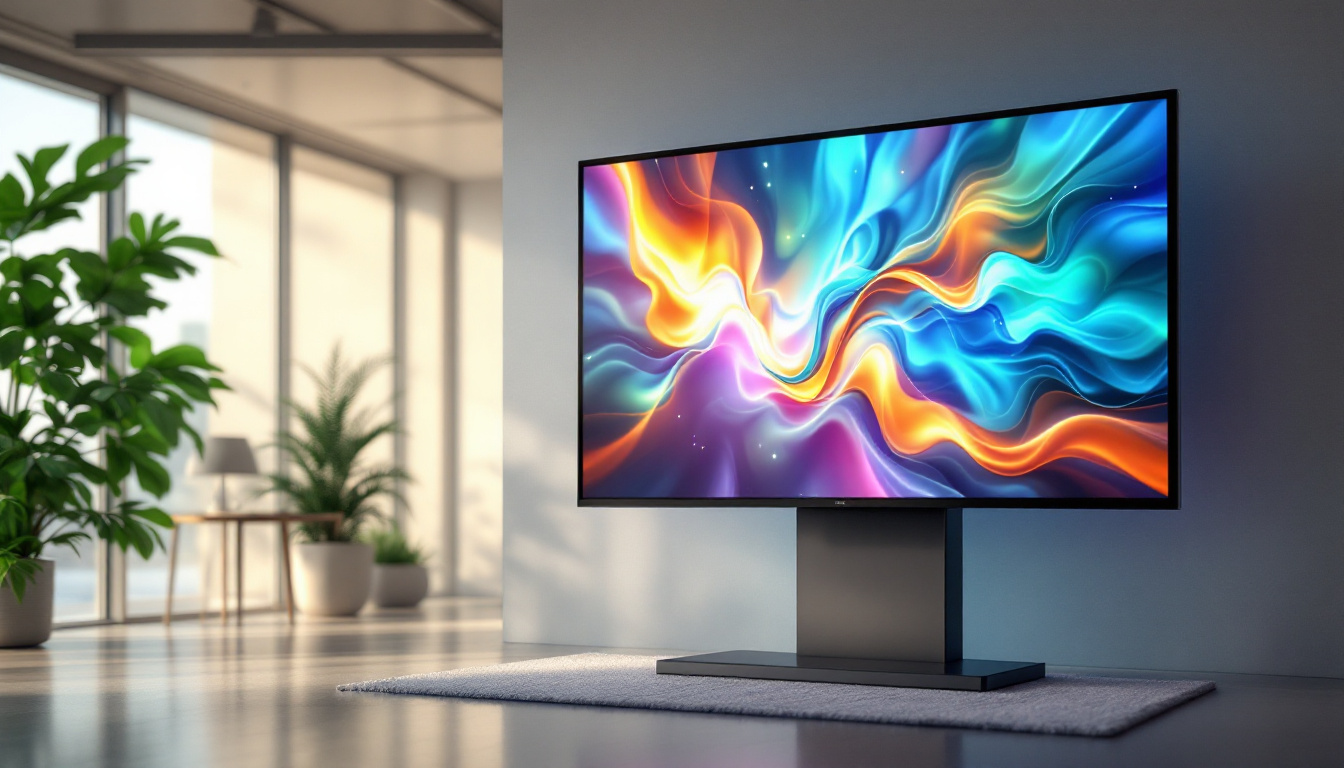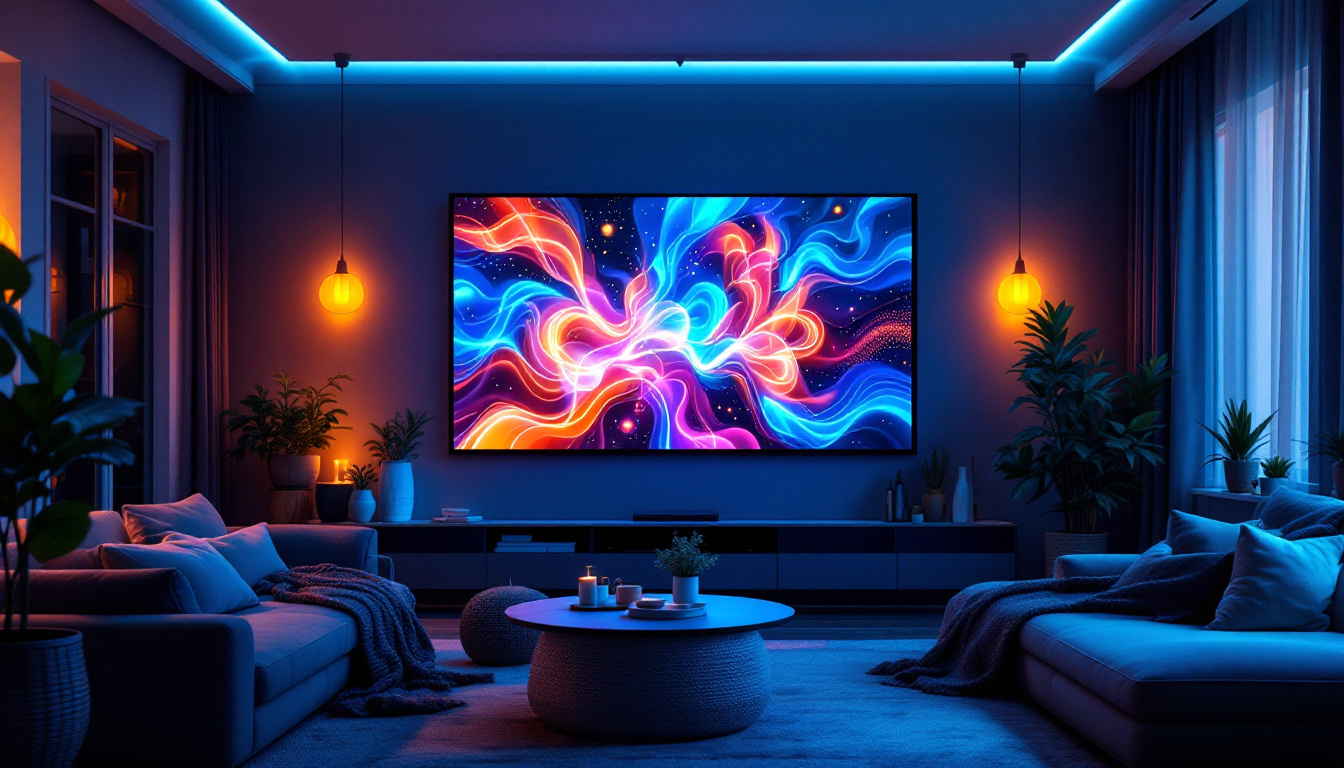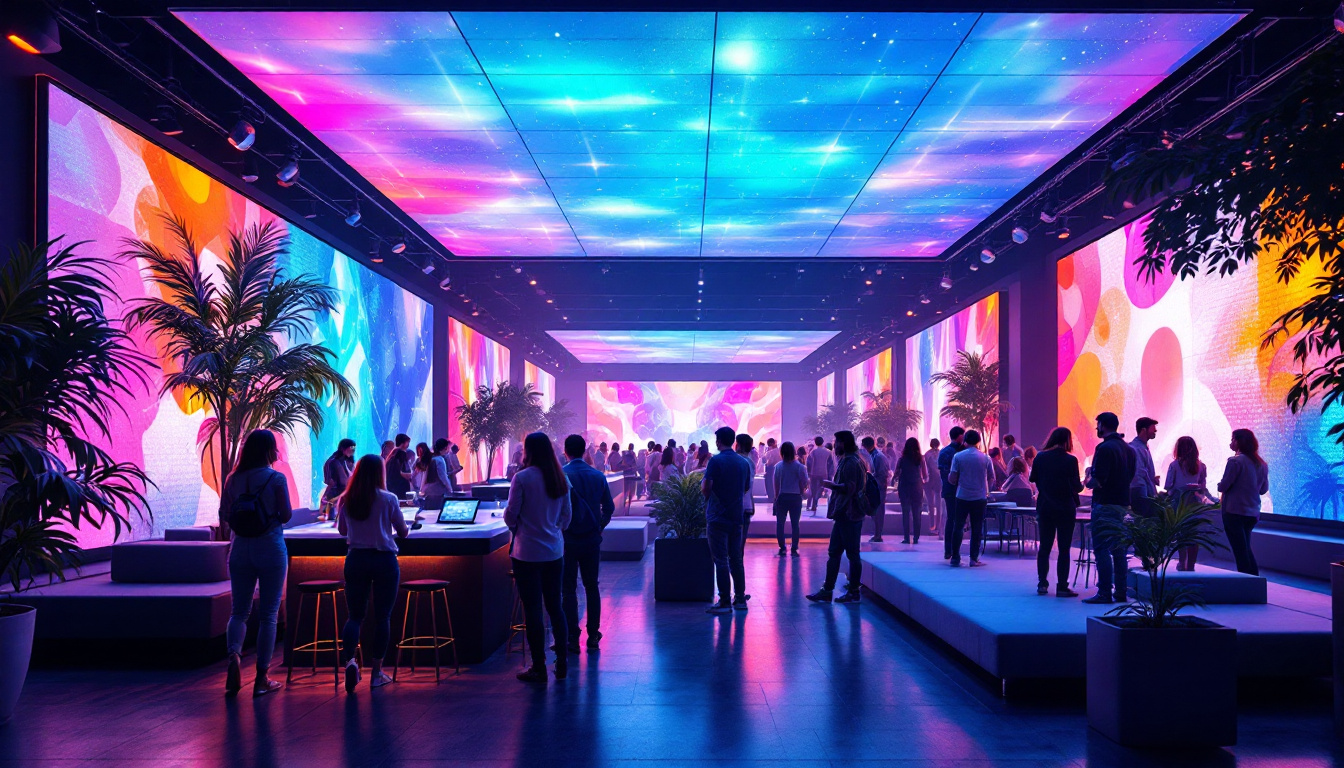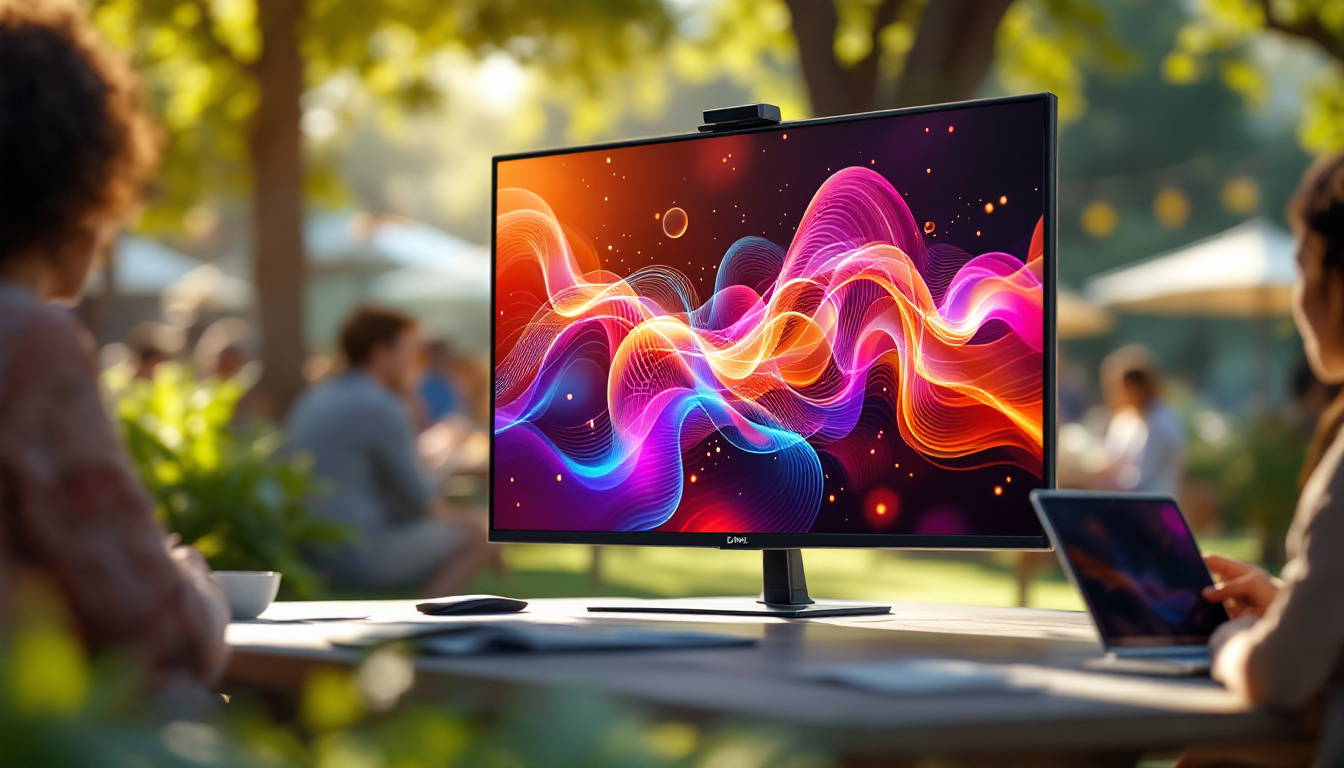
In today’s fast-evolving audiovisual landscape, LED displays have become a cornerstone technology for delivering vivid, dynamic visual content across a broad range of applications. From massive outdoor billboards to intimate indoor digital signage, LED displays offer unmatched brightness, versatility, and energy efficiency. This article dives deep into the world of LED displays, explaining their technology, types, benefits, and practical uses to help you understand why they are increasingly the preferred choice for audiovisual professionals and businesses alike.
Understanding LED Display Technology
At its core, an LED display is a flat panel screen that uses light-emitting diodes (LEDs) as pixels to produce images and videos. Unlike traditional LCD or plasma screens, which rely on backlighting or gas plasma cells, LED displays emit light directly from each diode, resulting in higher brightness and better contrast ratios. This direct emission also contributes to lower energy consumption, making LED displays an environmentally friendly option compared to their predecessors. As technology advances, the efficiency of these displays continues to improve, allowing for even brighter screens with less power usage.
The basic building block of an LED display is the LED pixel, which typically consists of three sub-pixels: red, green, and blue. By adjusting the intensity of each sub-pixel, the display can render a full spectrum of colors. This direct emission of light allows LED displays to produce vibrant colors and deep blacks, making them ideal for environments with varying lighting conditions. Additionally, the ability to achieve high dynamic range (HDR) enhances the viewing experience by providing more detail in both the brightest and darkest parts of an image, which is particularly beneficial for cinematic presentations and gaming.
How LEDs Work in Displays
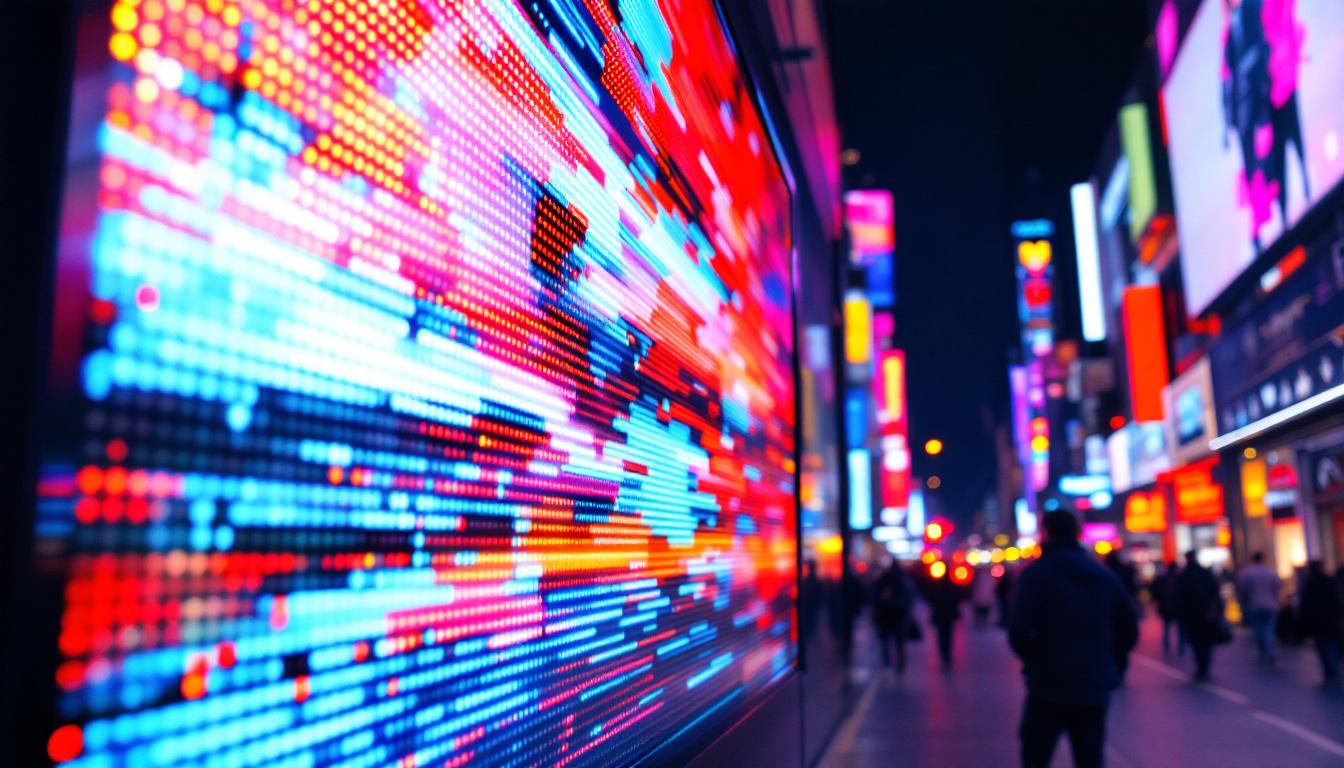
LEDs are semiconductor devices that emit light when an electric current passes through them. In a display setting, thousands to millions of these tiny LEDs are arranged in a matrix to form the screen. Each LED acts as an individual pixel, and by controlling the brightness of each pixel, the display can render detailed images and video content. This technology allows for rapid refresh rates, which is crucial for smooth motion in fast-paced video games and action films, providing an immersive viewing experience.
Modern LED displays use surface-mount device (SMD) technology, where red, green, and blue LEDs are packaged together in a single module. This design allows for higher pixel density and better color uniformity, essential for high-resolution displays. Furthermore, advancements in LED technology have led to the development of organic light-emitting diodes (OLEDs), which offer even greater flexibility in design and performance. OLED displays can be made thinner and more flexible than traditional LED displays, paving the way for innovative applications such as curved screens and foldable devices. As the market continues to evolve, the competition between LED and OLED technologies is driving innovation and pushing the boundaries of what is possible in display technology.
Types of LED Displays
LED displays come in various forms, each tailored to specific use cases and environments. Understanding the different types helps in selecting the right display for your needs.
Indoor LED Displays
Indoor LED displays are designed for use in controlled lighting environments such as conference rooms, shopping malls, airports, and retail stores. They typically have a smaller pixel pitch, meaning the LEDs are packed closer together, which results in higher resolution and sharper images when viewed up close.
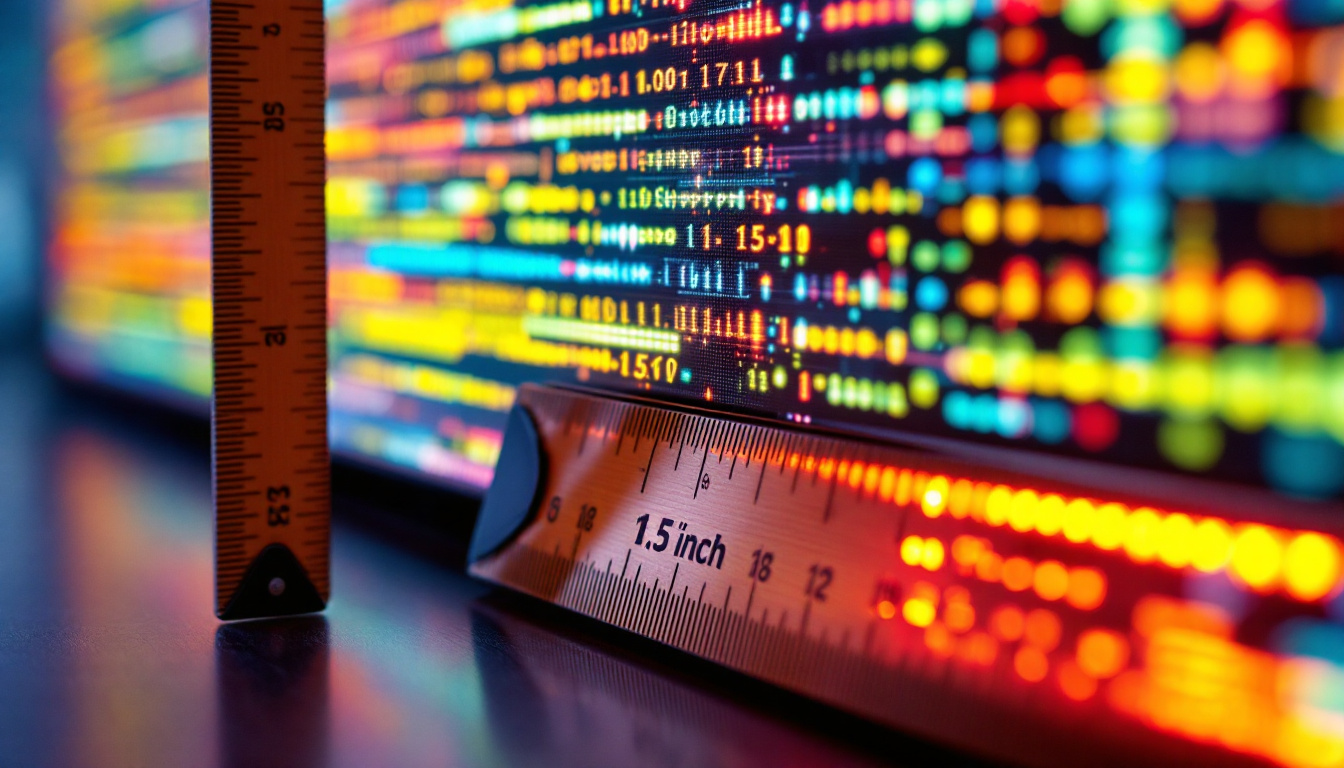
Pixel pitch is a critical specification for indoor displays. For example, a 1.5mm pixel pitch means the center-to-center distance between two adjacent LEDs is 1.5 millimeters. Smaller pixel pitches allow for more detailed images but increase the cost.
Outdoor LED Displays
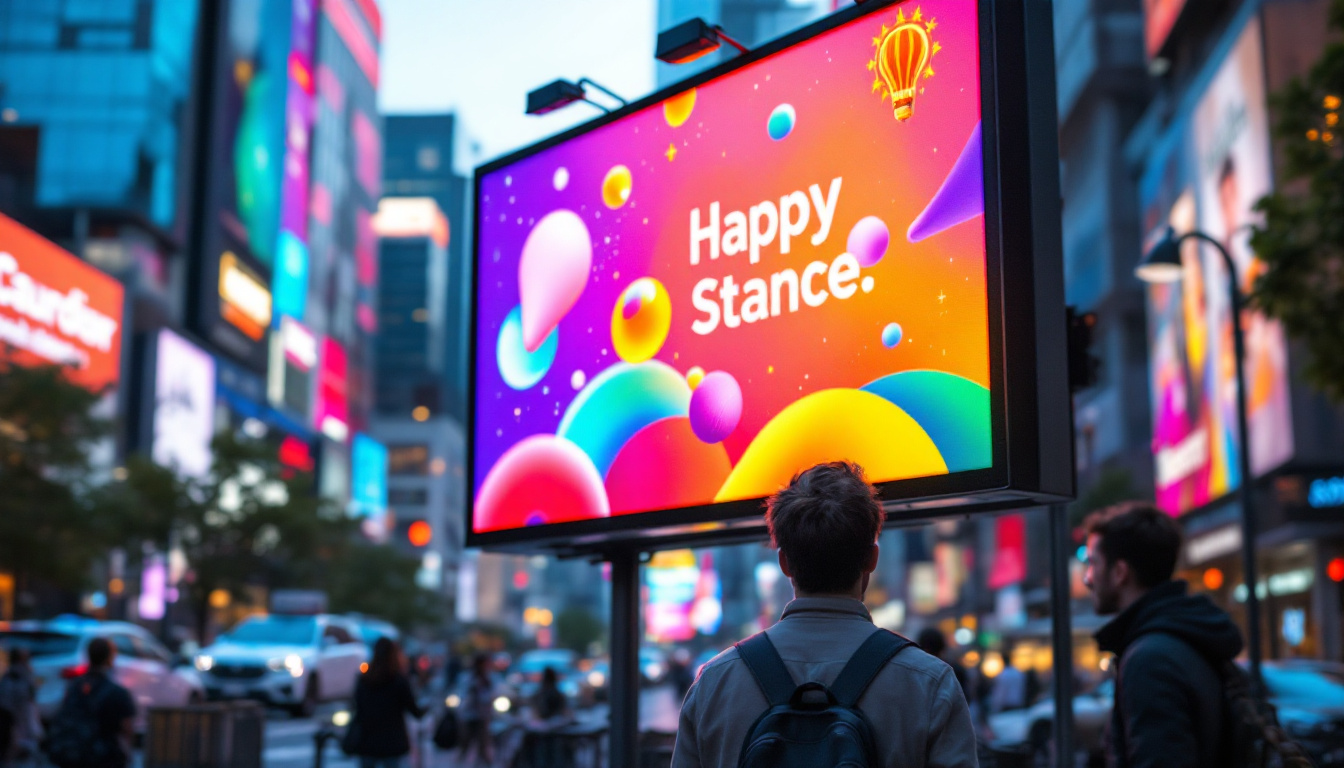
Outdoor LED displays are built to withstand harsh weather conditions, including rain, wind, and extreme temperatures. They feature higher brightness levels, often exceeding 5,000 nits, to ensure visibility even in direct sunlight.
Due to the typical viewing distances outdoors, outdoor LED displays usually have larger pixel pitches, ranging from 4mm to 20mm or more. This allows for cost savings while still delivering clear images from afar. Examples include digital billboards, stadium screens, and transportation hubs.
Transparent and Flexible LED Displays
Innovations in LED technology have led to the development of transparent LED displays, which can be installed on glass surfaces without obstructing the view. These are popular in retail storefronts and architectural installations, allowing for eye-catching visuals while maintaining natural light and visibility.
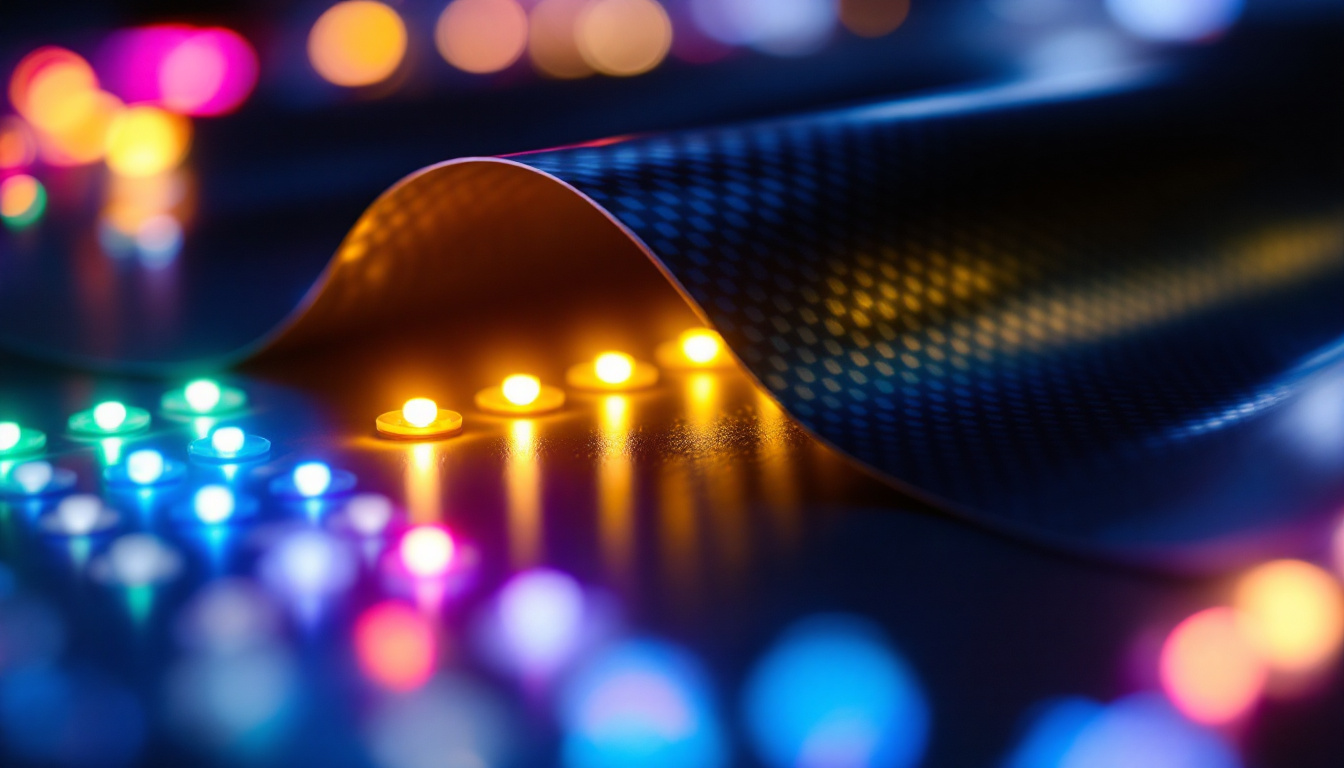
Flexible LED displays, on the other hand, use bendable substrates that enable curved or irregularly shaped screens. These are increasingly used in creative advertising and immersive environments, offering unique design possibilities.
Key Benefits of LED Displays
LED displays offer several advantages over other display technologies, making them a preferred choice for many applications.
Superior Brightness and Visibility
One of the most significant benefits of LED displays is their brightness. LEDs can achieve luminance levels far beyond those of LCD or OLED screens, often reaching up to 10,000 nits in high-end outdoor models. This makes LED displays highly visible in bright daylight conditions, a crucial factor for outdoor advertising and public information displays.
Energy Efficiency and Longevity
LEDs are inherently energy-efficient compared to traditional lighting and display technologies. They consume less power while providing higher brightness, which translates into lower operating costs. Additionally, LED displays typically have a lifespan of 50,000 to 100,000 hours, reducing maintenance and replacement expenses.
Flexible Size and Scalability
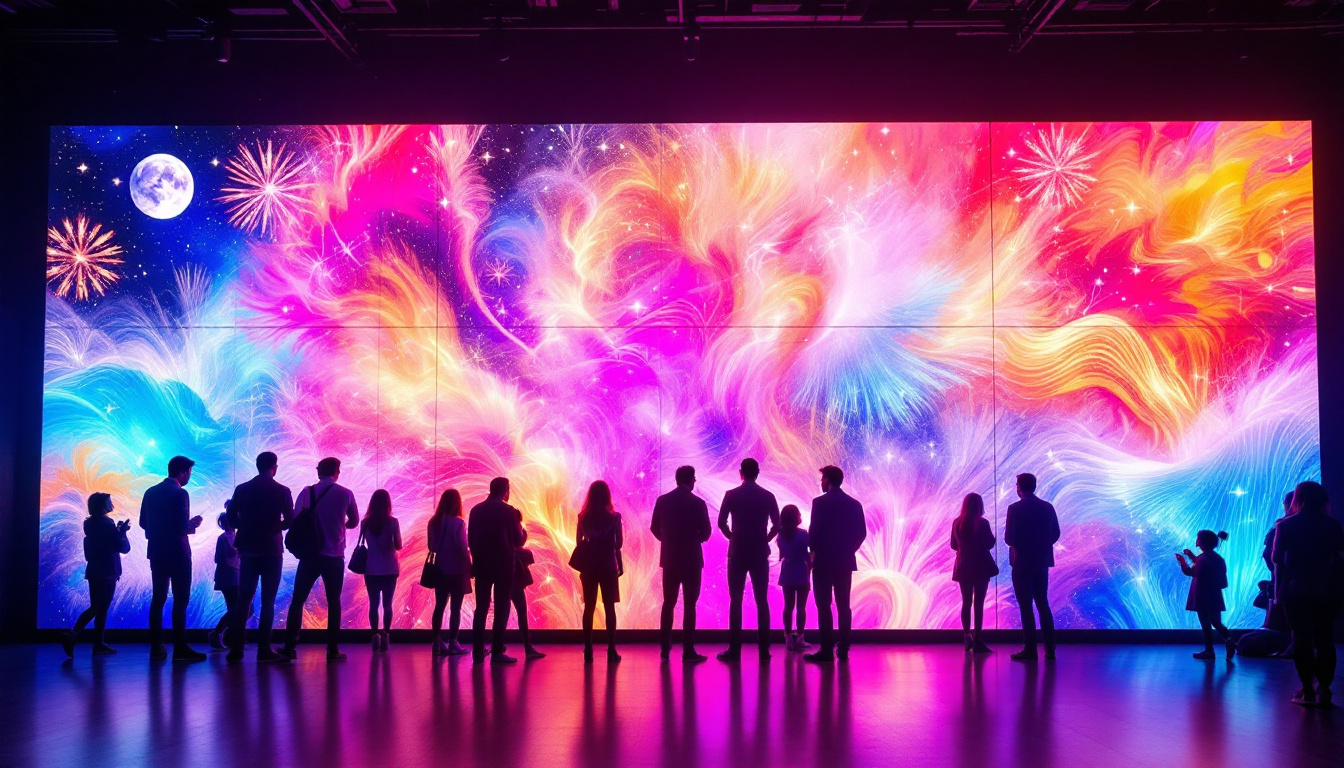
LED displays can be manufactured in virtually any size or shape by combining multiple modules seamlessly. This scalability allows for massive video walls or custom installations tailored to specific spaces. Whether it’s a small retail sign or a giant stadium screen, LED technology can accommodate the demand.
High Refresh Rates and Color Accuracy
Modern LED displays support high refresh rates, often exceeding 1,000 Hz, which ensures smooth motion rendering without flicker. This is particularly important for live events, sports broadcasts, and interactive applications. Furthermore, advanced calibration techniques enable precise color reproduction, enhancing the viewing experience.
Applications of LED Displays in Various Industries
The versatility of LED displays has led to widespread adoption across numerous sectors. Here are some of the most prominent applications:
Advertising and Digital Signage
Outdoor billboards and indoor digital signage are among the most common uses of LED displays. Their brightness, durability, and ability to display dynamic content make them ideal for advertising campaigns that demand attention. According to recent market reports, the global digital signage market is expected to grow at a CAGR of over 8% through 2028, driven largely by LED technology advancements.
Sports and Entertainment Venues
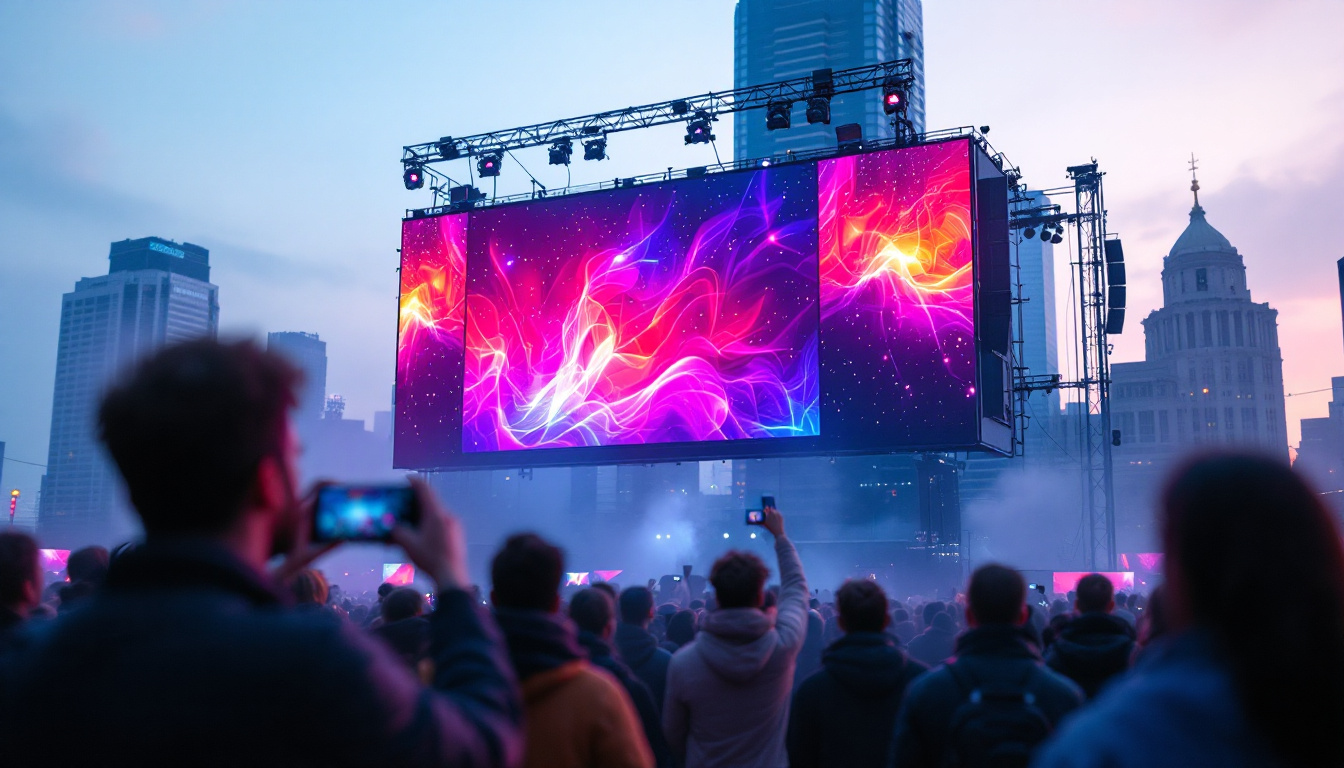
Stadiums and arenas use large-scale LED video walls to enhance the spectator experience, providing live game footage, replays, and interactive content. LED displays are also integral to concerts and theatrical productions, where they serve as immersive backdrops and visual effects.
Corporate and Educational Settings
In corporate environments, LED displays are used for presentations, video conferencing, and digital notice boards. Educational institutions leverage LED technology for interactive learning displays and campus information systems, improving engagement and communication.
Transportation and Public Information
Airports, train stations, and bus terminals employ LED displays to provide real-time schedules, alerts, and wayfinding information. Their high visibility and reliability are essential in these fast-paced environments.
Choosing the Right LED Display: Factors to Consider
Selecting the appropriate LED display requires careful consideration of several factors to ensure optimal performance and return on investment.
Pixel Pitch and Resolution
The pixel pitch determines the display’s resolution and viewing distance. For close-up viewing, such as indoor retail signage, a smaller pixel pitch (1-2mm) is necessary for sharp images. For large outdoor displays viewed from a distance, a larger pixel pitch (10mm or more) is sufficient and more cost-effective.
Brightness and Environmental Suitability
Outdoor displays must have high brightness levels and weatherproofing to withstand environmental challenges. Indoor displays, while less bright, should offer excellent color accuracy and contrast to perform well under artificial lighting.
Installation and Maintenance
Modular LED panels simplify installation and maintenance by allowing easy replacement of faulty sections. Consider the ease of access and serviceability when planning your display setup.
Budget and Total Cost of Ownership
While LED displays can be more expensive upfront compared to other technologies, their energy efficiency, durability, and low maintenance costs often result in a lower total cost of ownership over time.
Future Trends in LED Display Technology
The LED display industry continues to innovate, driven by demands for higher resolution, greater flexibility, and smarter integration.
MicroLED and MiniLED Advances
MicroLED technology, which uses even smaller LEDs than traditional SMDs, promises ultra-high resolution and improved energy efficiency. Although still emerging, MicroLED displays are expected to revolutionize premium TVs and mobile devices in the coming years.
Integration with IoT and AI
Smart LED displays integrated with Internet of Things (IoT) sensors and artificial intelligence (AI) can deliver personalized content, optimize energy use, and provide real-time analytics. This integration enhances the effectiveness of digital signage and interactive installations.
Environmental Sustainability
Manufacturers are increasingly focusing on eco-friendly materials and recycling programs to reduce the environmental impact of LED displays. Energy-efficient designs and longer lifespans also contribute to sustainability goals.
Conclusion
LED displays have transformed the audiovisual industry by offering unparalleled brightness, flexibility, and durability. Their ability to deliver vibrant, dynamic content in diverse environments makes them indispensable for advertising, entertainment, corporate communication, and public information. Understanding the technology, types, and key considerations can help businesses and professionals make informed decisions when investing in LED display solutions. As innovations like MicroLED and AI integration continue to evolve, LED displays will remain at the forefront of visual communication for years to come.
Discover LumenMatrix LED Display Solutions
Ready to elevate your visual communication with cutting-edge LED technology? LumenMatrix is at the forefront of innovation, offering a diverse range of LED display modules designed to captivate and engage your audience. Whether you need an Indoor LED Wall Display for your corporate space, an Outdoor LED Wall Display for impactful advertising, or any of our specialized solutions like Vehicle LED Displays, LED Sports Displays, or Custom LED Displays, we have you covered. Experience the future of dynamic visual storytelling with LumenMatrix. Check out LumenMatrix LED Display Solutions today and see how we can transform your message into an unforgettable visual experience.