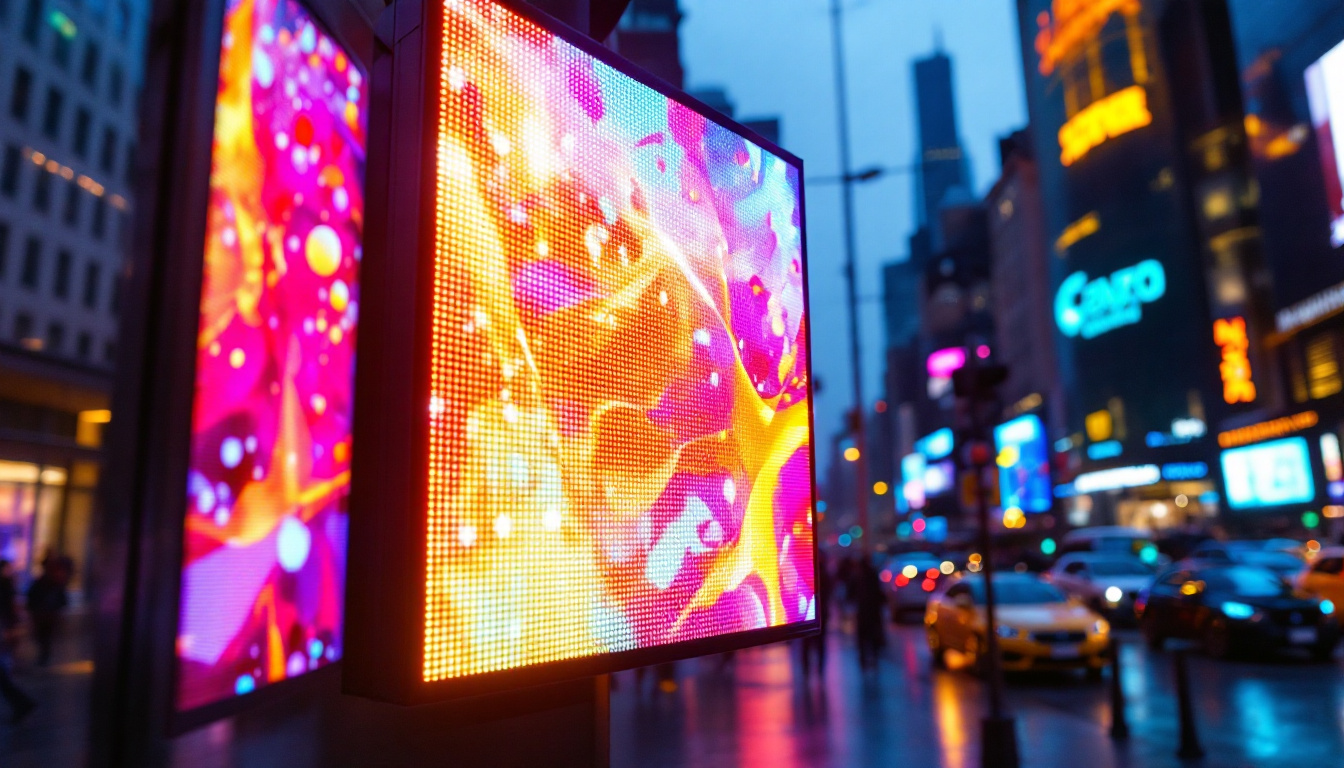
LED displays have revolutionized the way information and visuals are presented in public spaces, advertising, entertainment, and even corporate environments. Among the many technical aspects that influence the quality and functionality of LED screens, the concept of the “bezel block” plays a crucial role. Understanding bezel blocks is essential for anyone involved in the design, installation, or maintenance of LED displays, as well as for end-users who want to grasp why certain displays look and perform better than others.
What is a Bezel Block in LED Displays?
In the context of LED displays, a bezel block refers to the physical frame or border that surrounds each individual LED module or panel within a larger screen assembly. These modules are tiled together to create a seamless, large-format display. The bezel block is the material—usually plastic or metal—that forms the edge of each module.
Historically, bezels were necessary to protect the delicate LED components and provide structural support. However, they also created visible gaps or borders between modules, which could interrupt the visual continuity of the displayed image. This led to the term “bezel block,” referring to the visual disruption caused by these borders.
Modern LED display technology has made significant advances in minimizing bezel size, but the concept remains relevant because the bezel block impacts the overall viewing experience, especially in video walls or large-scale installations. As manufacturers strive for a more immersive experience, innovations such as ultra-narrow bezels have emerged, allowing for nearly seamless displays that enhance the viewer’s engagement with the content.
Why Bezel Blocks Matter
The presence and size of bezel blocks affect several key aspects of LED display performance:
- Visual Continuity: Larger bezels create visible lines that break up the image, which can be distracting, especially for video content or high-resolution graphics.
- Installation Flexibility: Smaller bezels allow for tighter module alignment, enabling larger, more immersive displays without obvious seams.
- Maintenance and Durability: Bezel blocks provide protection for the delicate LEDs and circuitry, which is critical in outdoor or high-traffic environments.
Furthermore, the design and material of bezel blocks can also influence the thermal management of LED displays. Efficient heat dissipation is crucial for maintaining optimal performance and longevity of the LEDs. Manufacturers are now exploring materials that not only offer structural integrity but also enhance thermal conductivity, ensuring that the display operates within safe temperature ranges. This is particularly important in environments where displays are subjected to high ambient temperatures or direct sunlight.
Additionally, the aesthetic aspect of bezel blocks cannot be overlooked. In environments such as retail spaces, museums, or corporate settings, the visual appeal of the display is paramount. A sleek, minimal bezel can elevate the overall design of the installation, making it more attractive to viewers and enhancing the branding experience. As a result, the choice of bezel design often reflects the intended use of the display, balancing functionality with visual elegance.
Types of Bezel Blocks and Their Impact on LED Display Quality
Bezel blocks vary depending on the design and intended use of the LED display. Understanding the different types helps in selecting the right display technology for specific applications.
Traditional Bezel Blocks
Traditional LED modules often feature bezels ranging from 5mm to 15mm or more. These bezels are typically made of plastic or metal and serve as the frame for each module. While robust and easy to manufacture, traditional bezels create visible gaps when modules are tiled together.
For example, in a video wall composed of 3×3 modules, a 10mm bezel on each module results in noticeable grid lines that can disrupt the viewing experience. This is particularly problematic for applications where image continuity is critical, such as control rooms, broadcast studios, or high-end retail displays.
Ultra-Narrow Bezel Blocks
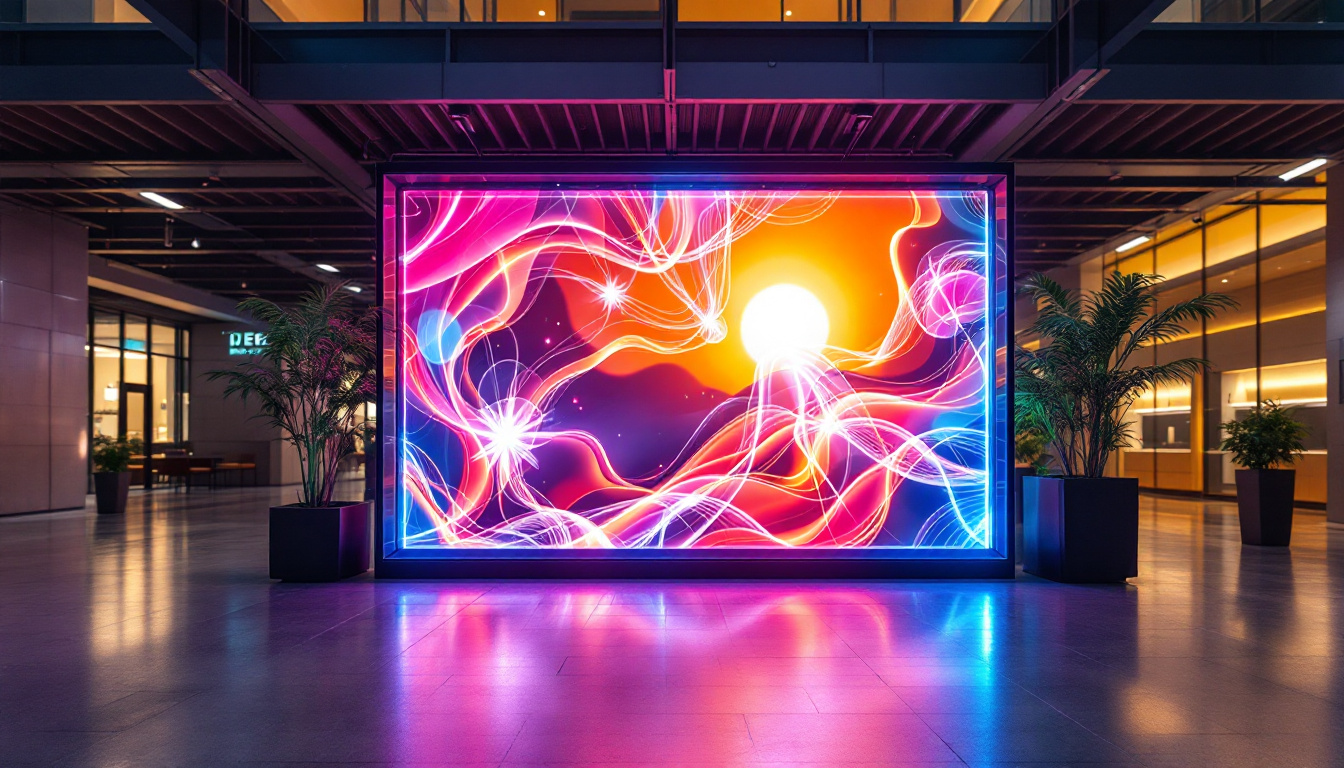
Advances in manufacturing have led to ultra-narrow bezel designs, often less than 3mm. These bezels allow modules to be placed very close together, minimizing the visual interruption between screens. Some manufacturers offer “zero-bezel” or “bezel-less” designs, where the bezel is virtually invisible when modules are joined.
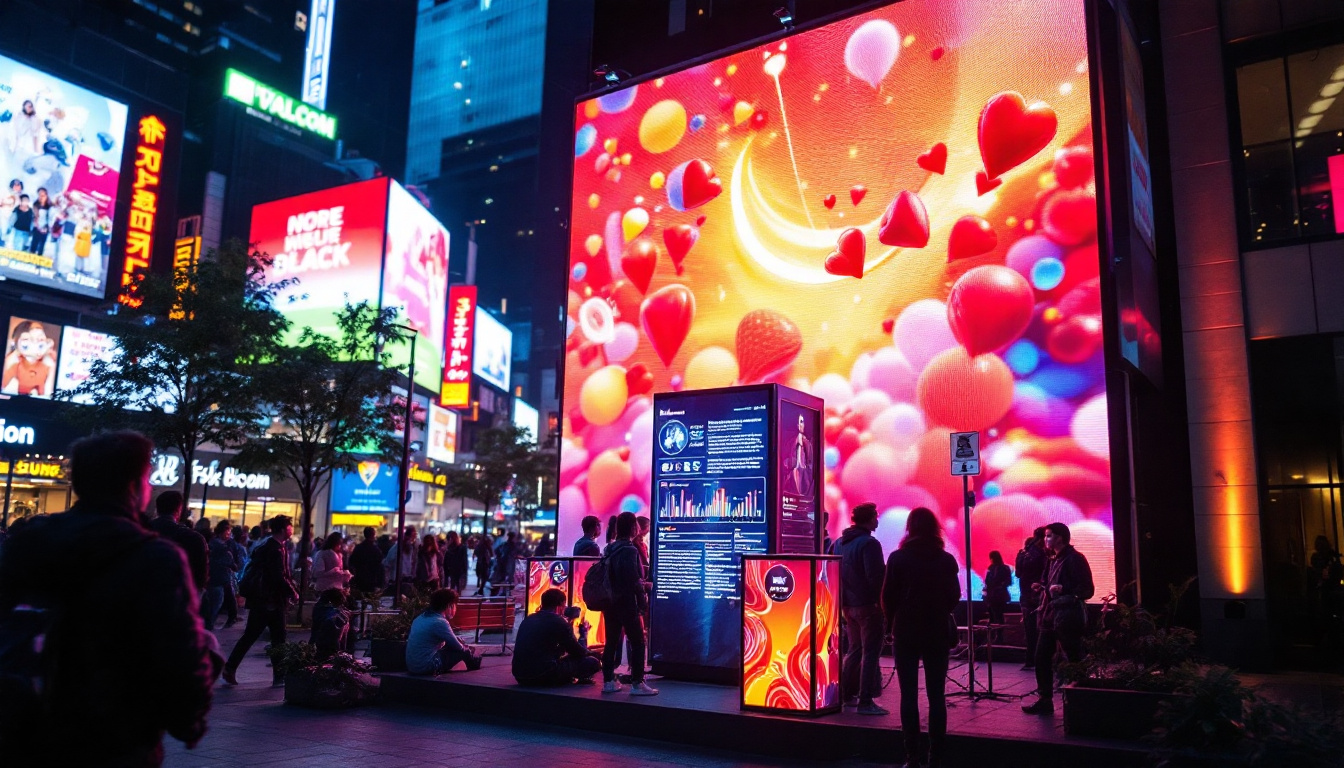
Ultra-narrow bezels are ideal for environments that demand seamless image presentation, such as large-scale advertising billboards, concert backdrops, and immersive digital signage. For instance, a recent study by the Digital Signage Federation found that displays with narrow bezels increased viewer engagement by up to 30% compared to those with traditional bezels.
Flexible and Curved Bezel Blocks
Innovations in LED technology have also introduced flexible modules with specialized bezel blocks that allow for curved or cylindrical installations. These bezel blocks are designed to accommodate bending without compromising the integrity of the display.
Such bezel designs are increasingly popular in architectural applications where the LED display must conform to non-flat surfaces, such as building facades or interior columns. The bezel block in these cases is engineered to maintain a consistent pixel pitch and image quality despite the curvature.
How Bezel Blocks Influence LED Display Design and Installation
The choice of bezel block affects not only the visual quality but also the practical aspects of LED display design and installation.
Modular Assembly and Scalability
LED displays are often constructed from multiple modules to achieve the desired size and resolution. Bezel blocks determine how closely these modules can be placed together, influencing the overall dimensions and scalability of the display.
For example, a display designed for a large sports arena might use modules with ultra-narrow bezels to create a massive screen with minimal visual disruption. Conversely, a smaller retail display might prioritize durability over bezel size, opting for slightly larger bezel blocks to protect the modules.
Alignment and Calibration Challenges
Bezel blocks introduce challenges in aligning modules perfectly. Even with narrow bezels, slight misalignments can cause visible seams or color inconsistencies. Professional installation teams use precision tools and software calibration to mitigate these issues.
Furthermore, bezel blocks can affect the calibration of brightness and color uniformity across the display. Manufacturers often provide specialized calibration protocols to ensure that the visual output is consistent despite the physical separations caused by bezels.
Maintenance and Repair Considerations
Bezel blocks play a role in how easily individual modules can be serviced or replaced. Larger bezels may facilitate easier handling and removal of modules, while ultra-narrow bezels require more delicate procedures.
In high-usage environments such as transportation hubs or outdoor advertising, the durability of bezel blocks can impact the longevity and maintenance costs of the display. Protective bezels help shield the LEDs from physical damage, dust, and moisture.
Technological Trends Shaping Bezel Block Development
The LED display industry is continuously evolving, and bezel block design is a key area of innovation.
MicroLED and the Push Toward Seamless Displays
MicroLED technology, which uses microscopic LEDs to create displays, promises to reduce bezel size even further. Because MicroLED modules can be made smaller and more flexible, bezel blocks can be minimized or eliminated, enabling truly seamless video walls.
Companies investing in MicroLED research envision large-scale displays that appear as a single, uninterrupted surface, ideal for immersive digital experiences in museums, retail environments, and entertainment venues.
Integration of Smart Bezel Features
Some modern bezel blocks incorporate smart features such as embedded sensors, cooling systems, or cable management channels. These integrated designs improve the overall functionality and reliability of LED displays.
For example, bezels with built-in temperature sensors can help monitor heat levels, preventing overheating and extending the lifespan of the display. Similarly, bezels designed for better airflow contribute to more efficient cooling without compromising the display’s aesthetics.
Environmental and Sustainability Considerations
As sustainability becomes a priority, manufacturers are exploring bezel block materials that are recyclable or made from eco-friendly components. Lightweight and durable bezels reduce shipping costs and environmental impact during installation and maintenance.
Additionally, bezel designs that facilitate easy disassembly support circular economy principles by enabling module reuse and recycling at the end of the display’s lifecycle.
Choosing the Right Bezel Block for Your LED Display
Selecting the appropriate bezel block depends on several factors, including the intended application, viewing distance, budget, and environmental conditions.
Application-Specific Recommendations
For indoor video walls used in control rooms or broadcast studios, ultra-narrow bezels are often preferred to ensure seamless image quality and precise color reproduction.
Outdoor advertising displays may prioritize robust bezel blocks that protect against weather and physical impact, even if it means slightly larger bezels.
Curved or architectural installations require flexible bezel designs that maintain image integrity while conforming to unique surfaces.
Viewing Distance and Pixel Pitch
The impact of bezel blocks is also influenced by the typical viewing distance. For displays viewed from far away, such as stadium screens or highway billboards, bezel size is less critical because the human eye cannot easily discern the seams.
Conversely, for close-up viewing, such as retail kiosks or conference room displays, minimizing bezel size is essential to avoid distracting breaks in the image.
Budget and Maintenance Considerations
Ultra-narrow bezel displays tend to be more expensive due to advanced manufacturing and installation requirements. Maintenance costs can also be higher if modules are more delicate.
Balancing bezel size with durability and cost is key to achieving the best return on investment. Consulting with LED display manufacturers and installation experts can help identify the optimal bezel block solution for specific project needs.
Conclusion
The bezel block is a fundamental yet often overlooked component of LED display technology. Its design influences not only the visual quality and seamlessness of the displayed image but also the practical aspects of installation, maintenance, and durability.
As LED technology continues to advance, bezel blocks are becoming smaller, smarter, and more adaptable, enabling increasingly immersive and versatile display solutions. Whether for advertising, entertainment, corporate communication, or architectural applications, understanding bezel blocks helps stakeholders make informed decisions that enhance the overall effectiveness and longevity of LED displays.
Investing in the right bezel block design ensures that LED displays deliver stunning visuals with minimal disruption, meeting the evolving demands of modern digital signage and visual communication.
Discover the Future of LED Displays with LumenMatrix
Ready to experience the next level in visual display technology? LumenMatrix is at the forefront of innovation, offering a wide array of LED display solutions tailored to your needs. From captivating Indoor LED Walls to dynamic Outdoor LED Displays, and from versatile Vehicle LED Displays to stunning LED Sports Displays, our products are designed to revolutionize your visual communication. Elevate your brand visibility and engage your audience like never before. Check out LumenMatrix LED Display Solutions today and see your message come to life in vibrant clarity.