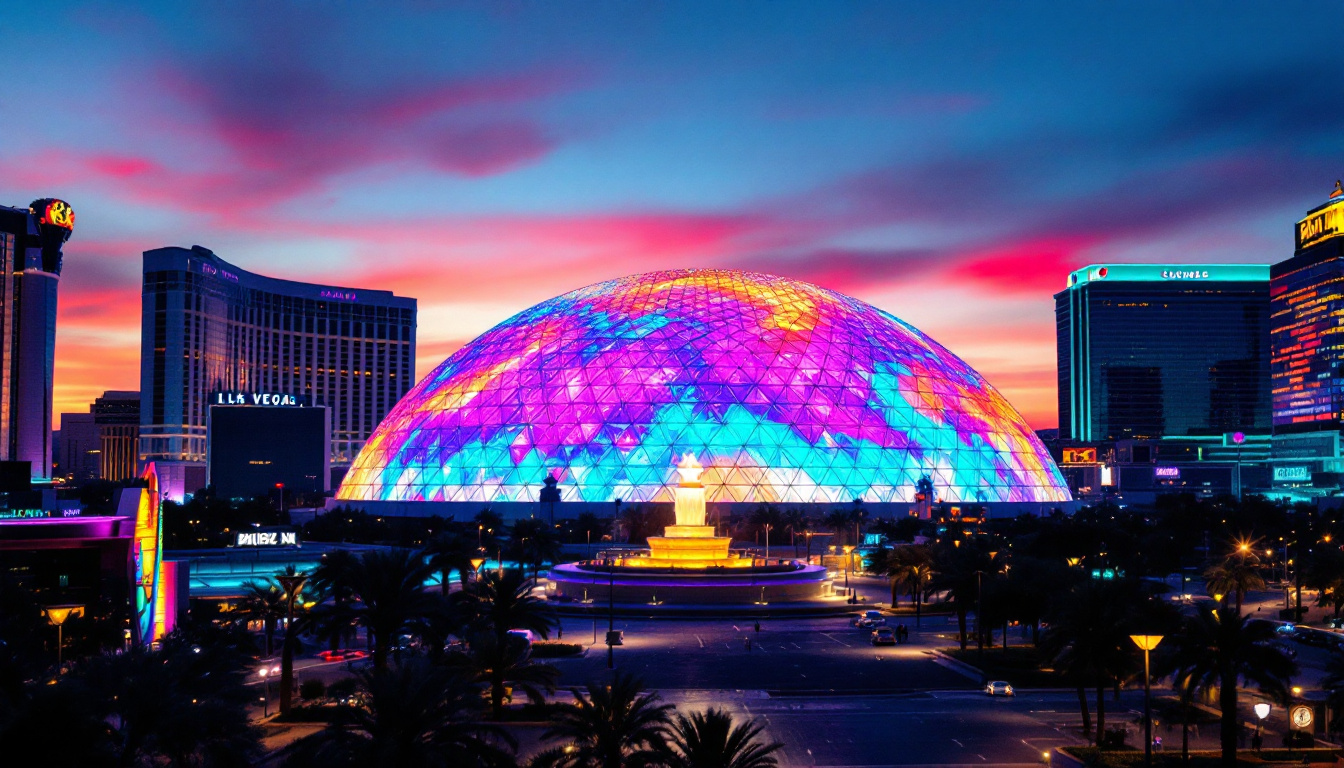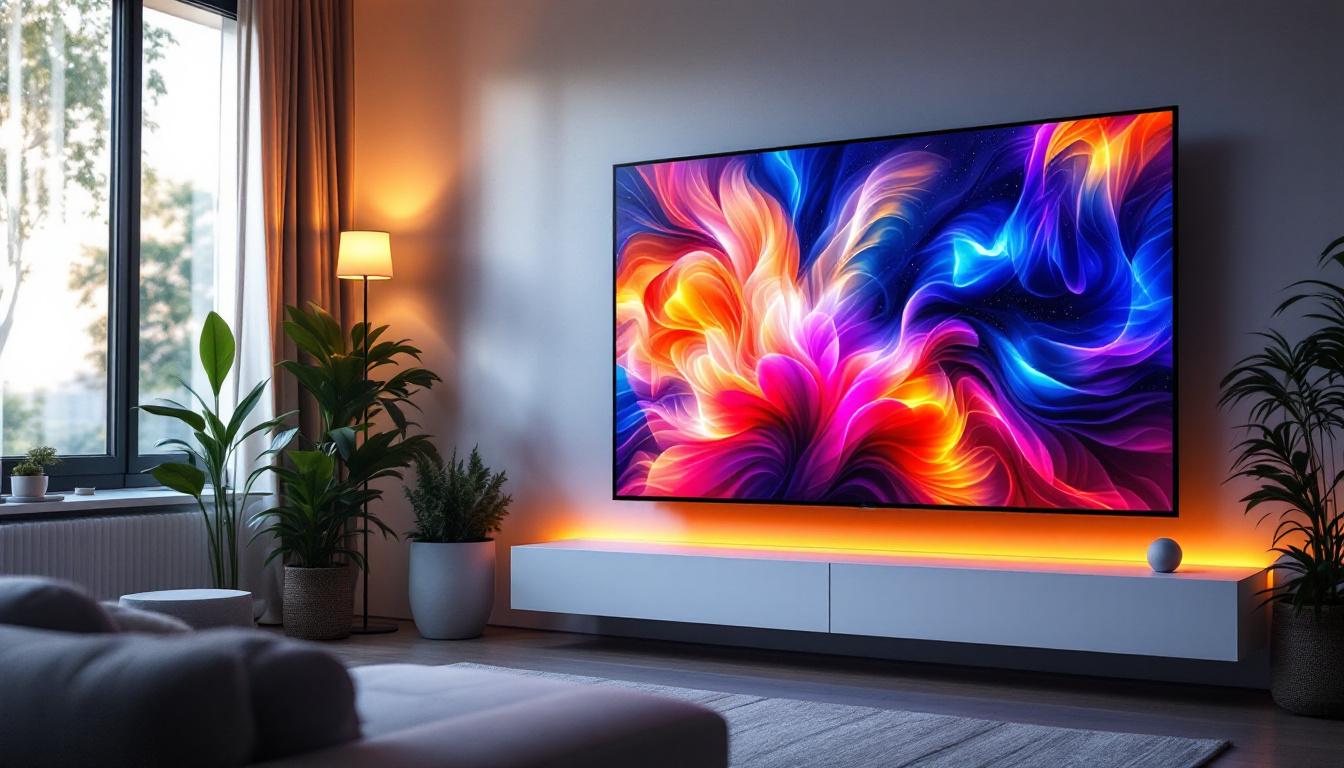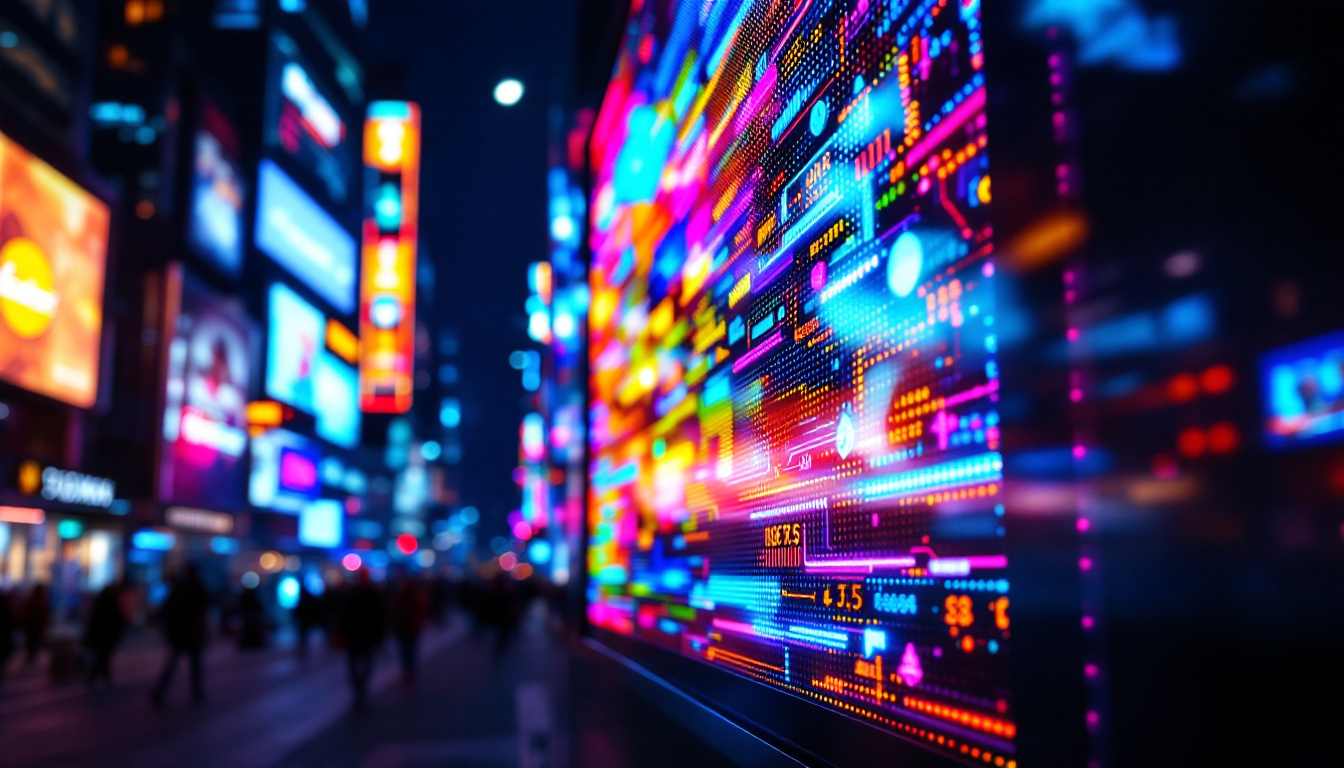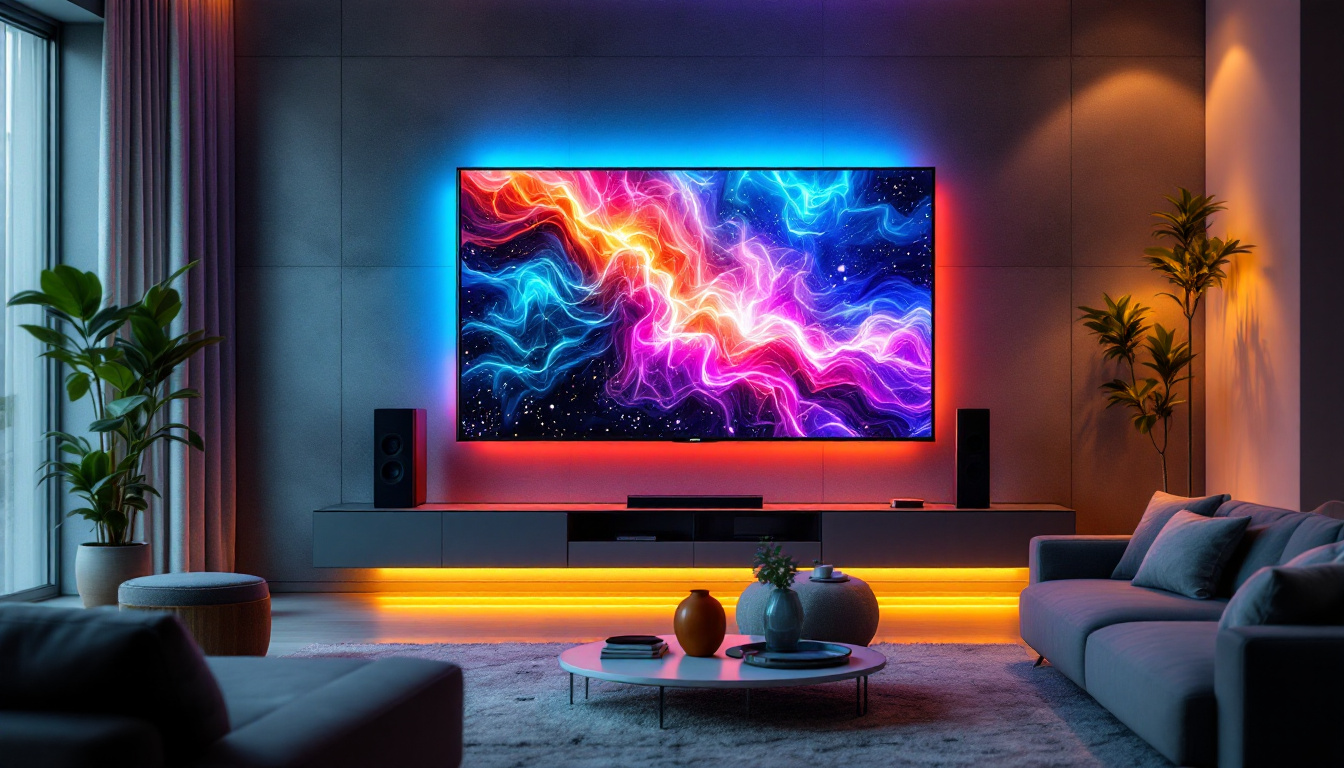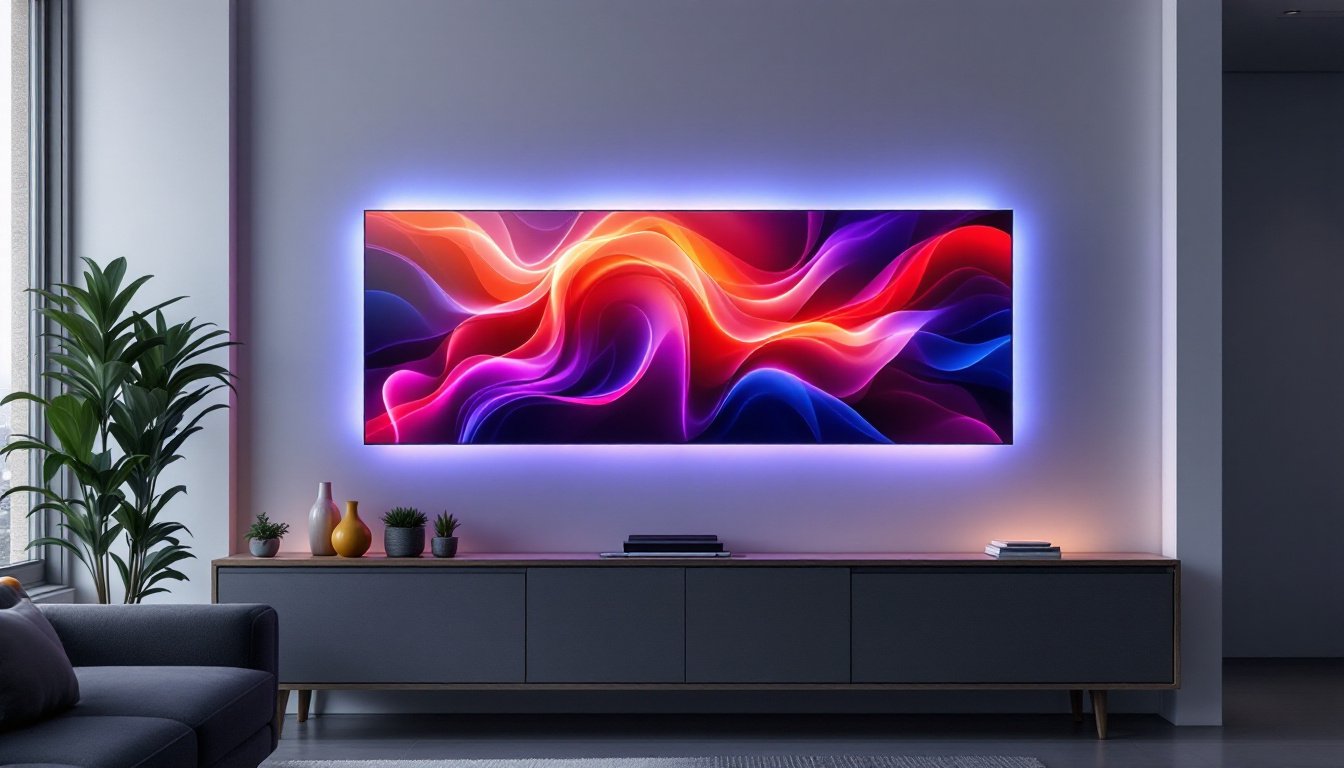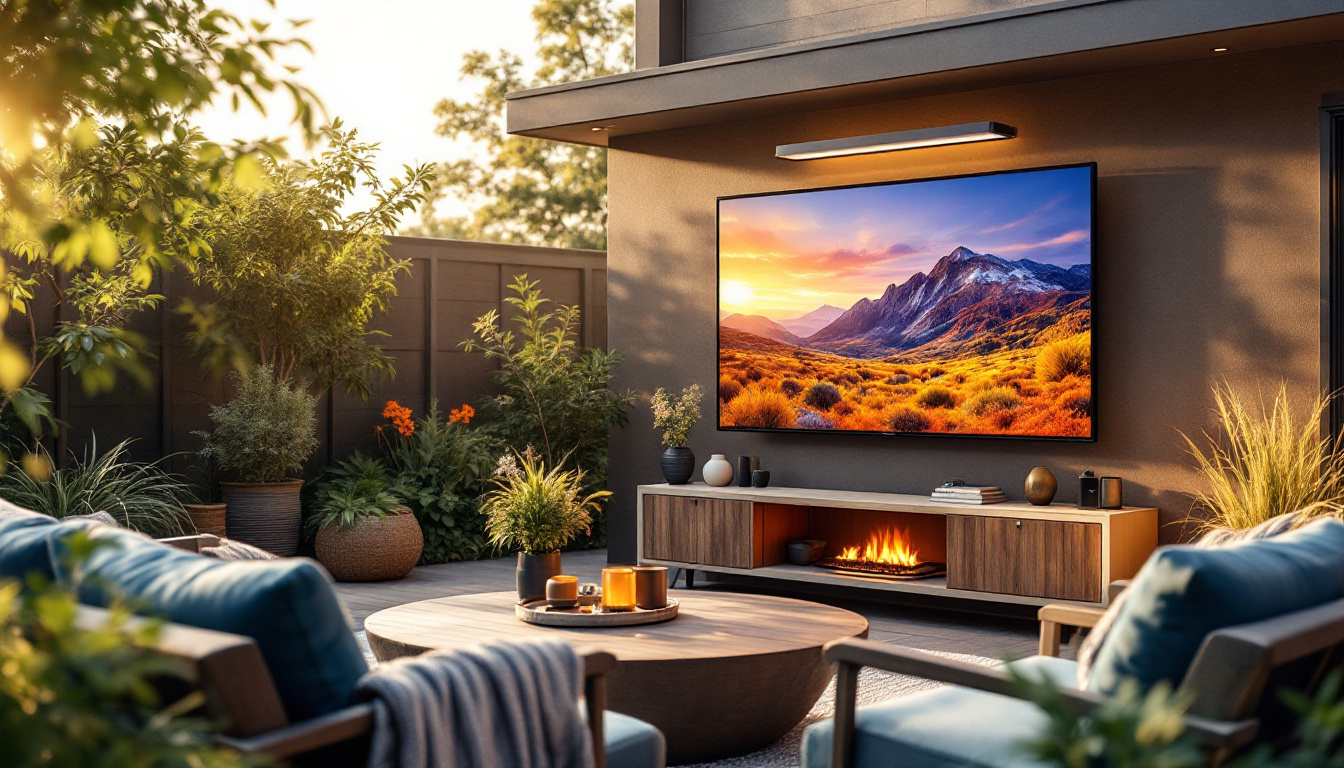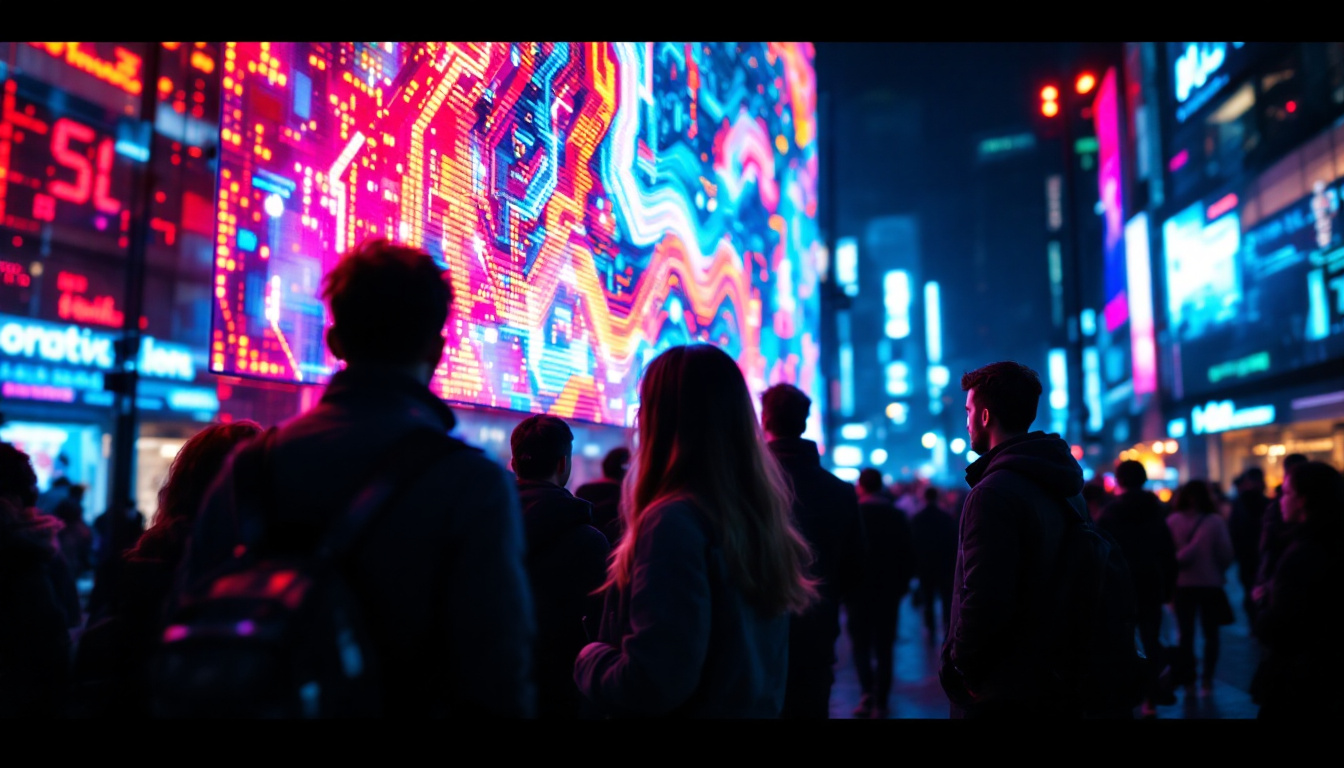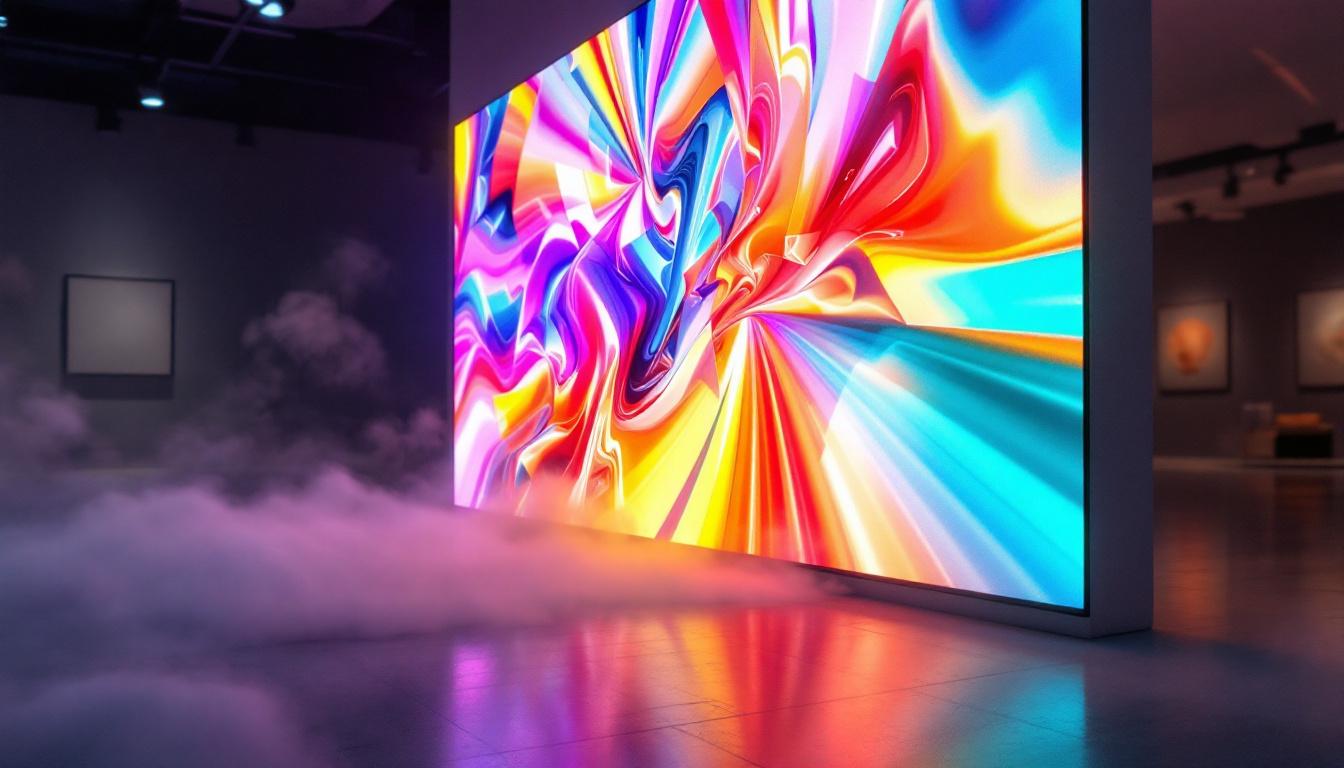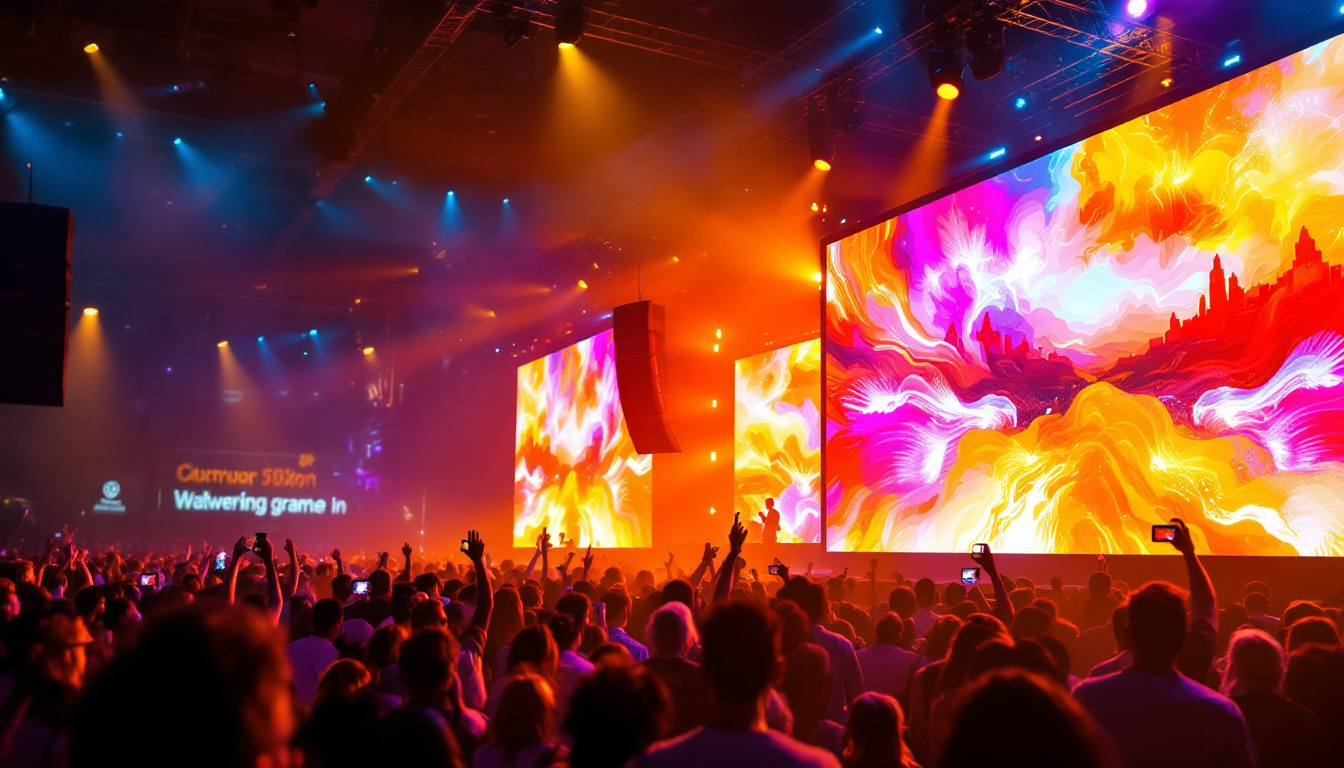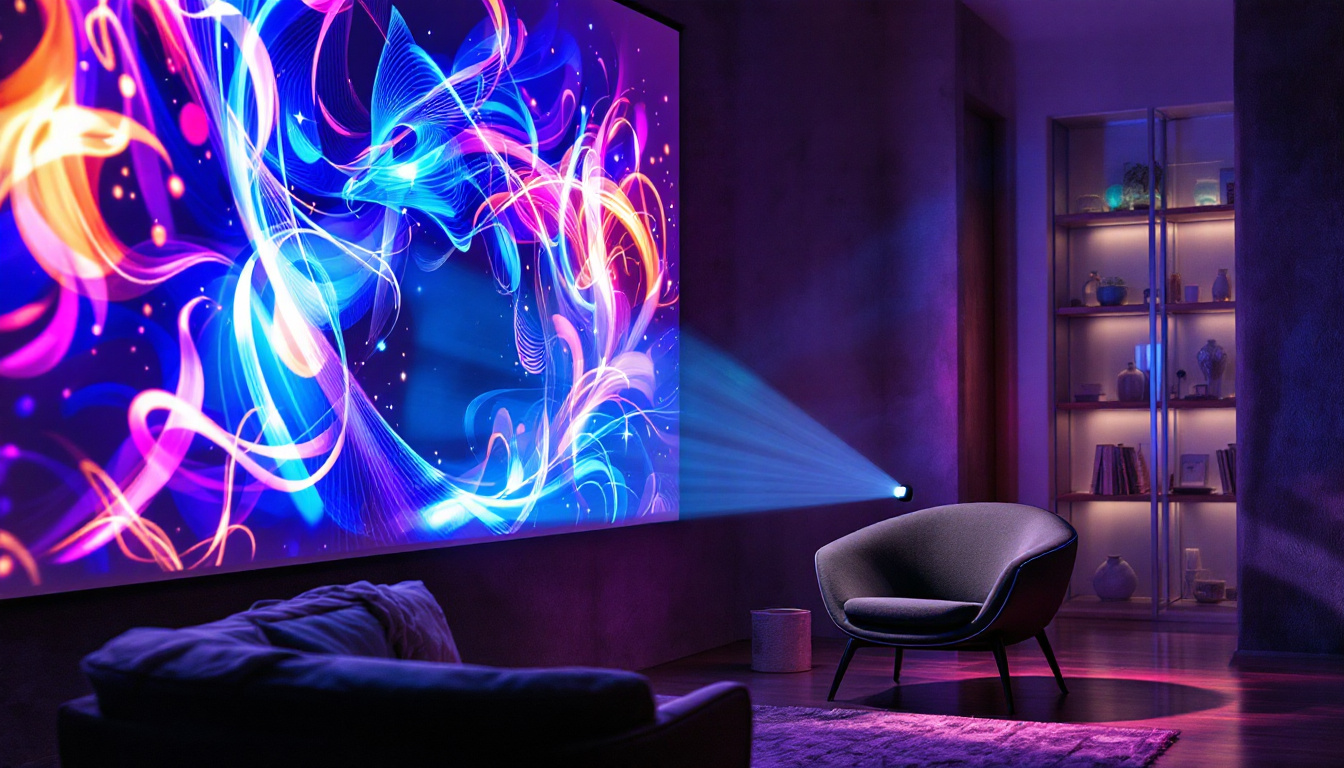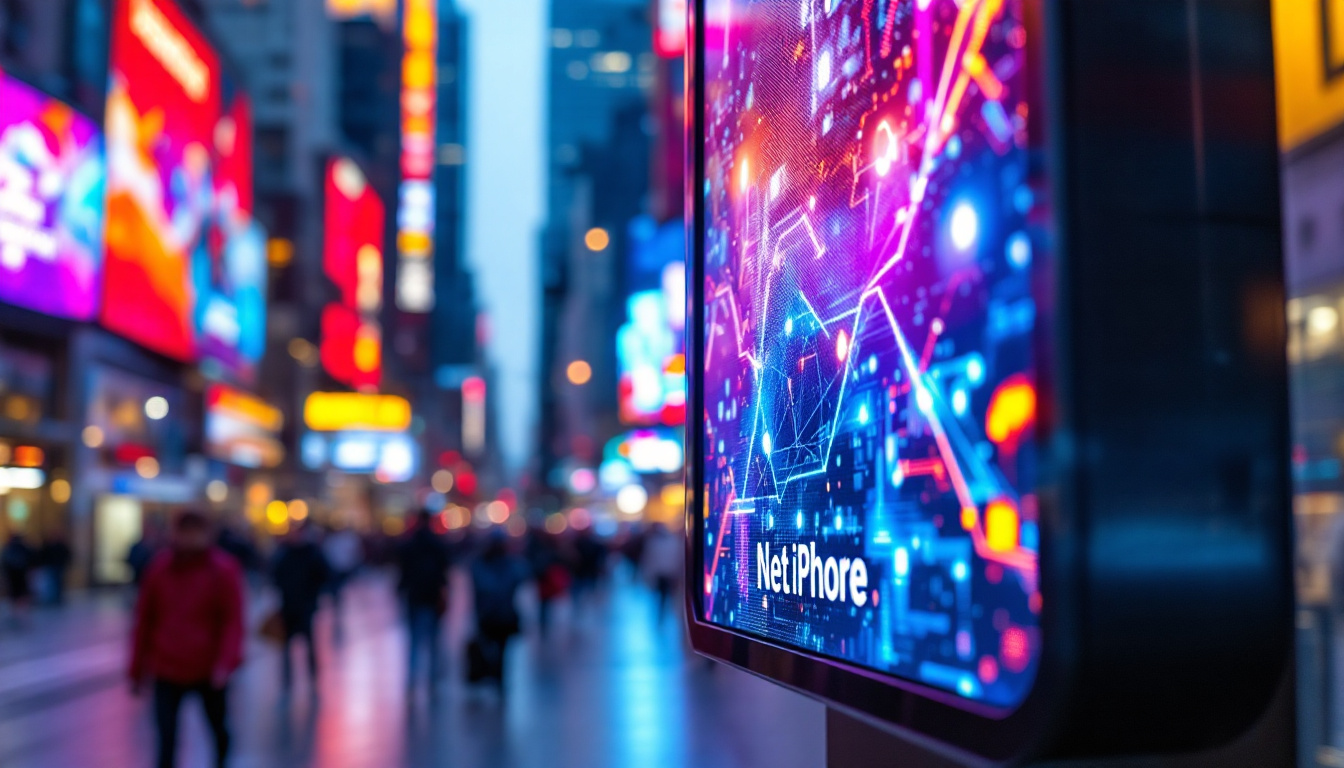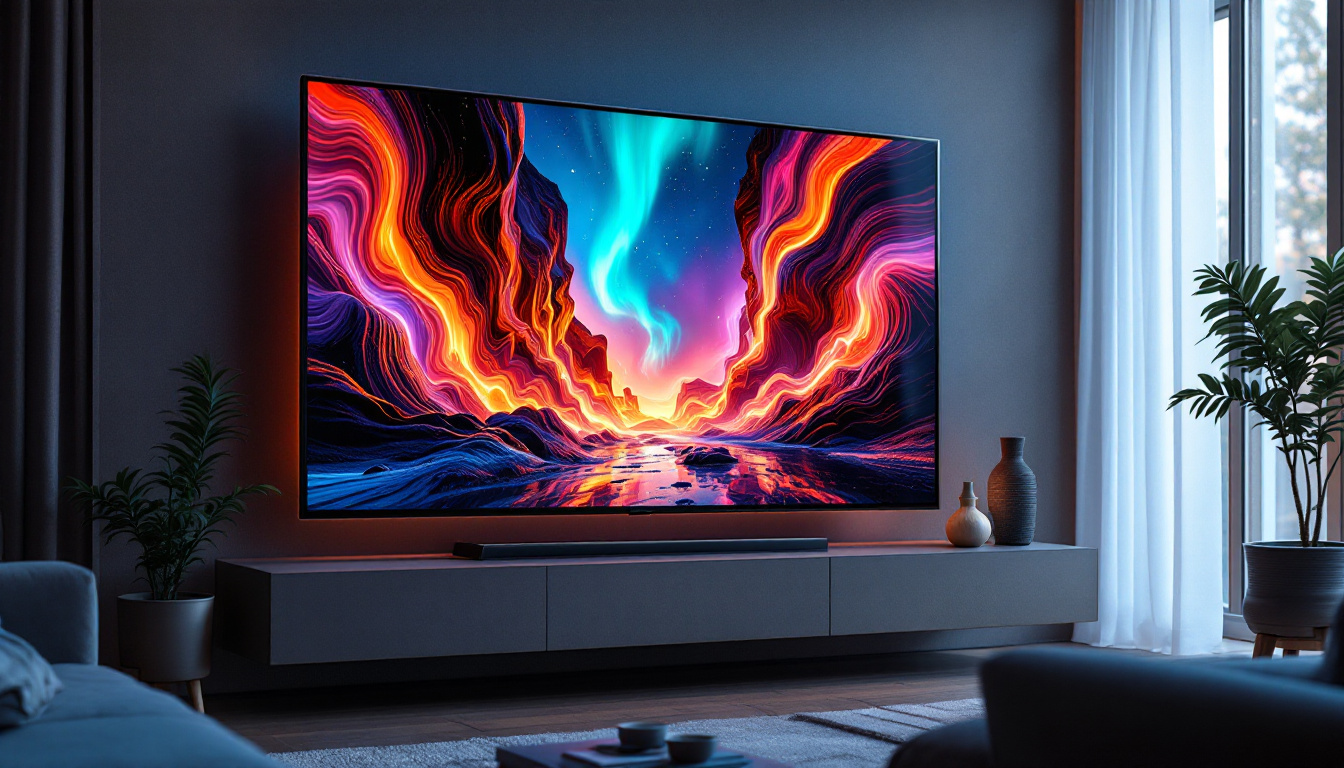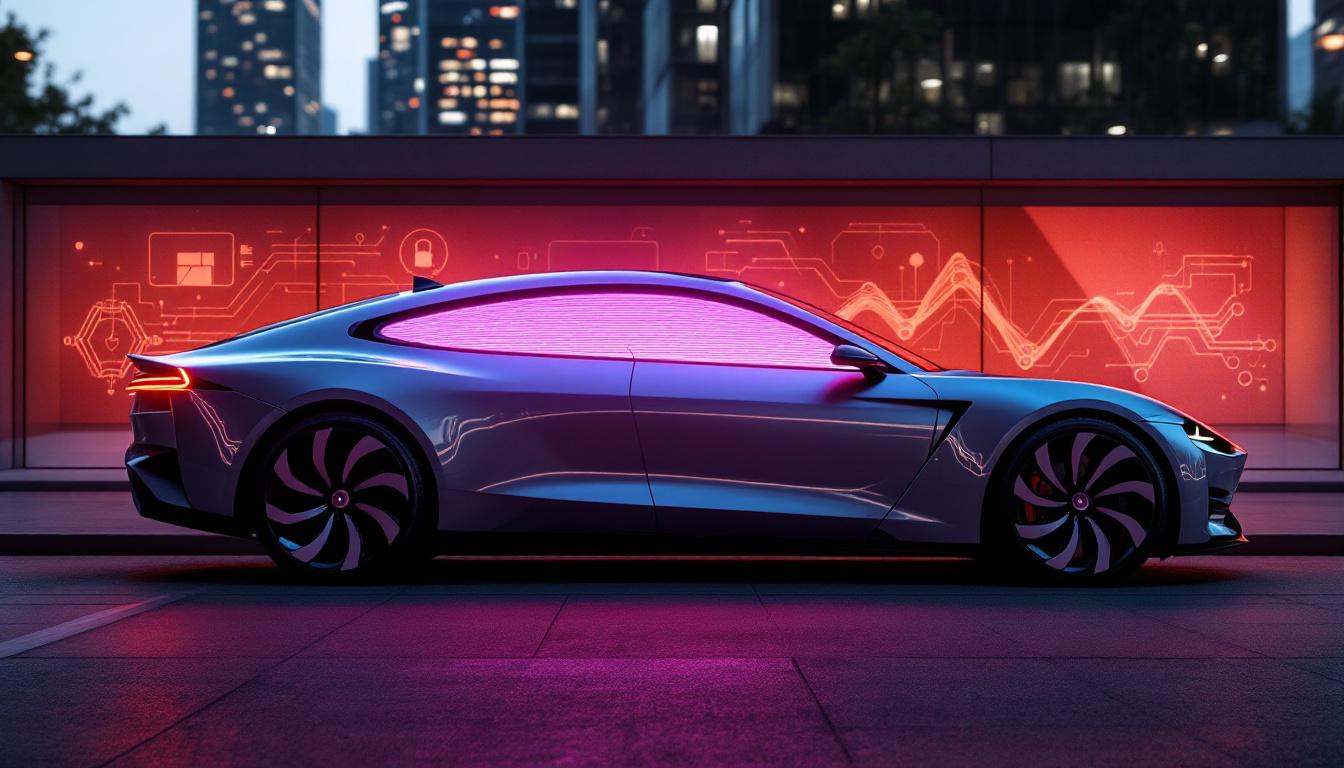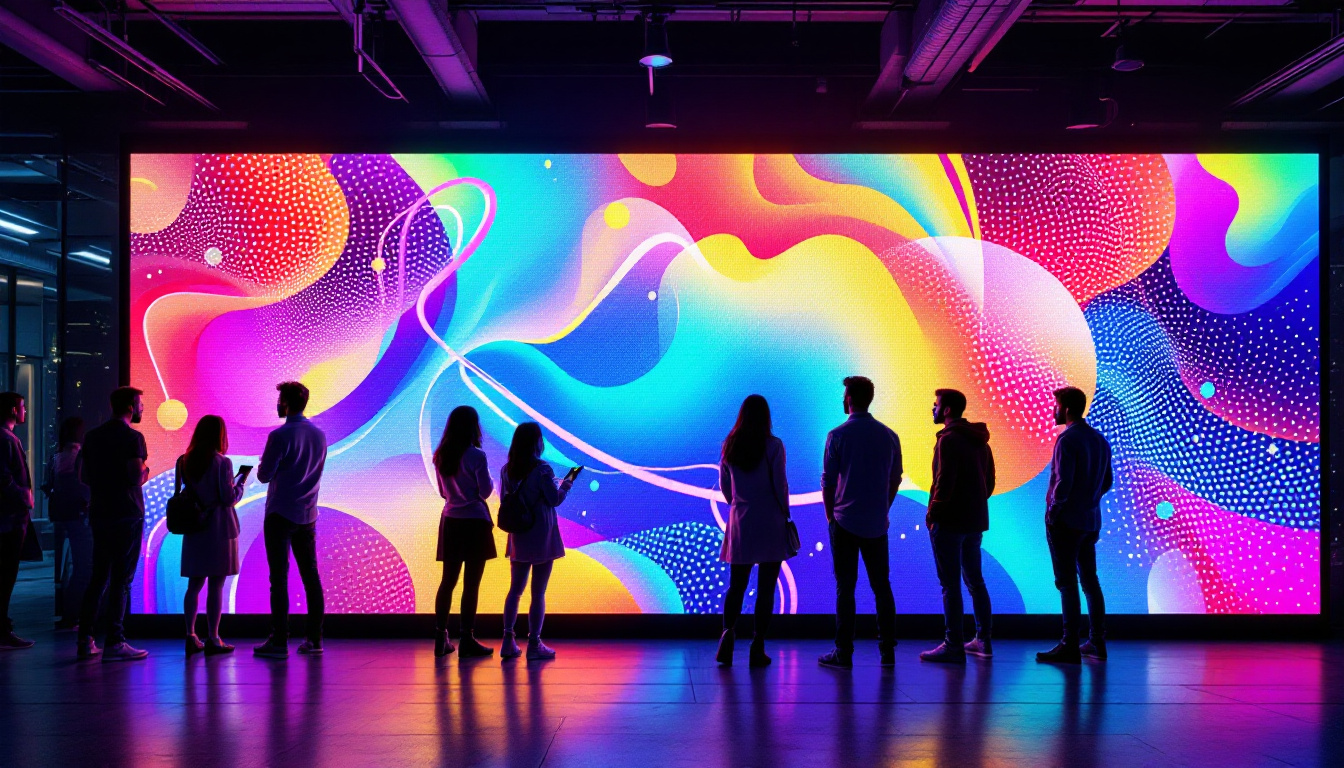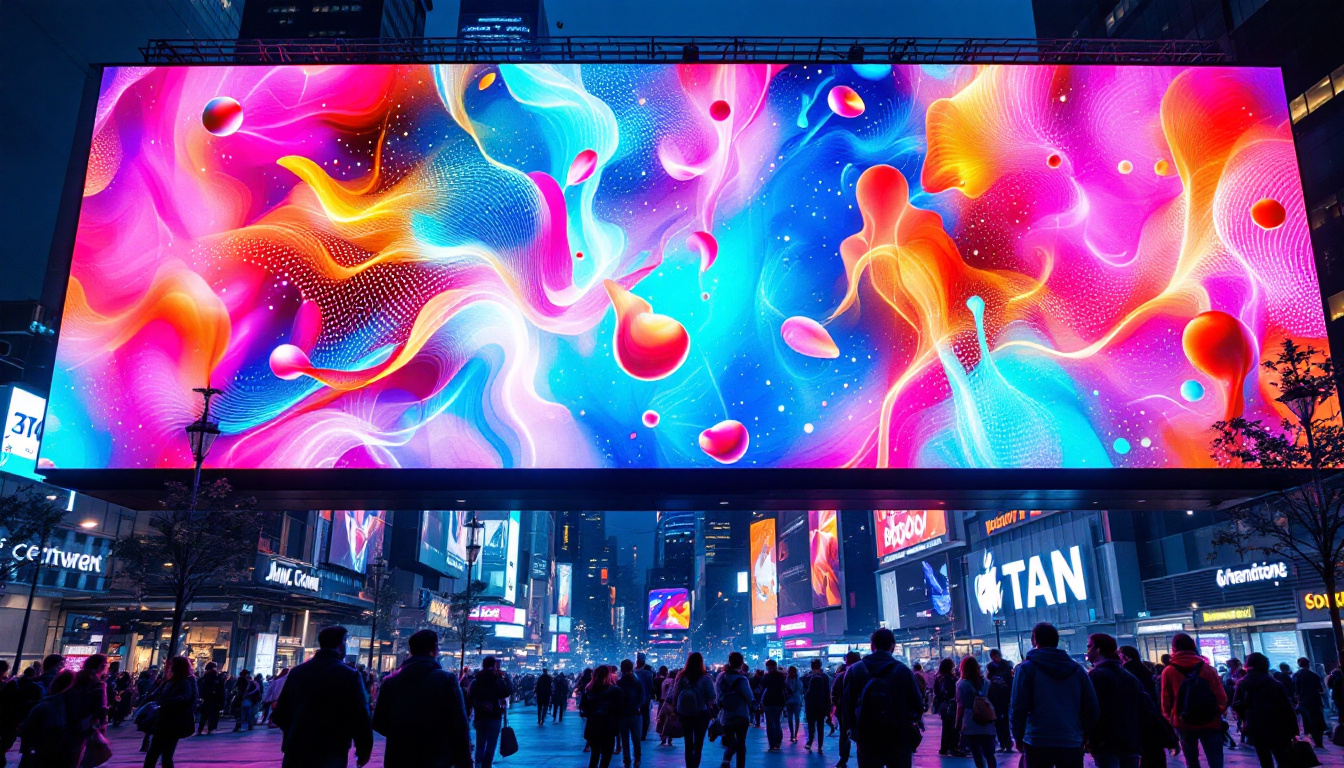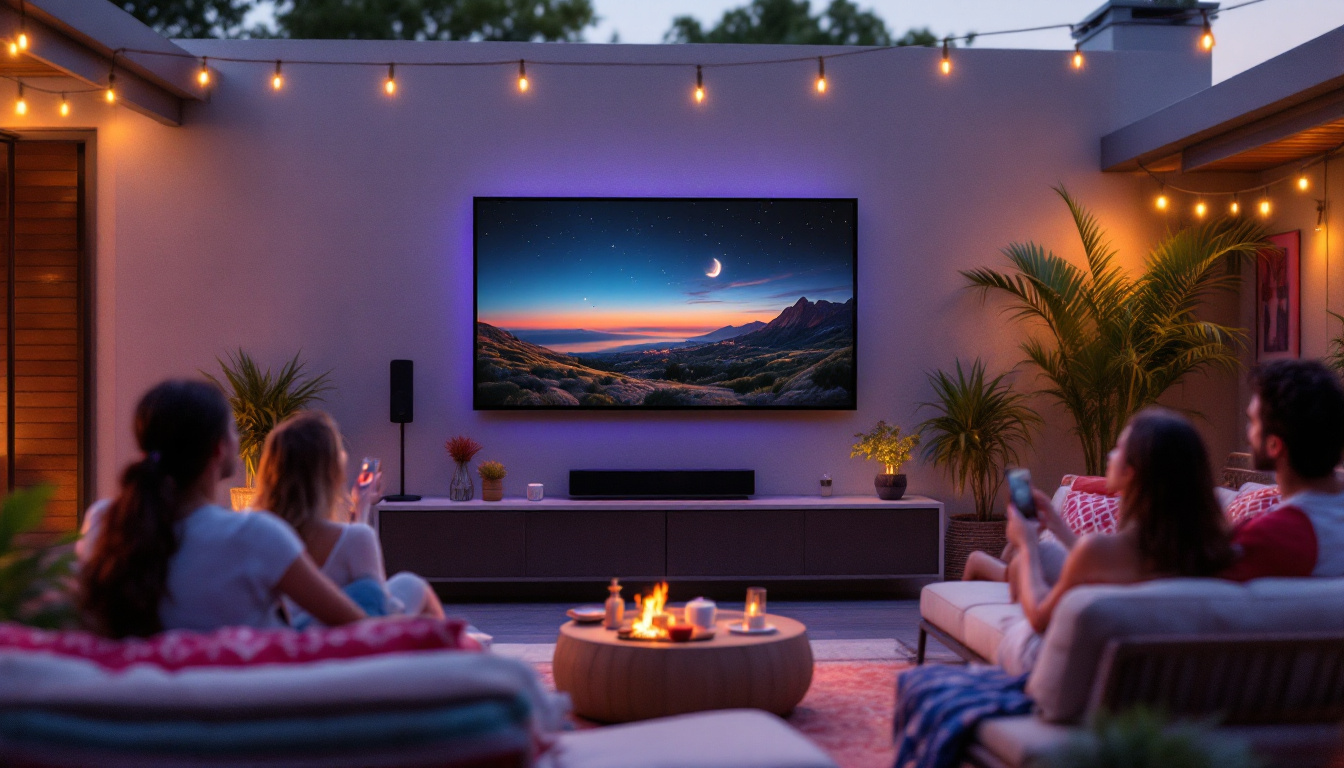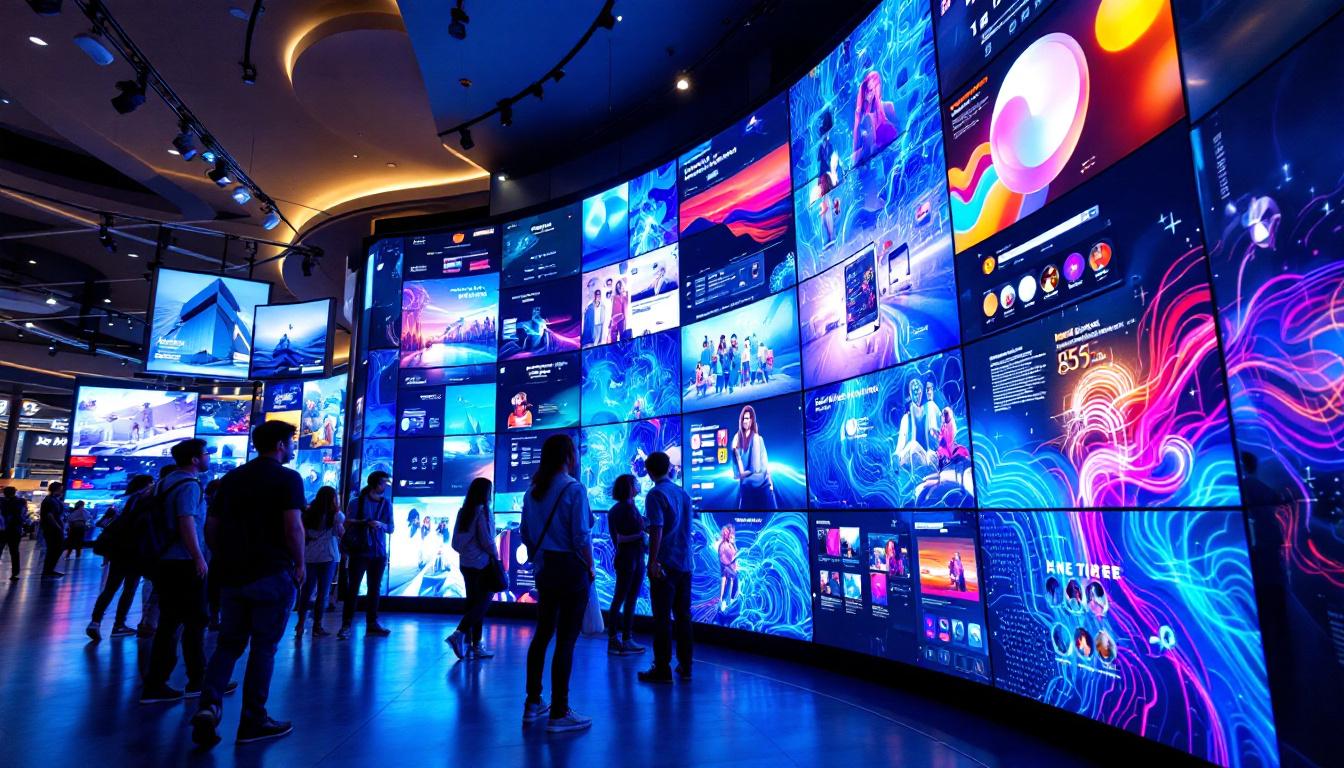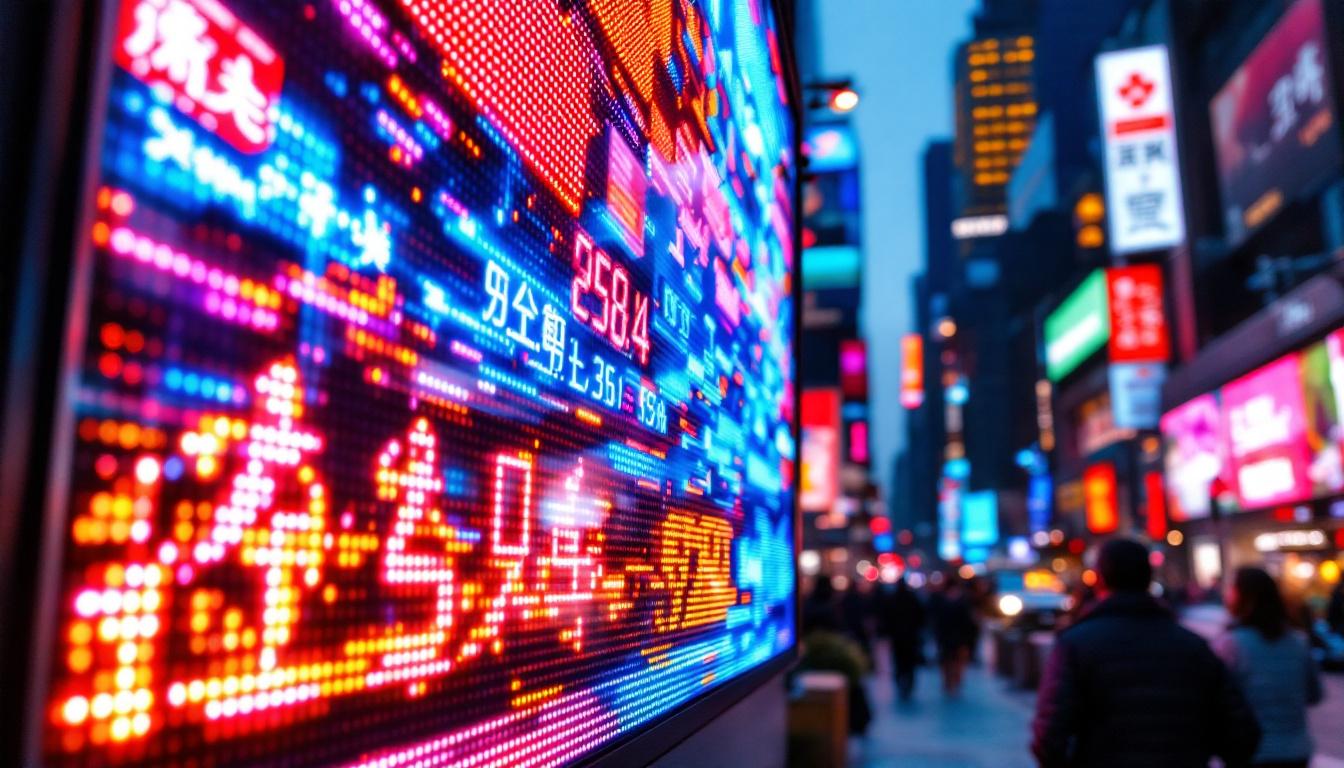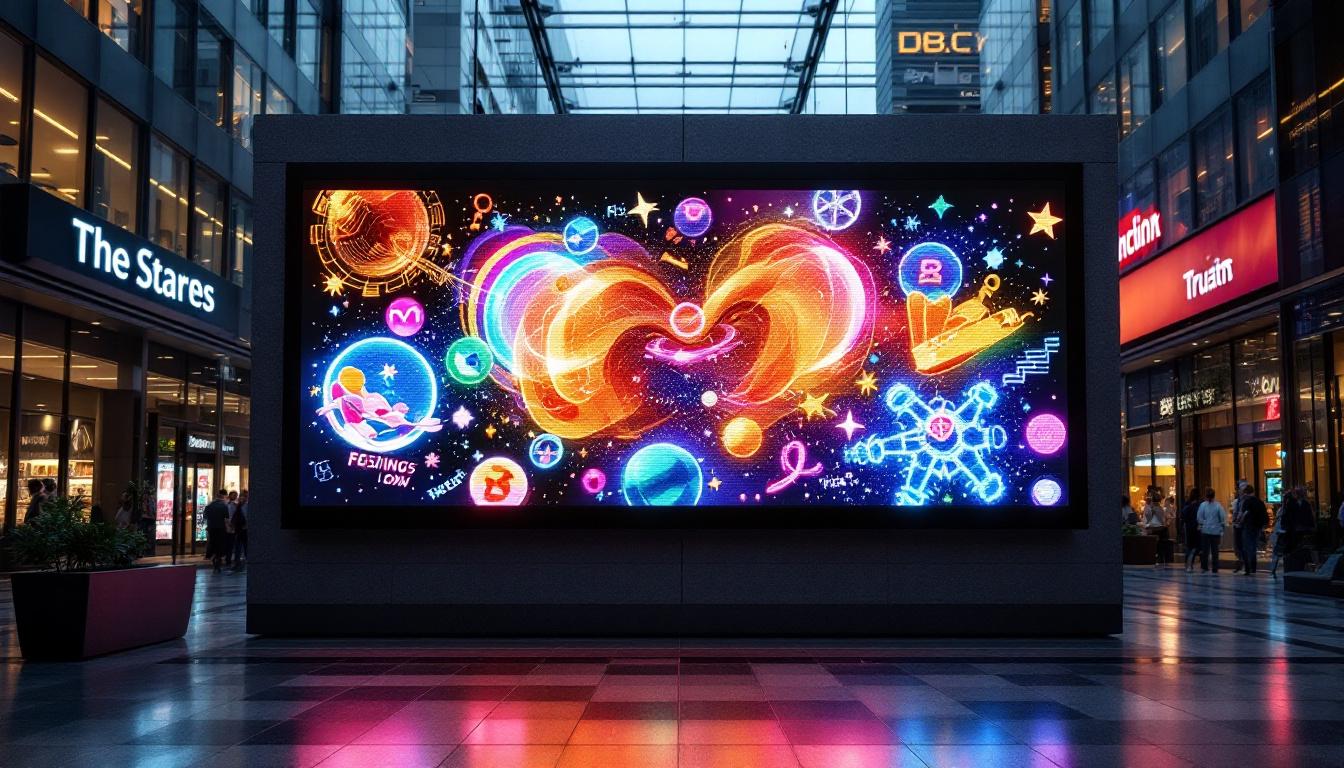
In today’s digital age, the term “boards on wall” often refers to LED displays—dynamic, bright, and versatile screens that have revolutionized the way information is presented in both public and private spaces. Whether it’s a vibrant advertising billboard on a busy street, an interactive menu board in a restaurant, or a large-scale video wall in a corporate lobby, LED displays have become an essential tool for communication and engagement.
This article delves into what LED displays are, how they work, their various applications, and why they have become the preferred choice for modern visual communication. By understanding the technology and its benefits, businesses and organizations can make informed decisions about integrating LED displays into their environments.
What Is an LED Display?
LED stands for Light Emitting Diode, a semiconductor device that emits light when an electric current passes through it. An LED display is essentially a flat panel that uses many tiny LEDs arranged in a grid to create images, videos, or text. These displays can vary widely in size and resolution, from small digital signs to massive outdoor billboards spanning several meters. The technology behind LED displays has evolved significantly over the years, leading to improvements in efficiency, longevity, and color accuracy, making them a popular choice for a variety of applications.
Unlike traditional LCD or plasma screens, LED displays use direct light emission, which results in higher brightness, better contrast, and more vivid colors. This makes them highly visible even in bright daylight conditions, a key advantage for outdoor advertising and public information boards. Additionally, LED displays consume less power compared to older technologies, making them not only a more sustainable option but also a cost-effective one in the long run. Their ability to display dynamic content allows for real-time updates, which is particularly beneficial for businesses looking to engage customers with timely promotions or information.
Types of LED Displays
LED displays come in several forms, each suited to different applications:
- Indoor LED Displays: Designed for controlled lighting environments such as retail stores, conference rooms, and event halls. They typically have higher pixel density for close viewing distances, ensuring that images and text appear sharp and clear. These displays are often used for presentations, advertisements, and entertainment, enhancing the overall experience for viewers.
- Outdoor LED Displays: Built to withstand weather conditions and provide high brightness for visibility under direct sunlight. These are common in stadiums, transportation hubs, and digital billboards. Their rugged construction allows them to endure harsh elements while maintaining optimal performance, making them an essential tool for outdoor marketing strategies.
- Transparent LED Displays: Innovative panels that allow light to pass through, enabling displays on glass surfaces without obstructing views. Popular in retail windows and architectural installations, these displays create a unique visual effect that can captivate passersby while still allowing natural light to illuminate the space. This technology opens up new avenues for creative advertising and design.
- Flexible LED Displays: Made with bendable materials, these can be curved or shaped to fit unique design requirements, often used in creative advertising and stage design. Their versatility allows for innovative installations that can adapt to various environments, making them a favorite among artists and marketers looking to push the boundaries of traditional display formats.
In addition to these types, LED displays are also being integrated with smart technology, allowing for features like remote management and interactive capabilities. This advancement enables users to control content from afar, schedule changes, and even analyze viewer engagement through data analytics. As technology continues to advance, the potential applications for LED displays are expanding, paving the way for even more immersive and engaging experiences in both public and private spaces.
How Do LED Displays Work?
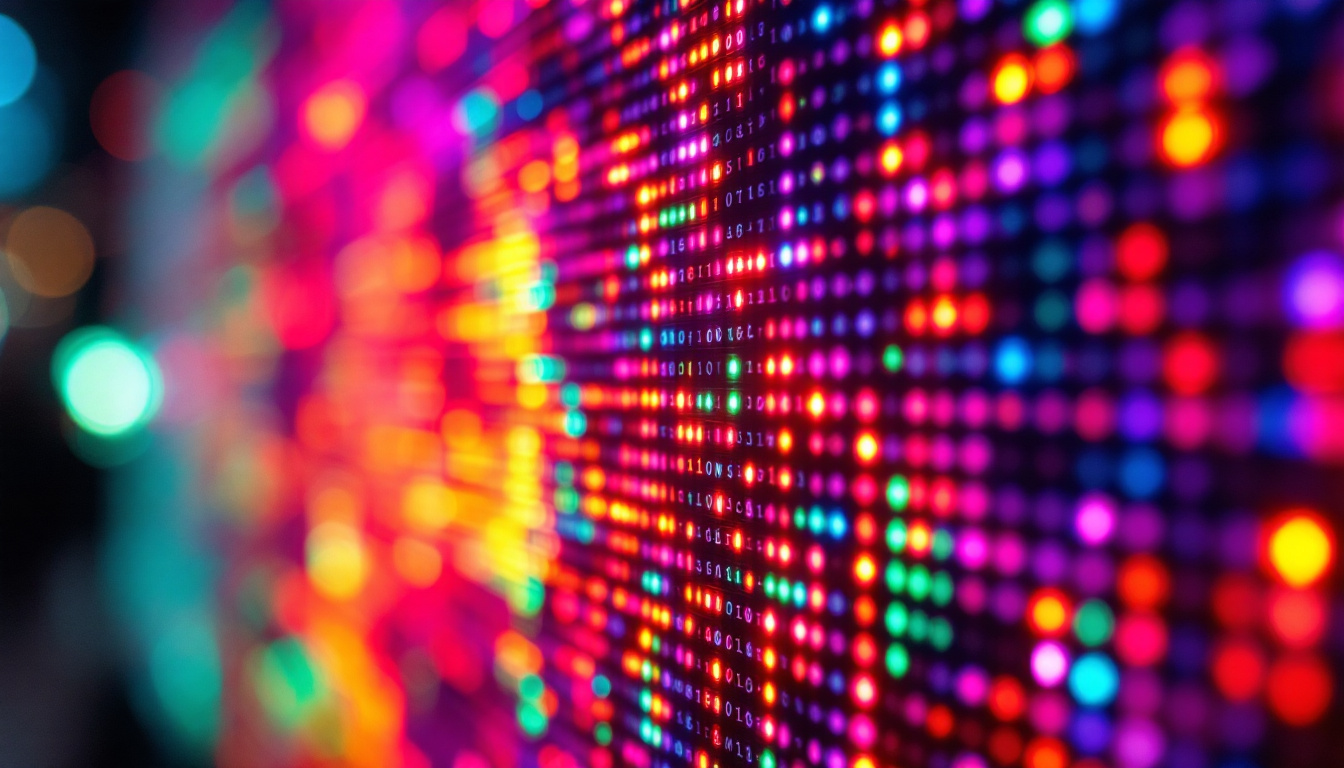
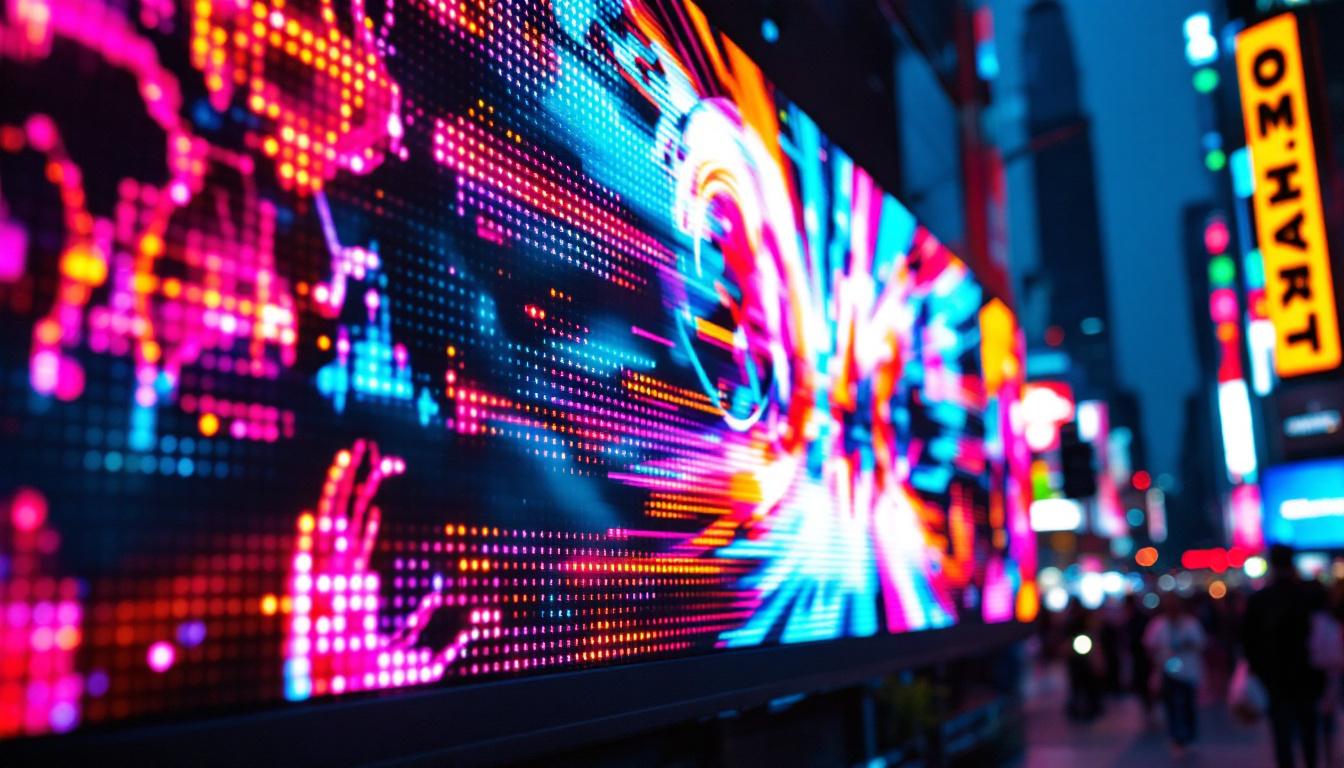
At the core of an LED display is the pixel, the smallest unit of the image. Each pixel consists of red, green, and blue LEDs that combine to produce a full spectrum of colors through varying brightness levels. By controlling the intensity of each LED, the display can render detailed images and videos.
The LEDs are mounted on circuit boards arranged in modules, which are then assembled to form the complete display panel. Advanced control systems manage the input signal, color calibration, and refresh rates to ensure smooth and accurate visuals.
Pixel Pitch and Resolution
One of the most important technical specifications of an LED display is the pixel pitch, which is the distance between the centers of two adjacent pixels. A smaller pixel pitch means higher pixel density and sharper images, which is critical for displays viewed from close distances.
For example, indoor LED displays often have pixel pitches as low as 1 millimeter, enabling crisp visuals in retail or conference settings. Outdoor displays, viewed from farther away, typically have larger pixel pitches ranging from 4 to 20 millimeters, balancing visibility and cost.
Brightness and Contrast
LED displays are renowned for their brightness, measured in nits (candelas per square meter). Outdoor LED displays can reach brightness levels of 5,000 to 10,000 nits or more, ensuring visibility even in direct sunlight. Indoor displays generally operate at 800 to 1,500 nits, suitable for controlled lighting environments.
High contrast ratios, achieved by the ability of LEDs to switch off completely to produce true blacks, contribute to the vividness and clarity of the image. This makes LED displays ideal for dynamic content that demands attention.
Applications of LED Displays
LED displays have transformed communication across numerous industries due to their flexibility, brightness, and durability. Below are some of the most common and impactful applications:
Advertising and Marketing
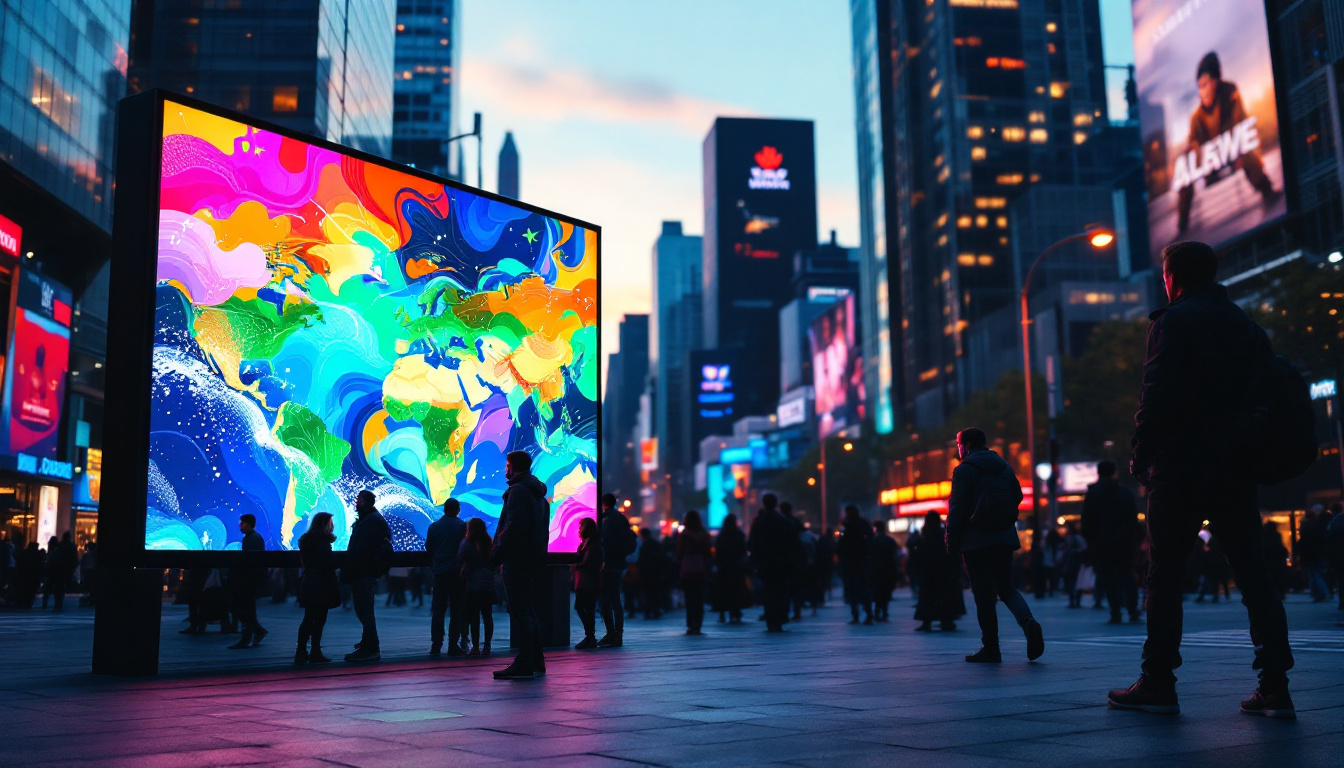
One of the most visible uses of LED displays is in outdoor advertising. Digital billboards equipped with LED panels can show rotating advertisements, video content, and real-time updates, making them more engaging than static signs. According to the Digital Signage Federation, digital out-of-home advertising is expected to grow by over 15% annually, driven largely by LED technology advancements.
Brands leverage LED displays to capture attention in high-traffic areas such as Times Square in New York or Shibuya Crossing in Tokyo, where vibrant visuals can influence consumer behavior instantly.
Retail and Hospitality
In retail environments, LED displays serve as dynamic menu boards, promotional signage, and interactive kiosks. They allow businesses to update content quickly and tailor messaging to different times of day or customer demographics.
Hotels and restaurants use LED displays to enhance guest experiences, providing wayfinding, event schedules, or immersive digital art that elevates the ambiance.
Transportation and Public Information
LED displays play a critical role in transportation hubs like airports, train stations, and bus terminals. They provide real-time information on arrivals, departures, delays, and safety announcements. Their high visibility and reliability ensure travelers stay informed and can navigate complex environments efficiently.
Municipalities also use LED boards for public safety alerts, weather updates, and community messaging, contributing to smarter, more connected cities.
Corporate and Educational Settings
In corporate offices, LED video walls are increasingly popular for presentations, video conferencing, and branding. Their ability to display high-resolution content on large surfaces creates impactful environments for meetings and events.
Educational institutions utilize LED displays in auditoriums and classrooms to enhance learning through multimedia presentations and interactive content, fostering engagement and collaboration.
Advantages of Using LED Displays
The widespread adoption of LED displays is driven by several key benefits that make them superior to traditional display technologies in many contexts.
Energy Efficiency
Compared to older display technologies like incandescent bulbs or plasma screens, LEDs consume significantly less power. This energy efficiency translates into lower operating costs and a smaller environmental footprint, an increasingly important consideration for businesses aiming to meet sustainability goals.
Longevity and Durability
LEDs have a long operational lifespan, often exceeding 50,000 hours, which means less frequent replacements and reduced maintenance costs. Their solid-state construction also makes them resistant to shock and vibration, ideal for outdoor and high-traffic environments.
Flexibility and Customization
LED displays can be manufactured in virtually any size and shape, allowing for creative and customized installations. From curved video walls to transparent panels integrated into architectural glass, the design possibilities are extensive.
Content can be updated remotely and in real-time, enabling dynamic messaging that can adapt to changing needs or audience preferences instantly.
Considerations When Choosing an LED Display
Despite their advantages, selecting the right LED display requires careful evaluation of several factors to ensure it meets specific needs and delivers the desired impact.
Viewing Distance and Environment
The pixel pitch and brightness should be matched to the typical viewing distance and ambient lighting conditions. For example, a display intended for close-up interaction indoors needs a much finer pixel pitch than a billboard viewed from hundreds of feet away.
Environmental factors such as weather exposure, temperature ranges, and potential vandalism also influence the choice of materials and protective features.
Resolution and Content Type
The type of content—whether static images, video, or interactive media—affects the resolution and refresh rate requirements. High-definition video content demands higher resolution and faster refresh rates to avoid flickering and ensure smooth playback.
Budget and Total Cost of Ownership
Initial purchase price is only part of the equation. Installation costs, ongoing maintenance, energy consumption, and potential upgrades should be factored into the total cost of ownership to make a financially sound investment.
The Future of LED Displays
Advancements in LED technology continue to push the boundaries of what these displays can achieve. MicroLED, an emerging technology, promises even higher resolution, better color accuracy, and improved energy efficiency by using microscopic LEDs as individual pixels.
Integration with smart technologies and the Internet of Things (IoT) is also expanding the role of LED displays in connected environments, enabling interactive and personalized experiences at scale.
As digital communication evolves, LED displays will remain at the forefront, offering versatile and impactful solutions for businesses and communities worldwide.
Conclusion
Boards on walls called LED displays have become indispensable tools for visual communication across diverse industries. Their unique combination of brightness, durability, and flexibility makes them ideal for delivering dynamic content in any environment. By understanding the technology, applications, and considerations involved in choosing LED displays, organizations can harness their full potential to engage audiences effectively and elevate their brand presence.
Whether used for advertising, information dissemination, or enhancing user experiences, LED displays represent a powerful medium that continues to evolve and shape the future of digital signage.
Discover LumenMatrix LED Display Solutions
Ready to elevate your visual communication strategy with the brilliance of LED displays? Look no further than LumenMatrix, where innovation meets excellence in LED display technology. From vibrant Indoor and Outdoor LED Wall Displays to dynamic Vehicle and Sports LED Displays, our portfolio is designed to captivate and engage your audience. Experience the future of digital signage with our LED Poster Displays, Floor LED Displays, and the revolutionary All-in-One LED Display. Embrace transparency with our LED Transparent Display, or let us craft a Custom LED Display solution tailored to your unique needs. Join us in the visual revolution and check out LumenMatrix LED Display Solutions today to share your message with unparalleled impact and clarity.