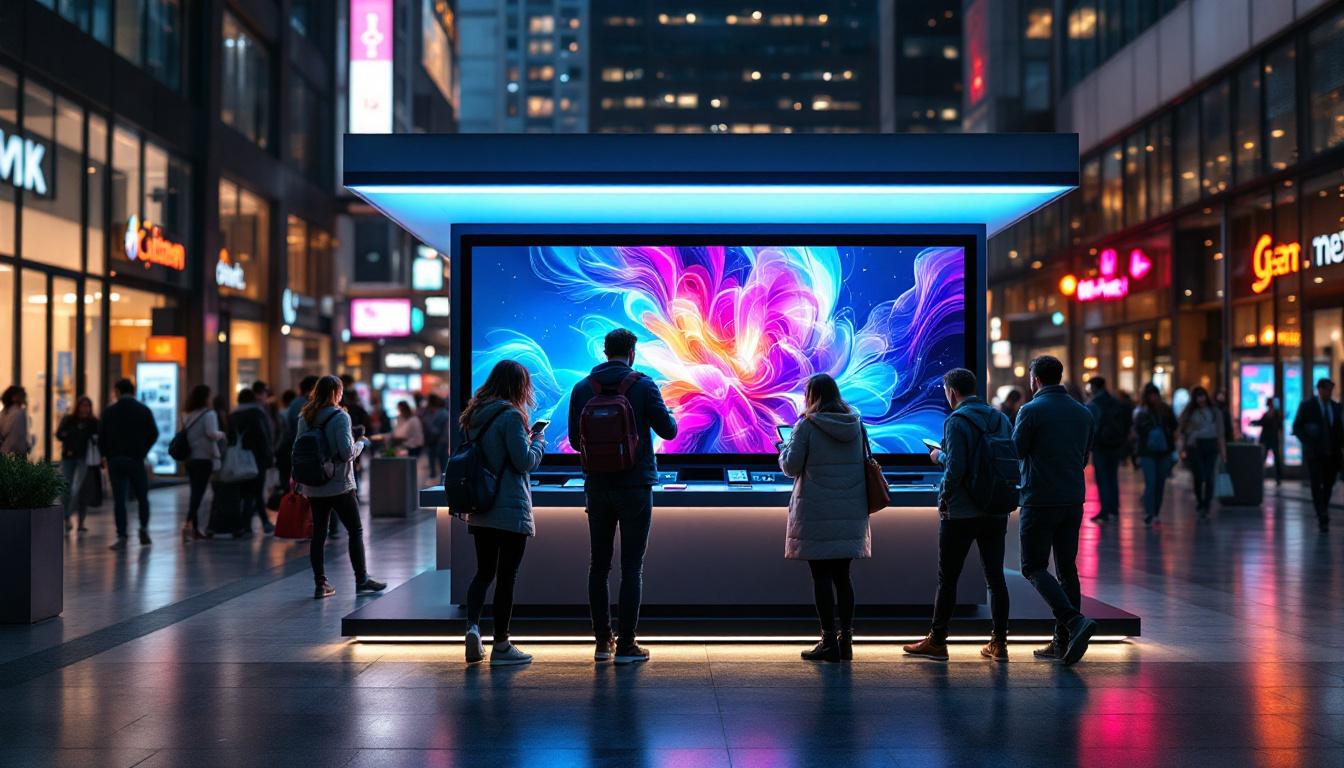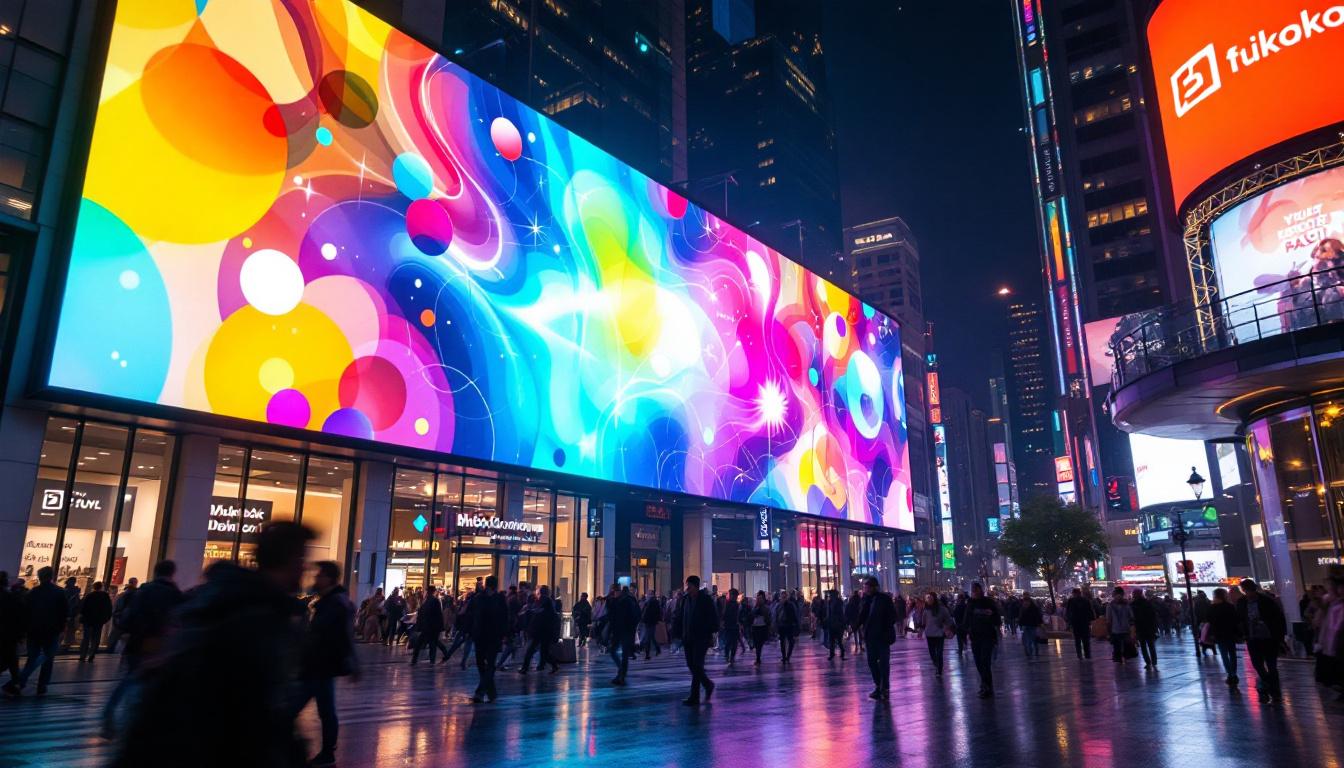
In today’s fast-paced digital world, capturing attention is more challenging than ever. Businesses and event organizers are constantly seeking innovative ways to engage audiences and convey their brand messages effectively. One of the most impactful solutions gaining widespread popularity is the use of branding walls featuring LED displays. These vibrant, dynamic walls not only elevate visual appeal but also offer unparalleled flexibility and interactivity for brand communication.
What Is a Branding Wall with LED Display?
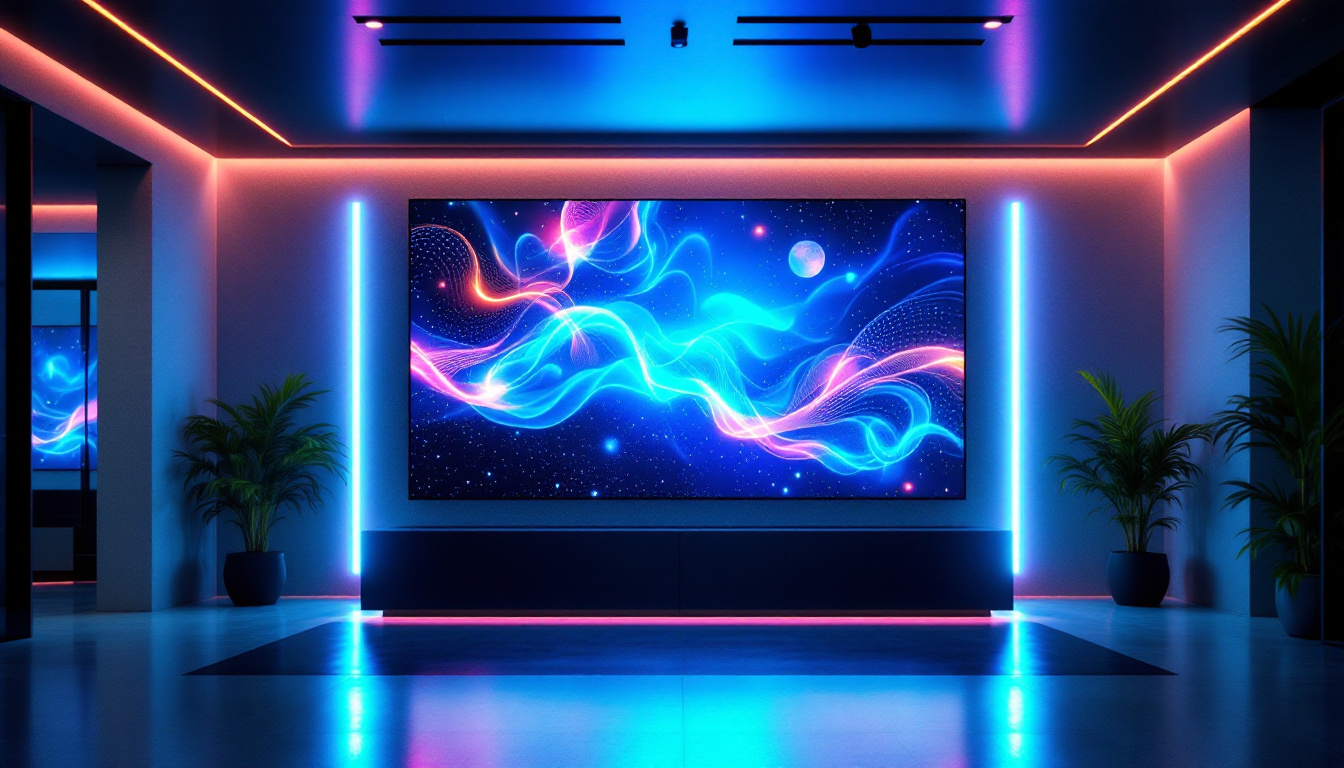
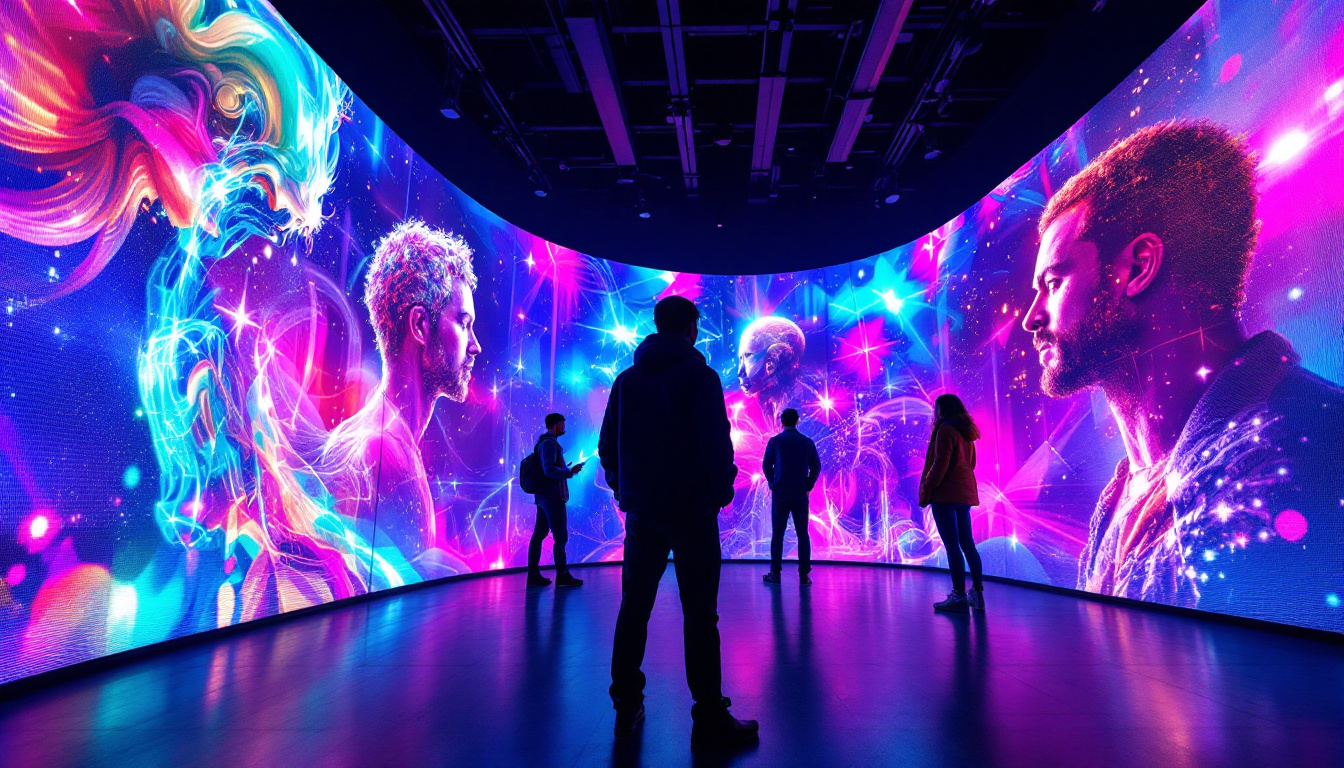
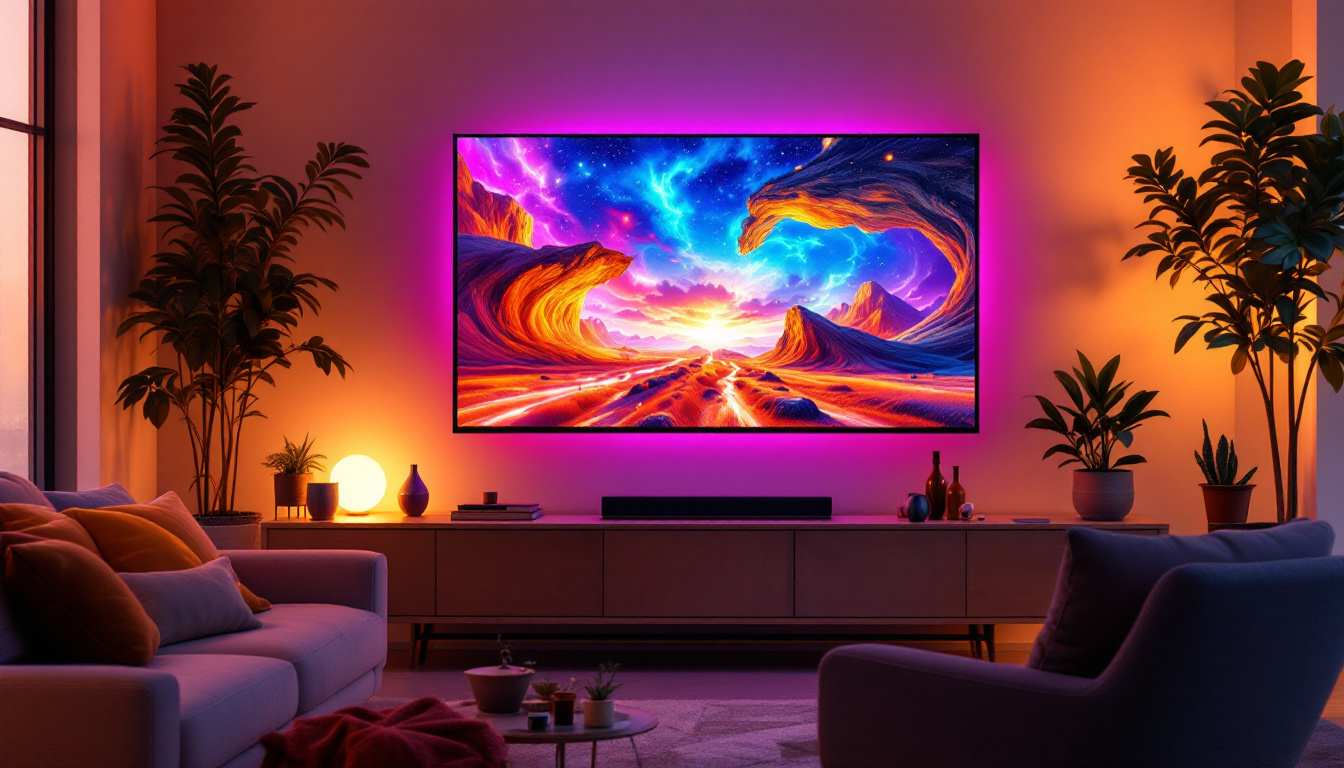
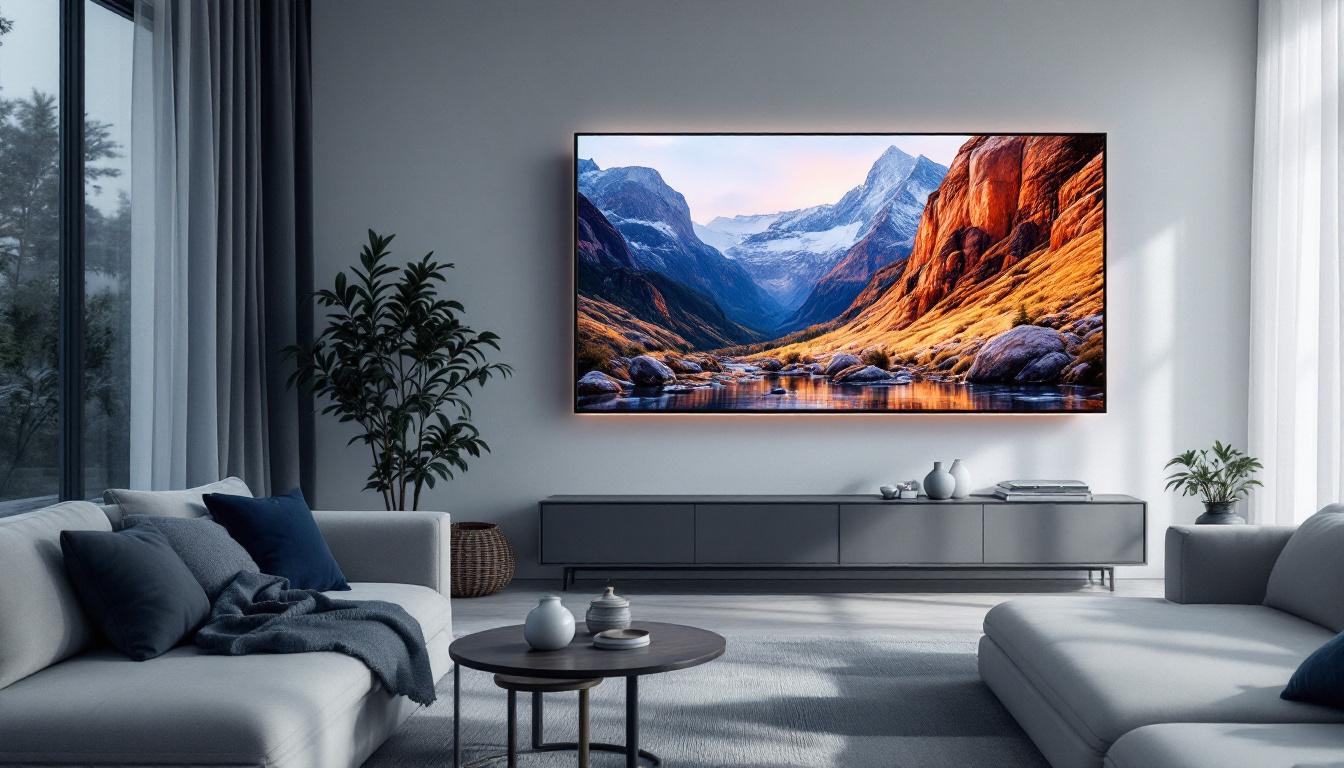
A branding wall with an LED display is a large-format digital screen integrated into a physical structure, designed primarily to showcase brand-related content. These walls are commonly used in retail stores, corporate events, trade shows, stadiums, and public spaces to create immersive brand experiences. Unlike traditional static banners or posters, LED branding walls deliver bright, high-resolution visuals that can be updated instantly, allowing brands to tailor their messaging in real time.
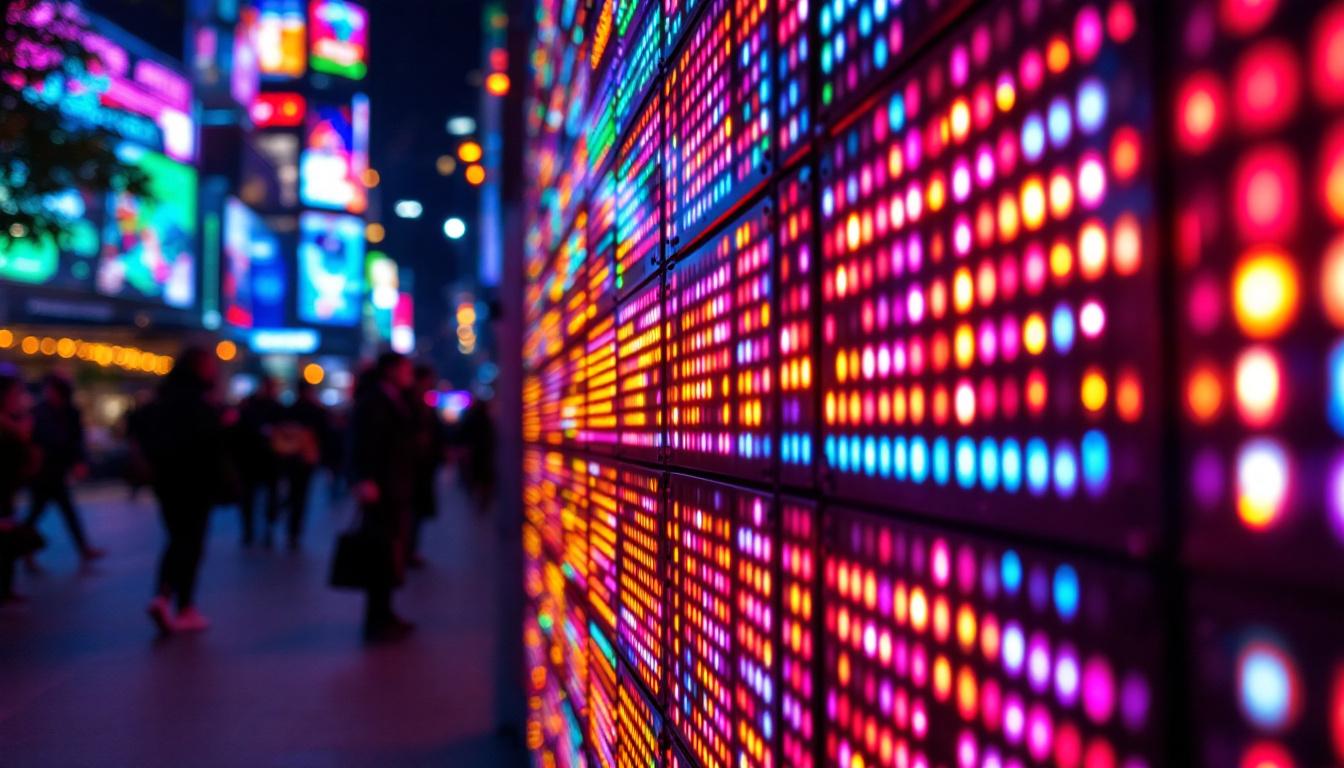
The core technology behind these walls is Light Emitting Diode (LED) panels, which consist of thousands of tiny LEDs that emit light when powered. These panels are tiled together to form a seamless display surface capable of rendering images, videos, animations, and interactive content. Depending on the pixel pitch—the distance between individual LEDs—the resolution and viewing distance can vary, making LED branding walls suitable for both close-up and large-scale applications.
Why LED Displays Are Ideal for Branding Walls
LED displays offer several advantages over other digital signage technologies such as LCD or projection:
- Brightness and Visibility: LED walls can achieve brightness levels exceeding 1,000 nits, ensuring clear visibility even in direct sunlight or brightly lit environments.
- Durability and Longevity: LEDs have a long operational life, often exceeding 100,000 hours, and are resistant to environmental factors like moisture and temperature fluctuations.
- Energy Efficiency: Compared to traditional lighting and display technologies, LED panels consume less power, reducing operational costs.
- Flexibility in Size and Shape: LED modules can be customized to create walls of virtually any size and shape, including curved or irregular surfaces.
- Vibrant Colors and High Contrast: The technology supports a wide color gamut and deep blacks, enhancing the visual impact of brand content.
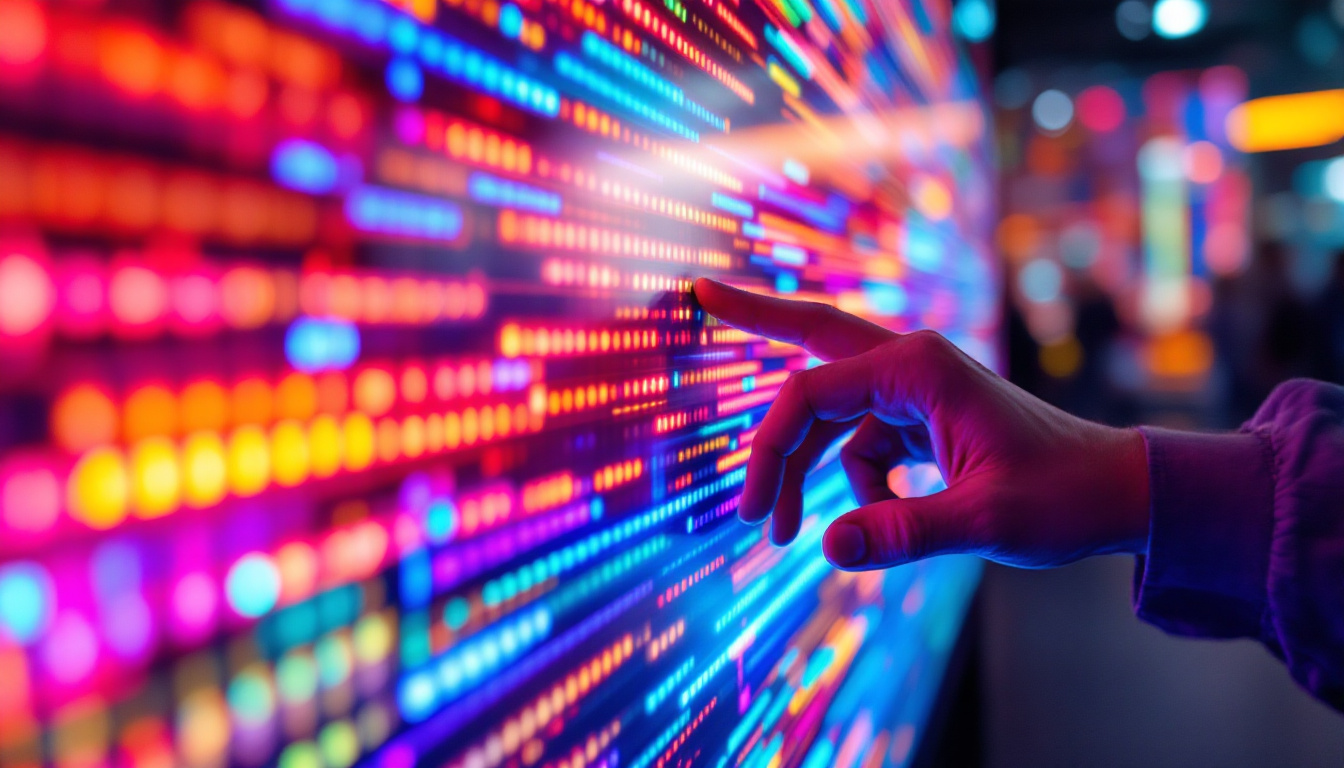
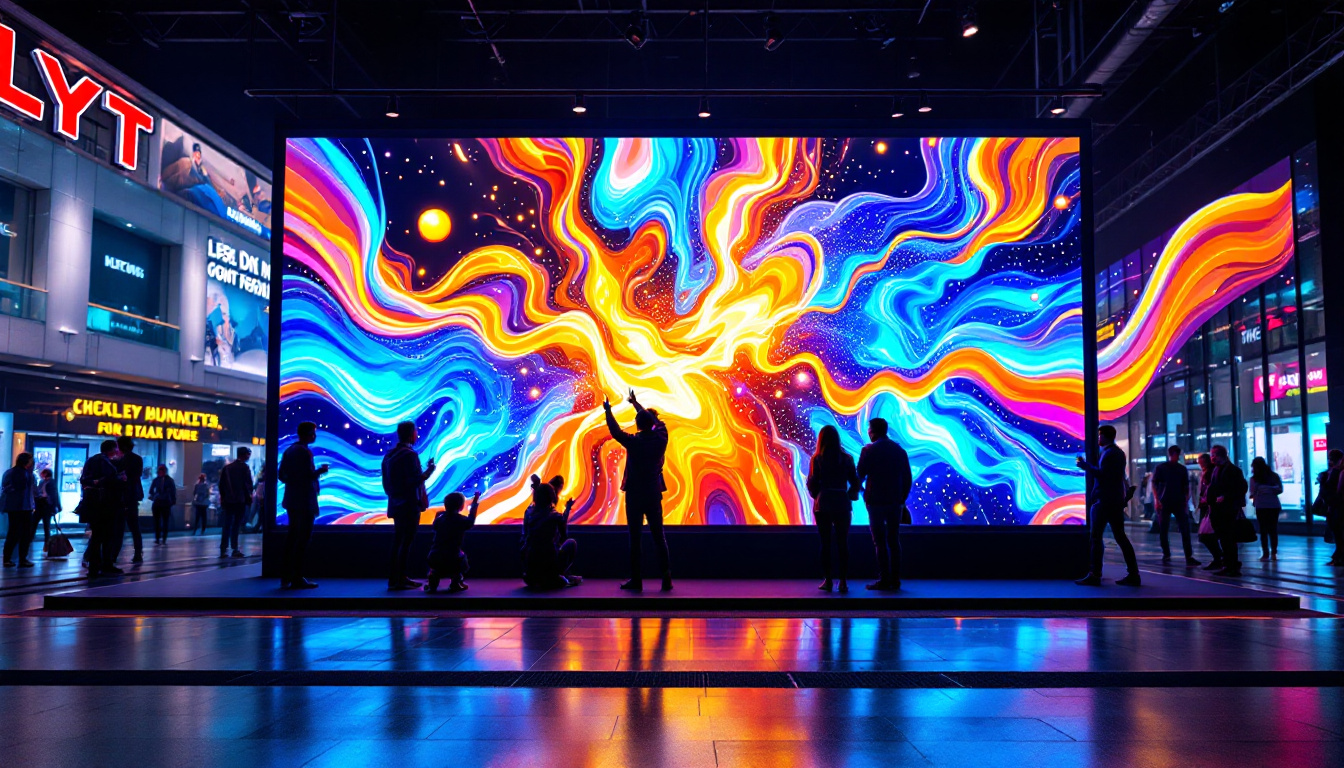
In addition to these advantages, LED branding walls can also incorporate interactive features that engage audiences in a more meaningful way. Touch-sensitive technology can be integrated into the display, allowing users to interact with content through gestures or touch, creating a dynamic experience that encourages participation. This interactivity can be particularly effective in settings such as trade shows, where capturing the attention of potential customers is crucial. Furthermore, the ability to integrate real-time data feeds—such as social media updates, live event scores, or news—can keep content fresh and relevant, making the branding wall not just a static advertisement, but a living part of the environment.
Moreover, the strategic placement of branding walls can significantly enhance brand visibility and recognition. For instance, positioning these displays at key locations within a store or event space can guide customer flow and draw attention to specific products or promotions. The use of high-definition video content can also tell a compelling brand story, allowing companies to connect emotionally with their audience. By leveraging creative storytelling through visuals, brands can create memorable experiences that resonate with viewers long after they leave the space, ultimately fostering brand loyalty and driving sales.
Applications of LED Branding Walls
LED branding walls have transformed how brands connect with their audiences across various industries. Their versatility allows for creative implementations that go beyond mere advertisement.
Retail Environments
In retail, LED branding walls serve as dynamic storefront displays or in-store installations that attract foot traffic and enhance the shopping experience. For example, luxury brands often use LED walls to showcase product launches or promotional campaigns, creating an immersive environment that reinforces brand identity. According to a 2023 report by Retail Dive, stores utilizing digital signage, including LED walls, have seen an average sales increase of 30%, highlighting their effectiveness in driving consumer engagement.
Corporate Events and Trade Shows
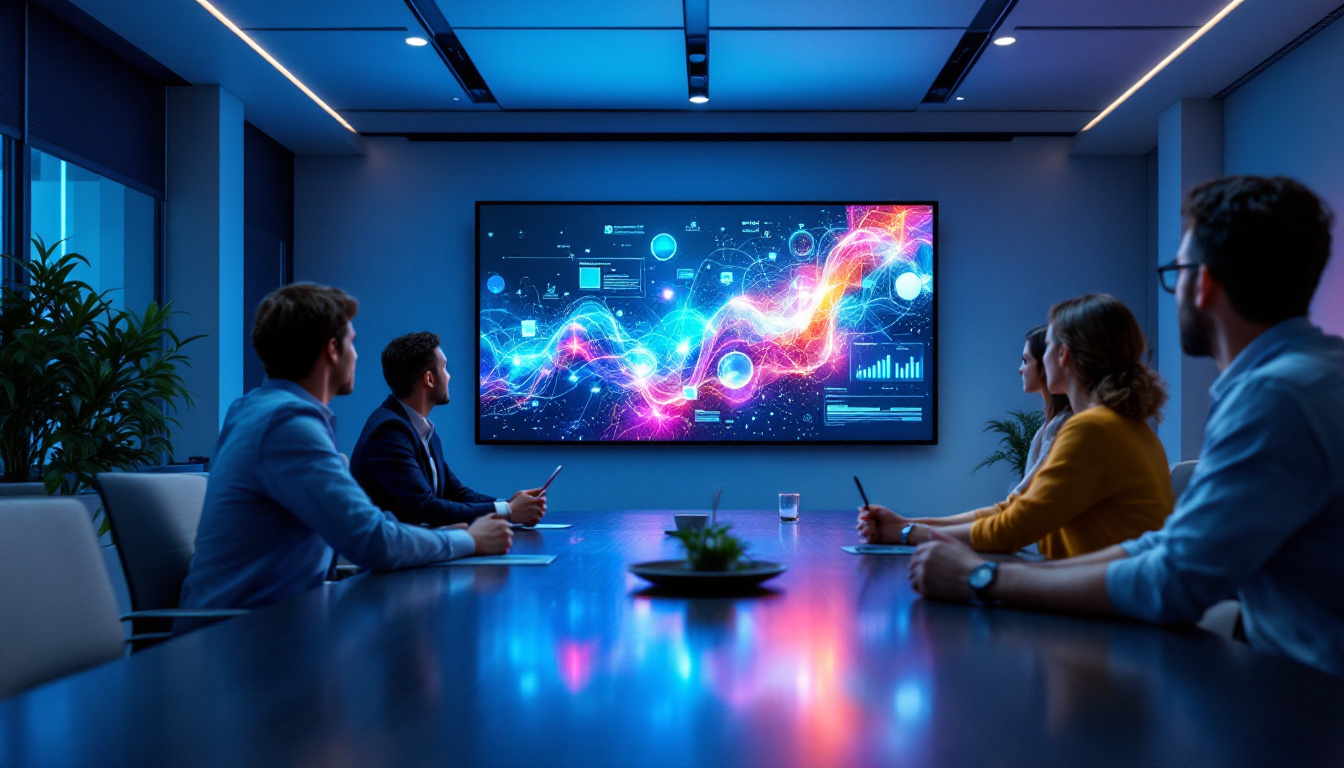
Trade shows and corporate events are prime venues for LED branding walls. These walls provide a visually striking backdrop for presentations, product demonstrations, and networking areas. The ability to display high-definition videos and interactive content helps companies stand out in crowded exhibition halls. A case study from the Consumer Electronics Show (CES) 2024 showcased how a leading tech company used a 50-foot LED wall to create an interactive product showcase, resulting in a 40% increase in booth visits compared to previous years.
Sports Arenas and Entertainment Venues
Sports arenas and entertainment venues leverage LED branding walls to enhance fan experiences and generate additional revenue through advertising. These walls display live game footage, player stats, and sponsor messages, engaging audiences during events. The National Football League (NFL) reported that LED displays in stadiums contributed to a 25% increase in sponsor visibility and fan engagement in the 2023 season.
Public Spaces and Outdoor Advertising
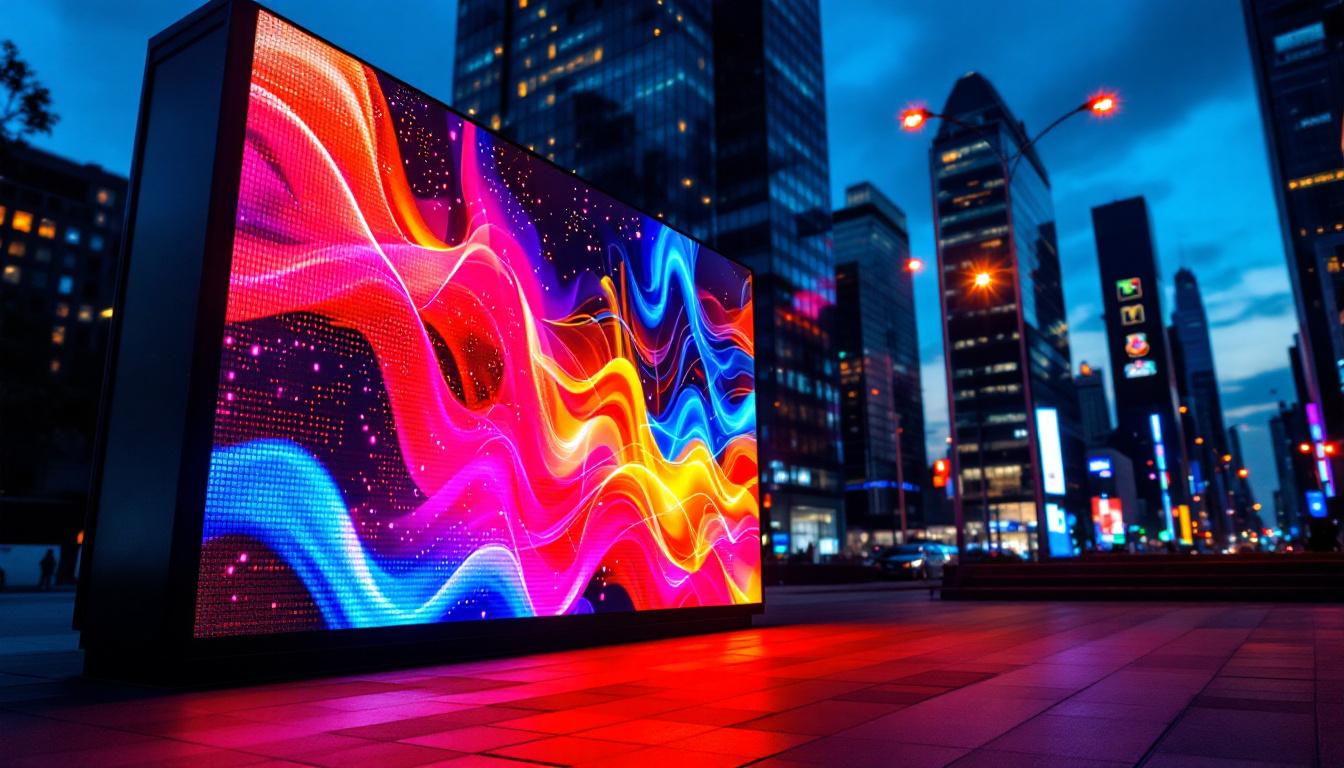
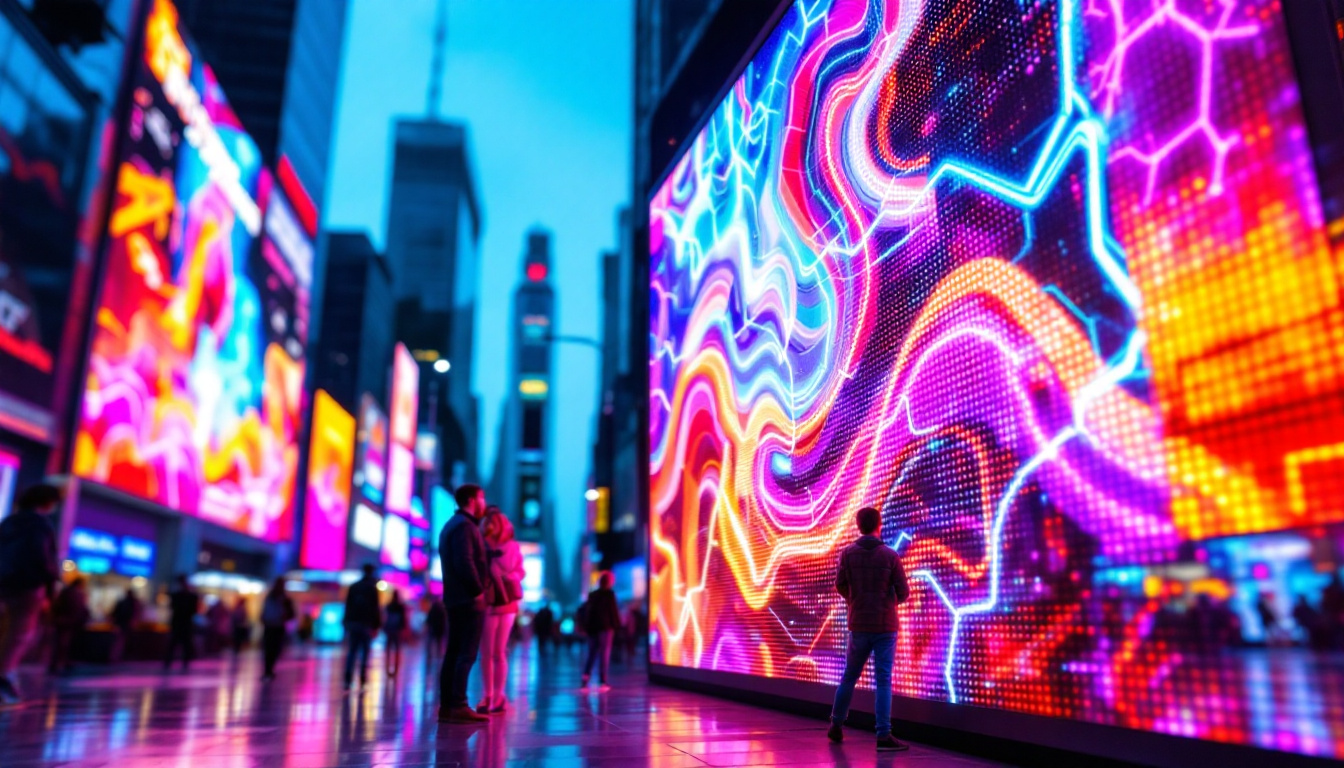
Outdoor LED branding walls are increasingly used in urban centers, transportation hubs, and public squares. Their high brightness and weather resistance make them ideal for outdoor advertising campaigns. For instance, Times Square in New York City is renowned for its massive LED walls that deliver captivating brand content to millions of pedestrians daily. Outdoor LED walls also support real-time updates, such as news, weather, or social media feeds, adding value beyond traditional advertising.
Key Components of an LED Branding Wall
Understanding the technical components of an LED branding wall helps clarify how these installations deliver such impactful visual experiences.
LED Modules and Pixel Pitch
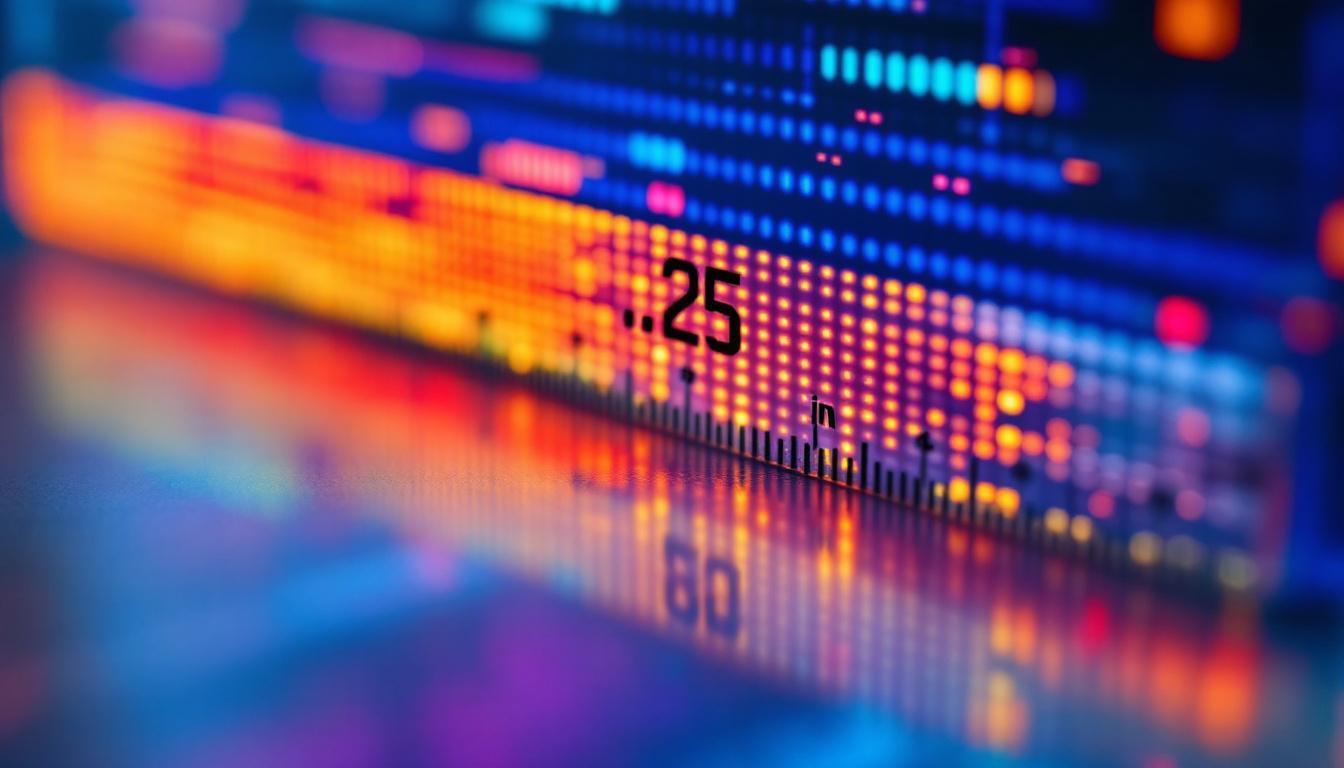
The building blocks of any LED wall are the LED modules, which contain arrays of LEDs arranged in a grid. Pixel pitch, measured in millimeters, indicates the distance between the centers of adjacent LEDs. A smaller pixel pitch means higher resolution and sharper images, suitable for close viewing distances. For example, a 1.5mm pixel pitch is ideal for indoor branding walls viewed from a few feet away, while a 10mm pitch may suffice for large outdoor walls viewed from hundreds of feet.
Control System and Content Management
The control system manages the LED modules and ensures synchronized display of content. Modern LED walls use sophisticated software platforms that allow content scheduling, real-time updates, and remote management. These systems support various media formats and enable seamless transitions between images, videos, and live feeds. Integration with audience analytics tools can further optimize content based on viewer demographics and behavior.
Power Supply and Cooling
LED walls require stable power supplies to maintain consistent brightness and color accuracy. Efficient power management reduces energy consumption and heat generation. Cooling systems, whether passive or active, are essential to prevent overheating, which can degrade LED performance and lifespan. Advanced designs incorporate heat sinks and ventilation to ensure reliable operation even in demanding environments.
Design Considerations for Effective LED Branding Walls
Creating a successful LED branding wall involves more than just technology—it requires thoughtful design and strategic planning.
Location and Viewing Distance
Choosing the right location is critical. The wall should be positioned where it naturally attracts the target audience without obstructing foot traffic or violating local regulations. Understanding the typical viewing distance helps determine the appropriate pixel pitch and screen size, ensuring clarity and legibility of content.
Content Strategy and Visual Storytelling
The content displayed on the LED wall should align with the brand’s messaging goals and resonate with the audience. Effective visual storytelling combines compelling graphics, motion, and interactivity to create memorable experiences. Brands often use dynamic content such as countdowns, social media integrations, and user-generated content to foster engagement.
Accessibility and Safety
Compliance with accessibility standards ensures that the content is inclusive, supporting features like high contrast and readable fonts. Additionally, the physical installation must adhere to safety codes, including secure mounting and protection against electrical hazards. Regular maintenance schedules help sustain performance and safety over time.
Emerging Trends and Future Outlook
The LED branding wall landscape continues to evolve, driven by technological advancements and changing consumer expectations.
Interactive and Immersive Experiences
Touch-sensitive LED walls and integration with augmented reality (AR) technologies are creating new opportunities for audience interaction. For example, some retail stores now feature LED walls that respond to gestures or smartphone inputs, allowing customers to explore products virtually. These innovations deepen engagement and provide personalized brand experiences.
AI-Driven Content Personalization
Artificial intelligence (AI) is increasingly used to tailor LED wall content based on real-time data such as weather, time of day, and audience demographics. This dynamic personalization enhances relevance and effectiveness, potentially increasing conversion rates. AI-powered analytics also provide insights into viewer behavior, informing future marketing strategies.
Sustainability and Energy Efficiency
As sustainability becomes a priority, manufacturers are developing LED panels with lower energy consumption and recyclable materials. Solar-powered LED walls and smart power management systems reduce environmental impact, aligning with corporate social responsibility goals.
Conclusion
Branding walls with LED displays represent a powerful tool for modern marketing and communication. Their ability to deliver vibrant, flexible, and engaging content makes them indispensable across industries—from retail and events to sports and public advertising. By understanding the technology, applications, design principles, and emerging trends, businesses can leverage LED branding walls to create memorable brand experiences that captivate audiences and drive measurable results.
As LED technology continues to advance, the potential for innovative and immersive branding solutions will only grow, making now the ideal time for brands to invest in this dynamic medium.
Discover LumenMatrix LED Display Solutions
Ready to elevate your brand’s presence and captivate your audience with stunning visuals? LumenMatrix is at the forefront of LED display technology, offering a wide array of solutions tailored to your unique needs. From Indoor and Outdoor LED Wall Displays to innovative LED Posters and Sports Displays, our products are designed to revolutionize visual communication and engagement. Experience the difference with LumenMatrix and transform your branding strategy today. Check out LumenMatrix LED Display Solutions and start creating unforgettable visual experiences.