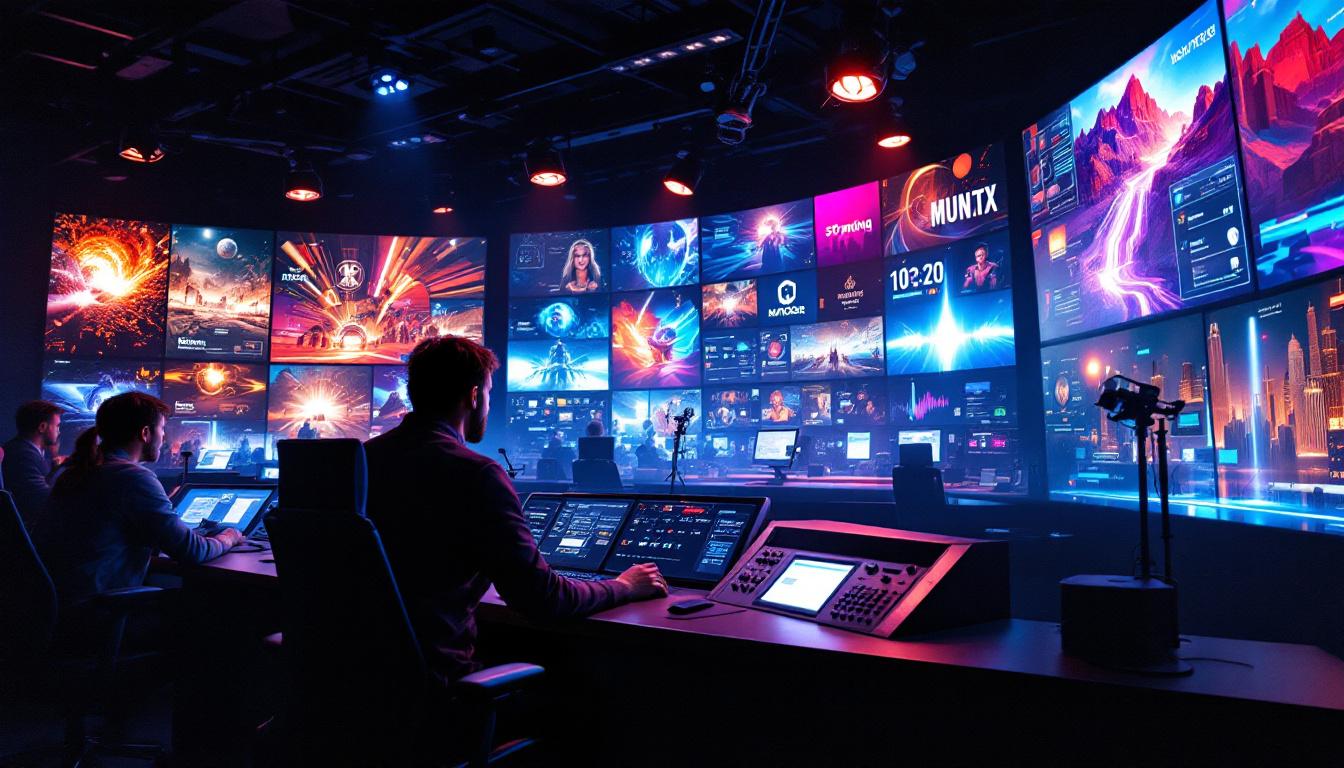
In the fast-paced world of broadcasting, the quality and clarity of visual displays are paramount. Whether it’s a live news studio, a sports commentary booth, or a high-tech control room, LED displays have become an integral component in delivering crisp, dynamic visuals. This article delves into the technology behind LED displays, their applications in broadcasting rooms, and why they have become the preferred choice for modern studios aiming to captivate audiences and streamline operations.
Understanding LED Display Technology
What is an LED Display?
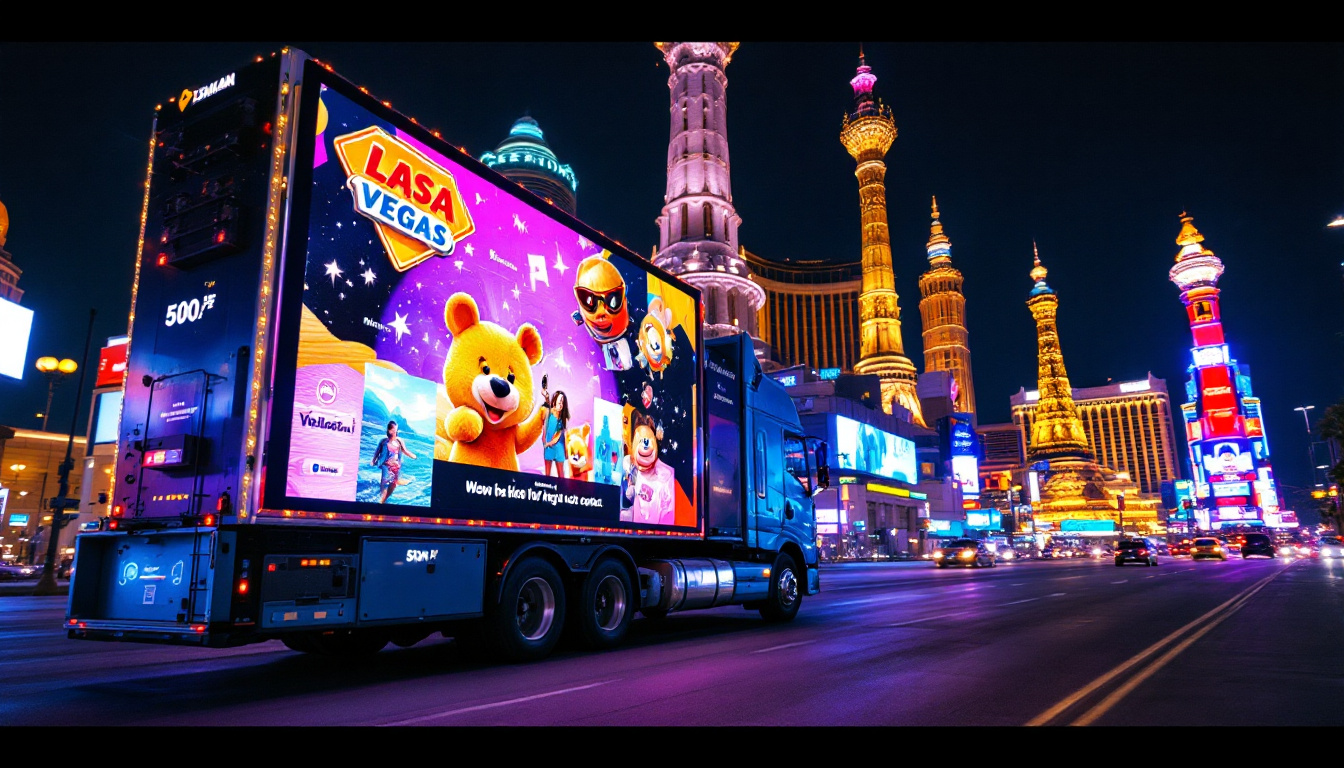
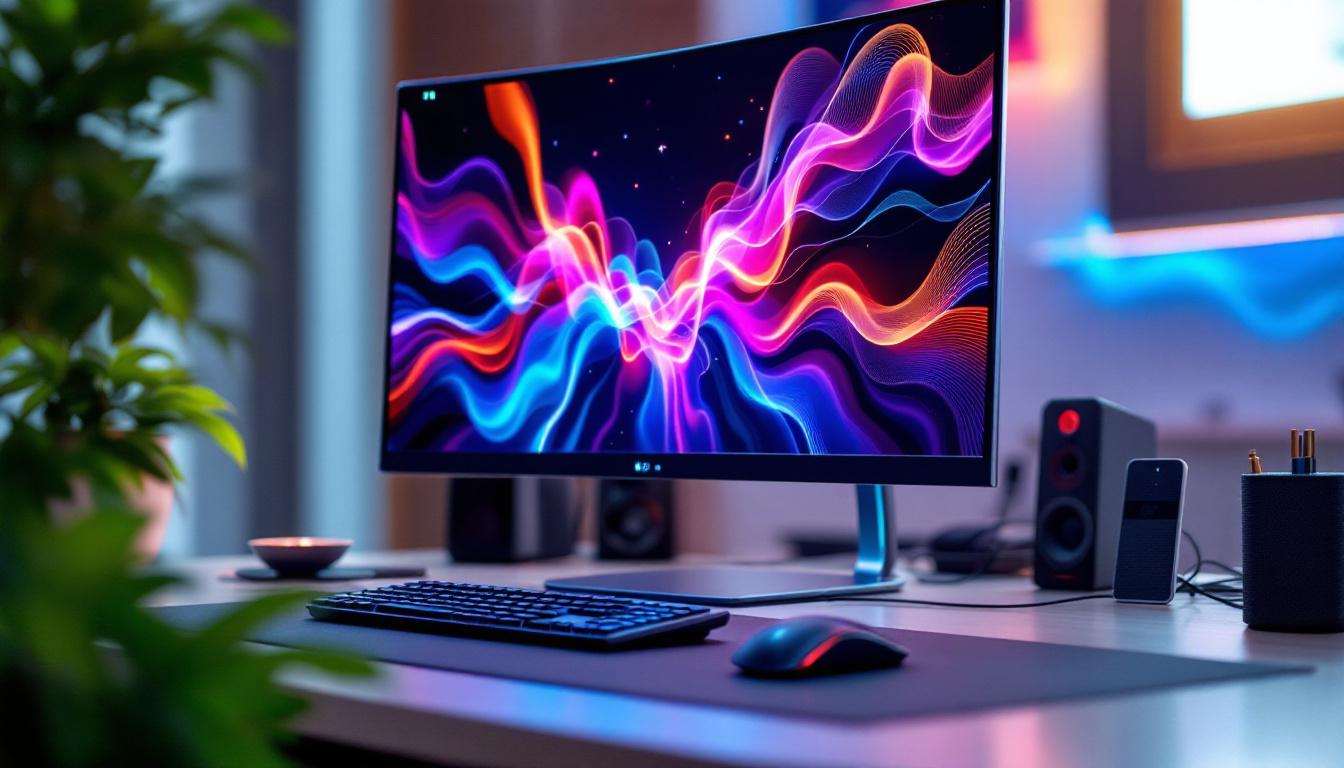
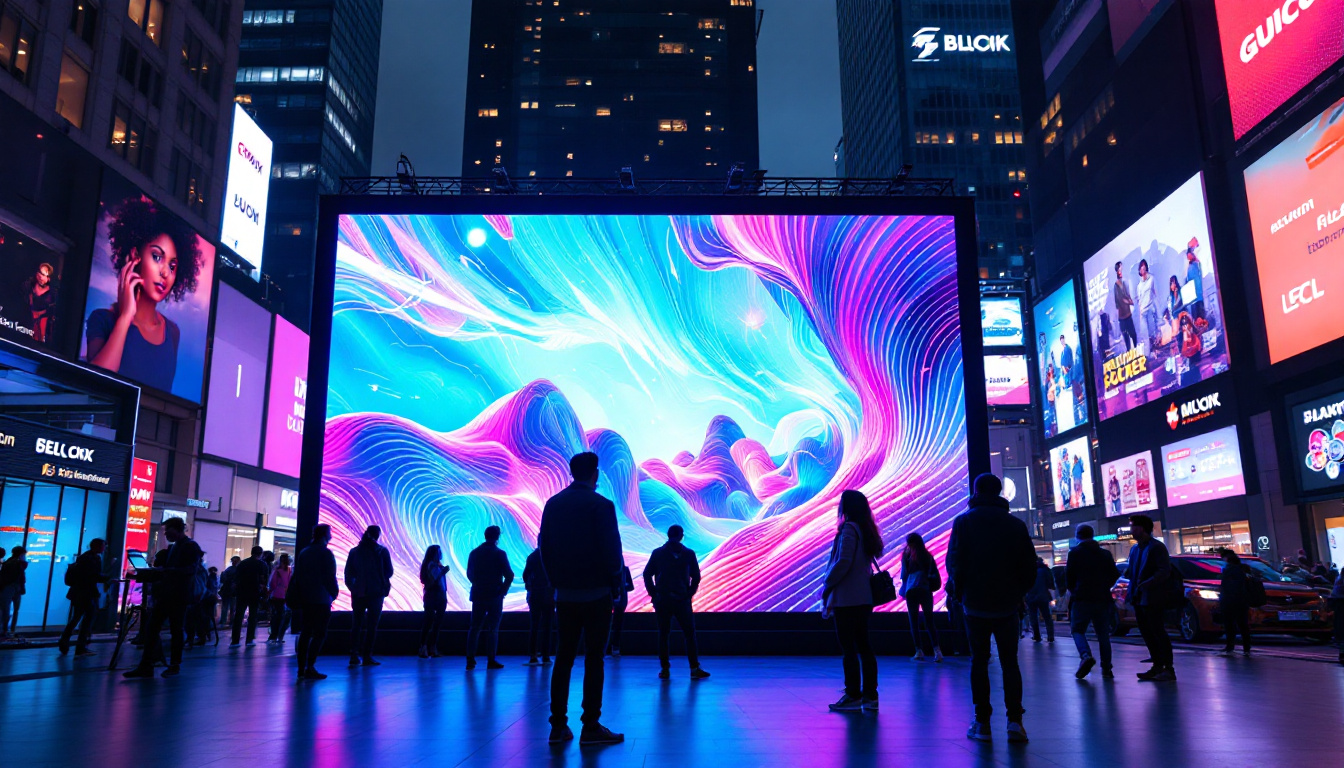
LED stands for Light Emitting Diode, a semiconductor device that emits light when an electric current passes through it. An LED display is a flat panel that uses an array of these tiny LEDs to produce images, videos, and text. Unlike traditional LCD or plasma screens, LED displays offer superior brightness, contrast, and energy efficiency, making them ideal for environments with varying lighting conditions. Their ability to maintain visibility in bright sunlight or dimly lit rooms makes them a popular choice for outdoor advertising and indoor venues alike.
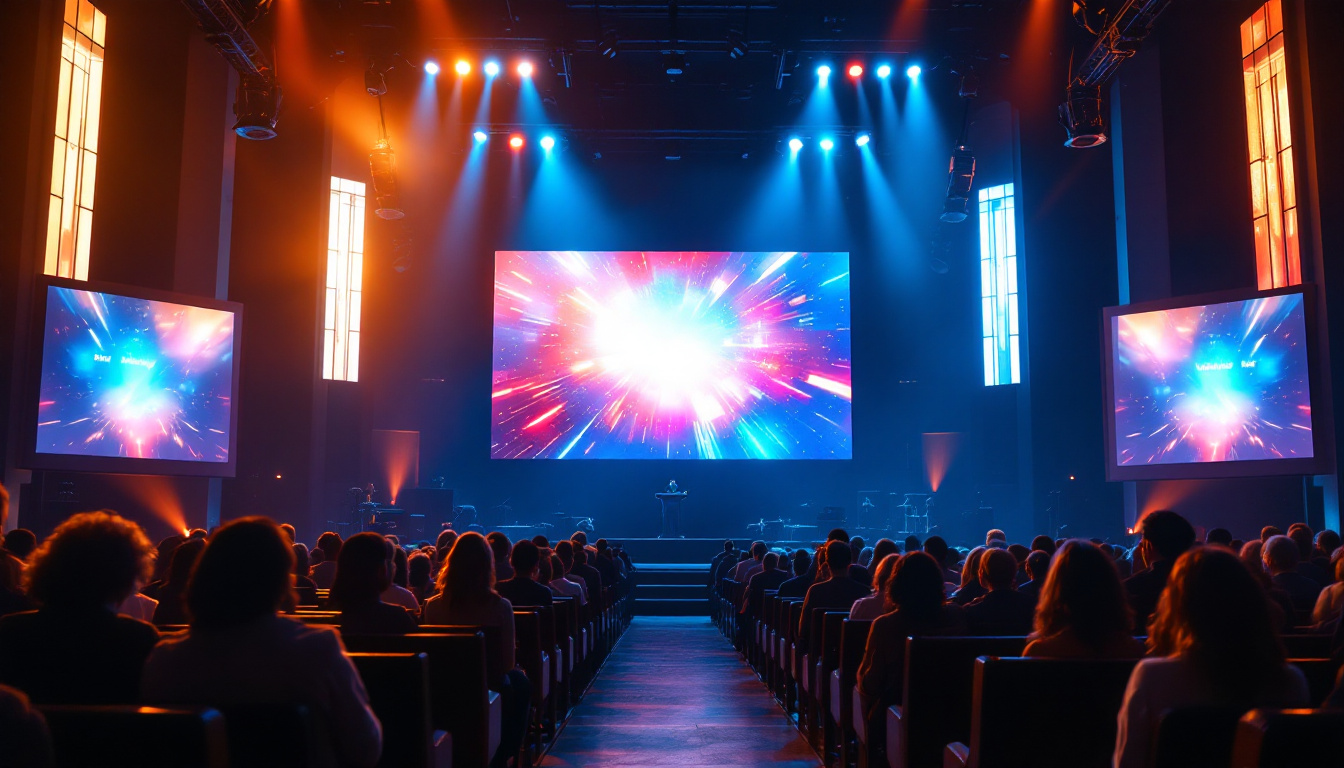
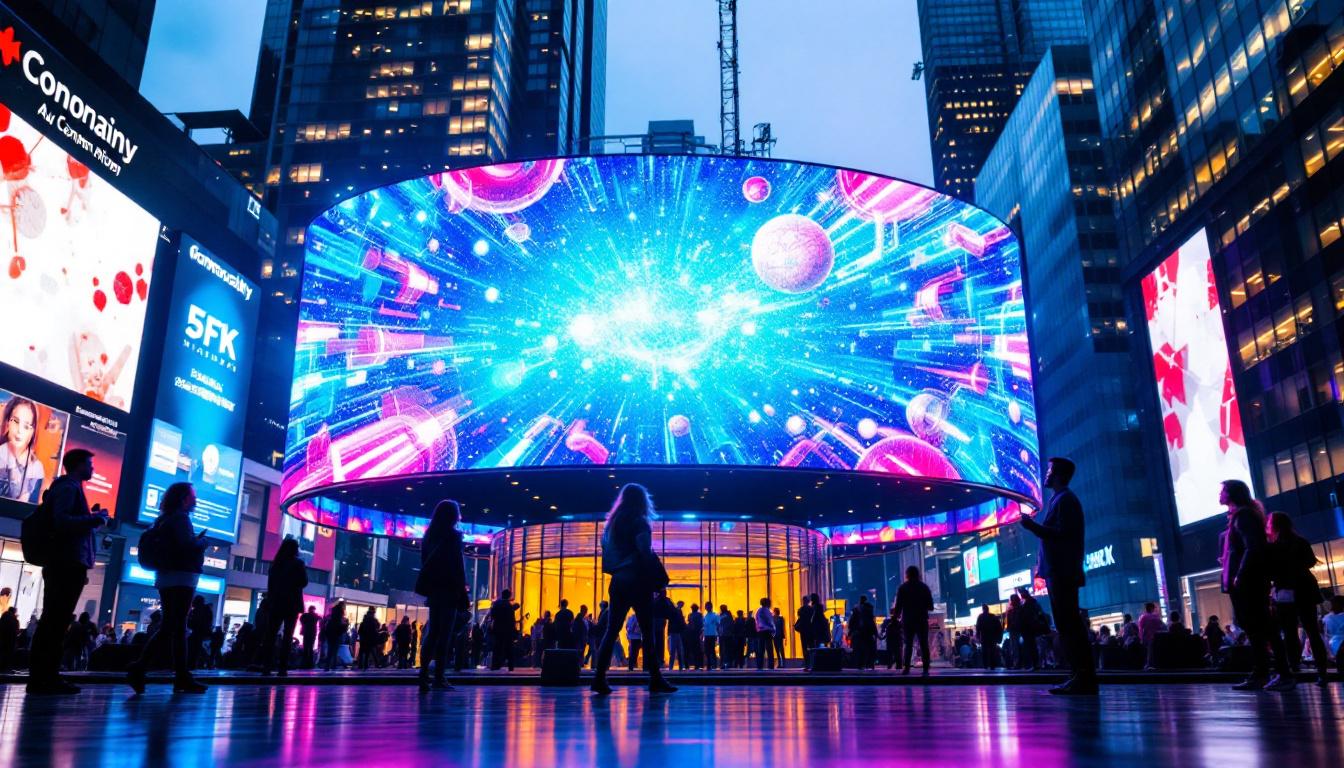
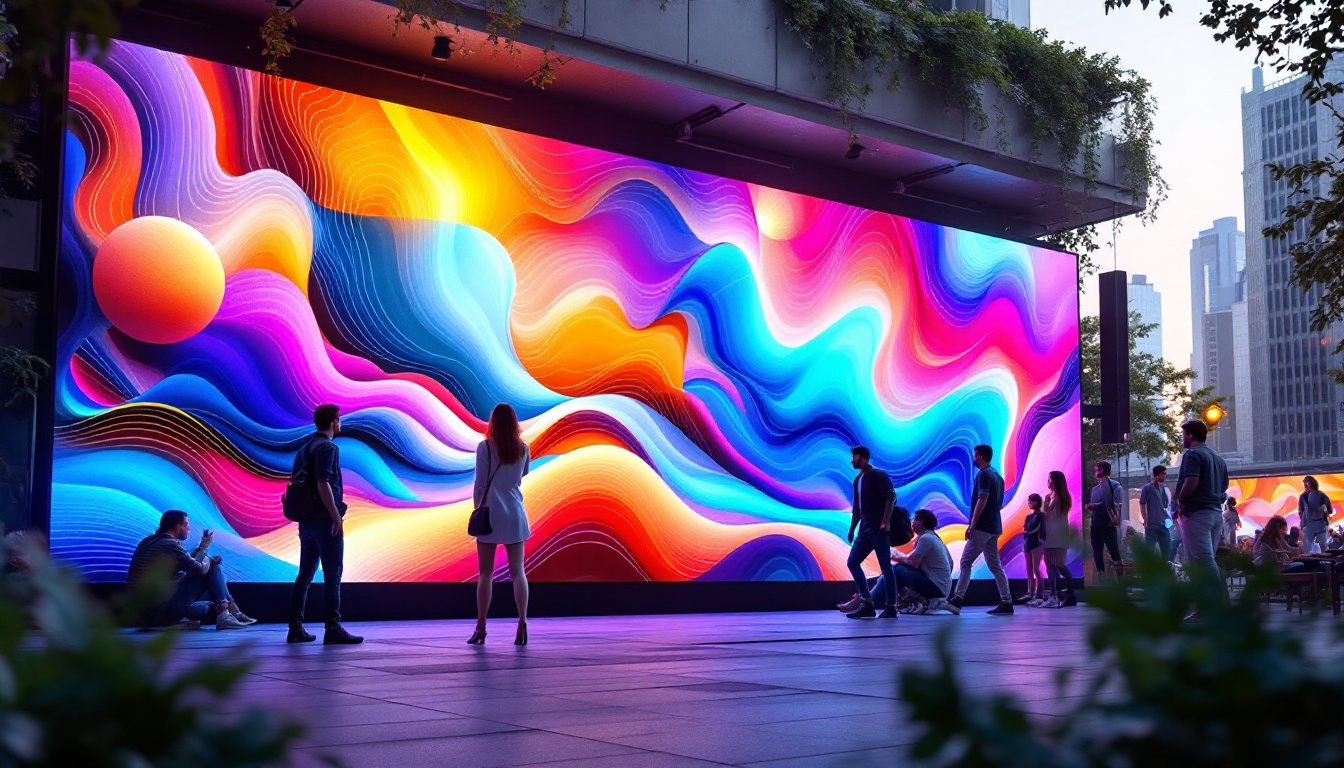
LED displays come in various forms, including direct-view LED panels and LED-backlit LCDs. In broadcasting rooms, direct-view LED walls are often preferred due to their ability to produce vibrant colors and seamless large-scale visuals without bezels interrupting the image. Furthermore, these displays are increasingly being utilized in sports arenas and concert venues, where dynamic visuals enhance the overall experience for spectators. The versatility of LED technology allows for creative installations, such as curved displays or interactive screens, which can transform any space into a captivating visual environment.
How Do LED Displays Work?
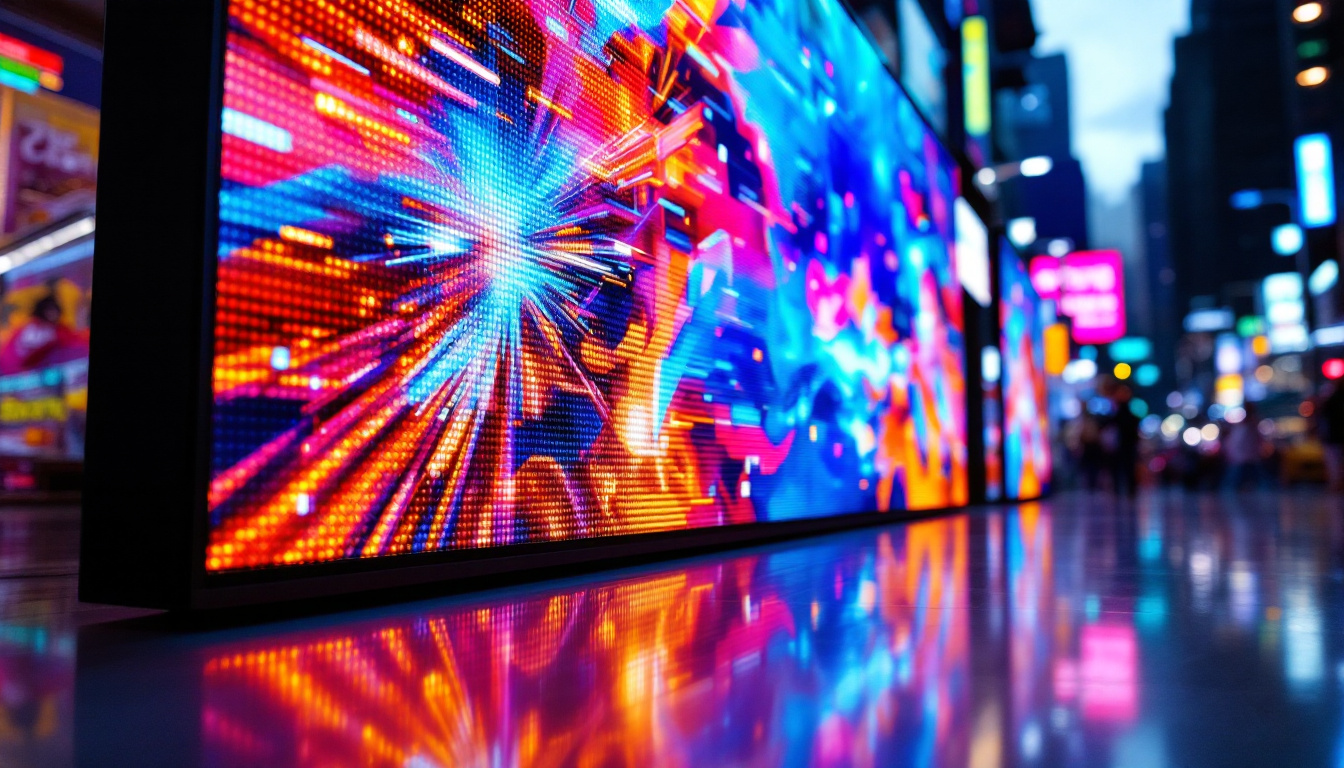
Each pixel on an LED display consists of sub-pixels in red, green, and blue (RGB). By adjusting the intensity of these sub-pixels, the display can render millions of colors. The LEDs are controlled by a driver circuit that manages brightness and color accuracy in real-time, ensuring that images are sharp and lifelike. This capability is particularly important in applications like digital signage, where messages must be clear and attention-grabbing to effectively communicate with viewers.
Modern LED displays employ advanced calibration techniques to maintain color consistency across the entire screen. This is crucial in broadcasting environments where accurate color representation can affect the perception of on-air content. Additionally, many high-end LED displays now incorporate features like HDR (High Dynamic Range), which enhances the contrast and color range, providing a more immersive viewing experience. As technology continues to evolve, innovations such as AI-driven image processing and adaptive brightness control are further enhancing the performance of LED displays, ensuring they remain at the forefront of visual technology.
The Role of LED Displays in Broadcasting Rooms
Enhancing Visual Communication
Broadcasting rooms rely heavily on visual aids to communicate information quickly and effectively. LED displays serve as dynamic backdrops for news anchors, sports commentators, and weather reporters, providing real-time data, graphics, and video feeds that enhance storytelling.
For example, during live sports broadcasts, LED walls can display instant replays, player statistics, and interactive graphics that engage viewers. In news studios, these displays can show breaking news banners, live feeds, or background visuals that set the tone for the broadcast. The versatility of LED technology allows for seamless transitions between different types of content, ensuring that the audience remains captivated and informed throughout the program. Furthermore, the ability to customize graphics and animations in real-time means that broadcasters can respond to unfolding events, making the viewing experience more immersive and relevant.
Improving Workflow and Collaboration
Beyond audience-facing applications, LED displays in control rooms and production studios facilitate better collaboration among technical teams. Large LED video walls can show multiple feeds simultaneously, allowing directors and producers to monitor various camera angles, live feeds, and graphics in real-time.
This multi-source visualization capability helps streamline decision-making during live broadcasts, reducing errors and enhancing production quality. It also supports remote collaboration, as high-resolution LED displays can integrate with video conferencing tools to connect teams across different locations. This integration is particularly beneficial in today’s broadcasting landscape, where teams may be spread across various cities or even countries. By utilizing LED displays, teams can share critical information and visuals instantaneously, ensuring that everyone is on the same page, regardless of their physical location. Moreover, the ability to annotate and highlight specific elements on the screen fosters a more interactive and engaging workflow, allowing for more effective brainstorming sessions and real-time feedback.
Adapting to Different Lighting Conditions
Broadcasting rooms often face challenges with ambient lighting, which can affect screen visibility. LED displays excel in this regard due to their high brightness levels, often exceeding 1,000 nits, which ensures clear visibility even under bright studio lights.
Additionally, LED displays have wide viewing angles, allowing on-air talent and production staff to view content clearly from various positions within the studio. This flexibility is essential in dynamic environments where movement and positioning frequently change. Furthermore, many modern LED displays come equipped with advanced technologies such as adaptive brightness control, which automatically adjusts the screen’s brightness based on the surrounding light conditions. This feature not only enhances visibility but also helps to conserve energy, making LED displays a more sustainable choice for broadcasting facilities. As studios continue to evolve with new lighting designs and layouts, the adaptability of LED technology ensures that broadcasters can maintain high-quality visuals without compromising on performance or viewer experience.
Key Features to Consider When Choosing LED Displays for Broadcasting
Resolution and Pixel Pitch
Resolution is a critical factor in selecting LED displays for broadcasting rooms. Higher resolution means more pixels per inch, resulting in sharper images and finer detail. Pixel pitch—the distance between the centers of adjacent pixels—directly influences resolution. Smaller pixel pitches (e.g., 1.2mm to 2.5mm) are preferred for close viewing distances typical in studios.
For example, a news studio backdrop viewed from a few meters away benefits from a fine pixel pitch to avoid visible pixelation. Conversely, control rooms where displays are viewed from a distance may use larger pixel pitches without sacrificing image quality.
Color Accuracy and Calibration
Accurate color reproduction is non-negotiable in broadcasting. LED displays must be capable of rendering colors that match the source content precisely to maintain the integrity of the broadcast. Professional-grade LED panels come with factory calibration and support ongoing color management to prevent drift over time.
Some advanced systems incorporate sensors that automatically adjust brightness and color balance based on ambient lighting, ensuring consistent visuals throughout the day.
Refresh Rate and Motion Handling
High refresh rates reduce flicker and motion blur, crucial for broadcasting fast-moving content such as sports or live events. A refresh rate of 1920Hz or higher is typically recommended for LED displays in broadcast environments to ensure smooth video playback and comfortable viewing.
Improved motion handling also minimizes eye strain for on-air talent and viewers, contributing to a more professional and polished broadcast experience.
Durability and Maintenance
Broadcasting environments demand reliable equipment that can operate continuously without failure. LED displays designed for professional use often feature robust construction, weather resistance (for outdoor studios), and easy access for maintenance.
Modular designs allow technicians to replace individual LED modules without dismantling the entire display, minimizing downtime and maintenance costs. Additionally, many LED systems include remote monitoring capabilities to detect and address issues proactively.
Case Studies: LED Displays Transforming Broadcasting Rooms
Case Study 1: CNN’s Global Newsroom
CNN’s global newsroom employs massive LED video walls as dynamic backdrops for its anchors. These walls display real-time news feeds, interactive maps, and social media content, creating an immersive viewing experience. The LED displays feature a pixel pitch of 1.5mm, ensuring crystal-clear visuals even for viewers watching in HD and 4K formats.
The newsroom’s LED system is integrated with AI-driven content management software, allowing producers to switch between visuals seamlessly during live broadcasts. This setup has enhanced CNN’s ability to deliver breaking news with engaging graphics, improving viewer retention and satisfaction.
Case Study 2: ESPN’s Sports Studio
ESPN’s sports studio uses curved LED walls to create an enveloping environment for commentators and guests. These displays provide instant replays, player stats, and interactive graphics that can be manipulated in real-time. The high refresh rate and color accuracy of the LED panels allow for smooth playback of fast-action sequences.
By incorporating LED technology, ESPN has elevated its broadcast quality, offering viewers a more immersive and informative experience. The displays also support augmented reality (AR) overlays, blending virtual elements with live footage to enhance storytelling.
Future Trends in LED Displays for Broadcasting
MicroLED and MiniLED Technologies
Emerging technologies like MicroLED and MiniLED promise to revolutionize broadcasting displays further. MicroLEDs are even smaller than traditional LEDs, allowing for ultra-high resolution and brightness with improved energy efficiency. These displays offer better contrast ratios and longer lifespans, ideal for demanding broadcast environments.
MiniLED technology enhances backlighting in LCD panels, providing deeper blacks and more precise local dimming. Both technologies are expected to become more affordable and widespread in the coming years, offering broadcasters new options for stunning visual presentations.
Integration with Augmented Reality and Virtual Sets
LED displays are increasingly used as part of virtual set designs and augmented reality (AR) applications in broadcasting. By combining LED walls with real-time rendering engines, studios can create immersive environments without physical sets, reducing production costs and increasing creative flexibility.
This trend is gaining traction as broadcasters seek to engage audiences with innovative content formats, blending physical and digital worlds seamlessly.
Energy Efficiency and Sustainability
As sustainability becomes a priority, broadcasters are adopting LED displays that consume less power and have a smaller carbon footprint compared to traditional display technologies. Advances in LED driver circuits and materials have improved energy efficiency, aligning with corporate social responsibility goals and reducing operational costs.
Moreover, many manufacturers now offer recycling programs and environmentally friendly manufacturing processes, supporting the broadcasting industry’s move toward greener practices.
Conclusion
LED displays have transformed broadcasting rooms by providing vibrant, reliable, and versatile visual solutions that enhance both on-air presentation and behind-the-scenes operations. Their superior brightness, color accuracy, and adaptability make them indispensable tools for modern broadcasters striving to deliver compelling content in an increasingly competitive media landscape.
As technology advances, the integration of MicroLED, MiniLED, and augmented reality will further elevate the role of LED displays in broadcasting. For studios and broadcasters, investing in high-quality LED display systems not only improves production value but also future-proofs their operations in a rapidly evolving industry.
Understanding the technical aspects and practical applications of LED displays helps broadcasters make informed decisions that align with their creative and operational goals, ultimately enhancing the viewer experience and maintaining a competitive edge.
Discover LumenMatrix LED Display Solutions
Ready to elevate your broadcasting room with the latest in LED display technology? LumenMatrix is at the forefront of innovation, offering a wide range of LED display solutions tailored to your needs. From Indoor and Outdoor LED Wall Displays to specialized options like Vehicle, Sports, and Floor LED Displays, our products are designed to captivate your audience and amplify your message. Experience the future of visual communication with our Custom, All-in-One, and Transparent LED Displays. Check out LumenMatrix LED Display Solutions today and transform your broadcasting space into a dynamic and engaging environment.