In the evolving world of sustainable architecture, cob houses have gained renewed interest for their eco-friendly, cost-effective, and aesthetically unique qualities. As these natural homes become more popular, integrating modern technology such as LED displays into cob house designs presents exciting possibilities. This article explores the intersection of traditional cob construction and contemporary LED display technology, explaining how LED displays can be effectively incorporated into cob houses to enhance functionality, energy efficiency, and visual appeal.
Understanding Cob Houses: A Sustainable Building Tradition
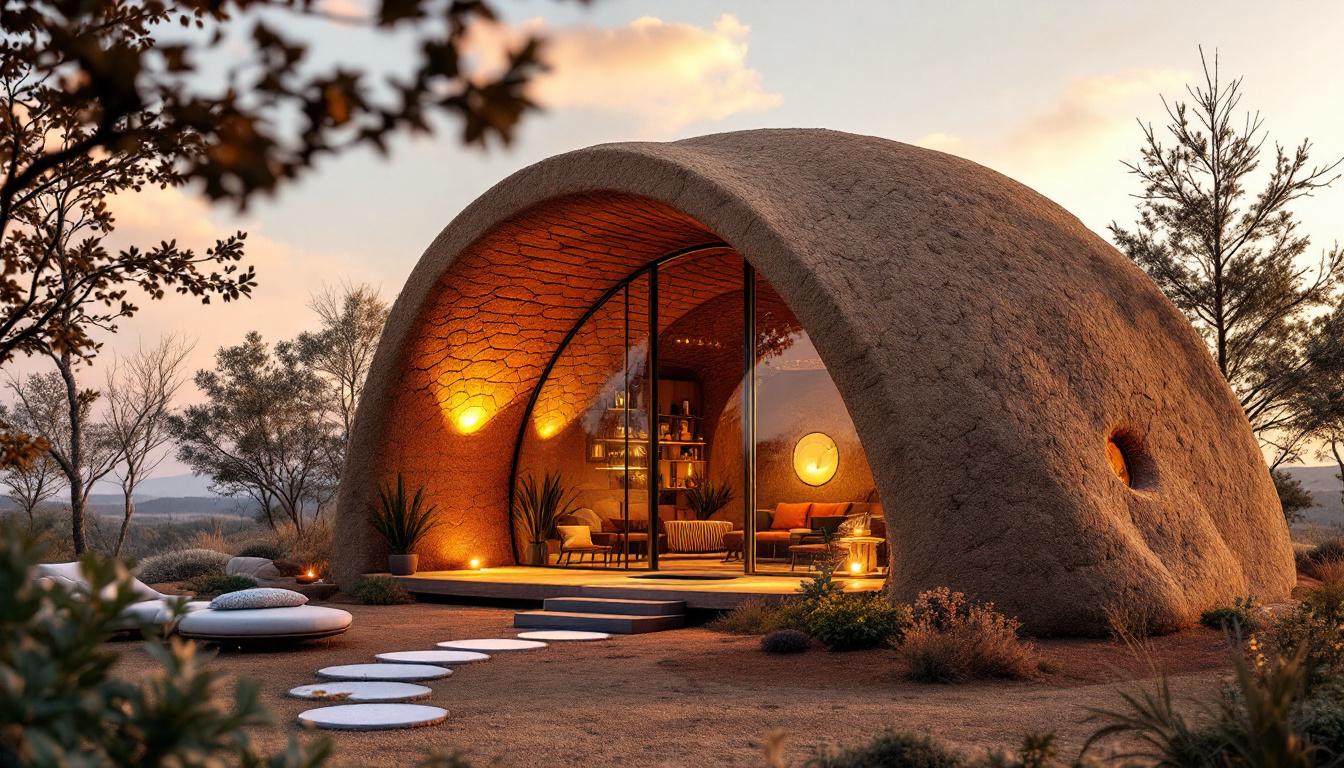
Cob is a natural building material made from subsoil, water, fibrous organic material (typically straw), and sometimes lime. This mixture is sculpted into walls that are thick, durable, and provide excellent thermal mass. Cob building dates back thousands of years and has been used worldwide, from the British Isles to parts of Africa and the Middle East. The ancient techniques of cob construction often involved local communities coming together to create homes, fostering a sense of unity and shared purpose. These structures not only served as shelters but also as a testament to the craftsmanship and cultural heritage of the builders.
The resurgence of cob houses in modern construction is largely due to their environmental benefits. Cob is locally sourced, non-toxic, and biodegradable, making it an ideal choice for those seeking sustainable living options. Additionally, cob walls offer excellent insulation and thermal regulation, reducing the need for artificial heating and cooling. This natural material also has a low carbon footprint compared to conventional building materials, aligning with the growing movement towards eco-friendly architecture. As more people become aware of the environmental impact of their choices, cob houses are gaining popularity among eco-conscious individuals and families who wish to minimize their ecological footprint.
However, cob construction also presents challenges, particularly when integrating modern technologies like electrical systems and digital displays. Understanding the nature of cob as a building material is essential before incorporating LED displays into these homes. The moisture content and thermal properties of cob can complicate the installation of conventional wiring and fixtures, necessitating innovative solutions that respect the integrity of the material. Builders and homeowners often turn to creative methods, such as using surface-mounted conduits or wireless technology, to maintain the aesthetic and functional qualities of their cob structures while ensuring they are equipped for modern living.
Moreover, the aesthetic appeal of cob houses cannot be overlooked. The organic shapes and earthy tones of cob lend themselves to a unique architectural style that blends harmoniously with the natural environment. Many cob homes feature rounded walls, arched doorways, and custom niches that reflect the individuality of their owners. This artistic aspect of cob construction encourages creativity, allowing builders to express their vision through sculptural forms and personalized designs. As a result, each cob house becomes a one-of-a-kind masterpiece, showcasing the beauty of natural materials and the artistry of sustainable building practices.
LED Displays: Technology Overview and Applications
What Are LED Displays?
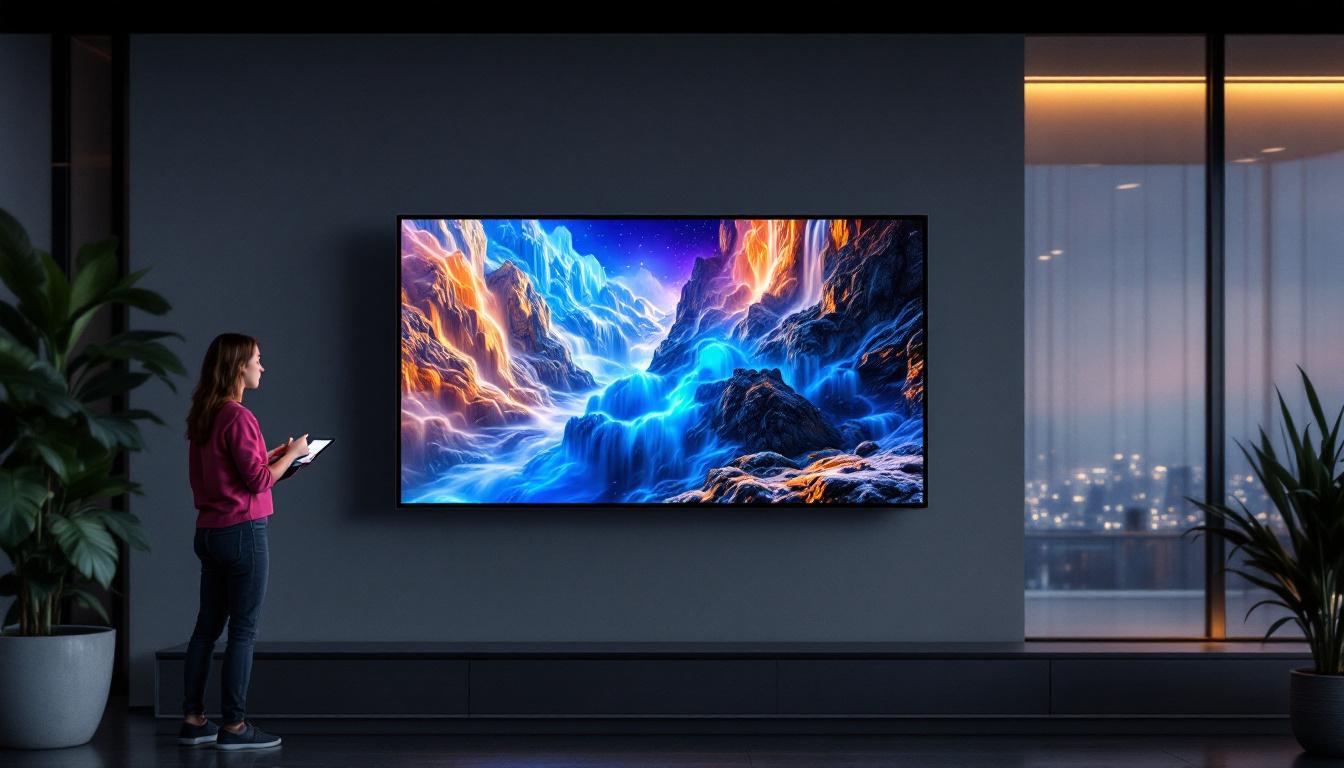
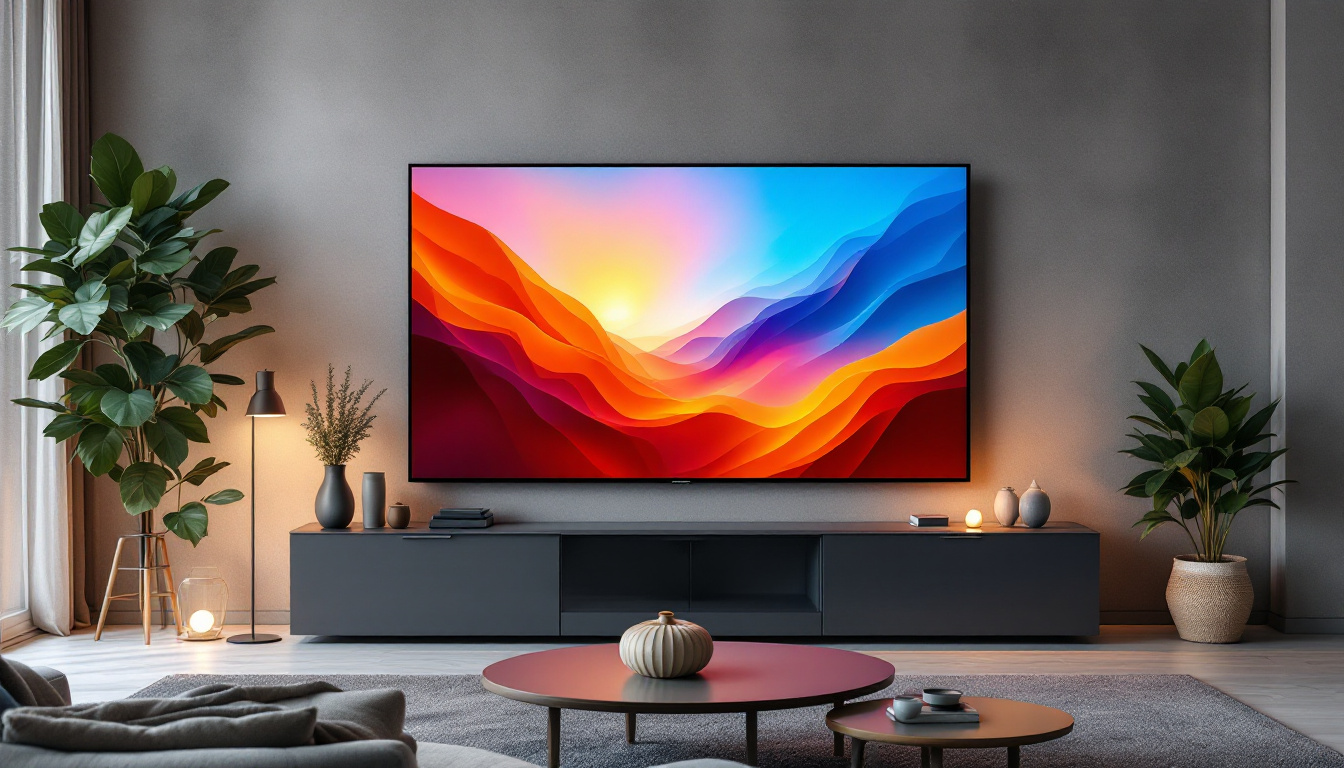
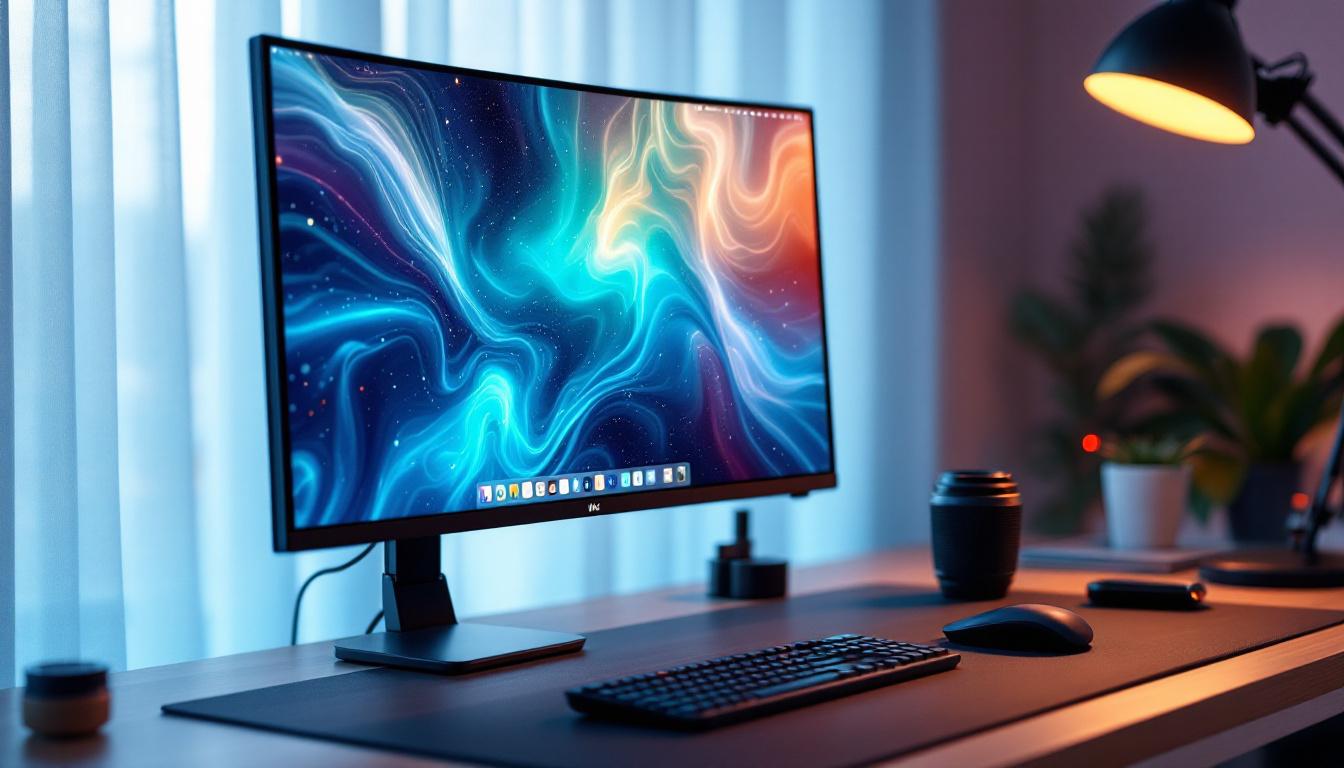
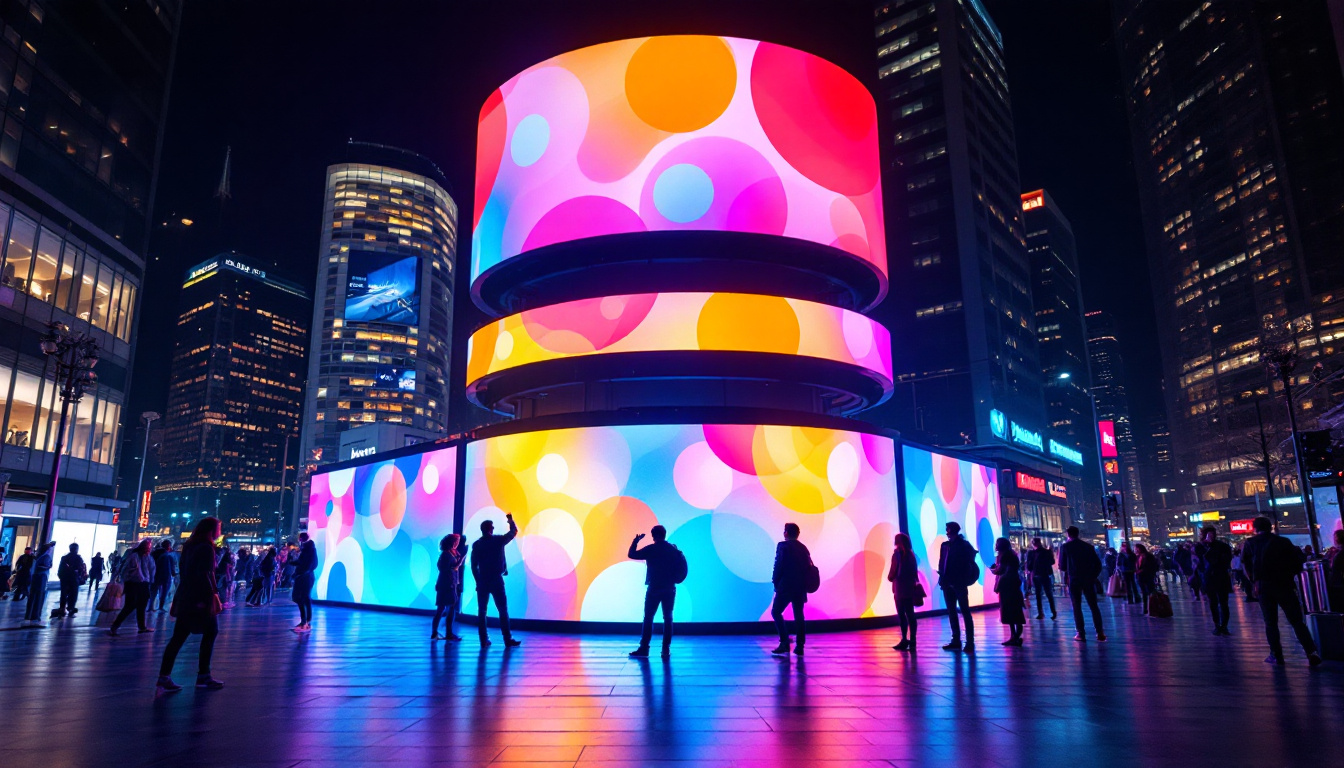
LED (Light Emitting Diode) displays are electronic visual displays that use LEDs as pixels to produce images, videos, or text. These displays are known for their brightness, energy efficiency, and long lifespan. They come in various forms, including LED panels, strips, and modules, and are used in advertising, information dissemination, interior design, and smart home applications.
In residential settings, LED displays can serve multiple purposes—from ambient lighting and decorative features to interactive information panels and security systems. Their low power consumption aligns well with sustainable building practices, making them a suitable technology to integrate into eco-friendly homes like those made of cob.
Why Integrate LED Displays in Cob Houses?
Integrating LED displays into cob houses offers several advantages:
- Energy Efficiency: LED technology consumes significantly less power than traditional lighting or display options, complementing the energy-saving benefits of cob construction.
- Customization: LED displays can be tailored to fit unique architectural features, enhancing the aesthetic appeal of cob homes.
- Functionality: They can provide real-time information, security alerts, or entertainment within the home environment without compromising the natural design ethos.
- Durability: LEDs have a long operational life and can withstand various environmental conditions, which is beneficial for the natural, often humid environment of cob walls.
Challenges and Considerations When Installing LED Displays in Cob Houses
Structural Compatibility
Cob walls are thick and load-bearing but also porous and susceptible to moisture. Embedding LED displays requires careful planning to avoid compromising the integrity of the walls. Unlike standard drywall or concrete, cob cannot be easily cut or drilled without risking cracks or structural weaknesses.
One approach is to install LED panels in recessed niches or frames that are constructed alongside the cob walls during the building process. This method ensures that the display is securely mounted without damaging the cob material. Additionally, using lightweight LED strips rather than heavy panels can reduce stress on the structure.
Electrical Wiring and Safety
Electrical wiring in cob houses must be installed with moisture and insulation considerations in mind. Cob’s natural porosity can allow moisture ingress, which poses a risk to electrical components. Using waterproof conduits and ensuring proper insulation is critical to prevent short circuits or corrosion.
Moreover, all wiring should comply with local building codes and safety standards. Consulting with electricians experienced in natural building environments is highly recommended to ensure safe and effective installation.
Power Supply and Energy Management
Many cob house owners prioritize off-grid living or renewable energy sources such as solar panels. LED displays, while energy-efficient, still require a reliable power supply. Integrating LED systems with solar power setups or battery storage is a practical solution that aligns with the sustainable philosophy of cob construction.
Energy management systems can be employed to optimize LED display usage, turning them off or dimming them during periods of low activity to conserve power. Smart home technology can further enhance this efficiency by automating lighting and display functions based on occupancy or time of day.
Designing LED Displays for Cob Houses
Aesthetic Integration
The organic, earthy appearance of cob walls provides a unique canvas for LED displays. Designers can leverage this by selecting LED colors and patterns that complement natural textures and tones. For example, warm white LEDs can enhance the cozy ambiance of a cob interior, while subtle color changes can highlight architectural features without overwhelming the space.
Custom-shaped LED panels or flexible LED strips can be molded to follow the curves and contours typical of cob walls, creating seamless integration. Additionally, diffusers or frosted covers can soften the light output, preserving the natural feel of the environment.
Functional Applications
LED displays in cob houses can serve various practical purposes:
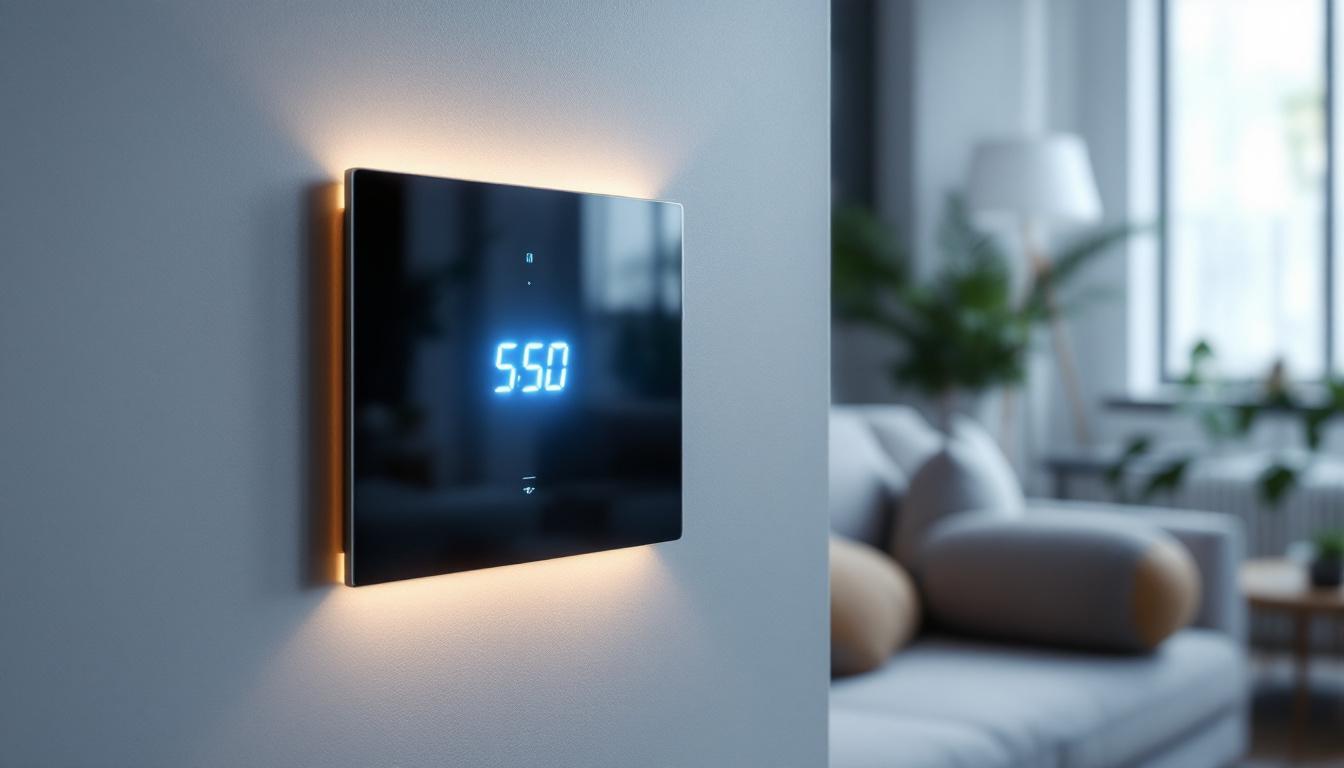
- Information Panels: Displaying weather updates, energy consumption data, or home automation controls.
- Security Systems: Integrating with cameras and alarms to provide visual alerts.
- Ambient Lighting: Mood lighting that adjusts according to time of day or activity.
- Artistic Displays: Showcasing digital art or nature-inspired animations that enhance the natural aesthetic.
Each application requires tailored design considerations to balance visibility, power use, and user interaction.
Case Studies: Successful LED Integration in Cob Homes
EcoVillage Cob Home in Oregon
At an eco-village in Oregon, a cob house was constructed with integrated LED lighting strips embedded in the wall niches. These strips provide soft, indirect lighting that enhances the natural textures of the cob walls. The system is powered by solar panels, ensuring zero net energy consumption for lighting.
The design team utilized flexible LED strips with waterproof coatings to withstand the humid environment. The lighting is controlled via a smartphone app, allowing residents to adjust brightness and color temperature according to their preferences.
Smart Cob Home in the UK
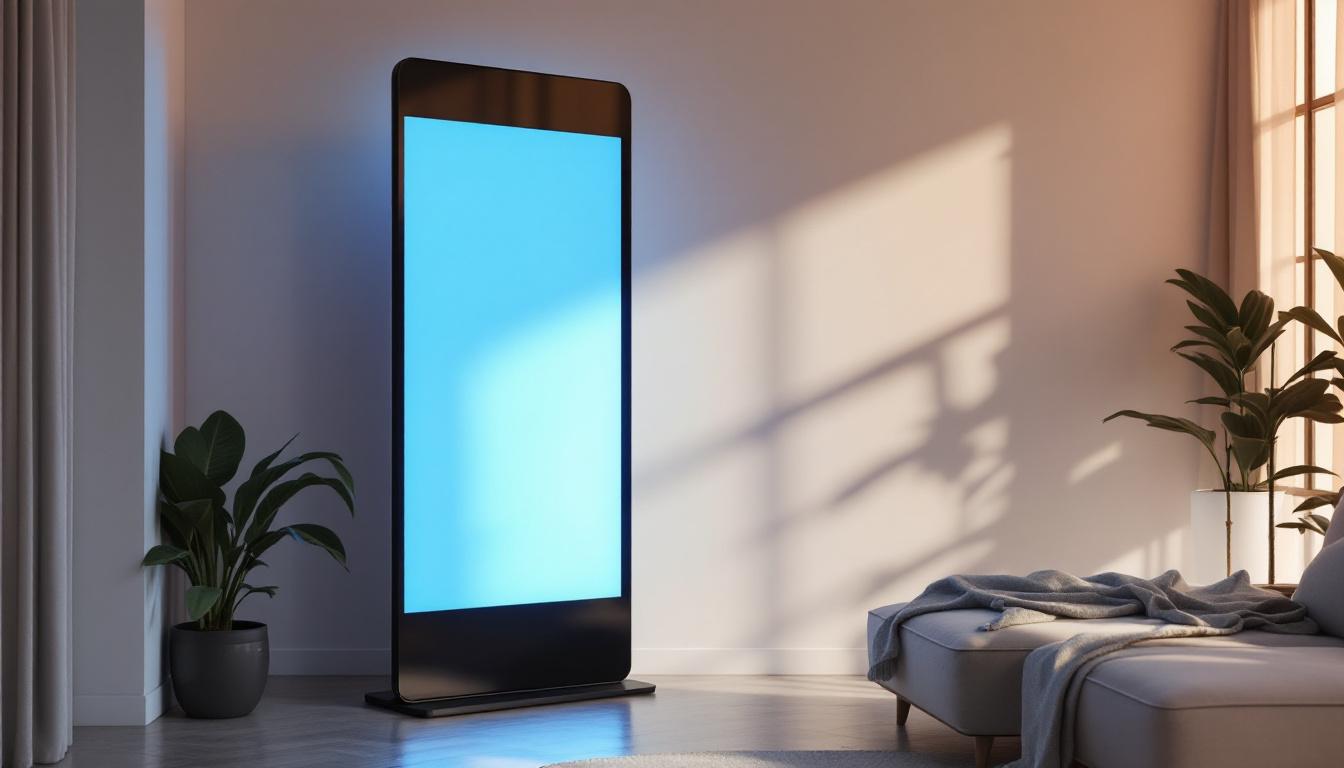
A smart cob home in the United Kingdom incorporated an LED display panel near the entrance, which serves as an interactive information hub. The panel displays weather forecasts, energy usage statistics, and security alerts. It is recessed into a custom-built wooden frame embedded in the cob wall, preserving structural integrity.
The electrical wiring was routed through waterproof conduits, and the entire system is powered by a combination of grid electricity and solar energy. This integration demonstrates how modern technology can coexist harmoniously with traditional building methods.
Future Trends and Innovations
As technology advances, the potential for integrating LED displays into cob houses continues to expand. Emerging developments include:
- Flexible and Transparent LEDs: These can be embedded directly into natural materials, allowing for even more seamless integration.
- Energy Harvesting Displays: LED systems that generate their own power through solar or kinetic energy, reducing reliance on external power sources.
- Smart Glass and OLED Panels: These technologies could be adapted for use in cob homes to provide dynamic lighting and display options with minimal structural impact.
- Biodegradable Electronics: Research into eco-friendly electronic components may yield LED displays that align even more closely with the sustainability goals of cob construction.
These innovations promise to make LED integration in cob houses more efficient, sustainable, and aesthetically pleasing in the near future.
Conclusion
Building cob houses with integrated LED displays represents a fascinating fusion of ancient building techniques and cutting-edge technology. While challenges exist—particularly regarding structural compatibility, electrical safety, and power management—careful planning and design can overcome these obstacles.
LED displays offer cob homeowners enhanced functionality, energy efficiency, and aesthetic flexibility, making them a valuable addition to sustainable living environments. As technology evolves, the synergy between natural building materials and modern electronics will only grow stronger, paving the way for innovative, eco-friendly homes that meet contemporary needs.
For architects, builders, and homeowners interested in sustainable construction, understanding how to effectively incorporate LED displays into cob houses is an essential step toward creating smart, beautiful, and environmentally responsible living spaces.
Illuminate Your Cob Home with LumenMatrix
Embrace the harmony of tradition and innovation by integrating LumenMatrix’s advanced LED display technology into your cob house. With a wide array of solutions from Indoor and Outdoor LED Wall Displays to Custom and Transparent LED Displays, LumenMatrix is committed to enhancing your living space with energy-efficient, captivating visual experiences. Elevate the sustainability and aesthetics of your eco-friendly home. Check out LumenMatrix LED Display Solutions today and take the first step towards a brighter, smarter home environment.