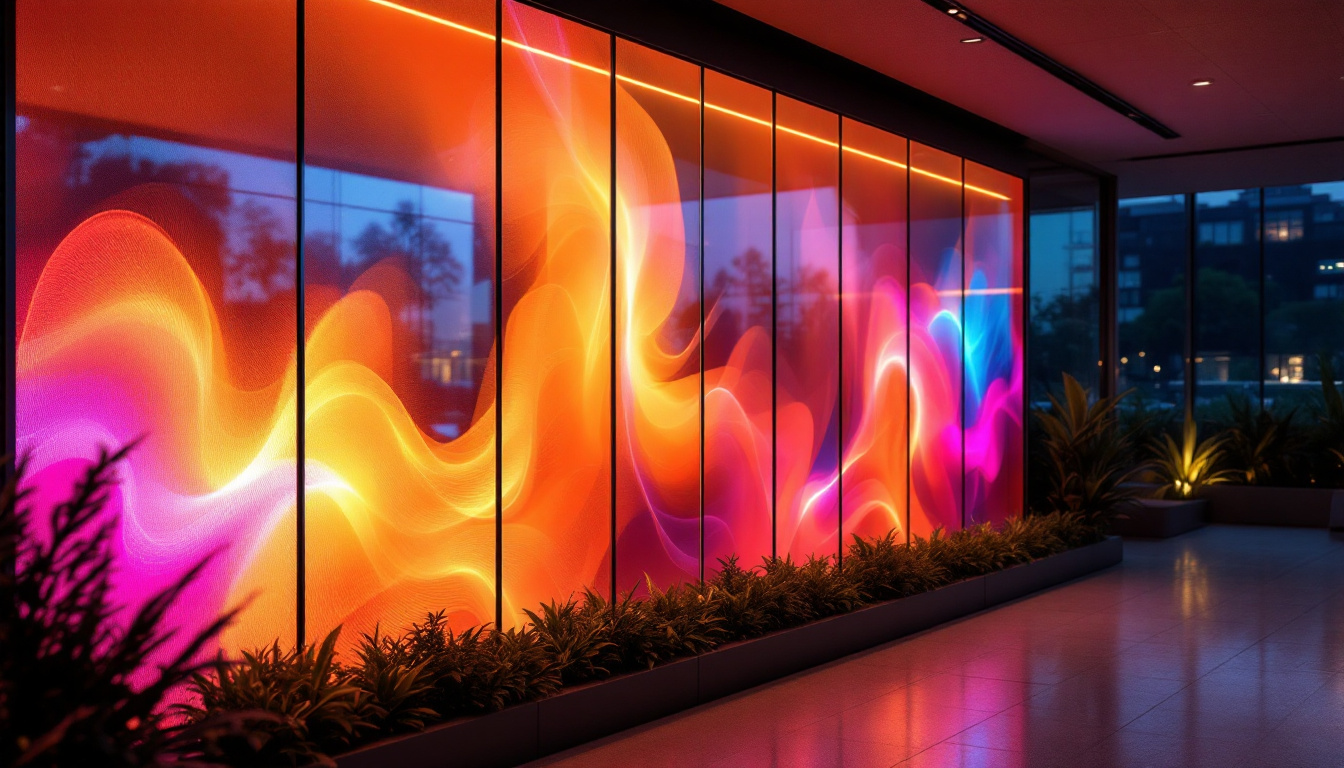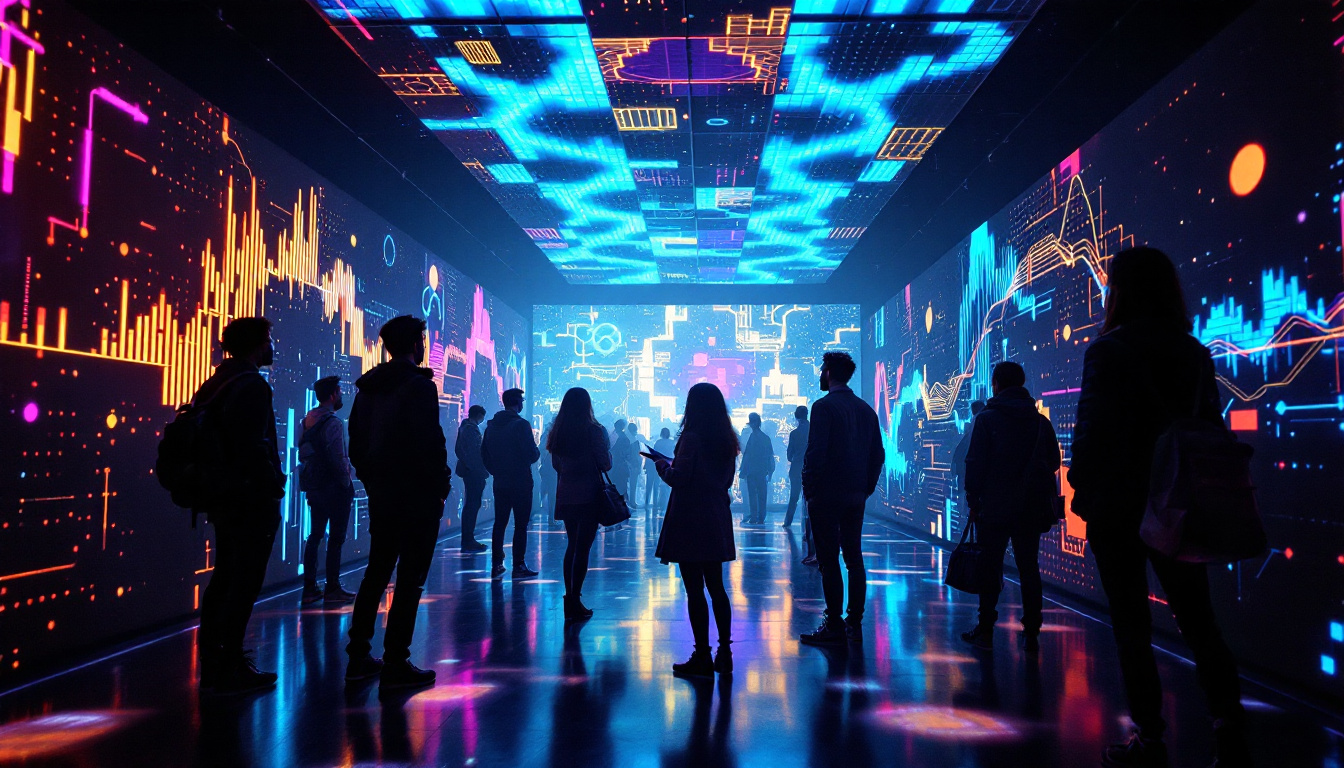
In recent years, LED displays have revolutionized the way businesses, event organizers, and advertisers communicate visually. Among the various types of LED displays, indoor LED screens have become increasingly popular due to their vibrant colors, energy efficiency, and versatility. This article delves into the world of indoor LED displays, explaining their technology, advantages, applications, and what to consider when choosing the right display for indoor environments.
Understanding Indoor LED Display Technology
At its core, an indoor LED display is a digital screen composed of numerous light-emitting diodes (LEDs) arranged in a matrix. These tiny LEDs work together to produce images, videos, and text with remarkable brightness and clarity. Unlike traditional LCD or projection screens, LED displays emit their own light, which results in superior contrast and color accuracy. This inherent capability allows for vibrant displays that can captivate audiences in various settings, from corporate environments to entertainment venues.
The key components of an indoor LED display include the LED modules, power supply, control system, and the cabinet structure that houses these parts. Each LED module contains multiple pixels, and each pixel typically consists of red, green, and blue LEDs. By varying the intensity of these three colors, indoor LED displays can produce millions of colors, making them ideal for dynamic content. This versatility is particularly beneficial in applications such as advertising, where eye-catching visuals are essential for capturing consumer attention.
Indoor LED displays are designed with a specific pixel pitch, which is the distance between the centers of two adjacent pixels. This measurement, usually expressed in millimeters, directly affects the resolution and viewing distance of the display. For indoor environments where viewers are closer to the screen, smaller pixel pitches (such as 1.5mm to 3mm) are preferred to ensure sharp, detailed images. As a result, these displays can be utilized in a variety of contexts, including conference rooms, retail spaces, and museums, where high-resolution visuals enhance the overall experience.
How Indoor LED Displays Differ From Outdoor LED Displays
While both indoor and outdoor LED displays share similar technology, they are engineered differently to suit their environments. Outdoor LED displays are built to withstand weather conditions such as rain, wind, and sunlight. They typically have higher brightness levels, often exceeding 5,000 nits, to remain visible under direct sunlight. This durability is achieved through robust materials and protective coatings that shield the components from harsh elements, ensuring longevity and consistent performance.
Indoor LED displays, on the other hand, operate in controlled environments and therefore require lower brightness levels—usually between 800 and 1,200 nits—to prevent eye strain and save energy. Additionally, indoor displays have finer pixel pitches to accommodate closer viewing distances and prioritize image sharpness over extreme brightness. The design of indoor displays often includes features such as enhanced color calibration and advanced processing capabilities, which further optimize the visual output for various applications, from corporate presentations to immersive art installations. Furthermore, the modular nature of these displays allows for flexible configurations, enabling businesses to create custom shapes and sizes that fit their specific spatial requirements.
Advantages of Indoor LED Displays
Indoor LED displays offer numerous benefits that make them a preferred choice for various applications. Their advantages extend beyond just visual appeal, impacting operational efficiency and user experience.
Superior Image Quality and Brightness
One of the most compelling reasons to choose an indoor LED display is its exceptional image quality. With high pixel density and advanced color calibration, these displays deliver crisp images with vivid colors and deep blacks. The brightness levels are optimized for indoor lighting conditions, ensuring content is easily readable without causing glare or discomfort. Additionally, the technology behind LED displays allows for enhanced contrast ratios, making images pop and details stand out, which is particularly beneficial for presentations, advertisements, or artistic displays that require attention to detail.
Energy Efficiency and Longevity
LED technology is inherently energy-efficient compared to traditional lighting and display technologies. Indoor LED displays consume significantly less power than LCD or projection screens, which translates to lower operating costs. Furthermore, LEDs have a long lifespan—typically around 50,000 to 100,000 hours—meaning the display can operate for years with minimal maintenance. This durability not only reduces the frequency of replacements but also contributes to a more sustainable approach to technology, as fewer resources are consumed over time. As a result, businesses can enjoy substantial savings while also promoting an eco-friendly image.
Flexibility and Customization
Indoor LED displays come in various sizes and shapes, allowing customization to fit specific spaces and design requirements. Whether it’s a large video wall in a corporate lobby or a curved display in a retail store, LED modules can be configured to create seamless, eye-catching visuals. Moreover, content can be updated in real-time, enabling dynamic messaging and interactive experiences. This adaptability is particularly advantageous for businesses that frequently change their marketing strategies or need to display different types of content, such as promotional videos, live feeds, or social media updates, all tailored to engage their audience effectively.
Improved Viewing Angles and Uniformity
Unlike some display technologies that suffer from color shifting or brightness loss at wide angles, indoor LED displays maintain consistent image quality across a broad viewing range. This feature is particularly important in environments such as conference rooms, auditoriums, and retail spaces where audiences may be spread out over a wide area. The uniformity of brightness and color across the entire screen ensures that every viewer, regardless of their position, experiences the same high-quality visuals. This consistency not only enhances the overall aesthetic but also improves communication and engagement, making it easier for audiences to absorb information and connect with the content being presented.
Enhanced Interactivity and Engagement
Another significant advantage of indoor LED displays is their ability to facilitate interactivity. Many modern LED displays are equipped with touch capabilities or can be integrated with mobile devices, allowing users to engage with the content in real-time. This feature is especially valuable in educational settings, where interactive learning can enhance student participation and retention. In retail environments, interactive displays can create immersive shopping experiences, enabling customers to explore products in depth and make informed purchasing decisions. By fostering a two-way interaction, businesses can not only capture attention but also create memorable experiences that resonate with their audience.
Seamless Integration with Technology
Indoor LED displays can easily integrate with a variety of technologies, including content management systems, video conferencing tools, and social media platforms. This compatibility allows for streamlined operations and the ability to showcase content from multiple sources seamlessly. For instance, businesses can display live social media feeds during events, share presentations directly from laptops, or even broadcast video calls in real-time. This level of integration enhances the versatility of LED displays, making them an essential tool for modern communication and marketing strategies, while also ensuring that the content remains fresh and relevant to the audience’s interests.
Common Applications of Indoor LED Displays
Indoor LED displays have found their way into a variety of sectors, each leveraging the technology’s strengths to enhance communication and engagement.
Corporate Environments and Conference Rooms
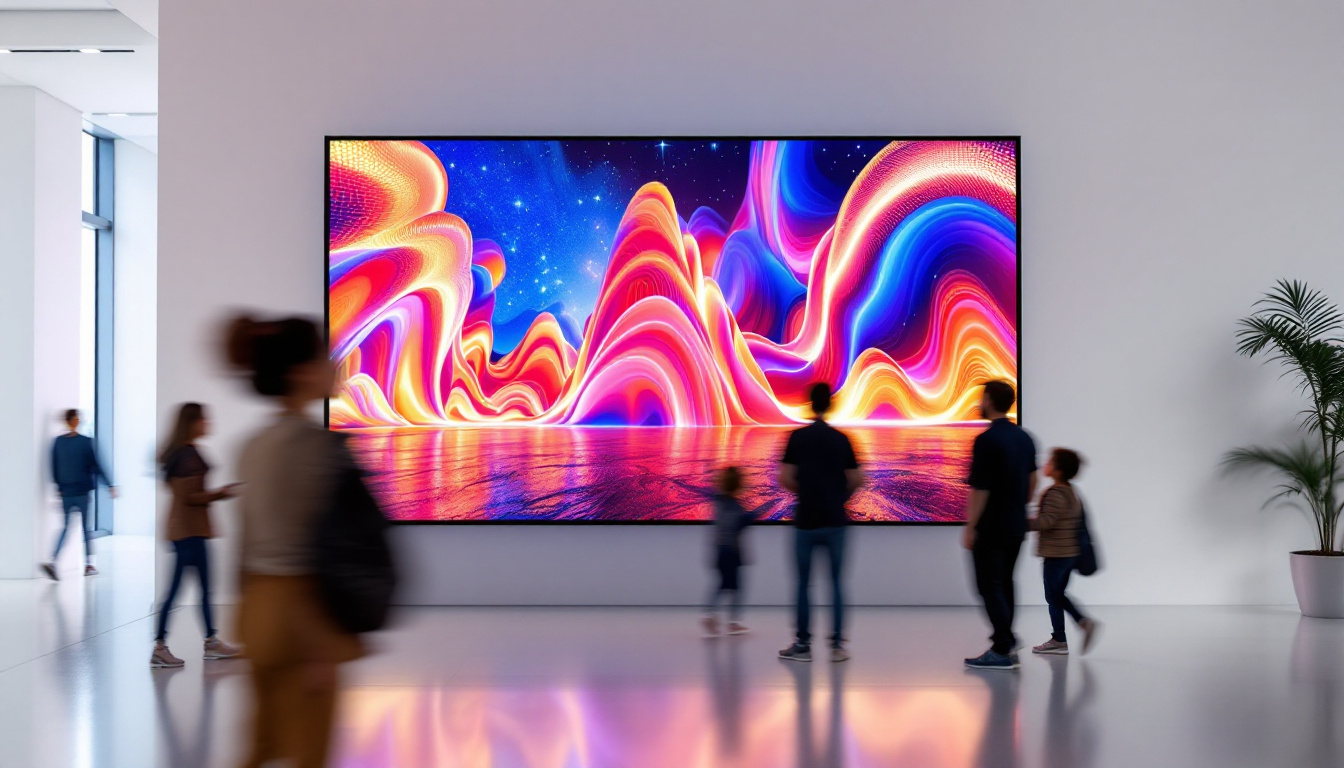
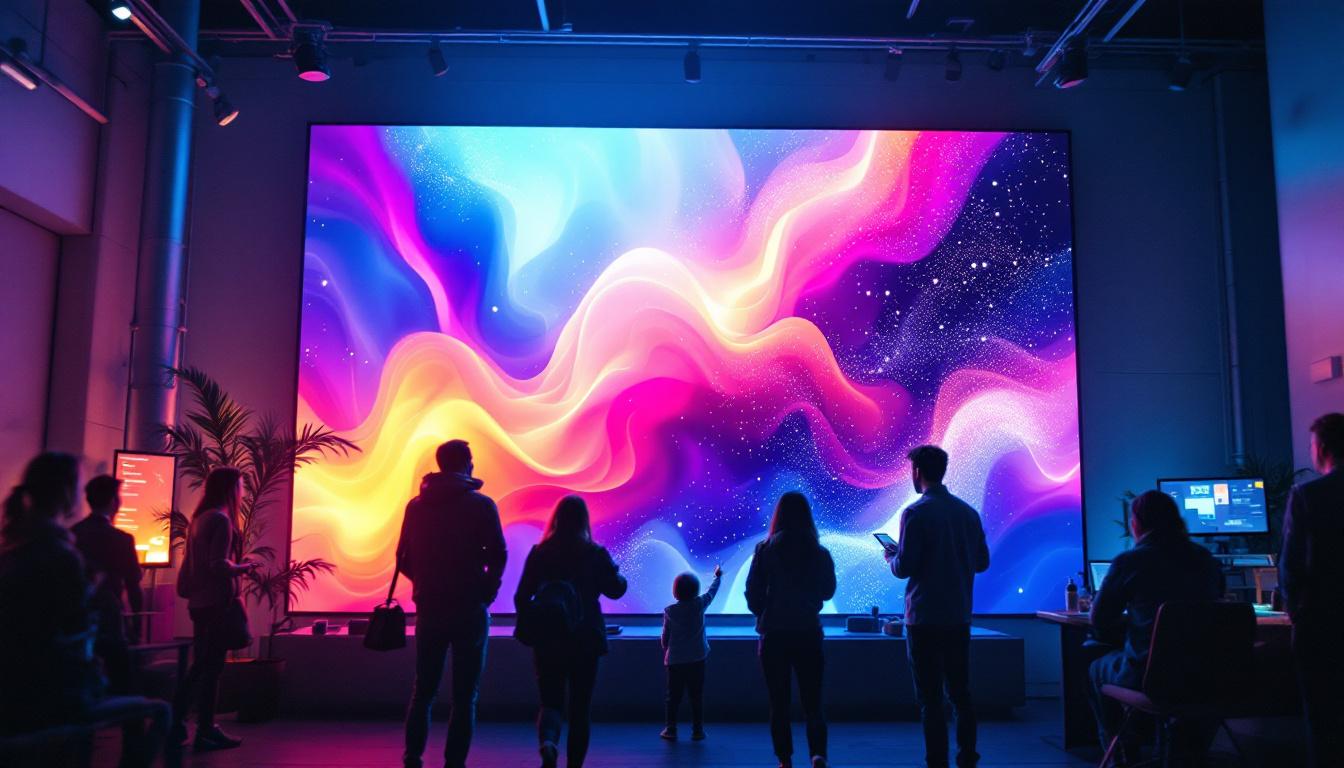
Many businesses use indoor LED displays for presentations, video conferencing, and digital signage within their offices. The ability to display high-resolution content ensures that data, charts, and videos are clear and impactful during meetings. LED video walls can also serve as impressive backdrops for corporate events or product launches.
Retail and Advertising
Retailers utilize indoor LED displays to attract customers, promote products, and create immersive shopping experiences. Digital signage with dynamic content can be updated instantly to reflect promotions, seasonal campaigns, or inventory changes. The bright, colorful visuals help stores stand out and engage shoppers more effectively than static posters.
Entertainment and Events
Indoor LED screens are widely used in theaters, concert venues, and exhibition halls. Their ability to produce large, seamless images makes them ideal for live event backdrops, stage displays, and interactive installations. The technology supports high refresh rates and low latency, which are essential for smooth video playback and live broadcasts.
Education and Public Spaces
Educational institutions and public facilities employ indoor LED displays for digital notice boards, interactive learning, and wayfinding. The durability and clarity of LED screens make them suitable for high-traffic areas where information needs to be communicated clearly and reliably.
Key Considerations When Choosing an Indoor LED Display
Selecting the right indoor LED display requires careful evaluation of several factors to ensure it meets the specific needs of the environment and application.
Pixel Pitch and Resolution
The pixel pitch should be chosen based on the typical viewing distance. For close-up viewing, a smaller pixel pitch (1.2mm to 2.5mm) offers higher resolution and sharper images. For larger rooms where viewers are farther away, a slightly larger pixel pitch may be acceptable and more cost-effective.
Brightness and Contrast
Indoor LED displays should have brightness levels appropriate for ambient lighting conditions. Excessive brightness can cause discomfort, while insufficient brightness may reduce visibility. Contrast ratio is also important for delivering vivid images with depth and detail.
Installation Environment and Space Constraints
Consider the physical space where the display will be installed. Ceiling height, wall dimensions, and accessibility for maintenance can influence the choice of display size and configuration. Modular LED panels offer flexibility but require professional installation to ensure seamless integration.
Content Management and Connectivity
Modern indoor LED displays often come with sophisticated control systems that allow remote content management, scheduling, and integration with various media sources. Compatibility with software platforms and ease of use should be evaluated to maximize the display’s potential.
Budget and Total Cost of Ownership
While initial purchase price is important, it’s equally critical to consider operating costs, maintenance, and potential upgrades. Energy-efficient models and those with longer lifespans can offer better value over time. Additionally, working with reputable manufacturers and installers can reduce the risk of costly repairs or downtime.
Future Trends in Indoor LED Display Technology
The indoor LED display market continues to evolve rapidly, driven by advances in materials, electronics, and software. Several emerging trends are shaping the future of this technology.
MicroLED and MiniLED Innovations
MicroLED and MiniLED technologies represent the next generation of LED displays, offering even finer pixel pitches, higher brightness, and improved energy efficiency. These displays promise near-OLED levels of contrast and color accuracy without the drawbacks of burn-in or limited lifespan.
Interactive and Touch-Enabled Displays
Integration of touch sensors and gesture recognition is making indoor LED displays more interactive. This development is particularly impactful in retail, education, and public information systems, where user engagement is crucial.
AI-Driven Content and Analytics
Artificial intelligence is being used to optimize content delivery based on audience behavior, time of day, and other contextual factors. Analytics gathered from LED displays can provide valuable insights into viewer engagement and campaign effectiveness.
Eco-Friendly and Sustainable Designs
As sustainability becomes a priority, manufacturers are focusing on reducing the environmental impact of LED displays through recyclable materials, lower power consumption, and longer-lasting components.
Conclusion
Indoor LED displays have transformed indoor visual communication by offering unparalleled image quality, flexibility, and efficiency. Their applications span corporate, retail, entertainment, and educational sectors, providing dynamic and engaging content delivery. Understanding the technology, benefits, and key considerations can help businesses and organizations select the right indoor LED display to meet their needs and future-proof their investment. As innovations continue to emerge, indoor LED displays will remain at the forefront of digital signage and visual experiences.
Discover LumenMatrix’s Innovative LED Solutions
Ready to elevate your indoor space with cutting-edge LED display technology? Explore LumenMatrix’s comprehensive range of LED display solutions, designed to bring your visual communication to life. From vibrant Indoor LED Wall Displays to versatile All-in-One LED Displays, LumenMatrix is committed to enhancing your brand’s presence and creating immersive experiences that captivate and engage. Check out LumenMatrix LED Display Solutions today and see how we can transform your message into a visual masterpiece.