In today’s digital age, LED displays have become an essential tool for communication, advertising, and entertainment. Whether it’s a massive billboard in Times Square, a dynamic scoreboard in a stadium, or an interactive menu board in a restaurant, LED displays are everywhere. But what exactly are LED displays, how do they work, and what should you consider before buying one? This comprehensive guide will walk you through everything you need to know about LED displays, helping you make an informed decision that fits your needs and budget.
Understanding LED Display Technology
What is an LED Display?
An LED (Light Emitting Diode) display is a flat panel display that uses an array of light-emitting diodes as pixels to display images, videos, and text. Unlike traditional LCD screens that rely on backlighting, LEDs emit their own light, allowing for brighter, more vivid images with better contrast and energy efficiency.
LED displays can be found in various forms, from small indicator lights on devices to large-scale outdoor screens used for advertising. The technology behind them has evolved rapidly, making LED displays more affordable and versatile than ever before.
Types of LED Displays
LED displays come in several types, each suited to different applications:
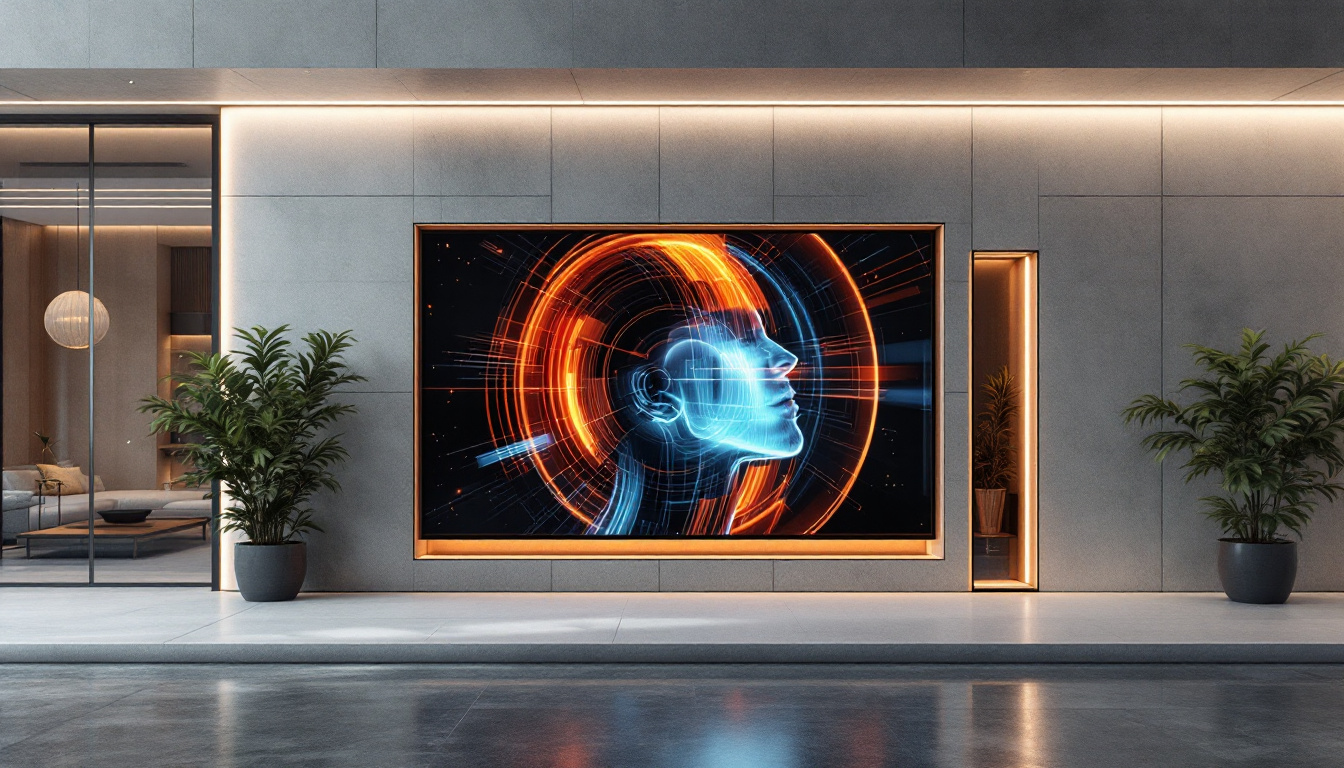
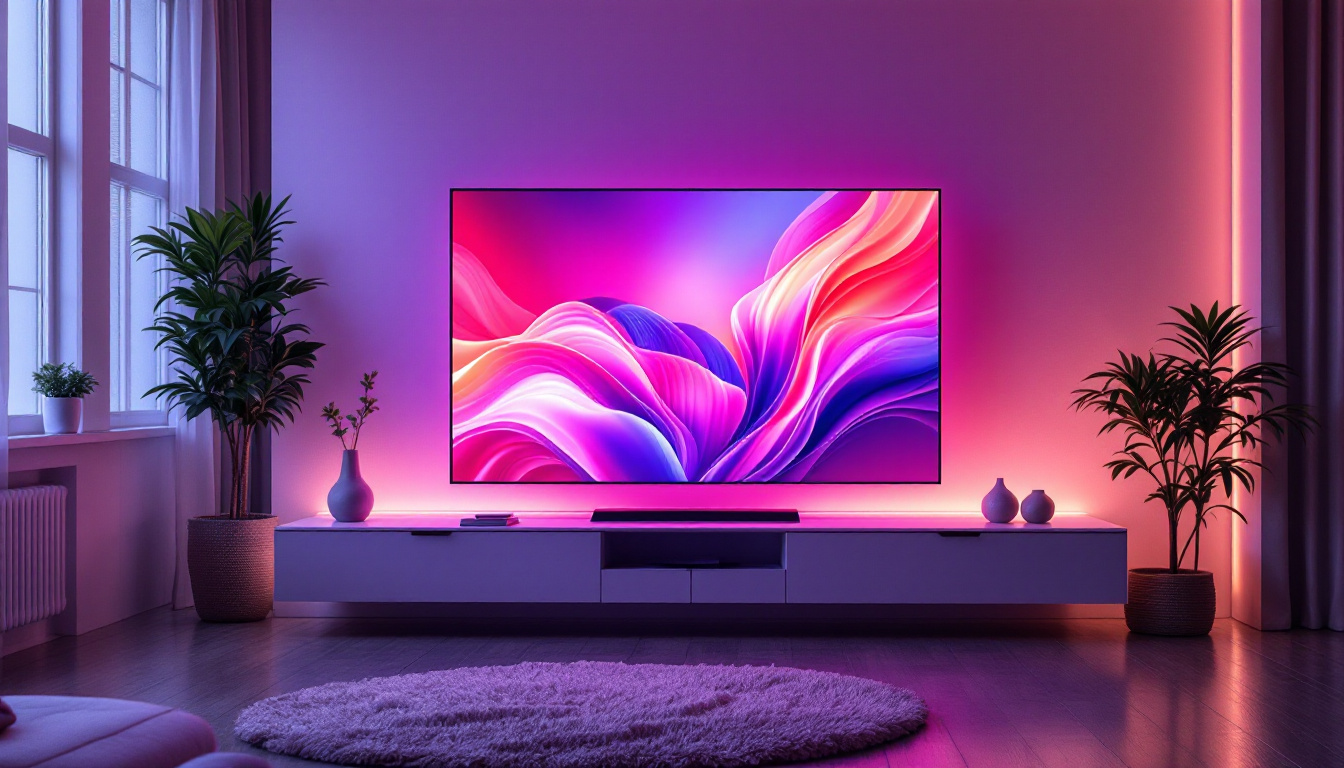
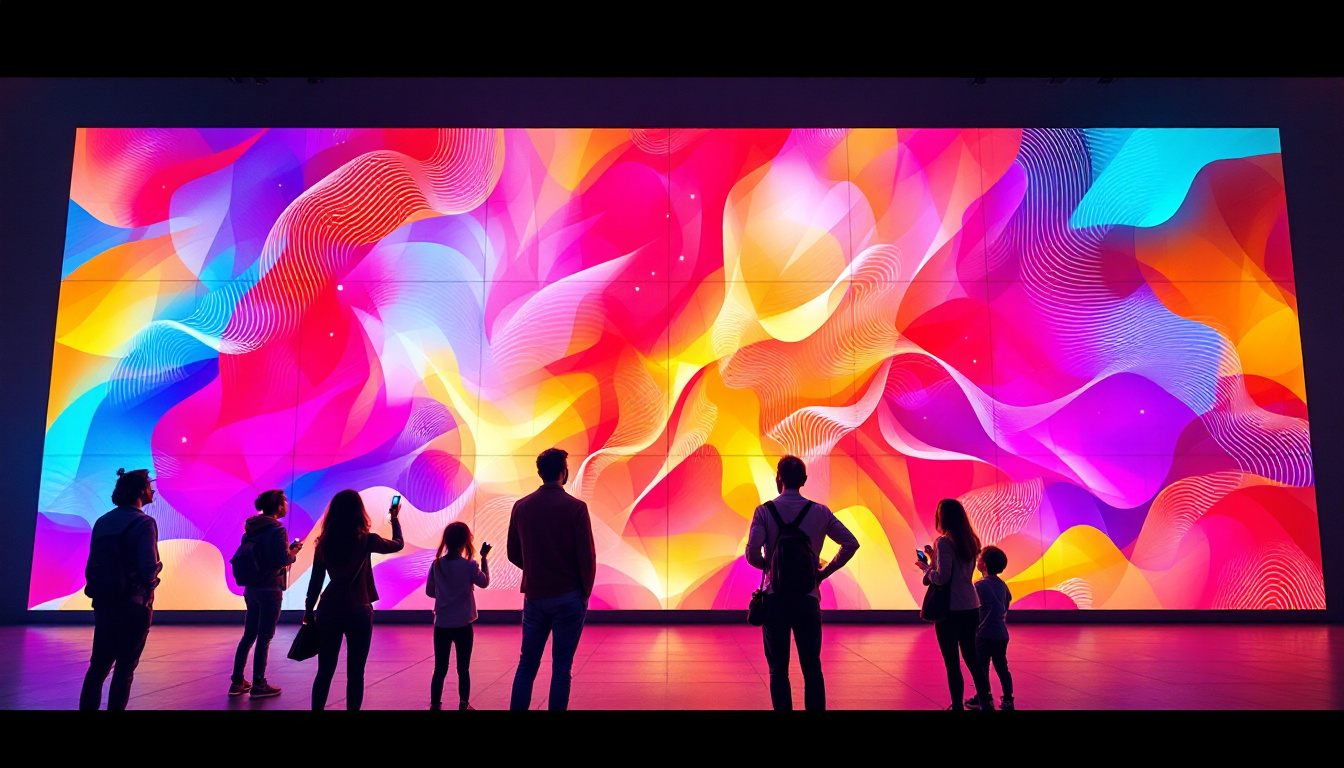
- Indoor LED Displays: Designed for controlled lighting environments, these displays offer high resolution and brightness levels suitable for conference rooms, retail stores, and indoor events.
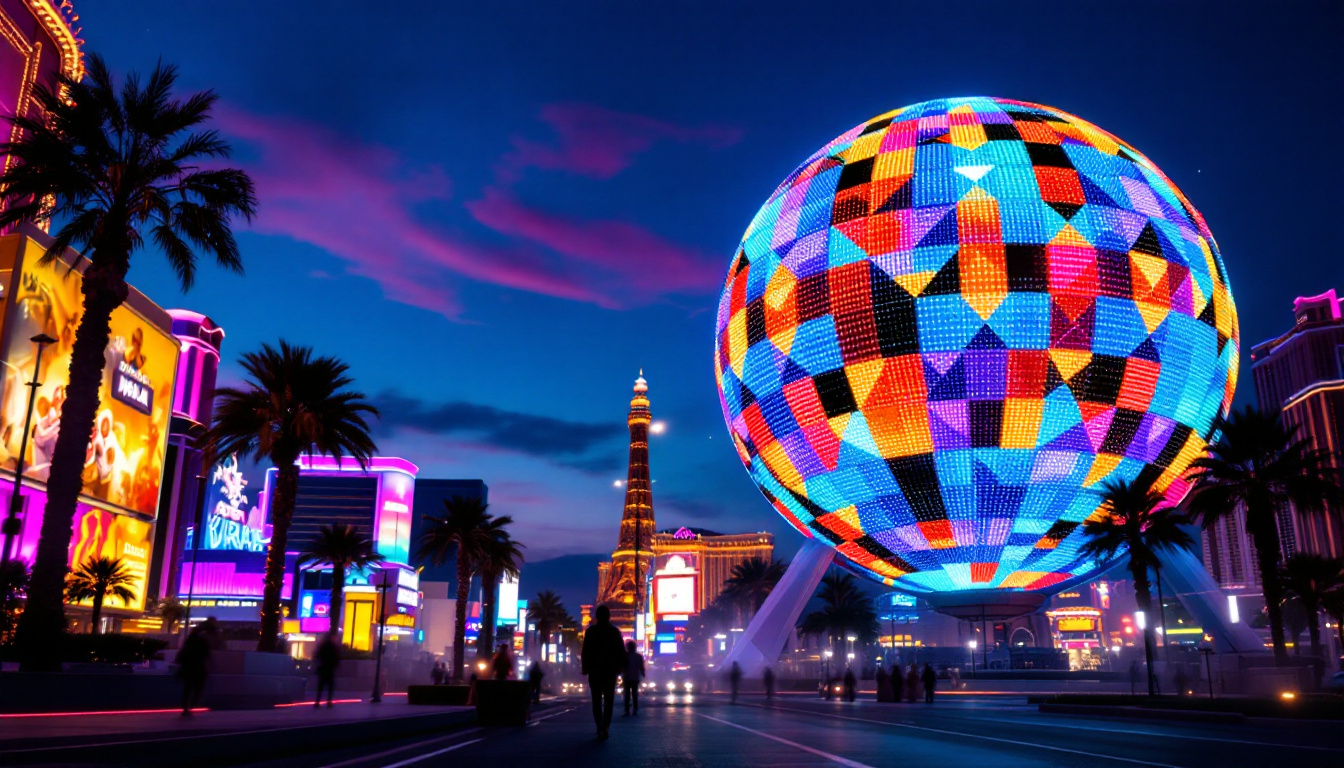
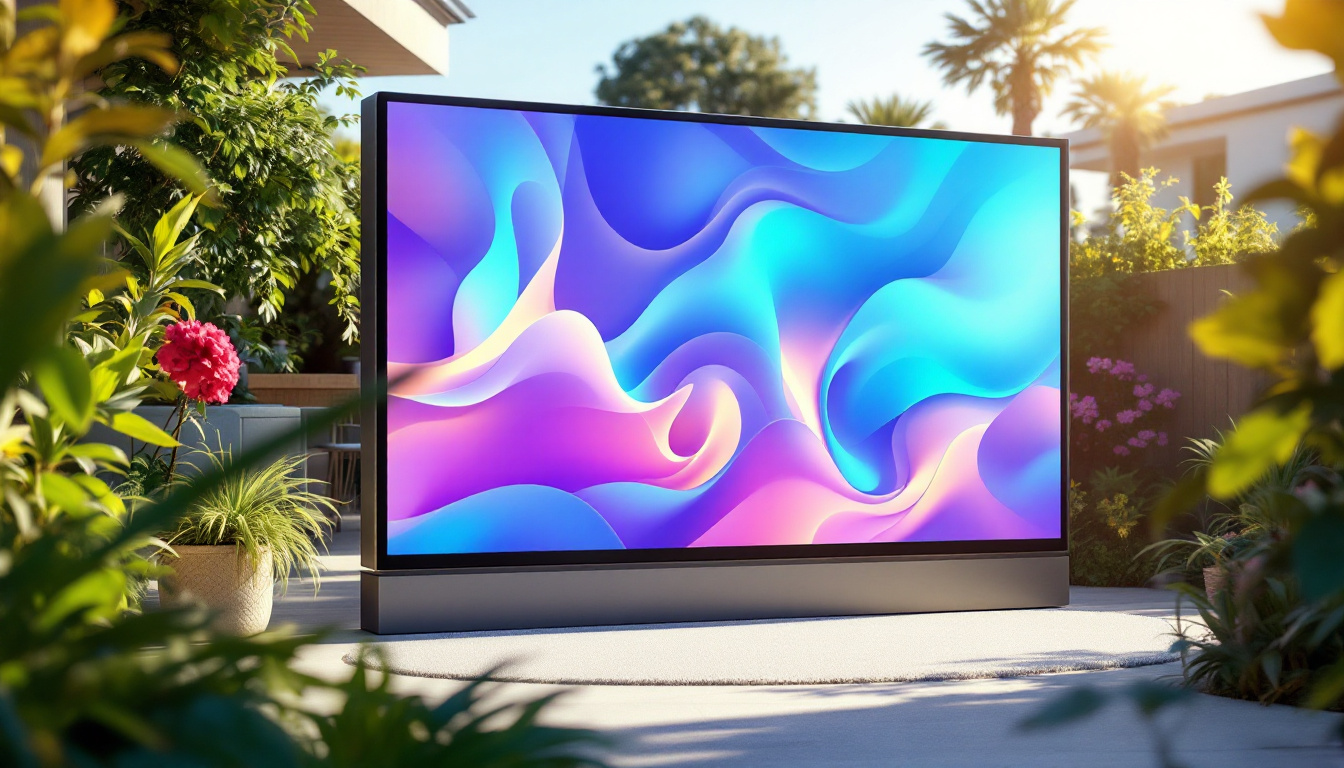
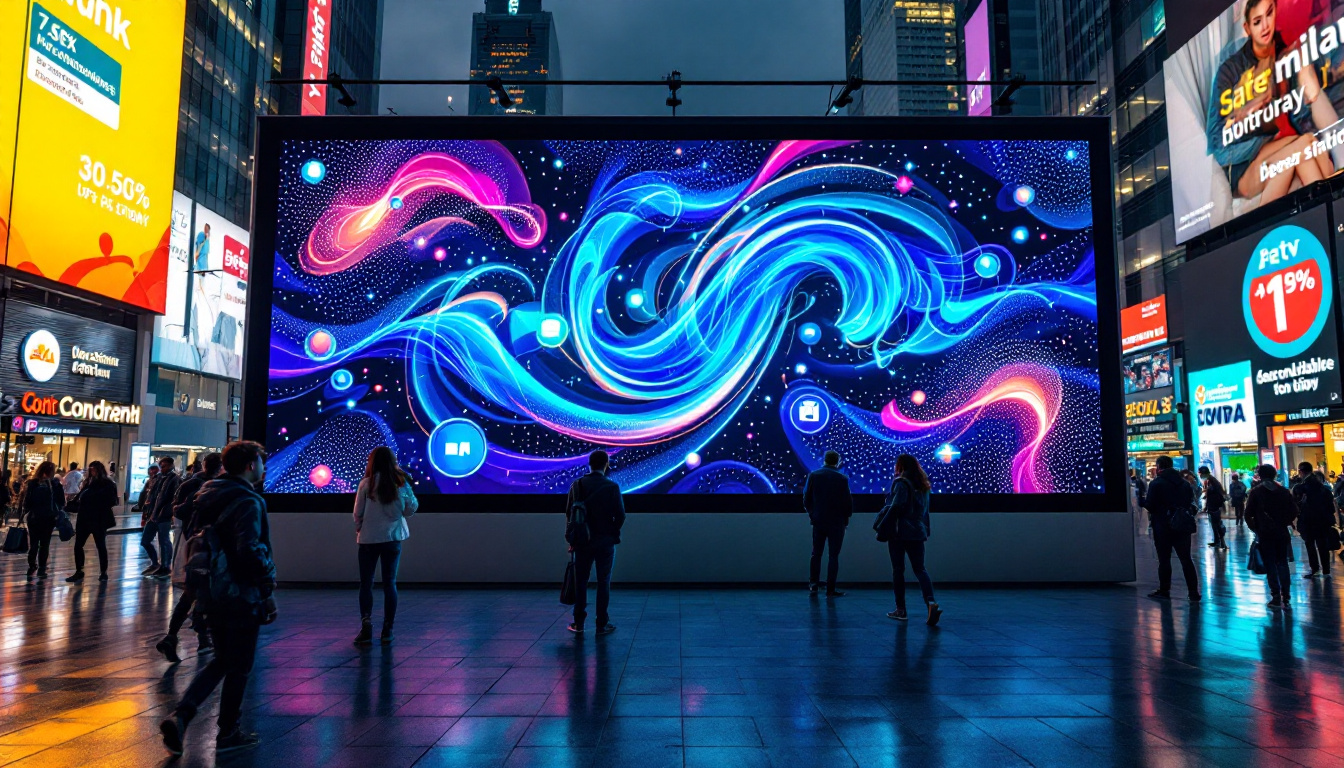
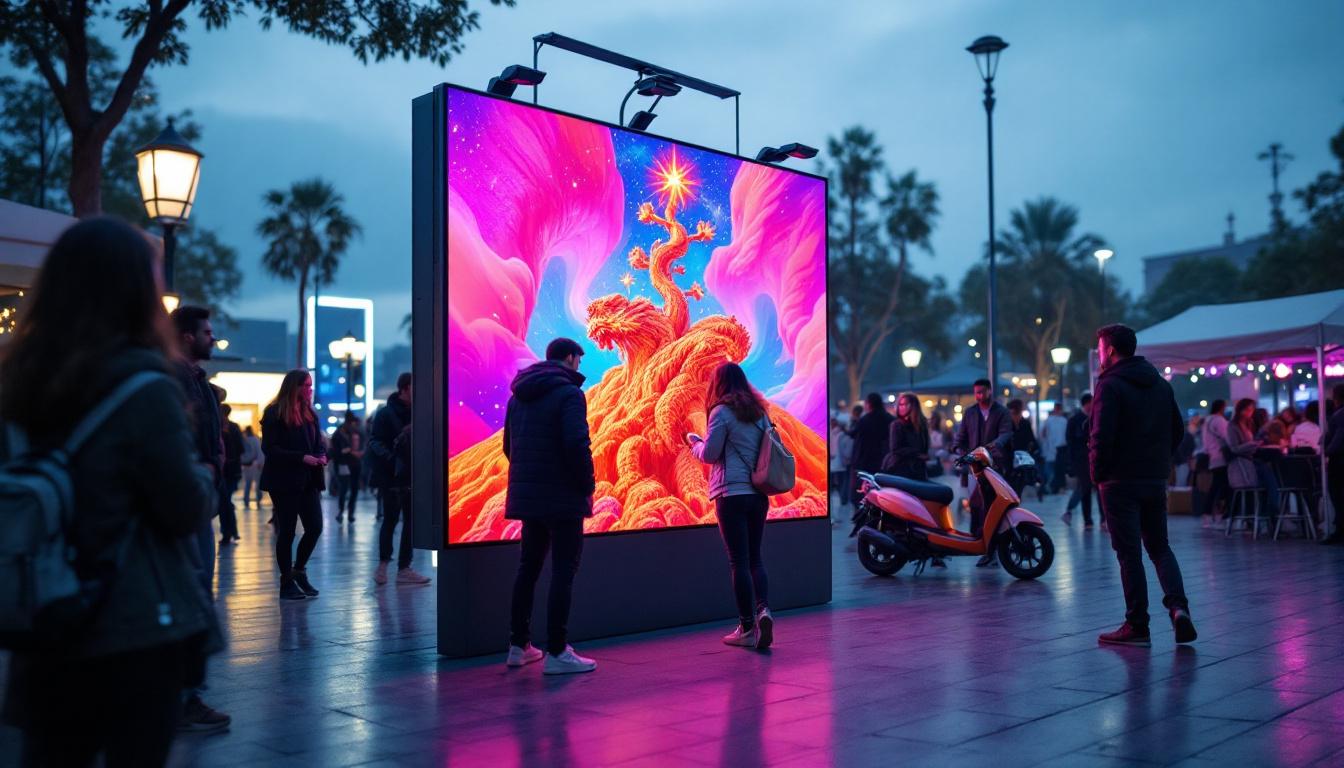
- Outdoor LED Displays: Built to withstand harsh weather conditions, these displays feature higher brightness levels (often over 5,000 nits) to remain visible under direct sunlight. They are commonly used for billboards, sports arenas, and public information boards.
- Flexible and Transparent LED Displays: Innovative designs allow LED panels to bend or be see-through, enabling creative installations in architecture and retail.
How Do LED Displays Work?
Each pixel in an LED display consists of one or more LEDs that emit red, green, and blue light. By adjusting the intensity of these three colors, the display can produce a full spectrum of colors. The LEDs are controlled by a driver circuit that receives input from a video source, translating digital signals into light patterns.
The pixel pitch—the distance between the centers of two adjacent pixels—plays a crucial role in image clarity. Smaller pixel pitches mean higher resolution and sharper images, which is especially important for displays viewed up close.
Key Benefits of LED Displays
Brightness and Visibility
One of the standout advantages of LED displays is their exceptional brightness. Outdoor LED screens can reach brightness levels of 6,000 nits or more, ensuring visibility even in direct sunlight. This makes them ideal for advertising in busy urban areas and outdoor events where ambient light can be challenging.
Indoor LED displays, while less bright, still outperform many traditional display technologies, offering clear, vibrant visuals that capture attention.
Energy Efficiency and Longevity
LED technology is known for its energy efficiency. Compared to LCD or plasma displays, LEDs consume less power, reducing operational costs over time. This efficiency is particularly important for large-scale installations where energy consumption can be significant.
Additionally, LED displays boast long lifespans, often rated at 50,000 to 100,000 hours of operation. This durability means fewer replacements and maintenance, making them a cost-effective investment in the long run.
Flexibility and Customization
LED displays offer unparalleled flexibility in size, shape, and resolution. Modular panels can be combined to create custom-sized screens, from small digital signage to massive video walls. This adaptability allows businesses to tailor displays to their specific spatial and branding requirements.
Moreover, advancements in LED technology have introduced curved, flexible, and transparent displays, opening new creative possibilities for architects, advertisers, and event organizers.
Applications of LED Displays
Advertising and Marketing
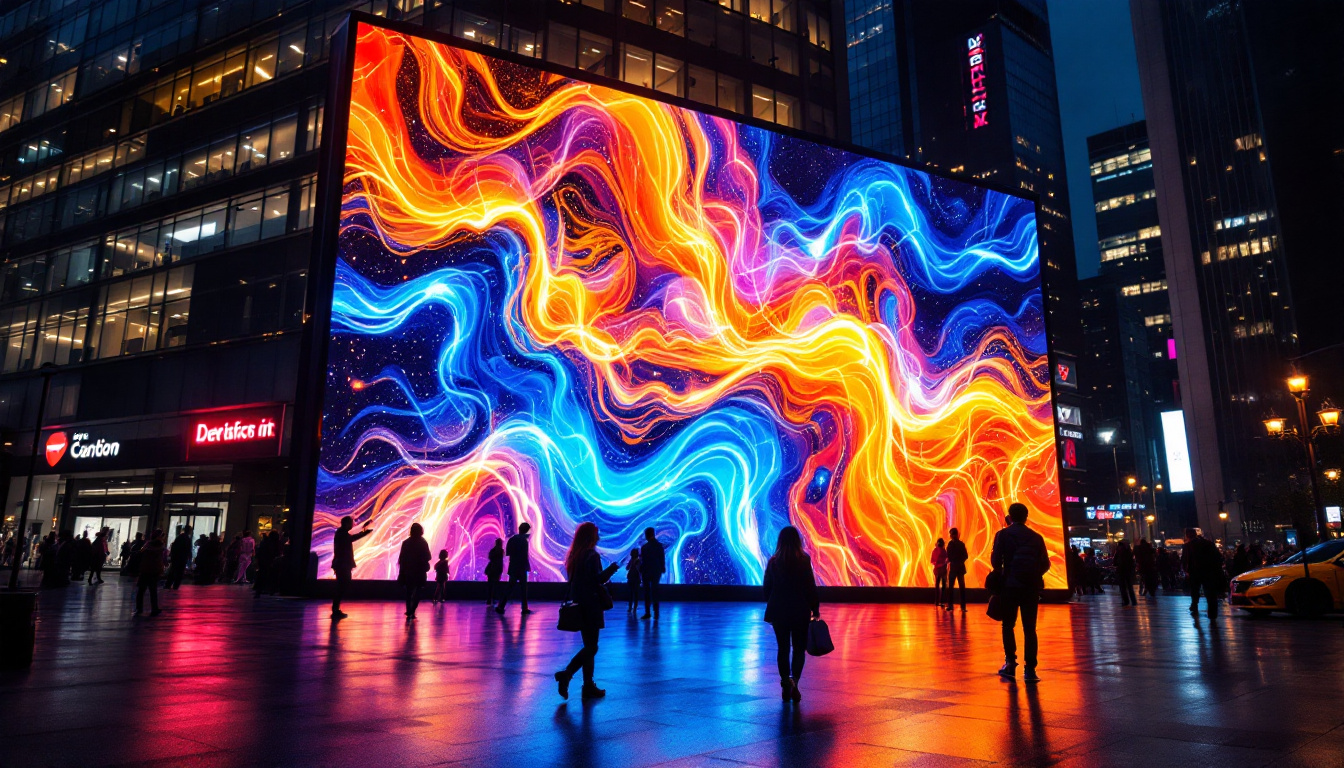
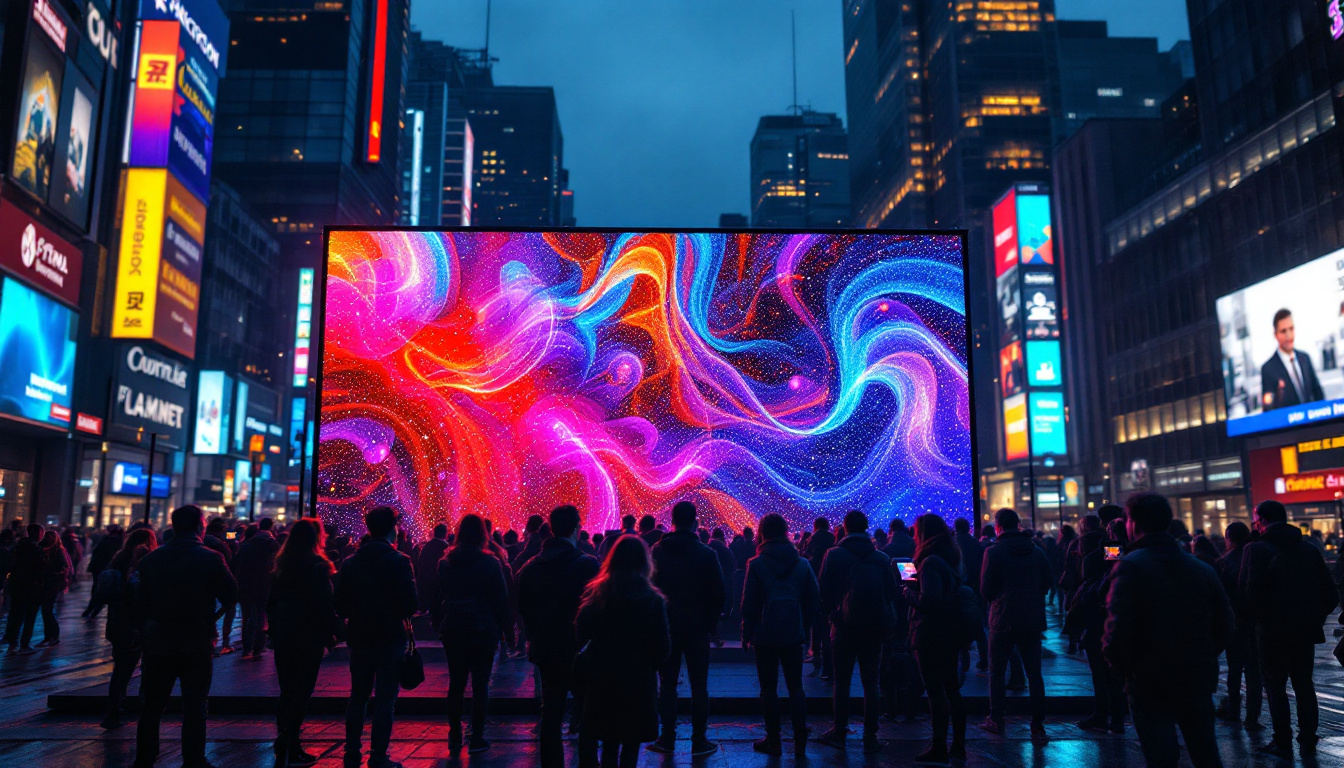
LED displays have revolutionized outdoor and indoor advertising. Their ability to display dynamic, eye-catching content makes them more effective than static billboards. According to a 2023 report by the Digital Signage Federation, digital signage including LED displays can increase customer engagement by up to 30% compared to traditional signage.
Brands use LED displays in shopping malls, airports, and city centers to deliver targeted promotions, interactive campaigns, and real-time updates, enhancing customer experience and driving sales.
Sports and Entertainment Venues
Stadiums and arenas rely heavily on LED displays for scoreboards, instant replays, and fan engagement. The high brightness and large size of these screens ensure visibility from any seat, while their durability withstands outdoor conditions and heavy use.
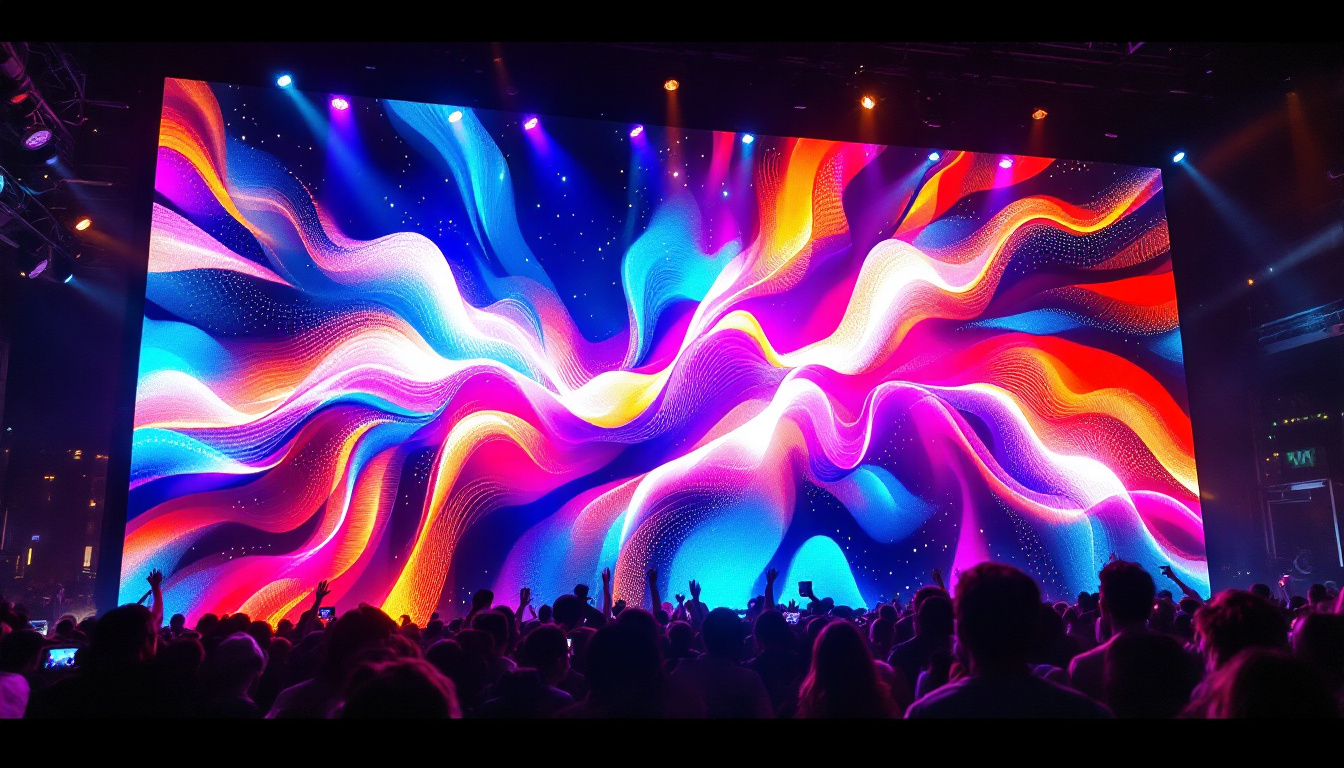
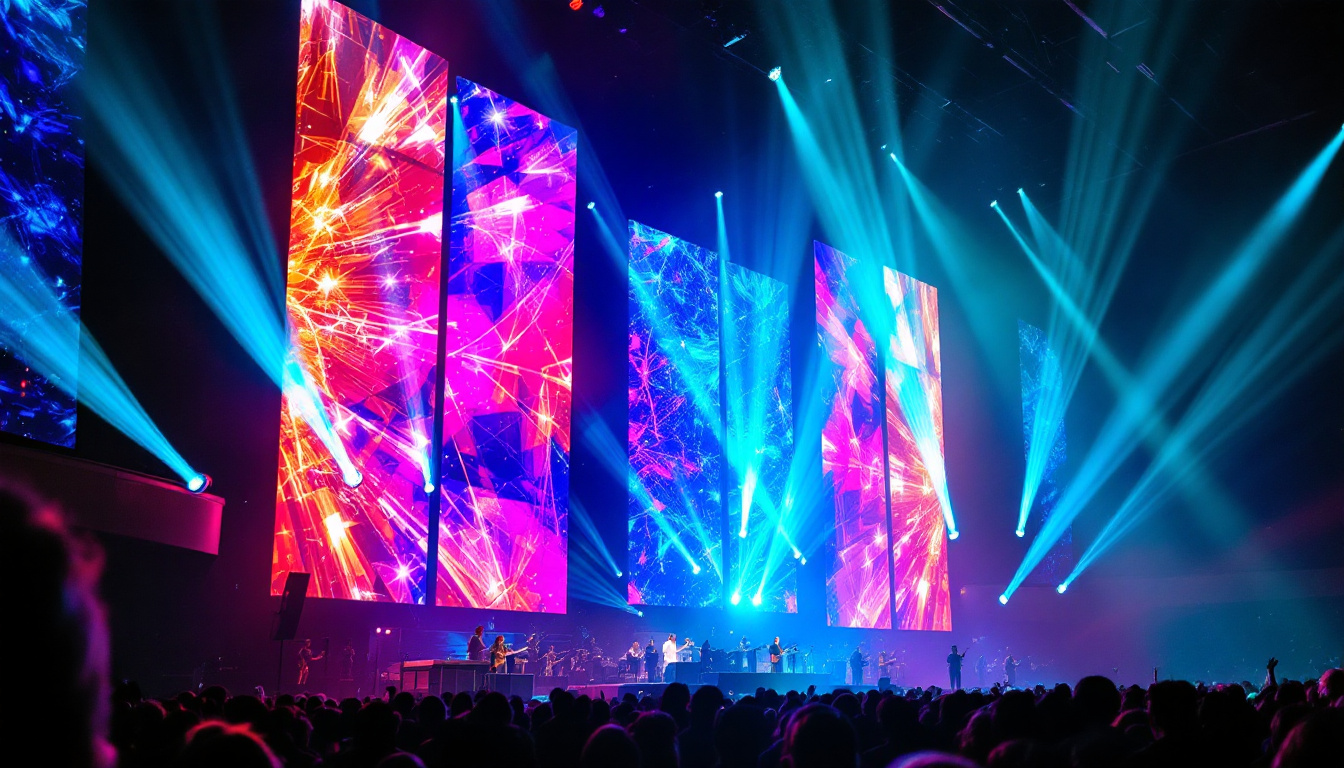
Concerts and festivals also utilize LED walls and panels to create immersive visual experiences, synchronizing video content with live performances.
Corporate and Educational Use
In corporate settings, LED displays serve as digital whiteboards, video conferencing screens, and information boards. Their clarity and size support effective communication during meetings and presentations.
Educational institutions use LED displays for lecture halls, digital signage, and interactive learning environments, enhancing student engagement and information dissemination.
Factors to Consider When Buying an LED Display
Resolution and Pixel Pitch
The resolution of an LED display determines the sharpness and detail of the images it can produce. For indoor displays viewed at close range, a smaller pixel pitch (1.5mm to 4mm) is preferable to ensure crisp visuals. Outdoor displays, which are typically viewed from a distance, can have larger pixel pitches (6mm to 20mm) without compromising perceived image quality.
Choosing the right resolution depends on the intended viewing distance and the type of content you plan to display.
Brightness and Contrast Ratio
Brightness is measured in nits, and selecting an appropriate brightness level is crucial for visibility. Outdoor displays generally require 5,000 nits or higher, while indoor displays can function well with 800 to 1,500 nits.
Contrast ratio—the difference between the brightest white and the darkest black a display can produce—affects image depth and color richness. Higher contrast ratios contribute to more vibrant and engaging visuals.
Durability and Weather Resistance
If the LED display will be installed outdoors, it must be weatherproof and resistant to dust, moisture, and temperature fluctuations. Look for displays with an IP65 rating or higher, indicating strong protection against environmental factors.
Robust build quality also ensures longevity and reduces maintenance costs, particularly in high-traffic or harsh environments.
Control Systems and Connectivity
Modern LED displays come with sophisticated control systems that allow remote content management, scheduling, and real-time updates. Ensure the display supports the connectivity options you need, such as HDMI, DVI, USB, or wireless connections.
Some displays also integrate with content management software, enabling seamless content creation and deployment across multiple screens.
Budget and Total Cost of Ownership
While upfront costs are important, consider the total cost of ownership, including installation, maintenance, power consumption, and potential upgrades. Investing in a high-quality LED display may have a higher initial price but can offer better performance and lower operating costs over time.
Request detailed quotes and warranties from suppliers to understand the full financial implications before making a purchase.
Installation and Maintenance Tips
Professional Installation
Proper installation is critical for the performance and longevity of an LED display. Engage experienced professionals who understand the technical requirements, safety standards, and environmental considerations of your installation site.
Correct mounting, electrical connections, and calibration ensure optimal image quality and reduce the risk of damage.
Regular Maintenance
Routine maintenance, such as cleaning the display surface, checking connections, and updating software, helps maintain image quality and prevents unexpected failures. Outdoor displays may require more frequent inspections due to exposure to weather.
Many manufacturers offer maintenance contracts or support services to assist with upkeep and troubleshooting.
Content Management Best Practices
To maximize the impact of your LED display, develop a content strategy that aligns with your goals. Use high-resolution images and videos optimized for the display’s resolution and aspect ratio. Schedule content updates to keep the display fresh and relevant.
Interactive and dynamic content tends to engage viewers more effectively, so consider incorporating animations, live feeds, or social media integrations where appropriate.
Future Trends in LED Display Technology
MicroLED and MiniLED Innovations
Emerging technologies like MicroLED and MiniLED promise even higher resolution, better color accuracy, and improved energy efficiency. MicroLED displays use microscopic LEDs for each pixel, offering superior brightness and contrast without the burn-in issues associated with OLEDs.
These advances are expected to transform both consumer electronics and large-scale digital signage in the coming years.
Integration with AI and IoT
Artificial intelligence and the Internet of Things (IoT) are increasingly integrated with LED displays to enable smarter content delivery and interactivity. AI can analyze audience demographics and behavior to tailor advertisements in real time, while IoT connectivity allows displays to respond dynamically to environmental conditions or user inputs.
This convergence enhances the effectiveness and versatility of LED displays across industries.
Sustainability and Eco-Friendly Designs
As environmental concerns grow, manufacturers are focusing on sustainable materials, energy-efficient designs, and recyclability. LED displays with lower power consumption and longer lifespans contribute to reducing the carbon footprint of digital signage.
Choosing eco-friendly options can also enhance your brand’s reputation and align with corporate social responsibility goals.
Conclusion
LED displays represent a powerful medium for communication, marketing, and entertainment. Their brightness, versatility, and efficiency make them suitable for a wide range of applications, from indoor digital signage to massive outdoor billboards. Understanding the technology, benefits, and key considerations before purchasing an LED display ensures you select the right product for your needs.
As LED technology continues to evolve, staying informed about the latest trends and innovations will help you maximize your investment and create impactful visual experiences. Whether you are a business owner, event organizer, or facility manager, LED displays offer dynamic solutions that captivate audiences and deliver measurable results.
Discover LumenMatrix LED Display Solutions
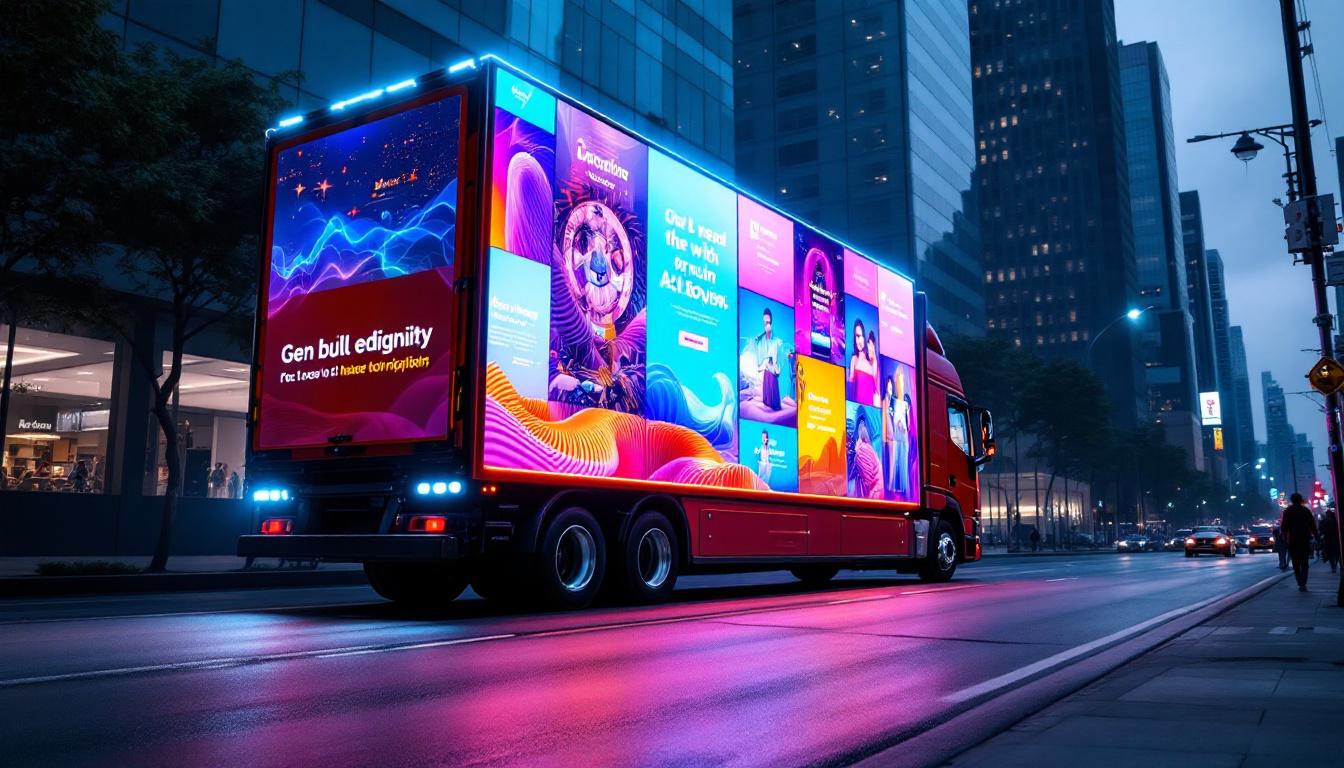
Ready to elevate your visual communication with cutting-edge LED technology? LumenMatrix offers a comprehensive range of LED display solutions tailored to meet your unique needs. From vibrant Indoor and Outdoor LED Wall Displays to innovative options like Vehicle LED Displays, LED Posters, and Transparent LED Displays, our products are designed to captivate your audience and amplify your message. Experience the future of digital signage with LumenMatrix and transform the way you engage with your viewers. Check out LumenMatrix LED Display Solutions today and see the difference for yourself.