In the rapidly evolving world of display technology, Micro-LED has emerged as a groundbreaking innovation that promises to redefine visual experiences across various industries. From consumer electronics to large-scale commercial displays, Micro-LED technology offers remarkable improvements in brightness, color accuracy, energy efficiency, and durability compared to traditional LED and OLED displays.
This article provides a comprehensive explanation of Micro-LED displays, exploring their technology, advantages, applications, and considerations for buyers. Whether you are a tech enthusiast, a business owner looking to invest in cutting-edge display solutions, or simply curious about the future of screens, understanding Micro-LED technology is essential.
What is Micro-LED Technology?
Understanding the Basics
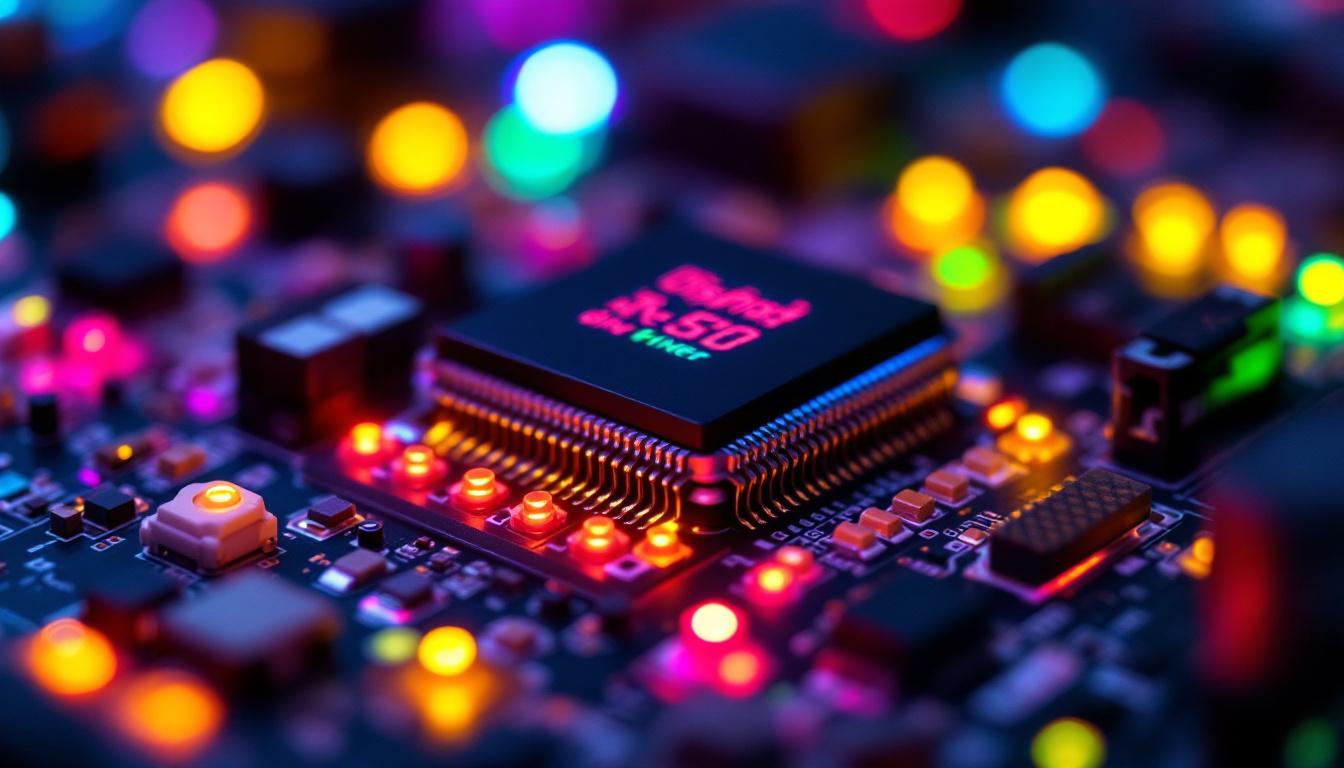
Micro-LED, sometimes referred to as µLED or microLED, is a display technology that uses microscopic light-emitting diodes (LEDs) to create images. Unlike traditional LED displays that rely on backlighting or OLED displays that use organic compounds, Micro-LEDs are tiny inorganic LEDs that emit their own light when an electric current passes through them.
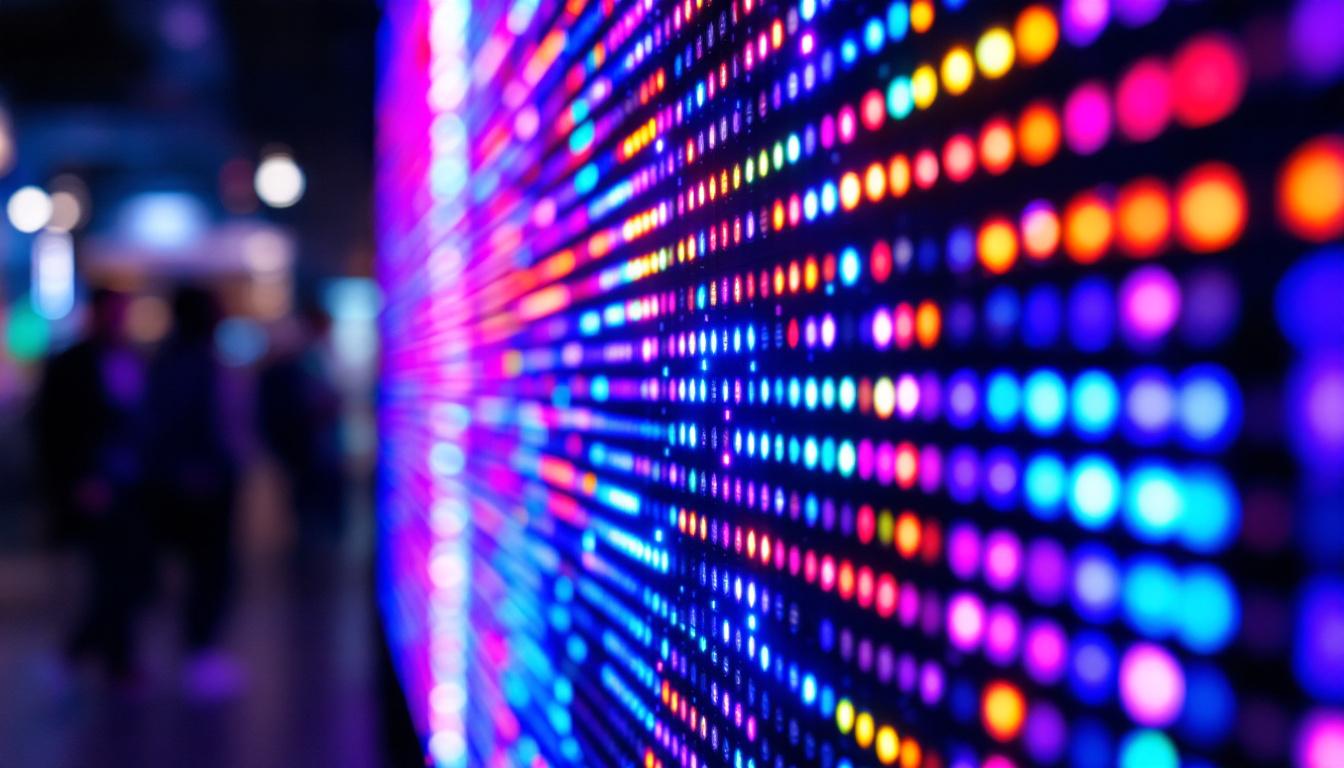
Each Micro-LED functions as an individual pixel or sub-pixel, capable of producing precise colors and brightness levels. These LEDs are typically less than 100 micrometers in size, which is about one-tenth the width of a human hair. This miniature scale allows for extremely high pixel densities, resulting in sharper images and more vibrant visuals. The technology also enables flexibility in design, allowing for curved or irregularly shaped screens that can fit various applications, from smartphones to large-scale displays in public venues.
Moreover, Micro-LED technology is not just about visual quality; it also promises significant advancements in energy efficiency. Since each pixel emits its own light, power consumption can be reduced, especially in darker scenes where fewer LEDs are activated. This efficiency can lead to longer battery life in portable devices and lower energy costs for larger installations.
How Micro-LED Differs from Other Display Technologies
To appreciate Micro-LED’s significance, it helps to compare it with other popular display technologies:
- LCD (Liquid Crystal Display): Uses a backlight to illuminate pixels made of liquid crystals. While LCDs are cost-effective and widely used, they often suffer from limited contrast ratios and color accuracy due to the backlight.
- OLED (Organic Light Emitting Diode): Uses organic compounds that emit light when electrically stimulated. OLEDs offer excellent contrast and color but can be prone to burn-in and have shorter lifespans.
- Traditional LED Displays: Typically large-scale displays composed of many LEDs as pixels. These are bright and durable but generally have lower resolution and less color precision compared to Micro-LED.
Micro-LED combines the best of these worlds by offering self-emissive pixels like OLEDs but with the durability, brightness, and energy efficiency of inorganic LEDs. Furthermore, Micro-LED technology is poised to revolutionize the market with its potential for modularity. This means that screens can be built up from smaller Micro-LED panels, allowing for customizable sizes and resolutions tailored to specific needs. This adaptability makes Micro-LED an attractive option for various industries, including advertising, gaming, and even automotive displays, where high-quality visuals are paramount.
In addition to its impressive technical specifications, Micro-LED also holds promise for future innovations in augmented reality (AR) and virtual reality (VR). The compact size of Micro-LEDs allows for the creation of lightweight, high-resolution headsets that can deliver immersive experiences without the bulk associated with traditional display technologies. As this technology matures, it could pave the way for more sophisticated and engaging user interfaces, transforming the way we interact with digital content in our everyday lives.
Advantages of Micro-LED Displays
Superior Brightness and Contrast
One of the standout features of Micro-LED displays is their exceptional brightness. Micro-LEDs can achieve brightness levels exceeding 1,000 nits, which is significantly higher than most OLED displays that typically max out around 600 nits. This makes Micro-LEDs particularly suitable for environments with high ambient light, such as outdoor digital signage or brightly lit rooms. The ability to maintain clarity and vibrancy in such conditions is crucial for advertising and public displays, where visibility can directly impact engagement and effectiveness.
In addition to brightness, Micro-LEDs provide true blacks by turning off individual pixels completely, resulting in infinite contrast ratios. This capability enhances image depth and realism, which is critical for applications like professional video editing, medical imaging, and immersive entertainment. The stark contrast not only elevates the viewing experience but also allows for more nuanced details in shadowy scenes, making it an ideal choice for filmmakers and content creators who demand precision in their visual storytelling.
Energy Efficiency and Longevity
Micro-LED displays consume less power than both LCD and OLED displays because they do not require backlighting or organic materials that degrade over time. The inorganic nature of Micro-LEDs makes them highly durable and resistant to burn-in, a common issue with OLEDs where static images can leave permanent marks. This durability translates into lower maintenance costs and less frequent replacements, making Micro-LEDs an attractive option for businesses looking to minimize operational expenses.
Studies show that Micro-LED displays can last over 100,000 hours without significant degradation, making them an excellent long-term investment for businesses and consumers alike. This longevity is particularly beneficial in commercial settings, where displays are often in constant use. Furthermore, the energy efficiency of Micro-LED technology not only reduces electricity costs but also contributes to a smaller carbon footprint, aligning with the growing emphasis on sustainability in technology.
Color Accuracy and Wide Color Gamut
Micro-LED technology supports a wide color gamut, often covering over 90% of the DCI-P3 color space, which is the standard for digital cinema. This results in vivid, lifelike colors that are essential for professional applications such as graphic design, film production, and high-end retail displays. The ability to reproduce colors with such fidelity allows artists and designers to work with confidence, knowing that their creations will be displayed as intended.
Because each Micro-LED emits light independently, color calibration can be highly precise, ensuring consistent and accurate color reproduction across the entire display surface. This precision is vital not only in creative industries but also in fields like medical imaging, where accurate color representation can be crucial for diagnosis and treatment planning. The advanced color performance of Micro-LEDs opens new avenues for industries that rely on visual accuracy and detail.
Scalability and Flexibility
Micro-LED displays can be manufactured in various sizes and shapes, from tiny smartwatch screens to massive video walls. The modular nature of Micro-LED panels allows for seamless tiling, enabling the creation of ultra-large displays without visible bezels. This flexibility in design fosters creativity in display solutions, allowing businesses to customize their visual presentations to fit unique spaces and branding needs.
Additionally, Micro-LED technology supports flexible and transparent displays, opening new possibilities for innovative form factors in consumer electronics and architectural applications. Imagine storefronts that can display advertisements while maintaining transparency, or curved screens that wrap around a room for an immersive experience. Such advancements not only enhance aesthetic appeal but also push the boundaries of what is possible in display technology, paving the way for future innovations that integrate seamlessly into our environments.
Applications of Micro-LED Displays
Consumer Electronics
Micro-LED is poised to revolutionize consumer electronics, particularly in smartphones, televisions, and wearables. Major manufacturers are investing heavily in Micro-LED research to overcome current production challenges and bring this technology to market.
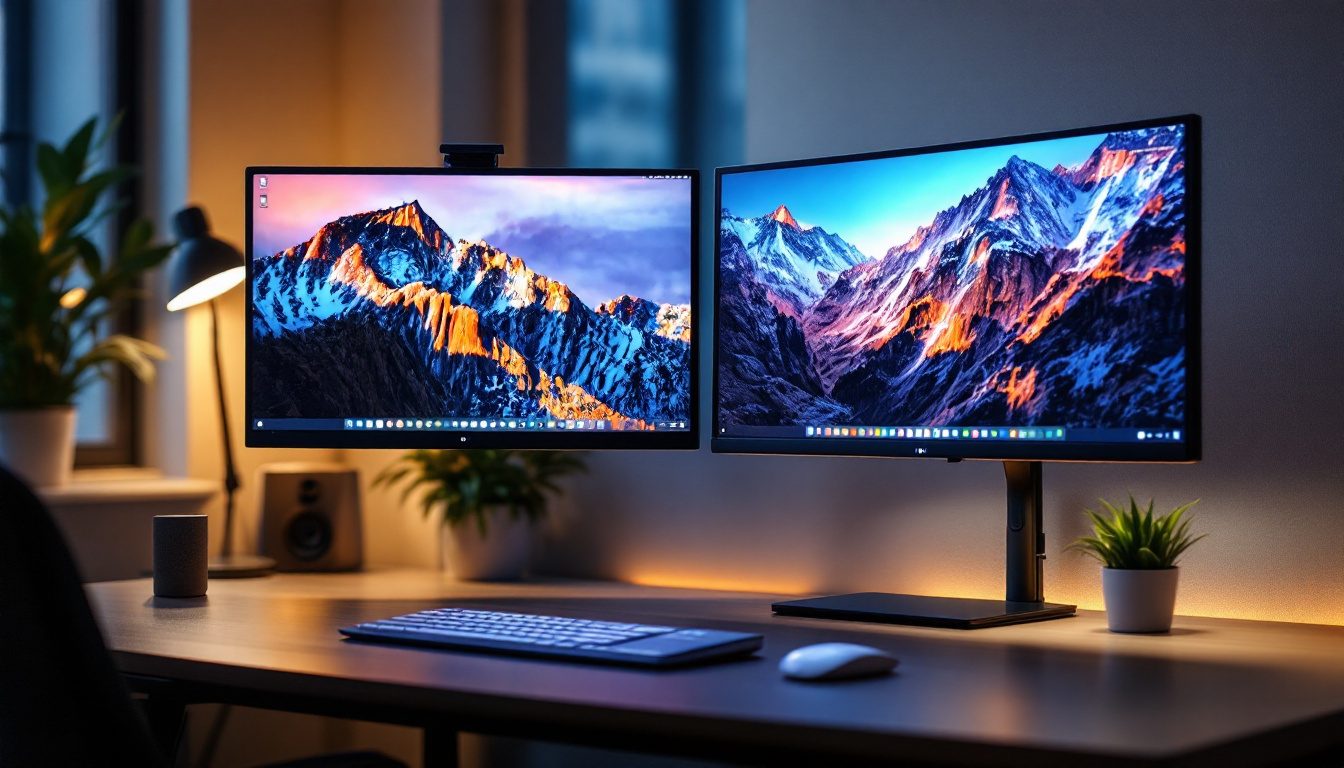
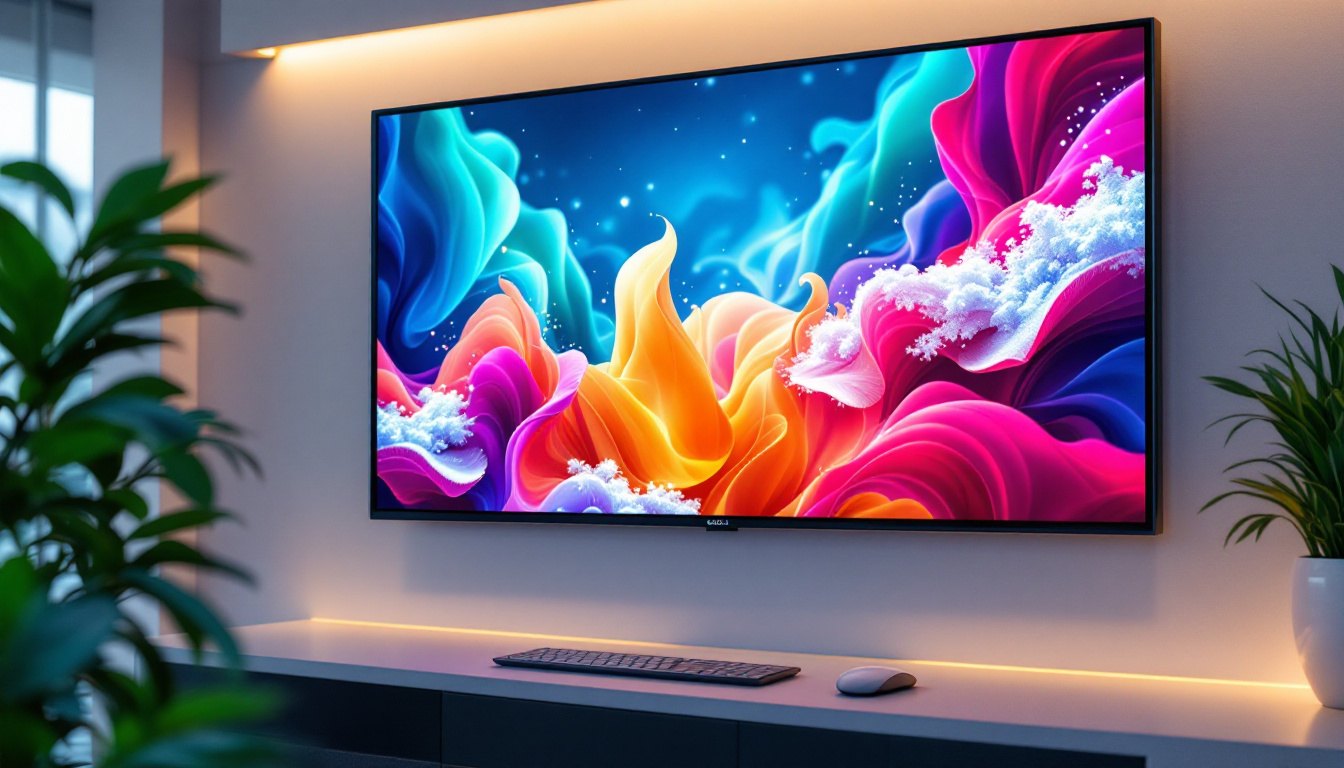
For example, Micro-LED TVs offer unparalleled picture quality with high brightness, perfect blacks, and energy efficiency, making them ideal for home theaters and premium entertainment setups. In smartwatches and augmented reality (AR) devices, Micro-LED’s small size and low power consumption extend battery life while delivering crisp visuals.
Commercial and Industrial Displays
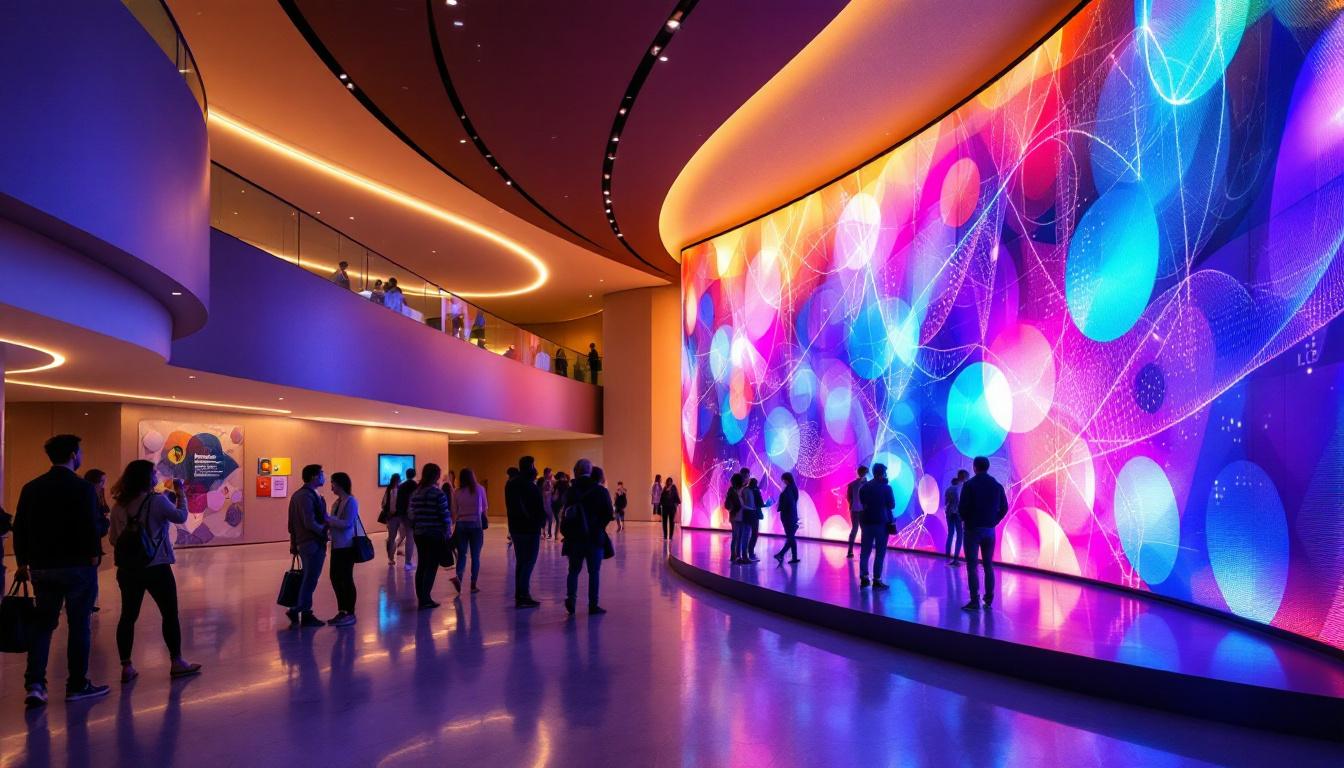
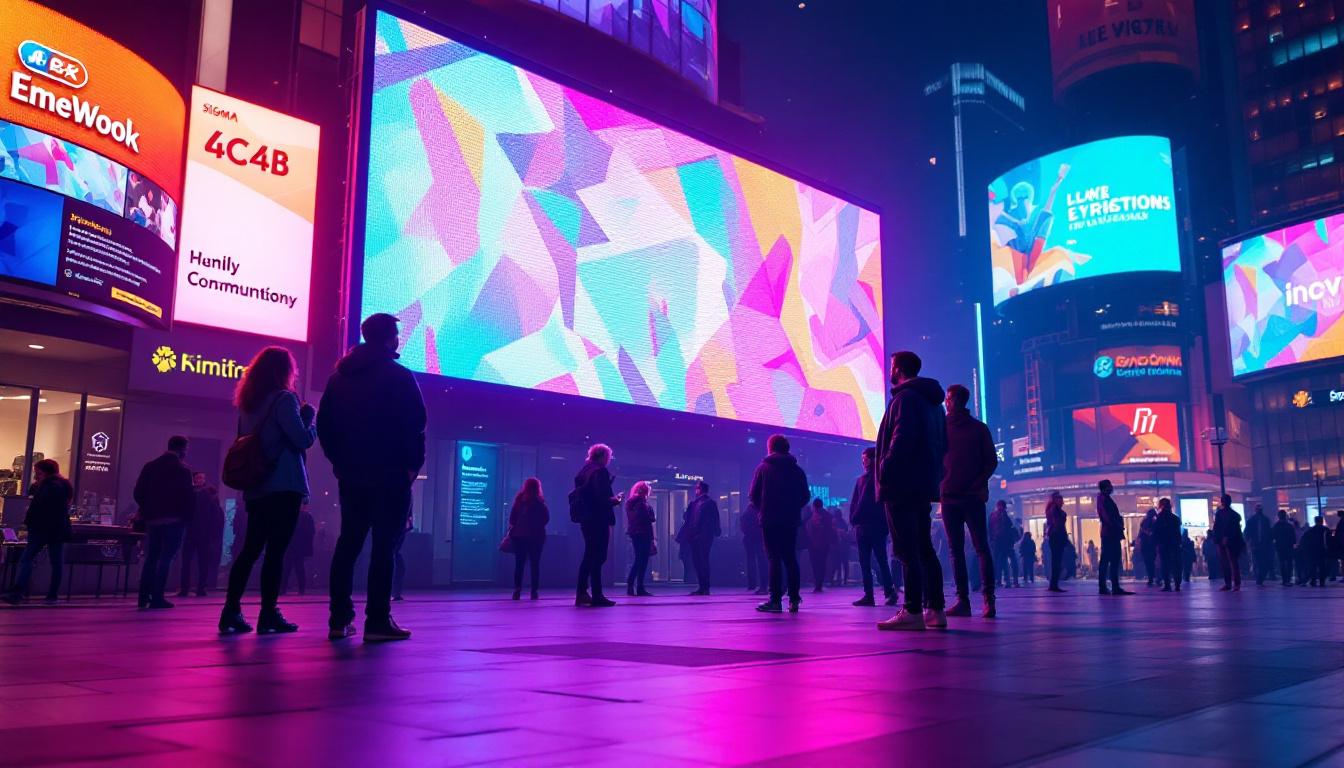
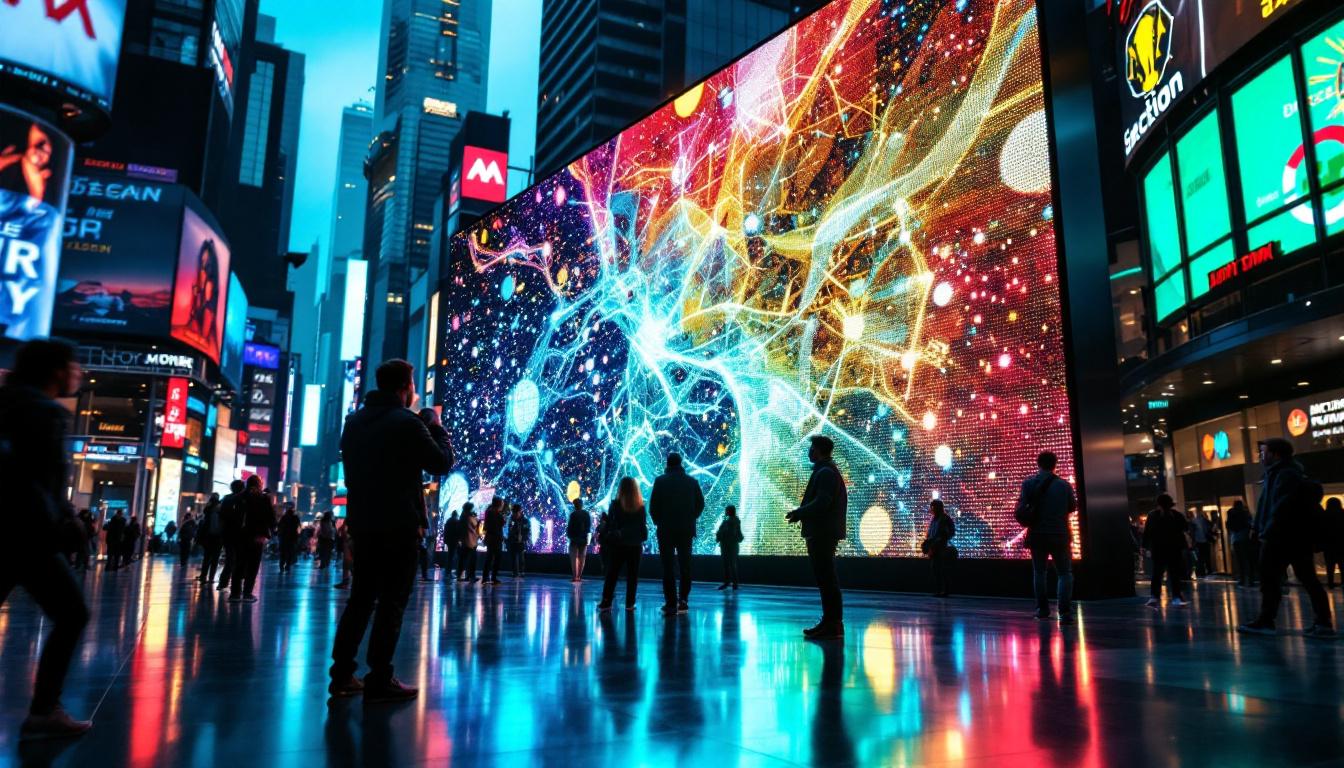
Large-scale digital signage, control rooms, and public information displays benefit significantly from Micro-LED’s brightness and durability. Airports, stadiums, and retail environments require displays that remain visible in direct sunlight and operate reliably 24/7, conditions where Micro-LED excels.
Industrial applications such as medical imaging, aerospace, and automotive heads-up displays also leverage Micro-LED for its precision and robustness.
Virtual and Augmented Reality
Micro-LED’s high pixel density and brightness make it an ideal candidate for VR and AR headsets, where screen quality directly impacts user immersion and comfort. The technology’s low latency and power efficiency help reduce motion sickness and extend device usage times.
Considerations When Buying Micro-LED Displays
Cost and Availability
Despite its many advantages, Micro-LED technology remains relatively expensive compared to LCD and OLED alternatives. The manufacturing process is complex, involving precise placement of millions of tiny LEDs, which drives up production costs and limits mass-market availability.
Currently, Micro-LED displays are primarily found in high-end commercial products and prototypes. However, as manufacturing techniques improve and economies of scale are achieved, prices are expected to become more competitive within the next few years.
Size and Resolution Requirements
Buyers should carefully consider the intended use case when selecting a Micro-LED display. For example, smaller devices like smartwatches require extremely high pixel densities to maintain image clarity, while large video walls prioritize brightness and seamless tiling.
Understanding the balance between size, resolution, and pixel pitch is crucial to ensure the display meets performance expectations without unnecessary cost.
Installation and Maintenance
Micro-LED displays, especially large modular setups, require professional installation to ensure proper alignment and calibration. Maintenance is generally minimal due to the technology’s durability, but buyers should verify warranty terms and support services from manufacturers or vendors.
The Future of Micro-LED Displays
Ongoing Innovations
Research and development in Micro-LED technology continue at a rapid pace. Innovations such as mass transfer techniques, improved LED materials, and advanced driver electronics are helping to overcome current manufacturing challenges.
Emerging trends include flexible Micro-LED displays that can bend or fold without compromising performance, and transparent Micro-LED panels that integrate seamlessly into architectural elements like windows and glass walls.
Market Growth and Adoption
Industry analysts predict that the Micro-LED market will grow at a compound annual growth rate (CAGR) of over 40% through 2030, driven by demand in consumer electronics, automotive displays, and commercial signage.
As production scales and costs decrease, Micro-LED is expected to become a mainstream display technology, competing directly with OLED and LCD in a variety of applications.
Conclusion
Micro-LED technology represents a significant leap forward in display performance, combining superior brightness, color accuracy, energy efficiency, and durability. While still emerging and relatively costly, its advantages make it a compelling choice for high-end consumer electronics, commercial displays, and specialized applications.
For buyers considering Micro-LED displays, understanding the technology’s benefits and current limitations is key to making informed decisions. As the market matures, Micro-LED is set to become a dominant force in the display industry, delivering stunning visual experiences across countless devices and environments.
Investing in Micro-LED today means embracing the future of display technology—one where visuals are brighter, colors are richer, and screens are more versatile than ever before.
Discover LumenMatrix’s Advanced LED Display Solutions
Ready to experience the future of display technology with Micro-LED? LumenMatrix is at the forefront of this innovation, offering a wide range of LED display solutions that bring your visual communications to life. Whether you’re looking for an Indoor LED Wall Display, a dynamic Outdoor LED Wall Display, or specialized solutions like Vehicle LED Displays and LED Sports Displays, LumenMatrix has the cutting-edge technology to elevate your brand and captivate your audience. Embrace the brilliance of Micro-LED and Check out LumenMatrix LED Display Solutions today to transform your visual storytelling and engagement.