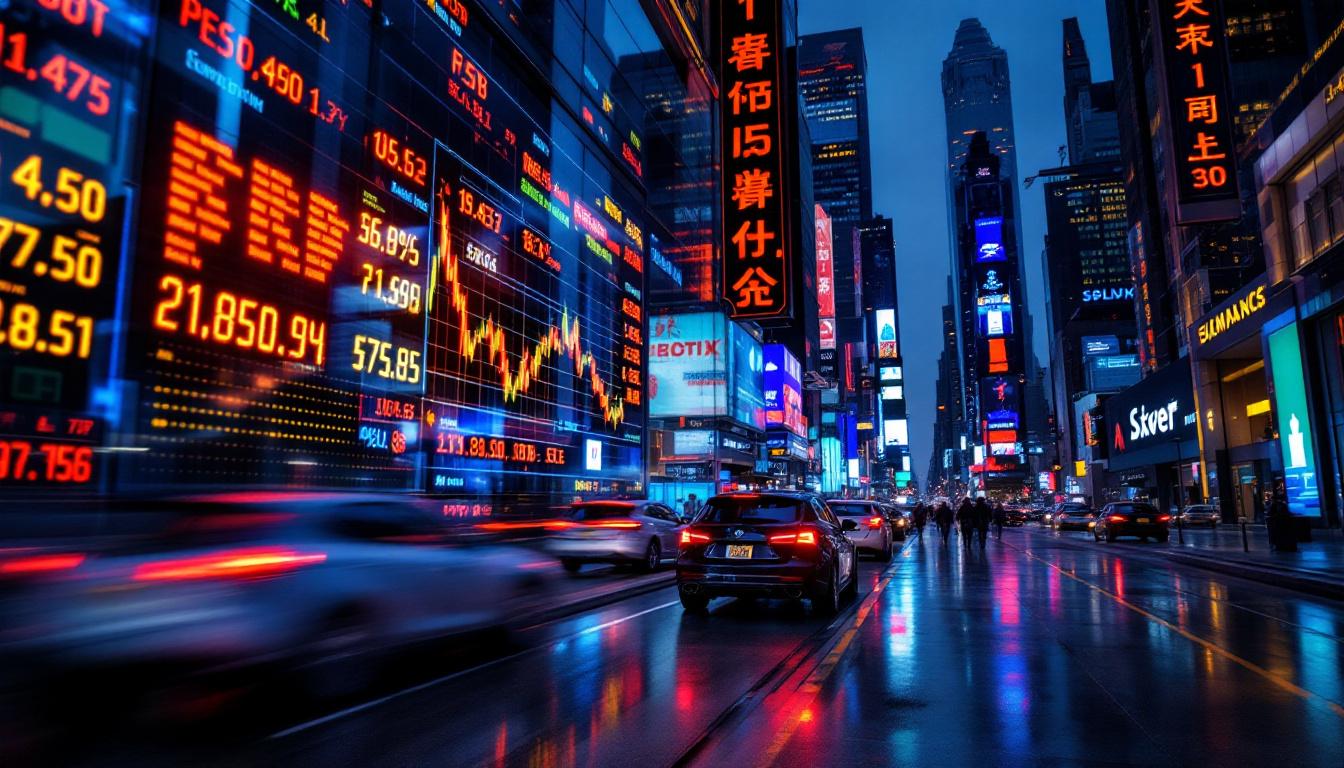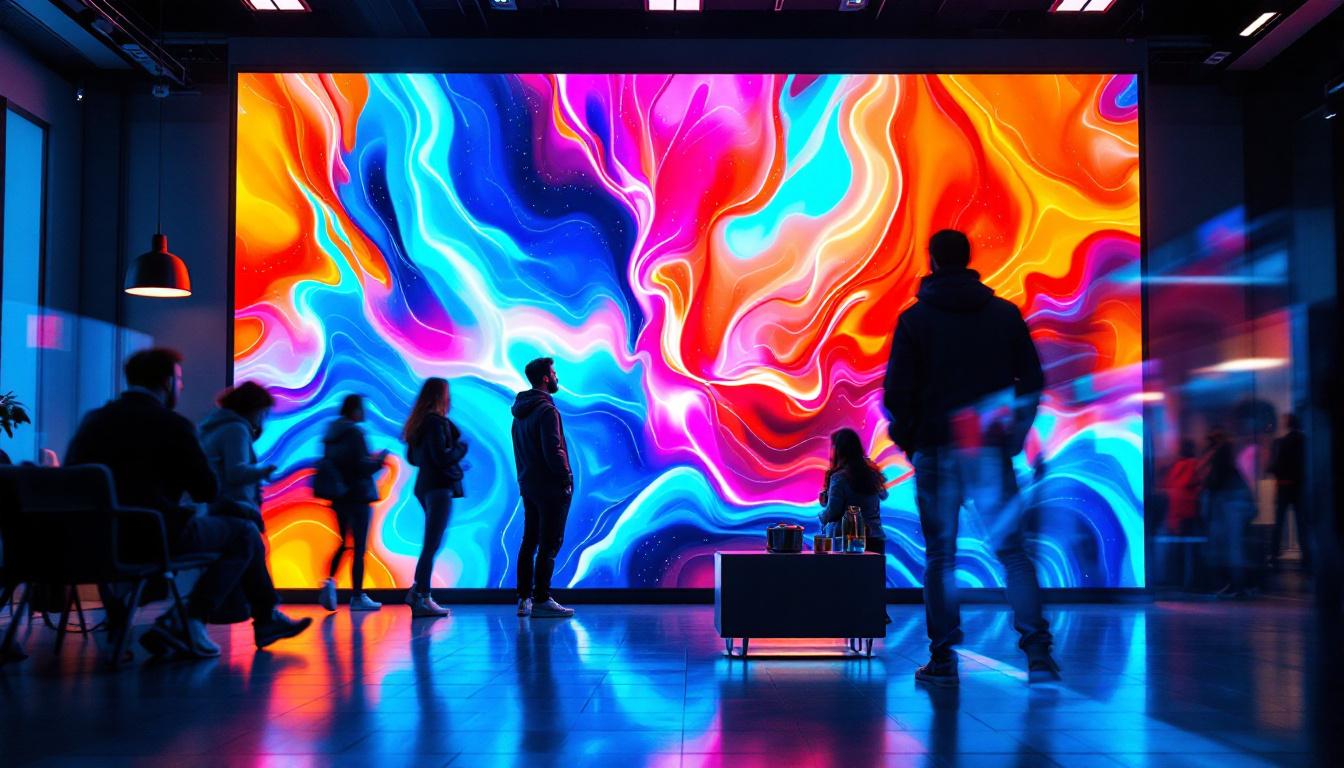
In the rapidly evolving world of digital signage and visual communication, LED displays have become a cornerstone technology. Among the various types of LED displays, cabinet LED displays stand out for their modularity, scalability, and versatility. This article delves deep into what cabinet LED displays are, how they work, their applications, and why they are increasingly favored across industries.
Understanding Cabinet LED Displays: The Basics
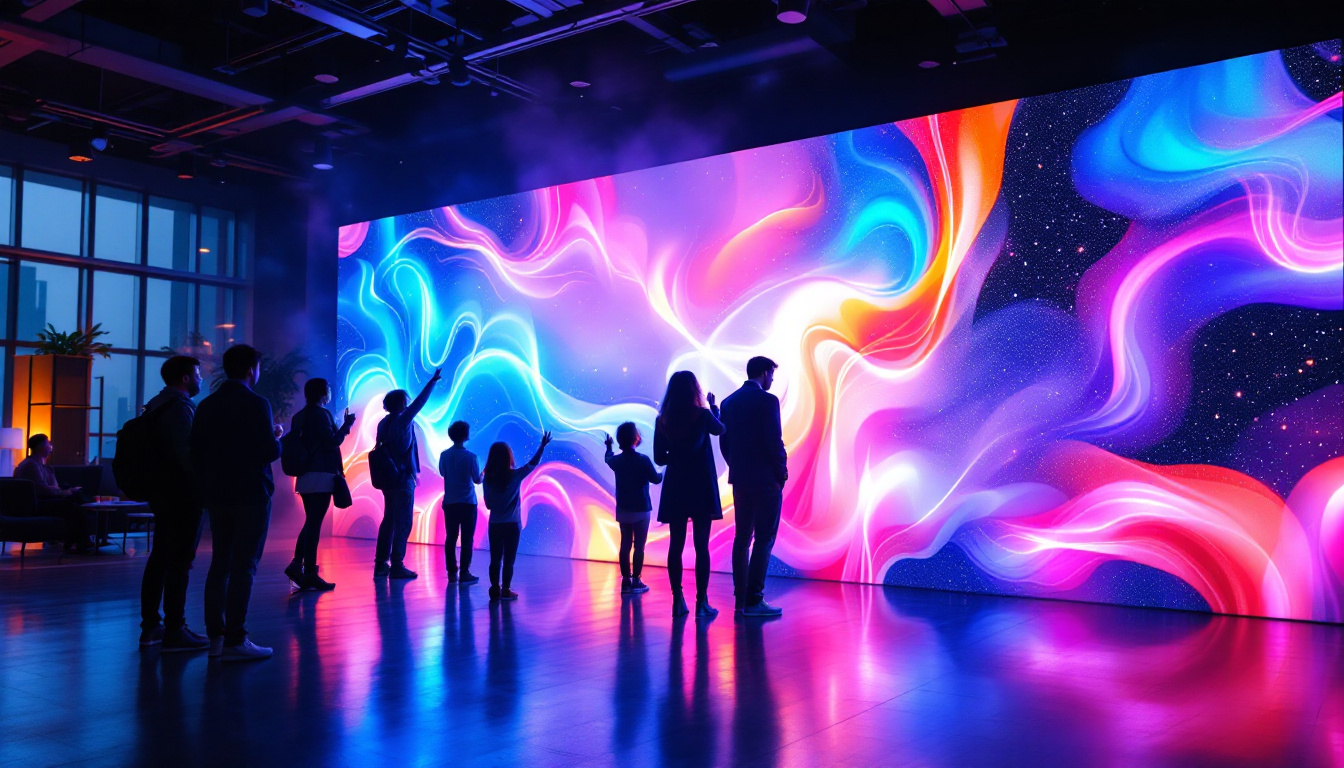
At its core, a cabinet LED display is a large screen composed of multiple LED modules housed within a sturdy cabinet frame. Each cabinet acts as a building block, allowing for the creation of expansive, seamless LED walls tailored to specific size and resolution requirements. These displays are increasingly popular in various settings, from concert venues and sports arenas to retail environments and corporate events, where high visibility and vibrant imagery are paramount.
The modular design means that individual cabinets can be easily assembled, maintained, or replaced without dismantling the entire display. This flexibility is particularly valuable in settings where uptime and quick servicing are critical. For instance, in a busy shopping mall, a malfunctioning cabinet can be swiftly swapped out, ensuring that promotional messages and advertisements remain uninterrupted, thus maximizing customer engagement and sales opportunities.
How Cabinet LED Displays Work
Cabinet LED displays operate by illuminating tiny light-emitting diodes (LEDs) arranged in a matrix on each module. These LEDs emit red, green, and blue light, which combine in varying intensities to produce a full spectrum of colors. The cabinets are controlled by sophisticated electronics that synchronize the display across all modules, ensuring a uniform image without visible seams. This synchronization is crucial for applications like live broadcasting or sports events, where any discrepancies in color or brightness can detract from the viewer’s experience.
The cabinets are typically connected through data and power cables, with a central control system managing the content displayed. Modern systems often support real-time content updates, high refresh rates, and advanced calibration to optimize visual performance. Additionally, many displays are now designed to be energy-efficient, utilizing technologies that reduce power consumption while maintaining brightness and color accuracy, which is a significant consideration for long-term operational costs.
Key Components of a Cabinet LED Display
Each cabinet contains several critical components:
- LED Modules: The fundamental units containing the LEDs arranged in a grid.
- Driving ICs: Integrated circuits that control the brightness and color of each LED.
- Power Supply Units: Provide stable power to the LEDs and control electronics.
- Cabinet Frame: The structural housing that protects the modules and facilitates mounting.
- Control System: Hardware and software that manage image processing and synchronization.
In addition to these components, many cabinet LED displays incorporate advanced features such as built-in cooling systems to prevent overheating during prolonged use. This is particularly important in outdoor environments where temperature fluctuations can be extreme. Furthermore, some displays are equipped with sensors that adjust brightness based on ambient light conditions, ensuring optimal visibility at all times. The combination of these components and features not only enhances the overall performance of the display but also contributes to its longevity and reliability in various applications.
Advantages of Cabinet LED Displays Over Other Display Technologies
Cabinet LED displays offer several advantages compared to other large-format display technologies such as LCD video walls or projection systems. These benefits have contributed to their widespread adoption in various sectors.
Superior Brightness and Visibility
One of the standout features of LED technology is its brightness. Cabinet LED displays can achieve brightness levels exceeding 5,000 nits, making them clearly visible even in direct sunlight. This makes them ideal for outdoor advertising, stadium screens, and transportation hubs where ambient light conditions are challenging. Moreover, the high contrast ratios of LED displays enhance the clarity and vibrancy of the images, ensuring that messages are not only seen but also impactful. This capability is particularly beneficial for brands looking to capture attention in crowded urban environments or at large events, where competition for viewer attention is fierce.
Seamless Scalability and Flexibility
The modular nature of cabinet LED displays allows for virtually unlimited screen sizes and aspect ratios. Whether it’s a small indoor display or a massive outdoor billboard, cabinets can be combined to meet specific spatial and resolution needs. This flexibility is not only practical but also cost-effective, as it enables gradual expansion or reconfiguration. Additionally, the ease of installation and the ability to create unique shapes and designs mean that businesses can tailor their displays to fit specific branding requirements or architectural features. This adaptability has made LED displays a popular choice for venues ranging from shopping malls to concert halls, where custom solutions are often necessary.
Durability and Weather Resistance
Cabinet LED displays are designed to withstand harsh environmental conditions. Outdoor cabinets typically feature IP65 or higher ratings, ensuring protection against dust, rain, and extreme temperatures. This durability reduces maintenance costs and extends the lifespan of the display. Furthermore, many LED displays incorporate advanced thermal management systems, which help regulate temperature and prevent overheating. This is crucial for maintaining performance and reliability in high-traffic areas or during prolonged usage, such as during sporting events or festivals, where displays are expected to operate flawlessly for extended periods.
Energy Efficiency and Longevity
Compared to traditional lighting and projection technologies, LEDs consume significantly less power while delivering superior brightness. Additionally, LEDs have long operational lifespans, often exceeding 100,000 hours, which translates into lower total cost of ownership over time. This energy efficiency is not only beneficial for reducing operational expenses but also aligns with sustainability goals, as businesses increasingly seek to minimize their carbon footprint. The reduced energy consumption of LED displays can lead to a significant decrease in greenhouse gas emissions, making them an environmentally friendly choice for organizations committed to green practices. Moreover, many manufacturers are now integrating smart technology into LED displays, allowing for real-time monitoring of energy usage and performance, further enhancing their efficiency and effectiveness.
Applications of Cabinet LED Displays Across Industries
The versatility of cabinet LED displays has led to their adoption in a wide range of applications. From advertising and entertainment to corporate communication and public information systems, these displays serve diverse purposes.
Outdoor Advertising and Digital Billboards
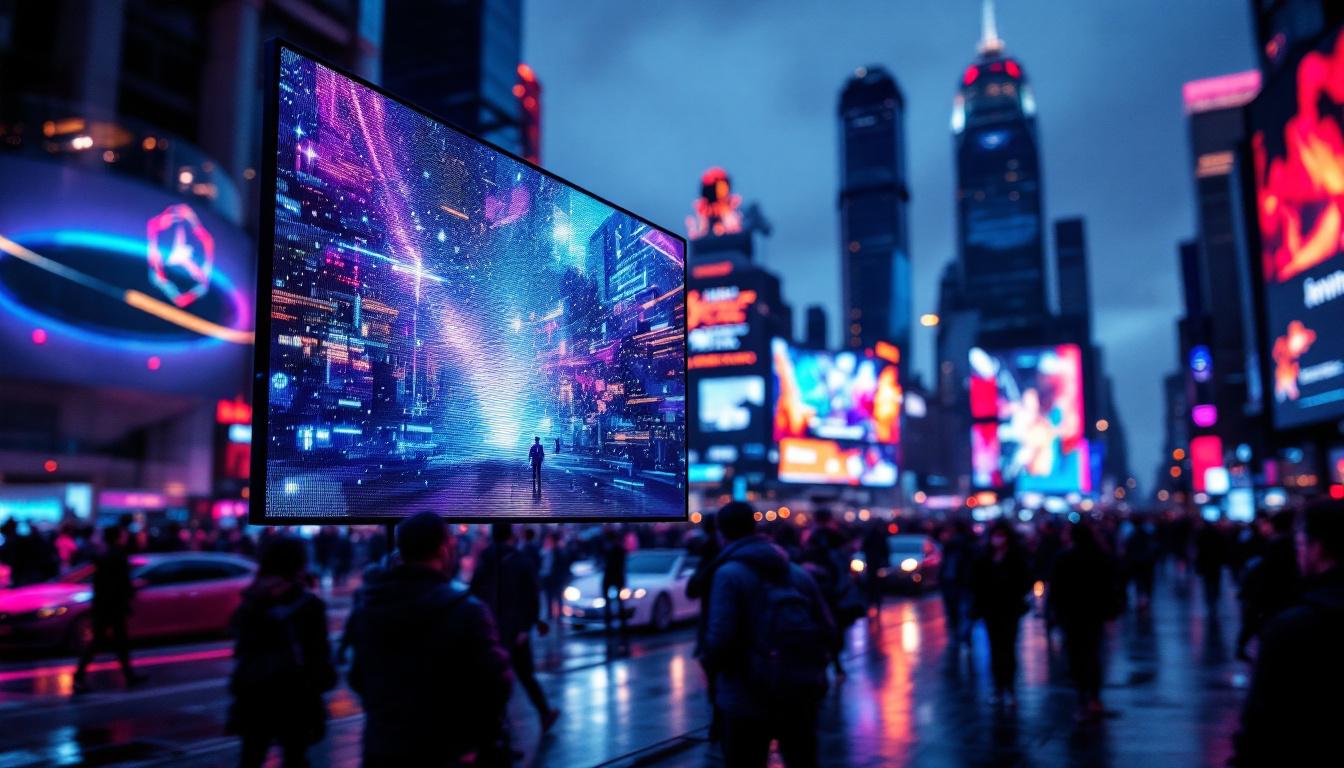
Cabinet LED displays are the backbone of modern digital billboards. Their high brightness and weather resistance make them perfect for roadside advertising, shopping centers, and urban landmarks. Digital billboards allow advertisers to update content dynamically, schedule ads, and even display interactive or real-time information, enhancing engagement and ROI.
Sports Arenas and Event Venues
Large-scale LED walls in stadiums and arenas provide spectators with instant replays, live scores, and immersive visual effects. The ability to customize screen size and shape using cabinets enables event organizers to create unique viewing experiences that enhance fan engagement.
Retail and Corporate Environments
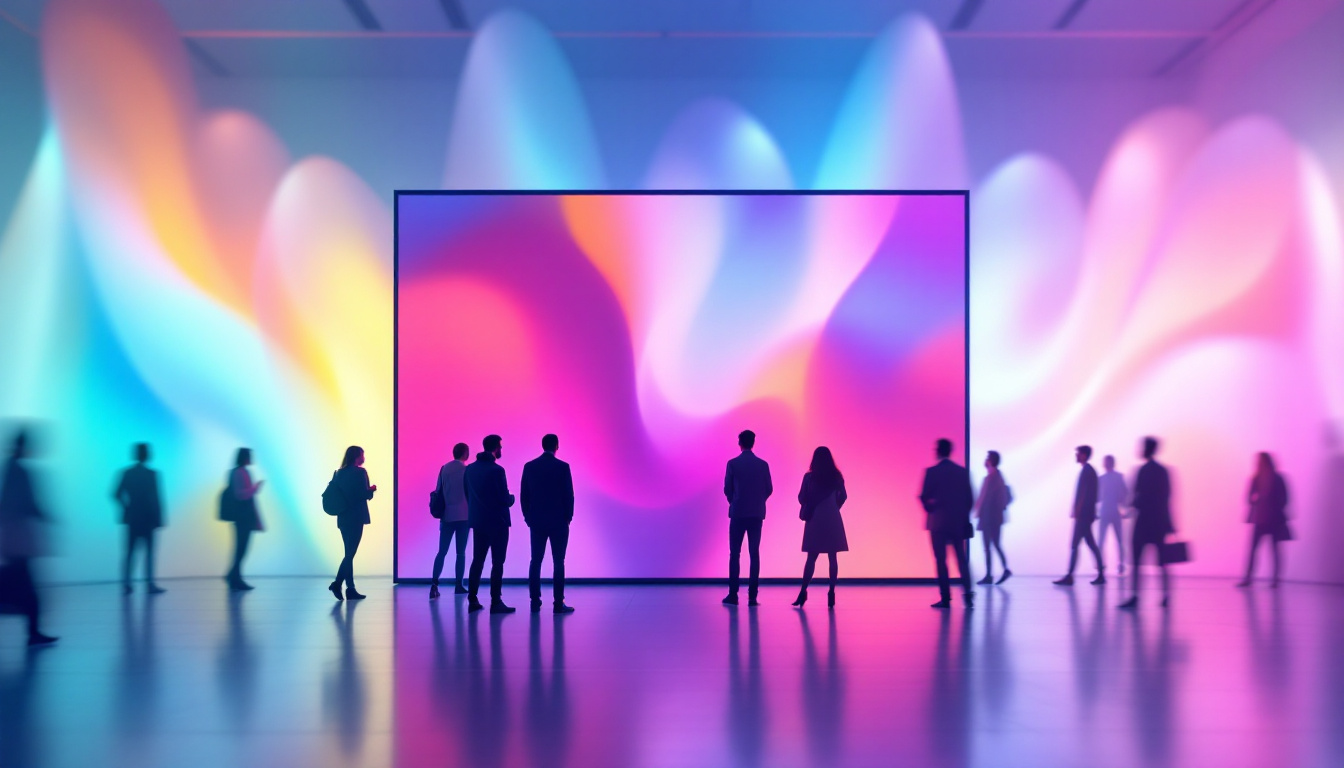
Indoor cabinet LED displays are increasingly popular in retail stores, corporate lobbies, and conference centers. They serve as digital signage, branding tools, and communication platforms. Their high resolution and color accuracy make them ideal for showcasing products, presentations, and multimedia content.
Transportation Hubs and Public Information Systems
Airports, train stations, and bus terminals utilize cabinet LED displays for real-time information dissemination. Their visibility and reliability ensure passengers receive timely updates on schedules, delays, and safety announcements.
Technical Considerations When Choosing a Cabinet LED Display
Selecting the right cabinet LED display requires careful evaluation of several technical factors to ensure optimal performance and suitability for the intended application.
Pixel Pitch and Resolution
Pixel pitch refers to the distance between the centers of adjacent LEDs, typically measured in millimeters. Smaller pixel pitches result in higher resolution and finer image detail, which is essential for close viewing distances such as indoor environments. Conversely, larger pixel pitches are suitable for outdoor displays viewed from greater distances.
Brightness and Contrast Ratio
Brightness levels must align with the ambient lighting conditions of the installation site. High brightness is crucial for outdoor visibility, while indoor displays benefit from balanced brightness and superior contrast ratios to enhance image quality and reduce eye strain.
Refresh Rate and Color Accuracy
Higher refresh rates minimize flicker and motion blur, which is especially important for video content and live broadcasts. Accurate color reproduction ensures that images and videos appear natural and vibrant, reinforcing brand messaging and viewer engagement.
Cabinet Size and Weight
The physical dimensions and weight of cabinets impact installation logistics and structural requirements. Lightweight cabinets facilitate easier handling and mounting, while standardized sizes simplify design and maintenance.
Connectivity and Control Options
Modern cabinet LED displays support various input sources and control protocols, including HDMI, DVI, and network-based systems. Remote management capabilities enable centralized monitoring, diagnostics, and content updates, enhancing operational efficiency.
Installation and Maintenance Best Practices
Proper installation and regular maintenance are critical to maximizing the performance and lifespan of cabinet LED displays.
Professional Installation and Calibration
Given the complexity and scale of cabinet LED displays, professional installation is recommended. This includes precise alignment of cabinets, secure mounting, and thorough calibration to ensure uniform brightness and color consistency across the entire display.
Routine Cleaning and Inspection
Dust, dirt, and moisture can degrade LED performance over time. Regular cleaning using appropriate methods helps maintain brightness and prevents damage. Periodic inspections identify potential issues such as loose connections or faulty modules before they escalate.
Modular Repairs and Upgrades
The modular design of cabinet LED displays simplifies repairs. Faulty modules or cabinets can be replaced individually without disrupting the entire system. Additionally, upgrades such as higher resolution modules or improved control electronics can be integrated as technology advances.
The Future of Cabinet LED Displays
As LED technology continues to advance, cabinet LED displays are poised to become even more versatile and impactful. Innovations in mini-LED and micro-LED technology promise higher resolutions and better energy efficiency. Integration with AI-driven content management systems will enable smarter, more personalized digital experiences.
Moreover, emerging trends such as transparent LED cabinets and flexible LED panels are expanding the possibilities for creative and architectural applications. These developments will further cement cabinet LED displays as a vital tool in visual communication across industries.
Conclusion
Cabinet LED displays represent a powerful and adaptable solution for large-format digital signage. Their modular construction, exceptional brightness, and durability make them suitable for a broad spectrum of applications, from outdoor advertising to indoor corporate displays. Understanding the technical nuances and best practices for installation and maintenance ensures that organizations can fully leverage the benefits of this technology.
As the demand for dynamic, high-impact visual communication grows, cabinet LED displays will continue to evolve, offering enhanced performance and new creative possibilities. For businesses and institutions looking to make a lasting impression, investing in cabinet LED display technology is a forward-thinking choice.
Discover LumenMatrix’s Advanced LED Display Solutions
Ready to elevate your visual communication strategy with the latest in LED display technology? Look no further than LumenMatrix, where innovation meets excellence. Our comprehensive range of LED display solutions, from Indoor and Outdoor LED Walls to specialized options like Vehicle Displays, Sports Displays, and even Custom LED configurations, are designed to captivate and engage your audience. Embrace the future of digital signage with LumenMatrix and transform your brand’s visibility. Check out LumenMatrix LED Display Solutions today and start creating unforgettable visual experiences.