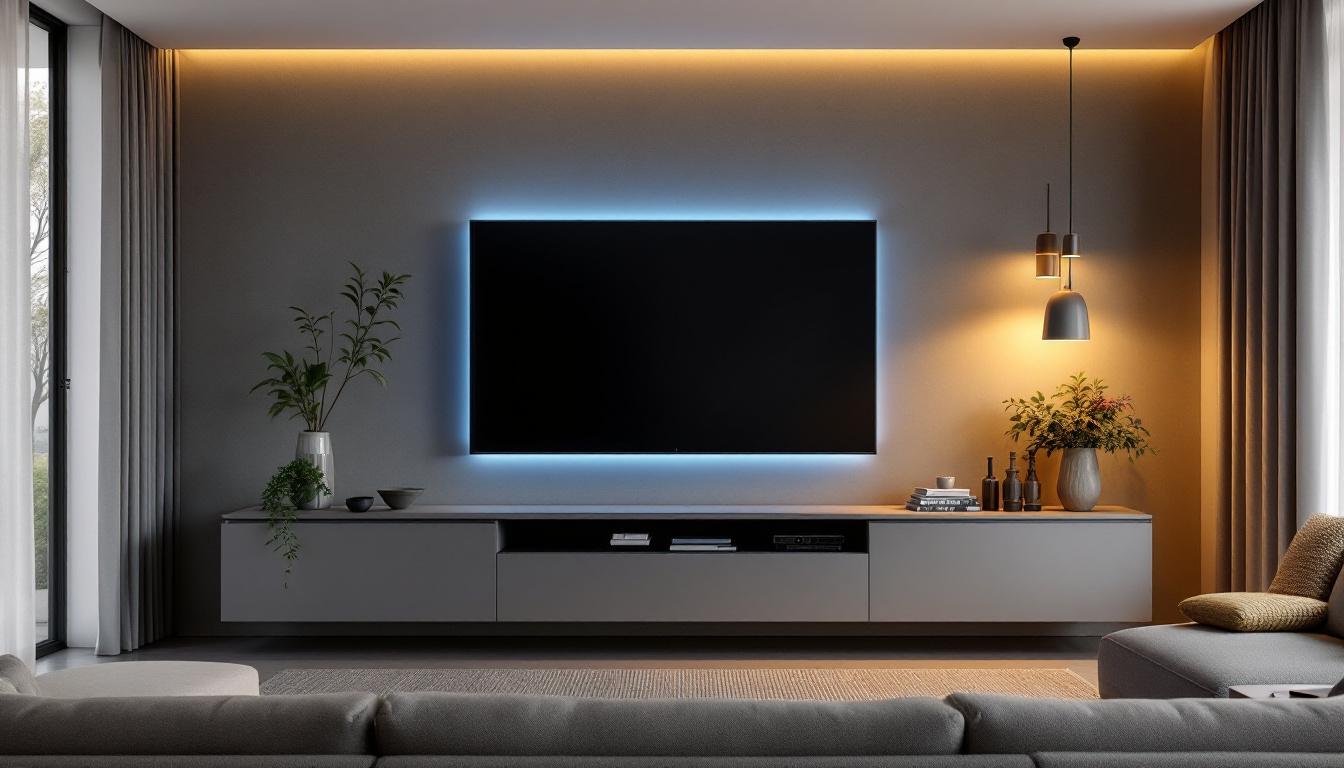
In the evolving world of interior design and technology integration, wall units have transformed from simple storage solutions into dynamic focal points of modern living spaces. One of the most exciting advancements in this area is the incorporation of LED displays within wall units. This fusion of design and technology not only enhances aesthetic appeal but also adds functional versatility to any room. This article delves into the intricacies of wall unit designs featuring LED displays, exploring their benefits, design considerations, and practical applications to help homeowners, designers, and tech enthusiasts make informed decisions.
Understanding LED Displays in Wall Units
What Are LED Displays?
LED (Light Emitting Diode) displays are screens composed of numerous tiny light sources that emit light when an electric current passes through them. Unlike traditional LCDs, LED displays offer superior brightness, contrast, and energy efficiency. These qualities make them ideal for integration into wall units where visibility and visual impact are paramount.
LED technology has evolved significantly over the past decade, with advancements such as OLED (Organic LED) and micro-LED panels pushing the boundaries of display quality. However, for wall units, conventional LED panels remain popular due to their balance of cost, durability, and brightness.
Why Integrate LED Displays into Wall Units?
Incorporating LED displays into wall units elevates their functionality beyond mere storage or decorative shelving. These displays can serve multiple purposes, including:
- Entertainment: Acting as integrated televisions or digital art frames.
- Information Display: Showing calendars, weather updates, news feeds, or smart home controls.
- Ambient Lighting: Providing customizable backlighting or mood lighting to enhance room atmosphere.
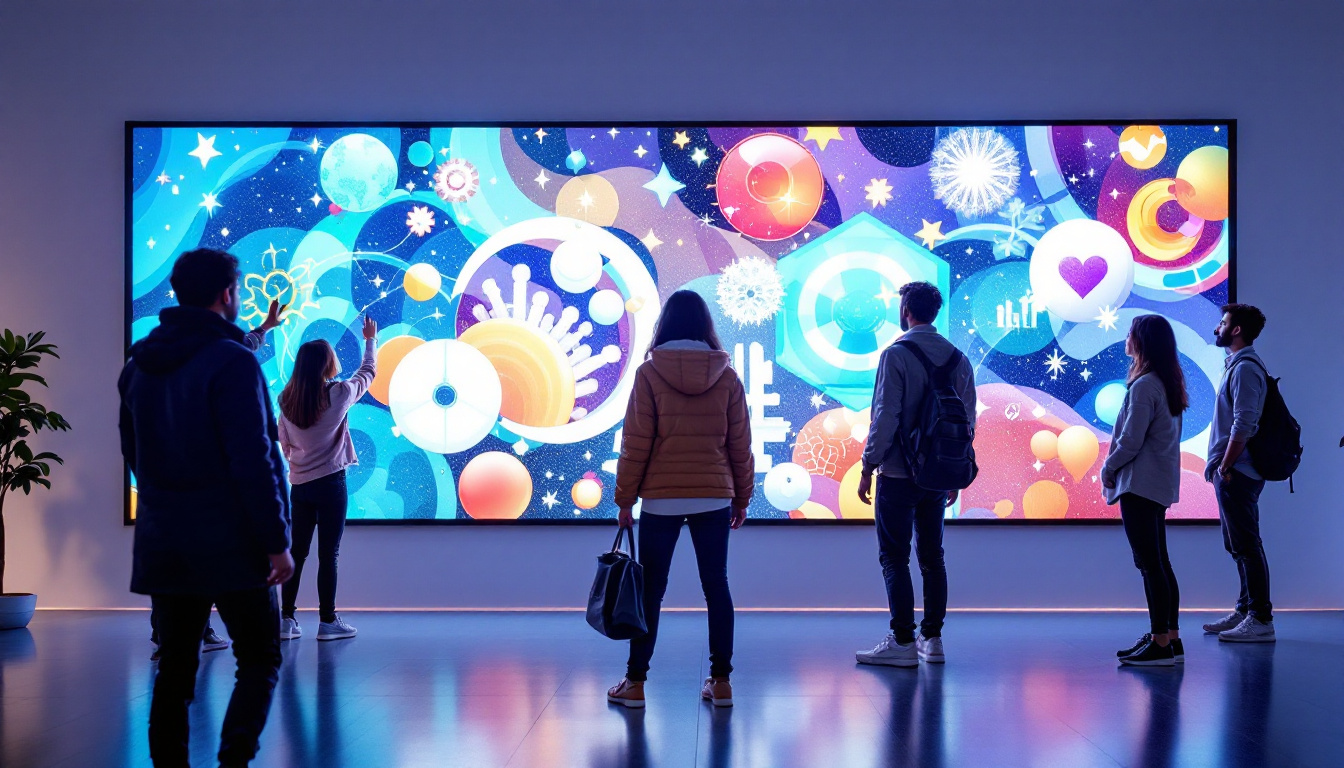
- Interactive Features: Touchscreen capabilities can turn wall units into control hubs for smart devices.
This versatility makes LED wall units a compelling choice for modern homes and offices aiming for a sleek, tech-forward aesthetic.
Design Considerations for LED Wall Units
Balancing Aesthetics and Functionality
When designing wall units with integrated LED displays, striking the right balance between aesthetics and functionality is crucial. The LED display should complement the overall design theme of the room without overwhelming the space.
Materials such as wood, glass, and metal are commonly used in wall units, each offering different visual textures and structural support. For example, a walnut wood frame can add warmth and sophistication, while tempered glass panels can enhance the sleekness and allow the LED display to stand out.
Size and Placement of LED Displays
The size of the LED display must be proportionate to the wall unit and the room itself. Oversized screens can dominate the space and reduce the utility of storage compartments, while undersized displays may not deliver the desired visual impact.
Placement is equally important. Displays are often centered at eye level for comfortable viewing, but designers may also incorporate adjustable mounts or swivel mechanisms to optimize viewing angles. Additionally, considering ambient light sources and minimizing glare through matte finishes or anti-reflective coatings can enhance the viewing experience.
Integration with Smart Home Systems
Modern wall units with LED displays often serve as smart home hubs. Integration with platforms such as Amazon Alexa, Google Home, or Apple HomeKit allows users to control lighting, temperature, security cameras, and entertainment systems directly from the display.
Designers must ensure that wiring and connectivity options are discreetly managed within the wall unit to maintain a clean appearance. Wireless technology advancements, including Wi-Fi 6 and Bluetooth 5.2, facilitate seamless communication between devices without cumbersome cables.
Types of LED Displays Suitable for Wall Units
Direct-View LED Panels
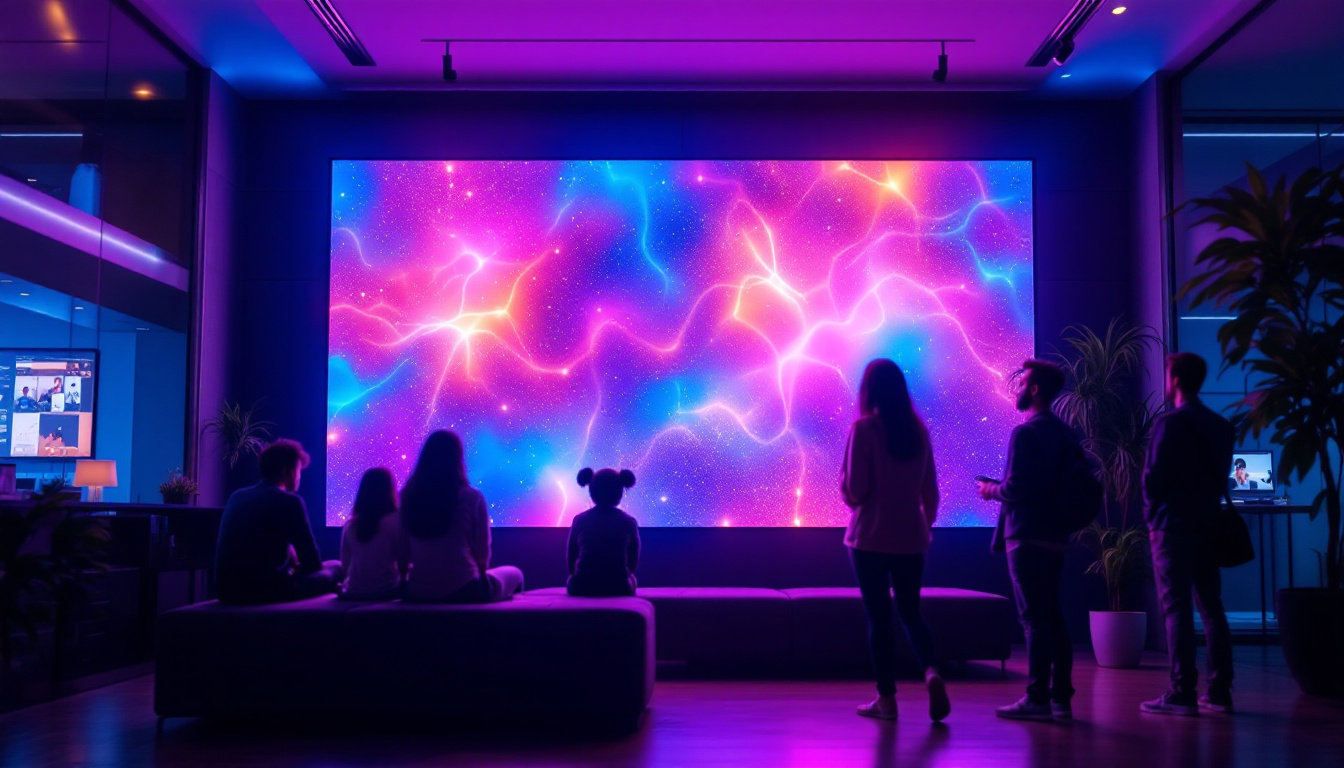
Direct-view LED panels consist of individual LEDs arranged in a matrix, offering high brightness and excellent color saturation. These displays are ideal for large wall units in commercial settings or home theaters where vivid visuals are essential.
However, they tend to be thicker and more expensive, making them less common in compact residential wall units.
LED-Backlit LCD Screens
More commonly used in residential wall units are LED-backlit LCD screens. These combine the sharpness of LCD panels with the brightness and energy efficiency of LED backlighting. They are thinner, lighter, and generally more affordable than direct-view LED panels.
This type of display supports high-definition content, making it suitable for integrated televisions or digital art displays within living rooms or bedrooms.
Flexible and Transparent LED Displays
Innovations in LED technology have introduced flexible and transparent LED displays, which open new design possibilities. Flexible displays can curve around corners or fit into unconventional shapes, allowing for bespoke wall unit designs.
Transparent LED displays enable portions of the wall unit to act as see-through screens, blending digital content with physical objects behind the panel. This technology is gaining traction in luxury retail environments and high-end residential projects.
Practical Applications and Examples
Living Room Entertainment Centers
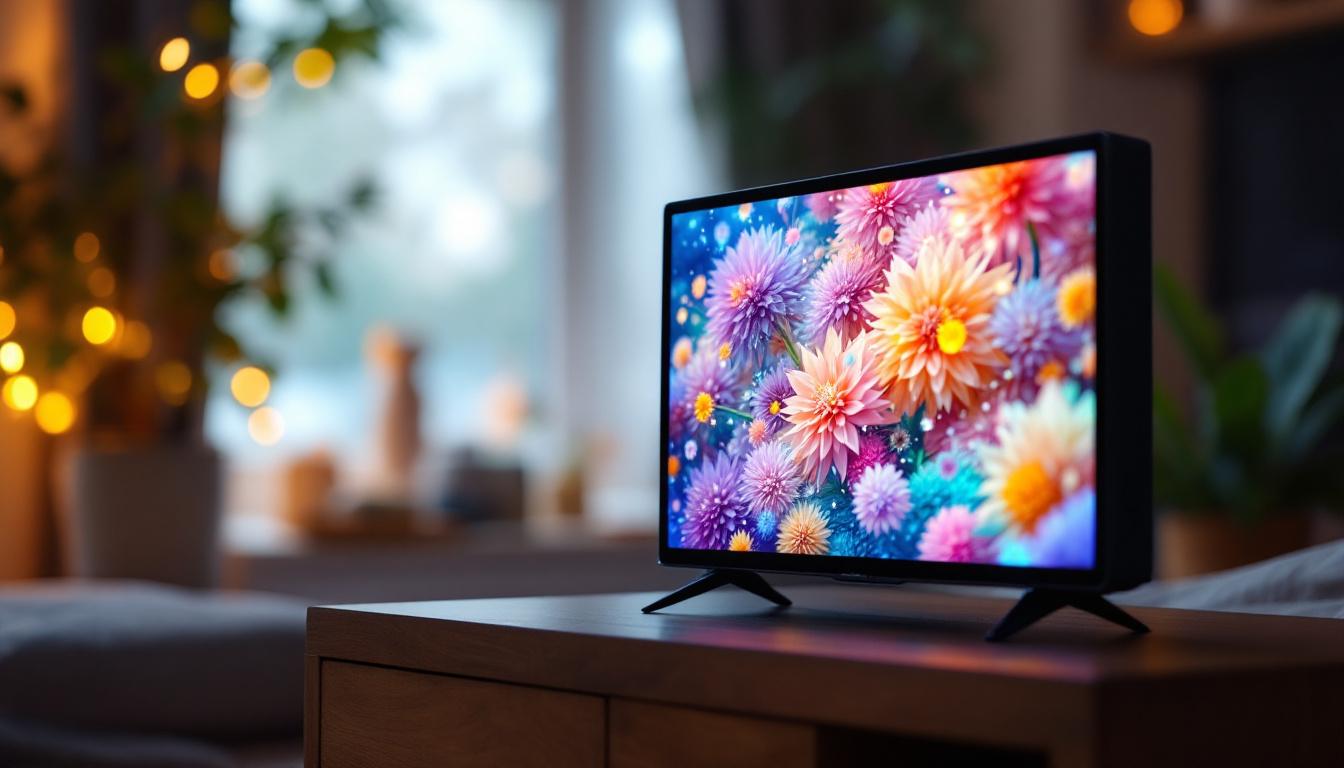
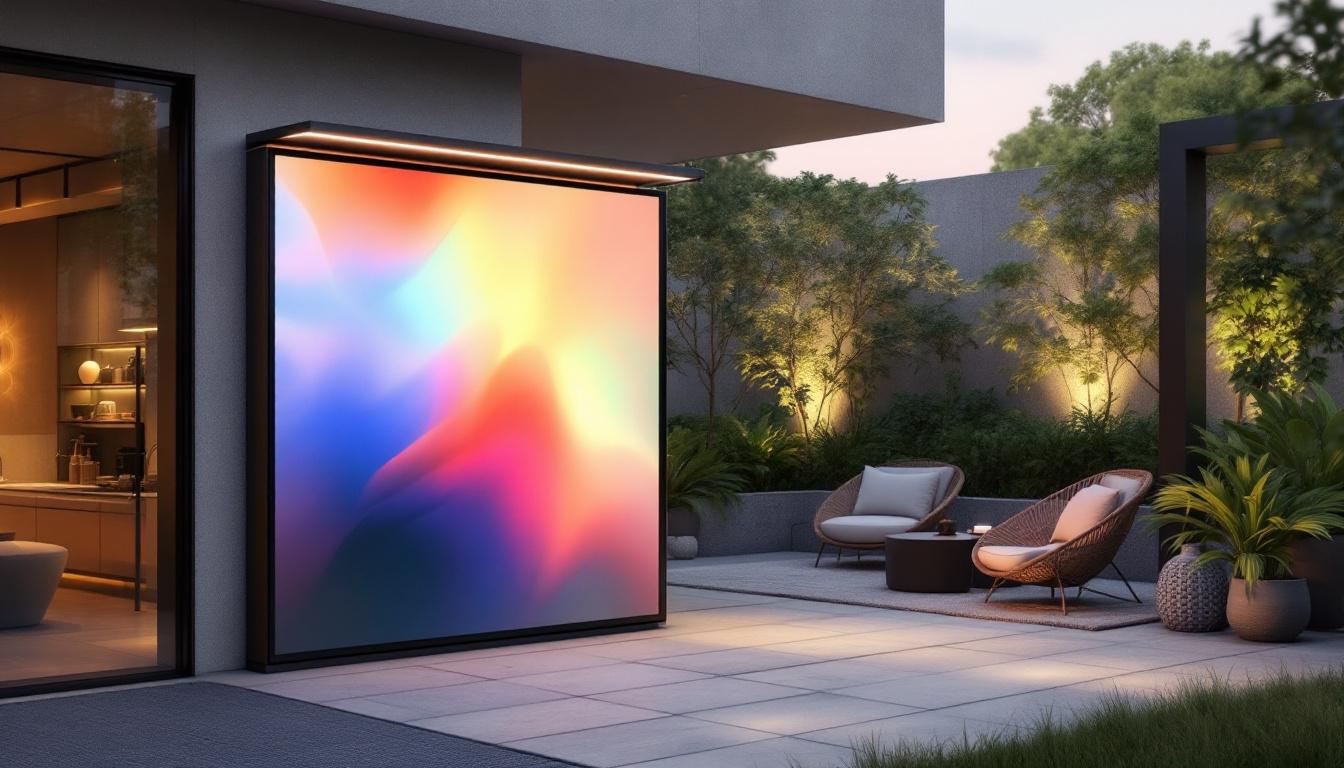
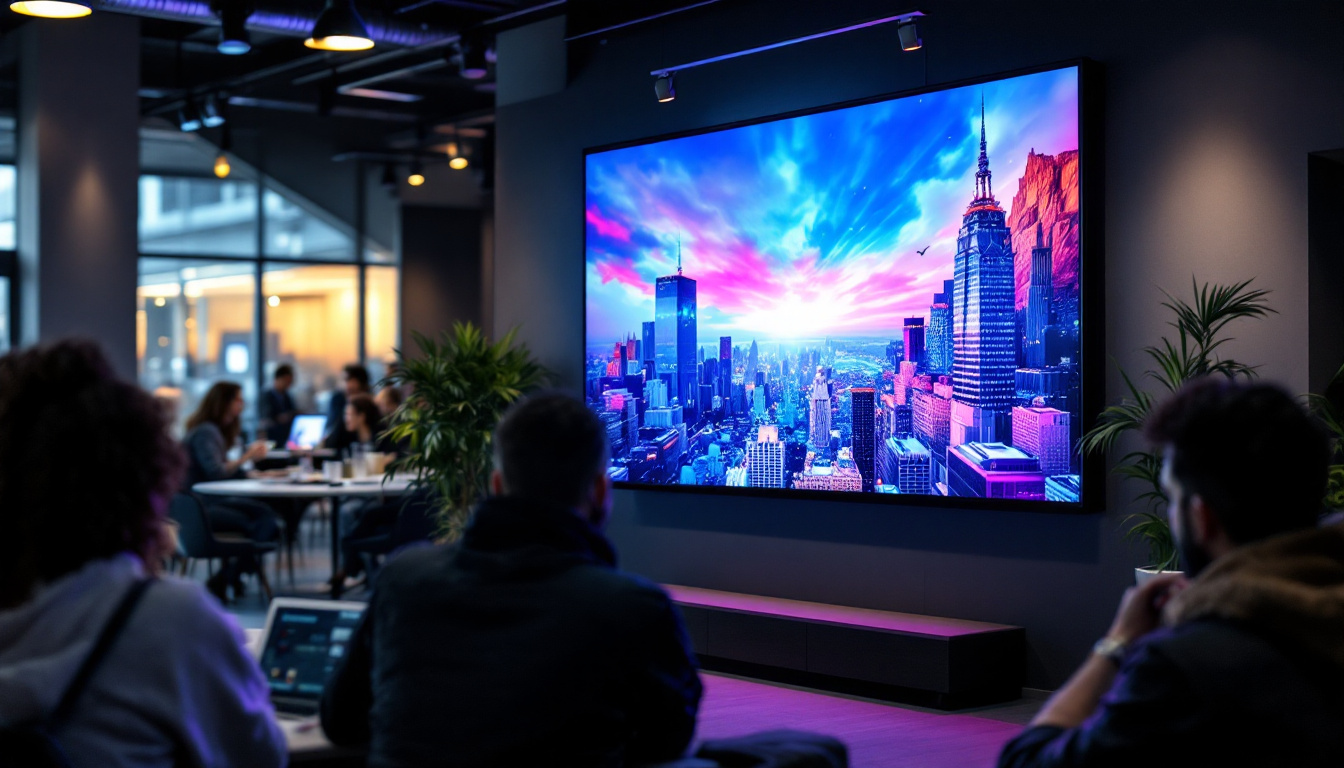
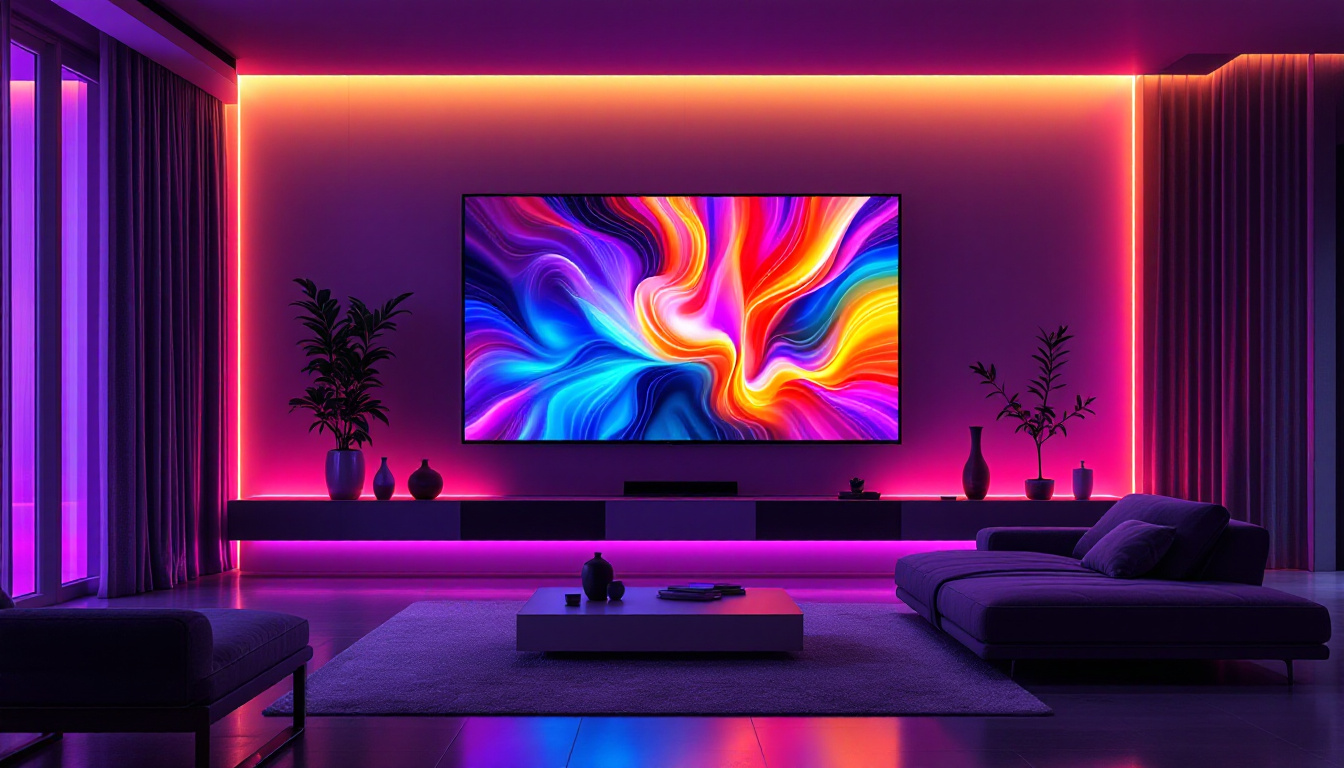
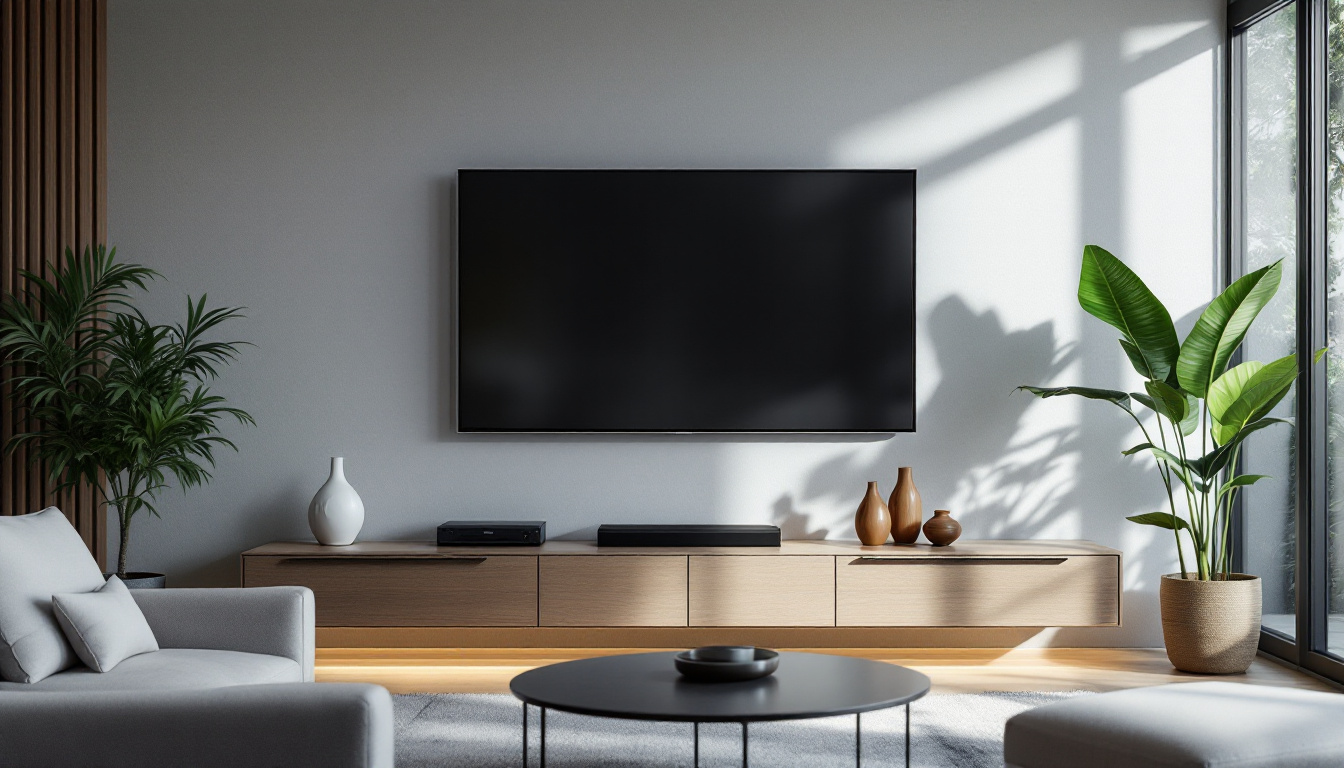
One of the most popular applications of LED displays in wall units is the living room entertainment center. Instead of mounting a TV on the wall, designers embed the LED screen within a custom-built wall unit that includes shelves, cabinets, and lighting.
This approach creates a cohesive and elegant focal point, with the display seamlessly integrated among books, décor, and media equipment. Some designs incorporate motorized panels that conceal the screen when not in use, preserving the room’s aesthetic.
Home Office and Productivity Spaces
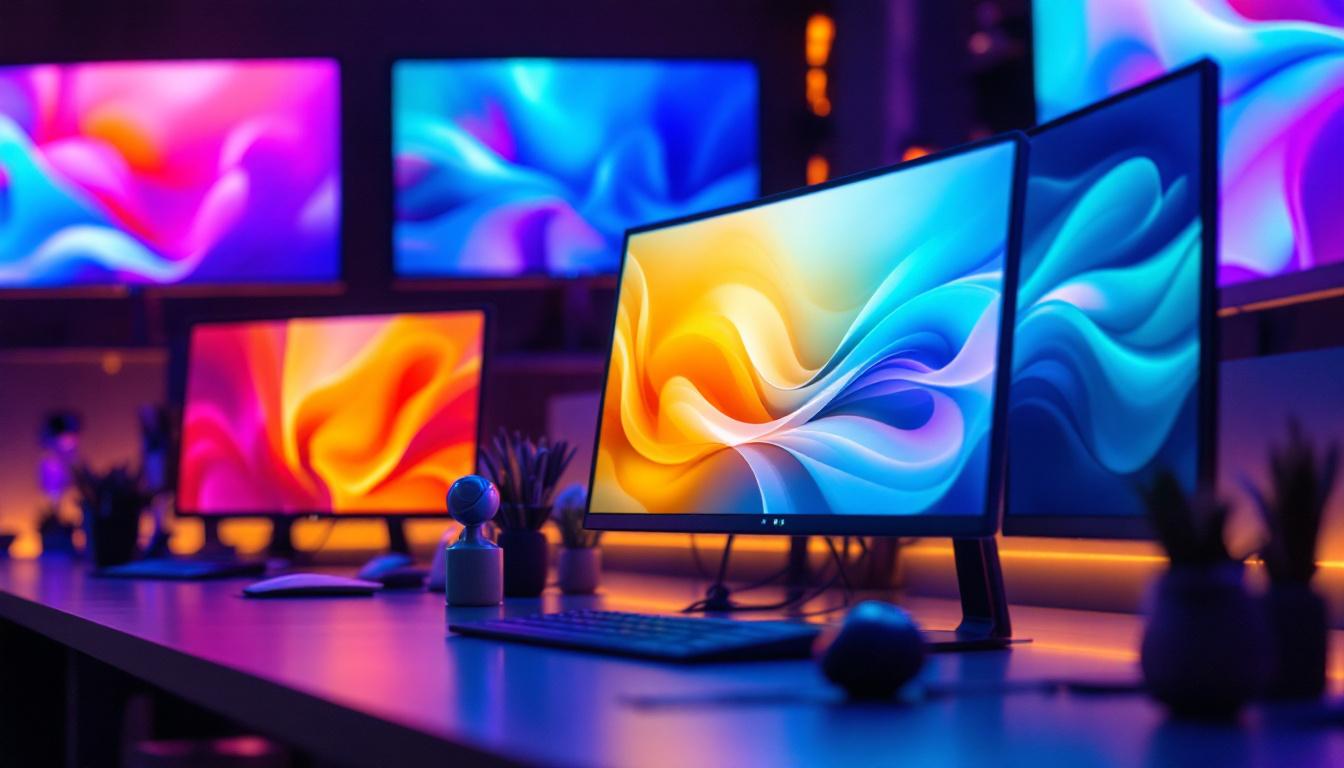
LED displays in wall units are increasingly used in home offices to enhance productivity. Large screens can function as secondary monitors or digital whiteboards, while integrated smart controls manage lighting and climate settings.
Wall units designed for these spaces often include cable management systems and ergonomic considerations, ensuring that technology enhances rather than disrupts workflow.
Retail and Commercial Environments
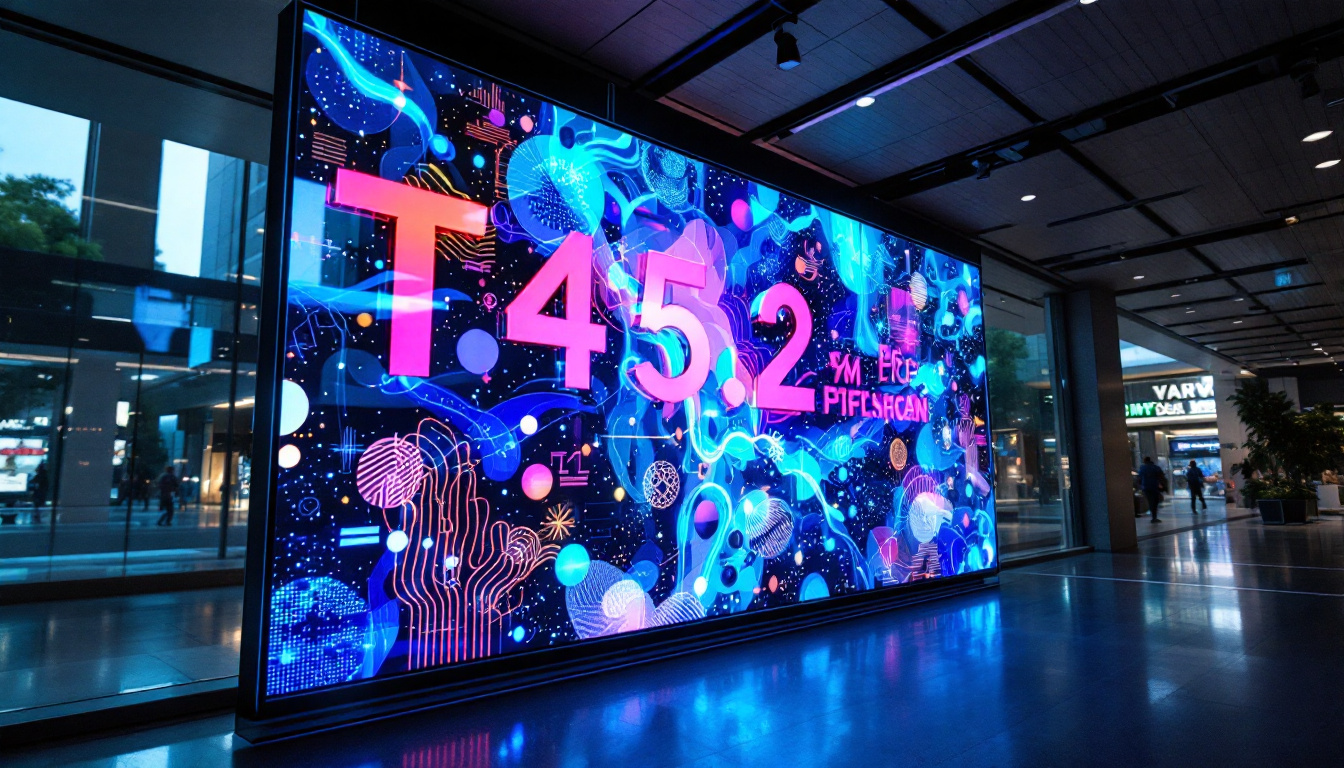
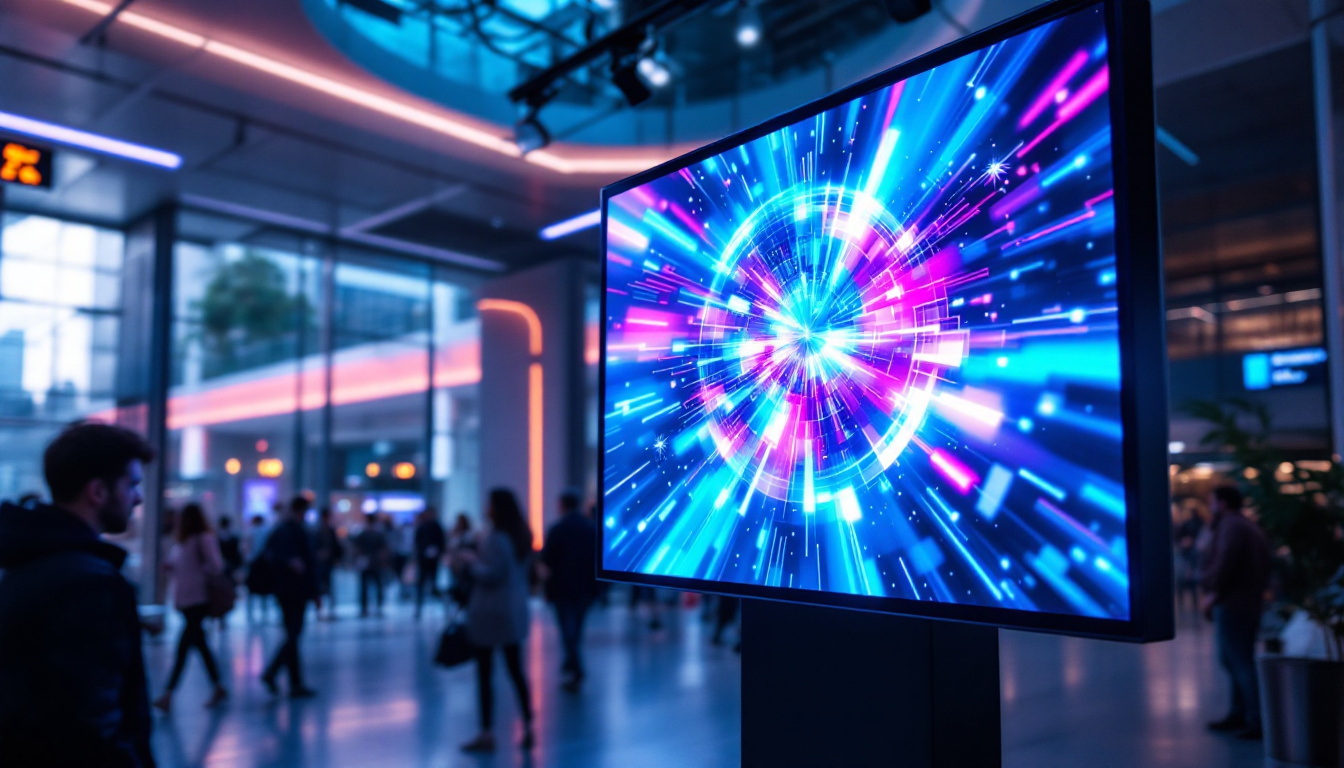
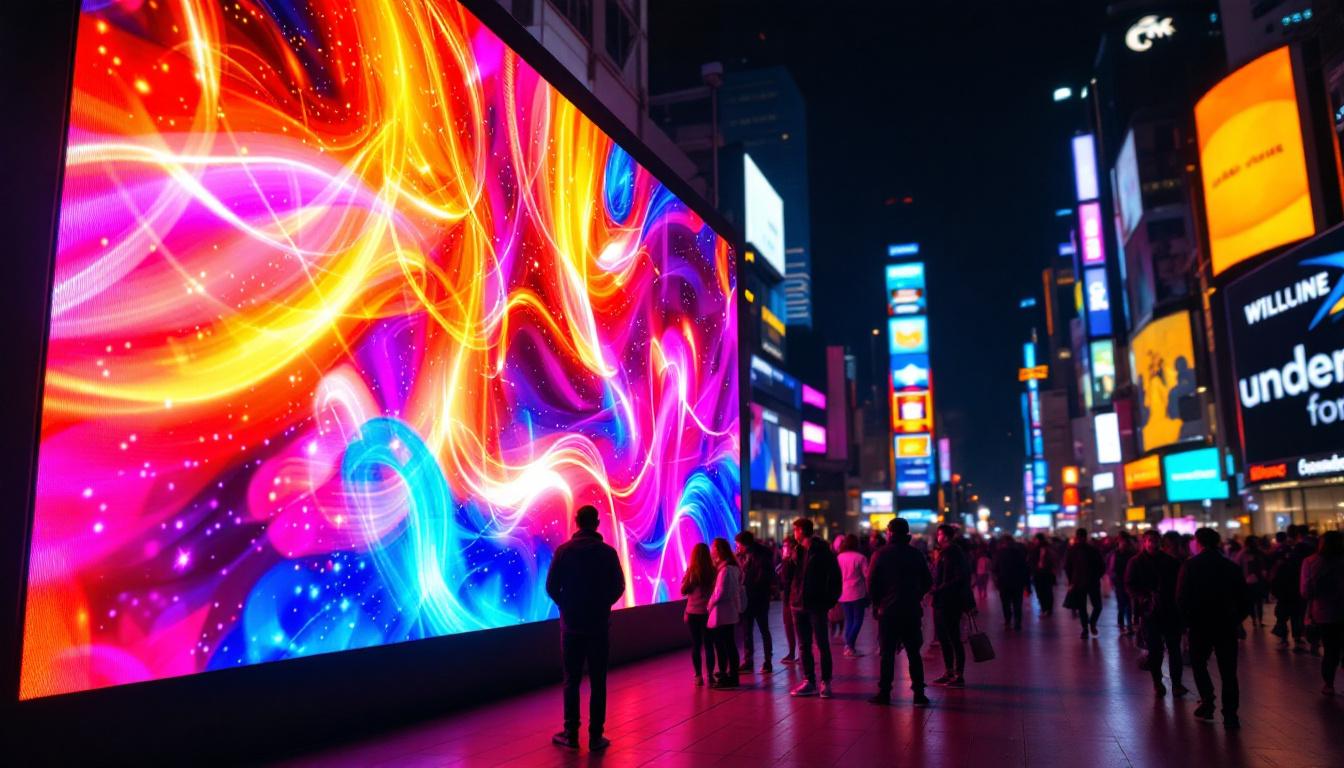
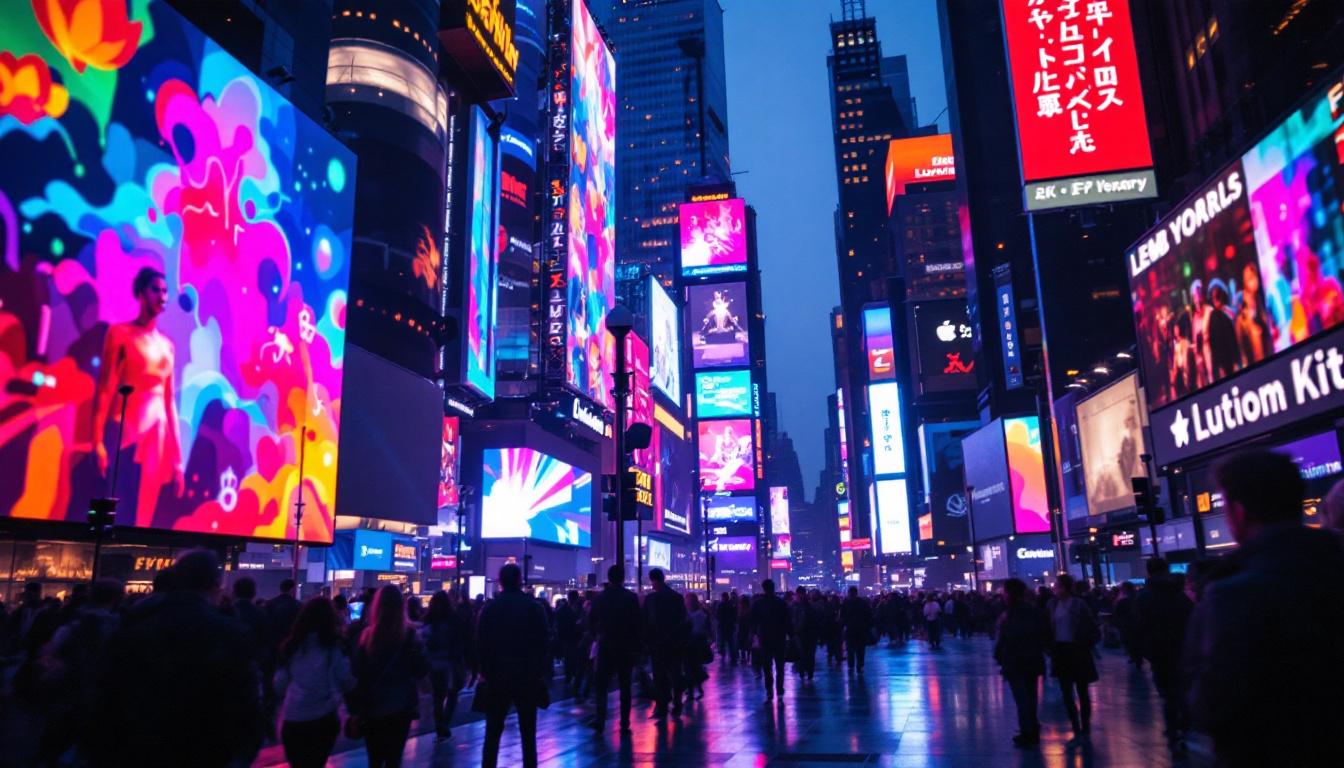
In retail stores and commercial offices, LED wall units serve as dynamic signage and interactive kiosks. Bright, eye-catching displays attract customers and provide real-time information, promotions, or wayfinding assistance.
Durability and ease of maintenance are critical in these environments, influencing the choice of LED display types and protective finishes.
Benefits of LED Wall Unit Designs
Energy Efficiency and Longevity
LED technology is renowned for its energy efficiency, consuming up to 75% less power than traditional incandescent lighting. This efficiency translates into lower electricity bills and a smaller environmental footprint for homes and businesses.
Additionally, LEDs have a long lifespan, often exceeding 50,000 hours of operation. This durability reduces the frequency of replacements and maintenance, making LED wall units a cost-effective investment over time.
Customization and Personalization
LED displays offer unparalleled customization options. Users can change displayed content instantly, from family photos and artwork to news tickers or ambient lighting effects. This flexibility allows wall units to adapt to different moods, seasons, or occasions.
Some systems support user-generated content through smartphone apps or cloud platforms, empowering homeowners to personalize their spaces with ease.
Improved Space Utilization
By integrating displays directly into wall units, spaces can be optimized without adding bulky furniture or multiple devices. This streamlined approach is especially valuable in smaller homes or apartments where maximizing usable space is essential.
Wall units with LED displays combine storage, entertainment, and smart home control into a single, elegant installation.
Challenges and Considerations
Cost and Installation Complexity
While LED technology has become more affordable, integrating high-quality displays into custom wall units can still be costly. Factors such as screen size, resolution, smart features, and installation labor contribute to the overall expense.
Professional installation is often necessary to ensure proper wiring, ventilation, and structural support, which may add to the project timeline and budget.
Heat Management
LED displays generate heat during operation, which must be managed to prevent damage to the wall unit materials and ensure longevity. Designers incorporate ventilation slots, heat sinks, or cooling fans to dissipate heat effectively.
Failure to address heat management can lead to reduced display performance and potential safety hazards.
Technology Obsolescence
As display and smart home technologies rapidly evolve, wall units with integrated LED displays may become outdated more quickly than traditional furniture. Planning for modular upgrades or easy component replacement can mitigate this risk.
Choosing widely supported platforms and avoiding proprietary systems can also extend the useful life of the installation.
Future Trends in LED Wall Unit Designs
Advances in Micro-LED and Mini-LED Technology
Emerging micro-LED and mini-LED technologies promise even higher brightness, better contrast ratios, and thinner profiles. These advancements will enable wall units to feature ultra-slim displays with superior image quality and energy efficiency.
Such innovations will likely become more accessible as production scales, making them a standard choice for premium wall unit designs.
Integration of Augmented Reality (AR) and AI
Future wall units may incorporate AR overlays and AI-driven content personalization. For example, LED displays could project interactive virtual objects or provide contextual information based on user behavior and preferences.
AI integration could also automate content changes, lighting adjustments, and system diagnostics, enhancing user experience and convenience.
Sustainability and Eco-Friendly Materials
As environmental concerns grow, designers are exploring sustainable materials and energy-efficient manufacturing processes for wall units. Combining eco-friendly woods, recycled metals, and low-impact LED components will appeal to environmentally conscious consumers.
Smart energy management features, such as adaptive brightness and power-saving modes, will further reduce the ecological footprint of LED wall units.
Conclusion
Wall units with integrated LED displays represent a harmonious blend of design and technology, offering enhanced functionality, aesthetic appeal, and adaptability for modern living and working environments. Understanding the types of LED displays available, design considerations, and practical applications helps stakeholders make informed choices that maximize value and user satisfaction.
While challenges such as cost, heat management, and technology obsolescence exist, ongoing innovations in LED technology and smart home integration promise exciting possibilities for the future of wall unit designs. Whether for entertainment, productivity, or ambient enhancement, LED wall units are poised to become a staple in contemporary interior design.
Explore Cutting-Edge LED Display Solutions with LumenMatrix
Ready to elevate your space with the latest in LED display technology? LumenMatrix is at the forefront of creating immersive environments through innovative LED solutions. From captivating Indoor LED Wall Displays to versatile Outdoor LED Wall Displays, and from dynamic Vehicle LED Displays to sleek LED Poster Displays, our range is designed to transform your visual communication. Discover how our LED Sports Displays, Floor LED Displays, Custom LED Displays, All-in-One LED Displays, and LED Transparent Displays can enhance your brand’s presence and audience engagement. Don’t miss the opportunity to revolutionize your space. Check out LumenMatrix LED Display Solutions today and step into the future of design and technology.