In today’s fast-evolving world of photography and videography, visual technology plays a pivotal role in how images are captured, displayed, and shared. For enthusiasts and professionals visiting a camera store in Beaverton, understanding the nuances of LED displays can significantly enhance the experience of choosing the right equipment. This article delves into the essentials of LED displays, their benefits, and how they integrate with camera technology to deliver superior image quality.
Understanding LED Displays: The Basics
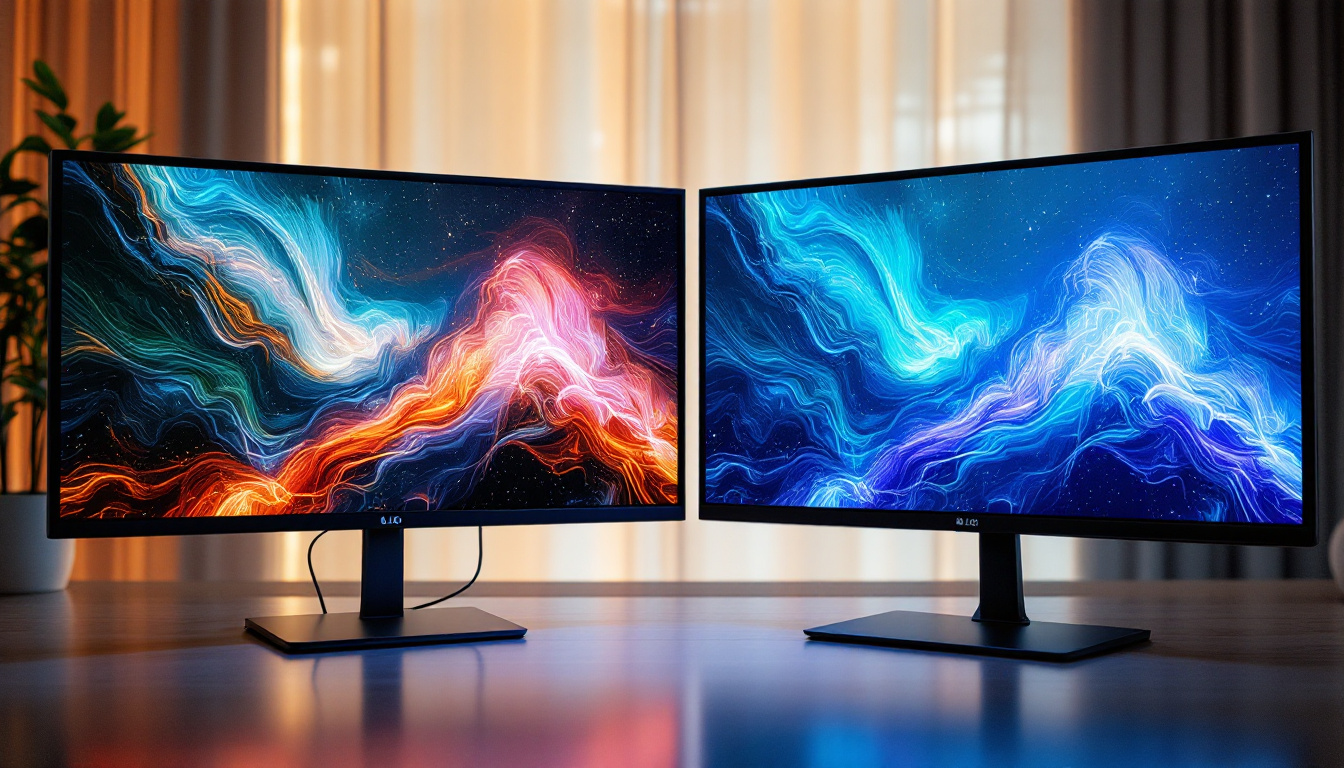
LED, or Light Emitting Diode, displays have revolutionized the way images are presented on screens, from smartphones to professional monitors. Unlike traditional LCD screens that rely on backlighting, LED displays use tiny diodes that emit light when an electric current passes through them. This fundamental difference leads to several advantages in image clarity, brightness, and energy efficiency. The vibrant colors and deeper blacks produced by LED displays create an immersive viewing experience, making them particularly appealing for photographers and videographers who rely on accurate color representation.
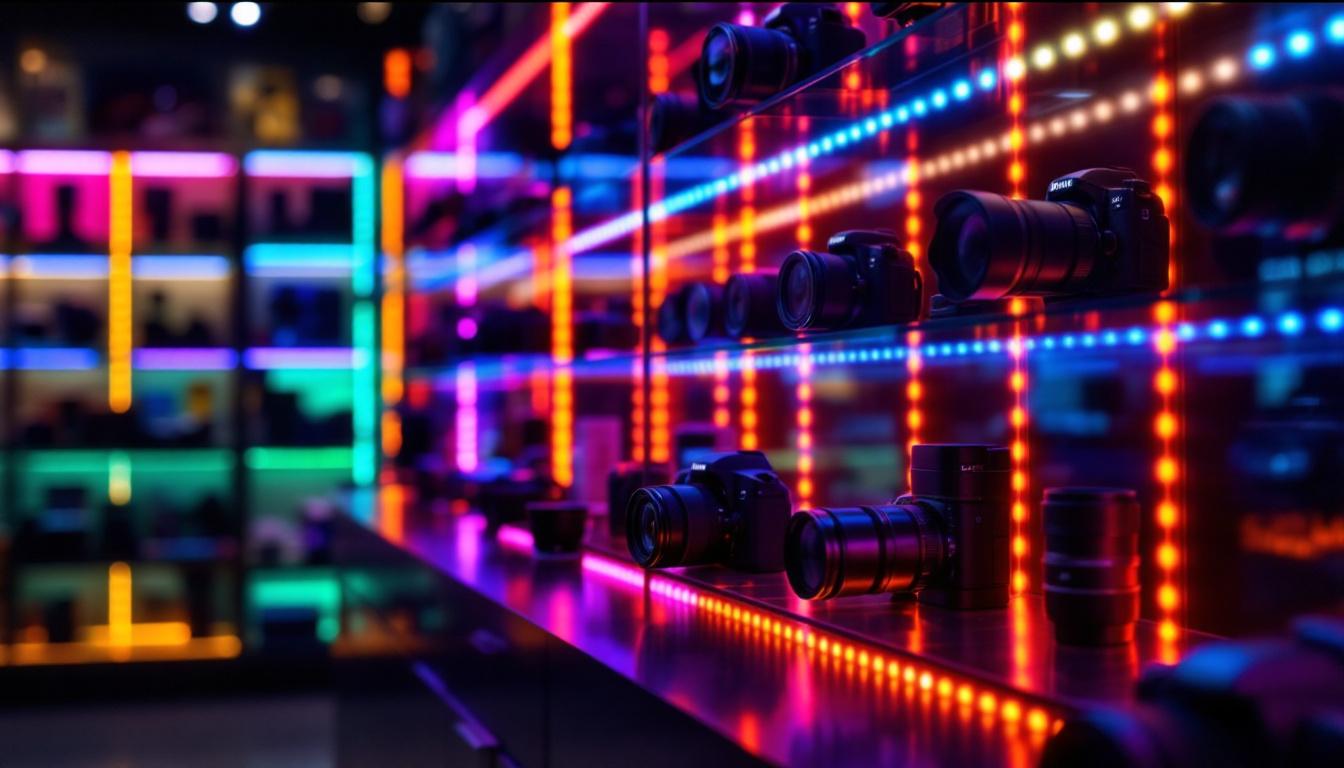
In a camera store setting, LED displays are often found in monitors used for reviewing photos and videos, as well as in digital signage showcasing the latest camera models and promotions. Recognizing how these displays function helps customers make informed decisions about the gear they purchase. Furthermore, the rapid advancements in LED technology mean that consumers can expect even better performance in the near future, with innovations that enhance both visual quality and user experience.
Types of LED Displays Commonly Used in Photography
There are several types of LED display technologies relevant to photography and videography:
- Edge-Lit LED Displays: These displays use LEDs positioned around the edges of the screen to illuminate the panel. They are thinner and more energy-efficient but may have uneven brightness distribution.
- Direct-Lit LED Displays: LEDs are placed directly behind the screen, providing more uniform lighting and better contrast.
- Mini-LED and Micro-LED: These are advanced forms of LED technology with smaller diodes, allowing for higher resolution, improved contrast ratios, and better color accuracy — features highly valued in professional photography.
In addition to these primary types, there are also OLED (Organic Light Emitting Diode) displays, which offer even greater color depth and contrast by allowing each pixel to emit its own light. This technology is particularly beneficial for photographers who need to see true blacks and vibrant colors in their work. Moreover, the flexibility of OLED screens allows for innovative designs, such as curved displays, which can enhance the viewing experience further. As the market continues to evolve, the integration of these various display technologies into photography equipment will likely lead to even more sophisticated tools for visual storytelling.
Another important consideration when selecting an LED display is the refresh rate, which affects how smoothly motion is rendered on the screen. Higher refresh rates are particularly beneficial for videographers who work with fast-moving subjects, as they reduce motion blur and provide a clearer picture. Additionally, many modern LED displays come equipped with features such as HDR (High Dynamic Range) support, which expands the range of colors and brightness levels that can be displayed, making it easier for photographers to edit their images with greater precision. As technology progresses, the capabilities of LED displays will continue to enhance the creative possibilities for photographers and videographers alike.
Why LED Displays Matter in Camera Equipment
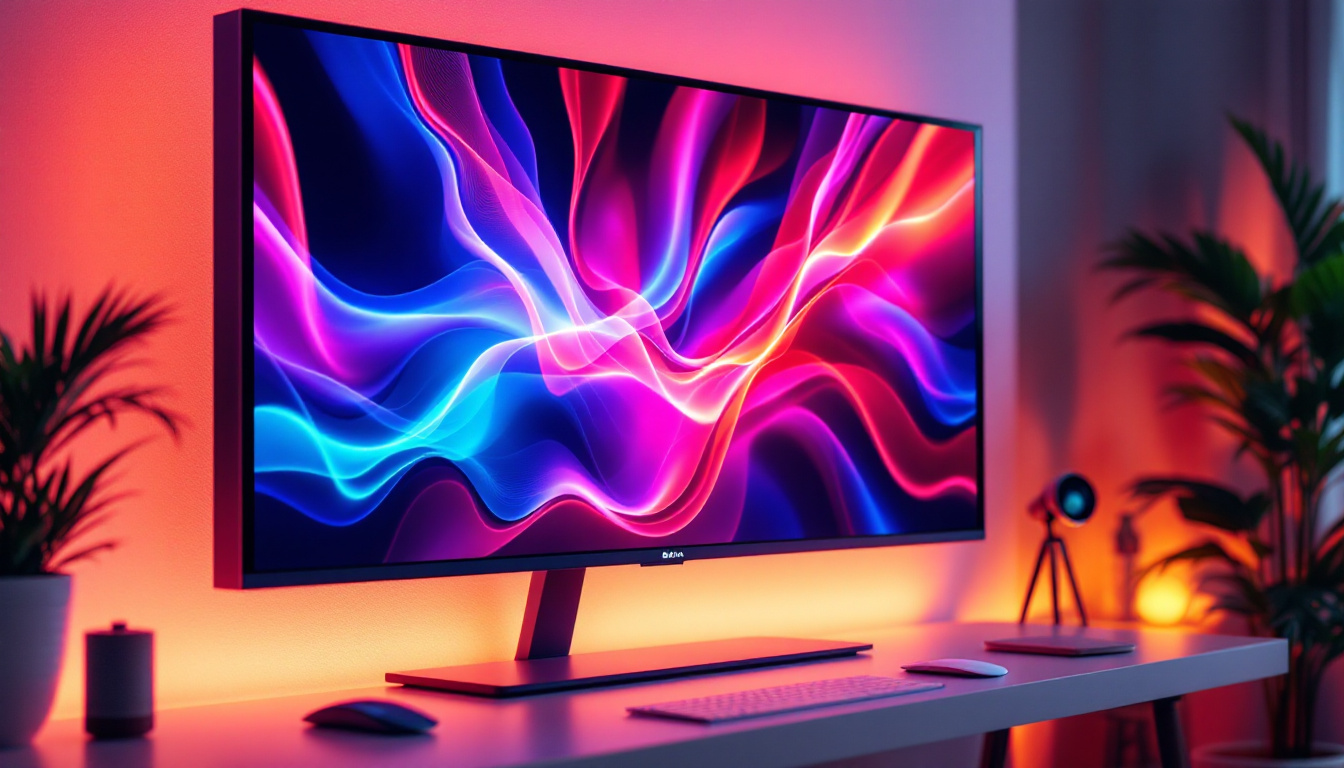
When selecting cameras and accessories, the quality of the display used to preview images can influence the photographer’s ability to assess composition, exposure, and color accuracy. LED displays, with their superior brightness and contrast, provide a more realistic representation of the captured image.
For instance, many modern DSLR and mirrorless cameras incorporate high-resolution LED screens that support touch functionality and wide color gamuts. These features allow photographers to review their shots with greater precision, reducing the need for immediate post-processing adjustments. The clarity offered by these displays is particularly beneficial when shooting in challenging lighting conditions, where subtle details can easily be lost on lesser screens.
Color Accuracy and Calibration
One of the most critical aspects of LED displays in photography is color accuracy. Professional photographers rely on displays that can reproduce colors faithfully to ensure their work looks consistent across different devices and print media.
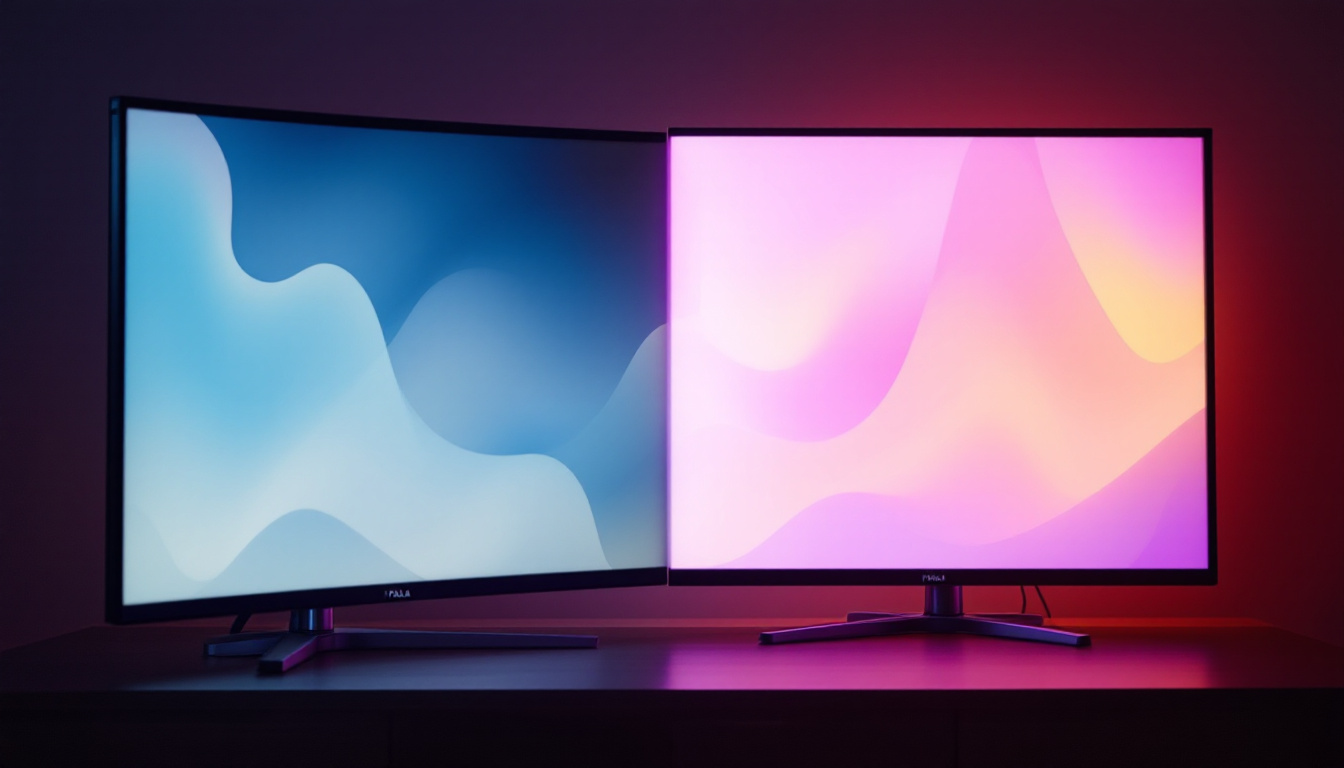
Camera stores in Beaverton often offer monitors with factory calibration or the ability to be calibrated using tools like colorimeters. This ensures that the LED display shows true-to-life colors, which is essential for tasks such as photo editing and proofing. Moreover, many advanced LED displays come with features like HDR (High Dynamic Range) support, which enhances the range of colors and brightness levels that can be displayed. This is particularly useful for photographers working with high-contrast scenes, as it allows for a more nuanced view of shadows and highlights, ultimately leading to more informed creative decisions.
Additionally, the ergonomic design of many LED displays contributes to a more comfortable viewing experience during long editing sessions. Features such as adjustable brightness, anti-glare coatings, and wide viewing angles help to reduce eye strain and fatigue. This is crucial for professionals who spend hours perfecting their images, as a comfortable display can significantly enhance productivity and creativity. Furthermore, the integration of connectivity options like HDMI and USB-C allows photographers to easily connect their cameras and other devices, streamlining the workflow from capture to editing.
Advantages of LED Displays in Retail Environments
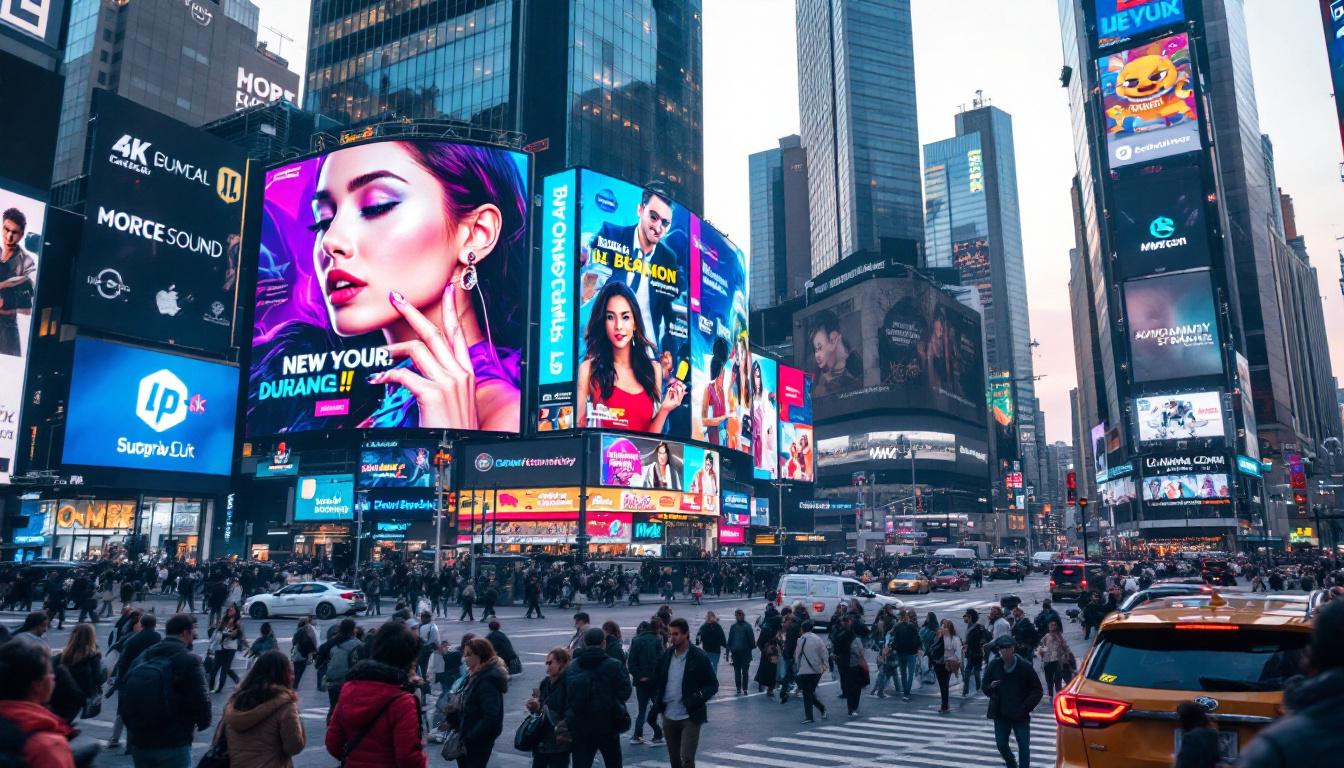
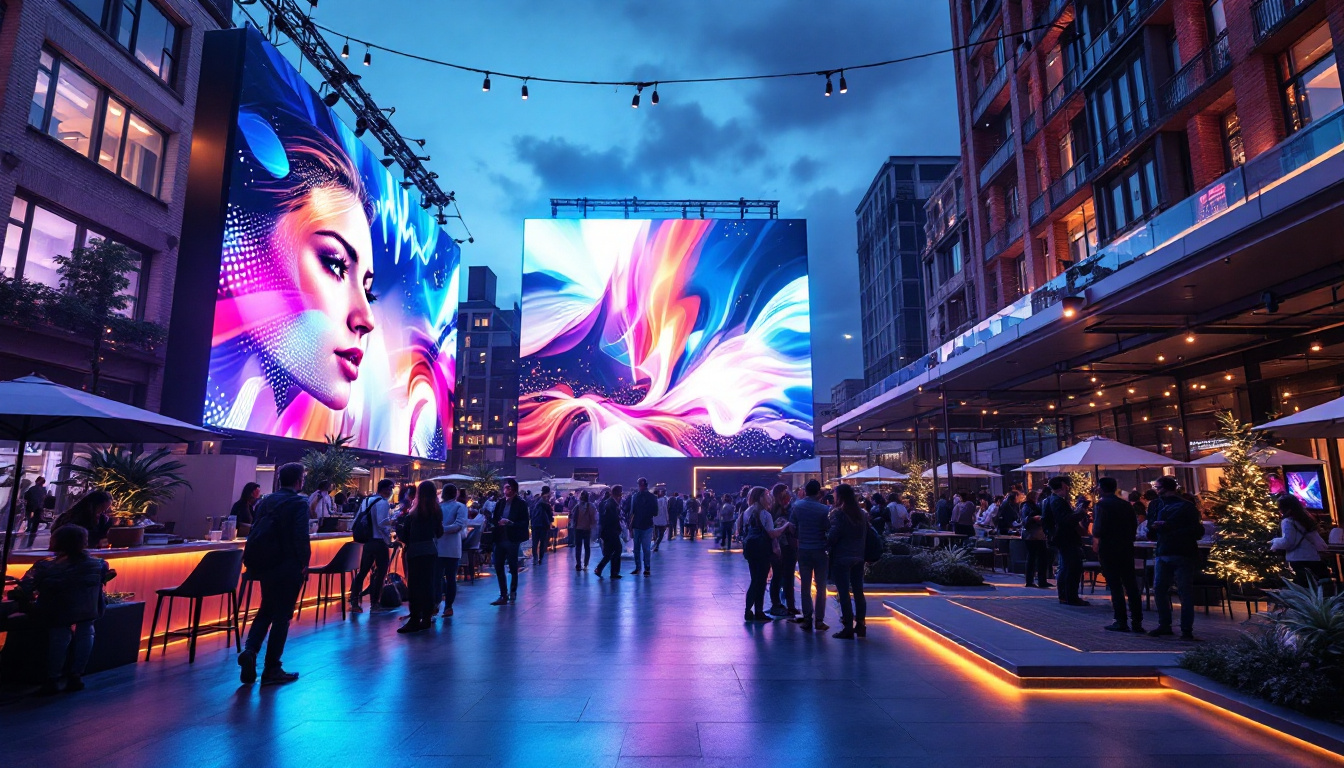
Beyond the technical benefits for photographers, LED displays serve a vital role in camera stores themselves. Retailers use LED signage and digital displays to attract customers, highlight promotions, and provide interactive product information.
Compared to older display technologies, LED screens offer higher brightness levels, making them easily visible even in brightly lit environments. Their energy efficiency also helps stores reduce operational costs, while their durability ensures long-term reliability.
Interactive Displays and Customer Engagement
Some camera stores in Beaverton have integrated touchscreen LED displays that allow customers to browse product specifications, watch tutorial videos, or compare camera models. This interactive approach enhances the shopping experience by providing immediate access to valuable information.
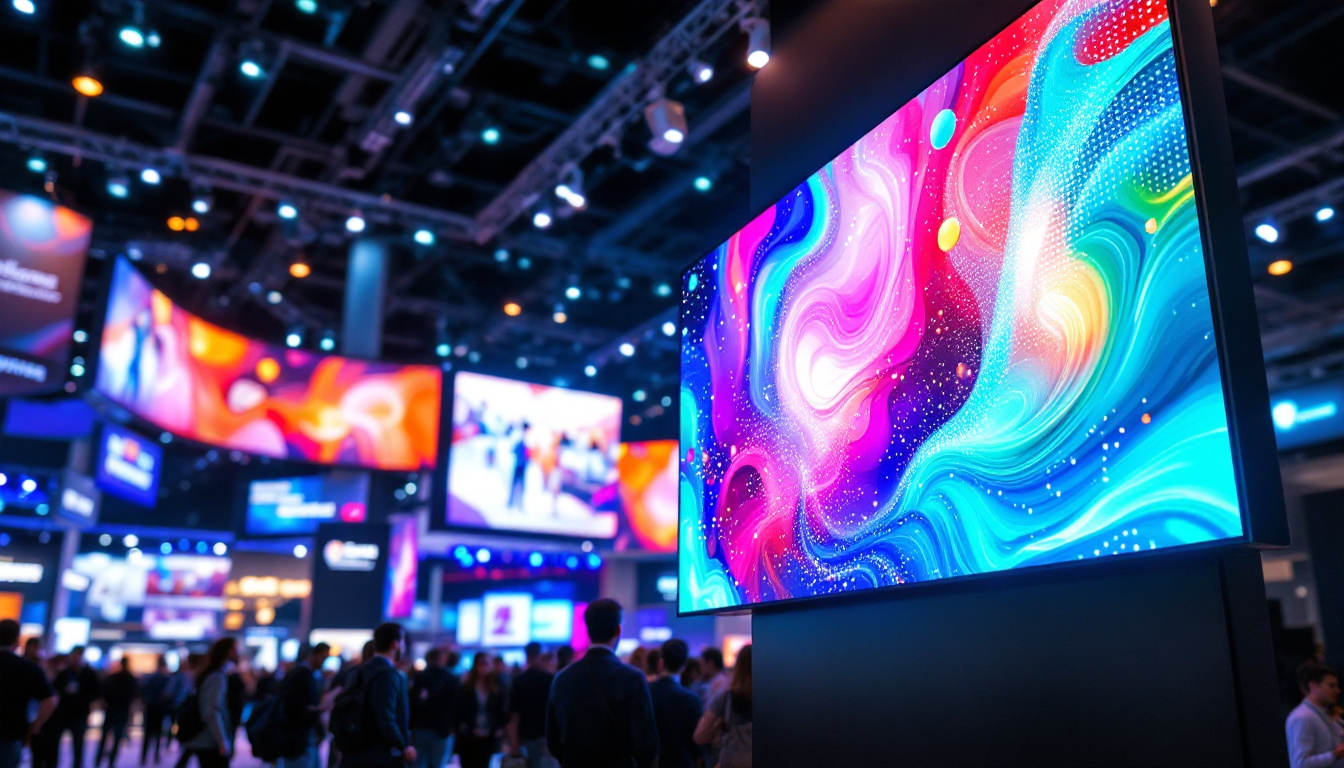
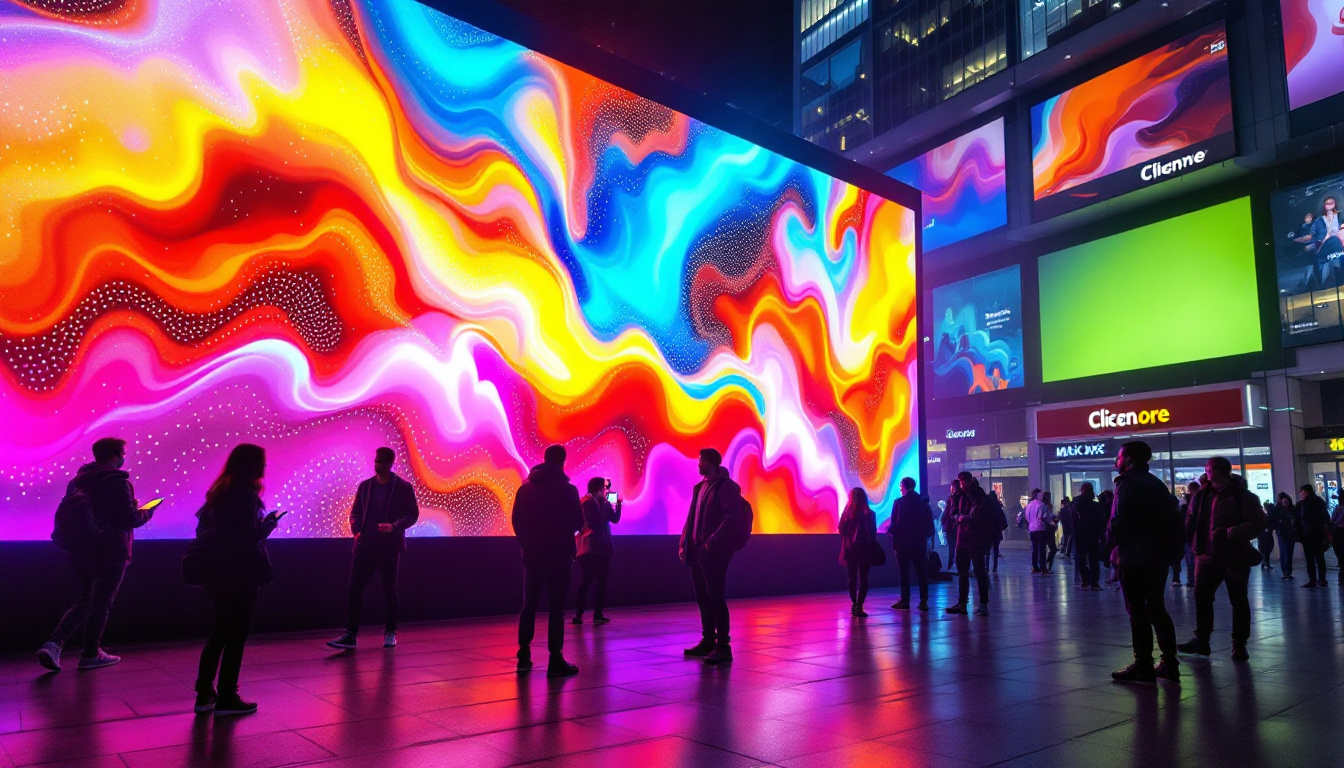
Moreover, LED video walls and large-format displays can showcase stunning visuals captured with the latest cameras, inspiring customers and demonstrating the potential of the equipment available for purchase.
Choosing the Right LED Display for Photography Needs
Whether purchasing a new camera with an integrated LED screen or selecting an external monitor for editing, several factors should be considered to ensure the display meets professional standards.
Resolution and Screen Size
Higher resolution displays provide more detail and allow for precise editing. For photographers, a 4K resolution monitor is increasingly becoming the standard, offering four times the pixels of Full HD. Screen size also matters; larger screens provide a better workspace for editing but may require more desk space and a higher budget.
Brightness and Contrast Ratio
Brightness is measured in nits, and a higher number means the display can perform well even in bright environments. A contrast ratio defines the difference between the darkest black and the brightest white a display can produce. LED displays typically offer superior contrast ratios compared to other technologies, which is crucial for evaluating shadow and highlight details in photographs.
Color Gamut and Bit Depth
Color gamut refers to the range of colors a display can reproduce. Displays covering wider gamuts such as Adobe RGB or DCI-P3 are preferred for professional photography. Bit depth affects how many color shades a display can show; higher bit depth reduces banding and produces smoother gradients.
Maintaining and Calibrating LED Displays
To ensure consistent performance, LED displays require regular maintenance and calibration. Dust accumulation, aging components, and environmental factors can affect display quality over time.
Calibration Tools and Techniques
Color calibration tools like the X-Rite i1Display Pro or Datacolor SpyderX are commonly used to measure and adjust the color output of LED monitors. Calibration involves setting the display to a standard white point, gamma, brightness, and contrast to match industry norms.
Many professional photographers schedule calibration sessions monthly or quarterly, depending on usage intensity, to maintain color fidelity.
Cleaning and Physical Care
Proper cleaning with microfiber cloths and manufacturer-recommended solutions prevents damage to the LED surface. Avoiding exposure to direct sunlight and extreme temperatures also prolongs the lifespan of the display.
Future Trends in LED Display Technology for Photography
As technology advances, LED displays continue to evolve, offering exciting possibilities for photographers and camera retailers alike.
Emergence of OLED and Micro-LED Hybrid Displays
While OLED (Organic LED) displays are known for their exceptional contrast and color accuracy, Micro-LED technology promises similar or better performance with improved longevity and brightness. Hybrid displays combining these technologies may soon become mainstream, offering photographers unparalleled visual tools.
Integration with Augmented Reality (AR) and Artificial Intelligence (AI)
Innovations in AR and AI are beginning to influence display technology. For example, AI-driven calibration can automatically adjust screen settings based on ambient light and user preferences. AR-enabled displays might allow photographers to visualize edits or composition guides directly on the screen in real-time.
Conclusion: Why Understanding LED Displays Matters for Beaverton Camera Shoppers
For anyone shopping at a camera store in Beaverton, having a solid grasp of LED display technology is invaluable. It empowers customers to select cameras and accessories that deliver accurate previews and seamless editing experiences. Additionally, recognizing the role of LED displays in retail environments enhances appreciation for the immersive, informative shopping atmosphere.
As LED technology continues to advance, staying informed ensures that photographers can leverage the best tools available to capture and showcase their creative vision with precision and clarity.
Discover the Future of Visual Storytelling with LumenMatrix
As you seek to elevate your photography and videography with the latest LED display technology, LumenMatrix stands at the forefront of innovation. With a comprehensive range of solutions including Indoor and Outdoor LED Wall Displays, Vehicle LED Displays, and more, LumenMatrix is committed to transforming your visual communication. Experience the difference that cutting-edge LED displays can make in your creative endeavors. Check out LumenMatrix LED Display Solutions today and step into a world where clarity and engagement redefine the visual narrative.