Light Emitting Diodes (LEDs) have revolutionized the way we illuminate spaces and display information. From the tiny indicator lights on electronic devices to massive outdoor billboards, LEDs are everywhere. A fundamental component of an LED’s operation is its cathode, which plays a crucial role in the device’s functionality and performance. Understanding the cathode in an LED, especially within the context of LED displays, is essential for engineers, designers, and technology enthusiasts alike.
Understanding the Basics: What is an LED and Its Cathode?
An LED is a semiconductor device that emits light when an electric current passes through it. Unlike traditional incandescent bulbs, LEDs do not rely on heating a filament but instead use electroluminescence, where electrons recombine with holes in the semiconductor material to release energy in the form of photons.
The Structure of an LED
At its core, an LED consists of two semiconductor layers: the p-type and n-type. The p-type layer has an abundance of holes (positive charge carriers), while the n-type layer has an excess of electrons (negative charge carriers). The junction between these layers is called the p-n junction.
The LED has two terminals: the anode and the cathode. The anode is connected to the p-type semiconductor, and the cathode is connected to the n-type semiconductor. When voltage is applied in the correct direction (forward bias), electrons move from the cathode to the anode, recombining with holes and producing light.
Role of the Cathode in an LED
The cathode serves as the negative terminal of the LED. It is the point where electrons enter the device. The design and material of the cathode affect the LED’s efficiency, brightness, and longevity. In many LEDs, the cathode is connected to the larger electrode or the flat side of the LED housing, which helps users identify polarity during installation.
In summary, the cathode is critical because it allows electrons to flow into the LED, enabling the electroluminescent process that generates light. Additionally, the choice of materials used in the cathode can significantly influence the thermal management of the LED. Efficient heat dissipation is crucial for maintaining performance, as excessive heat can lead to reduced light output and a shorter lifespan. Manufacturers often utilize materials with high thermal conductivity for the cathode to mitigate these effects, ensuring that the LED operates within optimal temperature ranges.
Furthermore, advancements in LED technology have led to the development of various cathode designs that enhance performance. For instance, some modern LEDs incorporate reflective coatings or specialized geometries that improve light extraction efficiency. These innovations not only increase brightness but also contribute to the overall energy efficiency of lighting systems, making LEDs a popular choice in both residential and commercial applications. As the demand for energy-efficient lighting continues to grow, understanding the role of the cathode becomes increasingly important for both manufacturers and consumers alike.
LED Displays: How Cathodes Fit Into the Bigger Picture
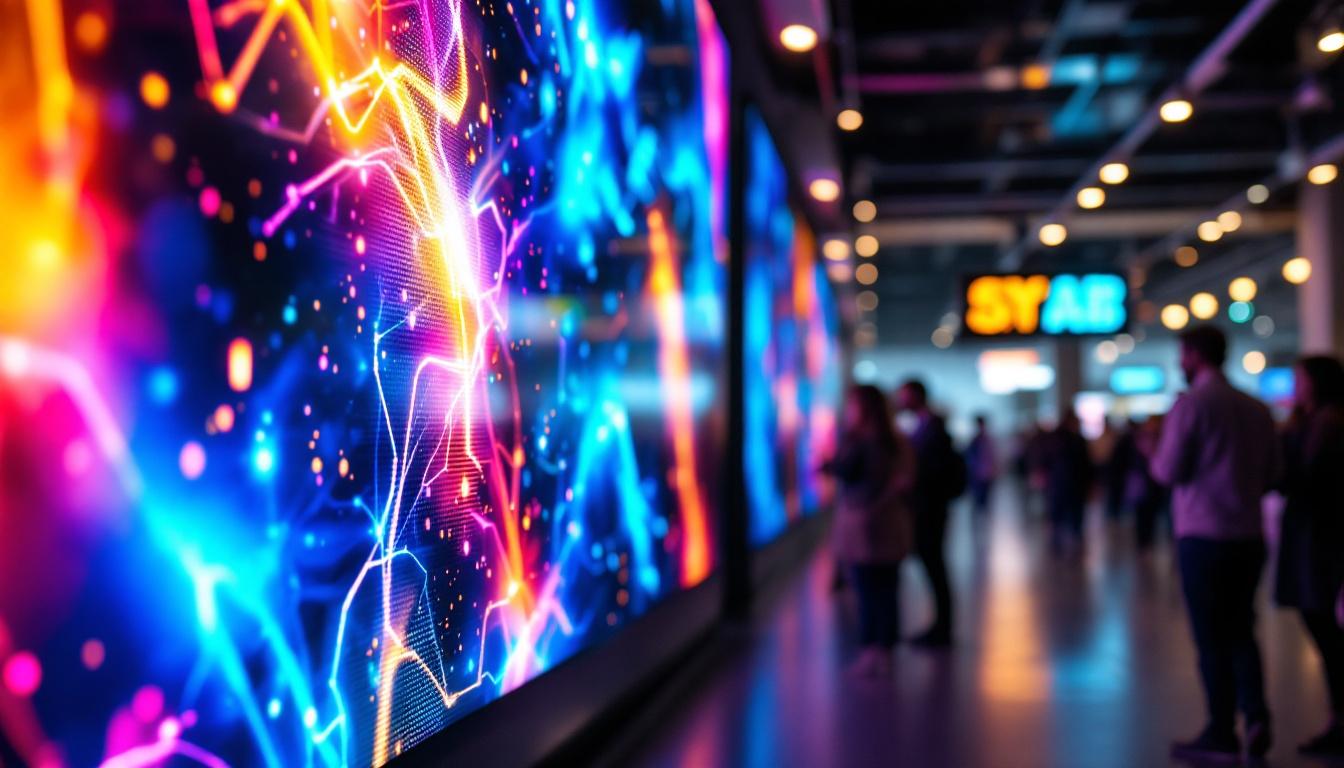
LED displays are composed of numerous individual LEDs arranged in a matrix or other configurations to create images, text, or video. These displays are widely used in advertising, public information systems, sports arenas, and even consumer electronics like TVs and smartphones. The versatility of LED technology has revolutionized the way visual information is presented, allowing for vibrant colors and dynamic content that can capture attention and convey messages effectively.
Types of LED Displays
LED displays can be broadly categorized into two types based on their structure and application:
- Segmented Displays: These are simple displays made up of individual LEDs arranged to form numbers or characters, commonly seen in digital clocks and calculators. Their straightforward design makes them easy to read and cost-effective for basic applications.
- Dot Matrix and Full-Color Displays: These displays use a grid of LEDs to form complex images or video. Each LED can be a single color or part of an RGB (Red, Green, Blue) cluster to produce a wide color spectrum. This type of display is particularly popular in advertising billboards and large screens at events, where high resolution and color accuracy are paramount.
The Cathode’s Role in LED Display Modules
In LED display modules, cathodes are connected in various configurations to control the flow of current through the LEDs. Two common wiring methods are:
- Common Cathode Configuration: All the cathodes of LEDs in a segment or module are connected together and grounded. Individual LEDs are illuminated by applying voltage to their respective anodes. This configuration is often favored for its simplicity and ease of use in low-power applications.
- Common Anode Configuration: All anodes are connected together, with individual LEDs controlled by grounding their cathodes. This setup can be more efficient in certain scenarios, particularly when dealing with high-speed switching and complex animations.
Choosing between common cathode and common anode configurations depends on the design requirements and the type of driver circuitry used. The cathode’s connection method impacts how the display is controlled and how efficiently power is managed. Additionally, the choice can affect the overall brightness and color fidelity of the display, making it crucial for designers to consider the intended application and environmental factors, such as ambient light conditions. Furthermore, advancements in LED technology have led to the development of smart displays that can adjust brightness and color dynamically, enhancing user experience and energy efficiency.
As LED technology continues to evolve, the integration of cathodes in display modules is becoming increasingly sophisticated. Modern displays often incorporate microcontrollers and sensors that allow for real-time adjustments based on user interaction or environmental changes. This not only improves the visual quality but also extends the lifespan of the LEDs by optimizing power usage. The future of LED displays is bright, with innovations such as flexible displays and transparent screens on the horizon, promising to further expand the possibilities of what can be achieved with this remarkable technology.
Technical Insights: Cathode Materials and Their Impact on LED Performance
The cathode in an LED is not just a simple metal contact; it is engineered to optimize electron injection and minimize energy loss. The choice of cathode material and its interface with the semiconductor layers significantly influence the LED’s overall performance.
Common Cathode Materials
Typically, cathodes are made from metals with low work functions to facilitate electron injection. Some common materials include:
- Aluminum (Al): Widely used due to its good conductivity and ease of deposition.
- Silver (Ag): Offers excellent conductivity but is more expensive and prone to tarnishing.
- Gold (Au): Used in high-performance LEDs for its stability and conductivity, despite high cost.
In addition to the metal choice, the cathode’s interface with the semiconductor is often treated or layered with specific compounds to reduce contact resistance and improve electron flow.
Impact on Efficiency and Lifespan
Efficient cathode design reduces the voltage drop across the LED, which means less energy is wasted as heat. This improves luminous efficacy (lumens per watt) and extends the LED’s operational life by minimizing thermal stress.
Advancements in cathode technology have contributed to the rapid improvements in LED display brightness and energy efficiency over the past decade. For example, modern outdoor LED billboards can achieve brightness levels exceeding 5,000 nits, making them visible even in direct sunlight, thanks in part to optimized cathode designs.
Practical Considerations: Identifying and Using the Cathode in LED Displays
For engineers and technicians working with LEDs and LED displays, correctly identifying the cathode is crucial to ensure proper functionality and avoid damage.
How to Identify the Cathode
In standard through-hole LEDs, the cathode lead is typically shorter than the anode lead. Additionally, the flat edge on the LED housing often indicates the cathode side. For surface-mount LEDs, manufacturers usually provide datasheets specifying the cathode location, as physical markers may be less obvious.
In LED display modules, wiring diagrams and manufacturer documentation are essential to correctly identify cathode connections, especially when dealing with common cathode or common anode configurations.
Common Mistakes and Troubleshooting
Connecting an LED backward (reversing anode and cathode) usually prevents it from lighting up and can sometimes damage the LED or driver circuitry. In LED displays, incorrect cathode wiring can cause entire segments or pixels to malfunction.
Troubleshooting involves checking polarity with a multimeter, verifying wiring against schematics, and using test equipment to ensure proper current flow. Understanding the cathode’s role helps streamline this process and reduce downtime during installation or maintenance.
Future Trends: Innovations in Cathode Technology for LED Displays
As LED technology continues to evolve, cathode design and materials are also advancing to meet the demands of higher brightness, lower power consumption, and greater durability.
Emerging Materials and Techniques
Research into novel materials such as graphene and conductive polymers aims to create cathodes with superior electron injection properties and flexibility. These innovations could enable ultra-thin, flexible LED displays and wearable electronics.
Nanostructuring cathode surfaces to increase contact area and reduce resistance is another promising area. This approach enhances electron flow and can improve the uniformity of light emission across large LED arrays.
Integration with Smart Technologies
Future LED displays will increasingly integrate with smart control systems, requiring cathode designs compatible with advanced driver ICs and digital control protocols. This integration will allow for dynamic brightness adjustment, color tuning, and energy optimization tailored to ambient conditions.
Conclusion
The cathode in an LED is a fundamental component that directly influences the device’s operation, efficiency, and reliability. In LED displays, understanding the cathode’s role is essential for proper design, installation, and maintenance. Advances in cathode materials and configurations continue to drive improvements in LED display technology, enabling brighter, more energy-efficient, and versatile applications.
For anyone involved in electronics, display technology, or lighting design, a thorough grasp of LED cathode principles is invaluable. As LEDs become ever more integral to modern technology, this knowledge will remain a cornerstone of innovation and practical application.
Explore Cutting-Edge LED Displays with LumenMatrix
As you’ve seen, the cathode plays a pivotal role in the performance and efficiency of LED displays. If you’re looking to harness the full potential of LED technology for your business or project, look no further than LumenMatrix. As a leader in innovative LED display solutions, LumenMatrix offers an extensive range of products, from Indoor and Outdoor LED Wall Displays to specialized options like Vehicle, Sports, and Floor LED Displays. Whether you need a Custom LED Display or an All-in-One solution, LumenMatrix is equipped to revolutionize your visual communication. Experience the difference with our LED Transparent Displays and captivate your audience like never before. Check out LumenMatrix LED Display Solutions today and take the first step towards transforming your space with unparalleled clarity and impact.