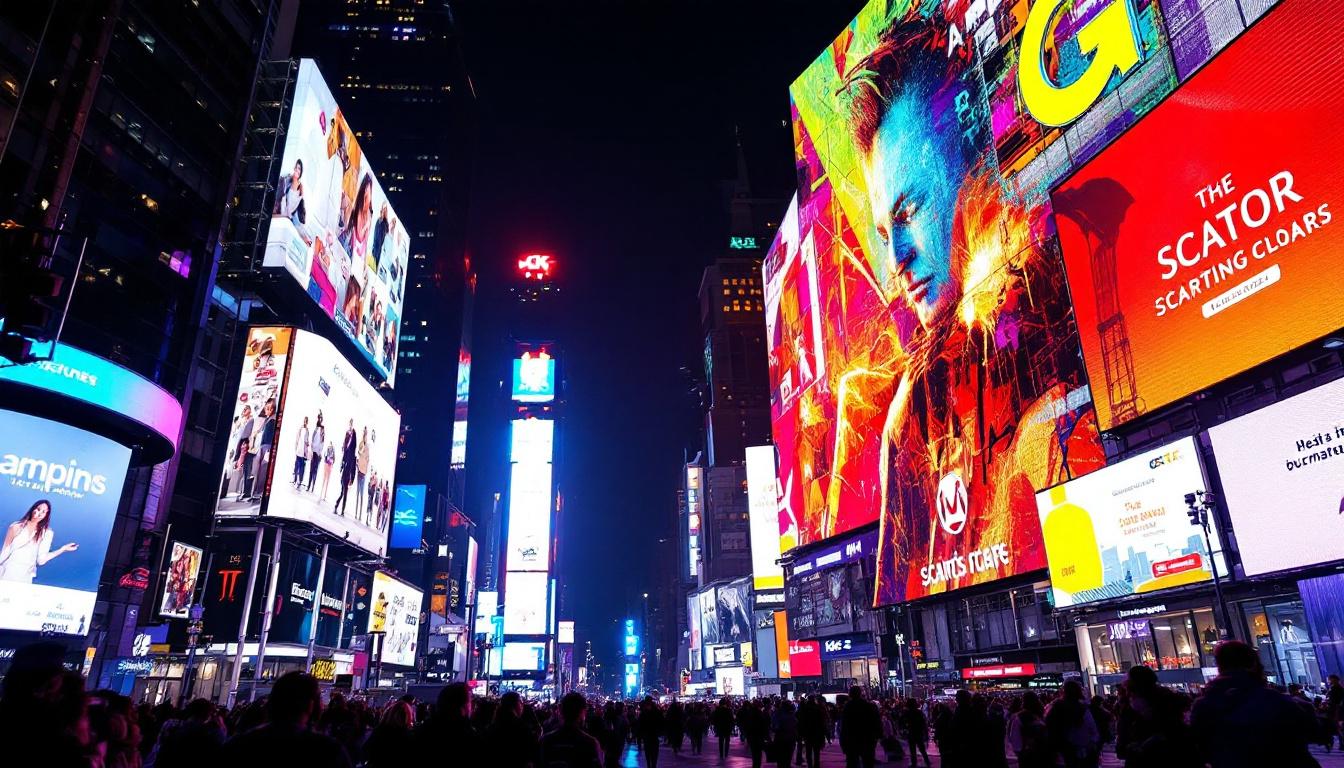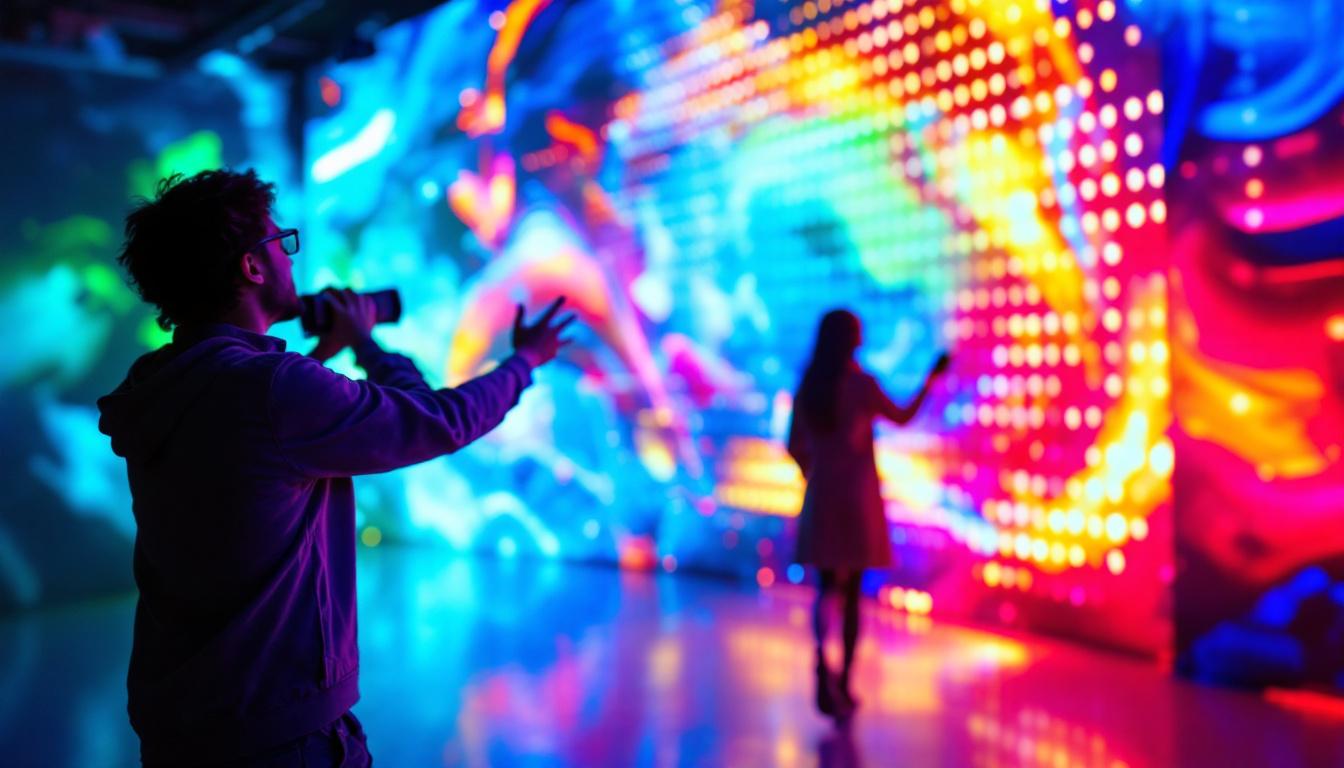
In the world of event production, photography, and advertising, the backdrop sets the tone for the entire experience. Traditionally, printed banners, fabric curtains, or painted walls have been the go-to options. However, with advancing technology, LED displays have emerged as a dynamic, versatile, and increasingly affordable alternative. This article delves into the realm of LED display backdrops, exploring why they are becoming a popular choice, how they work, and what to consider when choosing a budget-friendly LED backdrop solution.
What Is an LED Display Backdrop?
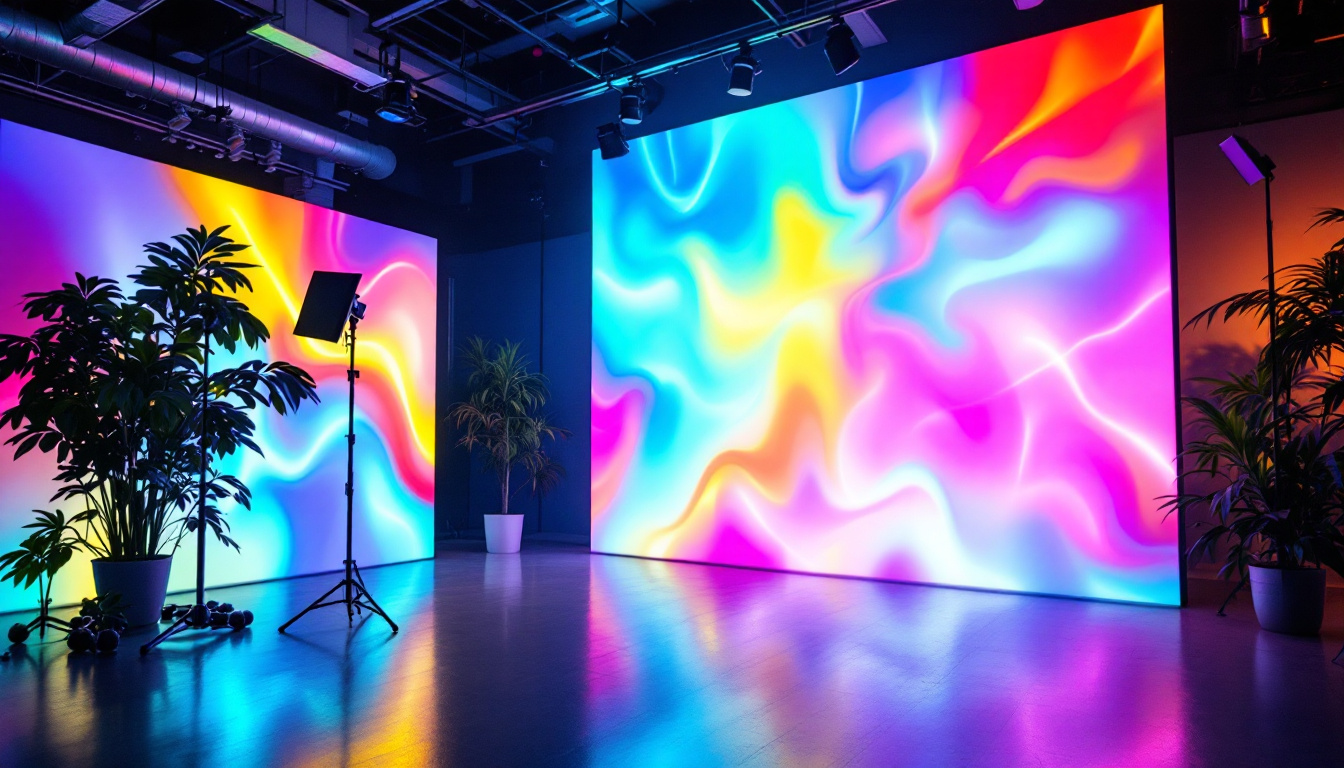
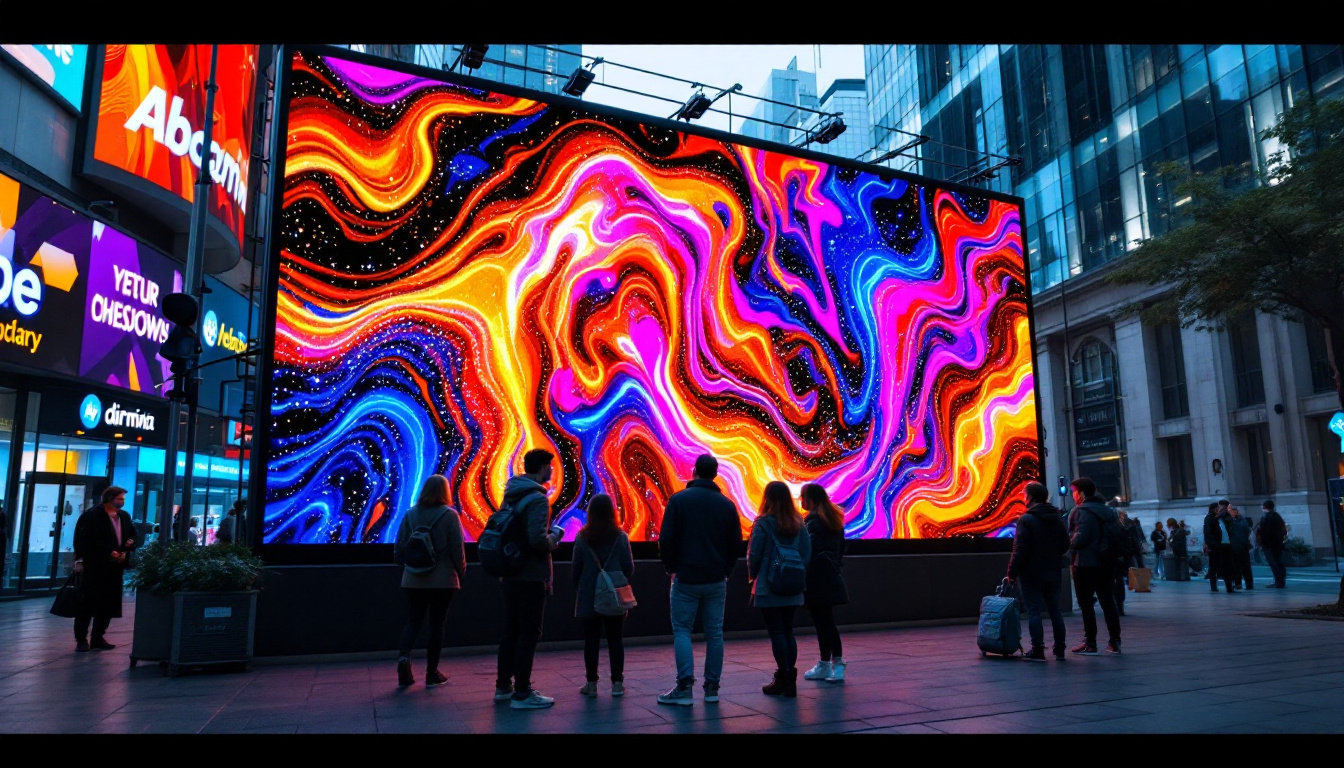
LED display backdrops are large screens composed of numerous light-emitting diodes (LEDs) arranged in a grid. These diodes emit light individually, allowing the screen to display images, videos, animations, and dynamic content with vibrant colors and high brightness. Unlike traditional static backdrops, LED displays offer the flexibility to change visuals instantly, making them ideal for events, concerts, trade shows, and photo shoots.
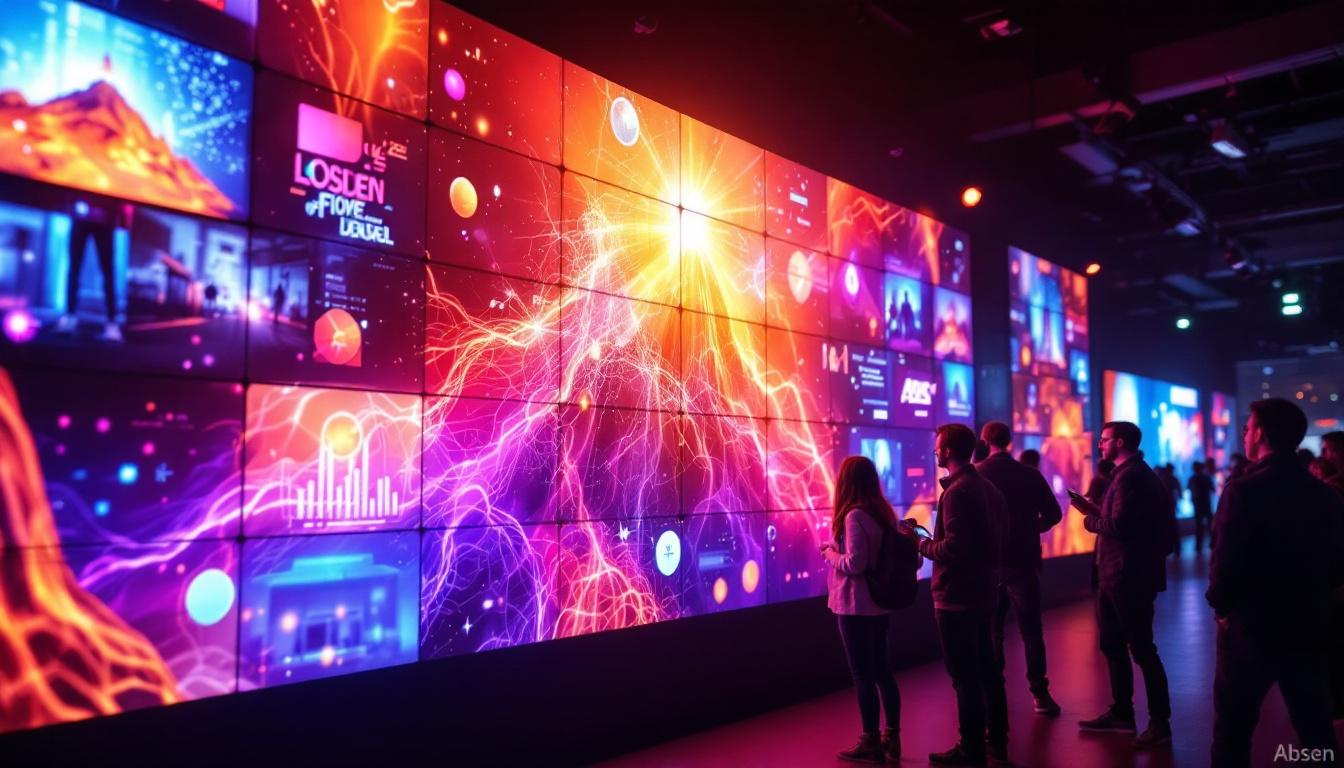
The technology behind LED displays has evolved rapidly over the past decade. Modern LED panels can be seamlessly tiled together to create large, high-resolution screens of various sizes and shapes. This modularity means that LED backdrops can be customized to fit different venues and creative visions without the limitations of physical prints or painted surfaces. With advancements in pixel density and refresh rates, today’s LED displays can deliver stunning visual experiences that captivate audiences and enhance the overall atmosphere of any event.
How LED Backdrops Differ from Traditional Options
Traditional backdrops, such as vinyl banners or fabric curtains, are static and limited to one design per setup. Changing the visual requires physically swapping the backdrop, which can be time-consuming and costly. In contrast, LED displays allow for instant content changes via software, enabling multiple looks within the same event or shoot without downtime. This adaptability not only saves time but also provides event planners and creatives with the freedom to experiment with different themes and styles on the fly.
Moreover, LED backdrops offer superior brightness and color accuracy, which is especially important in environments with strong ambient lighting. Their ability to produce vivid visuals ensures that the backdrop remains eye-catching and effective, whether viewed in daylight or under stage lights. Additionally, many LED displays come equipped with advanced features such as interactive capabilities, allowing audiences to engage with the content in real-time. This interactivity can enhance the overall experience, making events more memorable and immersive for attendees.
Another significant advantage of LED backdrops is their energy efficiency. Unlike traditional lighting setups that may consume large amounts of power, LED technology is designed to be more sustainable, reducing the environmental impact of events. This efficiency not only lowers energy costs but also allows for longer usage times without the risk of overheating or burnout, making them a reliable choice for extended events. Furthermore, the durability of LED panels means they can withstand the rigors of transportation and setup, ensuring that they remain in excellent condition for multiple uses.
Why Choose LED Display Backdrops on a Budget?
Historically, LED display technology was expensive and primarily reserved for large-scale productions with significant budgets. However, recent advances and increased manufacturing scale have driven prices down, making LED backdrops accessible to smaller businesses, independent photographers, and event planners.
Choosing a cheap LED backdrop does not necessarily mean compromising on quality. With careful selection and understanding of key specifications, it is possible to find cost-effective LED solutions that deliver impressive visual impact without breaking the bank.
Cost Factors to Consider
When evaluating LED backdrops, several cost factors come into play:
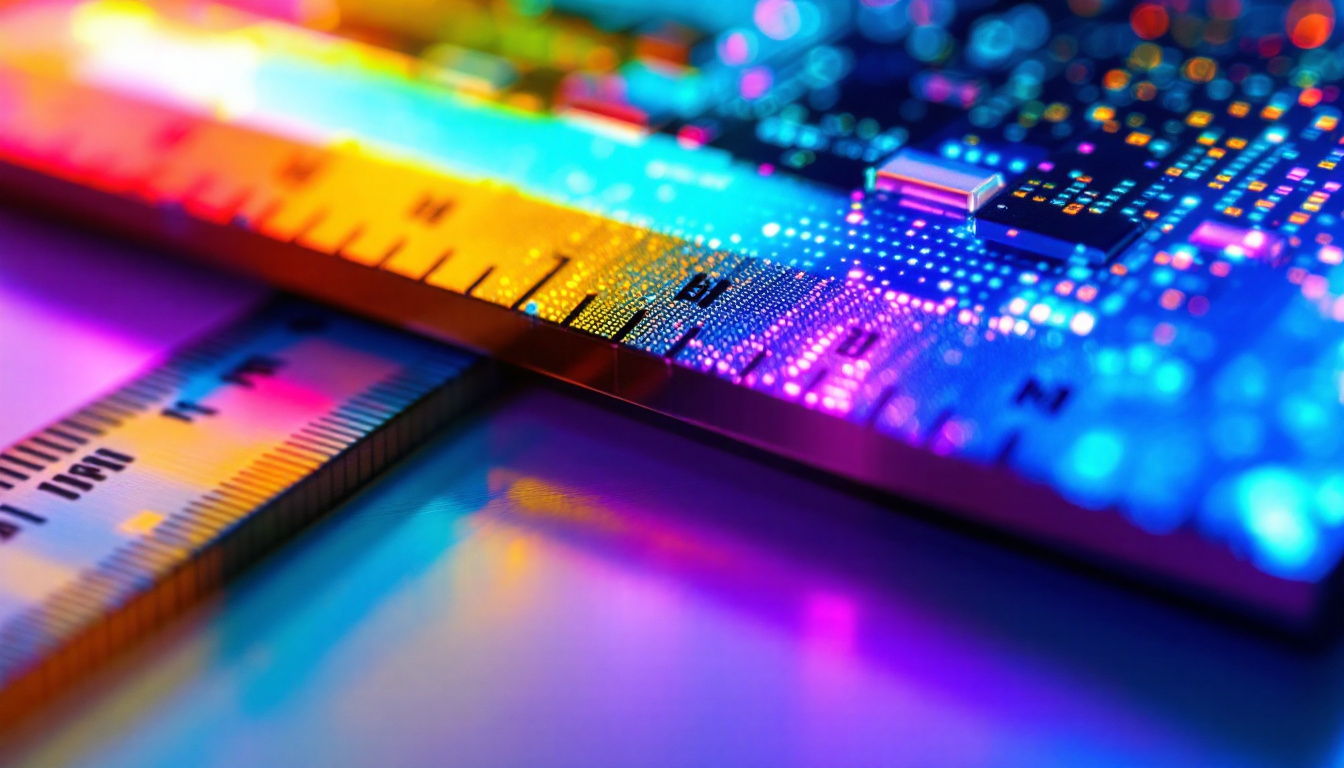
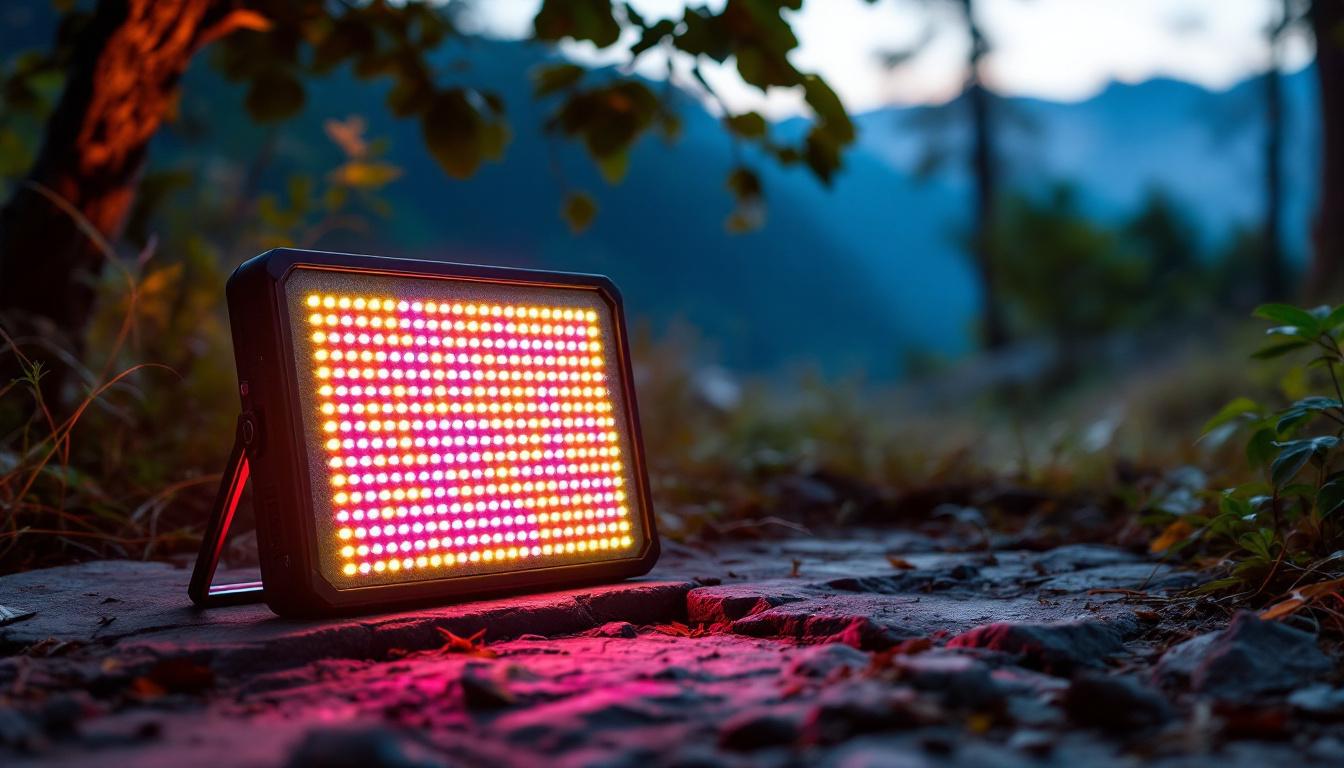
- Resolution and Pixel Pitch: Pixel pitch refers to the distance between individual LEDs. Smaller pixel pitch means higher resolution and sharper images but usually comes at a higher price. For budget options, a pixel pitch between 3mm and 6mm often balances quality and cost effectively.
- Panel Size and Modularity: Larger screens require more panels, increasing the overall cost. Modular systems allow users to start with a smaller setup and expand later, spreading out investment over time.
- Brightness and Viewing Distance: Higher brightness levels are essential for outdoor or brightly lit environments but add to the cost. For indoor use or controlled lighting, moderate brightness levels can suffice, reducing expenses.
- Installation and Maintenance: Some LED backdrops require professional installation, which can add to the total cost. Others are designed for easy setup and teardown, ideal for mobile or temporary use.
Benefits of LED Backdrops Beyond Cost
Aside from affordability, LED backdrops offer several advantages that enhance their value proposition:
- Dynamic Content: Easily switch between images, videos, or animations to keep audiences engaged.
- Durability: LED panels are generally robust and weather-resistant, suitable for repeated use in various environments.
- Energy Efficiency: Modern LEDs consume less power compared to traditional lighting and projection systems.
- Space Efficiency: LED backdrops can be slim and lightweight, saving valuable floor space and simplifying logistics.
Key Technical Aspects of LED Display Backdrops
Understanding the technical specifications of LED displays is crucial for making an informed purchase, especially when working within a budget. Here are the main aspects to consider:
Pixel Pitch and Resolution
Pixel pitch is measured in millimeters and indicates the spacing between individual LEDs. A smaller pixel pitch means more LEDs per square meter, resulting in higher resolution and sharper images. For example, a 3mm pixel pitch screen will display finer details than a 6mm pixel pitch screen of the same size.
For backdrops viewed from a distance of 3 to 5 meters, a pixel pitch between 4mm and 6mm is typically sufficient. Closer viewing distances require finer pixel pitches to avoid visible pixelation.
Brightness and Contrast Ratio
Brightness is measured in nits (candelas per square meter). Indoor LED backdrops generally require brightness levels between 800 and 1,200 nits, while outdoor setups may demand 3,000 nits or more to remain visible in sunlight.
Contrast ratio, the difference between the darkest black and the brightest white, affects image depth and vibrancy. Higher contrast ratios enhance visual quality but can increase costs.
Refresh Rate and Color Depth
The refresh rate, measured in hertz (Hz), determines how often the image updates per second. Higher refresh rates (above 60Hz) reduce flicker and are important for video content and live broadcasts.
Color depth refers to the number of colors the display can render. Most LED backdrops support 16-bit or higher color depth, ensuring smooth gradients and realistic images.
Viewing Angle
A wide viewing angle ensures that the backdrop looks good from various positions in the venue. Typical viewing angles range from 120 to 160 degrees horizontally and vertically.
Applications of LED Display Backdrops
LED backdrops are versatile and can be used across many industries and settings. Their dynamic nature opens creative possibilities that static backdrops cannot match.
Events and Concerts
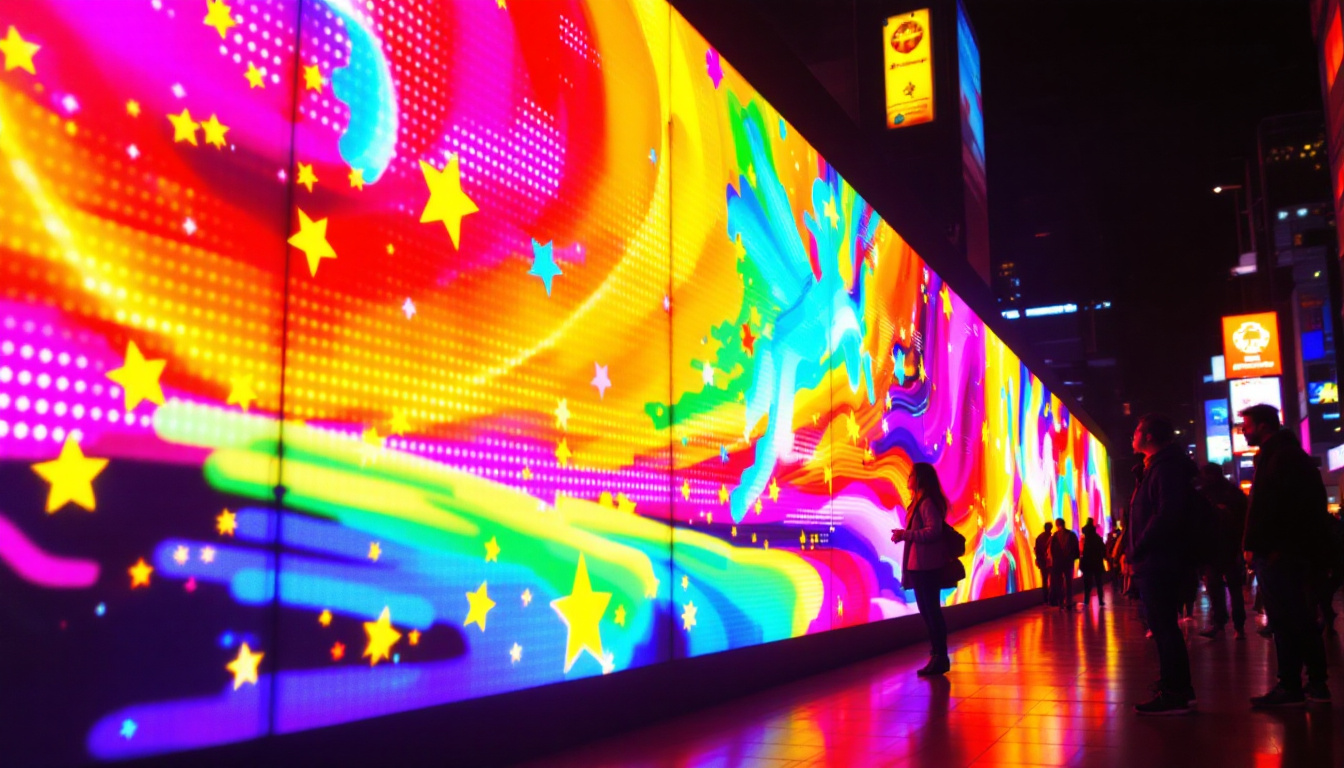
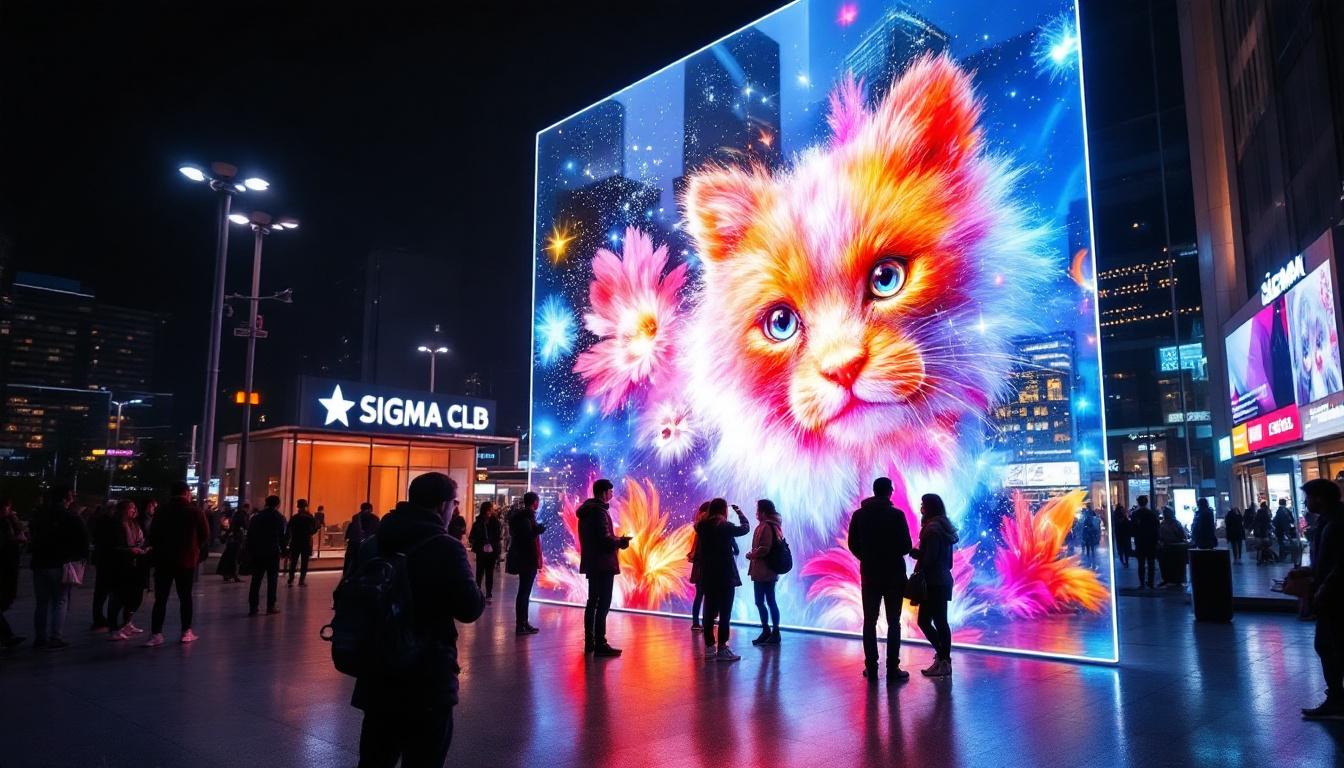
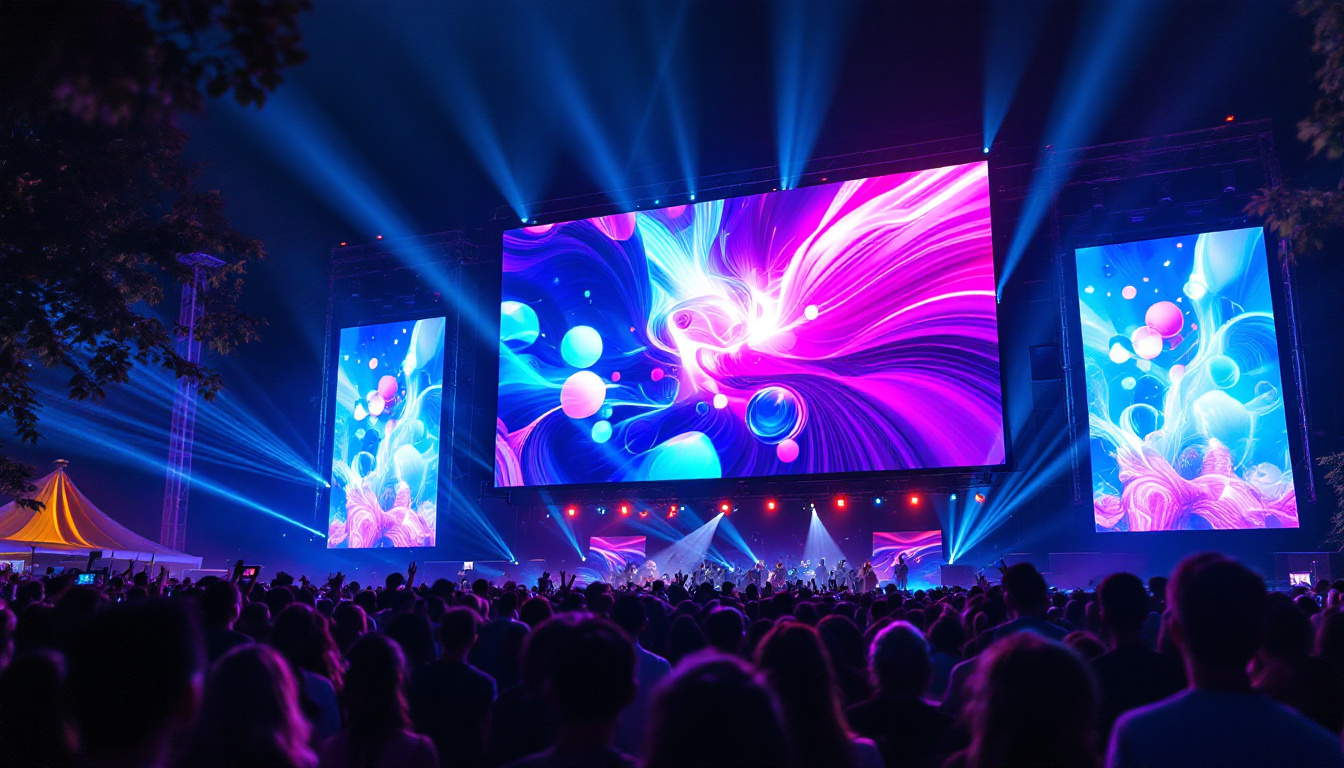
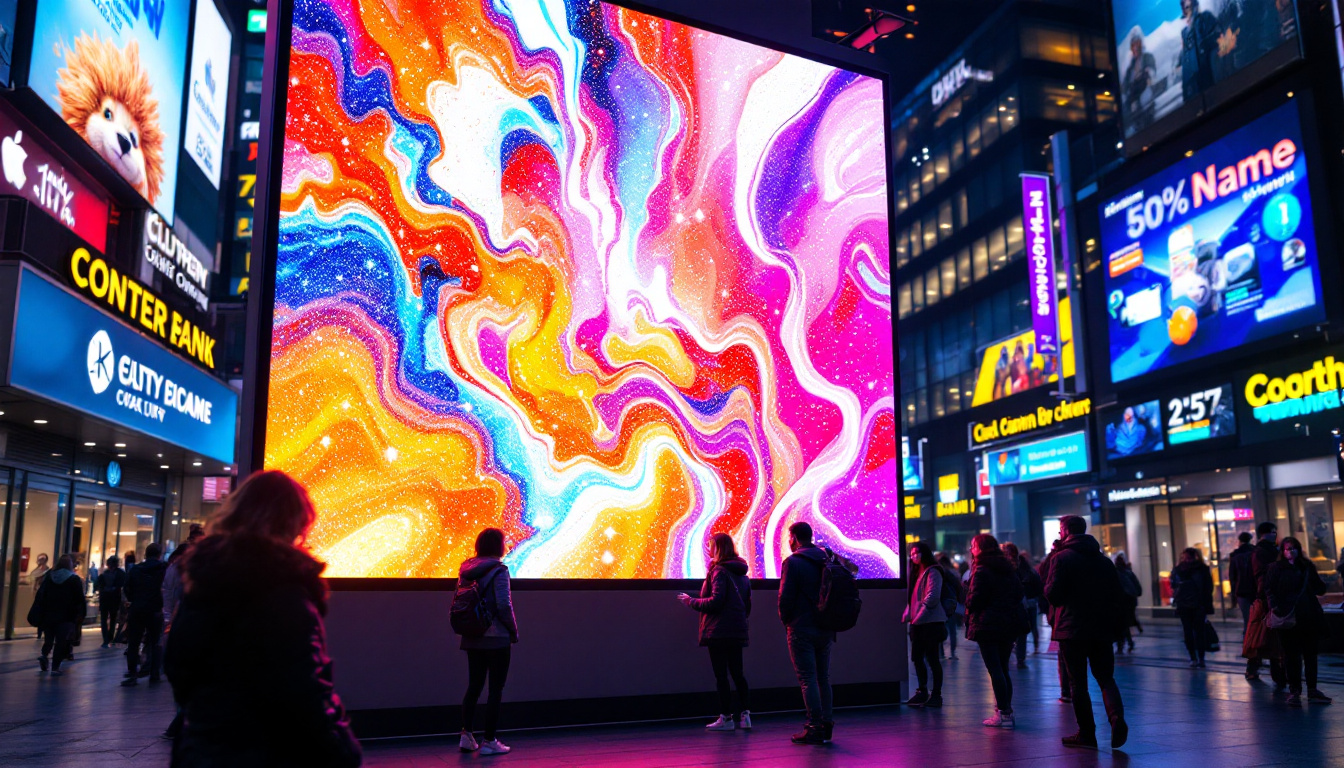
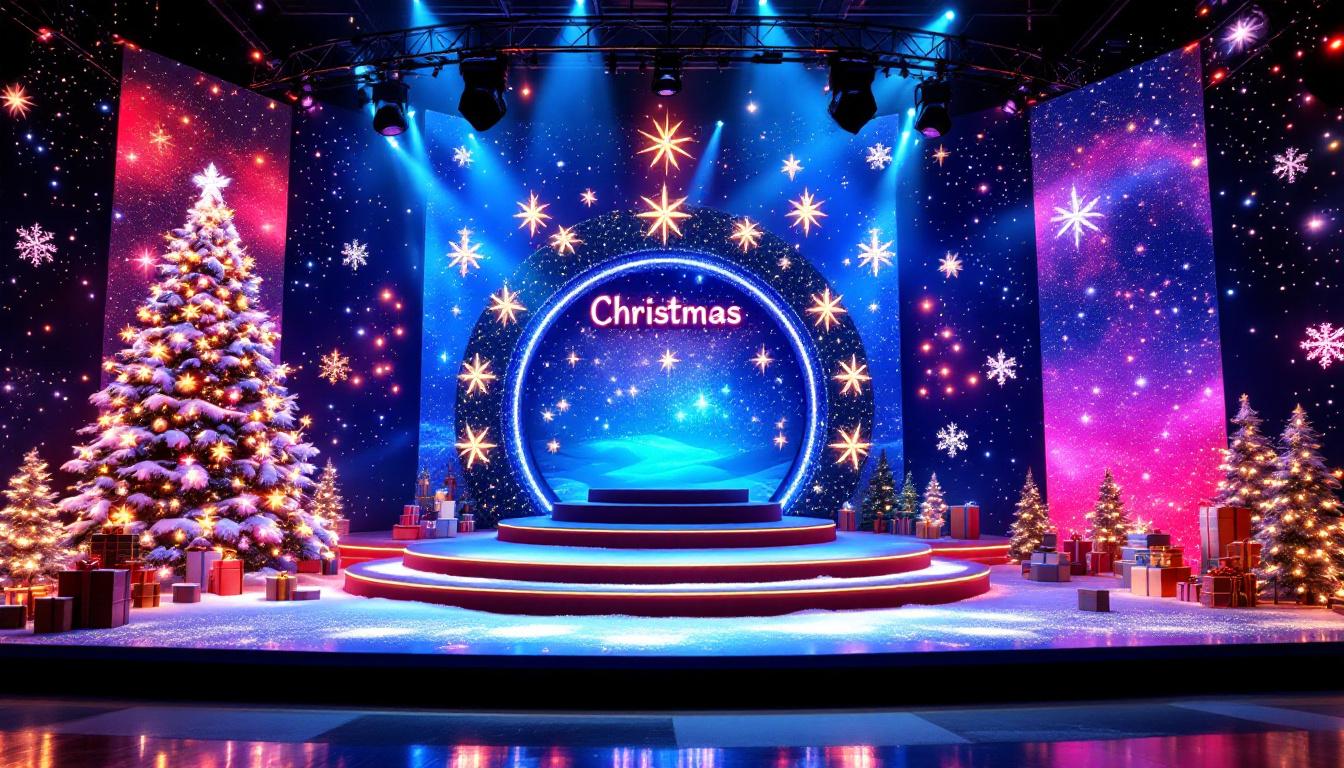
Concerts and live events benefit greatly from LED backdrops, which can display live feeds, visual effects, and sponsor messages in real-time. Their brightness and flexibility make them suitable for both indoor arenas and outdoor festivals.
Corporate and Trade Shows
At trade shows, companies use LED backdrops to attract attention and showcase products through engaging videos and animations. The ability to update content instantly allows exhibitors to tailor their messaging throughout the event.
Photography and Videography
Photographers and videographers increasingly use LED backdrops to create immersive environments without the need for physical set changes. This is particularly useful for portrait studios and commercial shoots requiring multiple themes.
Retail and Advertising
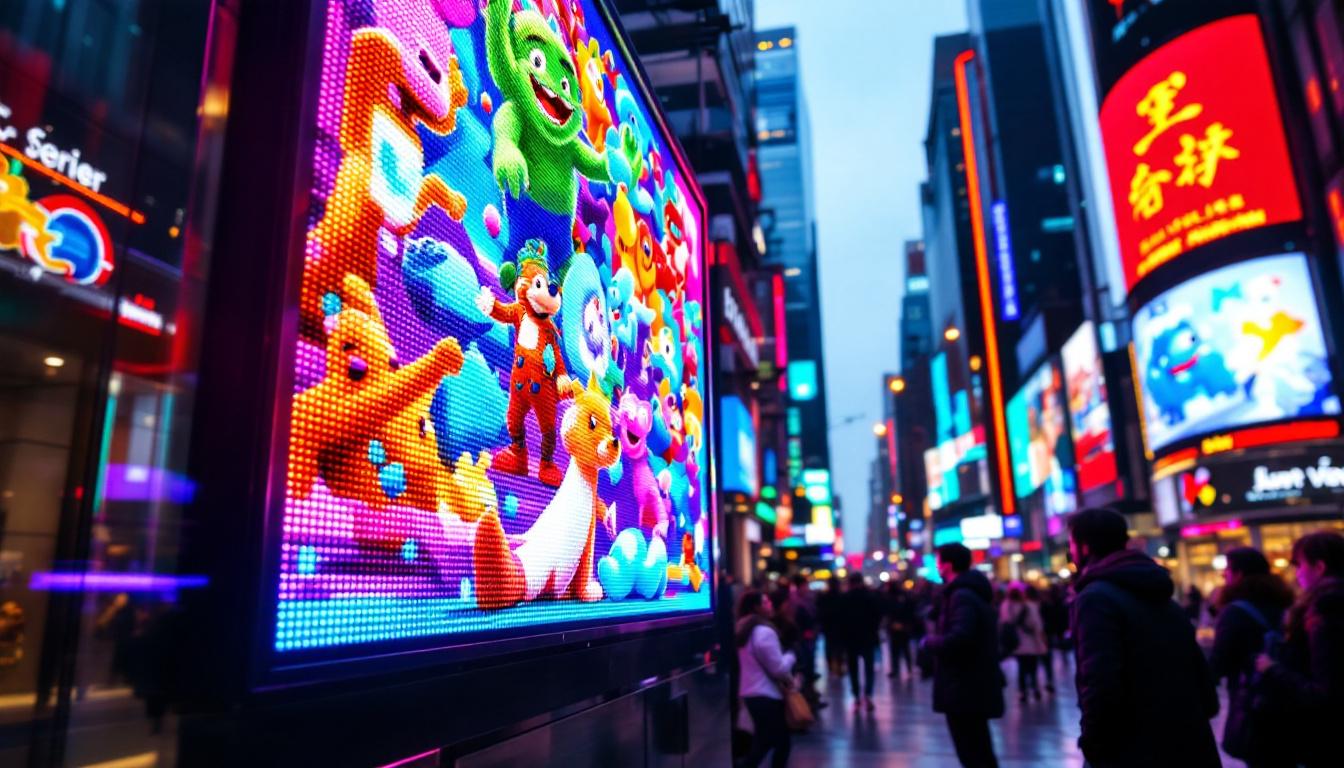
Retail stores and advertising campaigns leverage LED backdrops for eye-catching displays that can be updated frequently to promote sales, new products, or seasonal themes.
Tips for Choosing a Cheap LED Display Backdrop
Finding an affordable LED backdrop that meets your needs requires balancing quality, features, and budget. Here are some practical tips to guide your decision:
Assess Your Needs and Environment
Consider the size of the venue, typical viewing distance, lighting conditions, and the type of content you plan to display. This will help determine the appropriate pixel pitch, brightness, and size.
Look for Modular and Scalable Systems
Modular LED panels allow you to start small and expand as your budget grows. This flexibility can reduce initial costs and provide room for future upgrades.
Compare Warranty and Support
Reliable warranty terms and customer support are essential, especially for first-time buyers. Some budget options may skimp on after-sales service, which can lead to higher costs down the line.
Check Reviews and Request Demos
Reading user reviews and requesting live demonstrations can provide insights into performance and ease of use. Seeing the display in action helps ensure it meets your expectations.
Consider Rental Options
If purchasing an LED backdrop outright is beyond your budget, renting can be a cost-effective alternative for one-time events or short-term projects.
Conclusion
LED display backdrops have revolutionized the way visual environments are created across various industries. What was once a costly technology reserved for large productions is now accessible to smaller businesses and creatives thanks to advances in manufacturing and design.
By understanding the technical aspects and carefully evaluating your specific needs, it is possible to find cheap LED backdrops that deliver impressive visual impact without compromising quality. Whether for events, photography, advertising, or retail, LED backdrops offer unmatched versatility, dynamic content capabilities, and a modern aesthetic that can elevate any setting.
As LED technology continues to improve and prices decline further, it is likely that LED display backdrops will become the new standard for affordable, high-quality visual presentations.
Discover the Future of Visuals with LumenMatrix
Ready to transform your visual presentations with the dynamic and cost-effective LED display solutions? LumenMatrix is at the forefront of LED display innovation, offering a wide array of options including Indoor and Outdoor LED Wall Displays, Vehicle LED Displays, LED Poster Displays, and more. Elevate your brand visibility and captivate your audience with our cutting-edge technology. Check out LumenMatrix LED Display Solutions today and join the revolution in visual communication.