In the dynamic world of live events, the visual experience has become just as crucial as the audio. Concert LED screens have revolutionized how audiences engage with performances, offering vibrant, large-scale displays that captivate and immerse. But what exactly are these LED displays, how do they work, and why have they become indispensable in concerts and other live events? This article delves deep into the technology behind concert LED screens, their benefits, types, and the future of LED display technology in live entertainment.
Understanding LED Display Technology
What is an LED Display?
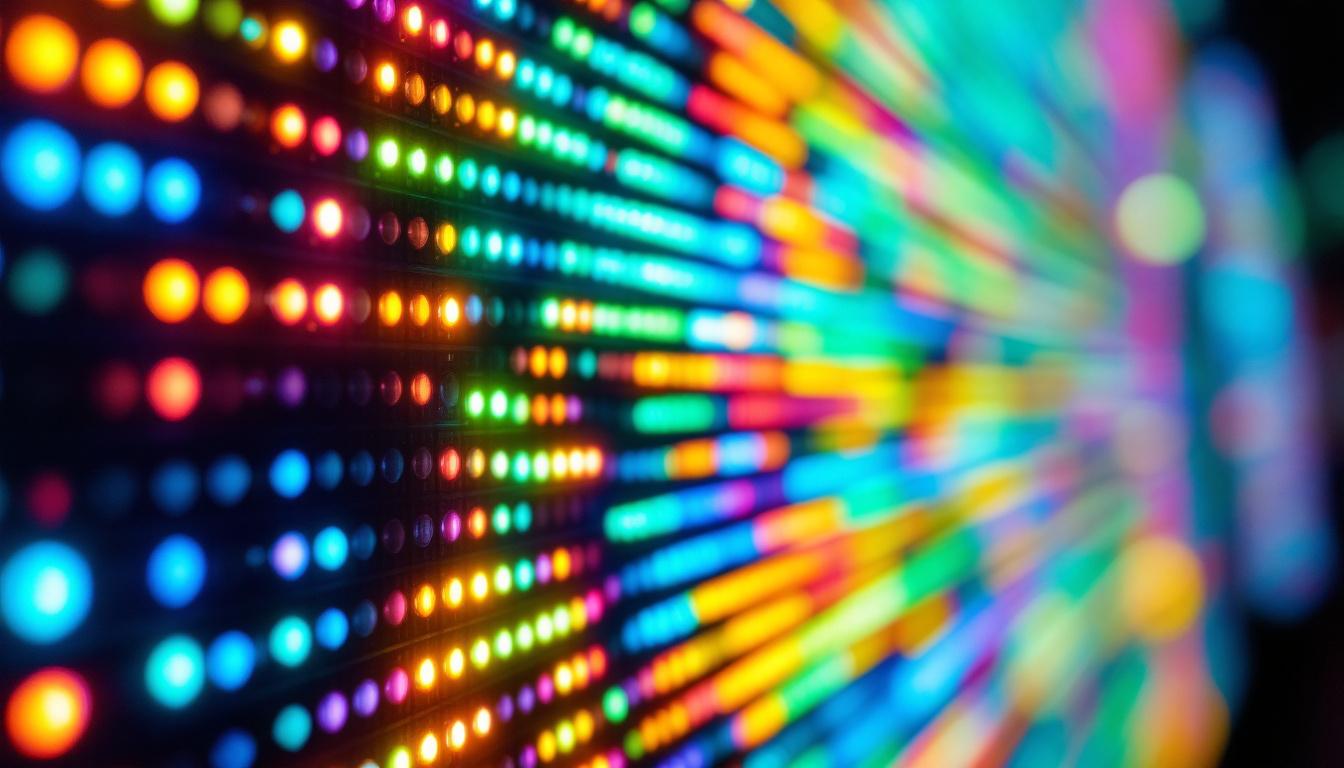
LED stands for Light Emitting Diode, a semiconductor device that emits light when an electric current passes through it. An LED display is a flat panel that uses an array of these tiny LEDs as pixels to create images and videos. Unlike traditional screens that rely on backlighting, LED displays produce their own light, resulting in brighter and more vivid visuals. This self-illuminating feature not only enhances color accuracy but also improves energy efficiency, making LED technology a popular choice in various applications, from televisions to digital billboards.
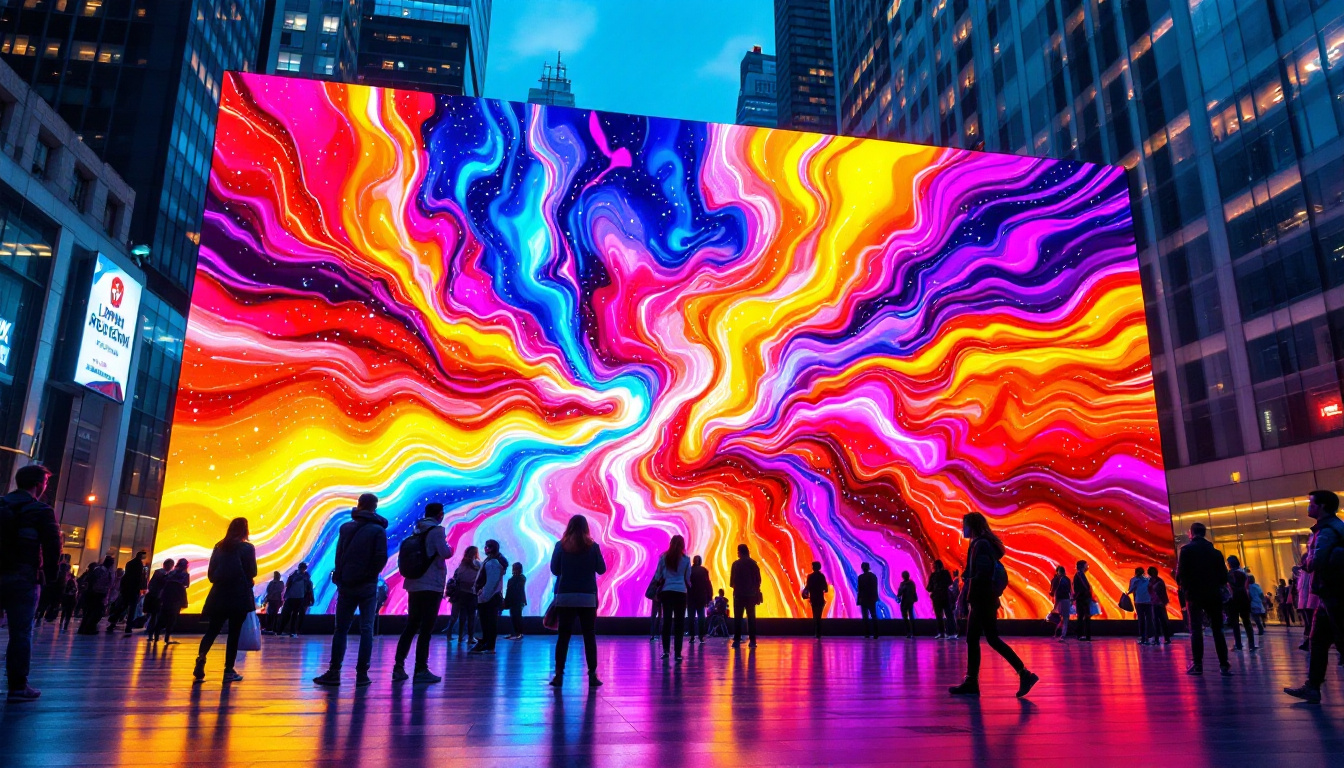
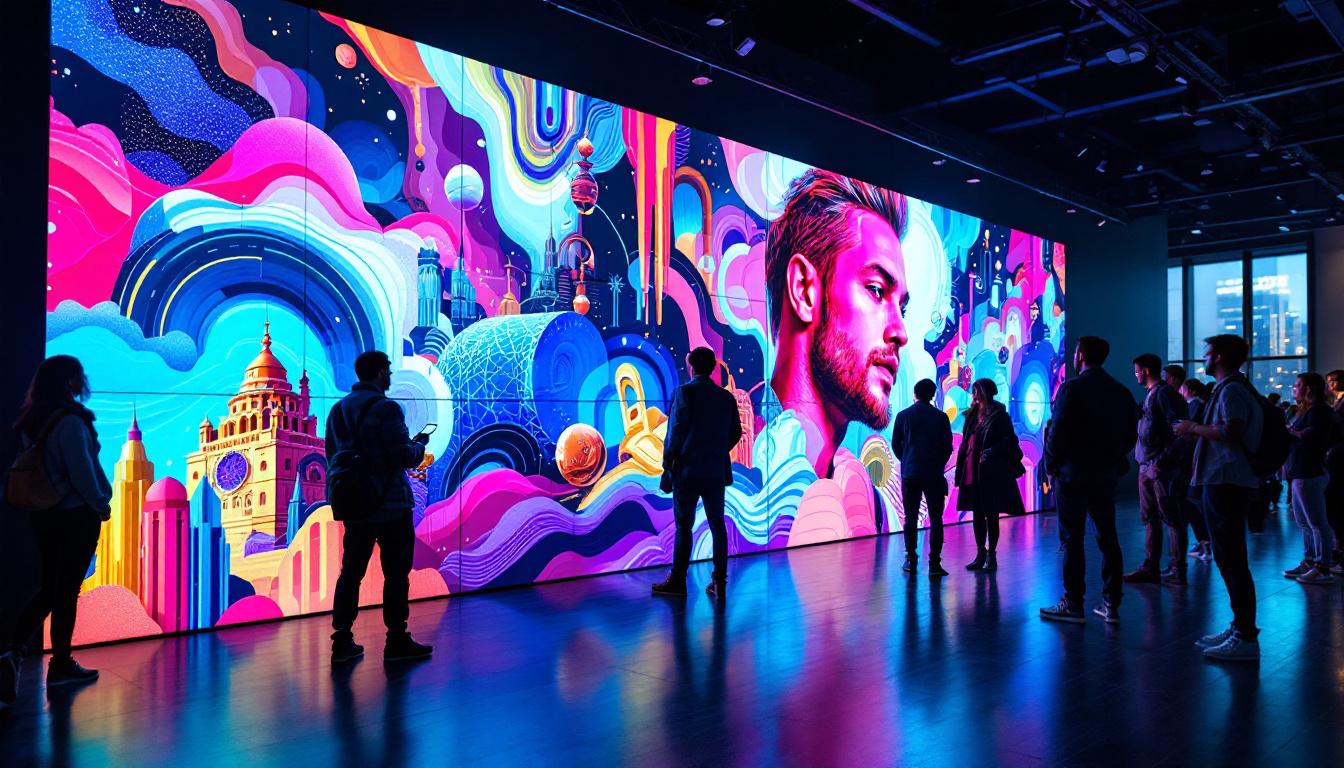
Concert LED screens are essentially large-scale LED displays designed to be visible from great distances and under various lighting conditions. They are composed of thousands or even millions of LEDs arranged in a grid, each LED acting as a pixel that can change color and brightness independently. This modular structure allows for flexible sizing and shapes, making them ideal for the diverse needs of live events. Additionally, the lightweight design of these screens facilitates easy transport and setup, which is crucial for touring artists and event organizers who require quick installation and dismantling between shows.
How Do Concert LED Screens Work?
At the core of a concert LED screen is its pixel pitch, which refers to the distance between the centers of two adjacent LEDs. The smaller the pixel pitch, the higher the resolution and image clarity. For concerts, pixel pitches typically range from 2mm to 10mm, balancing visibility and cost-effectiveness. A smaller pixel pitch allows for closer viewing distances, enabling fans to enjoy intricate details of the performance, such as facial expressions and stage effects, even from the back of a large venue.
The LEDs are controlled by a video processor that converts input signals from cameras, computers, or media players into synchronized light patterns. This processor manages color calibration, brightness, and refresh rates to ensure smooth visuals without flickering, even under intense stage lighting or direct sunlight. Moreover, advanced LED screens often incorporate features like dynamic range adjustment and real-time video processing, allowing for stunning visual effects that can change with the rhythm of the music. This capability not only enhances the overall concert experience but also allows for creative storytelling through visuals, captivating audiences in ways that traditional screens cannot match.
The Role of Concert LED Screens in Live Events
Enhancing Audience Engagement
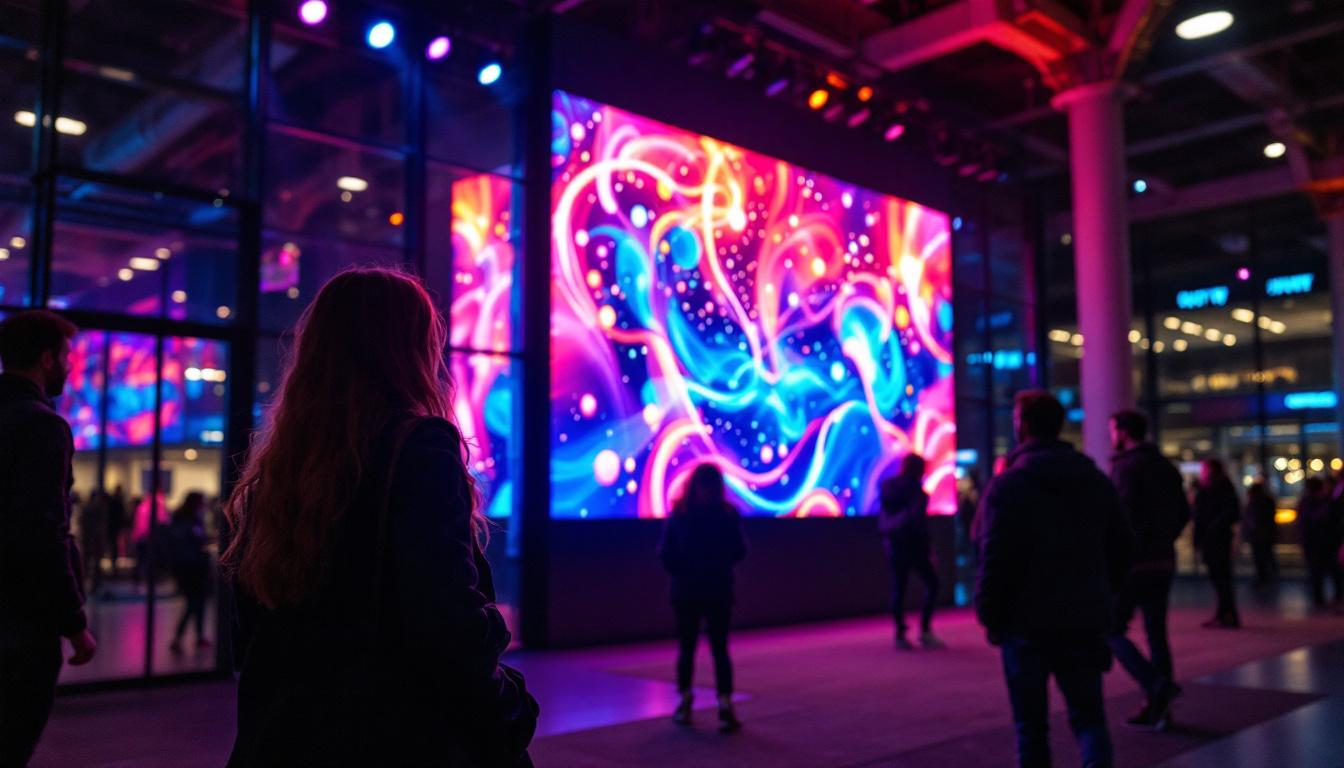
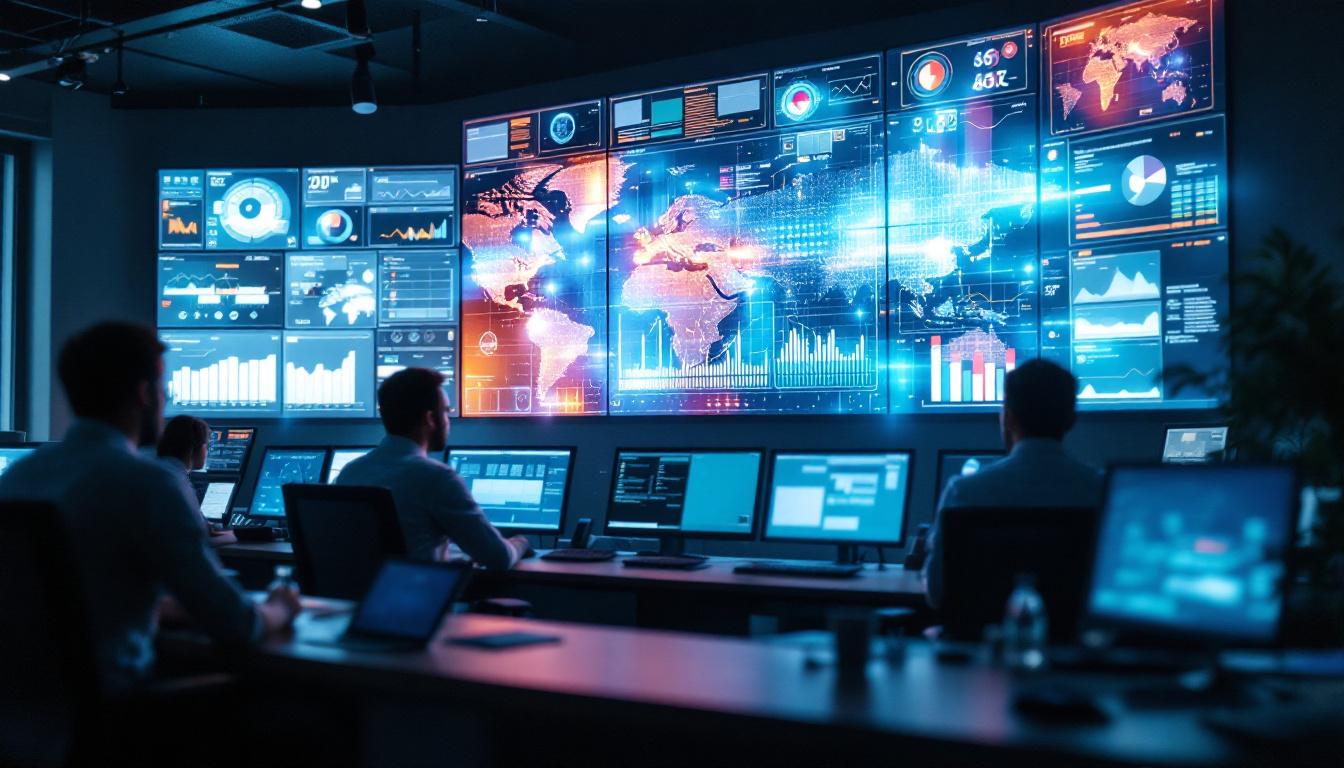
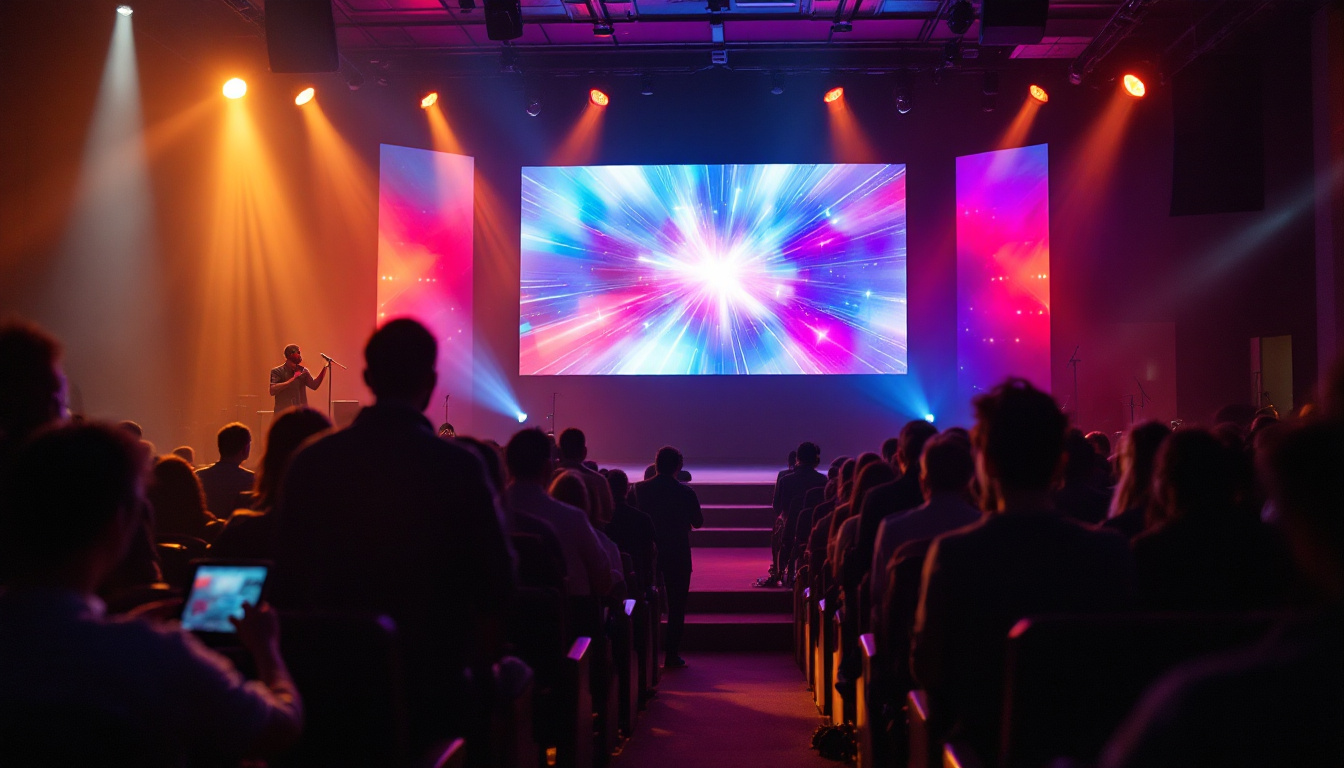
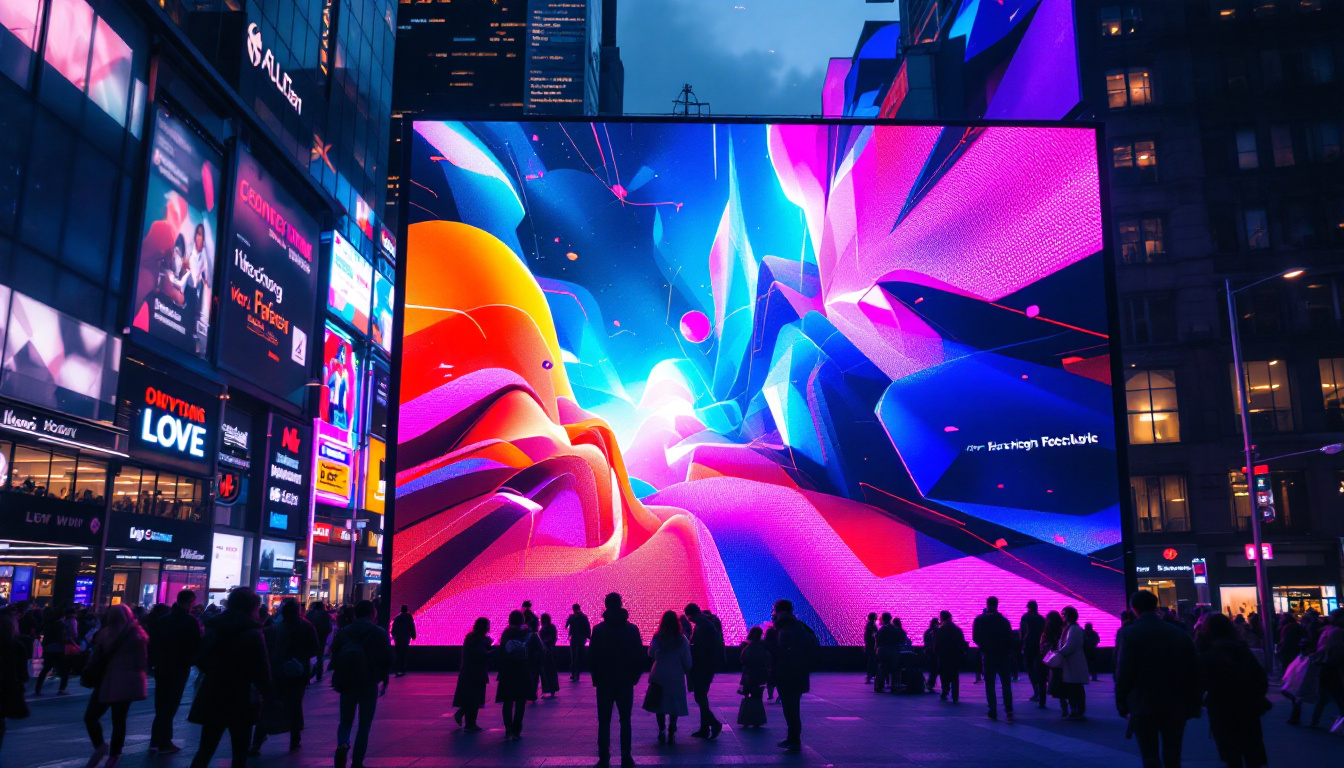
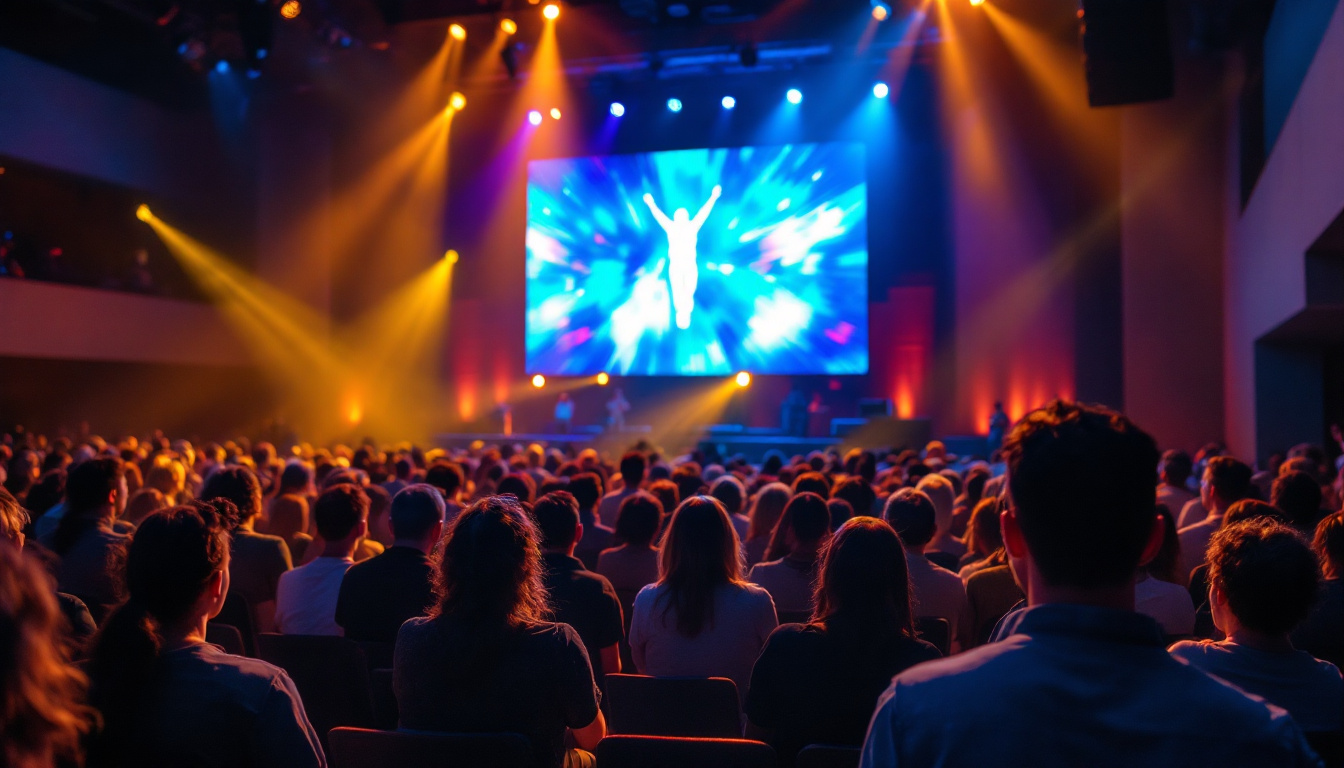
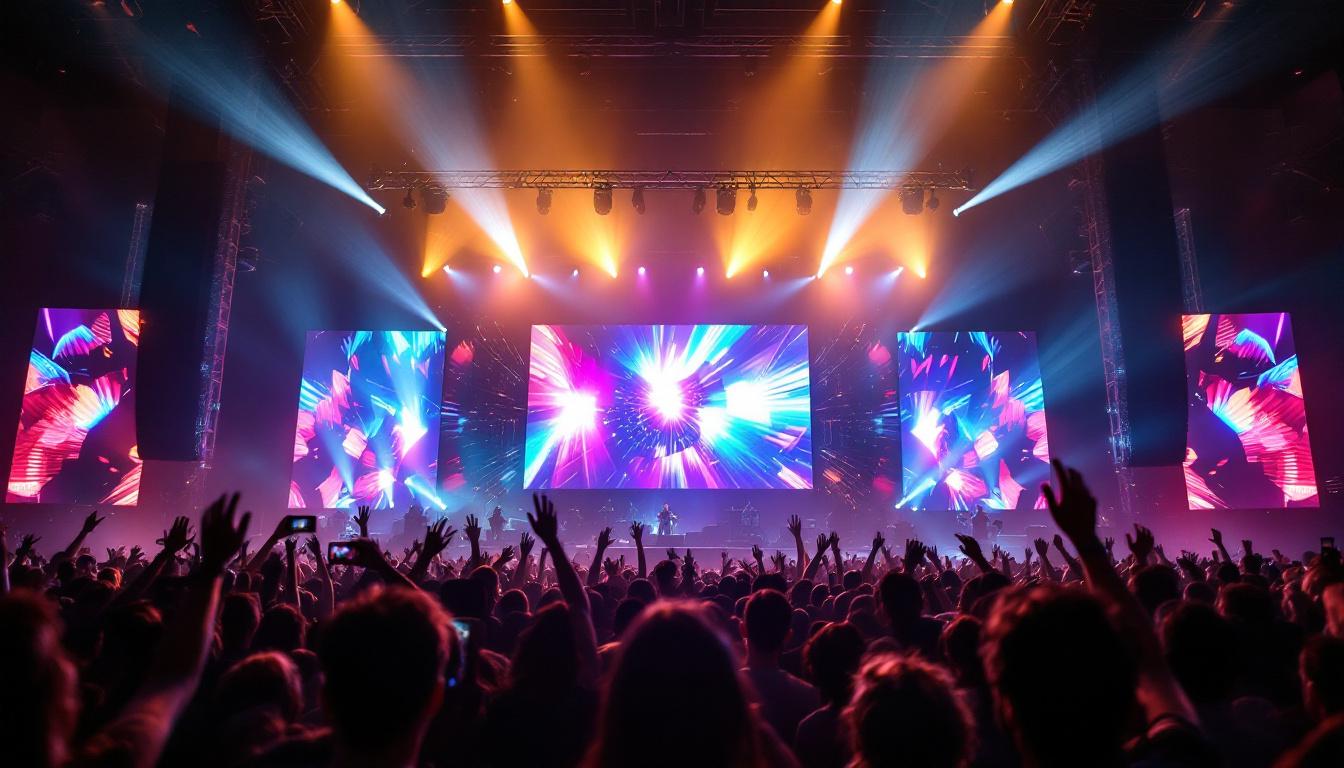
Concert LED screens serve as a powerful tool to enhance audience engagement. They allow performers to project close-up shots, dynamic graphics, lyrics, and interactive content, making every seat in the venue feel closer to the action. This is especially important in large arenas or outdoor festivals where the stage might be far from many attendees.
According to a 2023 survey by EventTech Insights, 87% of concertgoers reported that large LED screens significantly improved their overall experience. By providing clear visuals regardless of seating location, LED screens help maintain energy and connection throughout the event. The immersive experience is further amplified by synchronized lighting and sound, creating a multi-sensory environment that captivates the audience. As artists perform, the visuals on the screens can reflect the mood of the music, enhancing emotional responses and making the event memorable. For instance, during a high-energy song, vibrant colors and fast-paced animations can elevate excitement, while softer ballads might be accompanied by gentle visuals that evoke nostalgia.
Versatility and Creative Freedom
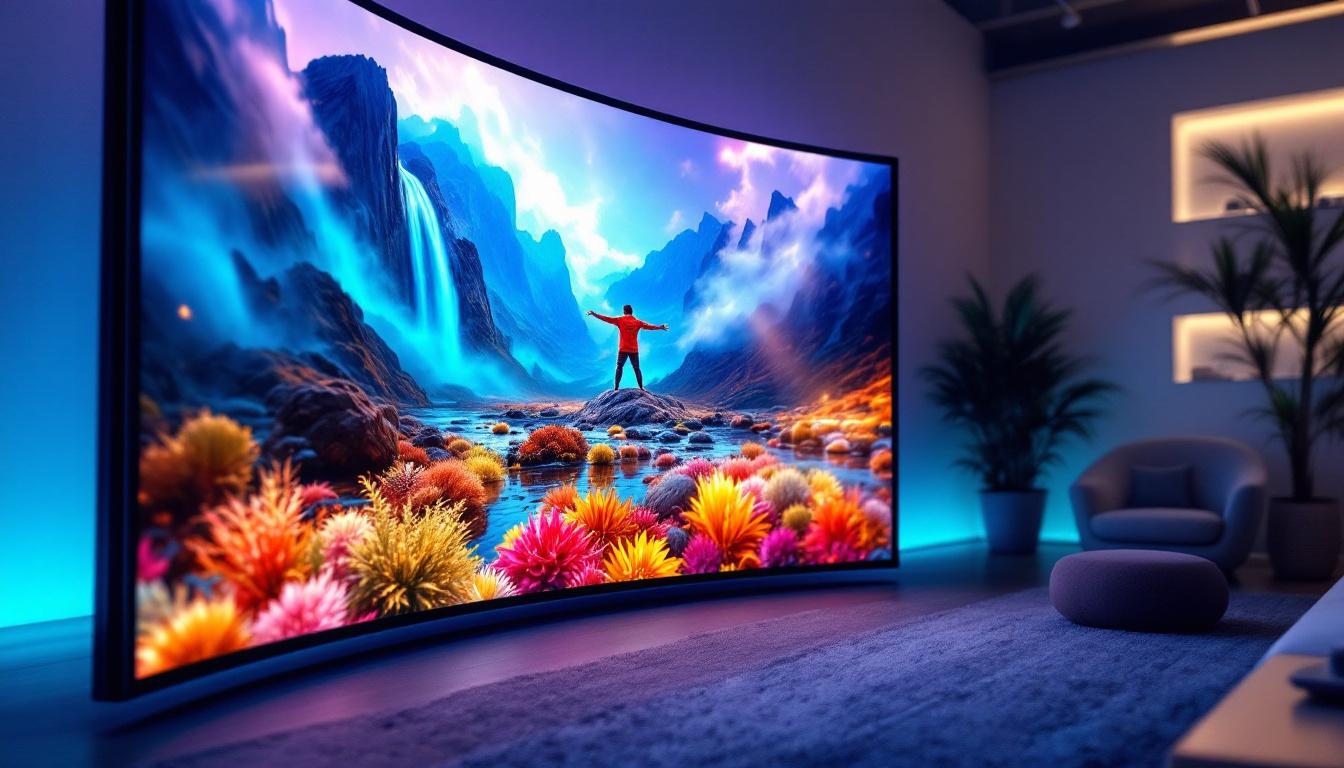
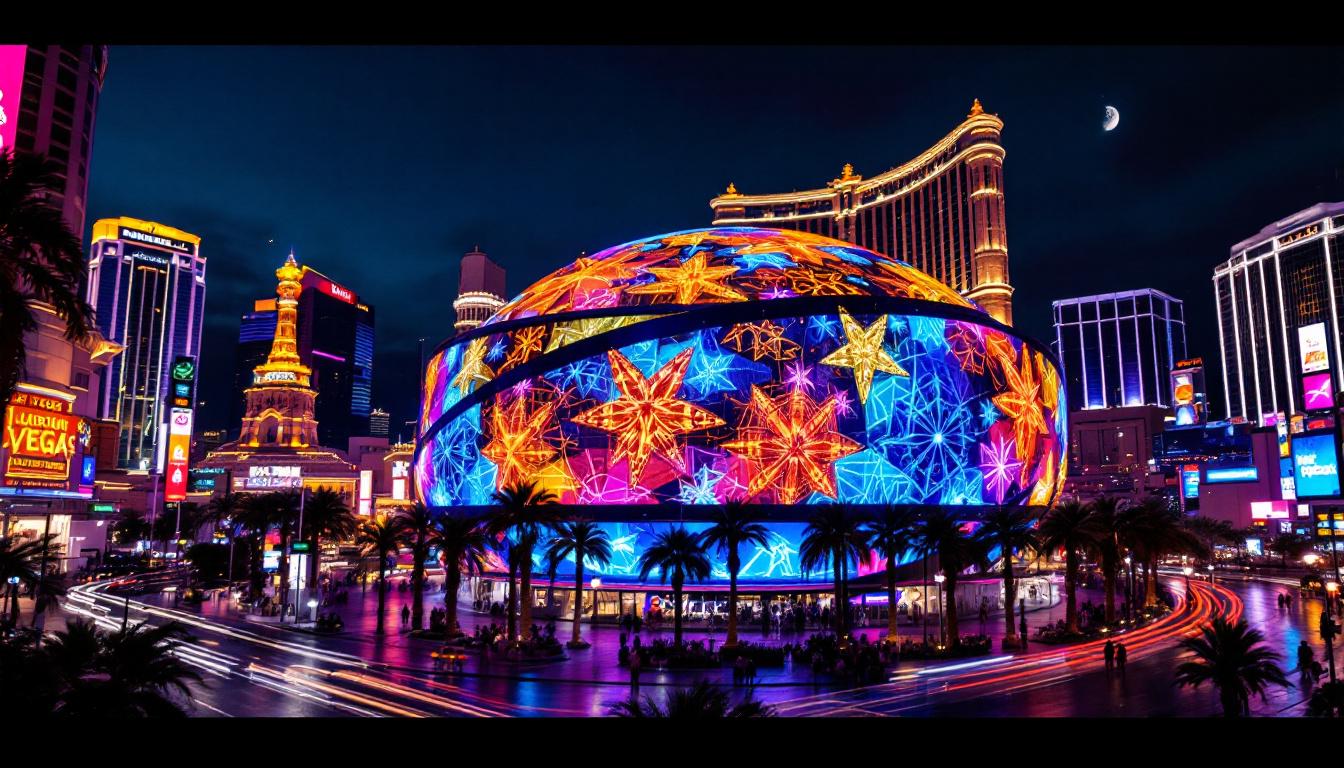
LED displays offer unmatched versatility for event producers and artists. They can be configured in various shapes and sizes—from massive rectangular walls to curved or even cylindrical installations—allowing creative stage designs that complement the performance. Additionally, content can be changed instantly, enabling seamless transitions between songs, special effects, and interactive visuals. This capability allows for a level of storytelling that was previously unattainable, as artists can weave narratives through visual elements that align with their music.
This adaptability also extends to different event types beyond concerts, such as sports events, conferences, and theatrical productions, making LED screens a valuable investment for event organizers. In sporting events, for example, LED screens can provide real-time statistics, instant replays, and fan interactions, enhancing the overall experience for attendees. The ability to display sponsor logos and advertisements in a visually appealing way also helps generate additional revenue streams for event organizers. As technology continues to evolve, the integration of augmented reality (AR) with LED screens promises to take audience engagement to new heights, allowing fans to interact with the performance in ways that were once the stuff of science fiction.
Types of Concert LED Screens
Indoor vs. Outdoor LED Screens
Concert LED screens are broadly categorized into indoor and outdoor types, each designed to meet specific environmental challenges.
- Indoor LED Screens: These typically have a smaller pixel pitch for higher resolution since viewers are closer to the screen. They are optimized for controlled lighting environments and usually have lower brightness levels compared to outdoor screens.
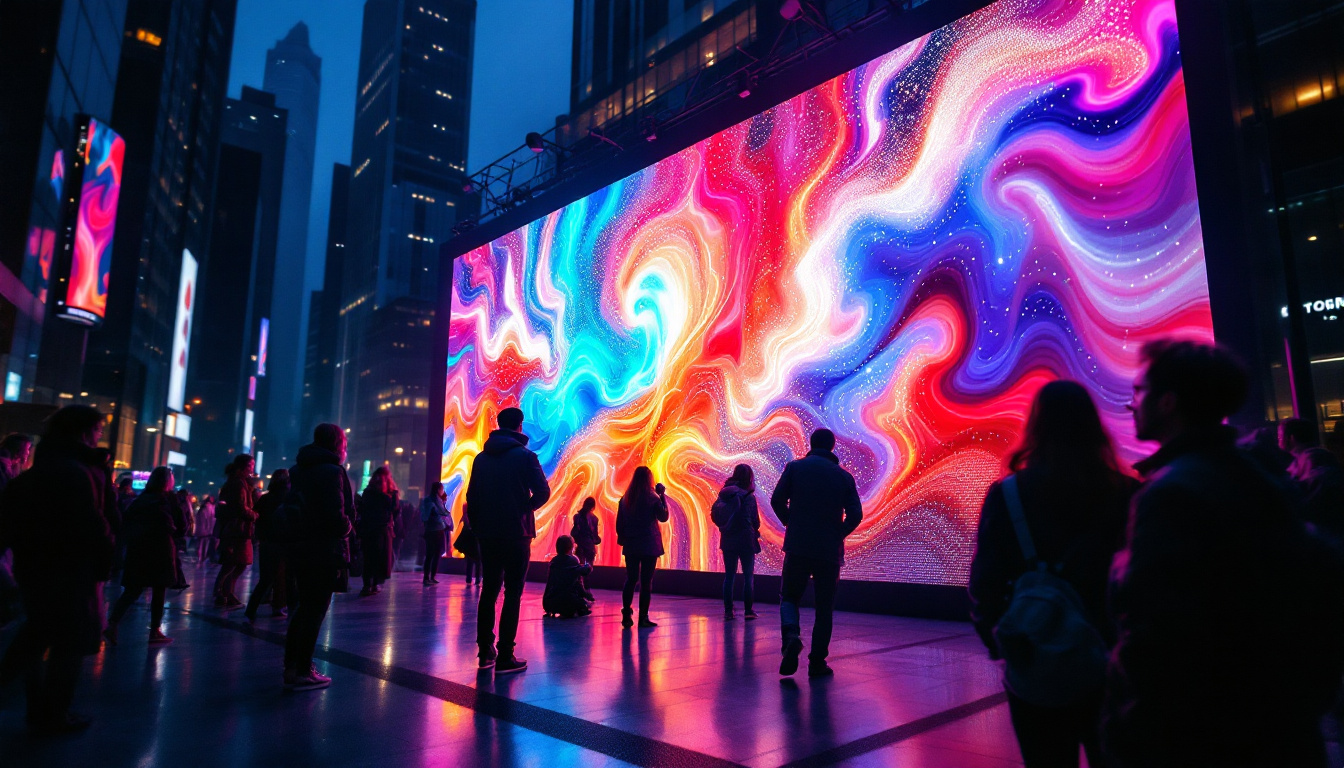
- Outdoor LED Screens: Built to withstand weather conditions such as rain, wind, and sunlight, outdoor LED screens have higher brightness (often exceeding 5,000 nits) to remain visible even in direct sunlight. They also feature robust enclosures for protection and enhanced cooling systems.
Fixed vs. Rental LED Screens
Another important distinction is between fixed installation and rental LED screens.
- Fixed LED Screens: Permanently installed in venues like arenas or theaters, these screens are integrated into the infrastructure and often have customized dimensions and pixel pitches tailored to the venue’s requirements.
- Rental LED Screens: Designed for portability and quick setup, rental screens are modular and can be assembled in various configurations. They are widely used for touring concerts and festivals, where flexibility and ease of transport are critical.
Key Features and Specifications to Consider
Pixel Pitch and Resolution
Pixel pitch is arguably the most critical specification when selecting an LED screen. It directly affects the image quality and viewing distance. For concerts, a pixel pitch between 3mm and 6mm is common, providing a good balance between clarity and cost for typical viewing distances of 10 to 50 meters.
Higher resolution screens with smaller pixel pitches are ideal for close-up viewing, such as indoor concerts or VIP areas, while larger pixel pitches suffice for outdoor festivals where viewers are farther away.
Brightness and Contrast Ratio
Brightness is measured in nits, and for concert LED screens, it typically ranges from 1,000 nits for indoor screens to over 6,000 nits for outdoor displays. High brightness ensures visibility even under bright stage lights or daylight.
The contrast ratio, which is the difference between the brightest whites and darkest blacks, affects image depth and realism. LED technology inherently offers high contrast ratios due to its ability to turn off individual pixels completely, unlike LCDs that rely on backlighting.
Refresh Rate and Viewing Angle
A high refresh rate (typically 3,840 Hz or higher) is essential to prevent flickering, especially when filming the event with cameras. Flicker-free screens ensure smooth video playback and reduce eye strain for the audience.
The viewing angle determines how well the image can be seen from different positions. Concert LED screens usually have wide viewing angles (up to 160 degrees horizontally and vertically) to accommodate large audiences spread across various seating areas.
Installation and Maintenance Considerations
Modular Design and Setup
Concert LED screens are designed with modular panels that can be quickly assembled and disassembled. This modularity is crucial for touring events where time and logistics are tight. Panels are lightweight yet durable, often equipped with quick-lock mechanisms to speed up installation.
Proper rigging and structural support are vital to ensure safety and stability, especially for large outdoor screens exposed to wind and weather. Experienced technicians typically handle installation, following strict industry standards.
Maintenance and Durability
LED screens require regular maintenance to ensure optimal performance. This includes cleaning to remove dust and debris, checking electrical connections, and replacing faulty modules. Outdoor screens need additional care to prevent water ingress and corrosion.
Modern LED panels are designed for easy maintenance, with front and rear access options to facilitate repairs without dismantling the entire screen. Advances in LED technology have also improved durability, with many panels rated for over 100,000 hours of operation.
The Future of Concert LED Screens
Advancements in LED Technology
The LED display industry continues to innovate rapidly. MicroLED technology, which uses even smaller LEDs, promises higher resolution, better energy efficiency, and longer lifespan. This could lead to ultra-high-definition concert screens that are thinner and lighter than current models.
Flexible and transparent LED screens are also emerging, enabling new creative possibilities such as curved or see-through displays integrated into stage designs. These innovations will allow artists and producers to push the boundaries of visual storytelling in live performances.
Integration with Augmented Reality and Interactive Content
As digital experiences evolve, concert LED screens are increasingly integrated with augmented reality (AR) and interactive technologies. For example, synchronized LED visuals can respond to audience movements or social media inputs in real time, creating immersive and personalized experiences.
This fusion of LED technology with AR and AI-driven content management systems is set to transform concerts into multi-sensory spectacles that engage audiences on multiple levels.
Conclusion
Concert LED screens have become an essential element of modern live events, transforming how audiences experience performances. Their ability to deliver bright, high-resolution visuals across vast venues enhances engagement and creates memorable moments. Understanding the technology behind these displays, from pixel pitch to brightness, helps event organizers and production professionals make informed decisions that maximize impact.
As LED technology advances, the potential for even more immersive and innovative concert experiences grows. Whether for a small indoor gig or a massive outdoor festival, LED displays will continue to light up stages and captivate audiences worldwide.
Illuminate Your Events with LumenMatrix
Ready to elevate your live event experiences with cutting-edge LED display technology? LumenMatrix is at the forefront of innovation, offering a diverse range of LED display solutions that bring your performances to life. From the clarity of Indoor LED Wall Displays to the durability of Outdoor LED Wall Displays, and the creativity of Custom and Transparent LED Displays, we have the tools to transform your visual storytelling. Discover how our LED display modules can enhance your brand visibility and captivate your audiences. Check out LumenMatrix LED Display Solutions and make your next event unforgettable.