In today’s fast-paced business environment, effective communication is more critical than ever. Video conferencing has become a cornerstone of corporate interaction, enabling teams to collaborate seamlessly across geographies. Central to this experience are the conference room cameras and the LED displays that showcase the video feed. Understanding how these technologies work together can help organizations optimize their meeting spaces for clarity, engagement, and productivity.
The Role of Conference Room Cameras in Modern Meetings
Conference room cameras serve as the eyes of virtual meetings, capturing high-quality video of participants and the meeting environment. Unlike personal webcams, these cameras are designed to cover larger rooms and multiple attendees, ensuring everyone is visible and engaged. This capability is particularly crucial in today’s increasingly remote work culture, where effective communication can make or break a project. The ability to see facial expressions and body language through a high-quality video feed fosters a sense of connection among team members, even when they are miles apart.
Modern conference cameras often feature pan-tilt-zoom (PTZ) capabilities, allowing remote control to focus on speakers or specific areas of the room. This flexibility enhances the meeting experience by providing dynamic views, which are especially important in hybrid meetings where some participants are remote. The ability to shift focus seamlessly from one speaker to another not only keeps remote participants engaged but also helps maintain the flow of conversation, mimicking the natural dynamics of in-person interactions.
Key Features of Conference Room Cameras
When selecting a conference room camera, several features are critical for optimal performance:
- Resolution: High-definition (HD) or 4K resolution ensures clear, sharp images, making facial expressions and body language easier to read.
- Field of View (FOV): A wide FOV captures more participants without the need for multiple cameras.
- Low-Light Performance: Cameras with good low-light sensitivity maintain image quality in various lighting conditions.
- Audio Integration: Some cameras come with built-in microphones or integrate seamlessly with room audio systems.
- AI and Auto-Framing: Advanced cameras use AI to automatically frame active speakers, enhancing engagement.
In addition to these essential features, many modern conference room cameras are equipped with advanced connectivity options, allowing for easy integration with various video conferencing platforms. This compatibility ensures that users can switch between different software solutions without the hassle of reconfiguring settings. Furthermore, some cameras offer cloud-based management systems that allow IT departments to monitor performance, update firmware, and troubleshoot issues remotely, making maintenance more efficient and less disruptive to meetings.
Another noteworthy aspect of conference room cameras is their role in enhancing collaboration among teams. With features such as screen sharing and interactive whiteboarding capabilities, these cameras can facilitate brainstorming sessions and workshops that are just as effective as in-person meetings. The ability to share visuals in real-time helps to keep everyone on the same page, fostering creativity and innovation. As businesses continue to adapt to hybrid work environments, investing in high-quality conference room cameras becomes increasingly essential for maintaining productivity and collaboration across teams.
Understanding LED Displays in Conference Rooms
LED displays have become the preferred choice for conference rooms due to their superior brightness, color accuracy, and durability compared to traditional LCD or projector setups. These displays serve as the visual interface for video conferencing, presentations, and collaborative work. The increasing reliance on digital communication tools has made it essential for organizations to invest in high-quality display technology that enhances engagement and productivity during meetings.
Unlike projectors, LED displays provide consistent image quality regardless of ambient lighting, making them ideal for brightly lit rooms. Their slim profile and modular design also allow for flexible installation, including wall-mounted or freestanding options. Additionally, many LED displays come equipped with touch capabilities, enabling interactive presentations that can foster collaboration and participation among attendees.
Types of LED Displays Used in Conference Rooms
LED technology encompasses various display types, each suited for different room sizes and purposes:
- Direct View LED (DVLED): Composed of tiny LEDs that form the image directly, DVLED displays offer exceptional brightness and contrast, perfect for large conference rooms and auditoriums. These displays can be scaled to any size, making them versatile for various applications, from corporate events to educational settings.
- LED-Backlit LCD: These displays use LEDs as a backlight source for LCD panels, providing improved color and energy efficiency compared to older CCFL-backlit models. They are particularly well-suited for smaller meeting rooms where space and budget constraints may limit options.
- MicroLED: An emerging technology combining the benefits of DVLED and OLED, MicroLED displays promise even higher brightness and color accuracy with lower power consumption. This innovative technology is gaining traction for its potential to deliver stunning visuals while being environmentally friendly.
Advantages of LED Displays Over Other Technologies
LED displays provide several benefits that make them ideal for conference room environments:
- Brightness and Visibility: LED displays can reach brightness levels of 1,000 nits or more, ensuring clear visibility even in well-lit rooms. This is particularly beneficial during daytime meetings when natural light can often wash out images on traditional screens.
- Color Accuracy: High color gamut coverage allows for vibrant, true-to-life images, which is essential for presentations involving detailed graphics or video content. The ability to display a wide range of colors enhances the overall viewing experience, making it easier for participants to engage with the material.
- Longevity and Reliability: LEDs have longer lifespans and lower maintenance requirements than projectors or older display technologies. This reliability translates into lower total cost of ownership, as organizations can avoid frequent replacements and repairs.
- Thin and Lightweight: LED panels are slimmer and lighter, allowing for sleek, modern room designs. Their aesthetic appeal can enhance the overall look of a conference room, contributing to a professional atmosphere that reflects the organization’s brand.
Furthermore, many LED displays are equipped with advanced connectivity options, including HDMI, DisplayPort, and wireless capabilities, which facilitate seamless integration with various devices. This flexibility allows users to easily share content from laptops, tablets, or smartphones, streamlining the process of collaboration. As technology continues to evolve, the integration of smart features, such as built-in video conferencing tools and cloud connectivity, is becoming increasingly common, further enhancing the functionality of LED displays in conference environments.
In addition to their technical advantages, LED displays also contribute to a more sustainable approach to business operations. With their energy-efficient designs and longer lifespans, organizations can reduce their carbon footprint while still enjoying high-quality visual experiences. As more companies prioritize sustainability, investing in LED technology aligns with broader environmental goals, making it a forward-thinking choice for modern conference rooms.
Integrating Conference Room Cameras with LED Displays
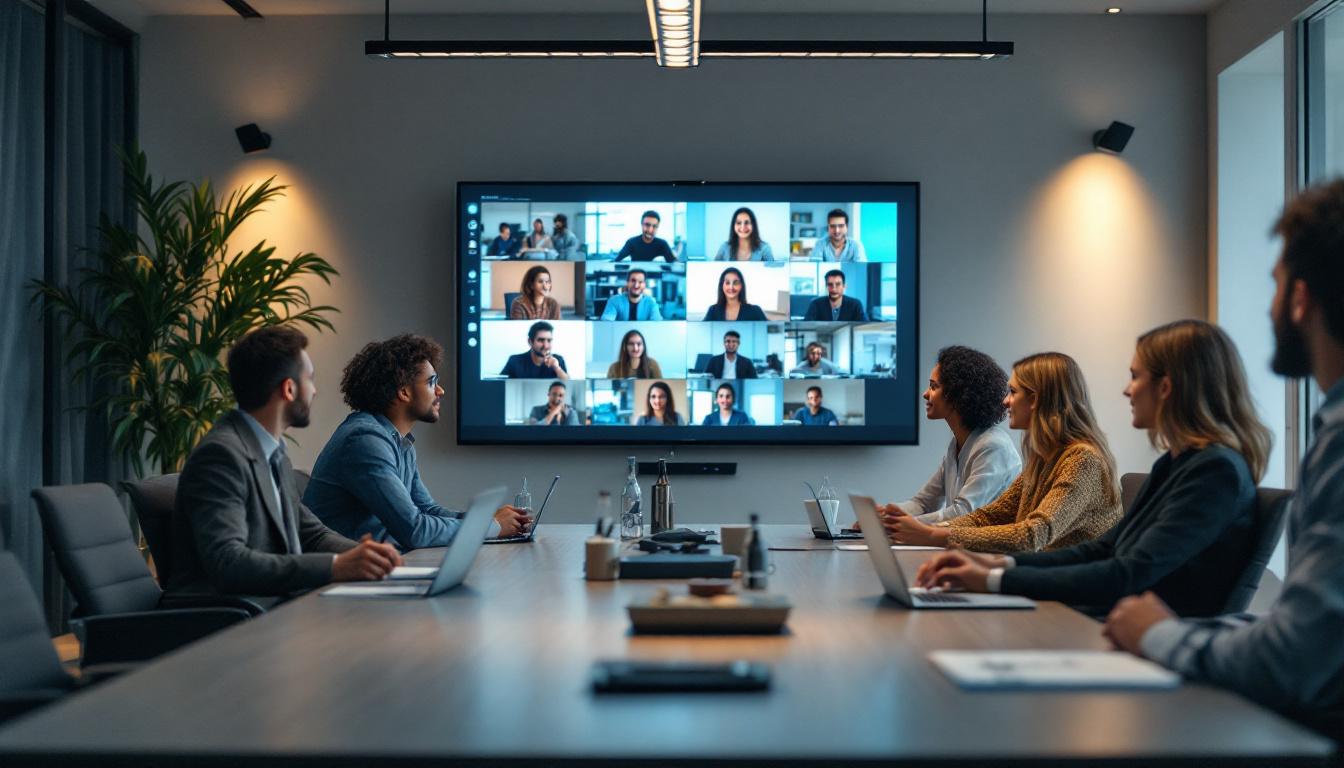
The synergy between conference room cameras and LED displays is crucial for delivering a seamless video conferencing experience. The camera captures the participants, while the LED display projects remote attendees and shared content.
Proper integration ensures minimal latency, high-definition video quality, and synchronized audio-visual feeds, which are vital for natural and productive communication.
Key Considerations for Integration
To optimize the integration of cameras and LED displays, organizations should consider the following:
- Resolution Matching: Ensure the camera’s output resolution aligns with the LED display’s native resolution to avoid scaling artifacts.
- Connectivity: Use high-bandwidth connections such as HDMI 2.1 or DisplayPort to support 4K video streams without lag.
- Audio Synchronization: Integrate audio systems with both camera and display to prevent echo and maintain lip-sync accuracy.
- Control Systems: Employ unified control panels or software to manage camera angles, display content, and audio settings effortlessly.
Case Study: Enhancing Collaboration with Integrated Systems
A multinational consulting firm recently upgraded its main conference rooms with 4K PTZ cameras paired with large-format DVLED displays. The new setup featured AI-driven auto-framing cameras and ultra-bright LED walls, enabling clear visibility of remote participants and shared content.
Post-installation surveys showed a 30% increase in meeting engagement and a 25% reduction in technical issues during video calls, demonstrating the impact of well-integrated camera and display systems on collaboration effectiveness.
Future Trends in Conference Room Camera and LED Display Technology
As remote and hybrid work models continue to evolve, so too will the technologies that support them. Several emerging trends are shaping the future of conference room cameras and LED displays.
Artificial Intelligence and Automation
AI-powered cameras are becoming more sophisticated, with features like speaker tracking, facial recognition, and automatic framing adjustments. These capabilities reduce the need for manual camera operation, allowing meetings to flow more naturally.
Similarly, LED displays are integrating smart features such as adaptive brightness and content optimization based on ambient conditions and meeting context.
Higher Resolutions and Immersive Experiences
4K and 8K resolution cameras and displays are becoming more accessible, offering unparalleled image clarity. Coupled with emerging technologies like augmented reality (AR) and virtual reality (VR), future conference rooms may provide immersive meeting experiences that bridge the gap between physical and virtual presence.
Energy Efficiency and Sustainability
With growing emphasis on sustainability, manufacturers are focusing on energy-efficient LEDs and low-power camera modules. These innovations help reduce the environmental impact of conference room technology without compromising performance.
Choosing the Right Conference Room Camera and LED Display
Selecting the ideal camera and LED display combination depends on several factors, including room size, lighting conditions, typical meeting formats, and budget constraints. A thorough assessment of organizational needs will guide the decision-making process.
Assessing Room Size and Layout
Large rooms require cameras with wide fields of view or multiple cameras to cover all participants adequately. Similarly, LED displays should be sized to ensure visibility from all seating positions without causing eye strain.
Considering Lighting Conditions
Rooms with abundant natural light or bright artificial lighting benefit from high-brightness LED displays and cameras with excellent low-light performance to maintain image quality.
Budget and Scalability
While premium 4K cameras and DVLED displays offer superior performance, they come at a higher cost. Organizations should balance initial investment with long-term benefits, considering scalability for future upgrades or room expansions.
Conclusion
Conference room cameras and LED displays are integral components of modern meeting environments. Understanding their features, capabilities, and how they work together empowers organizations to create spaces that foster effective communication and collaboration.
By investing in high-quality cameras with advanced functionalities and pairing them with bright, color-accurate LED displays, businesses can ensure every meeting is engaging, productive, and visually impressive. As technology continues to advance, staying informed about emerging trends will help organizations maintain cutting-edge conference rooms that meet evolving communication needs.
Discover LumenMatrix’s Advanced LED Display Solutions
Ready to elevate your conference room with the latest in LED display technology? Look no further than LumenMatrix, a pioneer in crafting visually stunning and technologically advanced LED displays. From enhancing your meeting spaces with our Indoor LED Wall Display to creating dynamic outdoor advertising with our Outdoor LED Wall Display, LumenMatrix offers a comprehensive range of solutions tailored to your needs. Experience the future of visual communication and transform your business environment with our cutting-edge LED displays. Check out LumenMatrix LED Display Solutions today and see the difference for yourself.