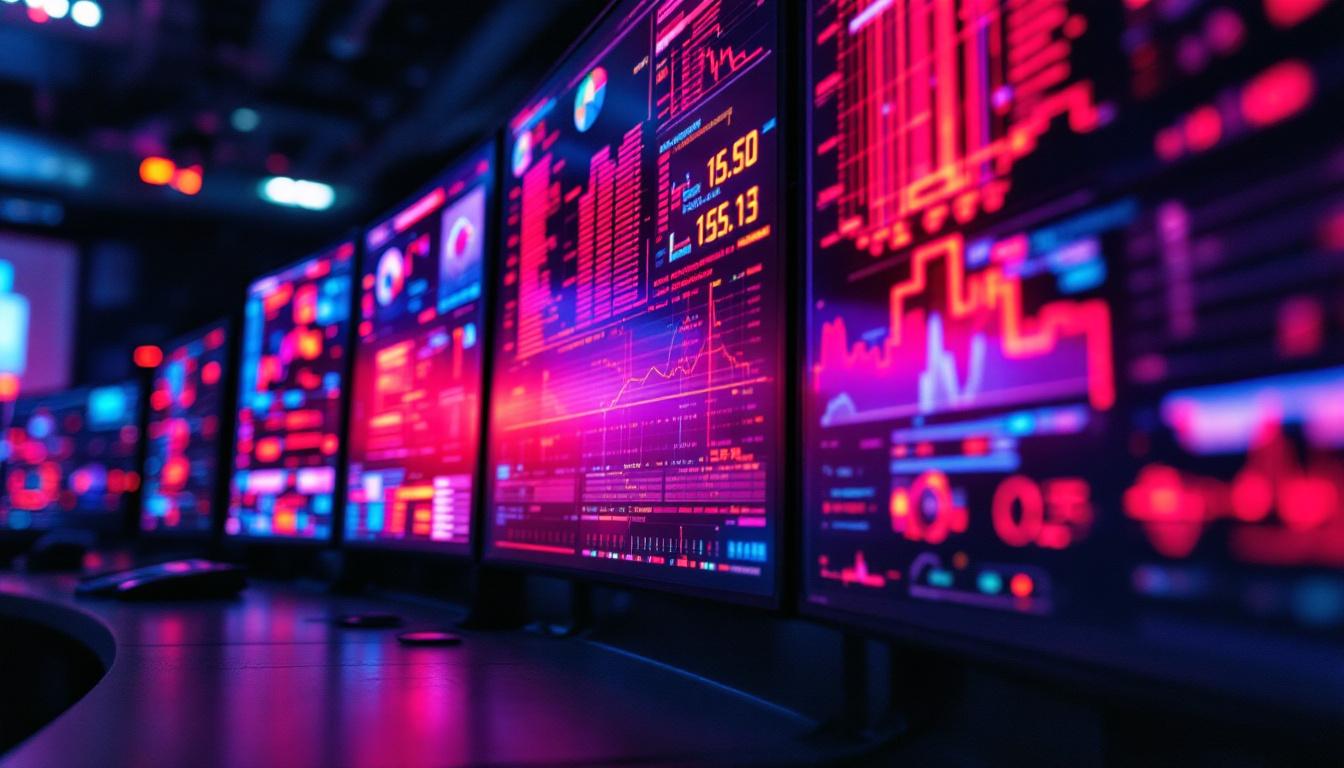
In today’s fast-paced and data-driven world, control rooms serve as the nerve centers for critical operations across various industries. From emergency response centers and transportation hubs to manufacturing plants and energy grids, the ability to monitor, analyze, and respond to information in real time is paramount. Central to this capability is the use of advanced display technologies, with LED displays emerging as the preferred choice for control room environments.
This article delves into the role of LED displays in control rooms, exploring their technology, benefits, applications, and future trends. Whether you are a facility manager, system integrator, or technology enthusiast, understanding how LED displays enhance control room operations is essential for making informed decisions about your infrastructure.
Understanding LED Display Technology
What is an LED Display?
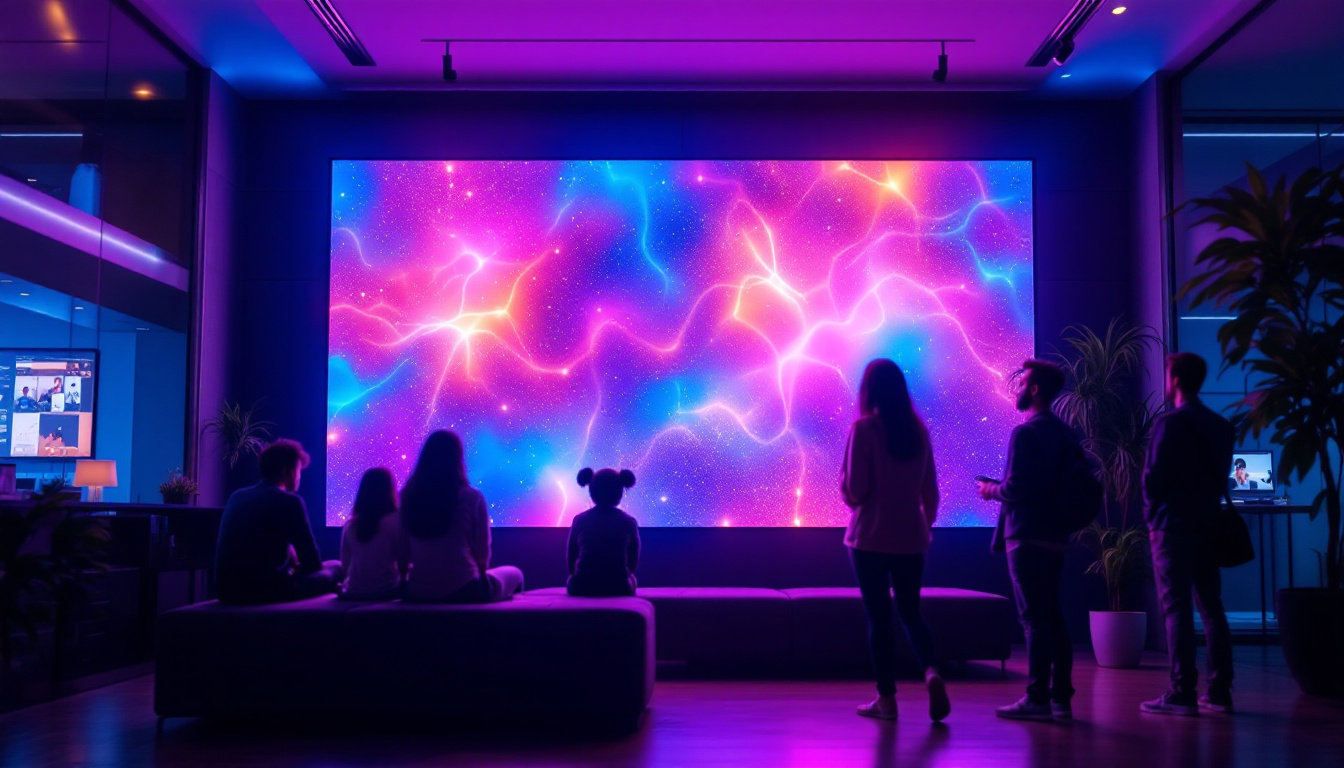
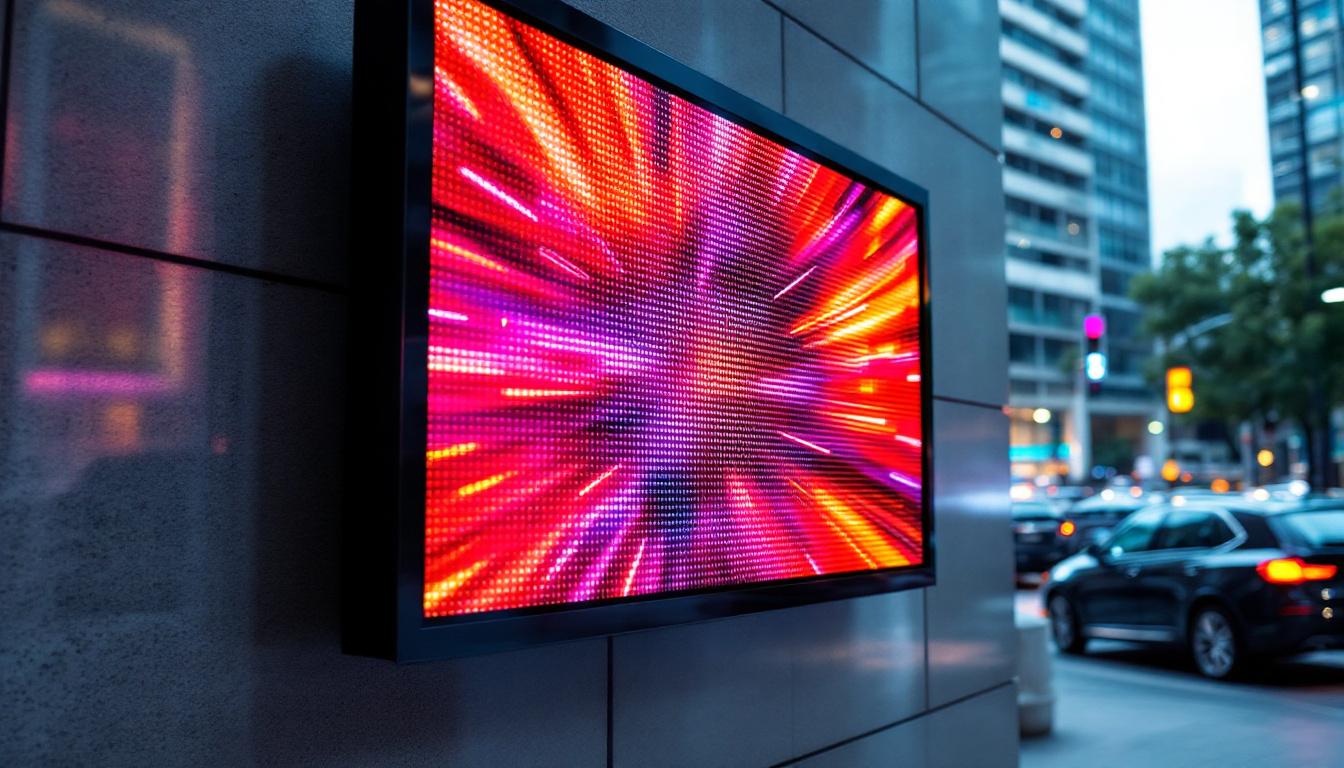
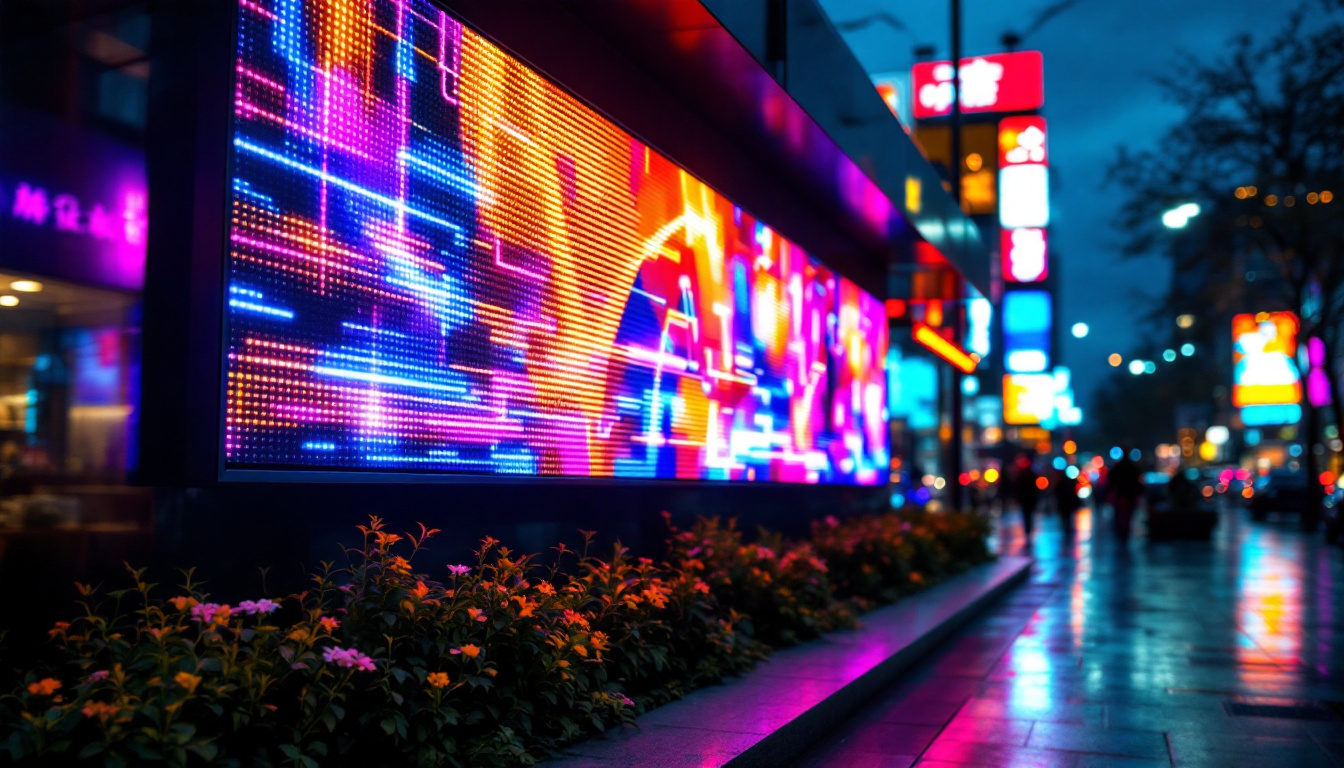
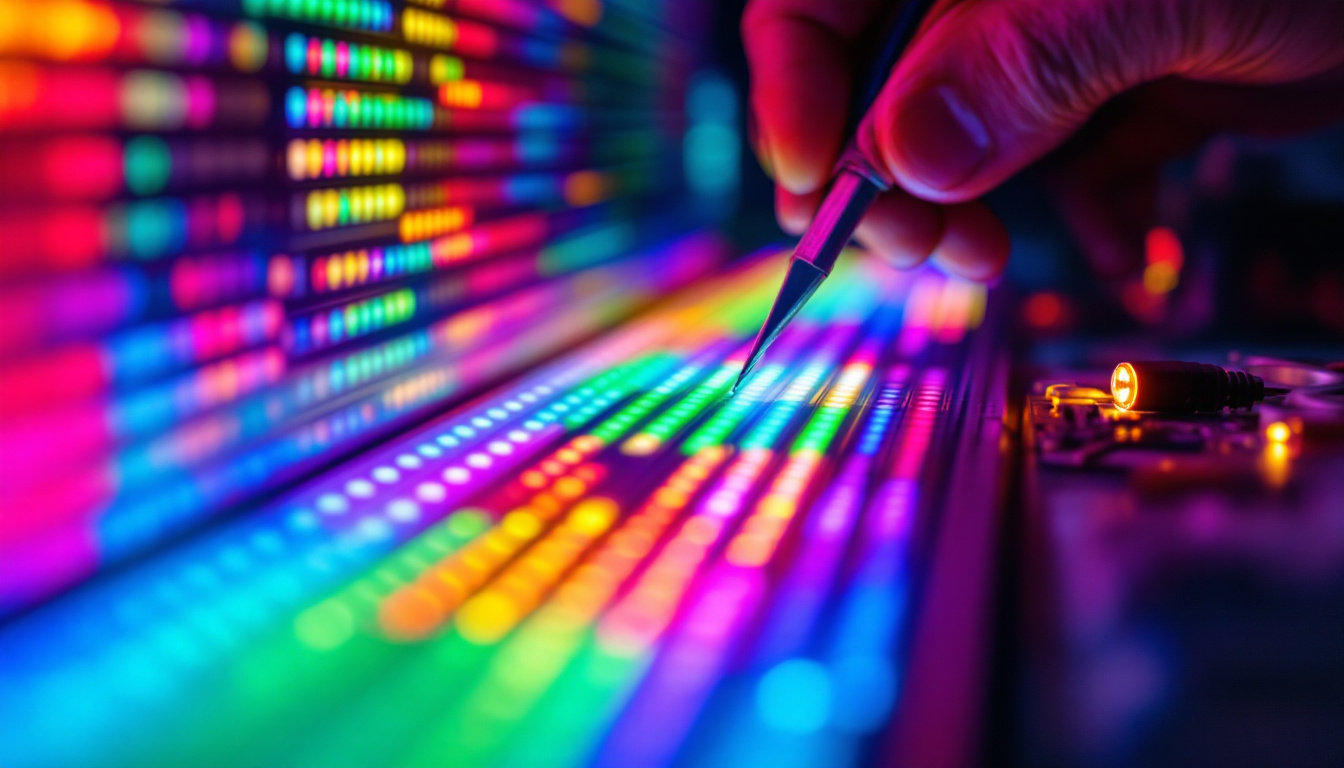
LED stands for Light Emitting Diode, a semiconductor device that emits light when an electric current passes through it. An LED display is a flat panel that uses an array of these tiny LEDs as pixels to produce images and videos. Unlike traditional LCD or projection displays, LED displays generate their own light, resulting in brighter and more vibrant visuals. This self-illuminating characteristic not only enhances the overall picture quality but also allows for better performance in various lighting conditions, making them suitable for both indoor and outdoor environments.
LED displays can be configured in various forms, including indoor and outdoor panels, curved screens, and video walls. Their modular design allows for scalable sizes, making them ideal for the expansive and complex visualization needs of control rooms. Furthermore, the flexibility in design means that they can be tailored to fit specific spaces and requirements, whether it’s a large-scale operation center or a compact monitoring station. This adaptability is one of the reasons why LED technology has become the go-to choice for modern display solutions.
Types of LED Displays Used in Control Rooms
Control rooms typically utilize two main types of LED displays: direct-view LED and microLED. Direct-view LED displays consist of large panels with densely packed LEDs that provide high brightness and contrast, crucial for visibility in well-lit environments. These displays are particularly effective in settings where real-time data monitoring is essential, such as in emergency response centers or traffic management hubs. MicroLED technology, still emerging, offers even finer pixel density and improved color accuracy, promising future enhancements in control room visualization. This technology not only enhances the viewing experience but also reduces power consumption, making it a more sustainable option for long-term use.
Additionally, LED displays vary by pixel pitch, which is the distance between individual LEDs. Smaller pixel pitches (e.g., 0.9mm to 1.5mm) yield higher resolution and sharper images, essential for detailed data visualization and complex graphical interfaces in control rooms. This precision is vital for operators who need to interpret critical information quickly and accurately. Moreover, advancements in LED technology have led to improved refresh rates and color uniformity, further enhancing the clarity and reliability of the visuals presented. As a result, control room operators can make informed decisions based on real-time data, ultimately leading to more efficient operations and better outcomes in various scenarios.
Why LED Displays are Ideal for Control Rooms
Superior Image Quality and Visibility
Control rooms demand displays that can present critical information clearly and accurately. LED displays excel in brightness, contrast, and color fidelity. They can achieve brightness levels exceeding 1,000 nits, ensuring visibility even in brightly lit rooms. High contrast ratios enable operators to distinguish subtle differences in data visualizations, such as heat maps or system alerts.
Moreover, LED displays offer wide viewing angles, allowing multiple operators to view the screen simultaneously without color distortion or loss of clarity. This is vital in collaborative environments where teams need to share situational awareness.
Reliability and Longevity
Control rooms operate around the clock, often in mission-critical scenarios where downtime can have severe consequences. LED displays are known for their durability and long lifespan, typically rated for 100,000 hours or more. Unlike projection systems or LCDs that may require frequent lamp replacements or suffer from backlight degradation, LEDs maintain consistent performance over time.
Additionally, LED displays are less prone to image burn-in, a common issue with some display technologies that can obscure important information and reduce operational effectiveness.
Scalability and Customization
One of the key advantages of LED technology is its modularity. Control rooms can customize display sizes and configurations to fit their unique spatial and operational requirements. Whether it’s a single large video wall spanning several meters or multiple smaller screens arranged for different teams, LED panels can be seamlessly tiled to create a unified visual interface.
Curved or angled configurations are also possible, enhancing ergonomics and reducing operator fatigue by providing a more natural viewing experience.
Applications of LED Displays in Control Rooms
Emergency and Public Safety Control Centers
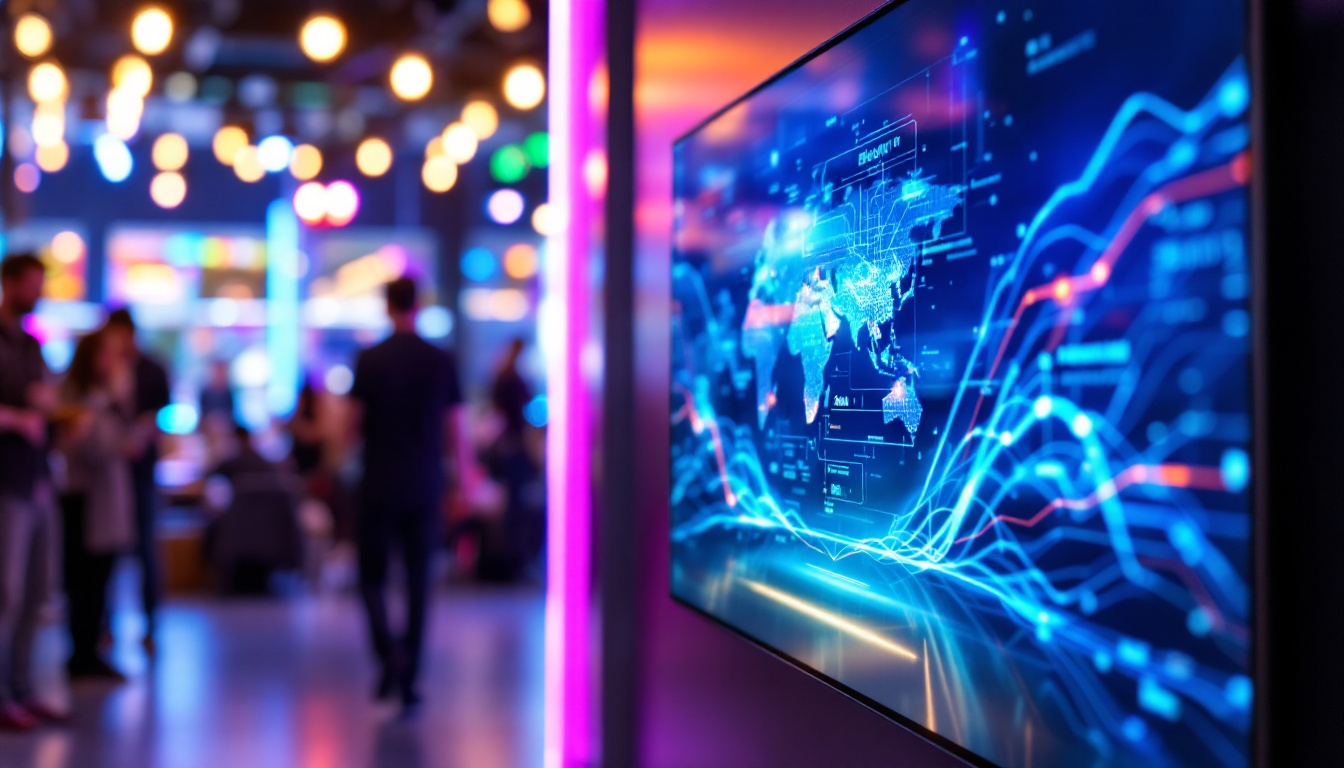
Emergency operations centers rely on LED displays to monitor real-time data feeds such as surveillance cameras, weather updates, traffic conditions, and communication channels. The clarity and immediacy provided by LED video walls enable rapid decision-making during crises, potentially saving lives and property.
For example, the New York City Office of Emergency Management uses a massive LED video wall to integrate data from multiple agencies, facilitating coordinated responses to incidents ranging from natural disasters to public events.
Transportation and Traffic Management
Control rooms managing airports, rail networks, and urban traffic systems utilize LED displays to visualize schedules, system statuses, and sensor data. The high resolution and brightness help operators quickly identify issues such as delays, congestion, or equipment failures.
In airports, LED displays are often used in combination with touch interfaces to allow operators to interact with flight data and security systems efficiently. This integration enhances situational awareness and operational efficiency.
Industrial and Manufacturing Facilities
Manufacturing control rooms leverage LED displays to monitor production lines, equipment health, and quality control metrics. Real-time visualization of sensor data and process parameters helps prevent downtime and optimize throughput.
For instance, automotive assembly plants use LED video walls to display live feeds from robotic systems and quality inspection stations, enabling supervisors to intervene promptly if anomalies occur.
Energy and Utilities Control Centers
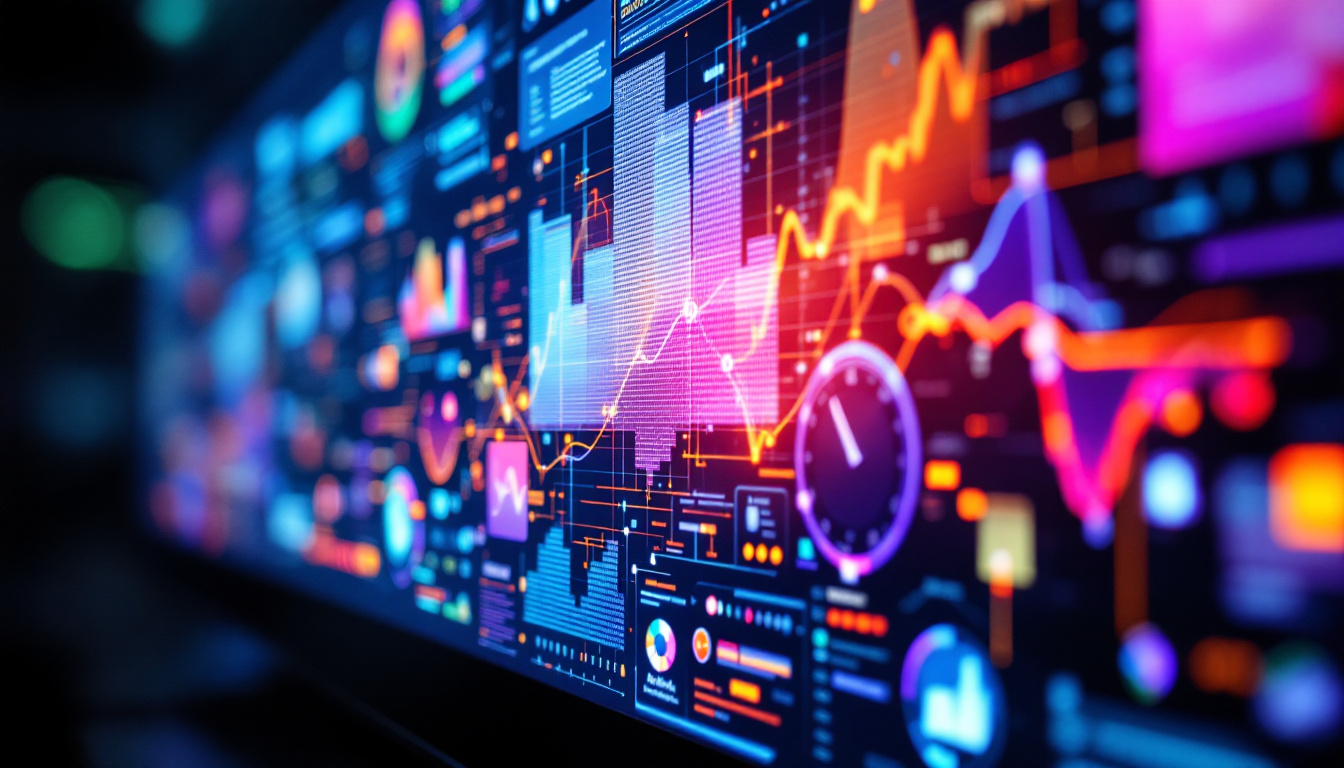
Power generation and distribution control rooms depend on LED displays to track grid performance, load balancing, and fault detection. The ability to visualize complex data sets in a clear and organized manner supports rapid troubleshooting and maintenance.
Renewable energy facilities, such as wind farms and solar arrays, also benefit from LED displays by monitoring environmental conditions and system output, ensuring efficient energy production.
Key Considerations When Choosing LED Displays for Control Rooms
Resolution and Pixel Pitch
Choosing the appropriate resolution and pixel pitch is crucial for ensuring that the displayed information is legible and detailed enough for operators. Higher resolution displays with smaller pixel pitches are preferable for control rooms that require detailed visualization, such as geographic information systems (GIS) or complex data dashboards.
However, higher resolution often comes at a higher cost, so balancing budget constraints with operational needs is essential.
Brightness and Ambient Light Conditions
Control rooms vary widely in their lighting environments. Some may have large windows or bright overhead lighting, while others are dimly lit. LED displays with adjustable brightness levels and high maximum luminance ensure that information remains visible and clear under all conditions.
Incorporating ambient light sensors can automate brightness adjustments, reducing eye strain and energy consumption.
Integration and Control Systems
LED displays in control rooms are rarely standalone devices. They must integrate seamlessly with video management systems, data visualization software, and control interfaces. Compatibility with industry-standard protocols and flexible input options (HDMI, DisplayPort, IP streaming) are important factors.
Advanced control software allows operators to manage content across multiple displays, switch between data sources, and customize layouts dynamically, enhancing operational efficiency.
Maintenance and Serviceability
Given the critical nature of control room operations, LED displays should be easy to maintain and service. Front-access modular panels facilitate quick repairs and replacements without disrupting operations. Additionally, remote monitoring capabilities can alert maintenance teams to potential issues before they cause downtime.
Future Trends in LED Displays for Control Rooms
MicroLED and MiniLED Innovations
Emerging microLED and miniLED technologies promise even higher resolution, improved color accuracy, and lower power consumption. These advancements will enable control rooms to display more detailed and dynamic content while reducing operational costs.
MicroLED displays, in particular, offer the potential for ultra-thin, flexible video walls that can be customized to fit unconventional control room designs.
Artificial Intelligence and Smart Visualization
Integrating AI-driven analytics with LED display systems is transforming how control rooms operate. Smart visualization platforms can highlight anomalies, predict system failures, and prioritize alerts, helping operators focus on the most critical information.
Future LED displays may incorporate interactive touch capabilities and voice control, further enhancing user engagement and situational awareness.
Sustainability and Energy Efficiency
As control rooms seek to reduce their environmental footprint, energy-efficient LED displays are becoming a priority. Advances in LED driver technology and intelligent brightness control contribute to lower power consumption without compromising performance.
Recyclability and the use of environmentally friendly materials in LED manufacturing are also gaining attention, aligning with corporate sustainability goals.
Conclusion
LED displays have revolutionized control room environments by providing unparalleled image quality, reliability, and flexibility. Their ability to present complex data clearly and in real time is critical for effective decision-making across a wide range of industries.
When selecting LED displays for a control room, it is important to consider factors such as resolution, brightness, integration capabilities, and maintenance requirements to ensure the system meets operational demands. Looking ahead, innovations in microLED technology, AI integration, and energy efficiency will continue to enhance the capabilities and sustainability of control room visualization solutions.
Investing in the right LED display technology is not just about upgrading hardware; it’s about empowering teams to respond faster, collaborate better, and operate more safely and efficiently in today’s complex and demanding environments.
Discover LumenMatrix LED Display Solutions
Ready to elevate your control room with the most advanced LED display technology? Explore LumenMatrix’s comprehensive range of LED display modules, designed to meet the diverse needs of any high-stakes environment. From Indoor and Outdoor LED Wall Displays to specialized solutions like Vehicle, Sports, and Floor LED Displays, LumenMatrix offers custom and all-in-one options to fit your unique requirements. Experience the future of visual communication with our Transparent and Poster LED Displays, and see how our commitment to innovation can transform your operations. Check out LumenMatrix LED Display Solutions today and empower your team with displays that deliver impact, clarity, and reliability.