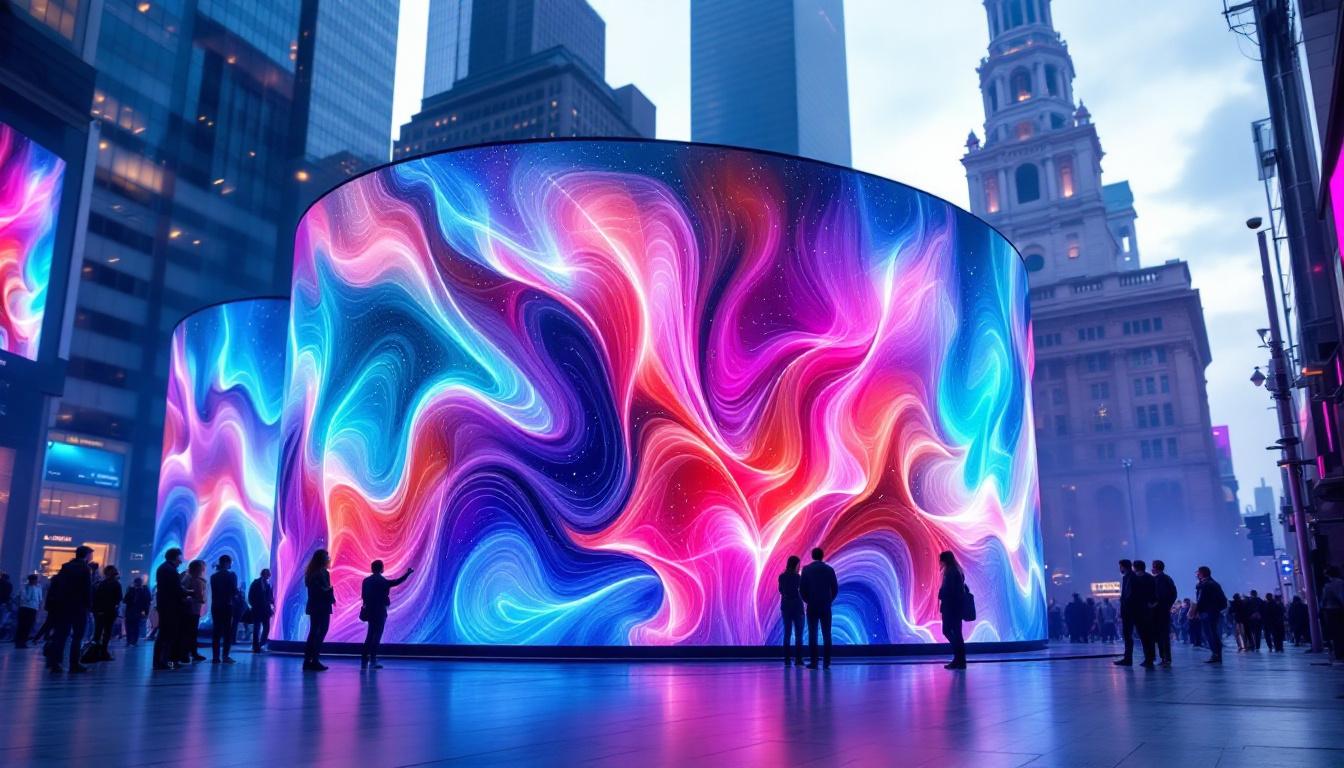
In the rapidly evolving world of display technology, curved LED panels have emerged as a compelling innovation, transforming how visuals are presented across various industries. From immersive advertising to dynamic control rooms and cutting-edge entertainment venues, curved LED displays offer unique advantages that traditional flat screens cannot match. This article delves into the technology behind curved LED panels, their applications, benefits, and considerations for businesses and consumers alike.
Understanding Curved LED Panels: Technology and Design
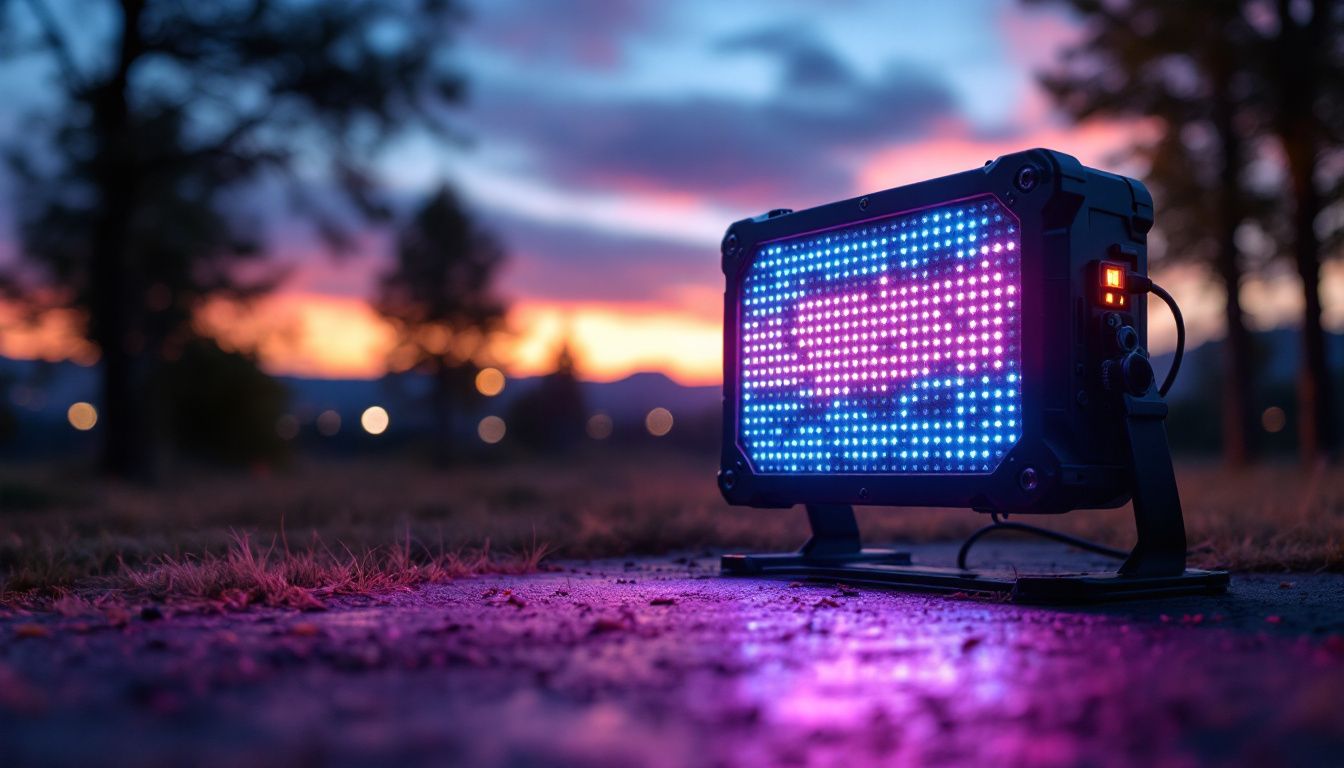
At its core, an LED (Light Emitting Diode) display consists of tiny light sources arranged in a grid to create images and videos. The curvature in a curved LED panel refers to the deliberate bending of this grid to form a concave or convex surface, enhancing the viewer’s experience by wrapping the image around a natural field of vision. This design not only improves immersion but also helps in reducing visual fatigue, making it an ideal choice for environments where viewers are engaged for extended periods, such as in control rooms, theaters, and immersive gaming setups.
How Curved LED Panels Are Manufactured
Manufacturing curved LED panels involves precision engineering to ensure that the LEDs are mounted on flexible or segmented substrates, allowing the display to bend without compromising image quality or structural integrity. Unlike traditional flat LED panels, which are rigid, curved panels use modular design techniques where smaller LED modules are assembled on a curved frame or flexible backplane. This modular approach not only facilitates easier repairs and upgrades but also allows for customization in size and shape, catering to unique architectural designs or specific client needs.
Advancements in materials science have enabled the use of flexible printed circuit boards (PCBs) and innovative mounting systems that maintain consistent pixel density and brightness across the curve. This ensures seamless visuals without distortion or dead zones, even on large-scale installations. Moreover, the integration of advanced cooling technologies within these panels helps manage heat dissipation, ensuring longevity and reliability in performance, particularly in high-demand settings such as sports arenas or concert venues.
Technical Specifications and Performance Metrics
Key performance metrics for curved LED displays include pixel pitch, brightness, refresh rate, and viewing angle. Pixel pitch—the distance between individual LEDs—directly affects resolution and clarity. Curved panels often maintain pixel pitches ranging from 1.2mm to 10mm, depending on the application, balancing high resolution with cost-effectiveness. The choice of pixel pitch is crucial for determining the optimal viewing distance; closer pitches are ideal for indoor settings where viewers are near the screen, while larger pitches may be suitable for outdoor displays viewed from a distance.
Brightness levels are critical, especially for outdoor or high-ambient-light environments. Modern curved LED panels can achieve brightness levels exceeding 5,000 nits, ensuring vivid images even under direct sunlight. Additionally, high refresh rates (above 3,000 Hz) prevent flickering and enable smooth video playback, which is essential for broadcast and live events. The wide viewing angle of curved LED panels further enhances their appeal, allowing a larger audience to enjoy consistent color and brightness, making them perfect for large gatherings and public displays. Furthermore, advancements in color calibration technologies ensure that these panels deliver accurate and vibrant colors, enhancing the overall visual experience for viewers regardless of their position relative to the screen.
Applications of Curved LED Displays Across Industries
Curved LED technology has found a foothold in numerous sectors, each leveraging the unique benefits of curved displays to enhance engagement, functionality, and aesthetics.
Advertising and Digital Signage
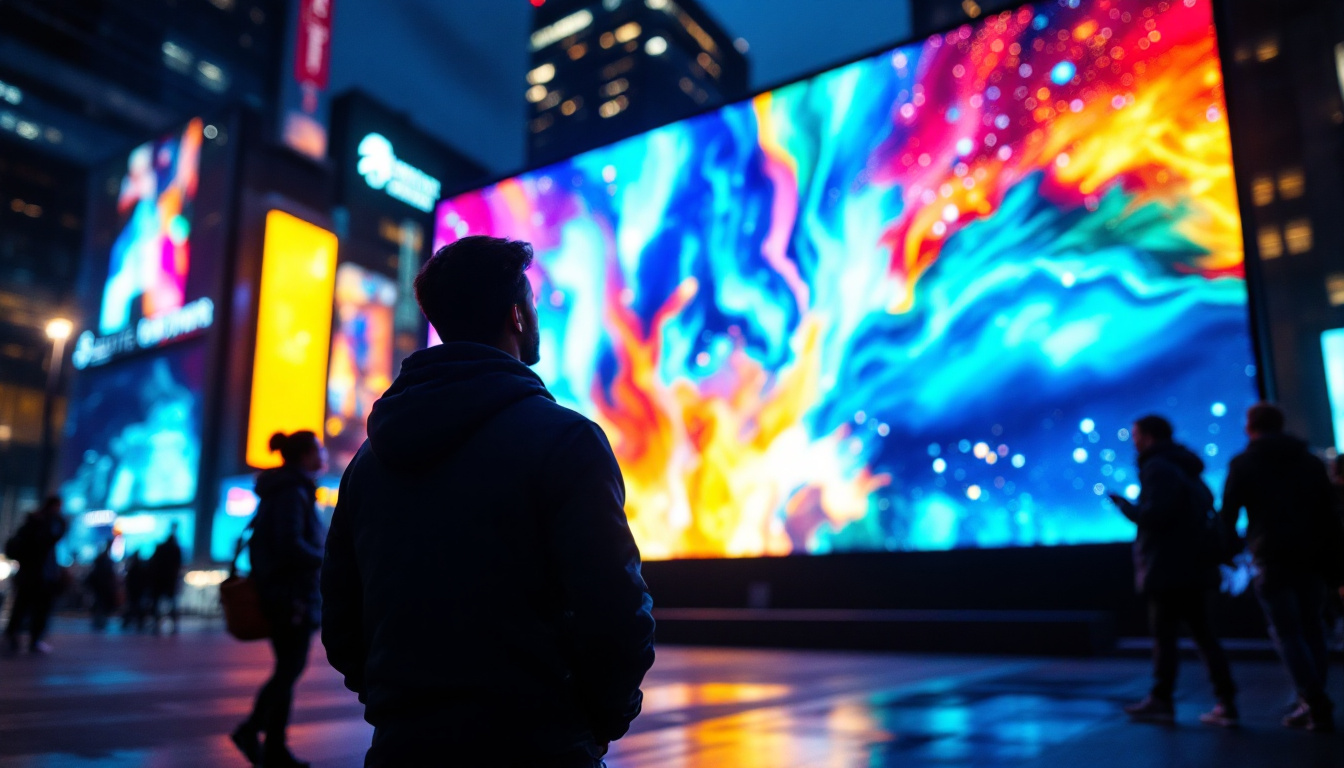
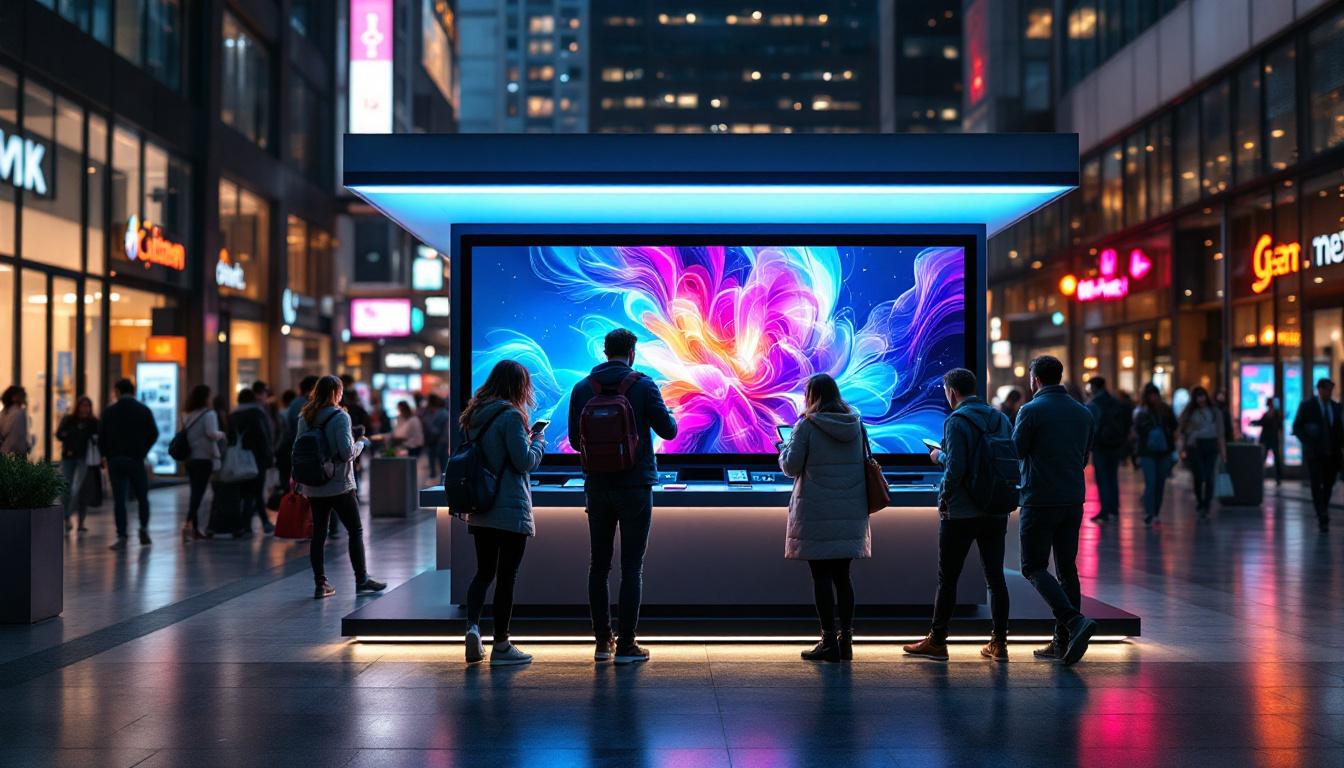
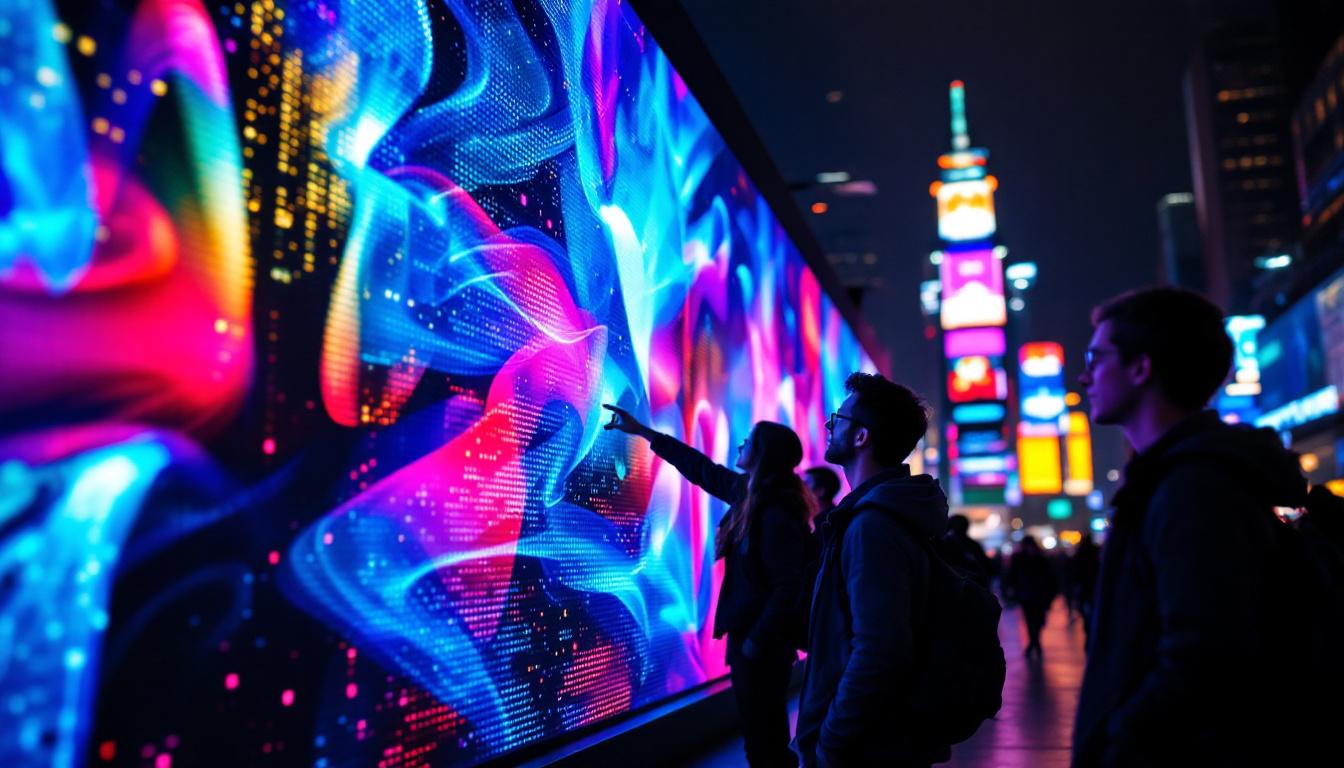
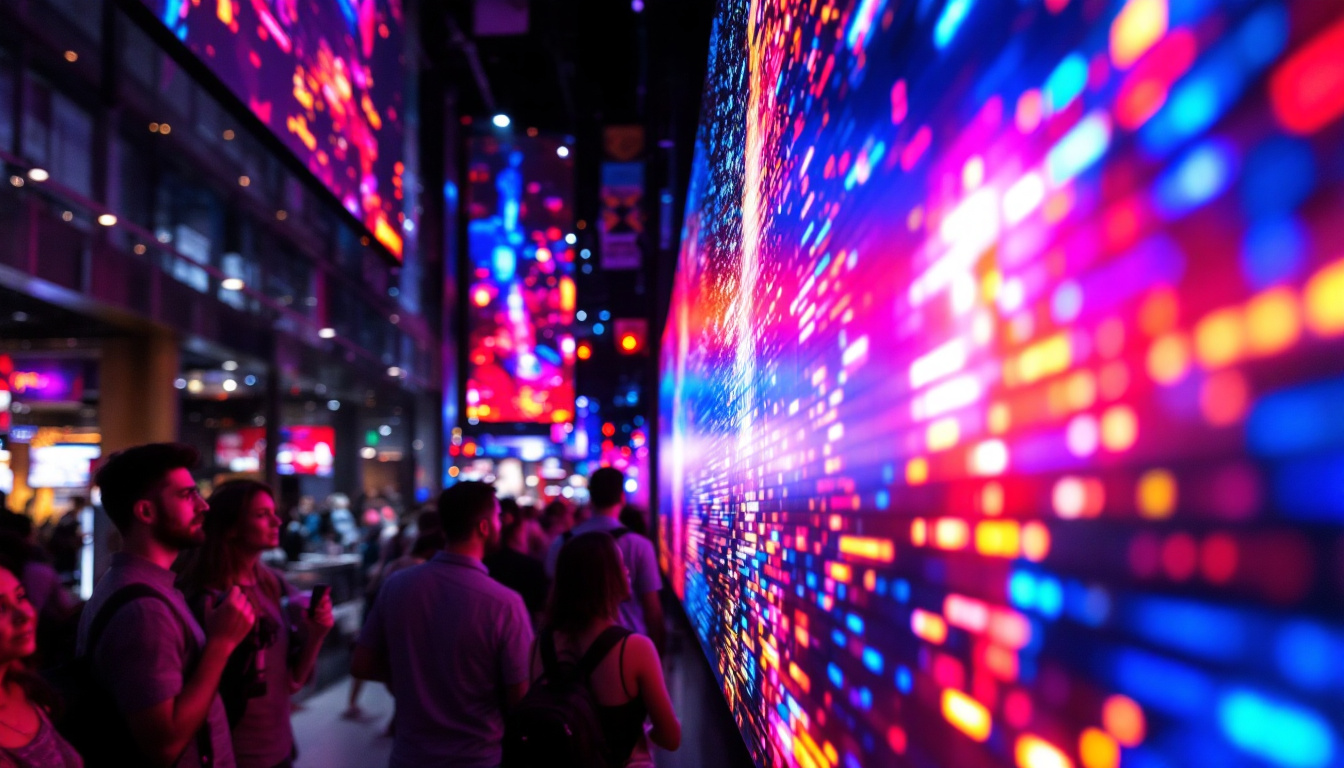
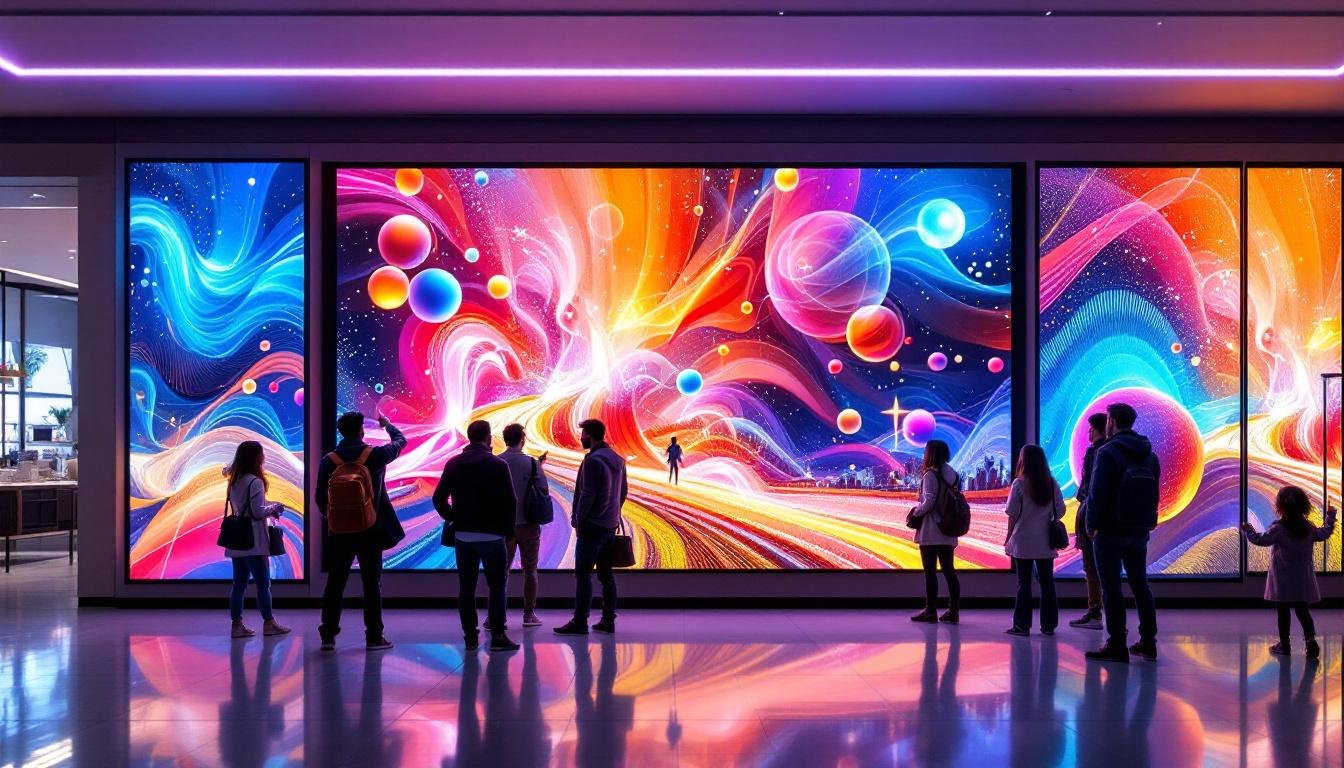
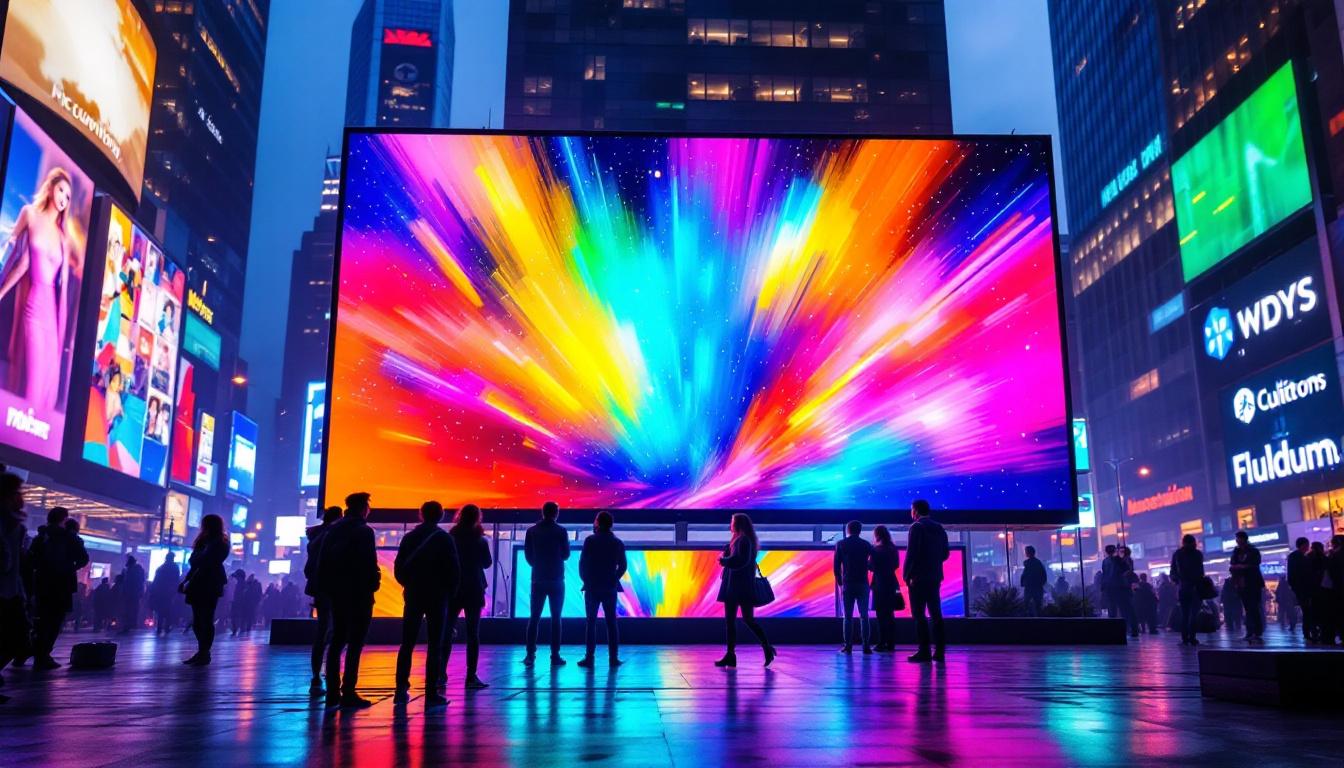
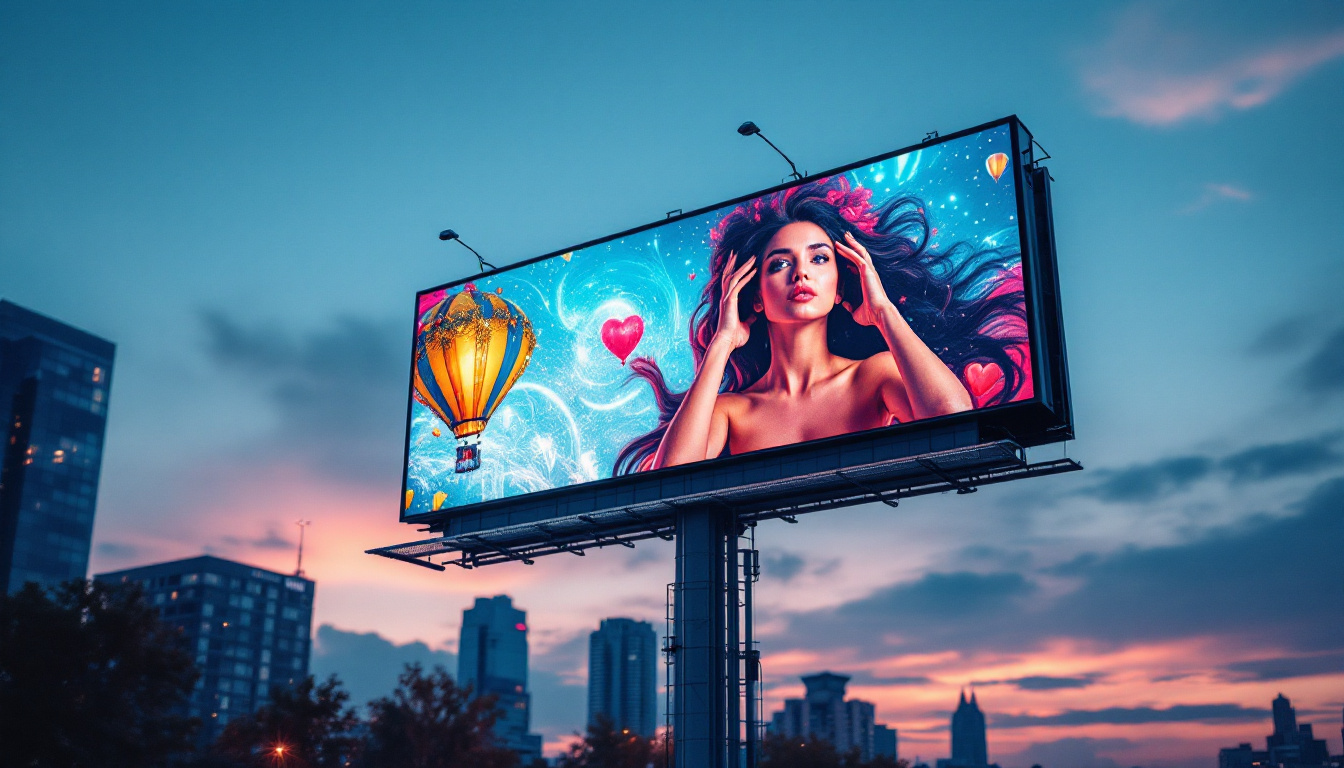
In retail and outdoor advertising, curved LED displays capture attention by wrapping content around corners or creating immersive environments. For example, Times Square in New York City features several curved LED billboards that maximize visibility from multiple angles, increasing brand exposure and viewer engagement.
Curved displays also allow for creative storytelling, enabling advertisers to design content that flows naturally along the curve, creating a more memorable visual impact. According to a 2023 study by the Digital Signage Federation, curved digital signage can increase viewer dwell time by up to 30% compared to flat screens, highlighting their effectiveness in crowded urban spaces.
Entertainment and Event Venues
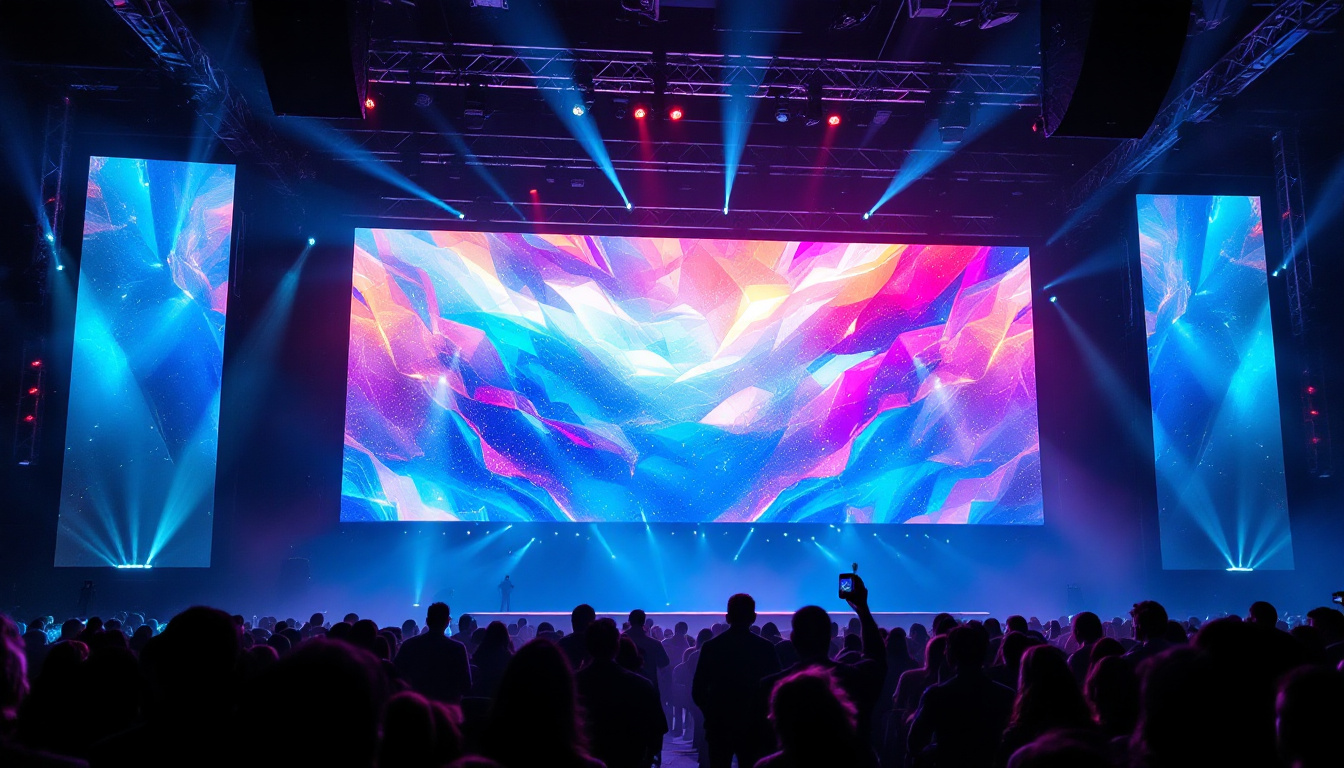
The entertainment industry benefits immensely from curved LED panels, especially in arenas, theaters, and concert halls. Curved video walls can envelop audiences, providing panoramic visuals that enhance the immersive experience. For instance, large-scale curved LED installations at music festivals and sports stadiums create dynamic backdrops that adapt to different performances and events.
Moreover, the flexibility of curved LED panels allows designers to create unique stage setups and interactive displays, pushing the boundaries of traditional stage design. This adaptability is crucial for event organizers seeking to deliver unforgettable experiences.
Control Rooms and Command Centers
In mission-critical environments such as control rooms for utilities, transportation, and security, curved LED displays improve situational awareness by offering a wider, uninterrupted field of view. Operators can monitor multiple data streams simultaneously without the visual fatigue often caused by flat, segmented screens.
The curvature reduces glare and reflections, which enhances clarity and reduces eye strain during long shifts. This ergonomic benefit contributes to better decision-making and operational efficiency, making curved LED panels an increasingly popular choice for these high-stakes environments.
Benefits of Choosing Curved LED Displays
The shift from flat to curved LED displays is driven by several compelling advantages that resonate with both technical and aesthetic considerations.
Enhanced Viewing Experience
Curved LED panels provide a more natural viewing angle that aligns with the human eye’s field of vision. This reduces distortion and color shifts at the edges, delivering consistent image quality across the entire display surface. The immersive nature of curved screens can draw viewers deeper into the content, making them ideal for storytelling and visual communication.
Improved Visual Comfort and Reduced Eye Strain
The curvature of the display helps to minimize reflections and glare, which are common issues with flat panels, especially in brightly lit environments. By matching the curve to the viewer’s line of sight, curved LED displays reduce the need for excessive eye movement, lowering fatigue during prolonged viewing sessions.
Design Flexibility and Space Efficiency
Curved LED panels offer designers and architects greater creative freedom. They can be integrated into unconventional spaces such as corners, cylindrical columns, or curved walls, transforming structural elements into dynamic visual canvases. This flexibility allows for innovative interior designs that blend technology seamlessly with architecture.
Additionally, curved displays can sometimes reduce the footprint of a digital installation by wrapping content around existing structures, optimizing space usage without sacrificing screen size or resolution.
Considerations When Investing in Curved LED Displays
Despite their many advantages, curved LED panels require careful planning and consideration to ensure they meet the specific needs of a project or business.
Cost Implications
Curved LED displays generally come at a premium compared to flat panels due to the complexity of manufacturing and installation. The use of flexible materials and custom framing increases production costs, which can impact budgets, especially for large-scale projects.
However, the return on investment can be justified by the enhanced engagement and impact these displays provide. It is important for buyers to weigh the upfront costs against long-term benefits such as increased sales, improved brand visibility, or operational efficiency.
Installation and Maintenance Challenges
Installing curved LED panels demands specialized expertise to ensure proper alignment and curvature. Unlike flat screens, which can be mounted using standard brackets, curved panels require custom mounting solutions to maintain structural integrity and visual uniformity.
Maintenance can also be more involved, as access to individual LED modules might be constrained by the curved design. Planning for easy servicing and modular replacements is essential to minimize downtime and maintenance costs.
Content Creation and Compatibility
Creating content for curved LED displays requires consideration of the display’s geometry. Content must be designed or adapted to avoid distortion and ensure that visuals flow naturally along the curve. This often involves specialized software tools and expertise in graphic design and video production.
Compatibility with existing media players and control systems should also be verified to ensure seamless integration. Many manufacturers now provide software solutions tailored for curved LED content management, simplifying this process.
The Future of Curved LED Display Technology
As LED technology continues to advance, curved panels are poised to become even more versatile and accessible. Innovations such as microLED and miniLED promise higher resolutions, greater energy efficiency, and thinner, lighter panels, which will further enhance the appeal of curved displays.
Integration with Augmented and Virtual Reality
Curved LED displays are increasingly being integrated with augmented reality (AR) and virtual reality (VR) systems to create hybrid immersive environments. For example, museums and educational centers use curved LED walls combined with AR overlays to provide interactive learning experiences that engage multiple senses.
Smart and Interactive Curved Displays
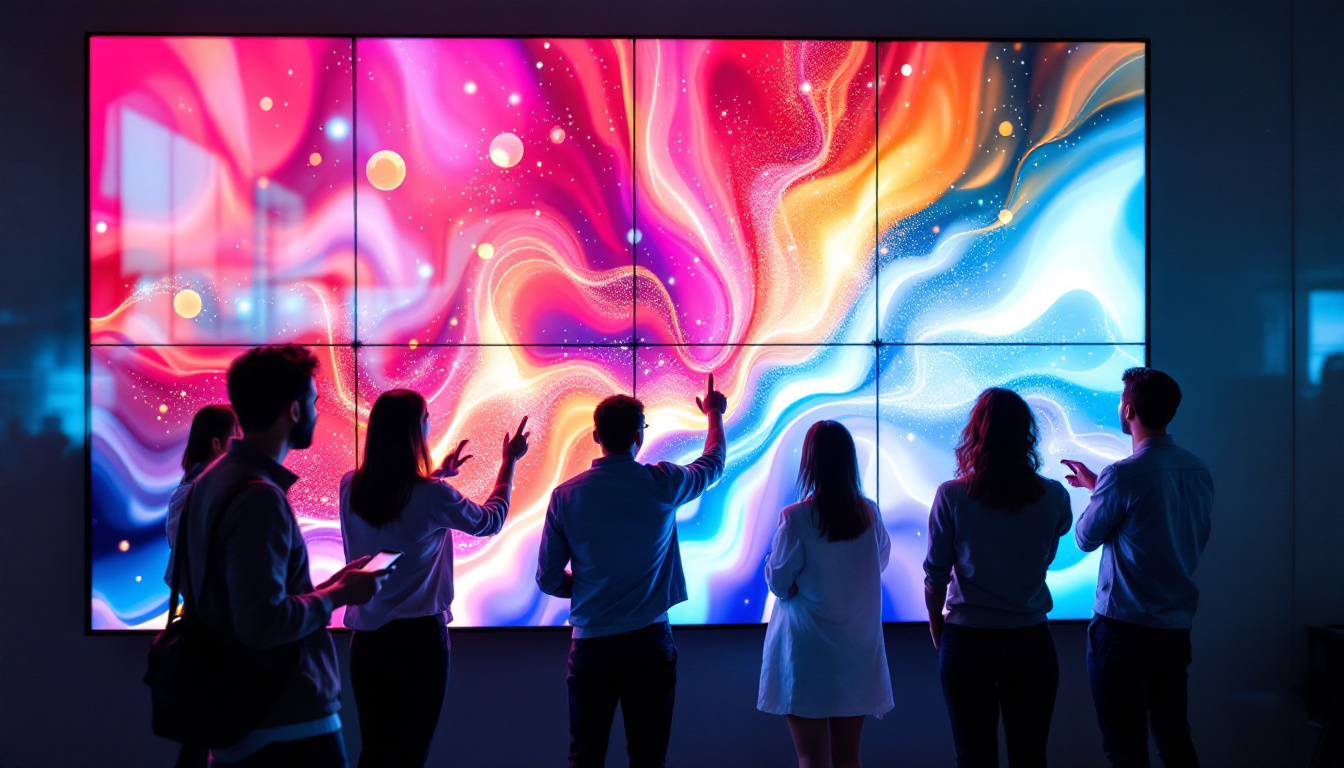
Emerging trends include the development of interactive curved LED panels equipped with touch sensors and AI-driven content adaptation. These smart displays can respond to viewer behavior, customize content in real time, and provide data analytics, opening new possibilities for marketing, education, and public information systems.
Conclusion
Curved LED displays represent a significant leap forward in visual technology, offering enhanced immersion, improved ergonomics, and design flexibility that cater to a wide range of applications. While they require thoughtful investment and planning, the benefits they bring to advertising, entertainment, control rooms, and beyond make them a compelling choice for businesses aiming to captivate audiences and optimize operational environments.
As technology evolves, the integration of curved LED panels with emerging digital trends will continue to unlock new creative and functional possibilities, solidifying their role as a cornerstone of modern display solutions.
Discover the Future of Visual Engagement with LumenMatrix
Ready to elevate your visual experience and captivate your audience like never before? Explore LumenMatrix’s comprehensive range of LED display solutions, where innovation meets functionality. From the immersive Indoor LED Wall Display to the dynamic Outdoor LED Wall Display, and from the versatile Vehicle LED Display to the sleek LED Poster Display, LumenMatrix is at the forefront of revolutionizing visual communication. Whether you’re looking to create an interactive Floor LED Display, require a Custom LED Display tailored to your space, or seek the convenience of an All-in-One LED Display, LumenMatrix has the cutting-edge technology to bring your vision to life. Don’t miss out on the clarity and impact that a LED Transparent Display can offer. Check out LumenMatrix LED Display Solutions today and step into the future of digital signage.