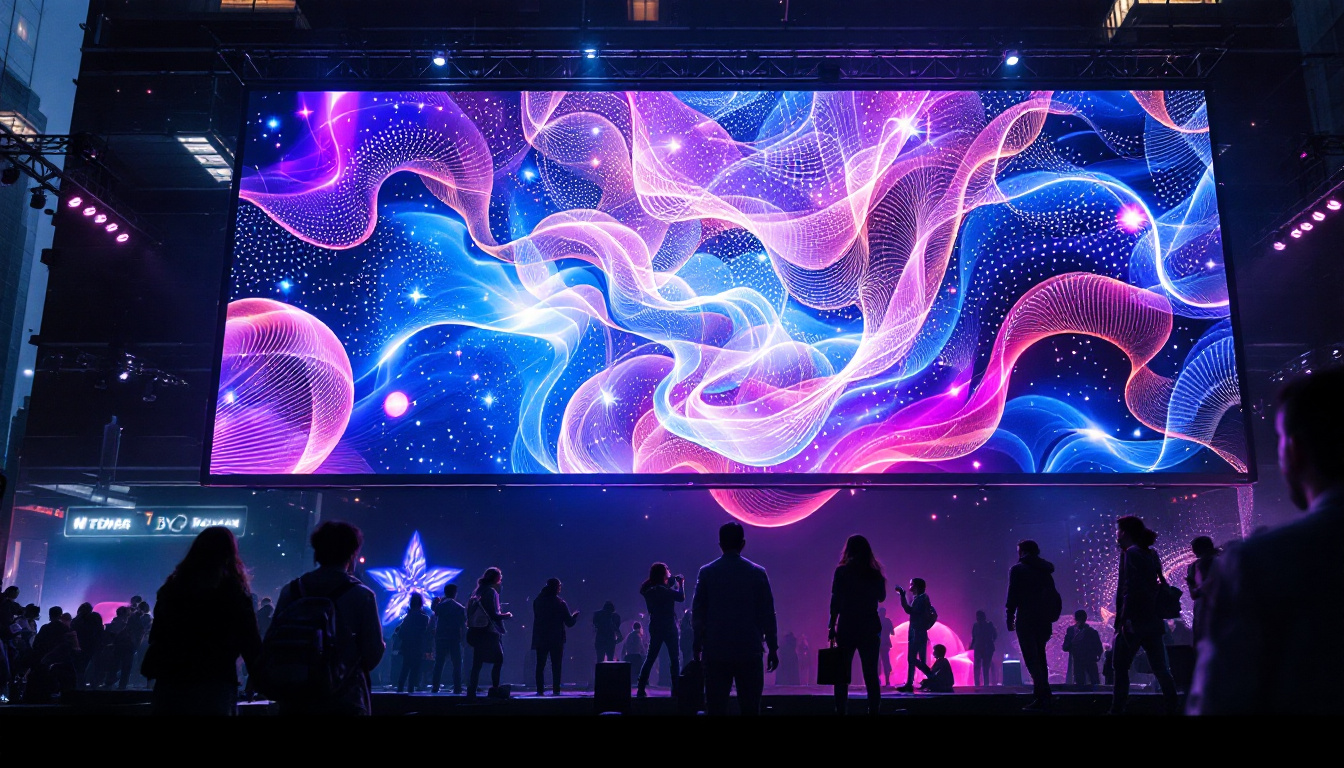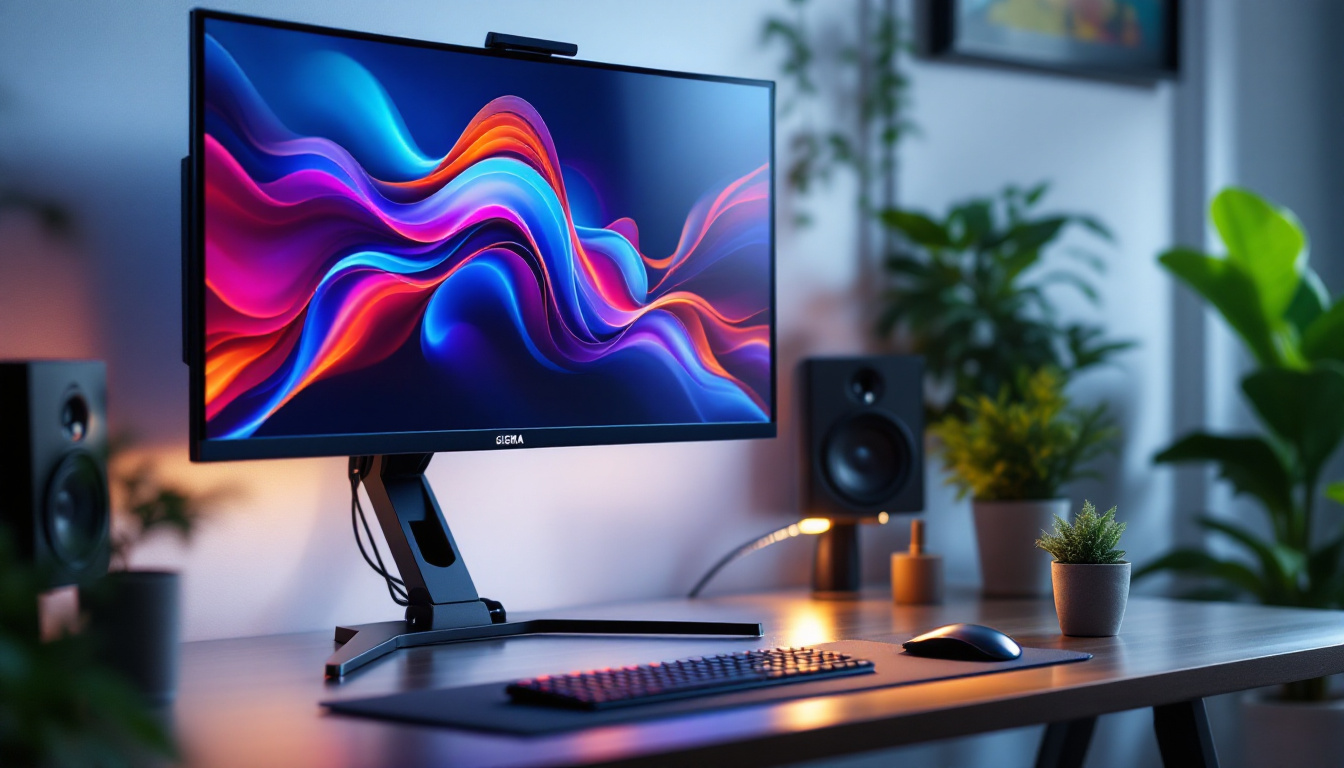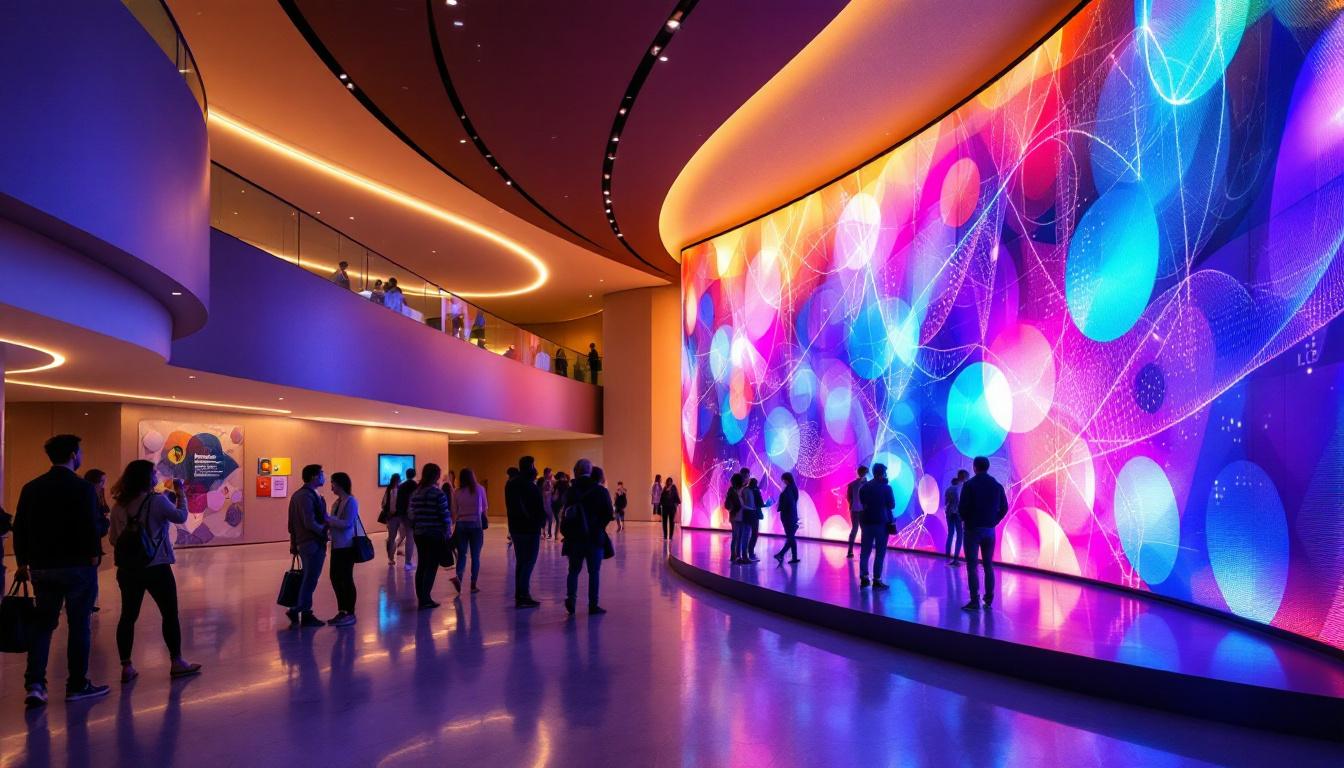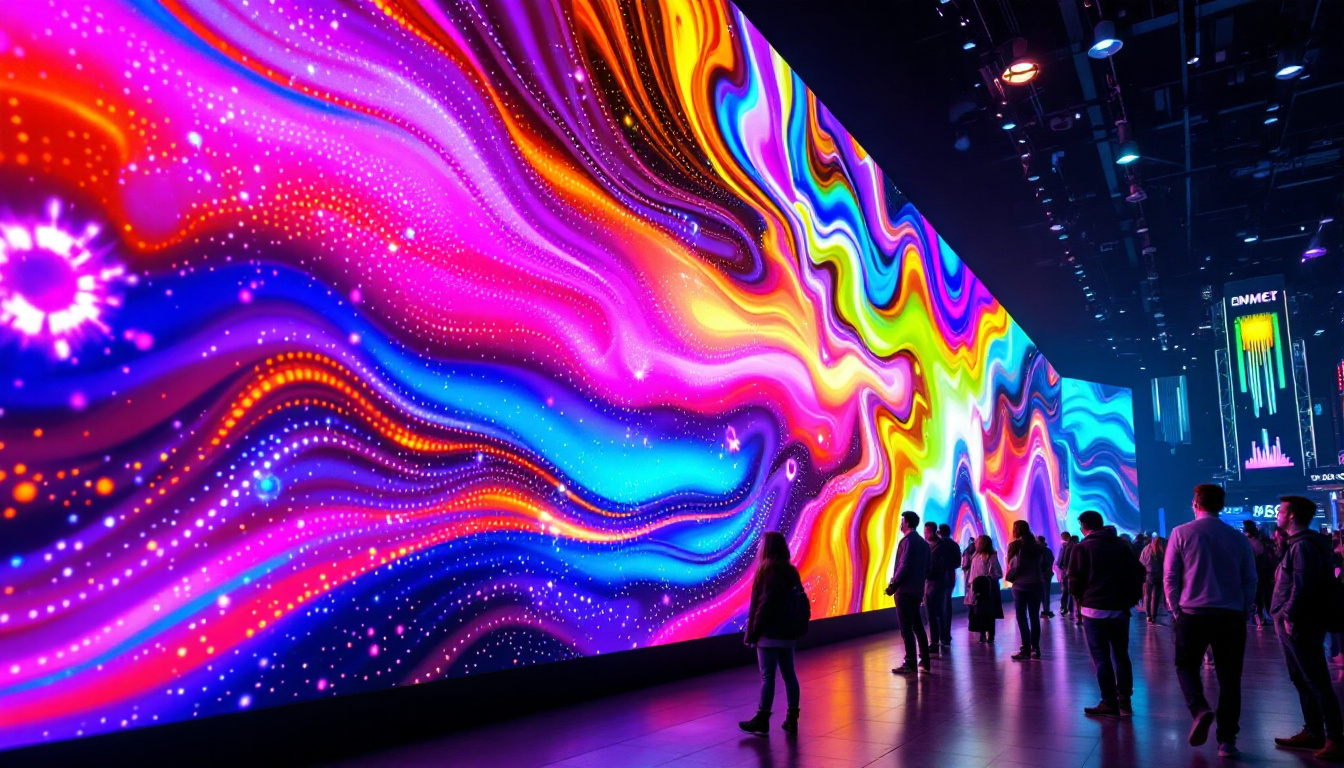
In today’s fast-paced digital landscape, the ability to visualize and interpret data quickly is paramount for businesses, educational institutions, and public venues alike. Data walls, often powered by LED display technology, have emerged as a transformative tool for presenting complex information in an accessible and impactful way. This article delves into what data walls are, how LED displays function within these systems, and why they are becoming indispensable across various industries.
Understanding Data Walls: Definition and Purpose
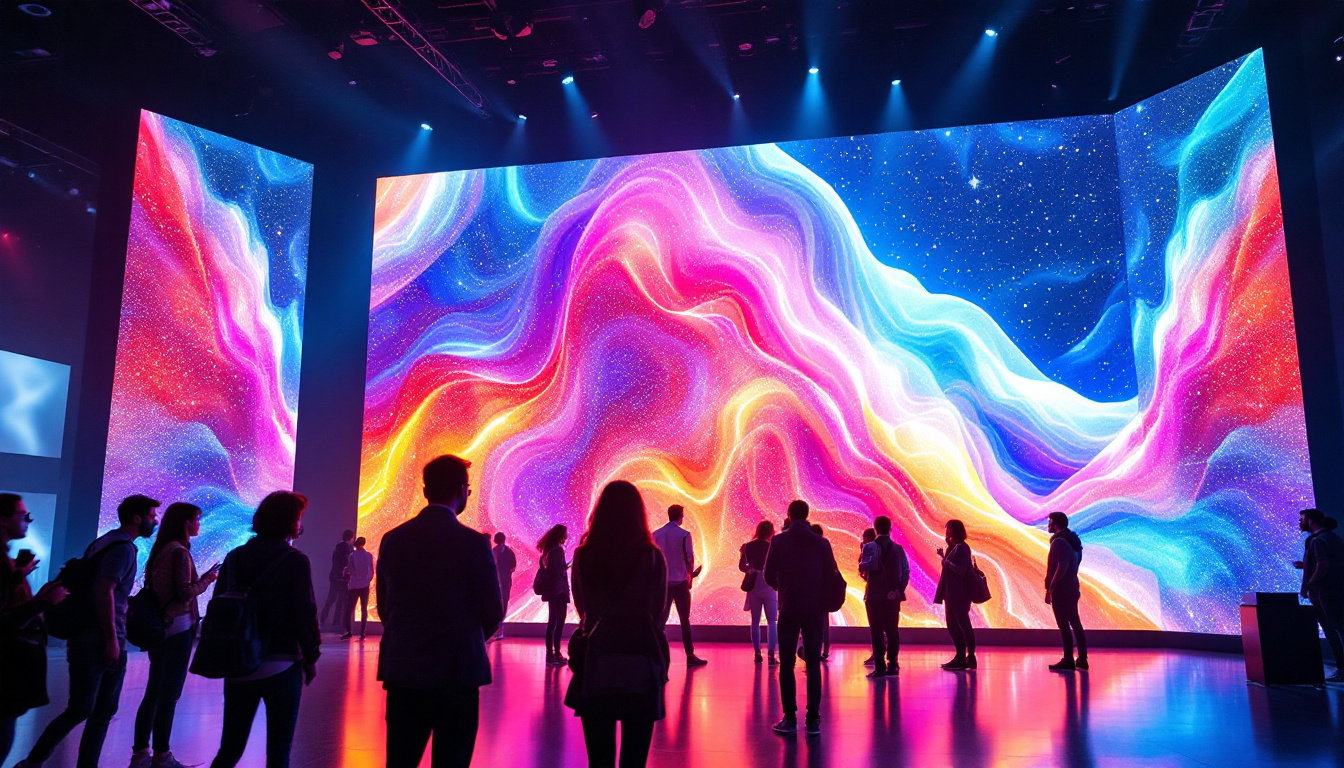
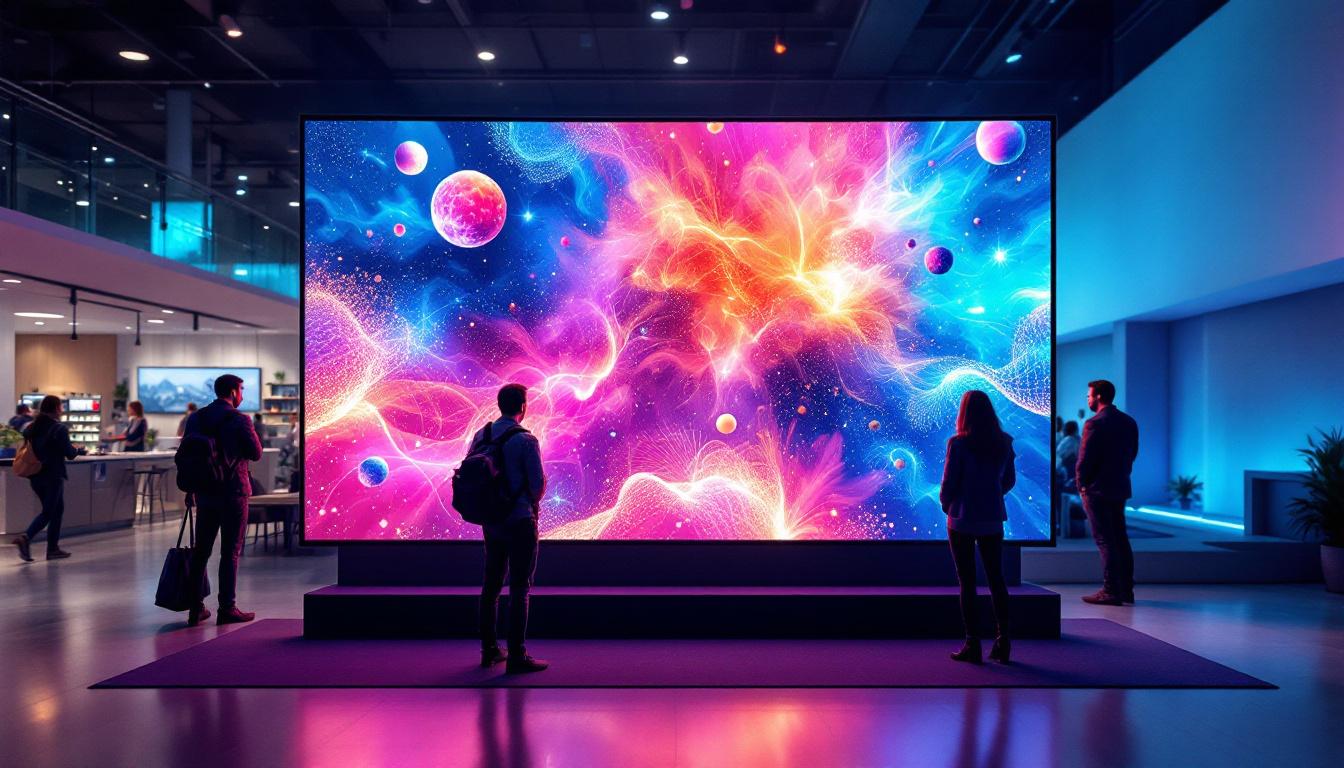
At its core, a data wall is a large-scale visual display that consolidates and presents data from multiple sources in real-time or near-real-time. These walls are designed to provide a comprehensive overview of critical metrics, enabling viewers to grasp trends, identify anomalies, and make informed decisions swiftly.
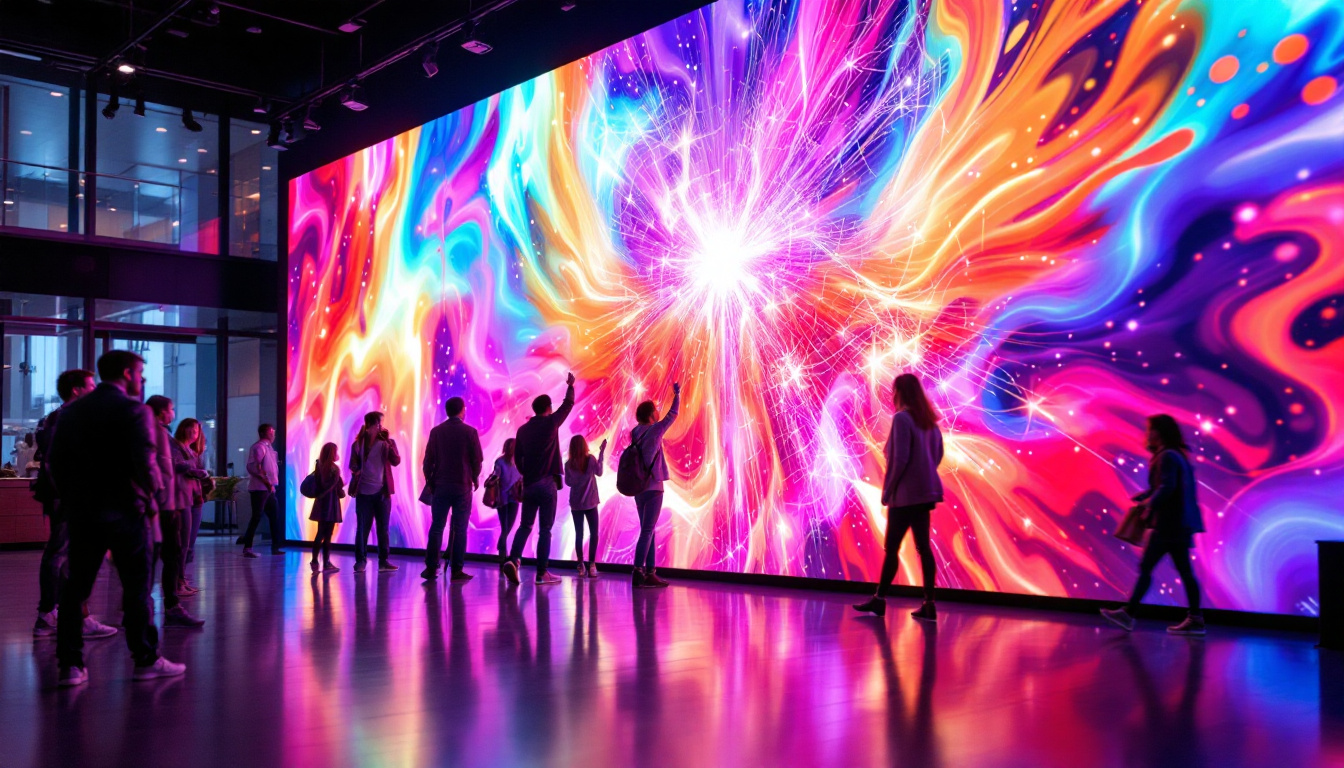
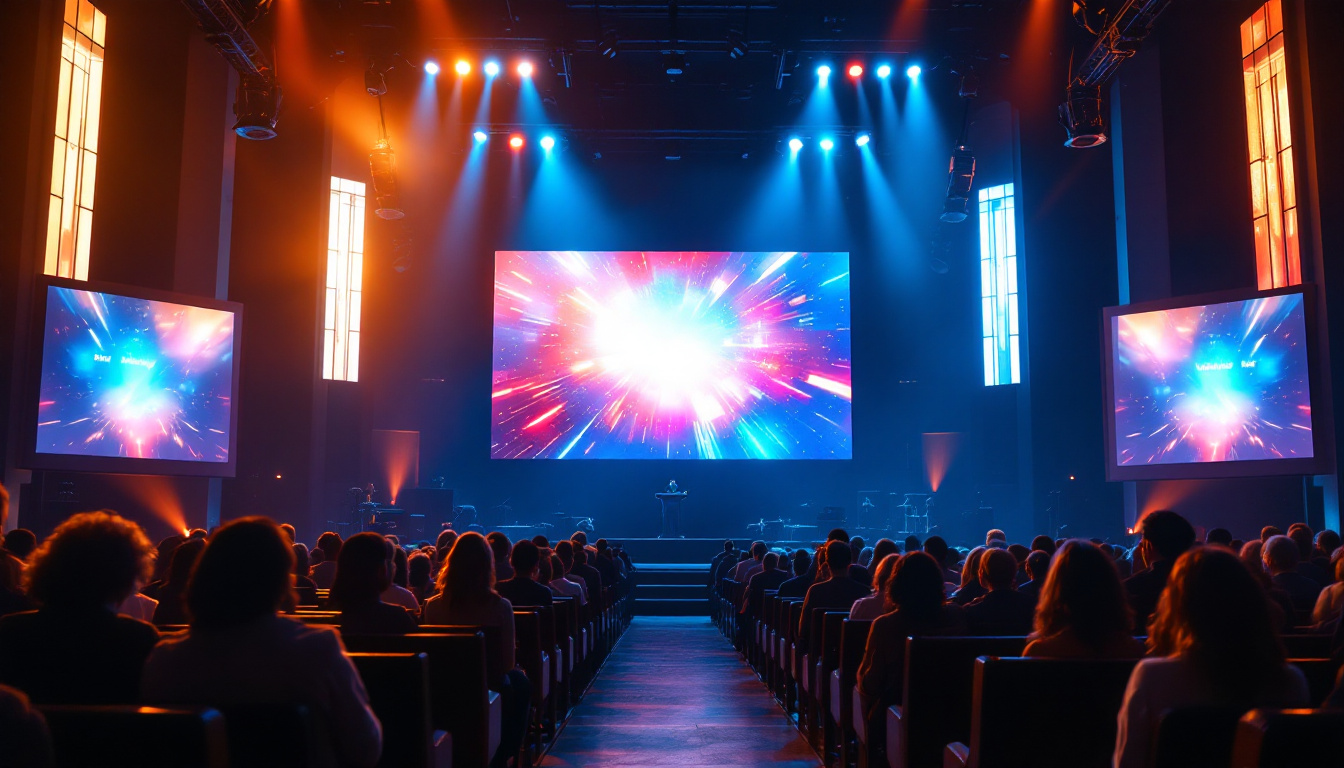
Unlike traditional dashboards viewed on individual monitors, data walls offer a panoramic view that can be seen by multiple people simultaneously, making them ideal for collaborative environments. They are commonly used in control rooms, corporate boardrooms, educational settings, and public information centers. The visual nature of data walls allows for immediate recognition of patterns and outliers, which can be crucial in fast-paced decision-making scenarios where time is of the essence.
Furthermore, the integration of interactive elements into data walls enhances user engagement. Touchscreen capabilities, for instance, allow users to drill down into specific datasets, providing a deeper understanding of the underlying information. This interactivity not only makes the data more accessible but also encourages team members to explore various dimensions of the data, leading to richer discussions and insights during meetings or operational briefings.
Why Data Walls Matter in Modern Decision-Making
In sectors such as manufacturing, logistics, healthcare, and finance, the volume and velocity of data have skyrocketed. According to a 2023 report by IDC, the global datasphere is expected to reach 175 zettabytes by 2025, underscoring the urgency for effective data visualization tools.
Data walls help organizations cut through this data deluge by distilling vast amounts of information into digestible visual formats. This not only accelerates decision-making but also fosters transparency and accountability within teams. By displaying key performance indicators (KPIs) and other relevant metrics prominently, data walls empower employees at all levels to monitor progress and align their efforts with organizational goals.
Moreover, the strategic placement of data walls in high-traffic areas can serve as a constant reminder of the organization’s objectives and performance standards. This visibility can motivate teams to stay focused on their targets and encourage a culture of data-driven decision-making. In addition, the ability to update information in real-time means that stakeholders can respond proactively to emerging trends or issues, rather than relying on outdated reports or static presentations. As organizations continue to navigate the complexities of the digital age, the role of data walls in facilitating agile and informed decision-making will only become more pronounced.
LED Displays: The Technology Behind Data Walls
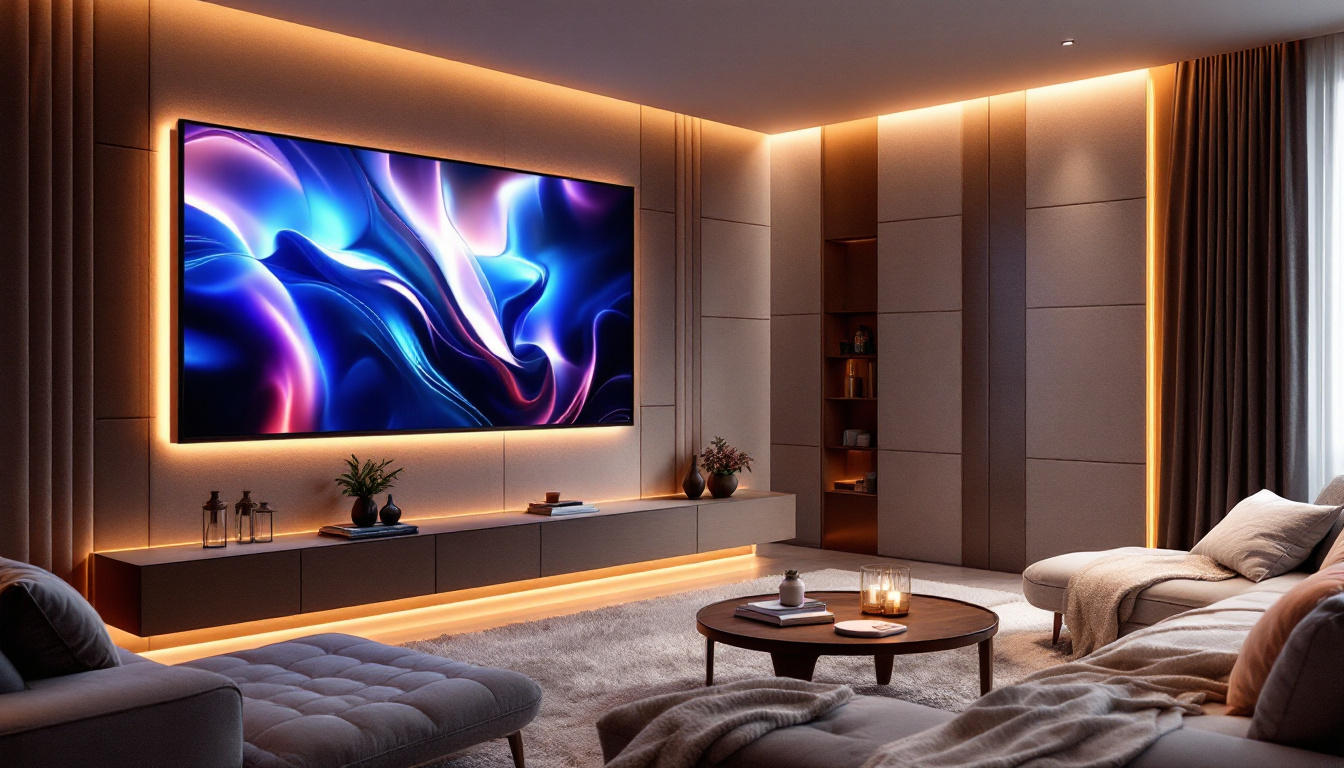
LED (Light Emitting Diode) technology has revolutionized display systems due to its brightness, durability, and energy efficiency. When integrated into data walls, LED displays provide vibrant, high-resolution visuals that remain clear even in brightly lit environments. This capability makes them ideal for a variety of applications, from corporate environments to public spaces, where information needs to be conveyed effectively and attractively.
How LED Displays Work
Each LED display consists of thousands of tiny diodes that emit light when an electric current passes through them. These diodes are arranged in a matrix to form pixels, which collectively create the images and data visualizations seen on the screen. The technology behind these displays has advanced significantly, with innovations such as dynamic refresh rates that enhance motion clarity, making them suitable for video content as well as static data.
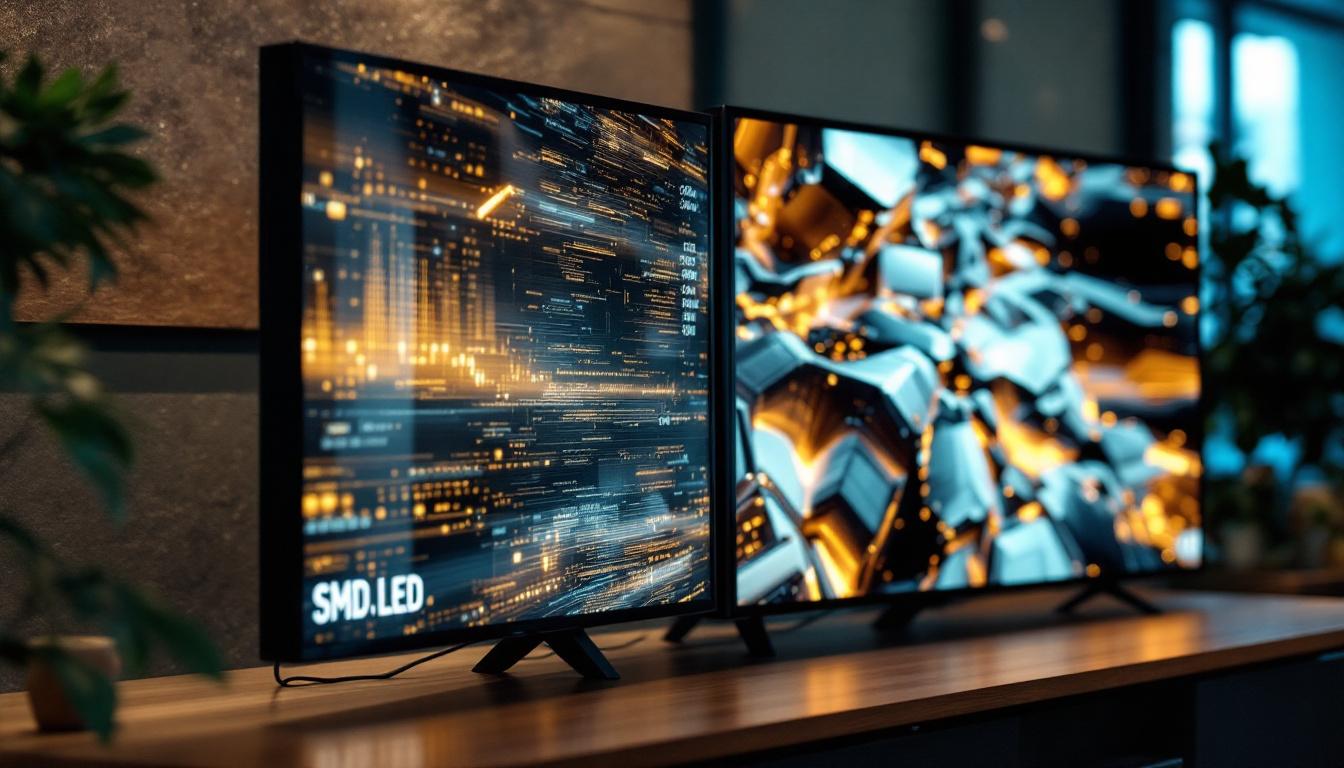
Modern LED panels use surface-mounted device (SMD) technology, allowing for finer pixel pitches and higher pixel densities. This means sharper images and more detailed data presentations, essential for large-format data walls where clarity is critical. Additionally, advancements in color calibration and processing ensure that the colors displayed are not only vibrant but also consistent across different panels, enhancing the overall viewing experience.
Key Advantages of LED Displays for Data Walls
- Brightness and Visibility: LED displays can reach brightness levels upwards of 1,000 nits, ensuring readability even under direct sunlight or intense indoor lighting. This feature is particularly beneficial for outdoor advertising or information displays in busy urban environments, where competition for attention is fierce.
- Energy Efficiency: Compared to LCD and projection systems, LEDs consume less power, reducing operational costs and environmental impact. This efficiency not only lowers electricity bills but also contributes to a smaller carbon footprint, aligning with the growing emphasis on sustainability in technology.
- Longevity and Durability: LEDs have lifespans exceeding 100,000 hours and are resistant to shock and vibration, making them reliable for continuous use. This durability is particularly advantageous in settings such as control rooms or transportation hubs, where displays must function reliably around the clock.
- Scalability: LED panels can be tiled seamlessly to create walls of virtually any size, accommodating diverse spatial requirements. This flexibility allows businesses to customize their displays to fit specific environments, whether it’s a large conference room or a bustling retail space.
Furthermore, the modular design of LED displays means that if one panel fails, it can be easily replaced without disrupting the entire system. This not only minimizes downtime but also simplifies maintenance, making LED data walls a practical choice for organizations that rely on constant access to real-time information. As technology continues to evolve, we can expect even more enhancements in LED display capabilities, paving the way for more immersive and interactive data visualization experiences.
Applications of Data Walls Across Industries
The versatility of data walls powered by LED technology has led to widespread adoption across multiple sectors. Below are some prominent examples illustrating their impact.
Corporate and Business Environments
In corporate settings, data walls serve as command centers for monitoring key performance indicators (KPIs), tracking sales metrics, and visualizing market trends. For instance, multinational companies use data walls in executive briefing rooms to display real-time financial data, enabling rapid strategic adjustments.
Moreover, in sales and marketing departments, data walls help teams visualize customer engagement metrics and campaign performance, fostering data-driven cultures that enhance productivity and innovation.
Healthcare and Emergency Response
Hospitals and emergency management centers rely heavily on data walls to monitor patient flow, resource allocation, and emergency incidents. During the COVID-19 pandemic, many health agencies implemented data walls to track infection rates, vaccination progress, and hospital capacity in real-time, facilitating coordinated responses.
These displays also support telemedicine and remote monitoring by aggregating patient data from various sources, improving clinical decision-making and patient outcomes.
Education and Research Institutions
Universities and research centers utilize data walls to visualize complex datasets, support collaborative learning, and enhance presentations. For example, in engineering and data science departments, large LED data walls enable students and researchers to interact with big data projects and simulations more effectively.
Additionally, data walls in campus control rooms help monitor security systems, energy consumption, and facility management, contributing to safer and more sustainable environments.
Public Spaces and Transportation Hubs
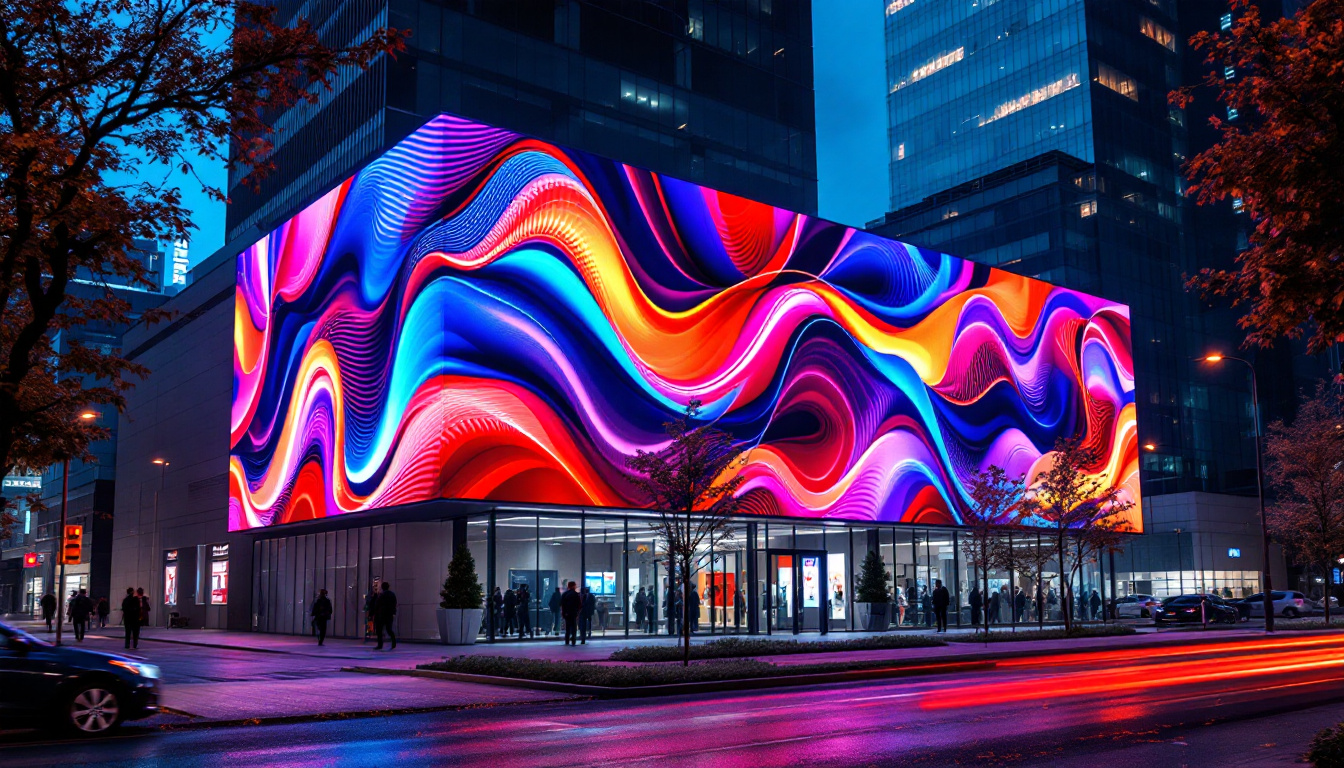
Airports, train stations, and city control centers employ data walls to display schedules, traffic conditions, and emergency alerts. The dynamic nature of LED displays allows for quick updates and high visibility, improving passenger experience and operational efficiency.
Smart city initiatives also leverage data walls to present environmental data, public safety information, and infrastructure status, fostering greater civic engagement and awareness.
Design Considerations for Effective Data Walls
Creating an impactful data wall involves more than just installing LED panels. Thoughtful design ensures the display fulfills its intended purpose and enhances user experience.
Resolution and Pixel Pitch
The resolution of a data wall determines how much detail can be shown. Pixel pitch—the distance between the centers of adjacent LEDs—is a critical factor. Smaller pixel pitches (e.g., 1.2mm to 2.5mm) offer higher resolution suitable for close viewing, while larger pitches are acceptable for displays viewed from a distance.
Choosing the right pixel pitch depends on the viewing environment and the nature of the data being displayed.
Content Management and Integration
Data walls must integrate seamlessly with diverse data sources, from spreadsheets and databases to IoT sensors and cloud platforms. Advanced content management systems (CMS) enable dynamic data feeds, automated updates, and customizable layouts.
Interactivity can also be incorporated, allowing users to drill down into specific datasets or switch views, enhancing engagement and analytical depth.
Ergonomics and Viewing Angles
Placement and angle of the data wall affect visibility and comfort. LED displays typically offer wide viewing angles (up to 160 degrees or more), ensuring that information is accessible to viewers across a room.
Lighting conditions, seating arrangements, and room size should also be considered to optimize the display’s effectiveness.
Future Trends in Data Wall and LED Display Technology
As technology advances, data walls continue to evolve, incorporating new features and capabilities that enhance their utility and appeal.
Higher Resolution and MicroLED Innovations
MicroLED technology promises even greater brightness, energy efficiency, and pixel density than traditional LEDs. This advancement could lead to ultra-high-definition data walls with unprecedented clarity and color accuracy.
Such improvements will be particularly valuable in fields requiring detailed visualizations, such as medical imaging and scientific research.
Artificial Intelligence and Predictive Analytics Integration
Integrating AI-driven analytics with data walls will enable predictive insights and automated anomaly detection. This means data walls won’t just display information—they will actively assist in forecasting trends and recommending actions.
For example, in manufacturing, AI-enhanced data walls could predict equipment failures before they occur, minimizing downtime and maintenance costs.
Interactive and Immersive Experiences
Touch-enabled LED data walls and augmented reality (AR) overlays are becoming more common, transforming passive displays into interactive hubs. Users can manipulate data visualizations, explore scenarios, and collaborate in real-time, making data walls more engaging and effective.
Immersive environments powered by LED walls are also being used in training simulations, virtual conferences, and experiential marketing.
Conclusion
Data walls equipped with LED display technology represent a powerful convergence of data visualization and digital signage. Their ability to present complex, real-time information in a clear and compelling manner is reshaping how organizations monitor performance, make decisions, and communicate insights.
As LED technology advances and integration with AI and interactive systems deepens, data walls will become even more integral to operational excellence and strategic innovation across industries. For organizations looking to harness the full potential of their data, investing in a well-designed LED data wall is a forward-thinking step toward a smarter, more connected future.
Explore the Future of Data Visualization with LumenMatrix
Ready to elevate your organization’s data visualization capabilities? Discover how LumenMatrix’s innovative LED display solutions can transform your data walls into captivating and interactive experiences. From Indoor and Outdoor LED Wall Displays to specialized solutions like Vehicle, Sports, and Floor LED Displays, LumenMatrix offers a diverse range of products to meet your unique needs. Embrace the future of visual communication and make your data come alive. Check out LumenMatrix LED Display Solutions today and join the revolution in digital signage excellence.