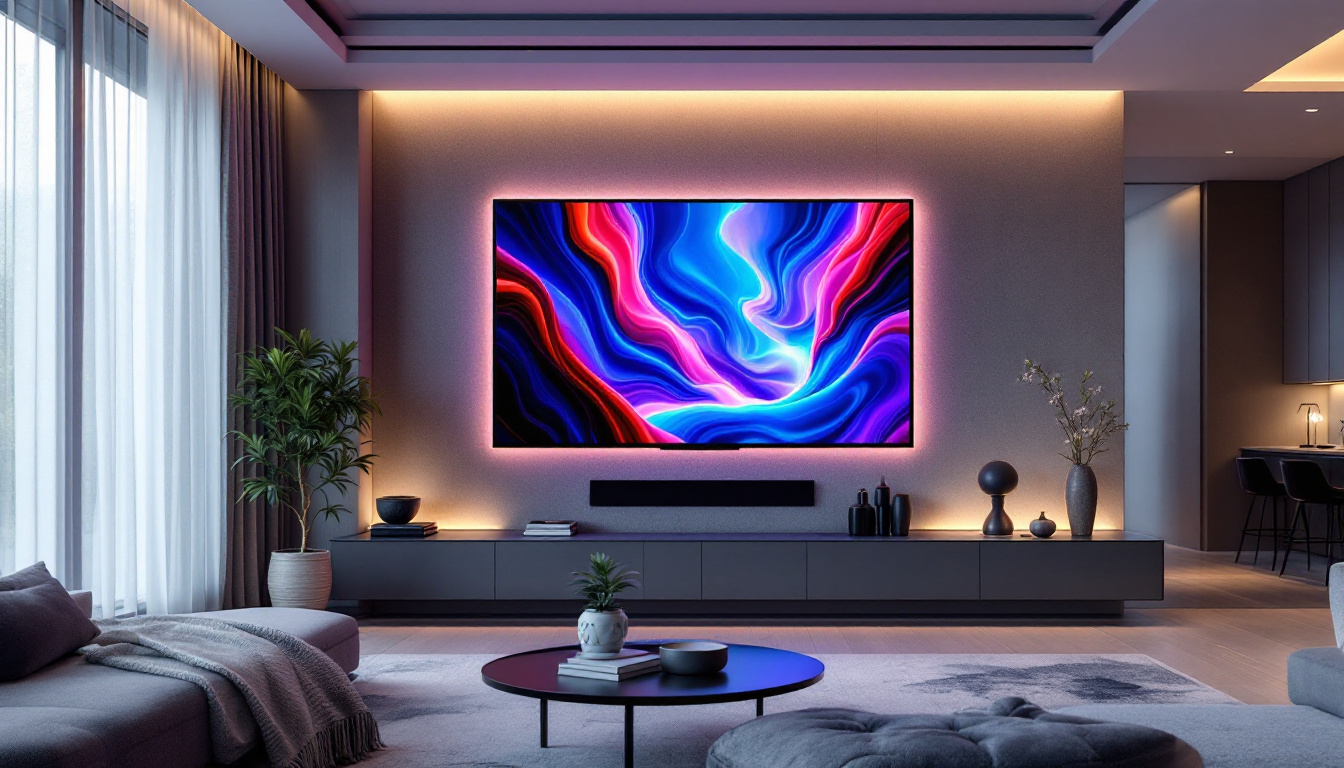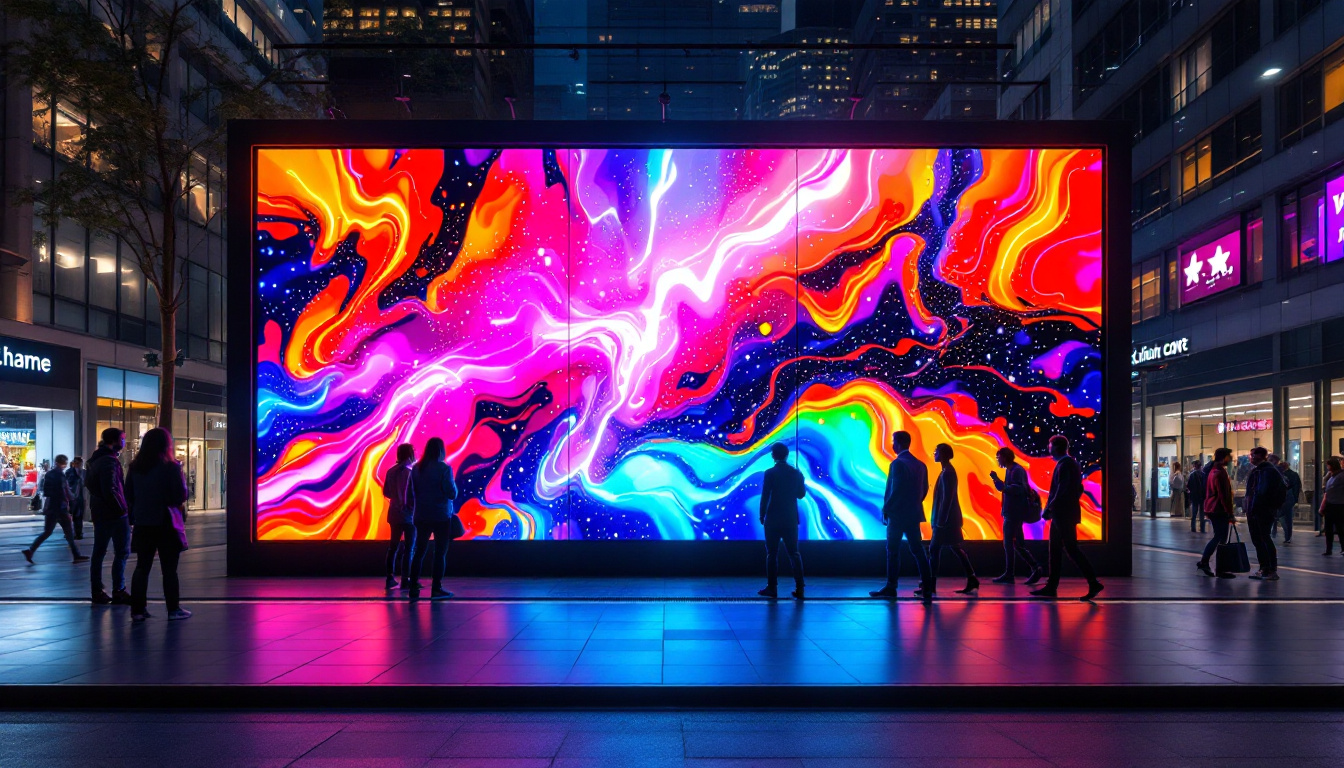
In the world of digital displays, the term “pixel” is fundamental yet often misunderstood. Whether you’re watching a sports game on a giant stadium screen, checking your smartphone, or passing by a vibrant billboard, pixels are the tiny building blocks that bring images and videos to life. This article delves into the definition of a pixel, its role in LED displays, and why understanding pixels is crucial for anyone interested in display technology, marketing, or digital media.
What Is a Pixel? The Basic Definition
A pixel, short for “picture element,” is the smallest controllable unit of a digital image or display. Think of it as a tiny dot that emits light or color, and when combined with millions of others, these dots form the images and videos we see on screens.
Each pixel contains information about color and brightness, which collectively creates the visual content. In essence, pixels are the fundamental units that make up any digital image, whether on a computer monitor, smartphone, or LED display.
Pixels in Different Display Technologies
While the concept of a pixel remains consistent across display types, the technology behind how pixels are created and controlled varies. In LCD (Liquid Crystal Display) screens, pixels are composed of sub-pixels with red, green, and blue filters that combine to produce a full spectrum of colors. In contrast, LED (Light Emitting Diode) displays use tiny LEDs as pixels or groups of LEDs to emit light directly.
This distinction is important because it affects brightness, color accuracy, viewing angles, and energy consumption, all of which impact the user experience.
Moreover, advancements in display technology have led to the development of new pixel arrangements and types, such as OLED (Organic Light Emitting Diode) and MicroLED. OLED pixels emit their own light, allowing for deeper blacks and more vibrant colors, as each pixel can be turned on or off independently. This capability results in stunning contrast ratios and energy efficiency, especially in darker scenes. MicroLED technology takes this a step further by using microscopic LEDs that can also be individually controlled, promising even greater brightness and color fidelity, while also being less prone to burn-in compared to OLED displays.
In addition to these innovations, the resolution of displays, often measured in pixels per inch (PPI), plays a crucial role in the clarity and detail of images. Higher resolutions, such as 4K and 8K, boast millions of pixels packed into a small area, allowing for incredibly sharp images that enhance the viewing experience, particularly on larger screens. As technology continues to evolve, the way we perceive and interact with pixels will undoubtedly transform, pushing the boundaries of visual fidelity and immersive experiences.
Understanding Pixels in LED Displays
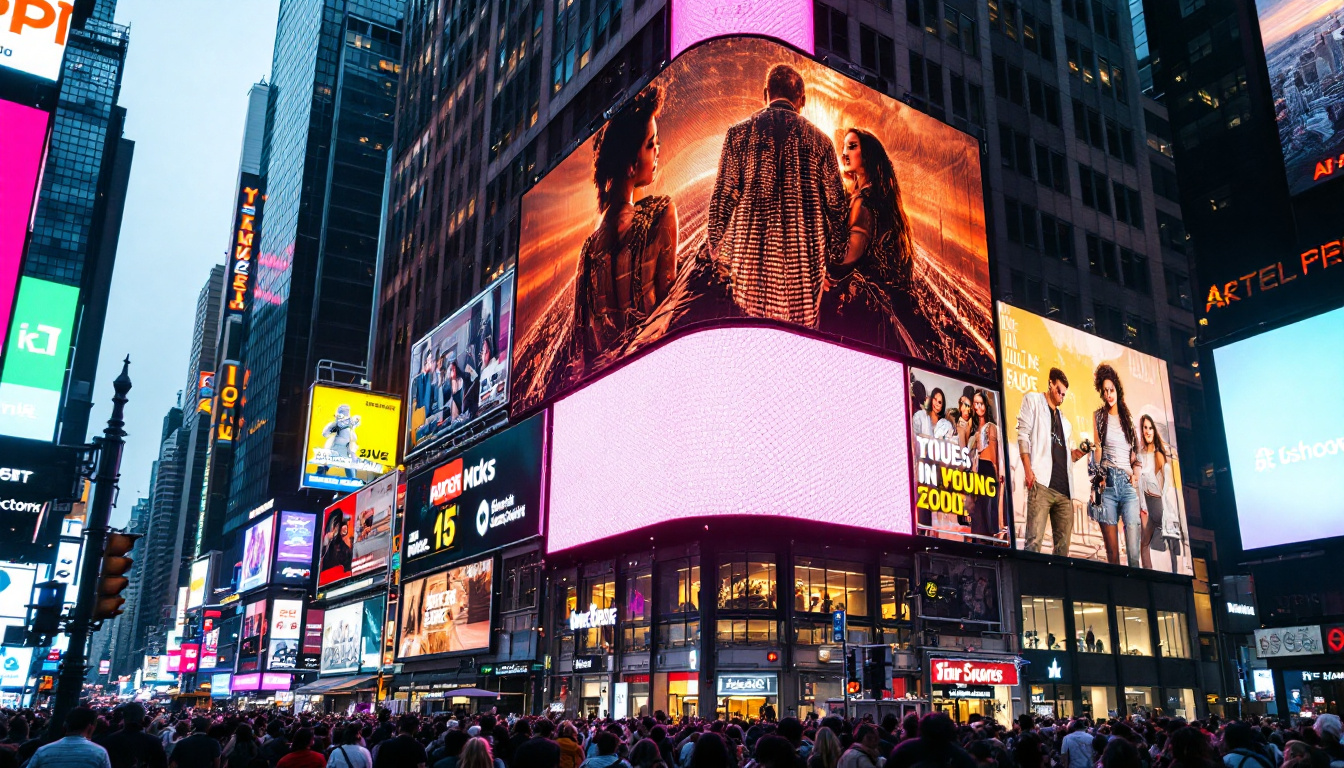
LED displays have become increasingly popular for their brightness, durability, and versatility. From massive outdoor billboards to indoor video walls, LED technology is a go-to solution for high-impact visual communication.
What Constitutes a Pixel in an LED Display?
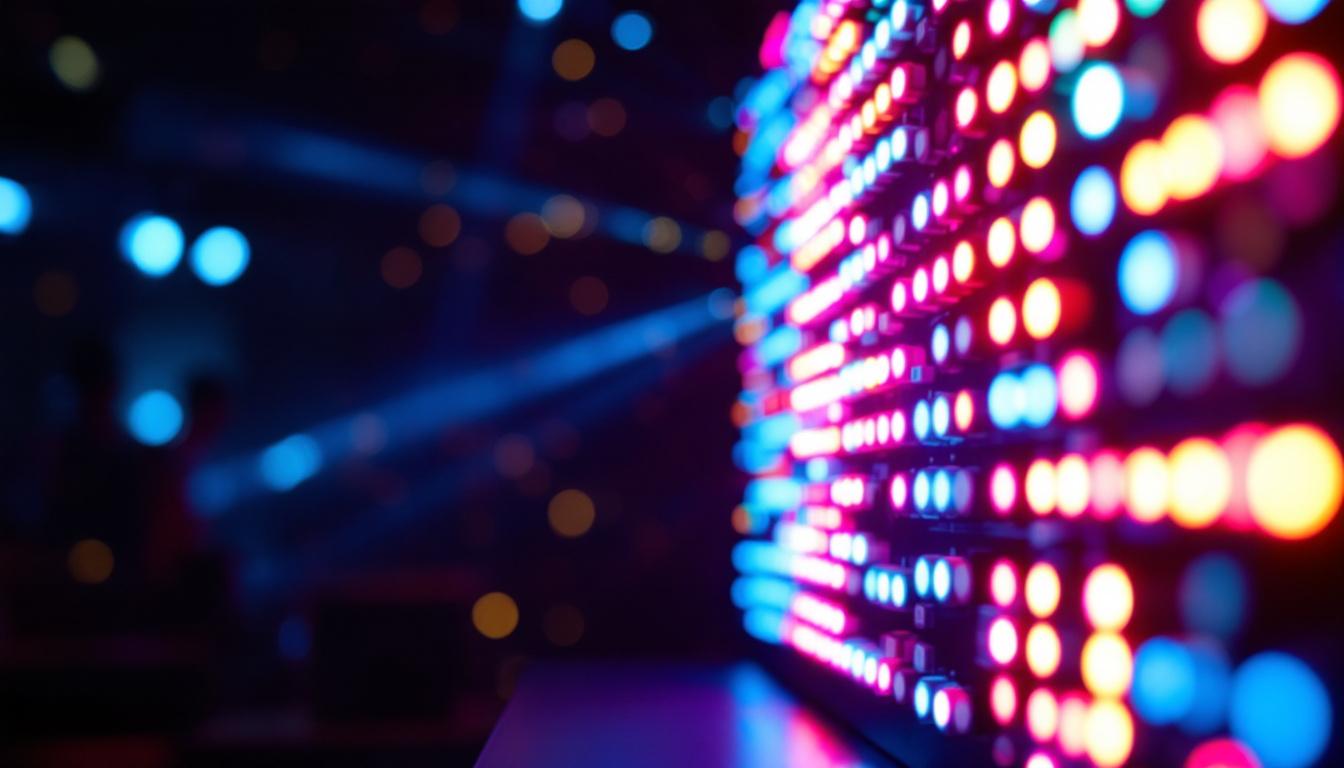
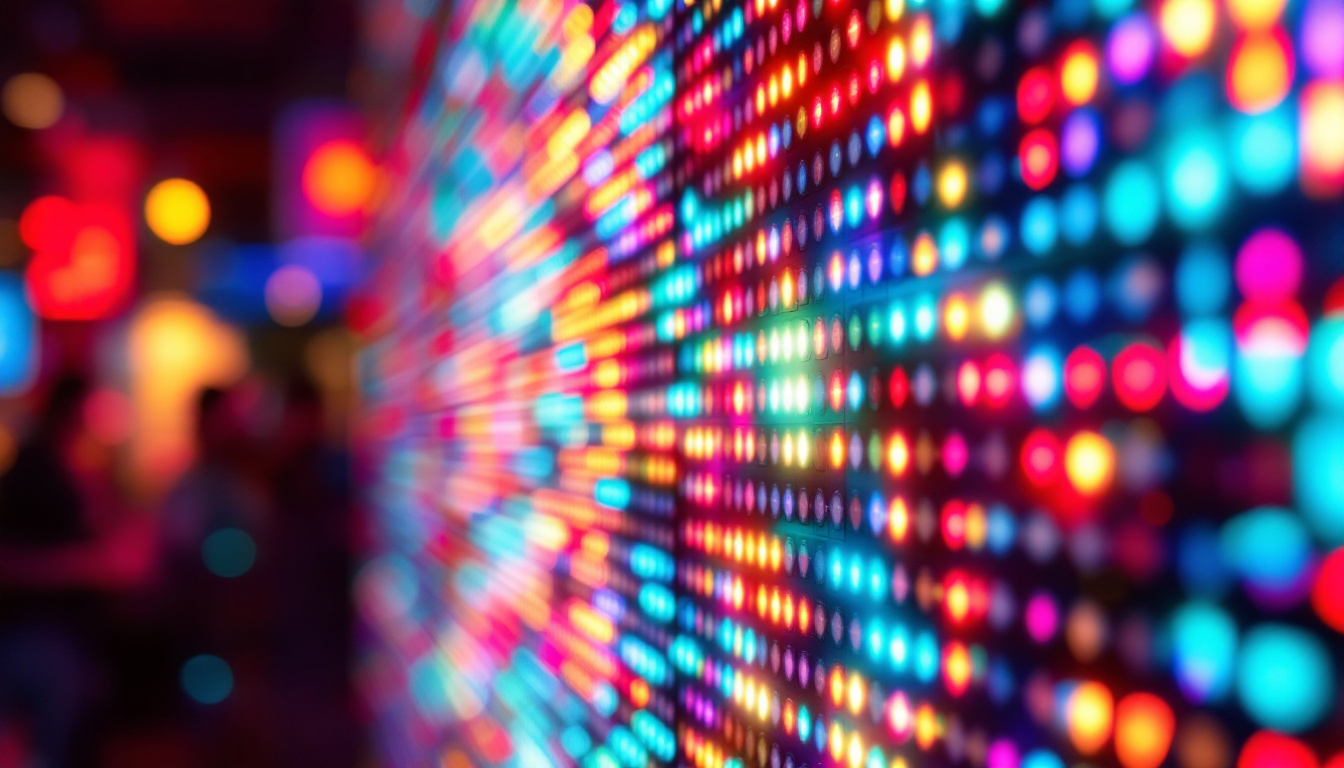
Unlike LCDs where a pixel is a fixed set of sub-pixels on a flat panel, an LED pixel generally consists of one or more individual LEDs grouped together. For full-color displays, a single pixel is typically made up of three LEDs: one red, one green, and one blue. These three LEDs combine to create a wide range of colors through varying intensities, a process known as additive color mixing.
In some advanced LED displays, additional colors such as amber or white LEDs are included to enhance color accuracy and brightness, but the core principle remains the same: a pixel is a cluster of LEDs working together to produce a single point of color.
Pixel Pitch: The Key to Resolution and Clarity
One of the most critical specifications in LED displays is the pixel pitch, which refers to the distance between the centers of two adjacent pixels, usually measured in millimeters. For example, a pixel pitch of 4mm means each pixel is spaced 4 millimeters apart from its neighbors.
Pixel pitch directly influences the resolution and clarity of the display. The smaller the pixel pitch, the higher the pixel density, resulting in sharper images and finer detail. Conversely, larger pixel pitches are suitable for displays viewed from a distance, such as outdoor billboards, where the human eye cannot discern individual pixels from far away.
To put this into perspective, a 1.2mm pixel pitch LED display is often used for indoor applications like control rooms or retail environments where viewers are close to the screen. On the other hand, a 10mm or 16mm pixel pitch is common for large outdoor advertising screens.
How Pixels Work Together to Form Images
Pixels don’t operate in isolation. Instead, they function collectively to create coherent images and videos. Understanding how pixels combine helps explain why resolution and pixel pitch matter so much.
Resolution: The Pixel Count Matters
Resolution refers to the total number of pixels displayed on a screen, usually expressed as width × height (for example, 1920×1080 pixels). The higher the resolution, the more pixels are used to create the image, which generally means greater detail and clarity.
In LED displays, resolution is tied to both the pixel pitch and the physical size of the screen. For a fixed screen size, reducing the pixel pitch increases the resolution. Conversely, for a fixed pixel pitch, increasing the screen size increases the total number of pixels but may reduce pixel density, affecting image sharpness.
Color and Brightness Control at the Pixel Level
Each pixel’s color is controlled by adjusting the brightness of its constituent LEDs (red, green, and blue). By varying the intensity of these LEDs, the pixel can produce millions of colors. This ability to finely tune color and brightness is what allows LED displays to deliver vivid, lifelike images.
Modern LED displays use sophisticated electronics and software to manage pixel control, ensuring smooth gradients, accurate color reproduction, and consistent brightness across the entire screen.
Applications and Importance of Pixel Understanding in LED Displays
Knowing what a pixel is and how it functions in LED displays is essential for various industries and applications. This knowledge helps in selecting the right display technology, optimizing content, and improving viewer engagement.
Advertising and Digital Signage
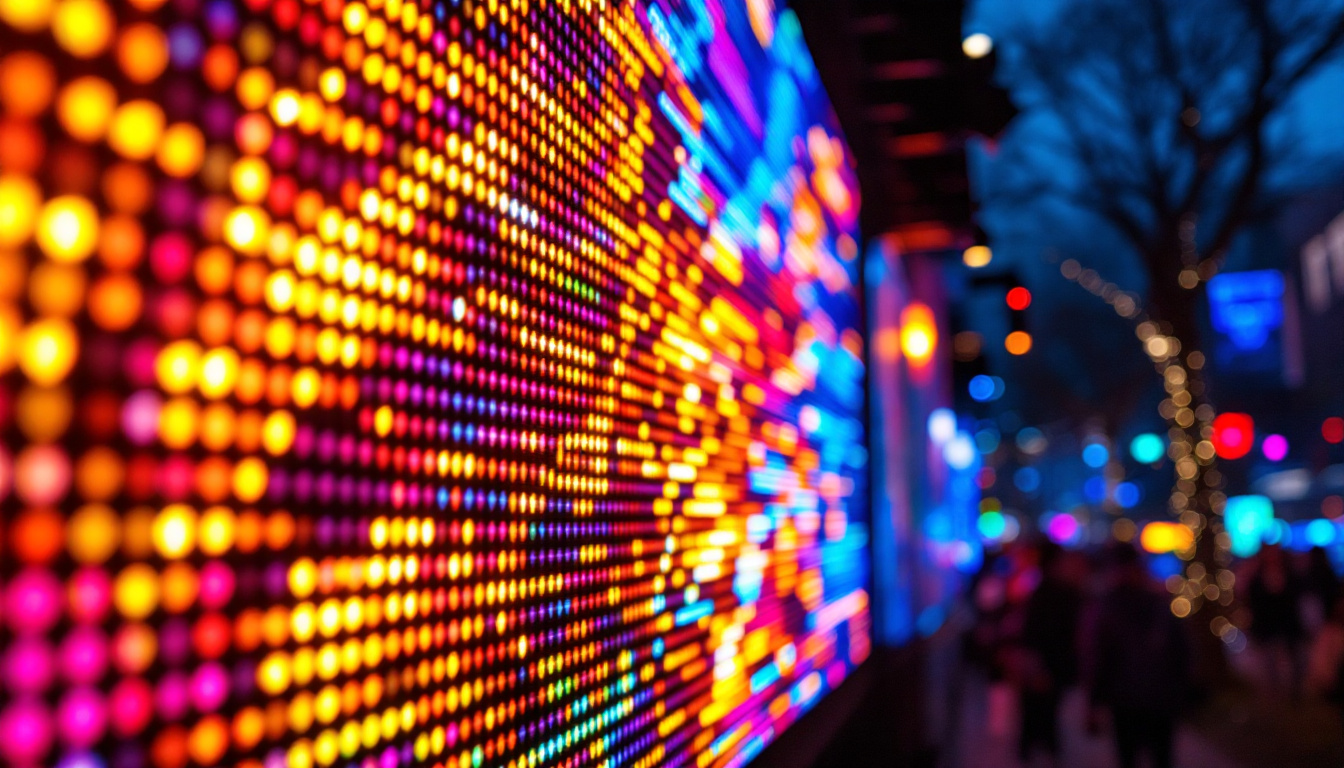
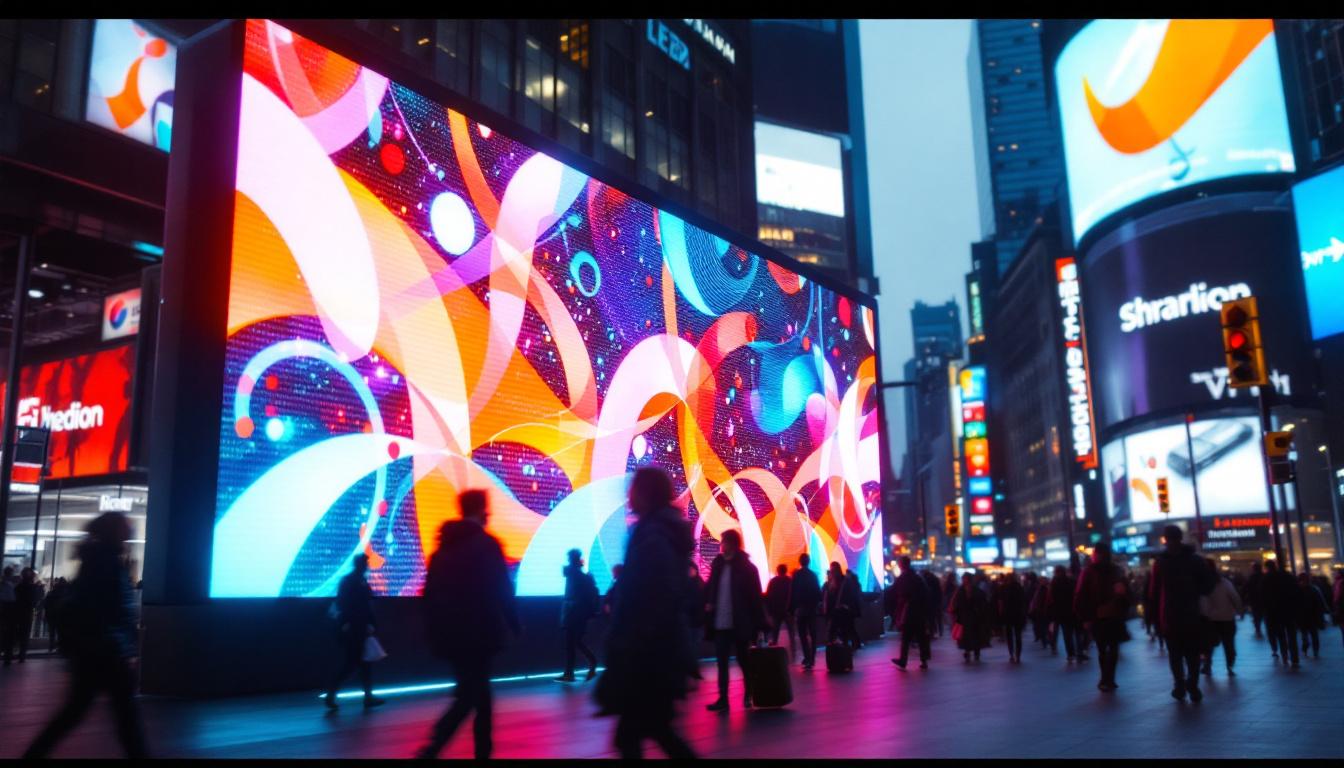
In outdoor advertising, LED billboards are a dominant medium due to their brightness and visibility in daylight. Choosing the right pixel pitch ensures that the message is clear and impactful from the intended viewing distance. For example, a highway billboard with a 16mm pixel pitch is designed to be legible from hundreds of feet away, while a retail store’s digital sign might use a 4mm pixel pitch for close-up viewing.
Advertisers and marketers must understand pixel density to create content that looks sharp and professional. Low-resolution content on a high-resolution LED display can appear pixelated or blurry, undermining the brand’s message.
Entertainment and Events
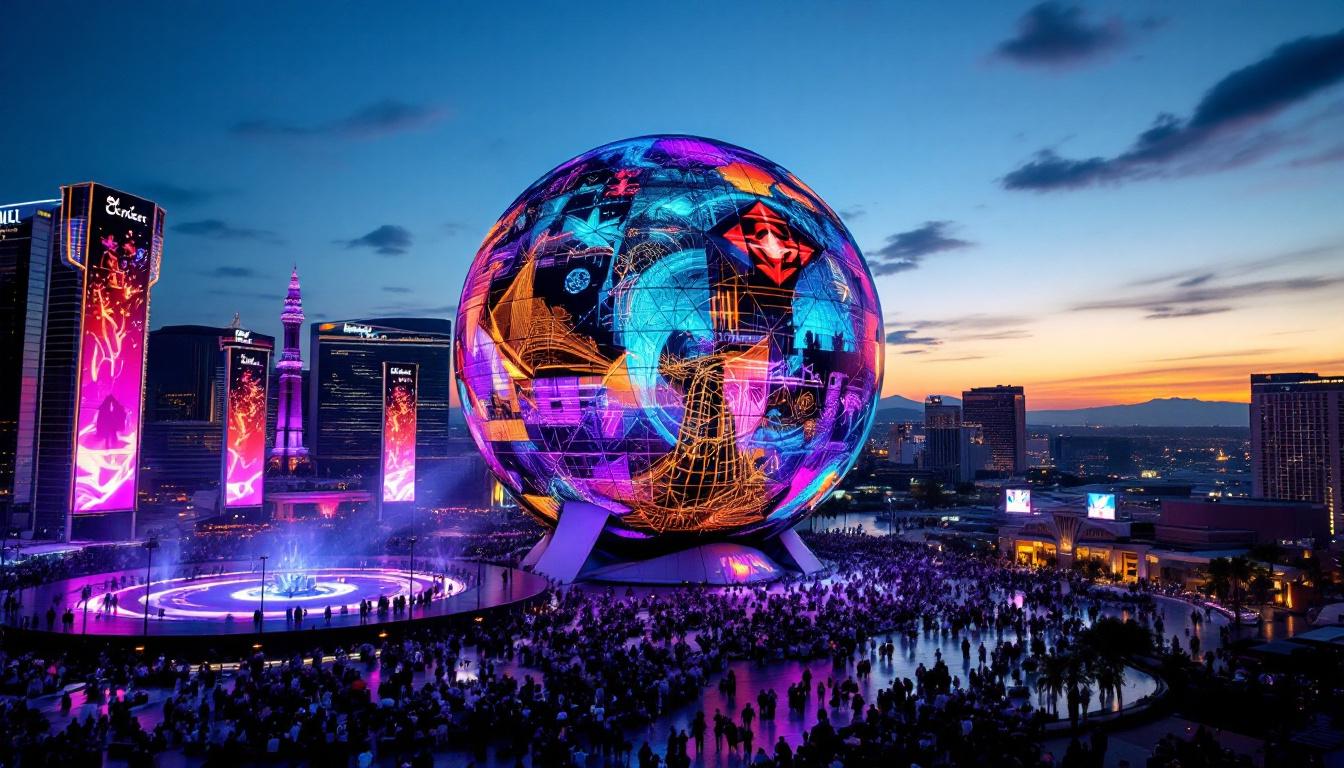
Concerts, sports arenas, and live events often use large LED video walls to engage audiences. The pixel pitch and resolution determine how detailed the visuals will be, which is crucial for immersive experiences. For instance, a concert stage backdrop with a 3mm pixel pitch can display intricate graphics and live video feeds that captivate attendees.
Event organizers and production teams must balance cost, size, and resolution to deliver optimal visual impact without unnecessary expense.
Control Rooms and Corporate Displays
In environments like control rooms, command centers, and corporate lobbies, LED displays are used for monitoring, presentations, and branding. Here, pixel pitch is often very small to allow viewers to see detailed information up close. Displays with pixel pitches under 2mm are common in these settings, providing crisp text and graphics.
Understanding pixels helps IT and AV professionals specify the right display technology to meet operational needs and ensure clear communication.
Future Trends in Pixel Technology for LED Displays
As LED display technology advances, so does the concept of the pixel. Innovations are pushing the boundaries of resolution, color accuracy, and energy efficiency.
MicroLED and MiniLED Technologies
MicroLED and MiniLED are emerging technologies that reduce pixel size dramatically, allowing for even higher resolutions and improved contrast ratios. MicroLED displays use microscopic LEDs as individual pixels, enabling ultra-high-definition screens with exceptional brightness and color fidelity.
These technologies are expected to revolutionize not only large-scale LED displays but also consumer electronics like TVs and smartphones, offering better performance than traditional LED and OLED displays.
Dynamic Pixel Control and AI Integration
Artificial intelligence and machine learning are increasingly being integrated into LED display systems to optimize pixel control dynamically. This can enhance color calibration, reduce power consumption, and improve image quality in real-time based on ambient lighting and content type.
Such advancements will make LED displays smarter and more adaptable, providing superior viewing experiences across diverse environments.
Conclusion: Why Defining a Pixel Matters
Understanding what a pixel is and how it functions in LED displays is fundamental for anyone involved with digital media, advertising, event production, or technology procurement. Pixels are not just tiny dots; they are the core elements that determine image quality, resolution, and viewer engagement.
By grasping the relationship between pixel pitch, resolution, and display size, professionals can make informed decisions that optimize visual impact and cost-efficiency. As LED technology continues to evolve, staying informed about pixel innovations will be key to leveraging the full potential of digital displays.
Ultimately, defining a pixel is more than a technical exercise—it’s about appreciating the building blocks of the vibrant, dynamic images that shape modern communication and entertainment.
Explore Cutting-Edge LED Display Solutions with LumenMatrix
Ready to transform your visual communication with the latest in LED display technology? LumenMatrix is at the forefront of innovation, offering a diverse range of LED display solutions tailored to your needs. From captivating Indoor LED Wall Displays to dynamic Outdoor LED Wall Displays, and from versatile Vehicle LED Displays to stunning LED Sports Displays, we have it all. Experience the future of digital signage with our Custom LED Displays, All-in-One LED Displays, and revolutionary LED Transparent Displays. Elevate your brand’s visibility and engage your audience like never before. Check out LumenMatrix LED Display Solutions today and see the difference cutting-edge technology can make.