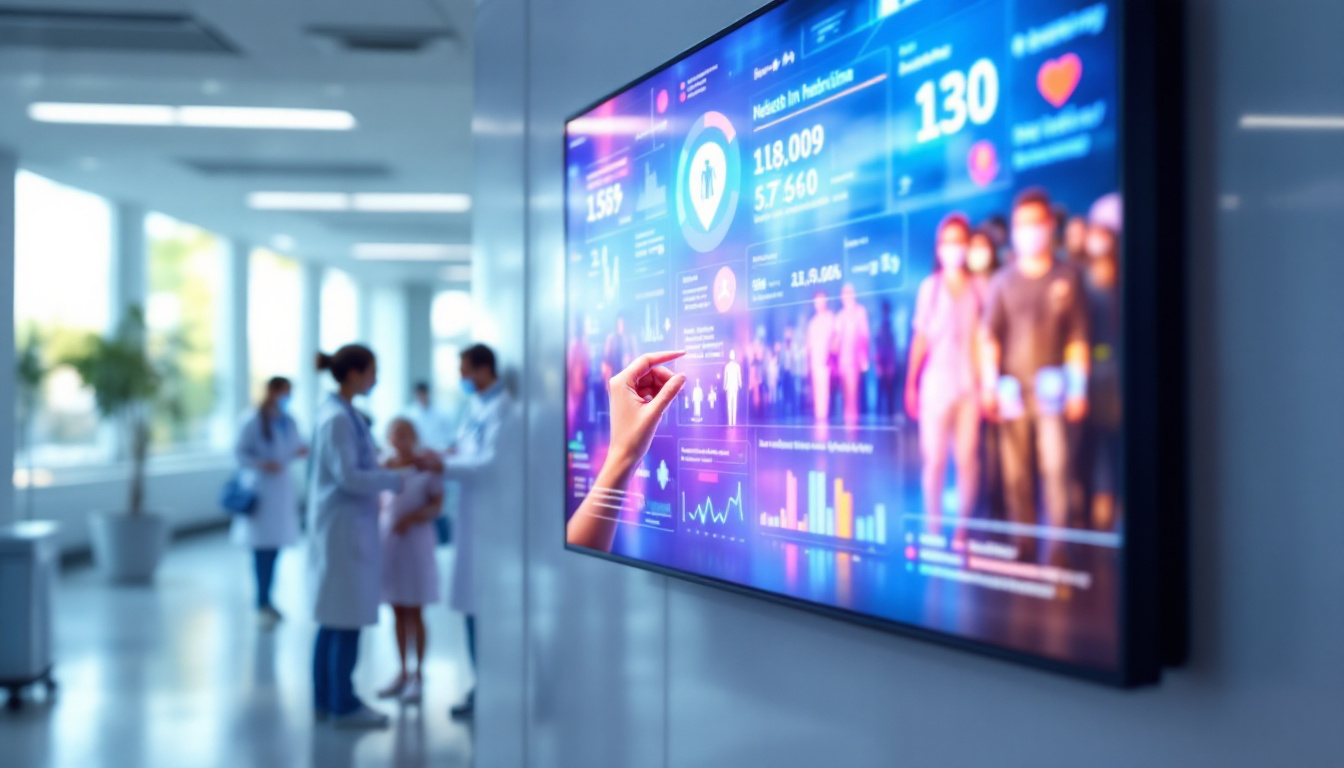
In the realm of digital lighting and display technologies, LED displays have become a cornerstone for vibrant, dynamic visual communication. Among the many technical aspects that govern their performance, the concept of “Deleting Filters Poe” often emerges as a topic of interest for engineers, designers, and tech enthusiasts alike. This article delves into the intricacies of Deleting Filters PoE within LED display systems, explaining its significance, operational principles, and practical applications.
Understanding LED Displays: The Basics
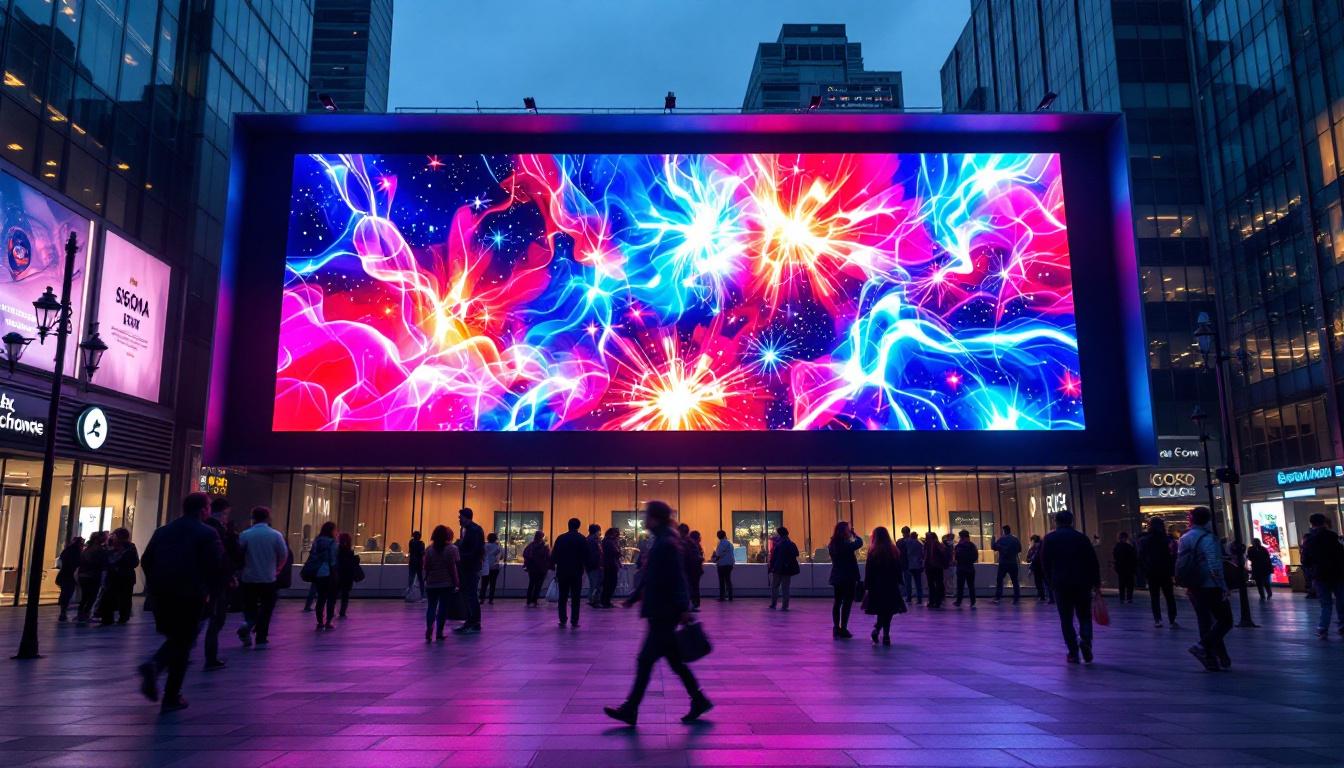
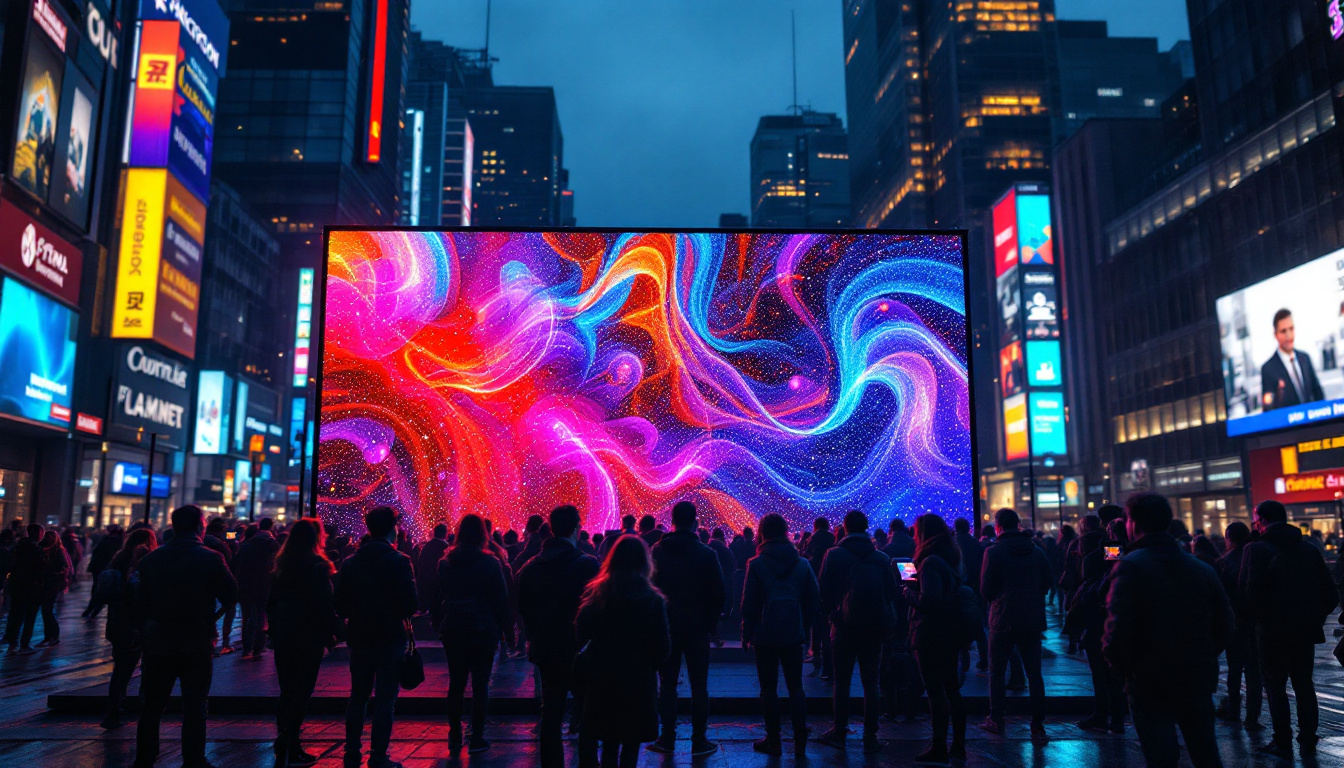
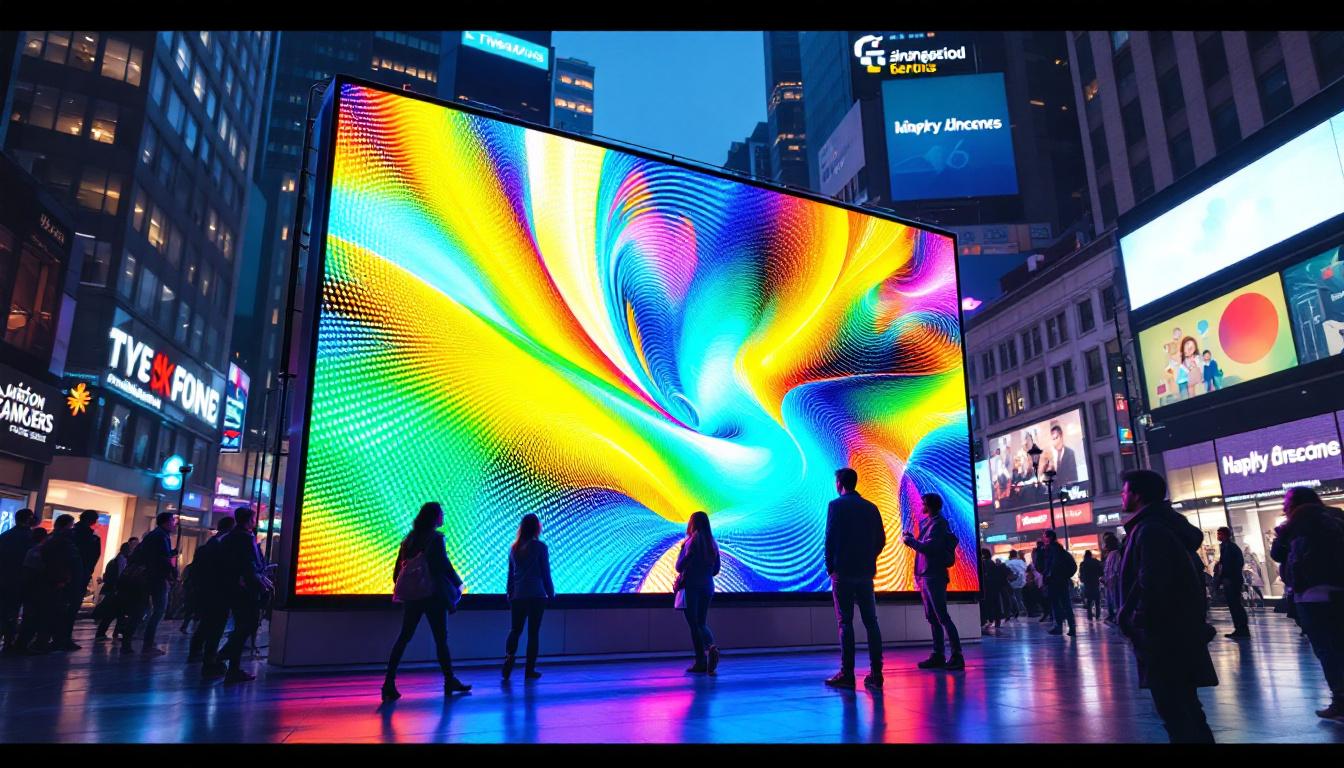
LED (Light Emitting Diode) displays are composed of an array of tiny LEDs that emit light in various colors to form images, videos, or text. These displays are widely used in advertising billboards, stadium screens, digital signage, and even indoor video walls due to their high brightness, energy efficiency, and long lifespan. The versatility of LED technology allows for a range of applications, from large outdoor displays that can be seen from great distances to smaller screens used in retail environments, where they attract customers with vibrant visuals.
The technology behind LED displays involves controlling each LED’s brightness and color through electronic signals. This control is managed by sophisticated hardware and software systems that ensure smooth, high-quality visuals. Moreover, advancements in LED technology have led to the development of various types of displays, including OLED and MicroLED, which offer even greater color accuracy and contrast ratios, further enhancing the viewing experience.
The Role of Signal Processing in LED Displays
Signal processing is crucial in LED displays to convert raw input data into a format suitable for driving the LEDs. This involves filtering, scaling, and timing adjustments to maintain image clarity and color accuracy. Filters, in particular, help manage noise and interference that can degrade the visual quality. Additionally, signal processing algorithms can adapt the display output based on environmental conditions, such as adjusting brightness in response to ambient light, ensuring optimal visibility at all times.
Furthermore, the integration of advanced signal processing techniques allows for real-time content updates and dynamic visual effects, which are essential for applications like live event broadcasting and interactive advertising. By leveraging technologies such as image recognition and machine learning, LED displays can also provide personalized content tailored to specific audiences, enhancing engagement and effectiveness. This evolution in signal processing not only improves the technical performance of LED displays but also opens up new creative possibilities for designers and marketers alike.
What is Deleting Filters in PoE LED Displays?
“Deleting Filters PoE” refers to a process or feature within Power over Ethernet (PoE) enabled LED display systems where certain filters—used to manage data or signal integrity—are selectively removed or bypassed. This concept is especially relevant in PoE systems, where power and data are transmitted over a single Ethernet cable.
PoE technology simplifies the installation of LED displays by reducing the number of cables required, but it also introduces challenges related to signal quality and power management. Filters are typically implemented to mitigate these issues, but in some cases, deleting or adjusting these filters can optimize performance.
Power over Ethernet (PoE) in LED Displays
PoE allows both electrical power and data to be delivered through standard Ethernet cables. This innovation reduces the complexity and cost of wiring, making it ideal for LED installations in locations where power outlets are limited or difficult to access.
However, transmitting power and data simultaneously can introduce electrical noise and signal interference. Filters are used to suppress this noise and ensure stable operation. Understanding when and how to delete or modify these filters is key to maintaining optimal display performance.
In many scenarios, the decision to delete filters is influenced by the specific requirements of the installation environment. For instance, in a controlled indoor setting, where electromagnetic interference is minimal, operators might choose to remove certain filters to enhance the display’s brightness and color accuracy. Conversely, in outdoor environments or areas with high levels of electrical noise, retaining these filters becomes crucial to prevent degradation of the visual output.
Moreover, advancements in technology have led to the development of smart PoE systems that can automatically adjust filter settings based on real-time data analysis. These systems can monitor signal quality and power levels, making dynamic adjustments to filters as needed. This adaptability not only improves the performance of the LED displays but also extends their lifespan by reducing the risk of overheating and signal distortion.
The Importance of Filters in PoE LED Systems
Filters in PoE LED systems serve several critical functions. They help to:
- Reduce electromagnetic interference (EMI) and radio frequency interference (RFI)
- Protect sensitive electronic components from voltage spikes and surges
- Maintain signal integrity for accurate data transmission
Without proper filtering, LED displays may experience flickering, color distortion, or even hardware damage. Filters are typically implemented as hardware components such as ferrite beads, capacitors, or inductors integrated into the power and data lines. These components work together to create a stable environment for the LEDs to operate, ensuring that the visual output remains consistent and reliable. In addition to their protective roles, filters also contribute to the overall efficiency of the system, allowing for optimal power consumption and reducing the risk of overheating.
When Deleting Filters Becomes Necessary
Despite their benefits, filters can sometimes introduce unwanted side effects, such as signal delay or attenuation, which may impact the display’s responsiveness or brightness uniformity. In scenarios where filters degrade performance or are redundant due to improved cable shielding or advanced signal processing, deleting or bypassing these filters can be advantageous. This decision is often made after careful consideration of the specific application requirements and the potential trade-offs involved.
For example, in high-bandwidth LED video walls requiring ultra-low latency, removing certain filters can reduce signal delay, resulting in smoother motion and better synchronization across panels. This is particularly critical in environments such as live events or broadcasting, where real-time visual feedback is essential. Moreover, advancements in technology have led to the development of more sophisticated signal processing techniques that can compensate for the absence of traditional filtering methods, allowing for greater flexibility in system design. As a result, engineers and technicians must stay informed about the latest innovations to make informed decisions regarding filter implementation and removal, ensuring that the LED systems perform at their best while meeting the demands of modern applications.
Technical Considerations for Deleting Filters in PoE LED Displays
Deciding to delete filters in a PoE LED system involves a careful assessment of the electrical environment, display requirements, and potential risks. Key technical considerations include:
Signal Integrity and Noise Levels
Before removing filters, it is essential to measure the noise levels on the power and data lines. High electromagnetic interference environments may necessitate retaining or upgrading filters rather than deleting them.
Power Stability and Protection
Filters often protect against voltage spikes that can damage LEDs or control electronics. Removing filters without alternative protection mechanisms can increase the risk of component failure.
Compliance with Standards
Many LED display installations must comply with regulatory standards such as FCC, CE, or IEC concerning electromagnetic emissions and safety. Deleting filters may affect compliance, so thorough testing and certification are required.
Impact on Network Performance
Since PoE uses Ethernet networks, filters can influence data transmission quality. Removing filters might improve bandwidth but could also increase error rates if noise is not adequately controlled.
Practical Applications and Case Studies
Several real-world examples illustrate the balance between filter use and deletion in PoE LED displays:
Large-Scale Outdoor Advertising Displays
In outdoor environments with high exposure to electrical noise from nearby power lines or radio transmitters, robust filtering is critical. However, some installations have benefited from selectively deleting filters to reduce latency and improve brightness uniformity, especially when using shielded cables and advanced signal processors.
Indoor Video Walls in Corporate Settings
Indoor installations often experience less electrical interference, allowing for minimal filtering. Some corporate video walls have removed unnecessary filters to simplify maintenance and enhance image responsiveness, resulting in a more engaging viewer experience.
Stadium and Event Displays
Stadium LED displays require high refresh rates and low latency to keep up with live action. Engineers sometimes delete specific filters to achieve these performance goals while compensating with enhanced shielding and power conditioning equipment.
Best Practices for Managing Filters in PoE LED Displays
To optimize LED display performance while maintaining reliability, consider the following best practices:
Conduct Thorough Testing
Before deleting any filters, perform comprehensive signal integrity and power quality tests. Use spectrum analyzers and oscilloscopes to detect noise and interference levels.
Implement Alternative Protection Measures
If filters are removed, ensure other protective devices such as surge protectors, voltage regulators, or shielded cables are in place to safeguard the system.
Consult Manufacturer Guidelines
Always refer to the LED display and PoE equipment manufacturers’ recommendations regarding filtering. Some systems may have proprietary filtering requirements critical to warranty and performance.
Regular Maintenance and Monitoring
After modifying filters, monitor the system closely for any signs of instability or degradation. Regular maintenance can help detect issues early and prevent costly downtime.
Future Trends in PoE and LED Display Filtering
As LED display technology advances, so do the methods for managing power and data transmission. Emerging trends include:
Integrated Filtering Solutions
Newer PoE controllers and LED drivers increasingly incorporate integrated filtering circuits that adapt dynamically to environmental conditions, reducing the need for manual filter deletion or adjustment.
Improved Cable Technologies
Enhanced Ethernet cables with better shielding and noise resistance are reducing the reliance on external filters, enabling cleaner power and data delivery.
Smart Monitoring Systems
AI-powered monitoring tools can analyze signal quality in real-time and automatically adjust filtering parameters, optimizing display performance without manual intervention.
Conclusion
Deleting filters in PoE LED display systems is a nuanced topic that requires a deep understanding of electrical engineering principles, environmental factors, and display performance goals. Filters play a vital role in ensuring signal integrity and protecting hardware, but under certain conditions, their removal can enhance display responsiveness and image quality.
For engineers and technicians working with PoE-enabled LED displays, balancing the benefits and risks of deleting filters is essential. By adopting best practices, leveraging modern technologies, and staying informed about industry trends, it is possible to optimize LED display installations for both reliability and visual excellence.
Explore Cutting-Edge PoE LED Solutions with LumenMatrix
Ready to experience the pinnacle of LED display technology? LumenMatrix is at the forefront of innovation, offering a comprehensive range of LED display solutions tailored to your needs. From captivating Indoor LED Walls to dynamic Outdoor LED Displays, and from versatile Vehicle LED Displays to engaging LED Sports Displays, our products are designed to elevate your visual communication. Discover how our state-of-the-art LED Poster Displays, Floor LEDs, Custom Displays, All-in-One solutions, and Transparent LED Displays can transform your space and captivate your audience. Check out LumenMatrix LED Display Solutions today and join the revolution in digital signage excellence.