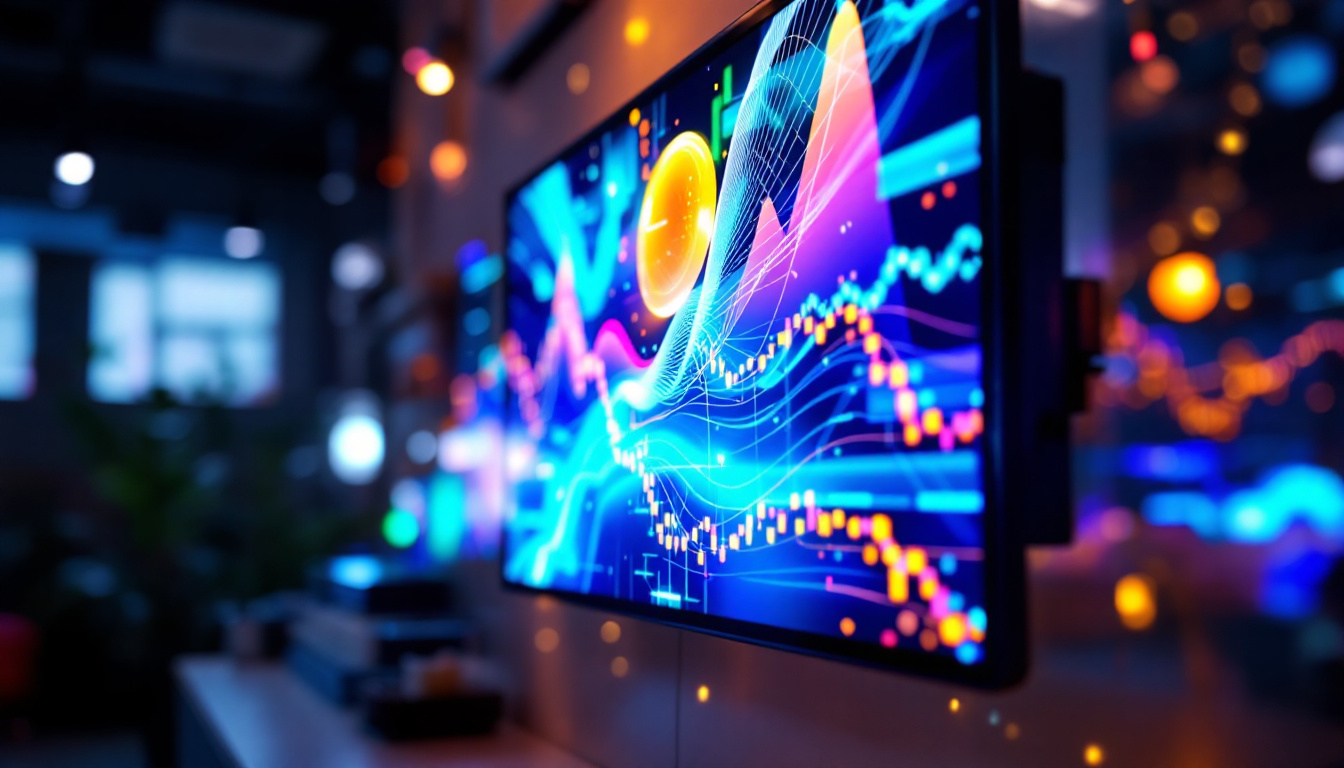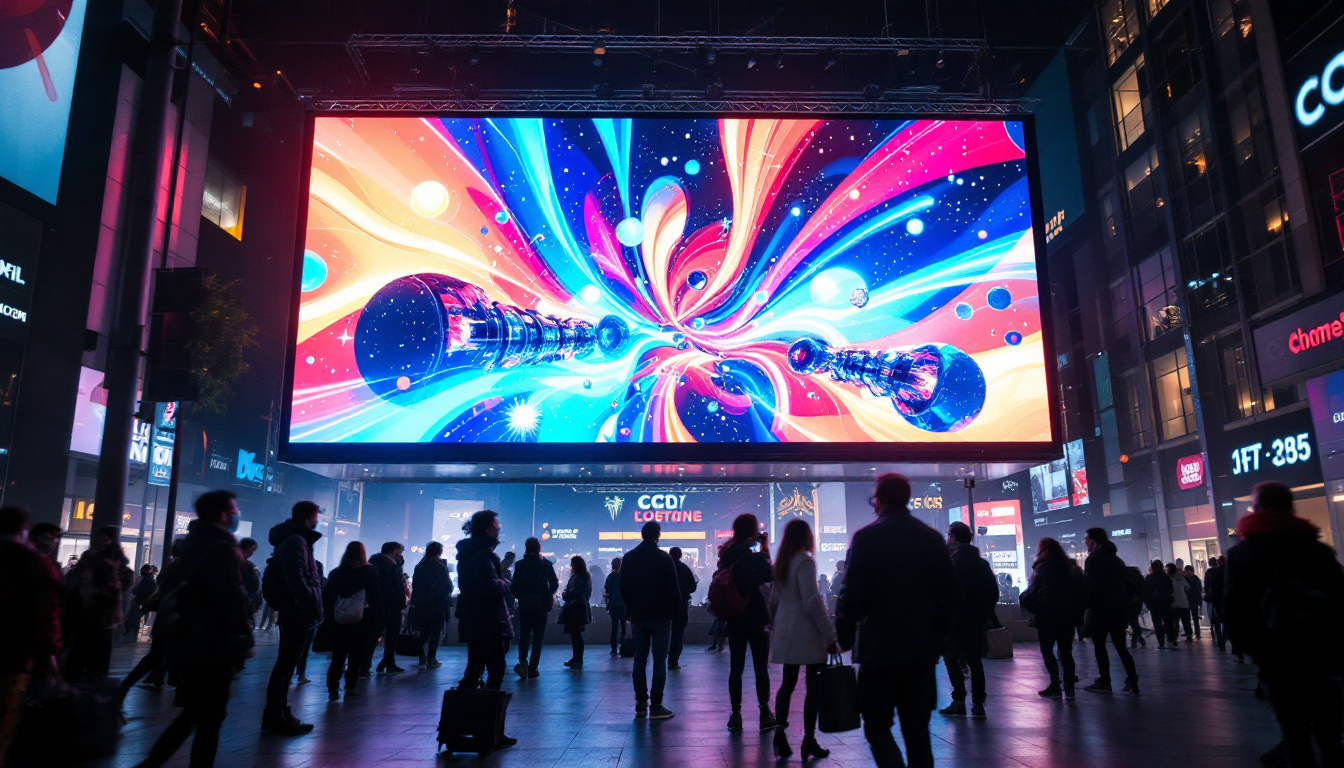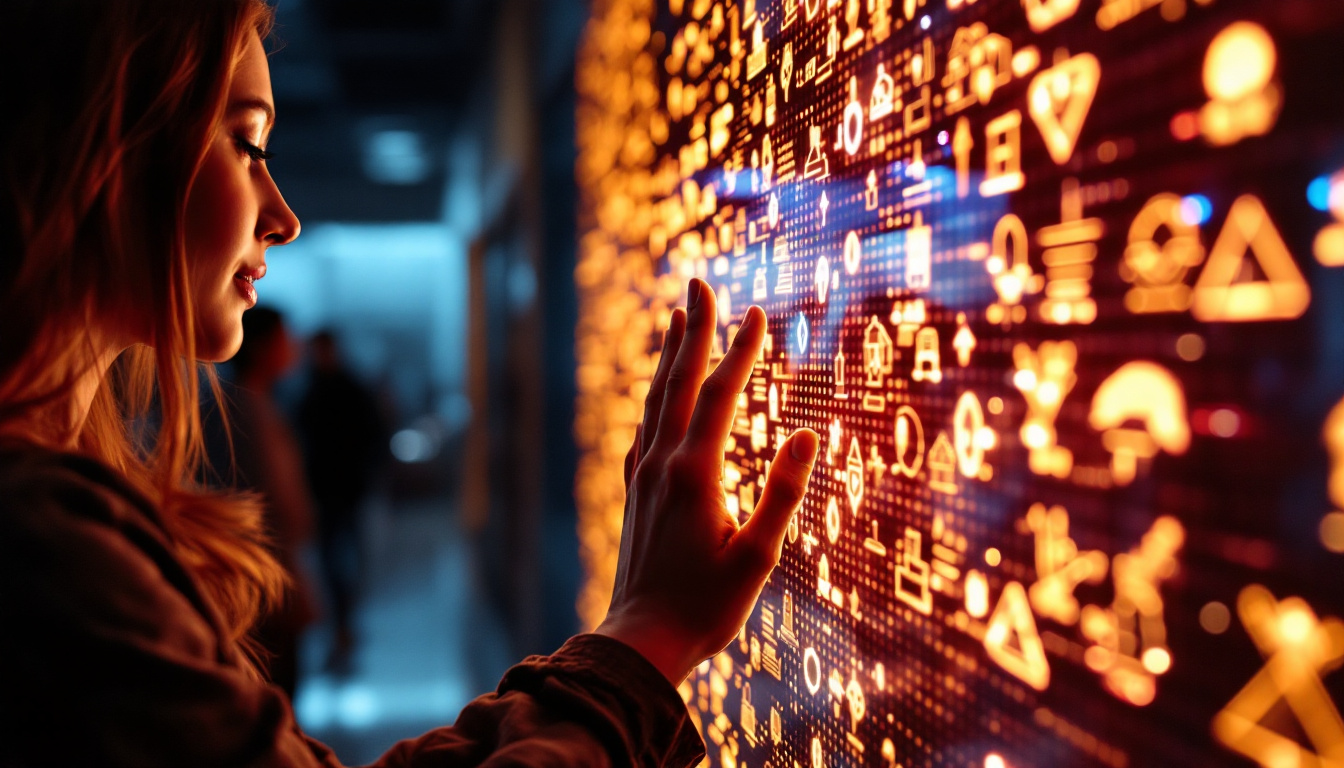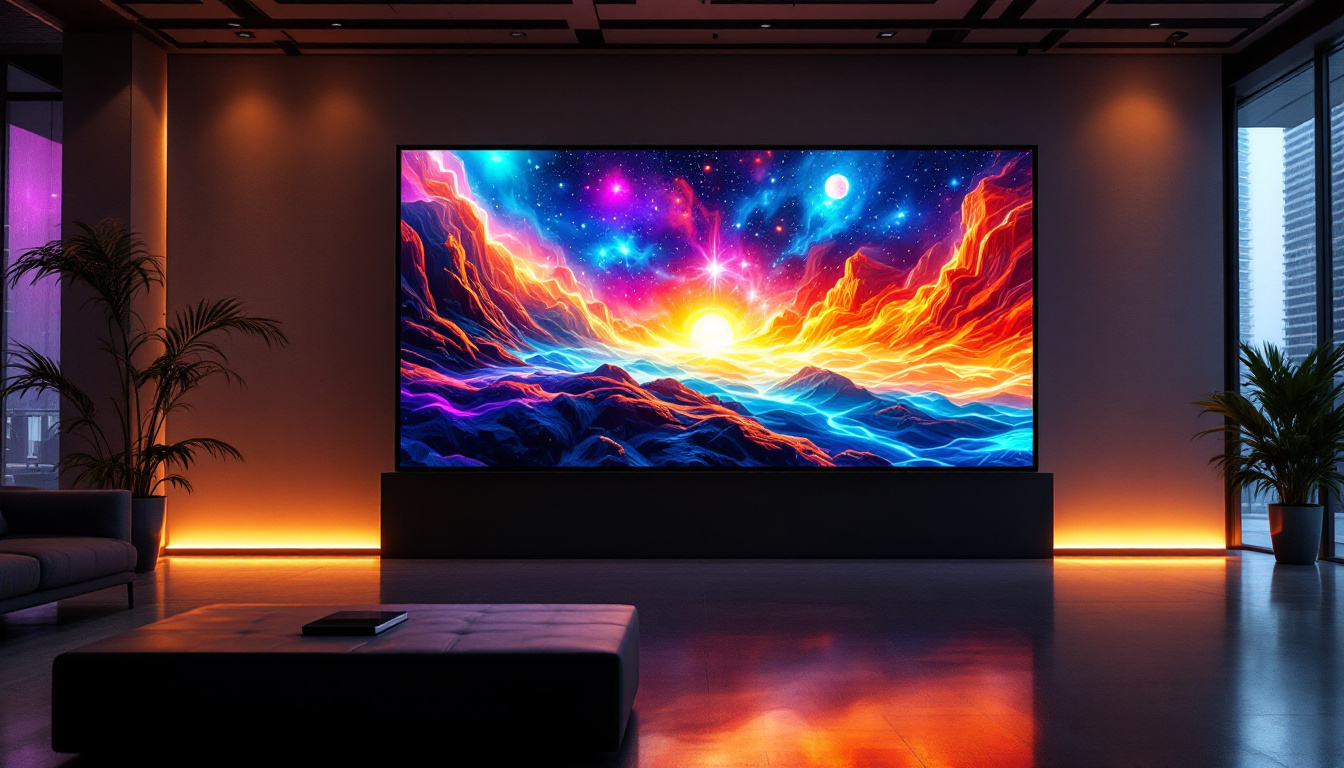
In today’s fast-paced commercial landscape, capturing customer attention quickly and effectively is paramount. Digital display boards, particularly LED displays, have revolutionized the way businesses communicate with their audiences. From storefronts and corporate lobbies to large-scale outdoor advertising, LED display technology offers vibrant, dynamic, and versatile solutions that enhance brand visibility and engagement.
Understanding LED Display Technology
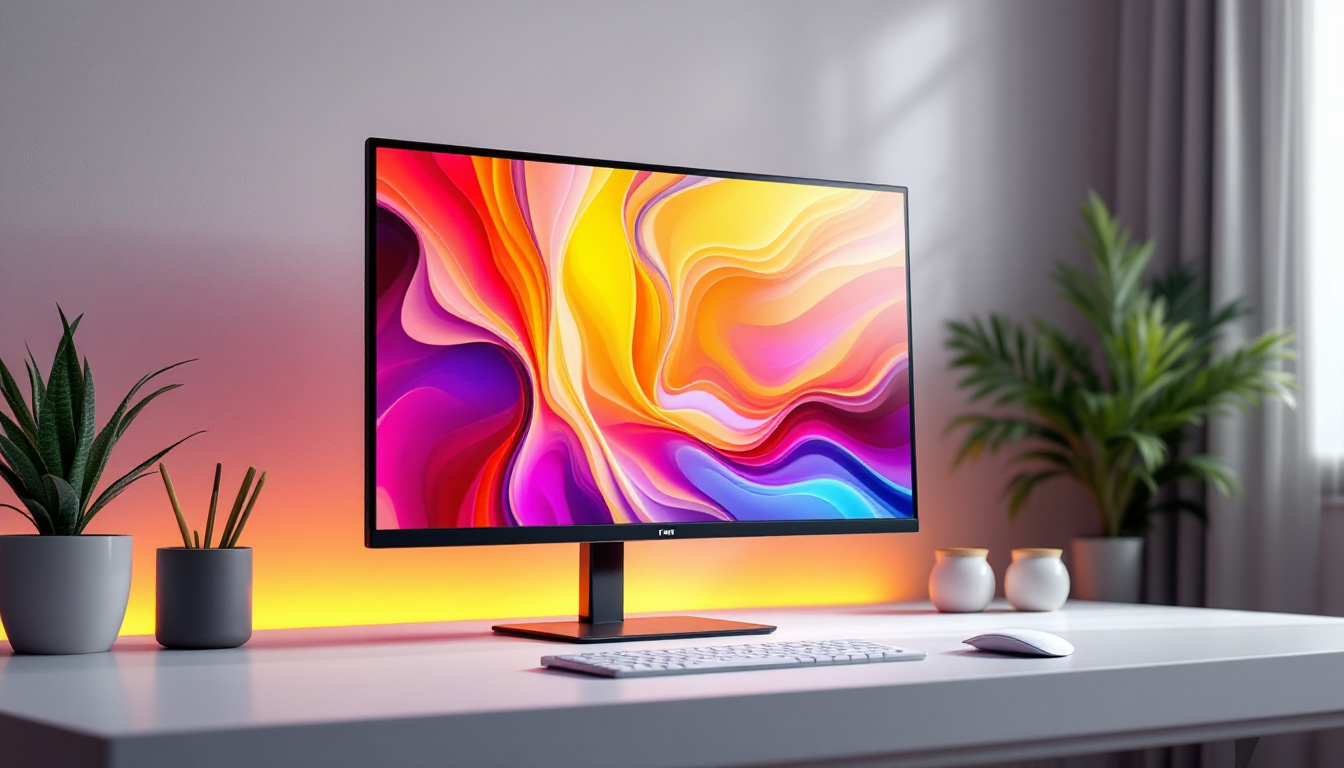
LED stands for Light Emitting Diode, a semiconductor device that emits light when an electric current passes through it. Unlike traditional display technologies such as LCD or plasma, LED displays use thousands of tiny diodes to create bright, colorful images that are easily visible in various lighting conditions. This remarkable ability to produce vivid colors and high contrast ratios has made LED technology a preferred choice for modern displays, revolutionizing how information is presented across multiple platforms.
Each LED acts as a pixel or part of a pixel in the display, and by controlling the intensity and color of each diode, the display can produce detailed images, videos, and text. This technology allows for high brightness levels, energy efficiency, and long operational lifespans, making LED displays ideal for business applications. Moreover, the rapid response time of LEDs ensures that motion graphics and videos are rendered smoothly, enhancing the viewer’s experience and engagement with the content being displayed.
Types of LED Displays
Businesses have several LED display options depending on their needs:
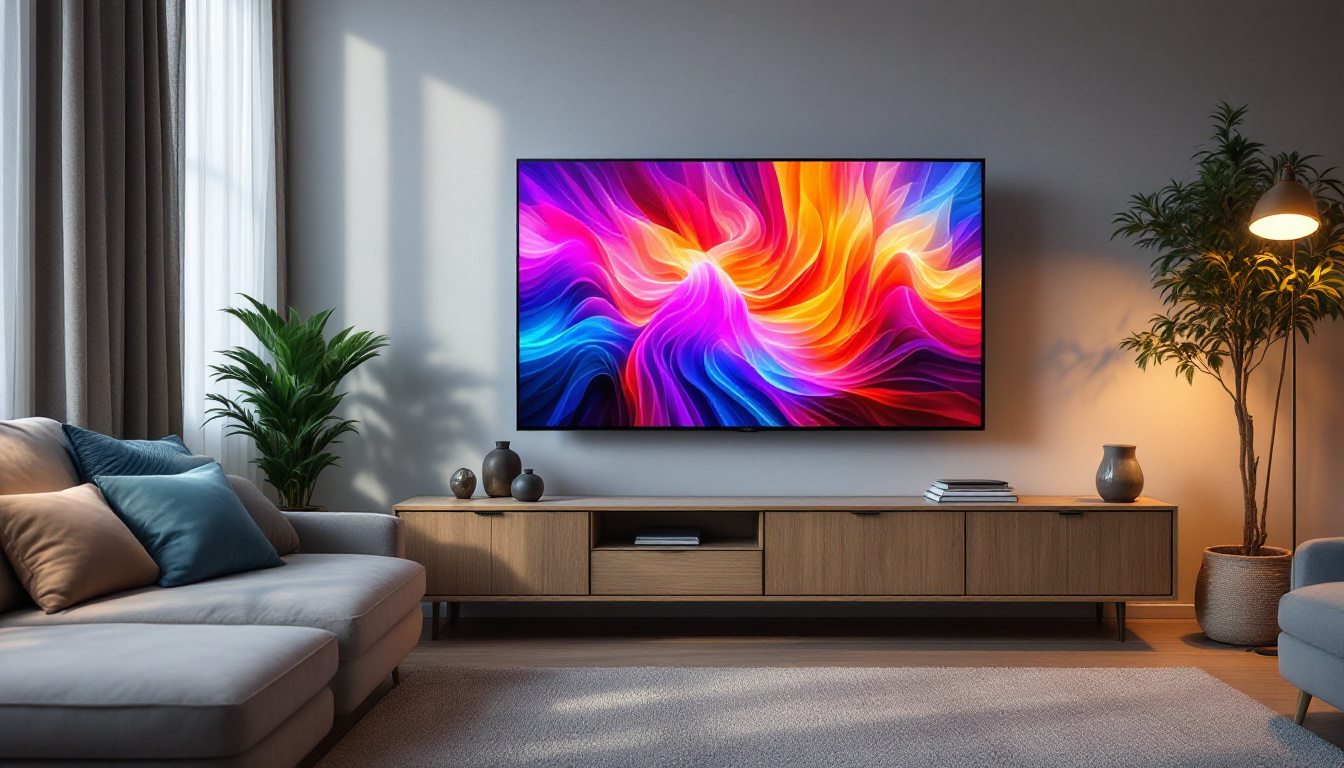
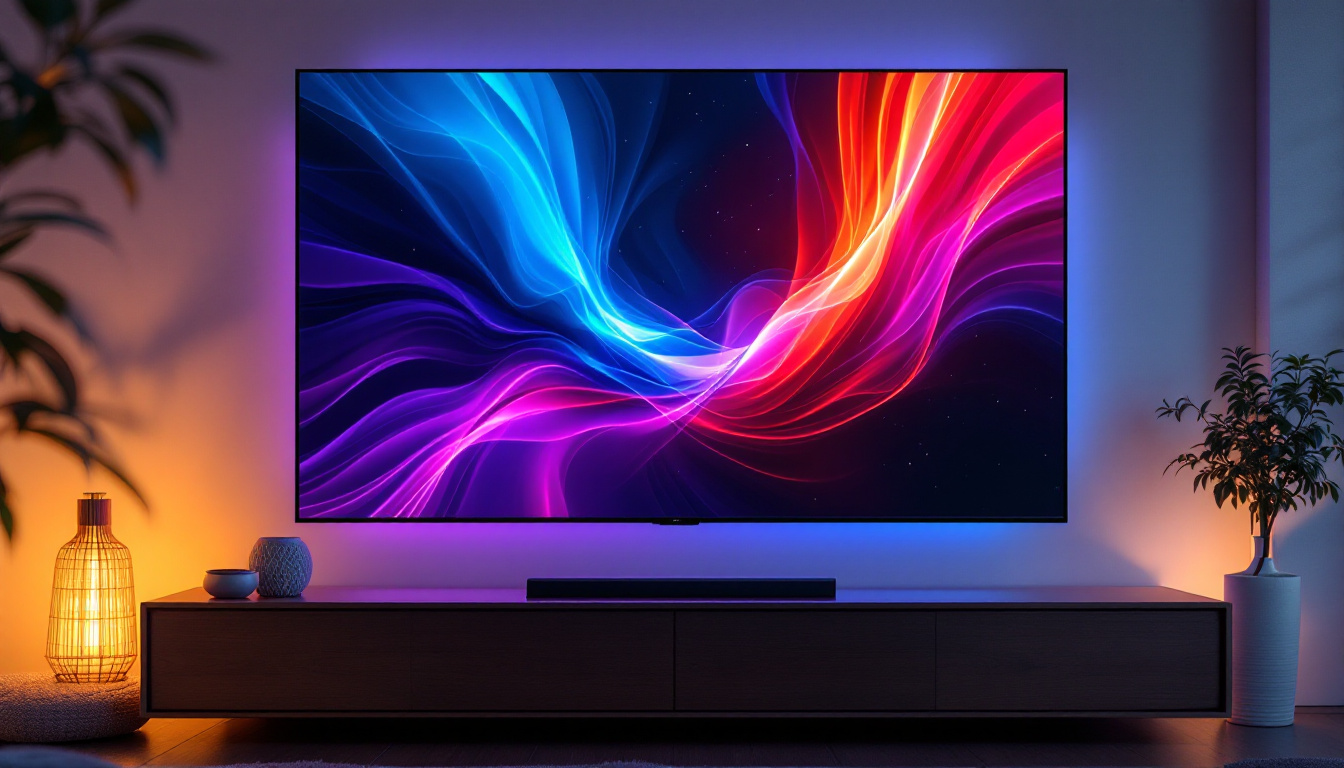
- Indoor LED Displays: Designed for close viewing distances, these displays have a higher pixel density for sharp images and are commonly used in retail stores, conference rooms, and event venues. Their versatility allows for dynamic content that can be easily updated, making them perfect for promotions and announcements.
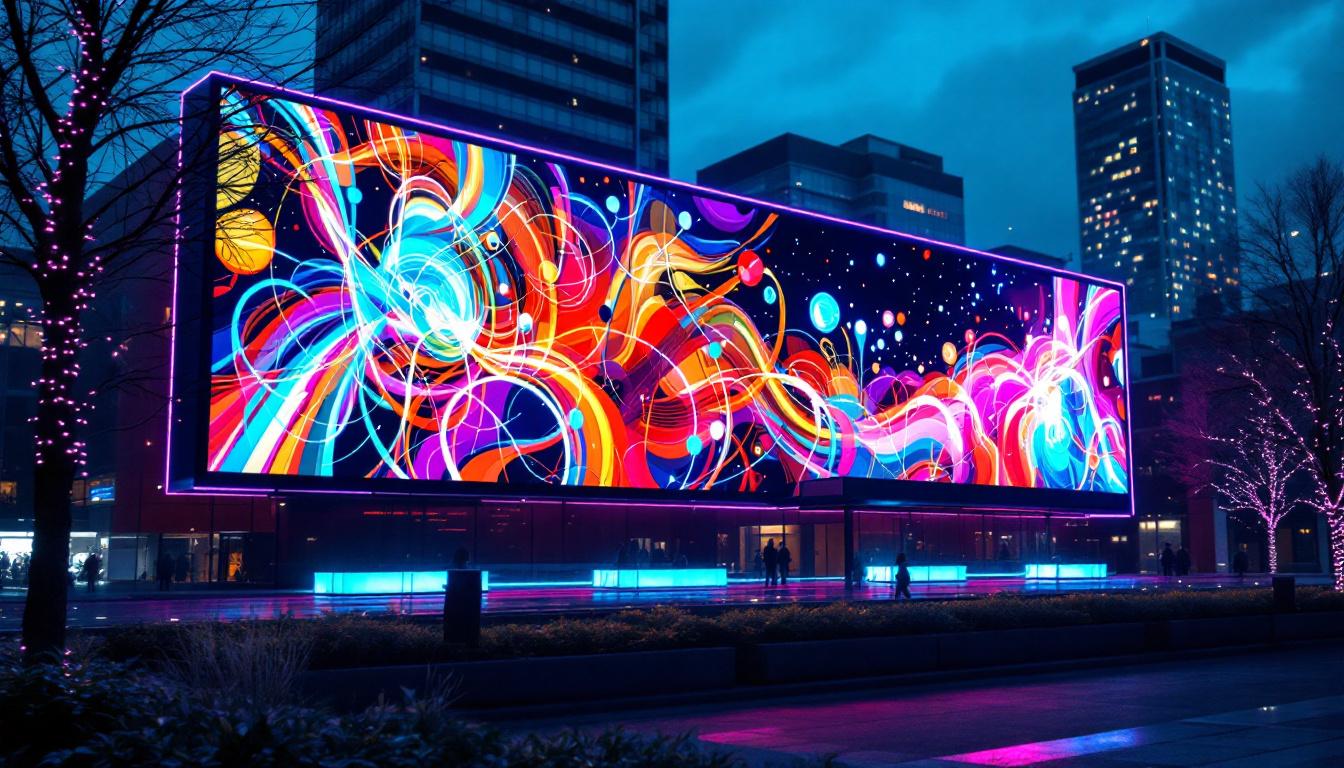
- Outdoor LED Displays: Built to withstand weather conditions, these displays offer higher brightness to combat sunlight glare and are often used for billboards, stadiums, and transportation hubs. These displays are engineered for durability, often featuring protective coatings to guard against rain, dust, and extreme temperatures, ensuring consistent performance in any environment.
- Transparent LED Displays: These innovative screens allow light to pass through, making them perfect for storefront windows and glass walls, combining advertising with architectural aesthetics. Their unique design not only provides an eye-catching display but also maintains visibility into the store, creating an inviting atmosphere for potential customers.
In addition to these types, there are also flexible LED displays that can be bent or shaped to fit unconventional spaces, allowing for creative installations that capture attention in unique ways. These displays are increasingly popular in art installations and modern architecture, where they can be integrated seamlessly into the environment. Furthermore, advancements in LED technology continue to push the boundaries, with developments such as microLED and OLED displays promising even greater color accuracy and energy efficiency, paving the way for the next generation of visual experiences.
Why Businesses Choose LED Display Boards
LED display boards have become a staple in modern business communication for several compelling reasons. Their ability to deliver dynamic content, adaptability to different environments, and cost-effectiveness make them a smart investment.
Enhanced Visibility and Engagement
One of the most significant advantages of LED displays is their exceptional brightness and color vibrancy. Studies show that bright, colorful signage can increase customer engagement by up to 80%. LED boards ensure that messages remain visible even in direct sunlight, unlike traditional printed signs that fade or become difficult to read outdoors.
Dynamic content, such as videos or animated graphics, captures attention far more effectively than static images. This capability allows businesses to promote multiple products, share real-time updates, or create eye-catching campaigns that resonate with their target audience. For instance, a retail store can showcase a new clothing line through a vibrant video display, attracting shoppers’ attention and encouraging them to enter the store. Additionally, interactive features, such as touch screens or QR codes, can further enhance customer interaction, allowing them to engage with the content in a more meaningful way.
Cost Efficiency and Longevity
Although the initial investment in LED display boards can be higher than traditional signage, their long-term benefits often outweigh the costs. LEDs consume significantly less power than other lighting technologies, reducing energy expenses. Additionally, LED displays have a lifespan of 50,000 to 100,000 hours, meaning they can operate for years with minimal maintenance.
Furthermore, the flexibility to update content digitally eliminates the recurring costs associated with printing new signs or banners, allowing businesses to adapt quickly to market trends or promotions without additional expenses. This is particularly advantageous for seasonal marketing campaigns, where businesses can easily switch their messaging to align with holidays or special events. The ability to track the effectiveness of different messages through analytics also enables companies to refine their strategies and maximize return on investment.
Customization and Flexibility
LED displays offer unparalleled customization options. Businesses can tailor the size, resolution, and shape of the display to fit their specific environment and branding needs. Content can be scheduled, changed remotely, and even integrated with data sources to display real-time information such as social media feeds, weather updates, or stock prices.
This adaptability makes LED boards suitable for a wide range of industries, including retail, hospitality, transportation, education, and corporate communications. For example, in the hospitality sector, hotels can use LED displays to showcase available amenities, event schedules, or special offers, enhancing the guest experience. In educational settings, schools and universities can utilize these boards to share announcements, highlight achievements, or promote upcoming events, fostering a sense of community and engagement among students and staff alike. The versatility of LED displays not only enhances communication but also reinforces brand identity across various platforms and environments.
Applications of LED Display Boards in Business
LED display technology is versatile, serving multiple functions across various sectors. Understanding these applications helps businesses identify how to leverage LED boards most effectively.
Retail and Advertising
Retailers use LED displays to attract foot traffic, promote sales, and enhance the shopping experience. For example, fashion brands often utilize large LED video walls in storefronts to showcase new collections or runway footage, creating a dynamic and immersive environment.
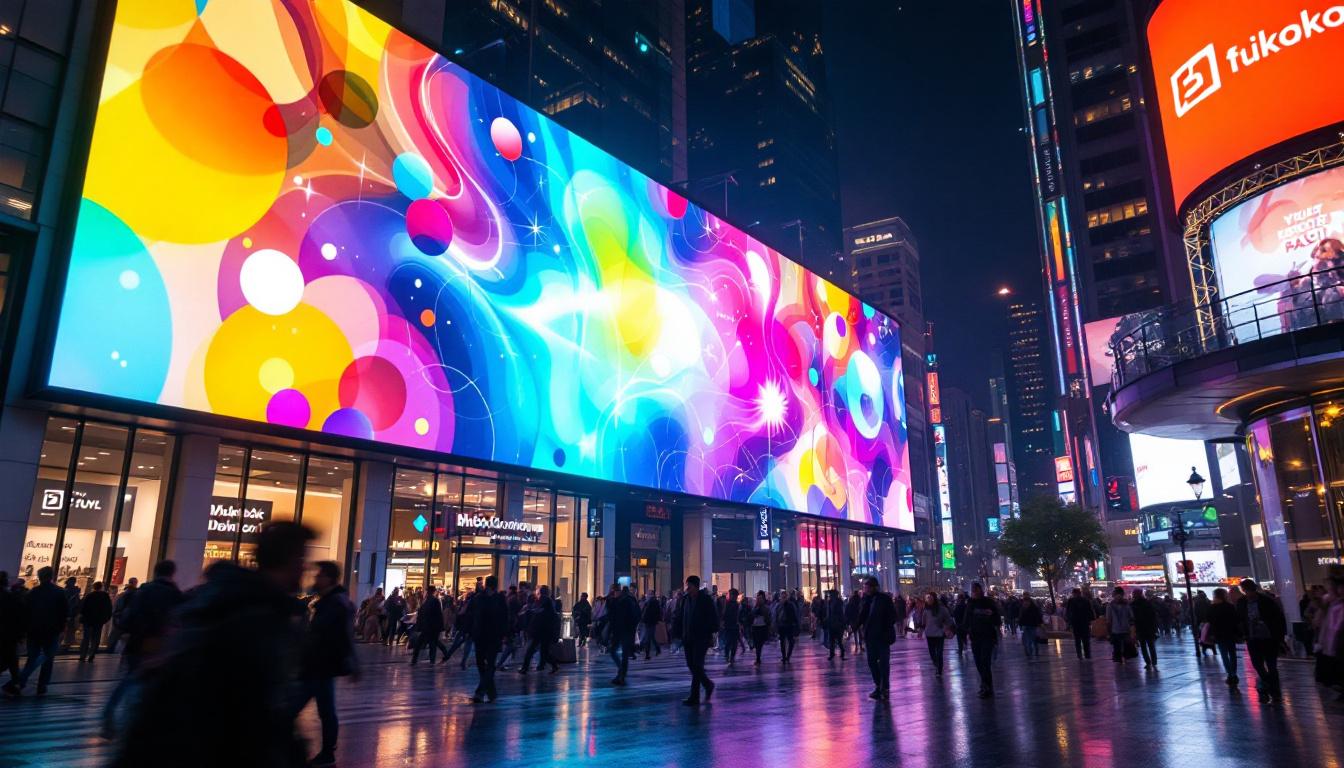
Outdoor LED billboards have become a dominant form of advertising in urban areas. According to the Outdoor Advertising Association of America, digital billboards can increase ad recall by 47% compared to static signs, highlighting their effectiveness in brand awareness campaigns.
Corporate Communication and Events
In corporate settings, LED displays facilitate internal communication, presentations, and branding. Large LED screens in lobbies can display company news, achievements, or welcome messages, enhancing the visitor experience.
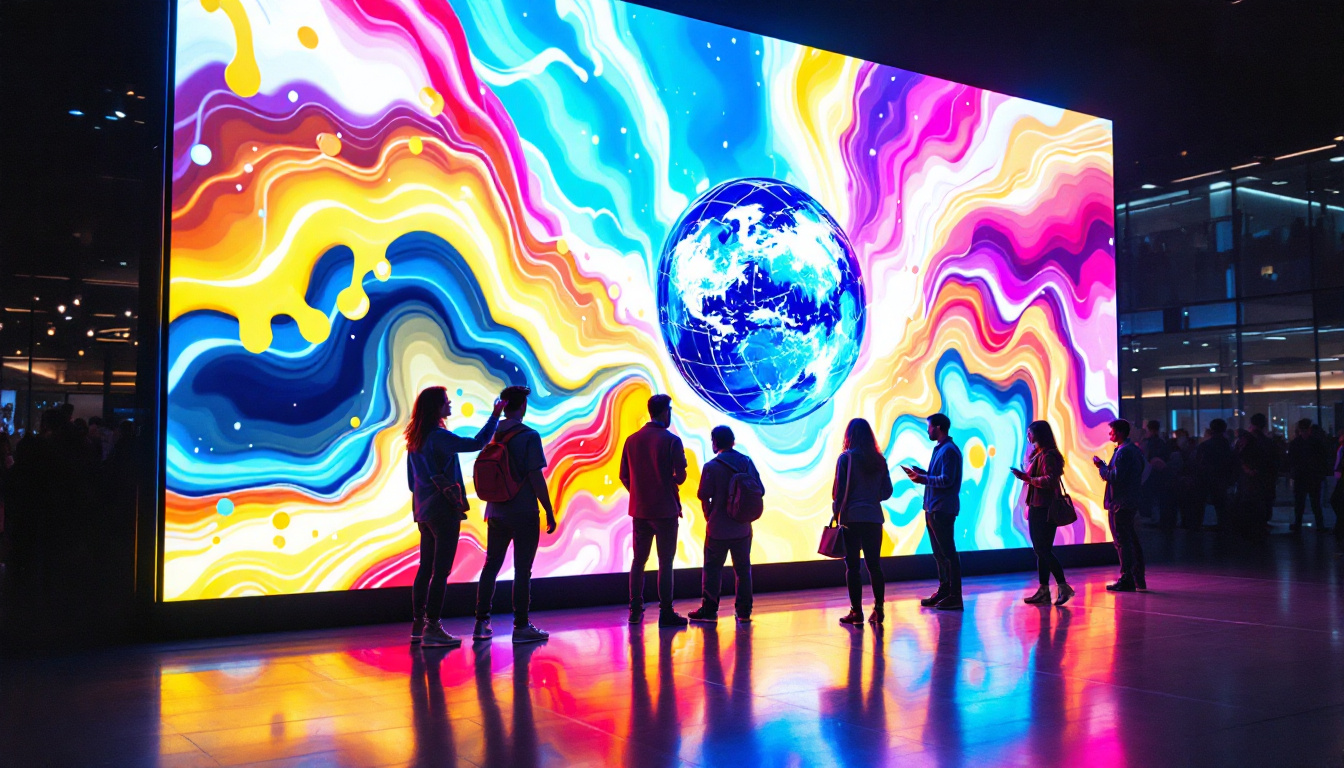
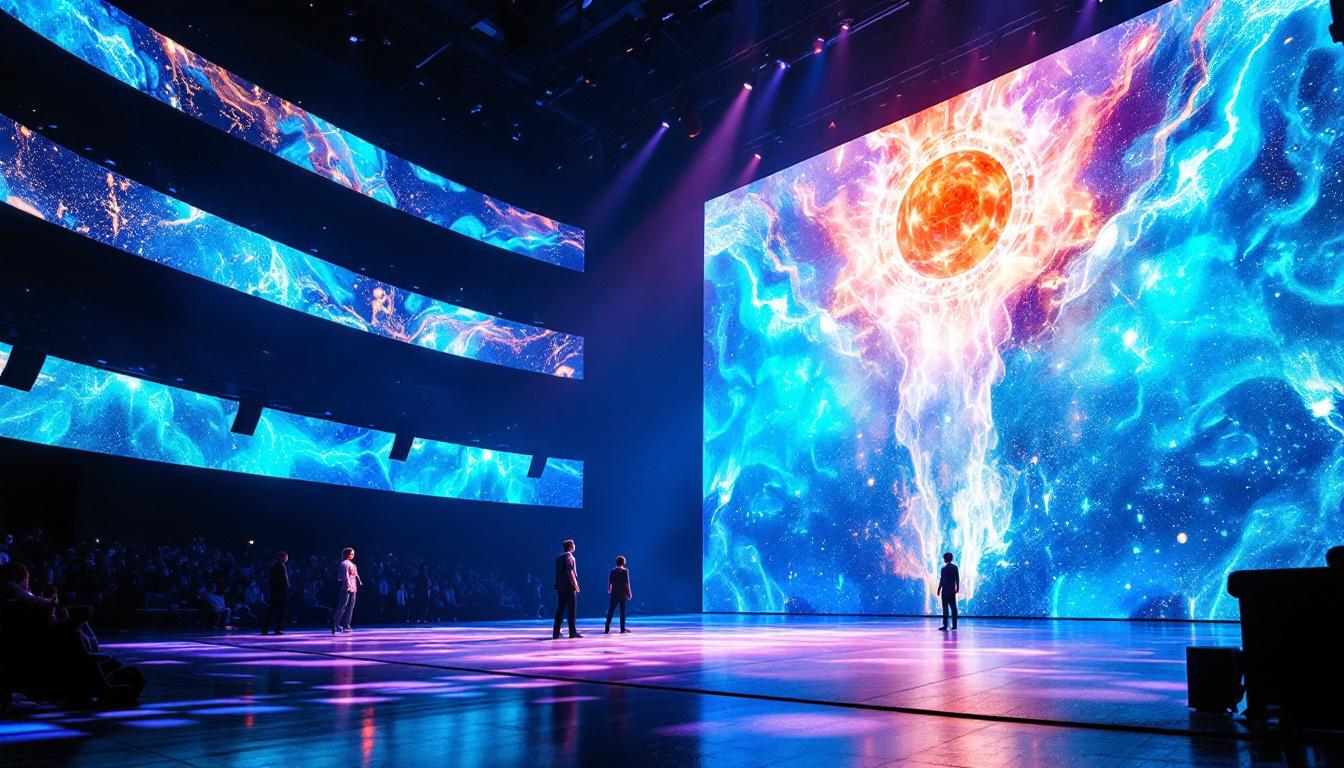
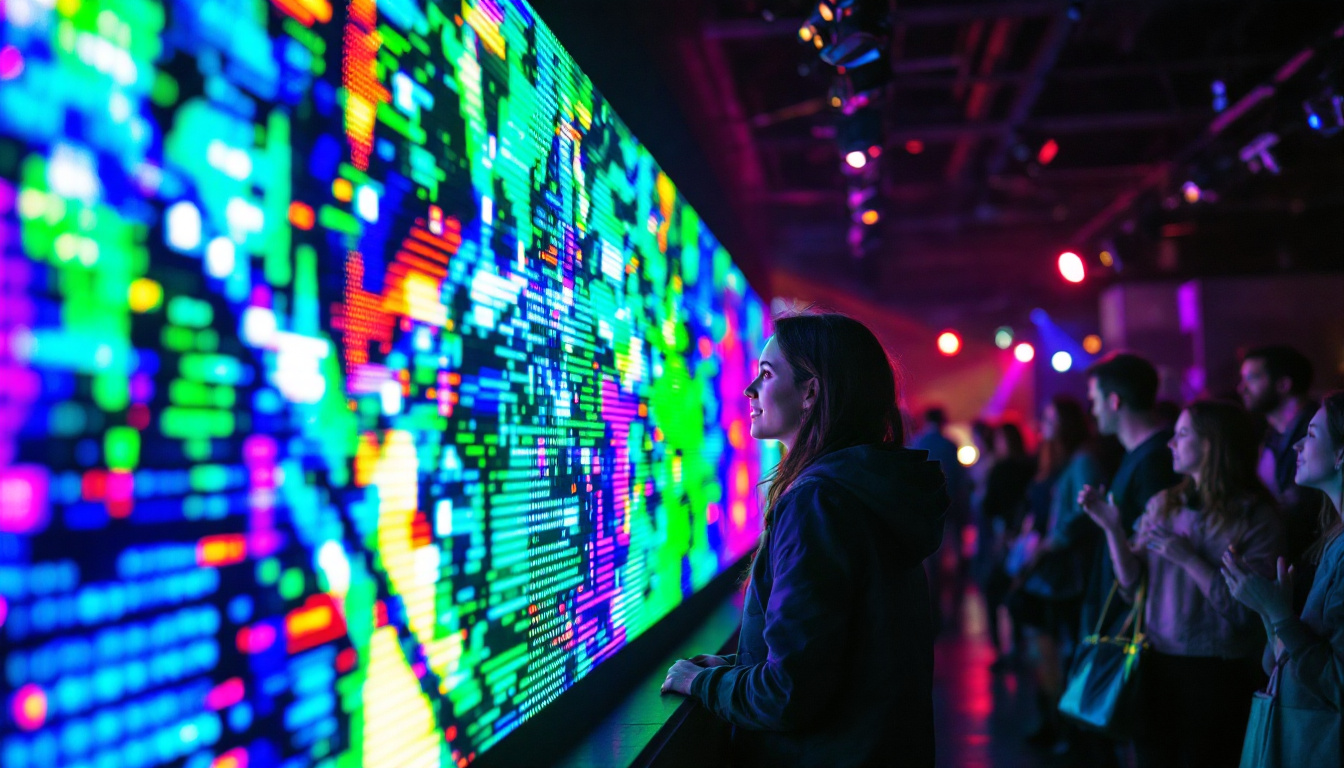
During conferences and trade shows, LED walls serve as impactful backdrops, delivering crisp visuals that support speakers and engage audiences. Their scalability allows for seamless integration into various event sizes and venues.
Transportation and Public Information
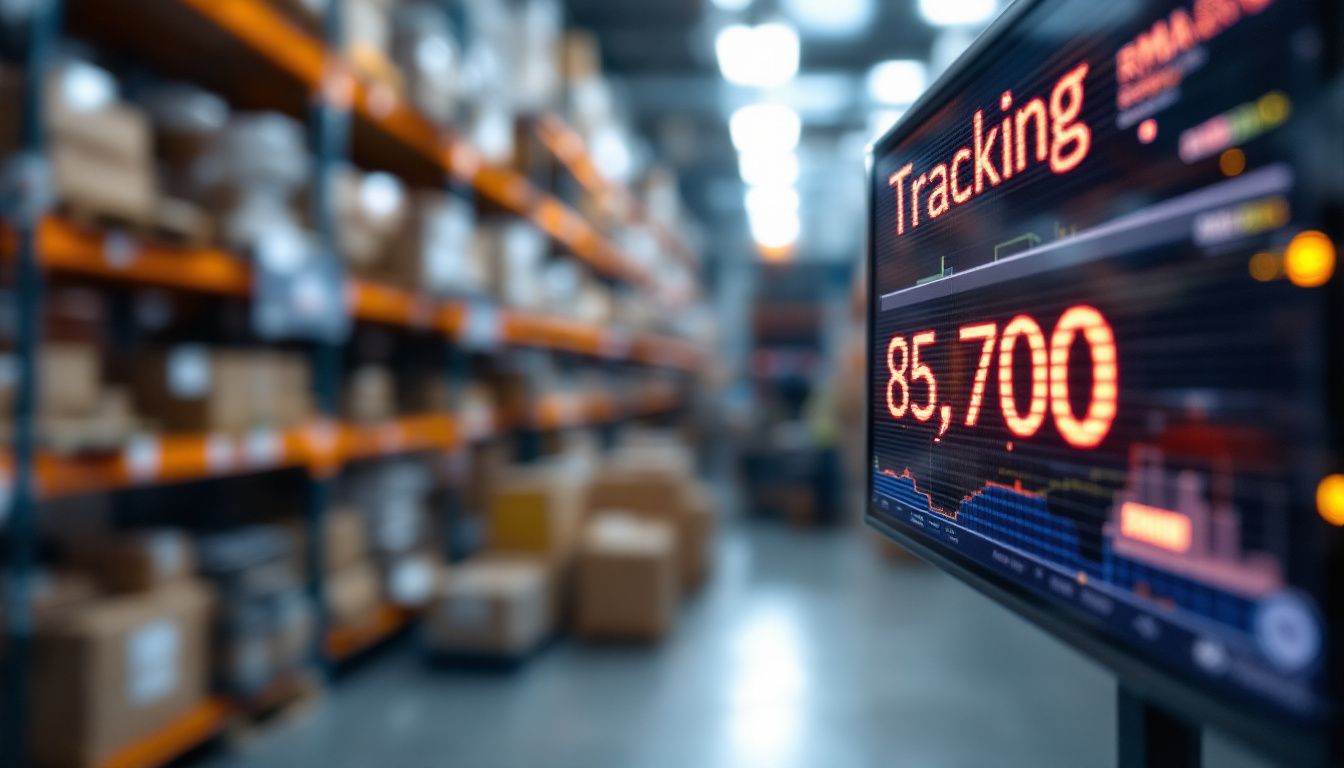
Airports, train stations, and bus terminals use LED displays to provide real-time schedules, alerts, and wayfinding information. The clarity and brightness of LED technology ensure that travelers receive timely and accurate updates, improving overall service quality.
Additionally, LED boards are employed in traffic management systems to display warnings, speed limits, and other critical information, contributing to road safety.
Key Considerations When Choosing an LED Display Board
Selecting the right LED display board involves evaluating several factors to ensure it meets business objectives and environmental demands.
Resolution and Pixel Pitch
Resolution refers to the number of pixels in the display, while pixel pitch is the distance between individual LEDs. A smaller pixel pitch means higher resolution and sharper images, which is crucial for indoor displays viewed at close range.
For outdoor displays, a larger pixel pitch is acceptable because viewers are typically farther away. Choosing the appropriate pixel pitch balances image quality with cost efficiency.
Brightness and Viewing Angle
Brightness is measured in nits, and outdoor LED displays often require brightness levels of 5,000 nits or more to remain visible in daylight. Indoor displays generally operate at lower brightness levels to prevent glare.
The viewing angle determines how well the display can be seen from different positions. Wide viewing angles are essential for locations where audiences approach from various directions.
Durability and Weather Resistance
Outdoor LED boards must be weatherproof and resistant to dust, moisture, and temperature fluctuations. Look for displays with an IP65 rating or higher to ensure reliable performance in harsh environments.
Indoor displays should also be robust enough to withstand regular use and potential impacts, especially in high-traffic areas.
Control Systems and Software
Modern LED displays come with sophisticated control software that allows for easy content management, scheduling, and remote updates. Some systems support integration with social media, live feeds, and interactive elements, expanding the possibilities for engagement.
Choosing a user-friendly platform with reliable technical support is critical for maximizing the value of the LED display investment.
Future Trends in LED Display Technology
The LED display industry continues to evolve rapidly, driven by advances in materials, software, and design innovations.
MicroLED and MiniLED Innovations
Emerging technologies like MicroLED and MiniLED promise even higher resolution, better color accuracy, and improved energy efficiency. These advancements will enable thinner, lighter displays with enhanced performance, opening new opportunities for business applications.
Interactive and Smart Displays
Integration with touch technology, augmented reality, and AI-driven content personalization is transforming LED displays into interactive marketing tools. Businesses can engage customers in novel ways, such as personalized promotions or immersive brand experiences.
Sustainability and Energy Efficiency
As environmental concerns grow, manufacturers are focusing on eco-friendly LED solutions that reduce power consumption and use recyclable materials. Sustainable digital signage aligns with corporate social responsibility goals and can enhance brand reputation.
Conclusion
LED digital display boards have become indispensable tools for businesses seeking to communicate effectively in a visually saturated market. Their brightness, versatility, and ability to deliver dynamic content make them superior to traditional signage in many ways.
By understanding the technology, applications, and key selection criteria, businesses can harness the full potential of LED displays to boost brand visibility, engage customers, and adapt quickly to changing marketing needs. As LED technology continues to advance, its role in business communication will only grow more significant, offering exciting possibilities for innovation and impact.
Discover LumenMatrix LED Display Solutions
Ready to elevate your business’s visual impact? Explore LumenMatrix’s comprehensive range of LED display solutions, meticulously designed to meet your unique communication needs. From vibrant Indoor LED Walls to robust Outdoor Displays, and from sleek LED Posters to immersive Custom Displays, LumenMatrix is at the forefront of creating experiences that captivate and engage. Embrace the future of digital signage with our cutting-edge technology. Check out LumenMatrix LED Display Solutions today and transform your brand’s visual storytelling.