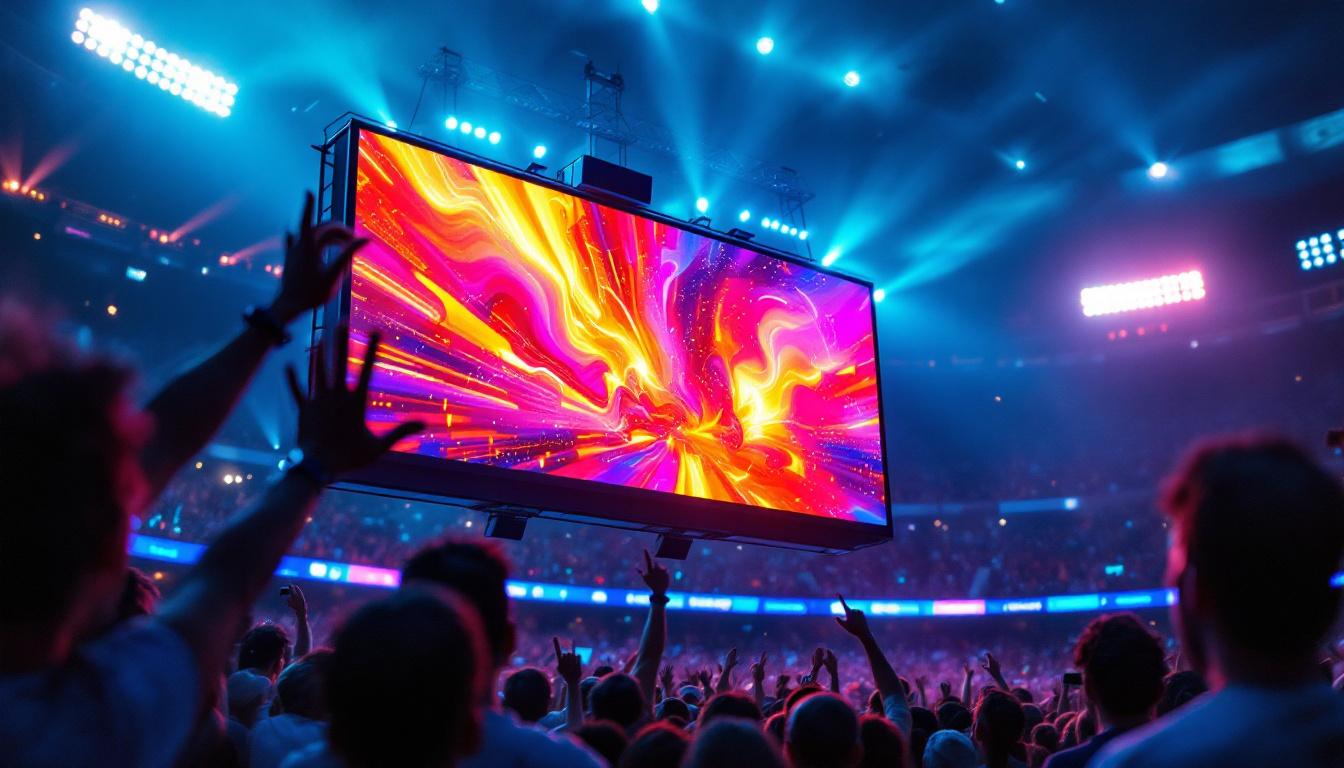
In the world of sports and live events, the scoreboard is an essential element that keeps audiences informed and engaged. Over the last few decades, the evolution from traditional manual scoreboards to digital scoreboards has revolutionized how information is displayed and consumed. Among digital solutions, LED displays have become the dominant technology due to their brightness, durability, and versatility. This article provides a comprehensive explanation of digital scoreboards with a focus on LED display technology, exploring how they work, their advantages, applications, and future trends.
The Evolution of Scoreboard Technology
Scoreboards have been around since the late 19th century, initially relying on manual methods such as flip cards and mechanical dials. These traditional scoreboards, while functional, had significant limitations including low visibility, slow updates, and limited information display. As technology advanced, electronic scoreboards emerged in the mid-20th century, using incandescent bulbs and later, basic digital displays to show scores and game time.
However, it was the advent of LED (Light Emitting Diode) technology in the late 20th century that truly transformed scoreboards. LED displays brought brighter, more energy-efficient, and highly customizable options, allowing scoreboards to become dynamic information hubs rather than just static score indicators.
The integration of LED technology not only enhanced visibility for spectators in large stadiums but also allowed for the incorporation of vibrant graphics and animations that could engage fans in new and exciting ways. This shift towards digital interactivity meant that scoreboards could now display real-time statistics, player profiles, and even social media feeds, creating a more immersive experience for the audience. Furthermore, the ability to program these displays with various themes and messages has enabled teams to foster a stronger connection with their fan base, celebrating milestones and promoting upcoming events in a visually appealing manner.
In recent years, the evolution of scoreboard technology has continued with the introduction of high-definition video screens, which have revolutionized how games are presented. These large, crystal-clear displays not only show scores but also provide instant replays, live feeds from different angles, and even interactive content that allows fans to participate in games and contests during the event. This multi-faceted approach has made scoreboards a central feature of the sporting experience, transforming them into entertainment platforms that extend beyond mere scorekeeping and into the realm of fan engagement and community building.
Understanding LED Display Technology in Digital Scoreboards
What is an LED Display?
LED displays are composed of numerous tiny light-emitting diodes that can be individually controlled to display text, numbers, and images. Each diode emits light when an electric current passes through it, making LEDs extremely bright and visible even in direct sunlight. This brightness is a key factor for outdoor sports venues where visibility is critical.
LED displays can be configured in various pixel densities and sizes, allowing manufacturers to create scoreboards ranging from small, simple numeric displays to large, full-color video boards capable of showing live video feeds, animations, and advertisements. The versatility of LED technology means that it can be tailored to fit the specific needs of different sports and venues, enhancing the overall spectator experience.
In addition to their brightness and adaptability, LED displays are also energy-efficient compared to traditional scoreboard technologies. This efficiency not only reduces operational costs for venues but also contributes to a more sustainable approach to sporting events. As technology continues to advance, the lifespan of LED displays has also improved, meaning that venues can invest in high-quality scoreboards that will serve them well for many years.
Types of LED Displays Used in Scoreboards
There are generally two types of LED displays used in digital scoreboards: single-color and full-color RGB LED displays. Single-color displays, often red or amber, are used for basic numeric or alphanumeric scoreboards. They are cost-effective and sufficient for many sports applications.
Full-color RGB (Red, Green, Blue) LED displays enable the presentation of complex graphics, animations, and video content. These are common in large stadiums and arenas, where the scoreboard doubles as a video screen for replays, player stats, and fan engagement content. The ability to display vibrant colors and high-definition video makes these scoreboards a focal point of the game-day experience, often captivating audiences with dynamic visuals and interactive features.
Furthermore, the integration of LED displays with other technologies, such as augmented reality and social media feeds, has revolutionized how fans interact with the game. For instance, some scoreboards can showcase live tweets or fan photos, creating a more immersive and participatory atmosphere. This trend not only enhances engagement but also fosters a sense of community among fans, as they can see their contributions highlighted on the big screen.
How LED Scoreboards Work
At the core of an LED scoreboard is a control system that manages the content displayed. This system receives input data—such as scores, time, and other game statistics—from a central controller or software interface operated by event staff. The control system translates this data into signals that activate specific LEDs on the display to form the desired characters or images.
Modern LED scoreboards often use wireless or networked connections to receive real-time updates, ensuring that the scoreboard reflects the current state of the game instantly. Additionally, advanced software allows for customizable layouts, multiple data streams, and integration with other stadium systems. This level of sophistication means that operators can easily switch between different types of content, such as game stats, advertisements, or entertainment segments, without interrupting the flow of the event.
Moreover, many LED scoreboards come equipped with built-in diagnostic tools that monitor the performance of the display in real-time. These tools can alert operators to any issues, such as malfunctioning LEDs or connectivity problems, allowing for quick maintenance and minimizing downtime. This proactive approach to scoreboard management ensures that fans enjoy a seamless viewing experience, regardless of the challenges that may arise during an event.
Advantages of LED Digital Scoreboards
Superior Visibility and Brightness
One of the most significant benefits of LED scoreboards is their exceptional brightness. LEDs can produce luminance levels that far exceed traditional incandescent or fluorescent lighting, making the scoreboard clearly visible in broad daylight and from long distances. This is crucial for outdoor sports venues where sunlight can wash out less bright displays.
Moreover, LED displays maintain consistent brightness over time, unlike older technologies that dim as bulbs age. This ensures a reliable viewing experience throughout the lifespan of the scoreboard.
Energy Efficiency and Longevity
Compared to older lighting technologies, LEDs consume significantly less power. This energy efficiency translates into lower operating costs, which is an important consideration for venues that operate scoreboards for extended periods during games, tournaments, or events.
LEDs also have a longer lifespan, often exceeding 100,000 hours of operation. This durability reduces maintenance frequency and costs, ensuring that the scoreboard remains functional and visually appealing for many years.
Customization and Versatility
Digital LED scoreboards offer unparalleled flexibility in terms of design and functionality. They can display a wide range of information beyond scores, including player statistics, time, fouls, advertisements, and even social media feeds. This adaptability enhances fan engagement and opens new revenue streams through advertising.
Additionally, LED scoreboards can be tailored to fit the specific requirements of different sports, from basketball and football to tennis and swimming, each with unique data display needs.
Weather Resistance and Durability
Outdoor scoreboards must withstand harsh weather conditions such as rain, snow, heat, and wind. LED displays used in scoreboards are typically housed in weatherproof enclosures that protect the electronics and ensure reliable operation in all climates.
The solid-state nature of LEDs makes them less susceptible to damage from vibration or impact compared to traditional bulbs, further enhancing their suitability for stadium environments.
Applications of LED Digital Scoreboards
Sports Venues and Arenas
The primary application of LED digital scoreboards is in sports venues, from local high school fields to professional stadiums. They provide real-time scoring updates, game clocks, and other essential information that enhances the spectator experience. In professional settings, large LED video boards also serve as entertainment centers, displaying instant replays, player introductions, and interactive fan content.
Community and Recreational Facilities
Community sports complexes and recreational centers increasingly adopt LED scoreboards due to their affordability and ease of use. These scoreboards improve the professionalism of local sports events and provide clear communication to players and spectators alike.
Event and Multi-Purpose Venues
Beyond sports, LED scoreboards are used in multi-purpose venues for concerts, conferences, and exhibitions where dynamic information display is needed. Their ability to switch between different types of content quickly makes them valuable for diverse event programming.
Choosing the Right LED Digital Scoreboard
Assessing Venue Size and Viewing Distance
When selecting an LED scoreboard, understanding the size of the venue and typical viewing distances is critical. Larger venues require bigger displays with higher pixel densities to ensure clarity and legibility from afar. Conversely, smaller facilities can opt for more compact scoreboards that fit their space and budget.
Determining Required Features
The complexity of the scoreboard should match the needs of the sport and the audience. Basic numeric displays suffice for simple score tracking, while multi-functional boards with full-color video capabilities are better suited for professional or high-profile events where enhanced fan engagement is desired.
Budget and Maintenance Considerations
While LED scoreboards offer long-term cost savings through energy efficiency and durability, initial investment costs can vary widely. It’s important to balance upfront expenses with expected benefits and maintenance requirements. Working with experienced suppliers can help identify solutions that maximize value.
The Future of LED Digital Scoreboards
Integration with Smart Technologies
The future of LED digital scoreboards lies in their integration with smart technologies such as Internet of Things (IoT) devices, artificial intelligence, and advanced data analytics. These innovations will enable scoreboards to provide more personalized and interactive experiences, such as real-time player biometrics, predictive analytics, and augmented reality overlays.
Enhanced Fan Engagement
As fan expectations evolve, scoreboards will become central hubs for immersive content. Features like social media integration, interactive polls, and gamification elements will transform passive viewing into active participation, deepening fan loyalty and expanding revenue opportunities.
Sustainability and Eco-Friendly Design
Environmental concerns are driving the development of even more energy-efficient LED technologies and sustainable manufacturing practices. Future scoreboards will likely incorporate renewable energy sources and recyclable materials, aligning with broader sustainability goals of sports organizations and communities.
Conclusion
Digital scoreboards equipped with LED displays have become indispensable in modern sports and event venues. Their superior visibility, energy efficiency, versatility, and durability make them the preferred choice for stadiums and arenas worldwide. Understanding how LED technology works and the advantages it offers helps stakeholders make informed decisions when investing in scoreboard solutions.
As technology continues to advance, LED digital scoreboards will evolve to deliver richer, more interactive experiences that enhance fan engagement and operational efficiency. Whether for a local community field or a major professional stadium, LED scoreboards represent the cutting edge of sports information display.
Illuminate Your Venue with LumenMatrix
Ready to elevate your sports venue or event space with the latest in LED display technology? LumenMatrix is at the forefront of innovation, offering a wide array of LED display solutions tailored to your unique needs. From captivating Indoor LED Wall Displays to robust Outdoor LED Wall Displays, and from dynamic LED Sports Displays to versatile All-in-One LED Displays, our mission is to transform your visual communication and audience engagement. Don’t miss the opportunity to create unforgettable visual experiences. Check out LumenMatrix LED Display Solutions today and bring your scoreboard into the future.