In today’s fast-evolving healthcare environment, clear communication and efficient information dissemination are more critical than ever. Digital signage, particularly LED displays, has emerged as a powerful tool to enhance patient experience, streamline operations, and improve overall healthcare delivery. This article explores the role of LED digital signage in healthcare, explaining its benefits, applications, and best practices for implementation.
Understanding LED Digital Signage in Healthcare
Digital signage refers to electronic displays that present information, advertising, or other messages. In healthcare settings, LED (Light Emitting Diode) displays are preferred for their brightness, clarity, and versatility. Unlike traditional LCD screens, LED displays use an array of diodes that emit light, making them highly visible even in brightly lit environments such as hospital lobbies or emergency rooms.
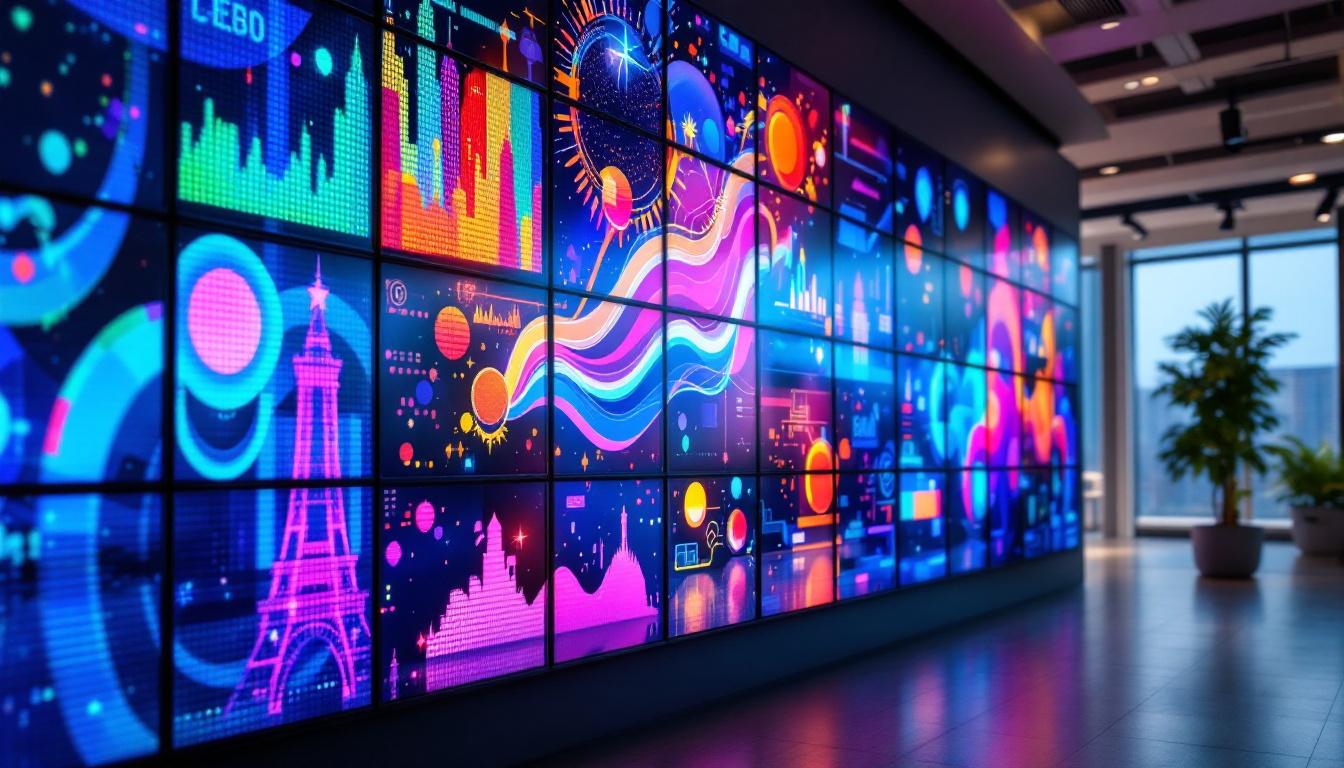
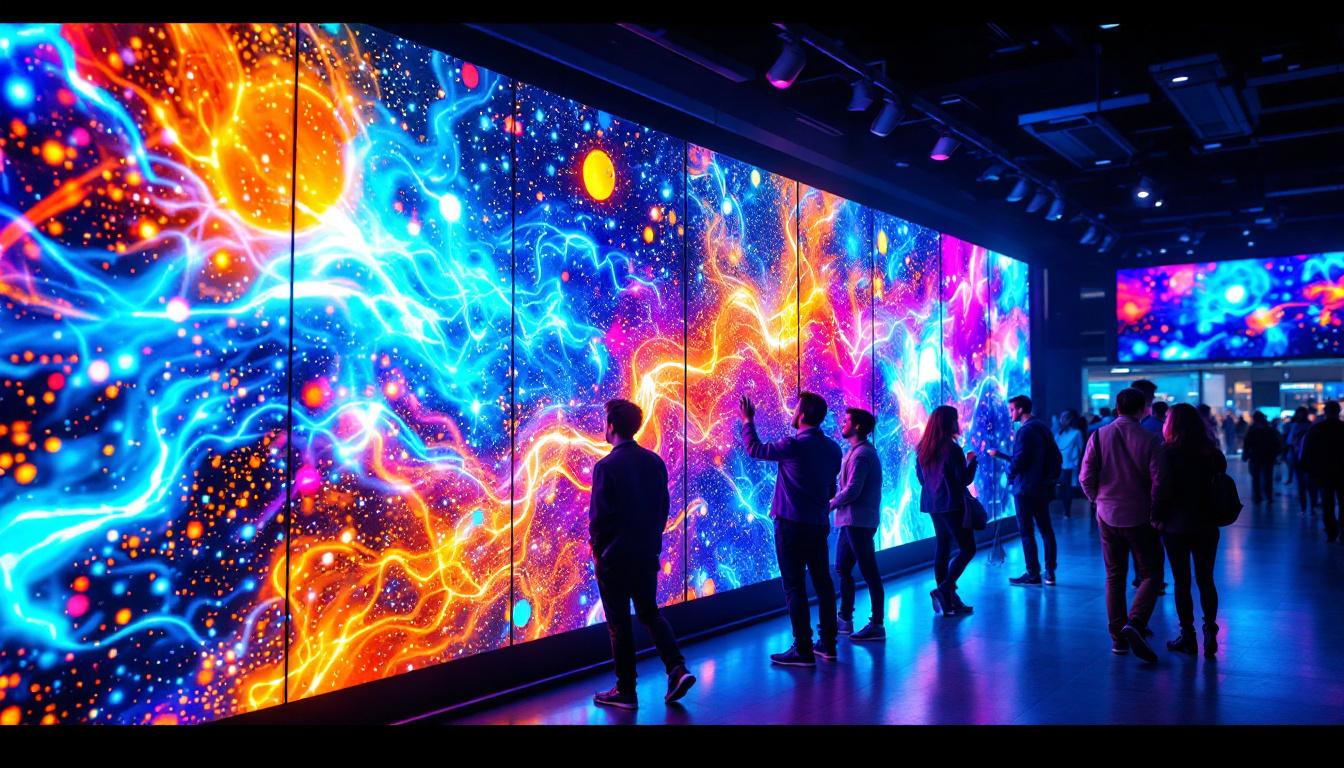
LED displays come in various forms including indoor and outdoor screens, video walls, and interactive kiosks. Their modular design allows customization to fit different spaces and purposes, from small waiting room monitors to large-scale information boards in hospital corridors. This adaptability is crucial in healthcare, where the flow of information can greatly impact patient experience and operational efficiency. For instance, a video wall can be used to display educational content about health and wellness, while interactive kiosks can guide patients through the facility, reducing confusion and anxiety.
Why LED Displays Are Ideal for Healthcare Settings
Healthcare environments demand displays that are reliable, easy to read, and capable of operating continuously. LED digital signage meets these criteria exceptionally well:
- High Visibility: LED screens provide vivid colors and high contrast ratios, ensuring information is legible from a distance and under various lighting conditions.
- Durability and Longevity: LEDs have a longer lifespan compared to other display technologies, reducing maintenance and replacement costs.
- Energy Efficiency: LED technology consumes less power, aligning with healthcare facilities’ goals to reduce operational costs and environmental impact.
- Flexibility: Content can be updated remotely and in real-time, allowing healthcare providers to share timely information such as appointment schedules, emergency alerts, and health tips.
Moreover, the integration of LED digital signage in healthcare settings extends beyond mere information dissemination. These displays can enhance patient engagement by showcasing health-related content, such as educational videos on managing chronic conditions or promoting upcoming health fairs. Additionally, they can serve as platforms for community outreach, informing the public about available services and preventive health measures. The ability to display multiple types of content—ranging from static images to dynamic videos—ensures that healthcare facilities can communicate effectively with diverse audiences, including patients, visitors, and staff.
Furthermore, the interactive capabilities of LED signage allow for a more personalized experience. For example, touch-screen kiosks can enable patients to check in for appointments, find directions within the hospital, or access their medical records securely. This not only streamlines administrative processes but also empowers patients by giving them control over their healthcare journey. As technology continues to evolve, the potential applications of LED digital signage in healthcare settings will likely expand, further enhancing the patient experience and operational efficiency.
Key Applications of LED Digital Signage in Healthcare
Healthcare providers utilize LED digital signage for a variety of purposes, each contributing to improved patient care and operational efficiency.
Patient Communication and Engagement
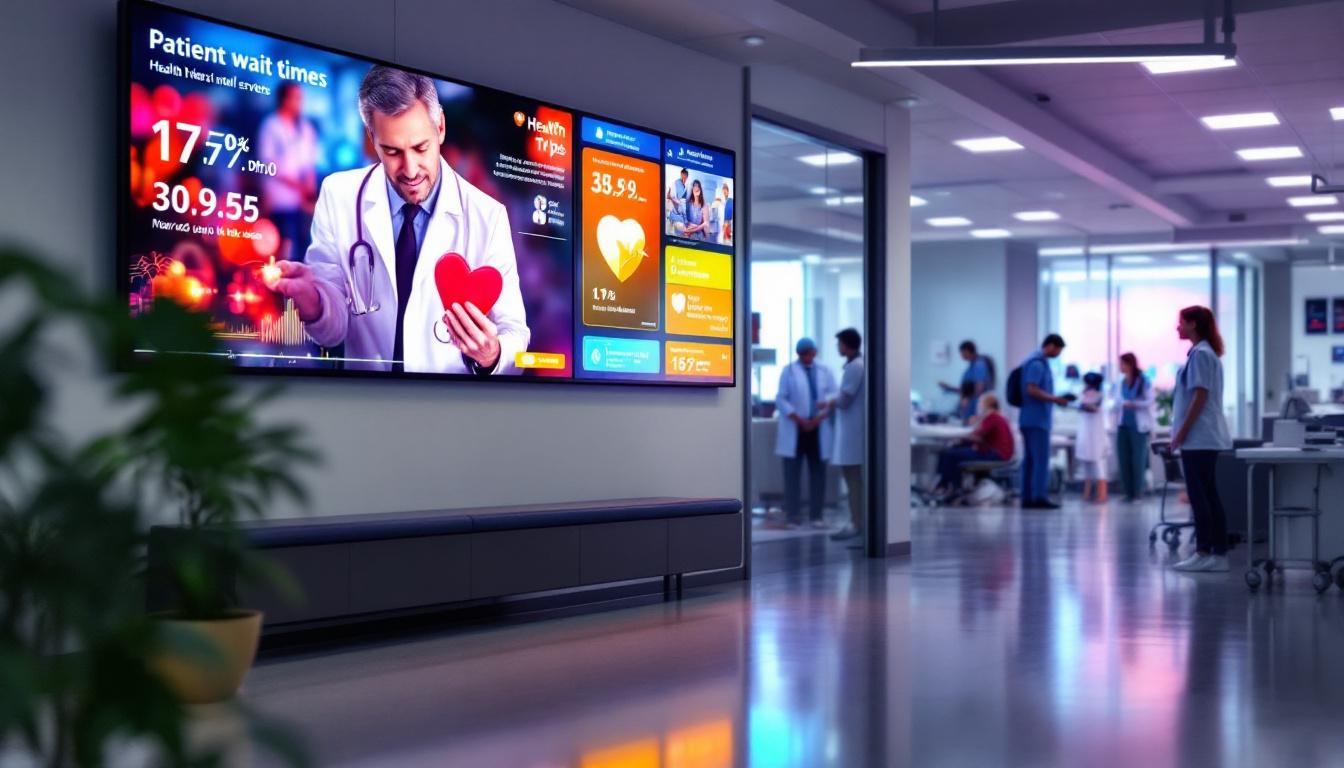
One of the primary uses of LED signage is to enhance communication with patients and visitors. Waiting areas can often be stressful, and digital displays help by providing relevant information that educates and reassures.
For example, LED screens can display:
- Real-time wait times and appointment updates
- Health education content such as hygiene tips, vaccination information, and disease prevention
- Directions and wayfinding assistance within complex hospital layouts
- Promotional messages about hospital services or wellness programs
Studies have shown that well-informed patients tend to have higher satisfaction rates and better compliance with medical instructions, underscoring the value of effective communication tools. Furthermore, these displays can be tailored to different demographics, ensuring that information is accessible to all, including those with language barriers or varying levels of health literacy. By integrating multilingual content and visual aids, healthcare facilities can create a more inclusive environment that fosters understanding and engagement among diverse patient populations.
Staff Coordination and Operational Efficiency
Beyond patient-facing applications, LED digital signage supports internal hospital operations. Digital displays in staff lounges, nurse stations, and administrative areas can provide:
- Shift schedules and staffing updates
- Emergency alerts and safety protocols
- Performance dashboards and key metrics
- Training reminders and policy changes
This real-time flow of information helps reduce errors, improve response times, and foster a culture of transparency and accountability among healthcare teams. Additionally, by utilizing data analytics, hospitals can optimize the information displayed based on peak hours and specific departmental needs, ensuring that staff are always equipped with the most relevant updates. This can lead to a more streamlined workflow, allowing healthcare professionals to focus on patient care rather than administrative tasks.
Emergency and Crisis Communication
In critical situations such as natural disasters, pandemics, or internal emergencies, rapid and clear communication is vital. LED signage can broadcast urgent messages instantly across multiple locations within a healthcare facility.
For instance, during the COVID-19 pandemic, many hospitals used digital signage to display safety protocols, mask mandates, and vaccination information, adapting quickly as guidelines evolved. The ability to update content remotely and simultaneously ensures that all staff and patients receive consistent and timely information. Moreover, the integration of LED signage with emergency response systems can enhance situational awareness, allowing for quick dissemination of evacuation routes or shelter-in-place instructions during crises. This capability not only enhances safety but also reinforces the hospital’s commitment to protecting both patients and staff in times of uncertainty.
Benefits of Implementing LED Digital Signage in Healthcare Facilities
The adoption of LED digital signage in healthcare settings brings numerous advantages that extend beyond basic communication.
Improved Patient Experience and Satisfaction
Healthcare consumers increasingly expect modern, technology-driven environments. Digital signage contributes to a more welcoming atmosphere by reducing perceived wait times and providing engaging content. According to a survey by the Healthcare Information and Management Systems Society (HIMSS), 70% of patients reported that digital signage enhanced their overall experience during hospital visits.
Cost-Effective and Scalable Solution
While the initial investment in LED displays might be significant, the long-term benefits and cost savings are substantial. Digital signage eliminates the need for printed materials, reducing paper waste and printing expenses. Additionally, content can be updated without additional costs, unlike traditional signage that requires reprinting and manual replacement.
Moreover, LED signage systems can scale with the facility’s needs, allowing healthcare providers to expand coverage as their communication requirements grow.
Enhanced Accessibility and Inclusivity
Modern LED digital signage can integrate features such as multilingual support, audio announcements, and high-contrast visuals to accommodate diverse patient populations, including those with disabilities or limited English proficiency. This inclusivity helps healthcare providers meet regulatory requirements and deliver equitable care.
Best Practices for Deploying LED Digital Signage in Healthcare
Successful implementation of LED digital signage involves strategic planning and adherence to industry standards to maximize impact and ensure compliance.
Content Strategy and Management
Effective digital signage content must be clear, concise, and relevant. Healthcare organizations should develop a content calendar that balances educational material, operational updates, and promotional messages without overwhelming viewers.
Utilizing content management systems (CMS) designed for healthcare can streamline scheduling, localization, and emergency overrides. Additionally, incorporating patient feedback into content decisions can enhance engagement and satisfaction.
Placement and Design Considerations
Optimal placement of LED displays is crucial. Screens should be positioned at eye level in high-traffic areas such as entrances, waiting rooms, and corridors. Consideration of ambient lighting, viewing angles, and screen size ensures readability and reduces glare.
Design elements such as font size, color schemes, and animation speed must cater to diverse audiences, including elderly patients who may have visual impairments.
Compliance and Security
Healthcare digital signage must comply with regulations such as the Health Insurance Portability and Accountability Act (HIPAA) in the United States, ensuring that patient privacy is not compromised. Content should avoid displaying sensitive information publicly.
Cybersecurity is also paramount. LED signage systems connected to hospital networks must be protected against unauthorized access, data breaches, and malware attacks. Regular software updates, secure login protocols, and network segmentation are recommended practices.
Future Trends in Healthcare LED Digital Signage
The integration of emerging technologies promises to expand the capabilities of LED digital signage in healthcare.
Interactive and Touchless Displays
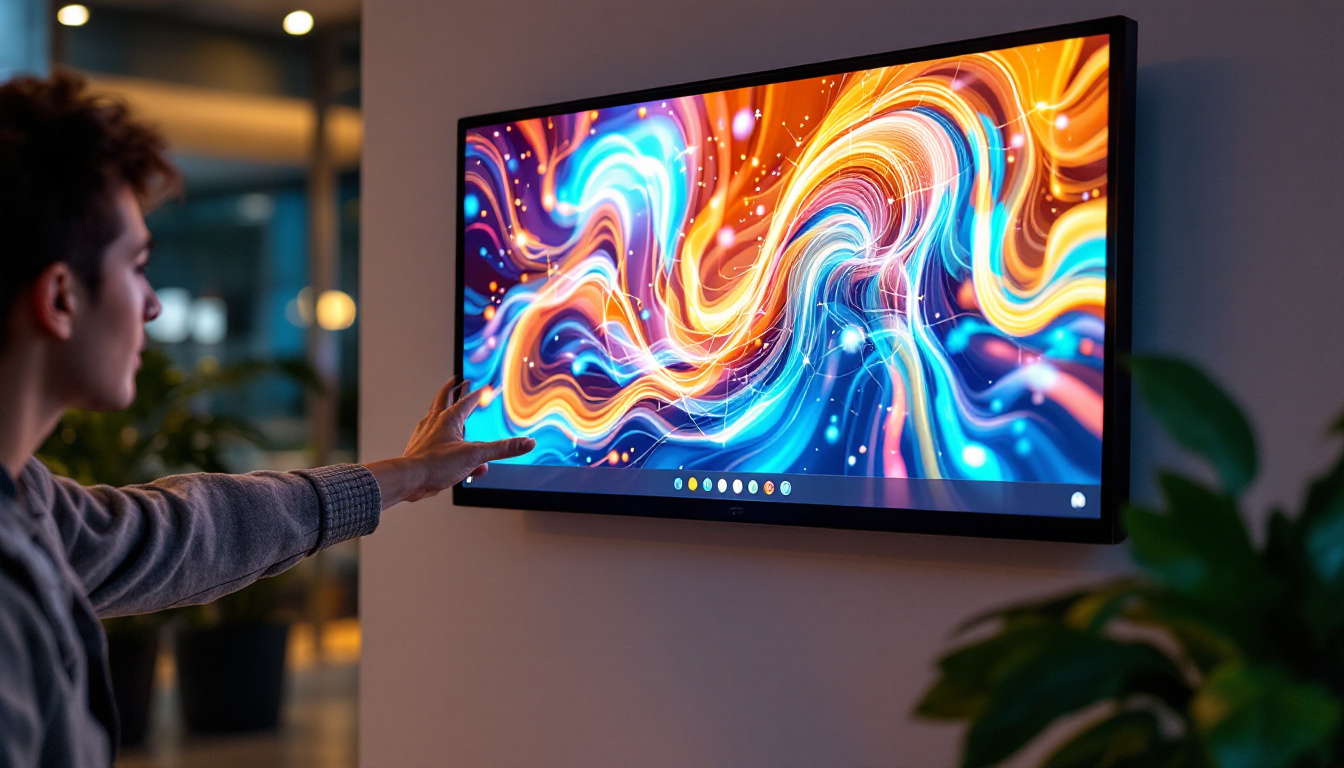
Interactive LED kiosks and touchless gesture controls are gaining traction, enabling patients to check in, navigate facilities, or access personalized health information without physical contact—an important feature in infection control.
Artificial Intelligence and Data Integration
AI-powered signage can tailor content based on real-time data such as patient demographics, time of day, or current health alerts. Integration with electronic health records (EHR) and hospital information systems can further personalize communication and improve operational workflows.
Augmented Reality (AR) and Wayfinding
Augmented reality overlays on LED displays can assist patients and visitors in navigating complex hospital environments, reducing confusion and stress. This technology is expected to become more accessible and widely adopted in the coming years.
Conclusion
LED digital signage is transforming healthcare communication by offering dynamic, clear, and efficient ways to engage patients, support staff, and manage operations. Its high visibility, durability, and flexibility make it an ideal choice for healthcare environments where timely and accurate information is critical.
By adopting best practices in content strategy, placement, and security, healthcare providers can maximize the benefits of LED displays while enhancing patient experience and operational effectiveness. Looking ahead, innovations such as interactivity, AI integration, and augmented reality will further elevate the role of digital signage in delivering quality healthcare.
Explore Cutting-Edge LED Display Solutions with LumenMatrix
Ready to elevate your healthcare facility’s communication and patient engagement with the latest in LED display technology? Discover LumenMatrix’s innovative solutions, designed to create immersive visual experiences that captivate and inform. From Indoor LED Walls to Custom Displays, our products are crafted to meet the unique needs of the healthcare industry. Enhance your brand visibility and revolutionize your visual communication today. Check out LumenMatrix LED Display Solutions and see the difference cutting-edge technology can make.