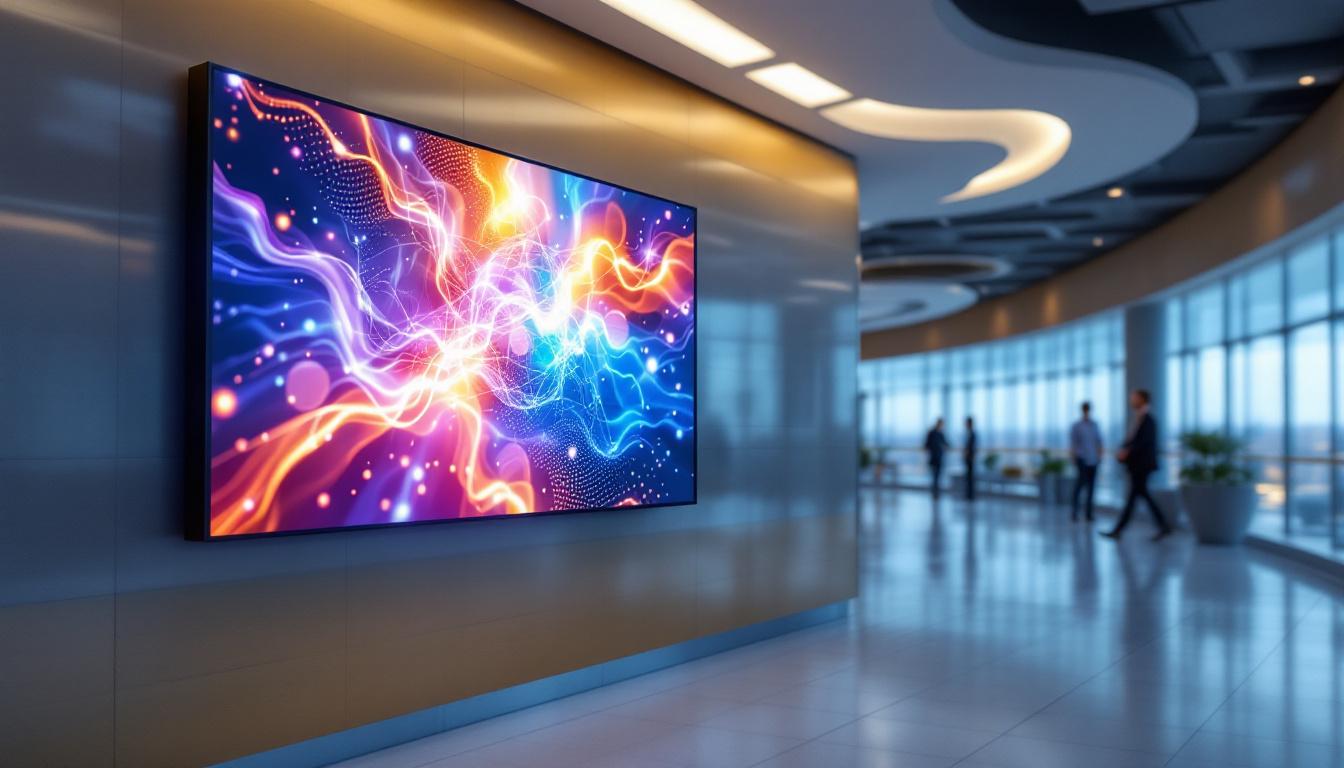
In recent years, the healthcare industry has witnessed a significant transformation in how information is communicated within medical facilities. Digital signage, particularly LED displays, has emerged as a powerful tool to enhance patient engagement, streamline operations, and improve overall healthcare experiences. This article explores the role of LED digital signage in healthcare, explaining its technology, benefits, applications, and considerations for successful implementation.
Understanding LED Digital Signage Technology
What is LED Digital Signage?
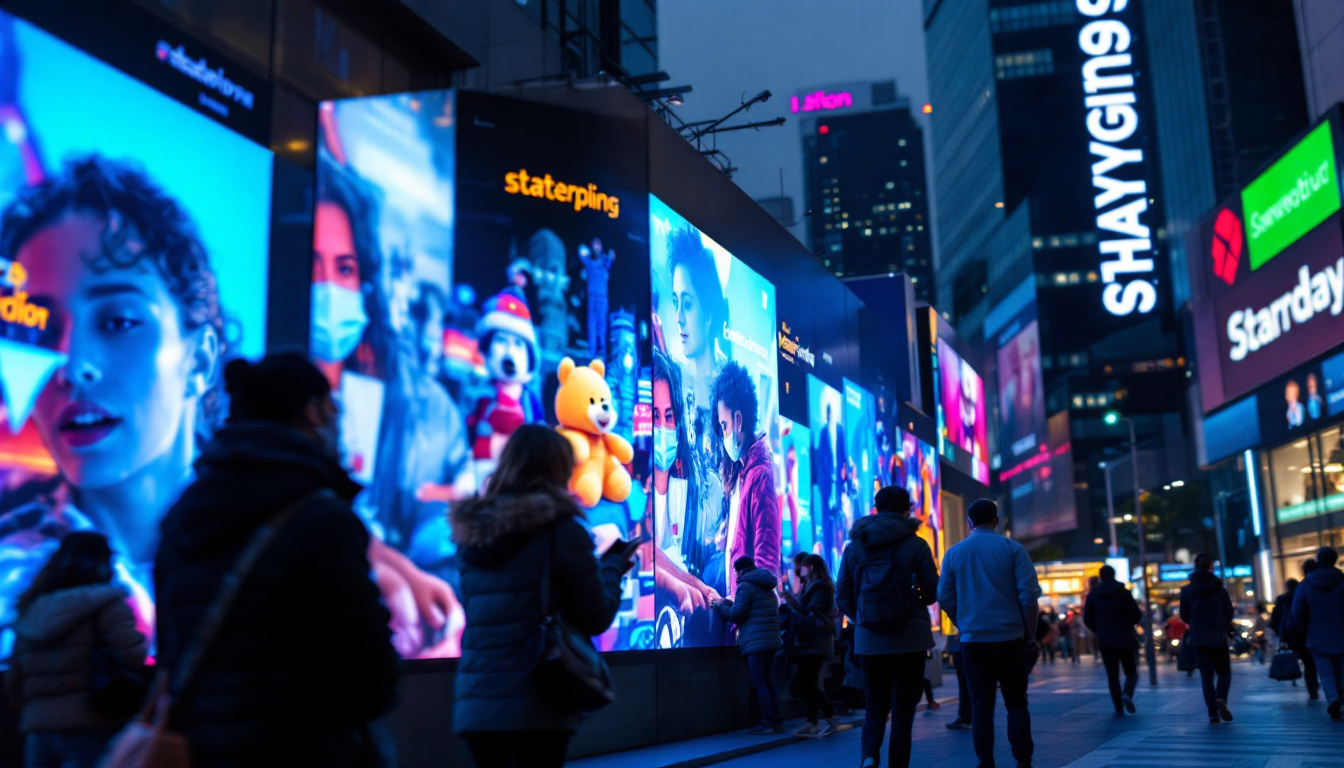
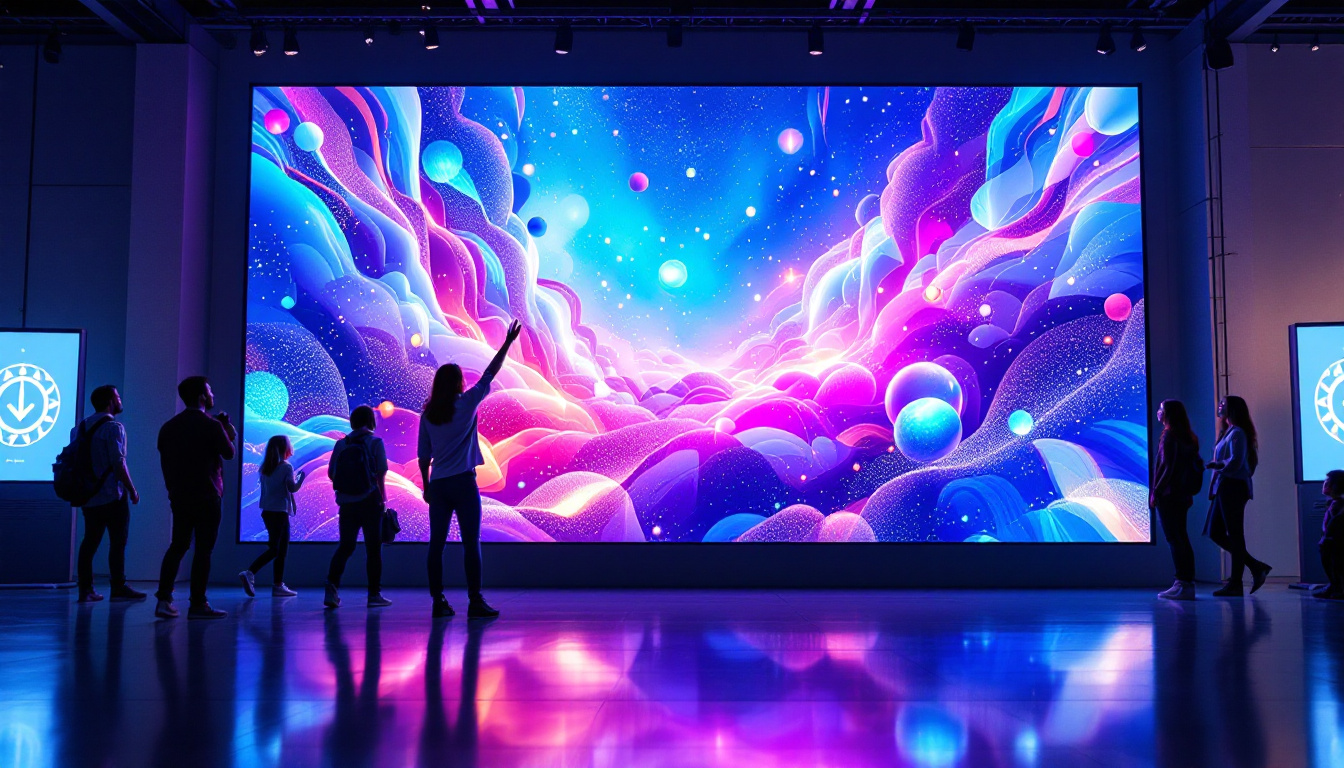
LED (Light Emitting Diode) digital signage refers to electronic displays that use an array of light-emitting diodes to present dynamic content such as text, images, videos, and animations. Unlike traditional static signs, LED displays offer vibrant colors, high brightness, and excellent visibility even in well-lit environments, making them ideal for healthcare settings where clear communication is critical.
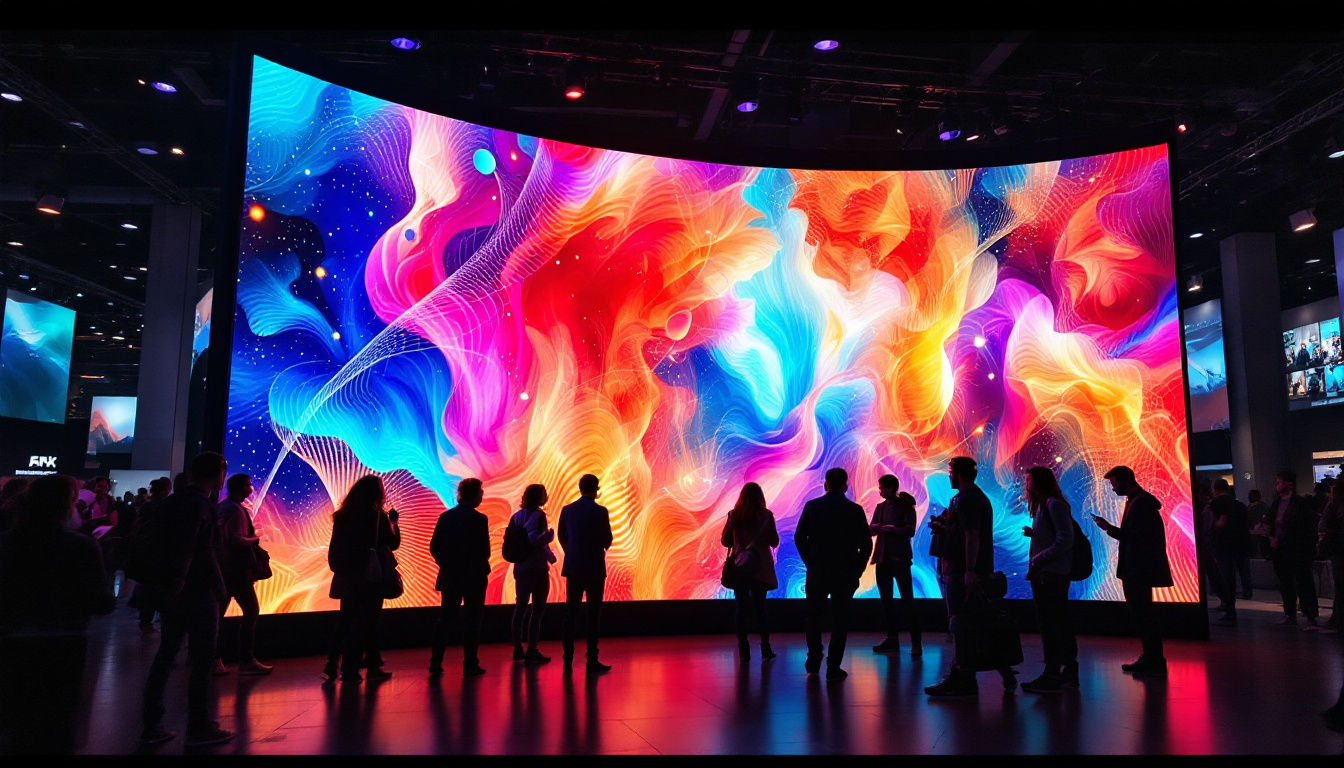
These displays range from small indoor screens to expansive video walls, and they can be customized in size and resolution to fit various spaces within hospitals, clinics, and other medical facilities. The modular nature of LED technology allows for seamless scalability and maintenance, providing healthcare providers with flexible signage solutions. Moreover, LED digital signage can be integrated with real-time data feeds, enabling healthcare facilities to display important information such as wait times, health tips, and emergency alerts, thereby enhancing patient experience and operational efficiency.
How LED Displays Work
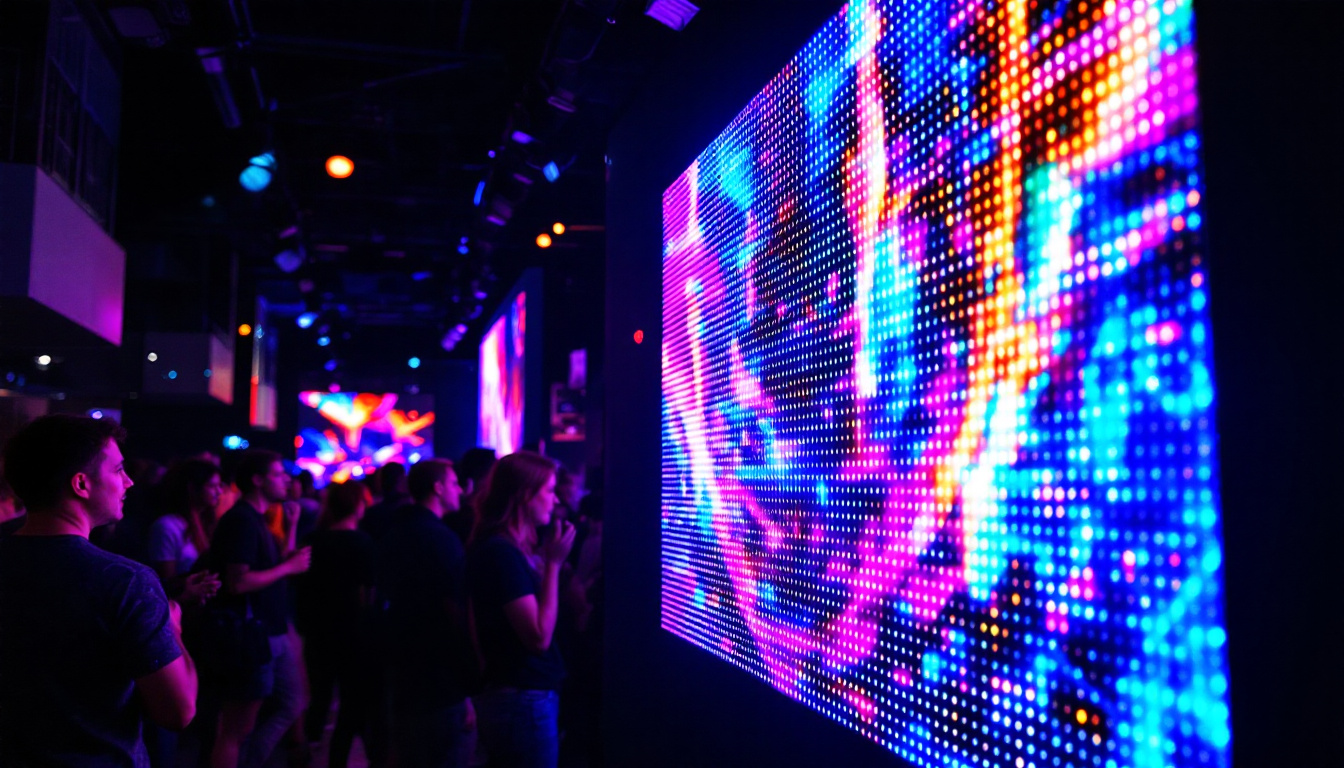
At the core of LED digital signage are tiny diodes that emit light when an electric current passes through them. These diodes are arranged in pixels, each consisting of red, green, and blue LEDs, which combine to produce a full spectrum of colors. The intensity of each diode is controlled to create the desired image or video on the screen.
LED displays are typically categorized into two types: direct view LED and LED-backlit LCD. Direct view LED displays use LEDs as the actual pixels, offering superior brightness and contrast, while LED-backlit LCD screens use LEDs to illuminate an LCD panel. In healthcare, direct view LED displays are preferred for their durability, brightness, and ability to display large-format content without compromising clarity. Additionally, these displays are energy-efficient, which is particularly beneficial for hospitals aiming to reduce their carbon footprint. The long lifespan of LED technology also means lower replacement costs, making it a cost-effective solution for long-term use in demanding environments.
Why LED Digital Signage Matters in Healthcare
Enhancing Patient Communication and Experience
Effective communication is essential in healthcare environments, where patients often face stress and uncertainty. LED digital signage provides a dynamic platform to deliver important information such as appointment schedules, wayfinding directions, health tips, and emergency alerts in real time.
Studies have shown that clear and timely information reduces patient anxiety and improves satisfaction. For example, a 2022 survey by the Healthcare Information and Management Systems Society (HIMSS) found that 68% of patients felt more confident navigating healthcare facilities when digital signage was present. Additionally, engaging content such as health education videos can empower patients to take an active role in their care.
Moreover, the visual appeal of LED displays can capture the attention of patients and visitors, making the information more accessible and easier to understand. Colorful graphics and animations can illustrate complex health concepts, ensuring that even those with limited health literacy can grasp essential information. This is particularly beneficial in pediatric settings, where engaging visuals can help explain procedures to young patients, alleviating their fears and enhancing their overall experience.
Operational Efficiency and Staff Coordination
Beyond patient-facing benefits, LED digital signage enhances internal communication among healthcare staff. Digital displays can provide real-time updates on room availability, staff schedules, and procedural alerts, reducing delays and improving workflow coordination.
For instance, emergency departments can use LED screens to display triage status or bed occupancy, enabling quicker decision-making. This operational transparency helps optimize resource allocation and ultimately contributes to better patient outcomes.
Furthermore, the integration of LED digital signage with hospital management systems can streamline communication across departments. For example, surgical teams can receive live updates on patient status, allowing them to prepare for upcoming procedures without unnecessary delays. This interconnectedness not only boosts efficiency but also fosters a collaborative environment where staff can work together seamlessly to provide the best care possible.
Promoting Health and Safety Protocols
The COVID-19 pandemic underscored the importance of clear health and safety messaging. LED digital signage has been instrumental in broadcasting hygiene guidelines, social distancing reminders, and vaccination information across healthcare facilities.
Because LED displays are easy to update remotely, healthcare administrators can swiftly adapt messaging to evolving public health recommendations. This agility ensures that patients and staff remain informed and compliant with safety protocols.
In addition to real-time updates, LED signage can also serve as a platform for promoting wellness initiatives and preventive care campaigns. By displaying information about flu shots, health screenings, and community health events, healthcare facilities can encourage proactive health management among patients. This not only enhances patient engagement but also fosters a culture of health and wellness within the community, ultimately leading to better health outcomes for all.
Applications of LED Digital Signage in Healthcare Settings
Wayfinding and Navigation
Large hospitals and medical campuses can be confusing to navigate, especially for first-time visitors. LED digital signage offers interactive and visually appealing wayfinding solutions that guide patients and visitors to their destinations efficiently.
These displays often integrate with hospital information systems to provide real-time updates on clinic locations, parking availability, and shuttle services. Interactive touchscreens can further enhance user experience by allowing personalized route planning.
Waiting Room Engagement
Waiting times are a common source of frustration in healthcare. Digital signage in waiting areas can reduce perceived wait times by providing entertainment, educational content, and updates on appointment status.
For example, LED displays can show health tips tailored to the patient demographic, upcoming hospital events, or even calming visuals to create a more pleasant environment. This approach not only improves patient satisfaction but also supports health literacy.
Emergency and Critical Alerts
In urgent situations, rapid communication is vital. LED digital signage can instantly broadcast emergency alerts such as fire alarms, evacuation instructions, or critical patient information across multiple locations within a facility.
Because these displays are highly visible and often located in high-traffic areas, they ensure that crucial messages reach the intended audience promptly, enhancing overall safety.
Staff Training and Internal Communication
Healthcare staff require continuous training and timely updates to maintain high standards of care. LED digital signage can serve as an effective medium for delivering training videos, policy changes, and shift reminders.
By placing displays in staff lounges or break rooms, hospitals can foster a culture of ongoing education and awareness without disrupting clinical workflows.
Key Benefits of LED Digital Signage in Healthcare
High Visibility and Readability
LED displays offer superior brightness and contrast compared to other digital signage technologies, ensuring that content remains clear under various lighting conditions. This is particularly important in healthcare, where messages must be legible to all, including elderly patients and those with visual impairments.
Durability and Longevity
Healthcare environments demand robust technology that can withstand continuous use and frequent cleaning. LED displays are designed for long operational life and are resistant to damage from dust and moisture, making them well-suited for hospitals and clinics.
Energy Efficiency
Modern LED displays consume significantly less power than traditional lighting and display technologies. This energy efficiency aligns with the sustainability goals of many healthcare organizations seeking to reduce operational costs and their environmental footprint.
Remote Content Management
One of the most practical advantages of LED digital signage is the ability to update content remotely and in real time. Healthcare administrators can quickly change messaging across multiple locations without the need for on-site intervention, ensuring consistency and accuracy.
Considerations for Implementing LED Digital Signage in Healthcare
Content Strategy and Compliance
Effective digital signage requires thoughtful content planning. Healthcare providers must ensure that displayed information is accurate, relevant, and compliant with regulations such as HIPAA (Health Insurance Portability and Accountability Act) to protect patient privacy.
Content should be designed to be clear and concise, avoiding information overload. Additionally, cultural sensitivity and accessibility standards must be considered to serve diverse patient populations.
Integration with Existing Systems
For maximum impact, LED digital signage should integrate seamlessly with hospital information systems, electronic health records (EHR), and emergency alert platforms. This integration enables automated updates and synchronization of critical data.
Placement and Environmental Factors
Choosing the right locations for LED displays is crucial. High-traffic areas such as lobbies, corridors, and waiting rooms are ideal, but care must be taken to avoid glare or distractions that could interfere with patient care.
Additionally, displays should be mounted securely and positioned at eye level to optimize visibility and accessibility.
Budget and ROI
While LED digital signage involves upfront investment, the long-term benefits in patient satisfaction, operational efficiency, and safety can justify the cost. Healthcare organizations should conduct a thorough cost-benefit analysis, considering factors such as installation, maintenance, and content management.
Future Trends in Healthcare Digital Signage
Interactive and AI-Driven Displays
The future of healthcare digital signage is moving toward greater interactivity and personalization. Touchscreen LED displays equipped with artificial intelligence can provide tailored health information, appointment scheduling, and symptom triage, enhancing patient engagement.
Integration with Telemedicine and Mobile Apps
As telemedicine grows, digital signage can serve as a bridge between in-person and virtual care. For example, displays can offer QR codes linking to telehealth services or mobile health apps, facilitating seamless patient access to remote consultations and resources.
Enhanced Data Analytics
Advanced LED signage systems will increasingly incorporate analytics to track viewer engagement and optimize content delivery. Healthcare providers can use this data to refine communication strategies and improve patient outcomes.
Conclusion
LED digital signage is revolutionizing communication within healthcare environments by providing clear, dynamic, and timely information to patients, visitors, and staff. Its high visibility, durability, and flexibility make it an indispensable tool for enhancing patient experience, improving operational efficiency, and promoting safety.
As healthcare continues to evolve, embracing LED digital signage technology offers a strategic advantage that aligns with the industry’s goals of patient-centered care and innovation. By carefully planning content, integrating with existing systems, and investing in quality displays, healthcare organizations can unlock the full potential of digital signage to transform their facilities into smarter, more responsive spaces.
Discover LumenMatrix LED Display Solutions for Healthcare
Ready to elevate your healthcare facility’s communication and patient experience with cutting-edge LED display technology? Explore LumenMatrix’s comprehensive range of LED display solutions, designed to meet the diverse needs of the healthcare industry. From vibrant Indoor LED Walls to Outdoor LED Displays, and specialized options like LED Sports and Floor Displays, LumenMatrix is committed to enhancing your brand visibility and creating immersive visual experiences. Embrace the future of healthcare with displays that captivate and inform. Check out LumenMatrix LED Display Solutions today and transform your healthcare environment into a dynamic, patient-centered space.