Digital Signage LCD Screen: LED Display Explained
In today’s fast-paced world, digital signage has become an indispensable tool for businesses, retailers, and public spaces aiming to capture attention and communicate effectively. Central to this technology are LCD screens and LED displays, which power the vivid visuals that engage audiences worldwide. Understanding the distinctions, advantages, and applications of these display types is crucial for anyone looking to invest in digital signage solutions.
Understanding Digital Signage Technology
Digital signage refers to the use of digital displays to present multimedia content such as advertisements, information, and interactive experiences. These displays replace traditional static signs, offering dynamic content that can be updated in real-time, tailored to specific audiences, and integrated with various technologies.
The backbone of digital signage is the display technology itself. Among the most popular options are LCD (Liquid Crystal Display) screens and LED (Light Emitting Diode) displays. Although often mentioned together, these technologies differ significantly in their construction, performance, and ideal use cases.
What is an LCD Screen?
LCD screens use liquid crystals sandwiched between two layers of glass or plastic. These crystals do not emit light by themselves; instead, they manipulate light from a backlight to create images. The backlight is typically composed of LEDs in modern screens, which provide uniform illumination across the display surface.
LCDs are known for their sharp image quality, color accuracy, and energy efficiency. They have been the standard for computer monitors, televisions, and digital signage for decades, thanks to their ability to display detailed graphics and text clearly. Furthermore, LCD technology has evolved to include features such as touch sensitivity, allowing for interactive applications that engage users in a more immersive way. This capability is particularly beneficial in environments like retail stores, where customers can browse products or access information at their fingertips.
What is an LED Display?
LED displays, on the other hand, use individual light-emitting diodes as pixels. These diodes emit light directly, which means the display does not require a backlight. LED displays can be further categorized into two types: direct-view LED (DVLED) and LED-backlit LCD screens.
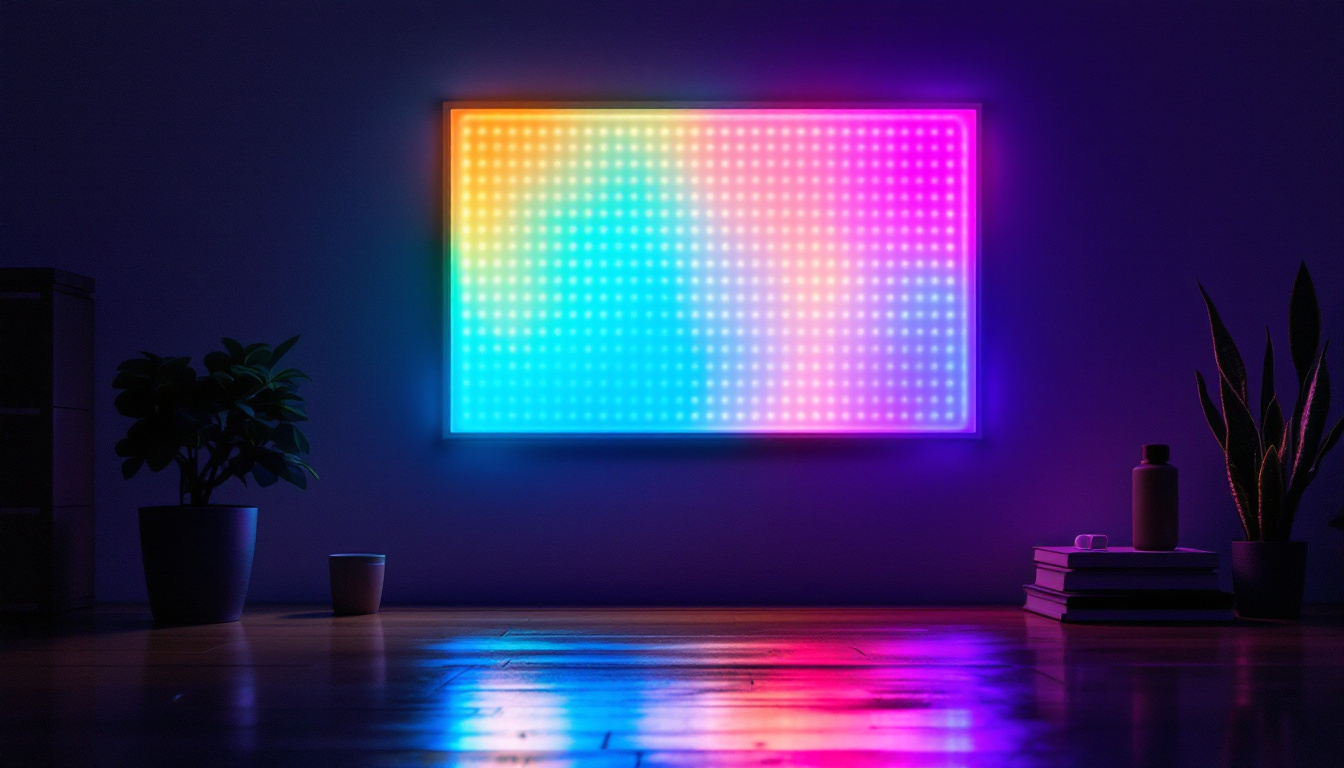
Direct-view LED displays consist of thousands of tiny LEDs arranged in a grid, each acting as a pixel that produces light and color independently. This technology allows for incredibly bright, vibrant images and is often used in large-scale outdoor signage, stadium screens, and high-impact advertising. The flexibility of LED displays also means they can be configured in various shapes and sizes, making them suitable for creative installations such as video walls or curved displays that enhance the viewing experience. Additionally, the durability and weather resistance of LED technology make it a preferred choice for outdoor applications, where exposure to the elements can be a concern. This resilience ensures that messages remain visible and impactful, regardless of the conditions.
Comparing LCD and LED Technologies in Digital Signage
While LCD and LED displays share some similarities, their differences impact performance, cost, and suitability for various digital signage applications.
Brightness and Visibility
One of the most critical factors for digital signage is brightness, especially for outdoor or brightly lit environments. Direct-view LED displays can achieve brightness levels exceeding 5,000 nits, making them easily visible even in direct sunlight. In contrast, LCD screens typically max out around 500 to 1,000 nits, which is sufficient for indoor use but can struggle outdoors without additional shading.
This makes LED displays the preferred choice for outdoor digital signage, such as billboards, transit stations, and sports arenas, where visibility is paramount. Furthermore, the technology behind LED displays allows for greater flexibility in design, enabling curved or uniquely shaped installations that can capture attention from various angles. The ability to create large, seamless video walls with LED technology also enhances the visual impact, making it a popular choice for high-traffic areas where engagement is crucial.
Color Accuracy and Image Quality
LCD screens excel in color accuracy and sharpness, offering high resolution and precise color reproduction. This makes them ideal for applications requiring detailed visuals, such as menu boards, retail displays, and corporate communications.
Direct-view LED displays have improved significantly in color fidelity over recent years, but they may still fall short of the nuanced color gradations achievable with high-end LCD panels. However, their ability to display deep blacks and vibrant colors at high brightness levels gives them an edge in dynamic environments. Additionally, advancements in LED technology, such as the introduction of HDR (High Dynamic Range) capabilities, have further enhanced the visual experience, allowing for a broader spectrum of colors and improved contrast, which is particularly beneficial for content that requires dramatic visual storytelling.
Energy Efficiency and Longevity
Energy consumption is a key consideration for businesses managing operational costs. LCD screens with LED backlighting are generally energy-efficient, consuming less power than older CCFL-backlit models. Direct-view LED displays, while brighter, can consume more power depending on size and brightness settings.
Regarding lifespan, modern LED displays can last upwards of 100,000 hours, which translates to over 11 years of continuous use. LCD screens typically have a lifespan of 50,000 to 60,000 hours. Both technologies have improved durability, but LED displays often offer better longevity, especially in harsh environments. Moreover, the lower maintenance requirements of LED displays, coupled with their resilience to temperature fluctuations and humidity, make them a reliable choice for businesses looking to minimize downtime and ensure consistent performance in various conditions.
Cost Considerations
Initial investment is often a deciding factor. LCD screens tend to be more affordable upfront, especially for small to medium-sized indoor displays. LED displays, particularly direct-view models, come with a higher price tag due to their complexity and brightness capabilities.
However, when factoring in maintenance, energy costs, and lifespan, LED displays can offer better value over time, especially for large-scale or outdoor installations. Additionally, the total cost of ownership for LED displays can be significantly lower in high-usage scenarios, as their durability and efficiency contribute to reduced operational expenses. As businesses increasingly prioritize sustainability, the longer lifespan and lower energy consumption of LED technology align well with eco-friendly initiatives, making them an attractive option for forward-thinking organizations looking to enhance their digital signage strategies.
Applications of LCD and LED Displays in Digital Signage
Choosing between LCD and LED displays depends largely on the intended application, environment, and audience engagement goals.
Indoor Digital Signage
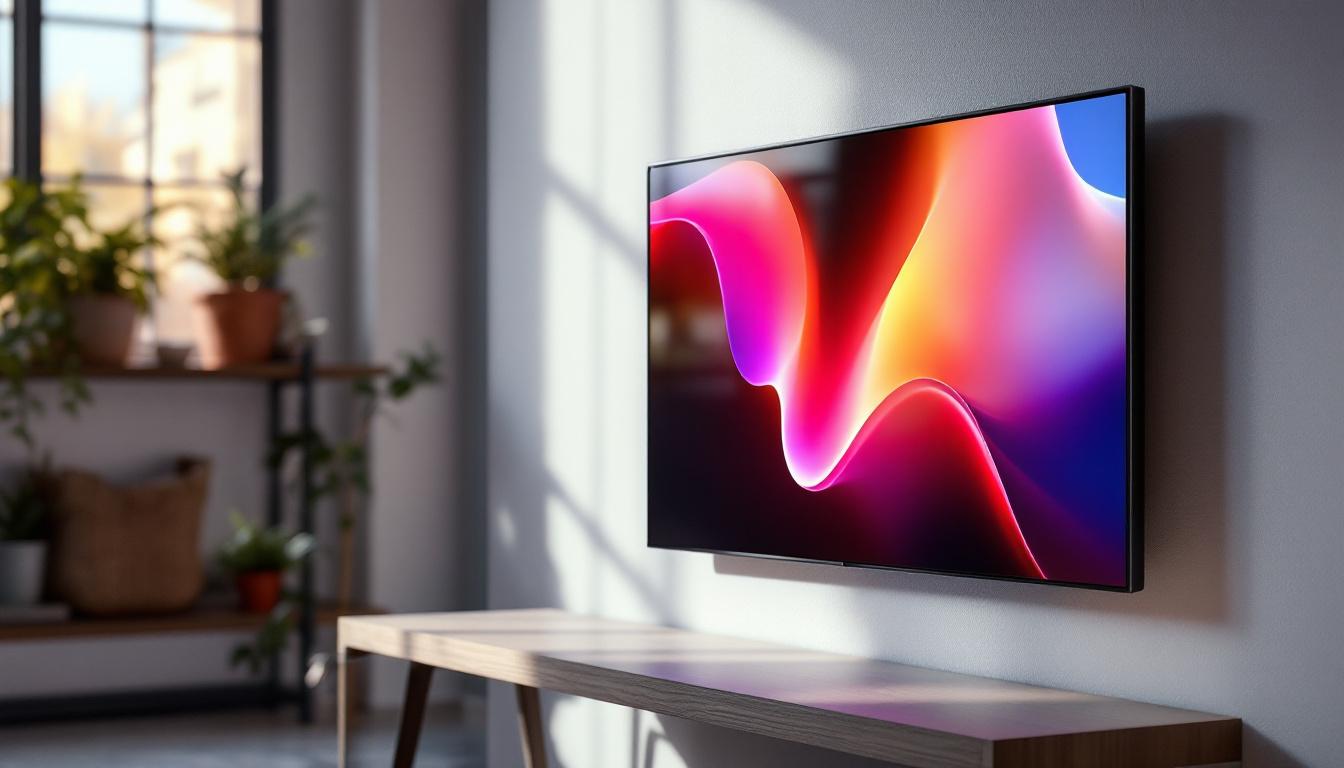
Indoor environments such as retail stores, corporate offices, hotels, and healthcare facilities benefit greatly from LCD screens. Their high resolution and color accuracy make them perfect for detailed content like product information, wayfinding, and promotional videos.
For example, a retail store might use LCD digital signage to showcase new arrivals or sales promotions with crisp, vibrant images that attract shoppers without overwhelming the space.
Outdoor Digital Signage
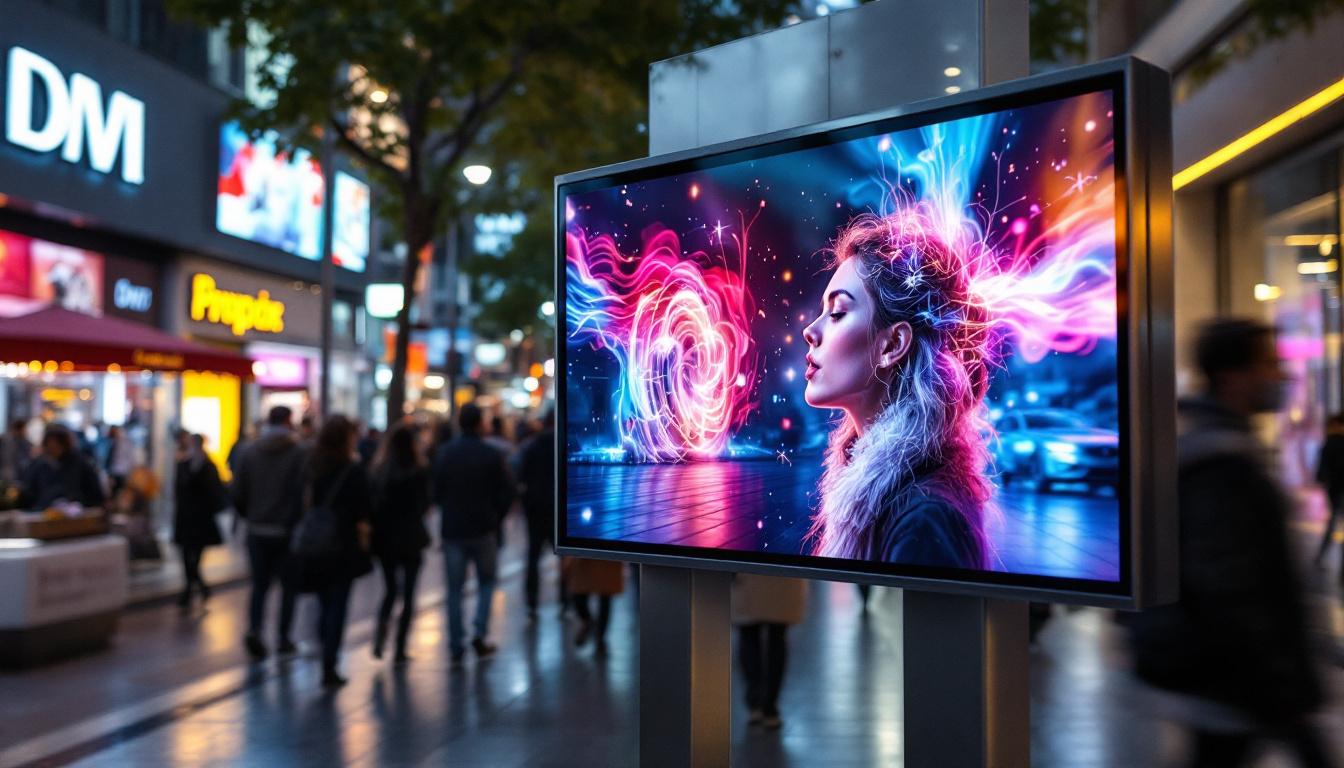
Outdoor signage demands displays that can withstand weather conditions and remain visible in sunlight. Direct-view LED displays are the go-to solution here, offering unparalleled brightness and durability. They are commonly seen in urban centers, sports venues, and transportation hubs.
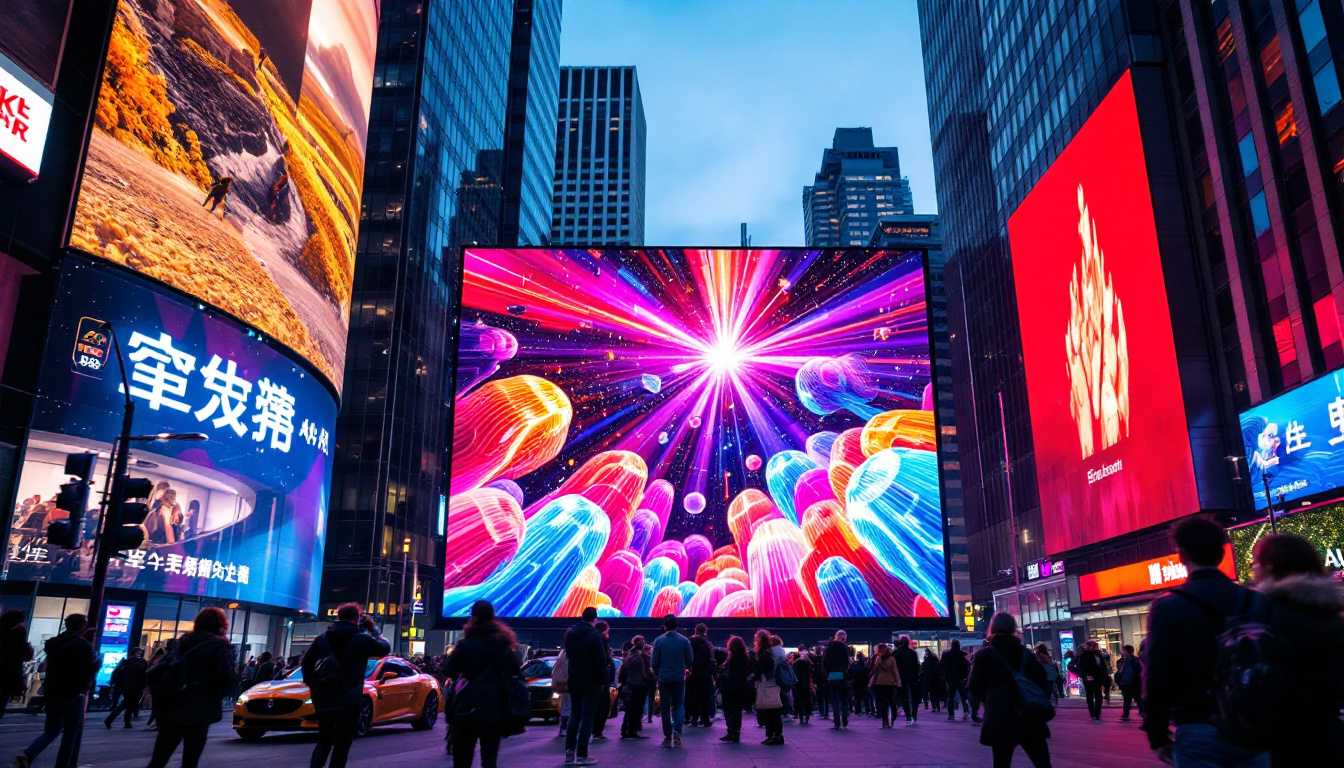
For instance, Times Square in New York City features enormous LED billboards that captivate millions of viewers daily, leveraging the technology’s ability to deliver bright, dynamic content at massive scales.
Specialized and Hybrid Uses
Some digital signage solutions combine both technologies to optimize performance. For example, an indoor mall might use LED displays in high-traffic atriums for impact, while employing LCD screens in smaller retail kiosks for detailed content.
Additionally, transparent LCD displays and flexible LED panels are emerging technologies that expand the possibilities for creative digital signage installations.
Future Trends in Digital Signage Displays
The digital signage industry continues to evolve rapidly, driven by advancements in display technology and content delivery methods.
MicroLED and MiniLED Technologies
MicroLED and MiniLED represent the next generation of display technology, offering the brightness and contrast benefits of LEDs with improved resolution and energy efficiency. These technologies promise to bridge the gap between LCD and LED displays, providing superior image quality and durability.
Interactive and Smart Displays
Integration with touchscreens, sensors, and AI-powered content management systems is making digital signage more interactive and personalized. These smart displays can adapt content based on viewer demographics, time of day, or environmental conditions, enhancing engagement and effectiveness.
Sustainability and Energy Efficiency
As businesses prioritize sustainability, energy-efficient displays with recyclable materials and lower power consumption are gaining importance. Innovations in LED technology contribute to greener digital signage solutions that reduce environmental impact without compromising performance.
Choosing the Right Digital Signage Display for Your Needs
Selecting the appropriate display technology requires careful consideration of several factors:
- Environment: Indoor vs. outdoor placement dramatically influences the choice between LCD and LED.
- Content Type: High-resolution images and videos may benefit from LCD screens, while large-scale, high-brightness content suits LED displays.
- Budget: Initial costs, maintenance, and energy consumption should be balanced against long-term value.
- Audience Engagement: Consider how viewers will interact with the signage and the desired impact.
- Installation Size: Larger displays often favor LED technology due to scalability and brightness.
Consulting with digital signage experts and reviewing case studies relevant to your industry can provide valuable insights to make an informed decision.
Conclusion
Digital signage is a powerful communication medium that relies heavily on the choice of display technology. LCD screens and LED displays each offer unique advantages that cater to different environments and use cases. Understanding their differences in brightness, color accuracy, energy efficiency, and cost is essential for maximizing the impact of digital signage investments.
As display technologies continue to advance, businesses have more options than ever to create engaging, dynamic, and effective digital signage solutions. Whether opting for the sharp detail of LCD or the vibrant brilliance of LED, the key lies in aligning technology with strategic communication goals to captivate audiences and drive results.
Discover LumenMatrix’s Innovative LED Solutions
Ready to elevate your digital signage with the latest in LED technology? LumenMatrix offers a comprehensive range of LED display solutions tailored to meet your unique needs. From stunning Indoor LED Wall Displays to robust Outdoor LED Wall Displays, and from dynamic Vehicle LED Displays to sleek LED Poster Displays, our products are designed to make your brand shine. Experience the revolution in visual communication with our LED Sports Displays, interactive Floor LED Displays, and the versatility of Custom LED Displays and All-in-One LED Displays. Don’t miss the chance to transform your space with our LED Transparent Displays. Check out LumenMatrix LED Display Solutions today and start creating unforgettable visual experiences that engage and captivate your audience.