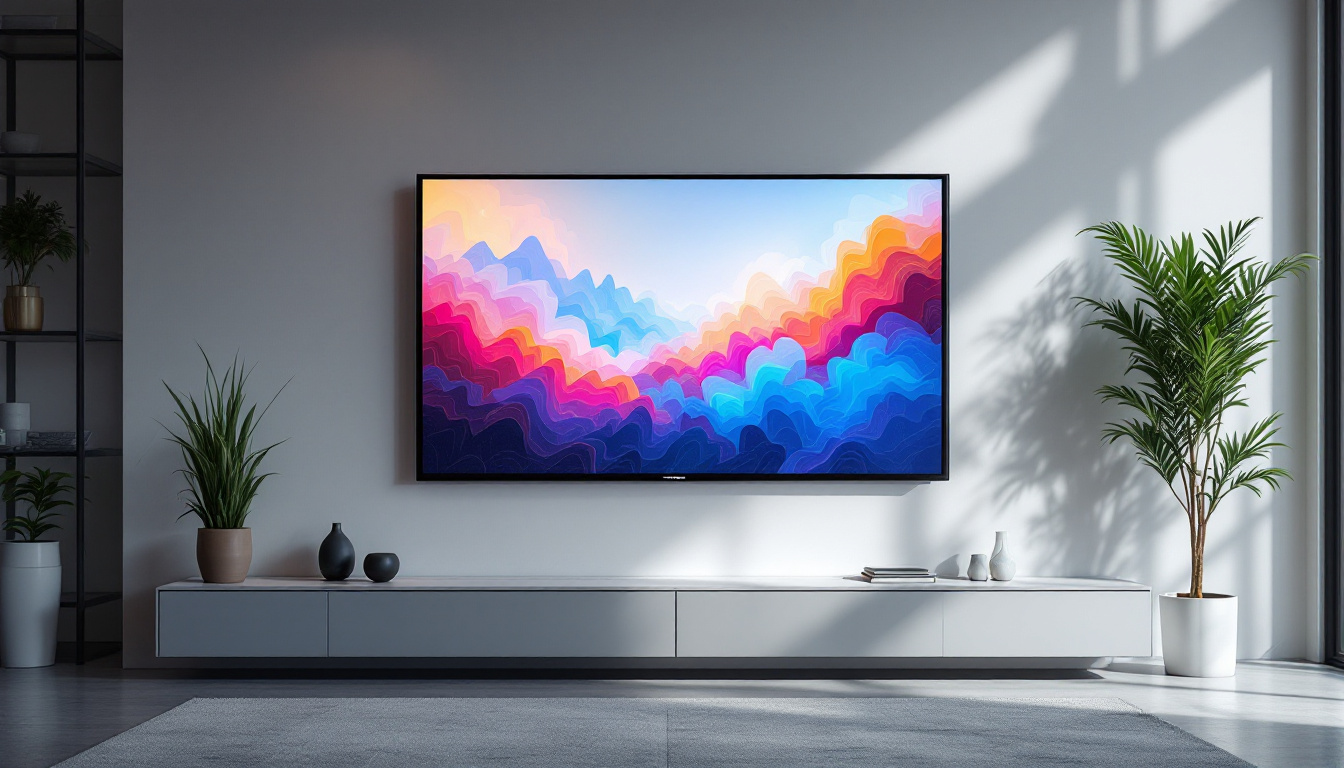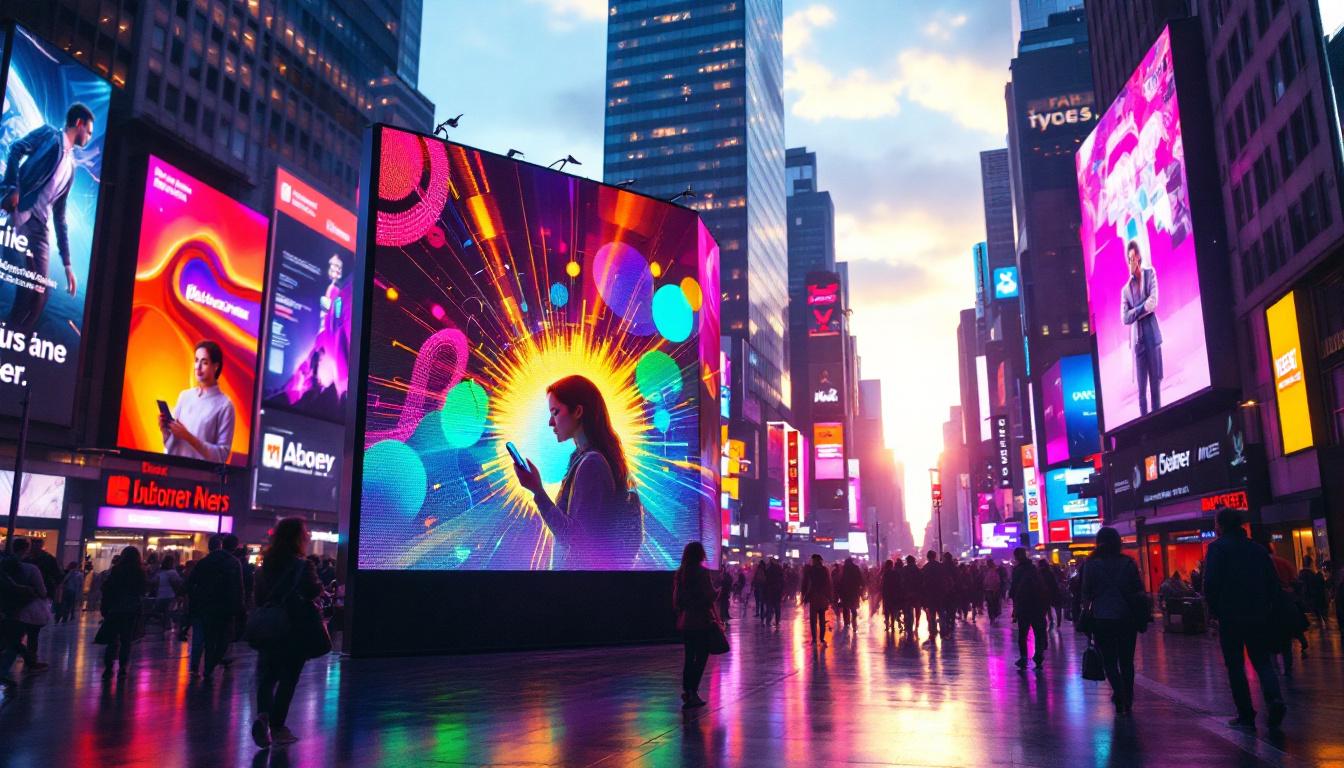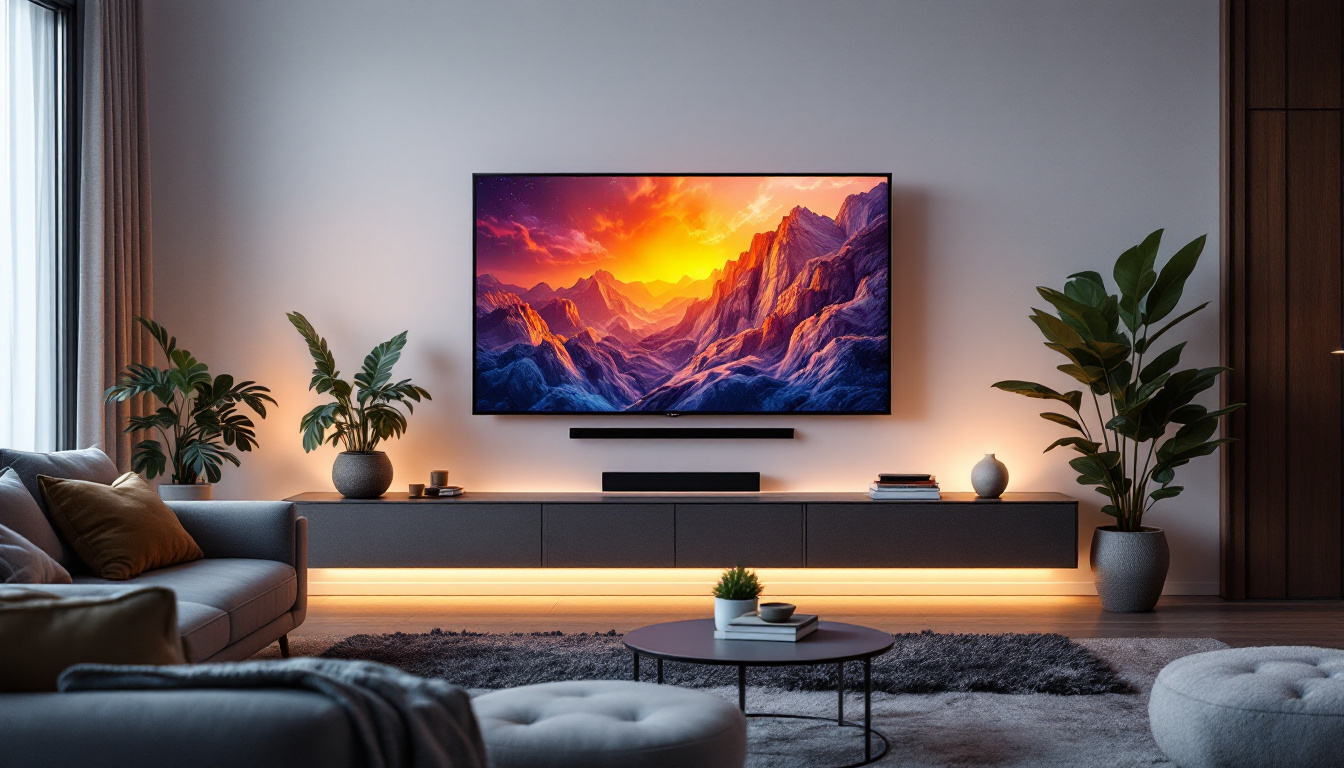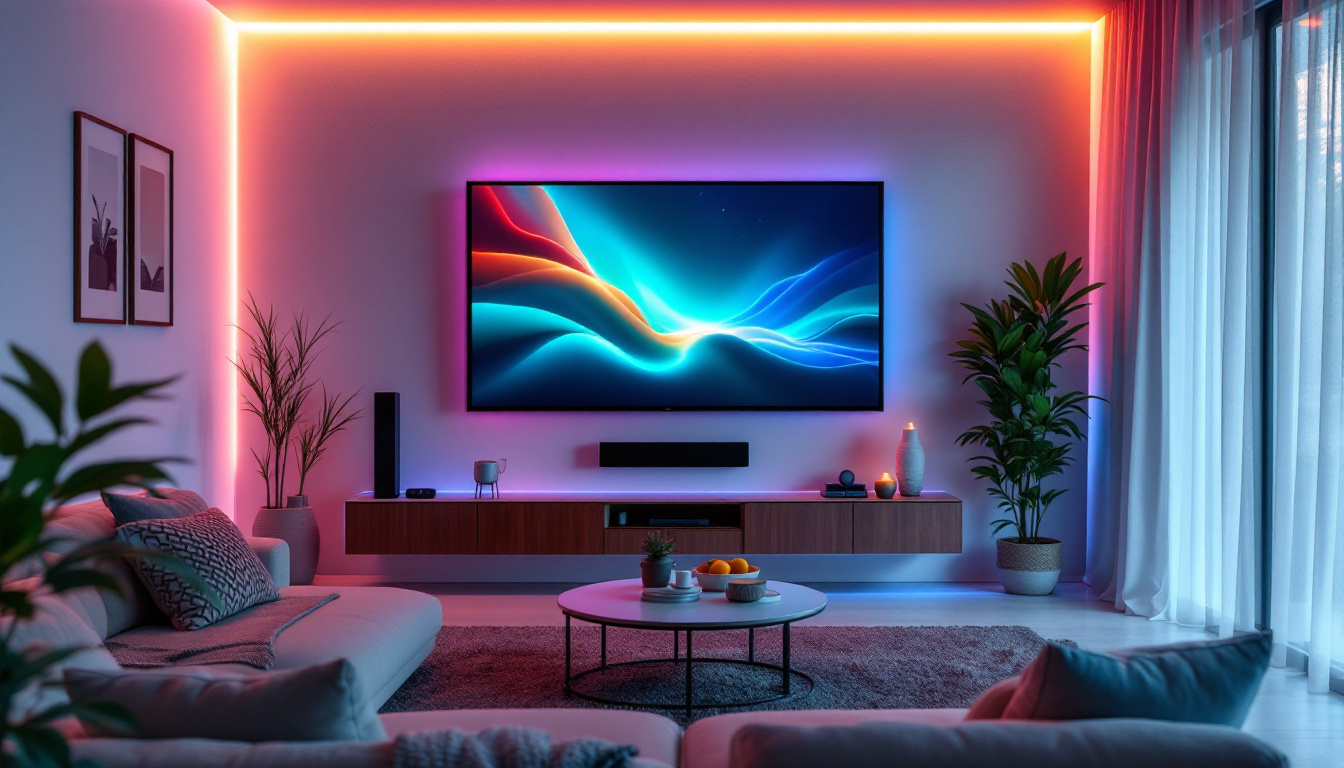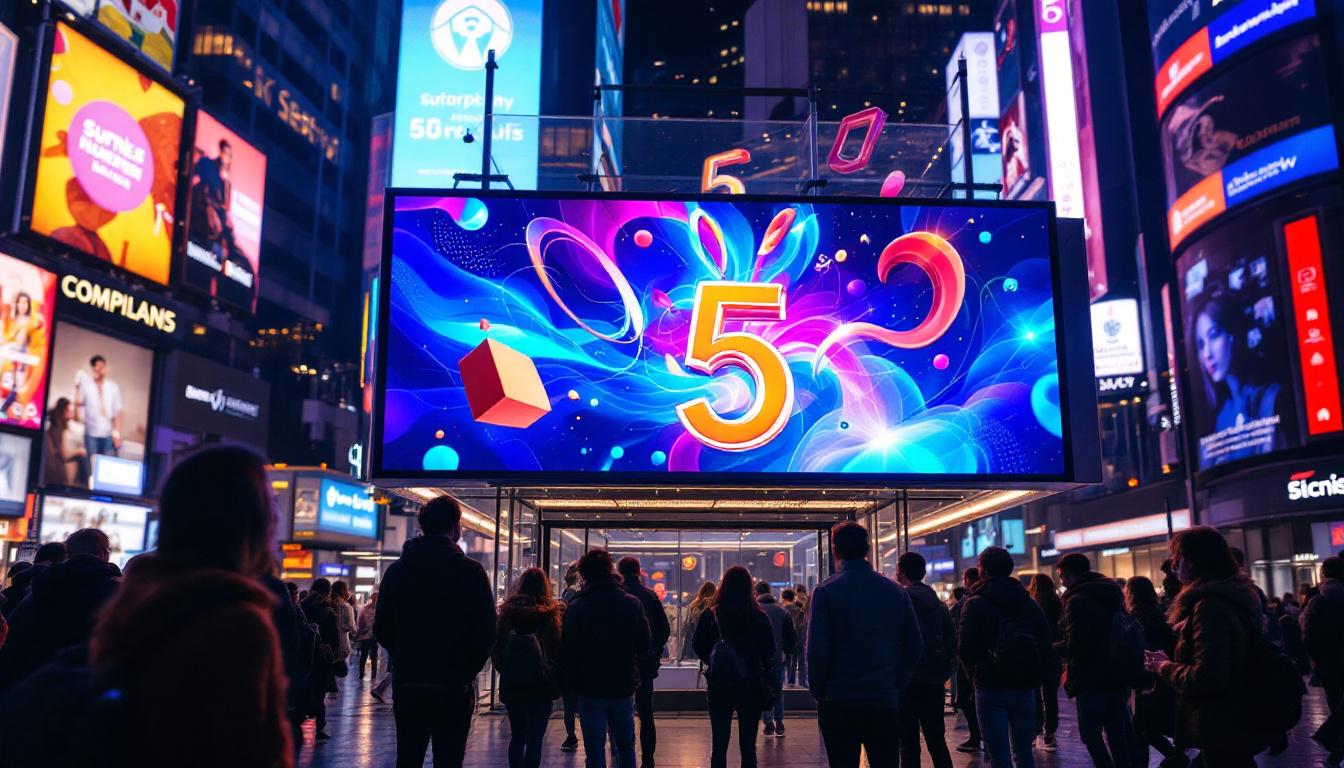
In today’s fast-paced world, digital signage has become an essential communication tool for businesses, retailers, and public spaces. Among the various display technologies available, LED displays have emerged as a leading choice due to their vibrant visuals, energy efficiency, and versatility. This article explores the fundamentals of LED digital signage screens, their benefits, types, and key considerations for selecting the right display for your needs.
Understanding LED Display Technology
LED stands for Light Emitting Diode, a semiconductor device that emits light when an electric current passes through it. LED displays use thousands, sometimes millions, of these tiny diodes to create images and videos. Unlike traditional LCD screens that require backlighting, LED displays produce their own light, resulting in brighter and more vivid images. This self-illuminating property not only enhances color accuracy but also improves contrast ratios, making LED displays ideal for various environments, from brightly lit retail spaces to dimly lit theaters.
There are two main types of LED displays used in digital signage: direct view LED and LED-backlit LCD. Direct view LED screens consist of an array of LEDs that form the image directly, while LED-backlit LCDs use LEDs to illuminate an LCD panel. This article focuses primarily on direct view LED displays, which are widely used for large-format digital signage. Direct view LED technology has evolved significantly, allowing for ultra-thin designs and flexible configurations that can be tailored to fit any space, whether it’s a massive outdoor billboard or an intricate indoor display.
How LED Displays Work
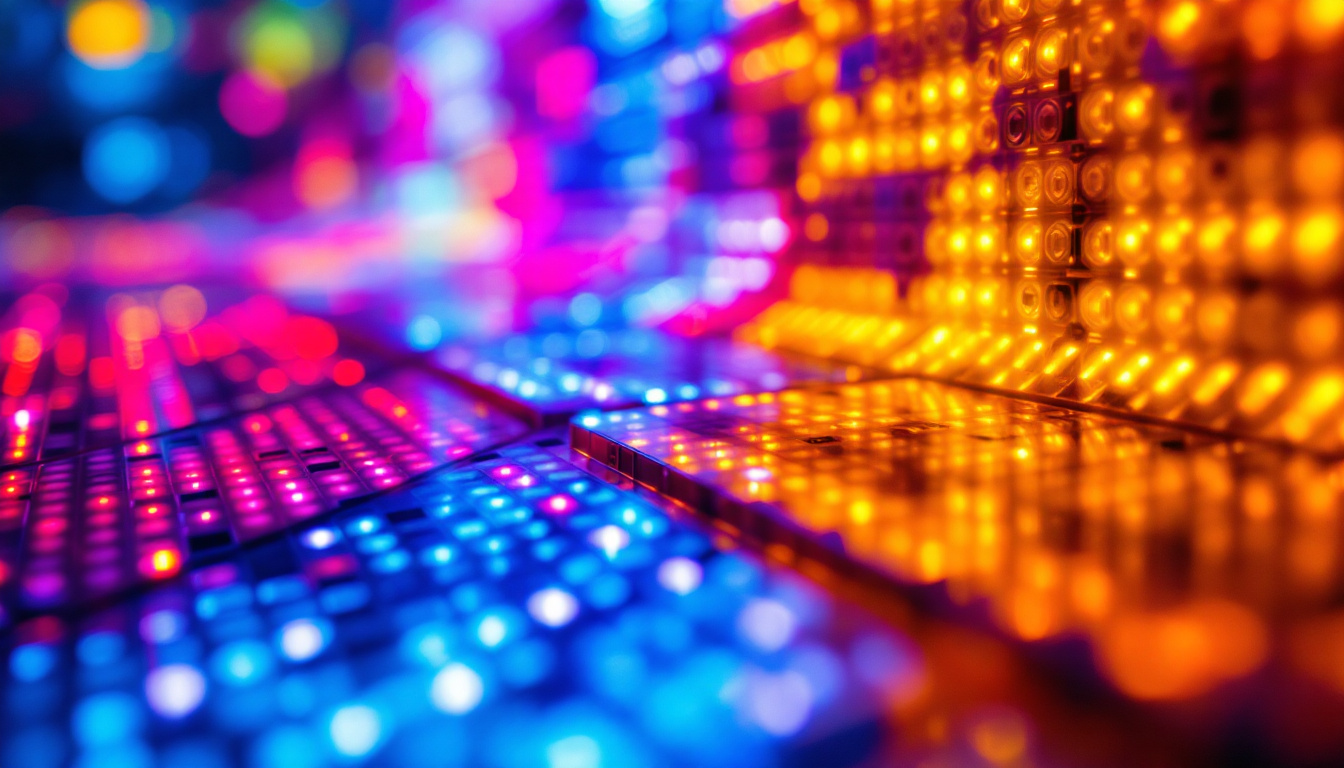
Each pixel in an LED display is made up of red, green, and blue (RGB) diodes. By adjusting the intensity of these diodes, the display can produce a full spectrum of colors. The combination of millions of these pixels creates the images and videos seen on the screen. This RGB configuration allows for a wide range of color combinations, enabling displays to render everything from simple text to complex, high-definition video content with stunning clarity.
The resolution of an LED display is determined by its pixel pitch, which is the distance between the centers of two adjacent pixels. A smaller pixel pitch means higher resolution and sharper images, especially important for close viewing distances. For instance, a pixel pitch of 1.5mm is suitable for indoor environments where viewers are close to the screen, while a larger pitch of 10mm might be used for outdoor displays viewed from a distance. Additionally, advancements in technology have led to the development of fine-pitch LED displays, which can achieve resolutions comparable to that of high-end LCD screens, making them increasingly popular in venues such as concert halls and sports arenas.
Advantages of LED Digital Signage Screens
LED displays offer a range of benefits that make them ideal for digital signage applications across industries.
Brightness and Visibility
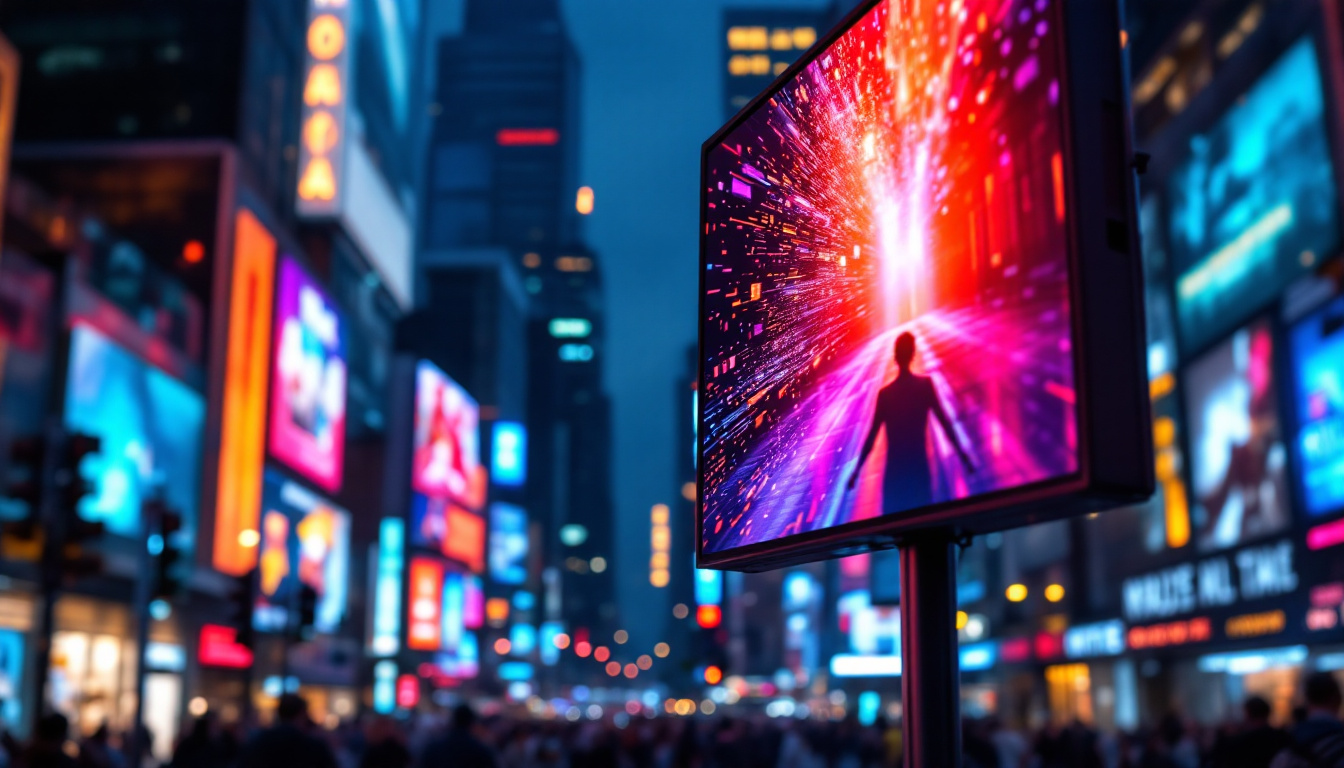
One of the most significant advantages of LED displays is their exceptional brightness. LEDs can achieve brightness levels of up to 5,000 nits or more, making them easily visible even in direct sunlight. This makes LED screens perfect for outdoor advertising, transportation hubs, and retail environments where ambient light levels vary. The high visibility of LED displays not only enhances brand exposure but also improves customer engagement, as vibrant visuals can capture attention more effectively than traditional signage. Furthermore, advancements in technology have led to the development of adaptive brightness features that automatically adjust the screen’s luminance based on surrounding light conditions, ensuring optimal visibility at all times.
Energy Efficiency and Longevity
Compared to other display technologies, LEDs consume less power and have a longer operational lifespan. Modern LED displays can last upwards of 100,000 hours, reducing maintenance costs and downtime. This energy efficiency also aligns with sustainability goals, an increasingly important factor for businesses. The reduced energy consumption not only lowers operational costs but also minimizes the carbon footprint associated with digital signage. Many companies are now leveraging this eco-friendly aspect of LED technology to enhance their corporate social responsibility initiatives, showcasing their commitment to sustainability while attracting environmentally-conscious consumers.
Flexibility and Customization
LED screens come in various sizes and shapes, from small indoor panels to massive outdoor billboards. They can be curved, folded, or even transparent, allowing for creative installations that capture audience attention. Additionally, modular LED panels enable easy scalability and maintenance. This flexibility allows businesses to tailor their digital signage solutions to fit unique architectural designs or specific marketing strategies, creating immersive experiences that resonate with their target audience. For instance, a retail store might opt for a large, curved LED display that wraps around a corner, drawing customers in from multiple angles, while a corporate office could use transparent LED screens to maintain an open, airy feel while still delivering impactful messaging.
Types of LED Displays for Digital Signage
Choosing the right type of LED display depends on the intended application, viewing distance, and environmental conditions.
Indoor LED Displays
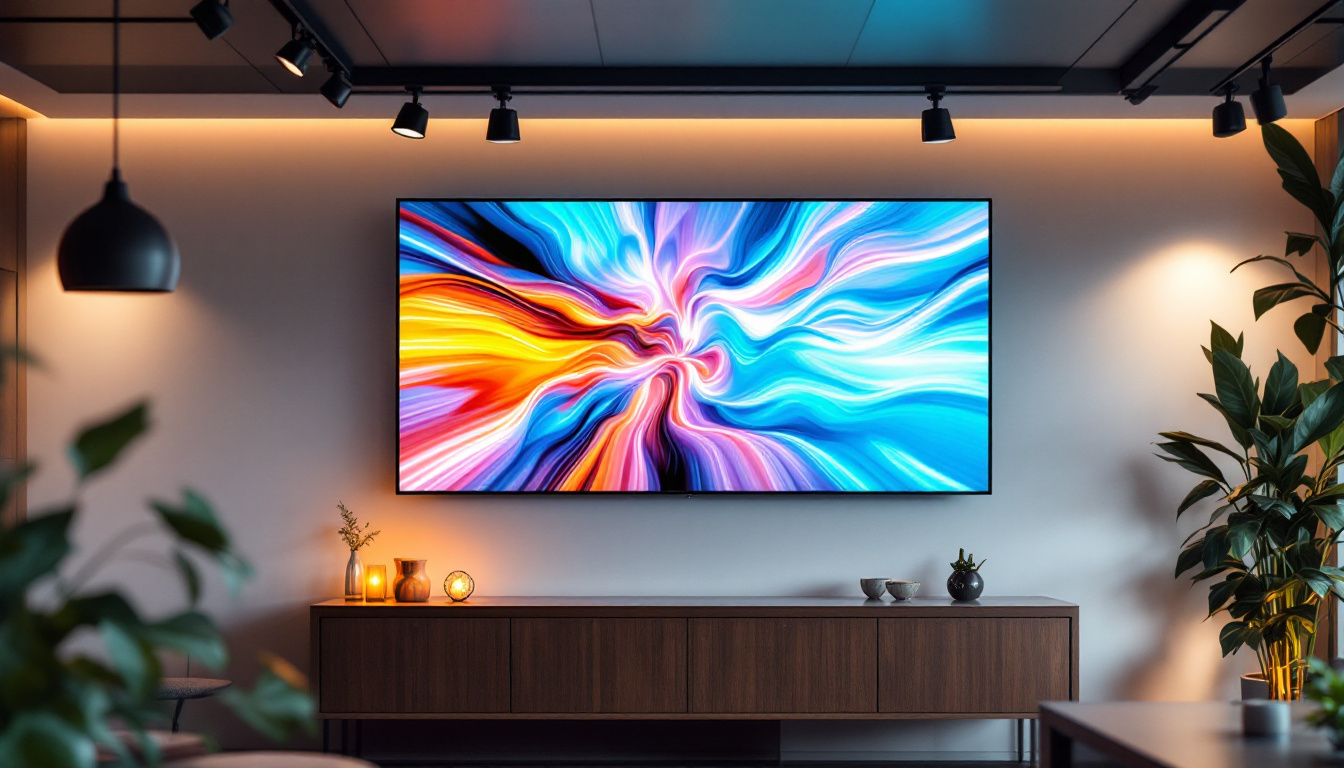
Indoor LED screens typically have a smaller pixel pitch, ranging from 0.9mm to 4mm, to deliver high-resolution content viewed at close range. These displays are commonly used in retail stores, corporate lobbies, conference rooms, and entertainment venues. Their high refresh rates and color accuracy make them suitable for dynamic video content and interactive signage. Moreover, the versatility of indoor LED displays allows for seamless integration with other technologies, such as touch sensors and augmented reality applications, enhancing user interaction and engagement. With the ability to create stunning visual experiences, these displays can be used for everything from product showcases to immersive storytelling, making them a powerful tool for brands looking to captivate their audience.
Outdoor LED Displays
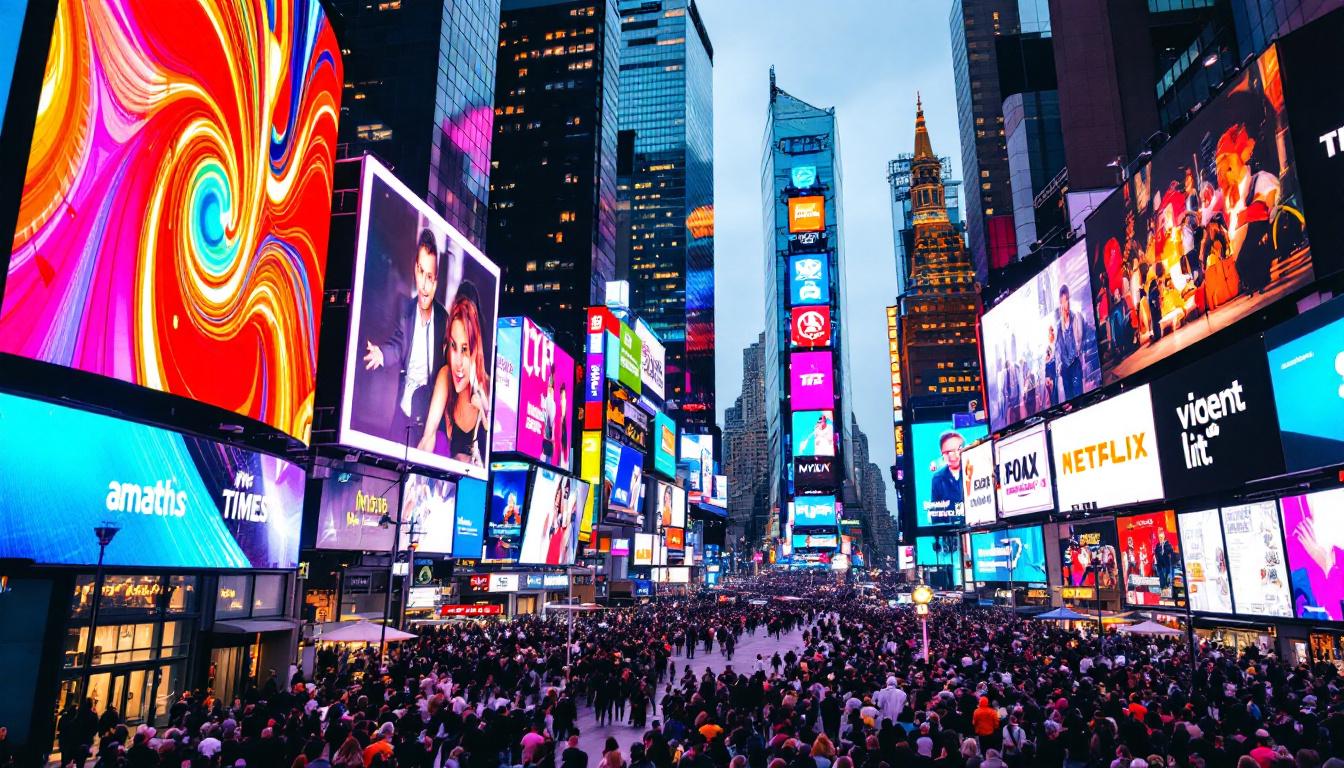
Outdoor LED screens are designed to withstand harsh weather conditions and deliver high brightness for visibility in sunlight. Their pixel pitch usually ranges from 4mm to 20mm or more, optimized for viewing distances of several meters to hundreds of meters. Applications include billboards, stadium screens, transportation signage, and public information displays. These displays often incorporate advanced features such as automatic brightness adjustment, ensuring optimal visibility regardless of the time of day or weather conditions. Additionally, many outdoor LED displays are equipped with robust protective casings that shield them from rain, dust, and extreme temperatures, making them reliable for long-term outdoor use. This durability, combined with the ability to display vibrant, eye-catching content, makes outdoor LED displays a popular choice for advertisers and municipalities alike.
Transparent and Flexible LED Displays
Innovations in LED technology have led to transparent LED screens that allow light to pass through, making them ideal for storefront windows and architectural integration. Flexible LED panels can be bent or curved, enabling creative installations on irregular surfaces. These types of displays offer new possibilities for brand engagement and immersive experiences. For instance, transparent displays can be used to showcase products while still allowing customers to see the store interior, creating a captivating visual effect that draws attention without obstructing views. Meanwhile, flexible LED displays can be utilized in various creative applications, such as wrapping around columns or creating dynamic shapes that enhance the overall aesthetic of a space. As a result, these innovative displays not only serve functional purposes but also transform environments into interactive canvases that resonate with audiences on a deeper level.
Key Considerations When Selecting LED Digital Signage
To maximize the impact and return on investment of LED signage, several factors must be carefully evaluated.
Pixel Pitch and Resolution
The choice of pixel pitch is crucial. For indoor applications where viewers are close, a smaller pixel pitch ensures crisp images and readable text. For outdoor or large-scale displays viewed from a distance, a larger pixel pitch is more cost-effective without compromising visibility.
Brightness and Contrast Ratio
Brightness should be sufficient to overcome ambient light, especially for outdoor installations. Contrast ratio affects image depth and clarity, contributing to a more engaging viewing experience. Some LED displays incorporate local dimming technology to enhance contrast.
Viewing Angle and Placement
LED displays typically offer wide viewing angles, but it’s important to consider the primary audience’s position. Proper placement ensures maximum visibility and impact. For example, a curved LED display in a retail store can capture attention from multiple directions.
Durability and Environmental Protection
Outdoor LED screens must be weatherproof and resistant to dust, moisture, and temperature extremes. Look for displays with appropriate IP (Ingress Protection) ratings to ensure reliability. Indoor displays should also be robust enough to handle high-traffic environments.
Content Management and Integration
Effective digital signage requires seamless content management systems (CMS) that support scheduling, remote updates, and interactive features. Compatibility with existing IT infrastructure and ease of use are important considerations for ongoing operation.
Applications of LED Digital Signage
LED digital signage is transforming communication across various sectors by delivering dynamic, eye-catching content that drives engagement and sales.
Retail and Advertising
Retailers use LED displays to showcase promotions, new products, and brand stories. The ability to change content quickly allows for targeted marketing campaigns and real-time updates. Studies show that digital signage can increase sales by up to 30%, highlighting its effectiveness.
Transportation and Public Spaces
Airports, train stations, and bus terminals rely on LED signage for real-time information, wayfinding, and advertising. The high visibility and reliability of LED screens enhance passenger experience and operational efficiency.
Events and Entertainment
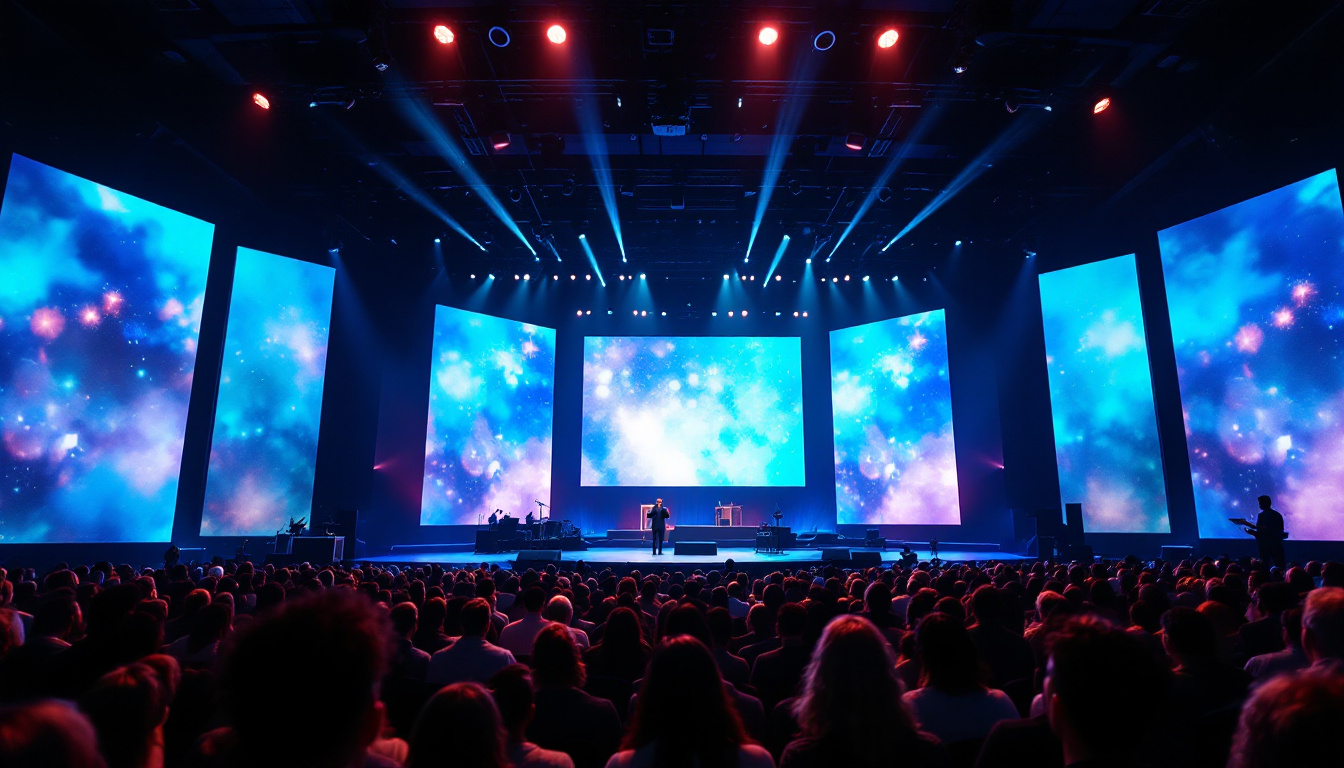
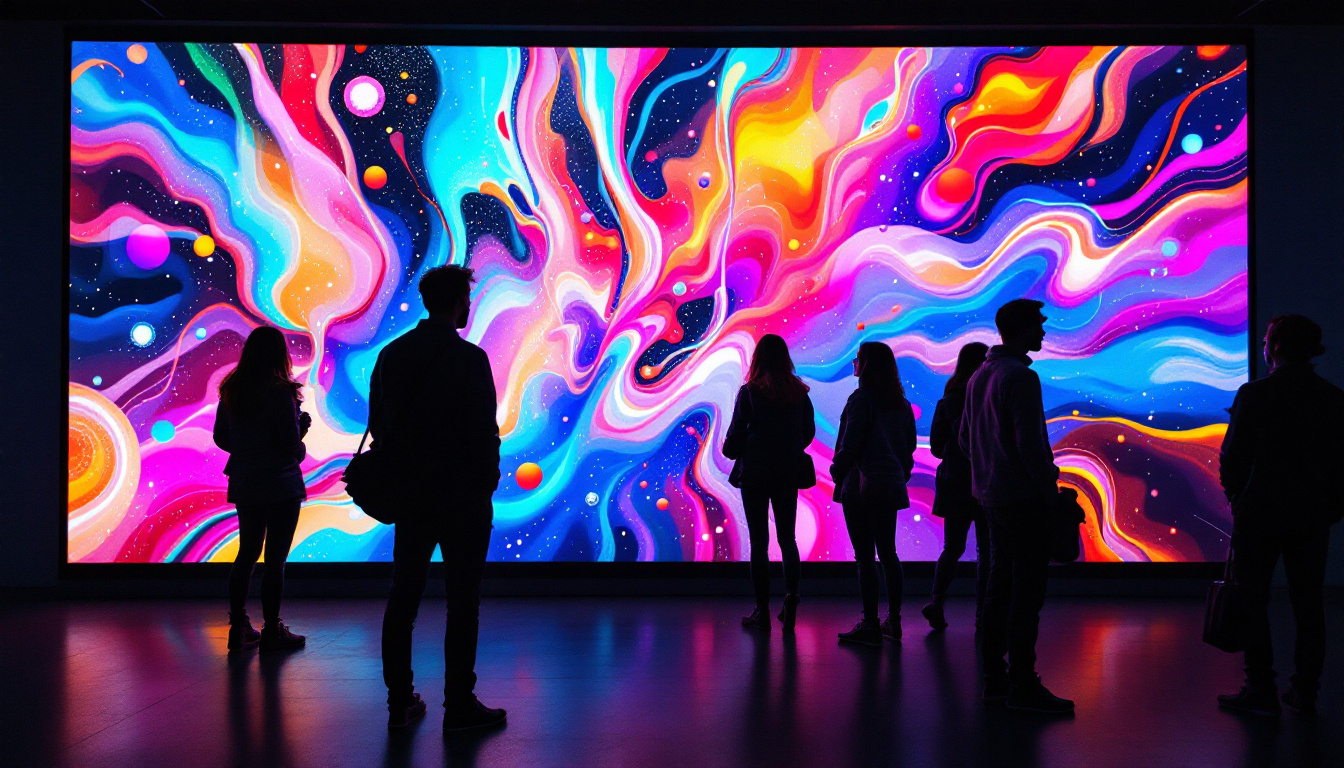
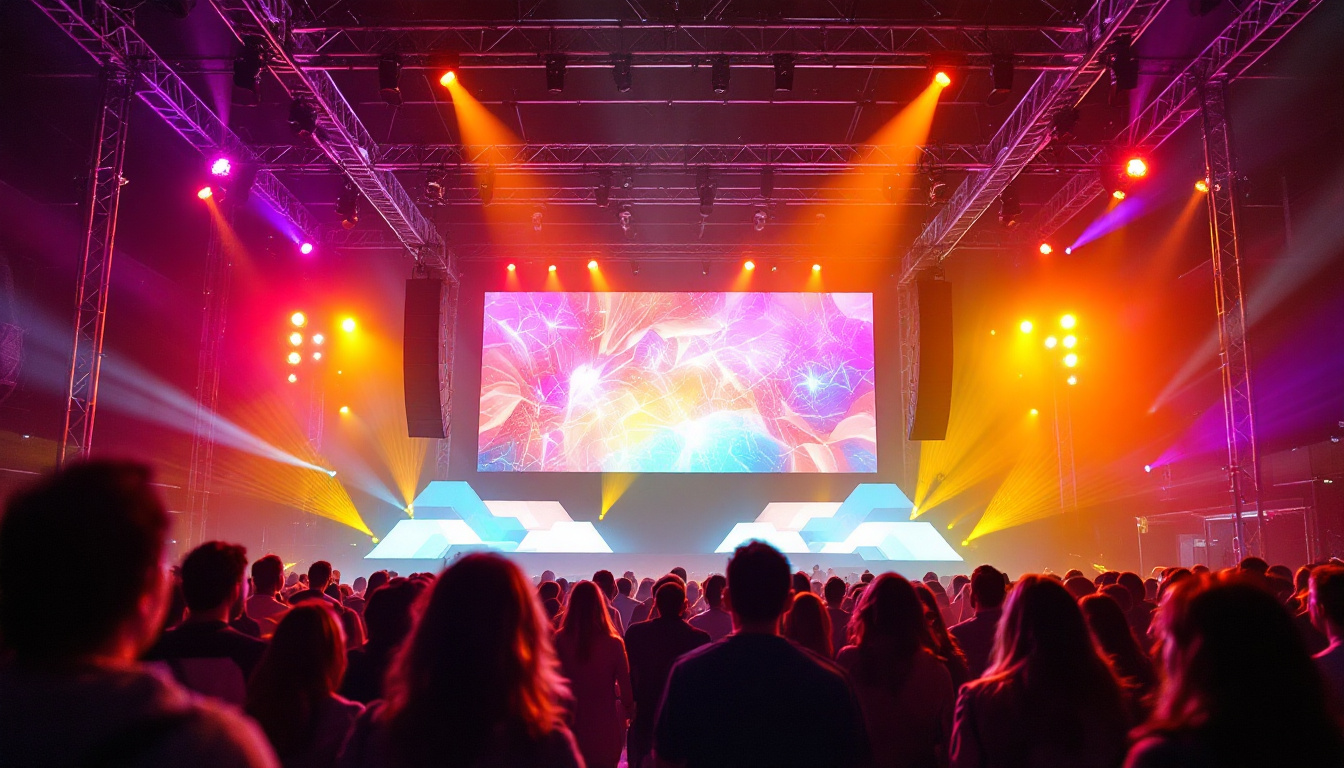
Concerts, sports arenas, and theaters use large LED screens to provide immersive visuals and live feeds. The scalability and brightness of LED displays make them ideal for engaging large audiences.
Corporate and Education
In corporate environments, LED signage supports internal communications, digital directories, and branding. Educational institutions use LED displays for announcements, event promotion, and interactive learning tools.
Future Trends in LED Digital Signage
The digital signage industry continues to evolve with advancements in LED technology and integration capabilities.
Higher Resolution and Mini-LED
Mini-LED technology, which uses smaller diodes, enables even finer pixel pitches and improved brightness control. This trend will push LED displays closer to the resolution quality of traditional screens while maintaining their inherent advantages.
Interactive and AI-Driven Content
Integration of touch sensors, cameras, and AI analytics allows LED signage to deliver personalized and interactive experiences. This enhances customer engagement and provides valuable data for marketers.
Energy-Efficient and Sustainable Solutions
Manufacturers are focusing on reducing power consumption and using eco-friendly materials. Solar-powered LED displays and smart brightness adjustment are examples of innovations aimed at sustainability.
Conclusion
LED digital signage screens represent a powerful medium for communication, offering unmatched brightness, flexibility, and durability. Understanding the technology, benefits, and key selection criteria enables businesses and organizations to leverage LED displays effectively. As LED technology advances, the potential for creative, impactful digital signage continues to expand, making it a smart investment for the future.
Explore Cutting-Edge LED Displays with LumenMatrix
Ready to elevate your visual communication? Discover LumenMatrix’s innovative LED display solutions, designed to captivate your audience and amplify your message. From vibrant Indoor LED Wall Displays to robust Outdoor LED Wall Displays, and from dynamic Vehicle LED Displays to sleek LED Poster Displays, LumenMatrix offers a comprehensive range of products tailored to your needs. Whether you’re looking to engage fans with an LED Sports Display, make a statement with a Floor LED Display, or push the boundaries with Custom and All-in-One LED Display options, LumenMatrix is your partner in creating unforgettable visual experiences. Don’t miss out on the opportunity to transform your space with a LED Transparent Display. Check out LumenMatrix LED Display Solutions today and join the revolution in digital signage technology.