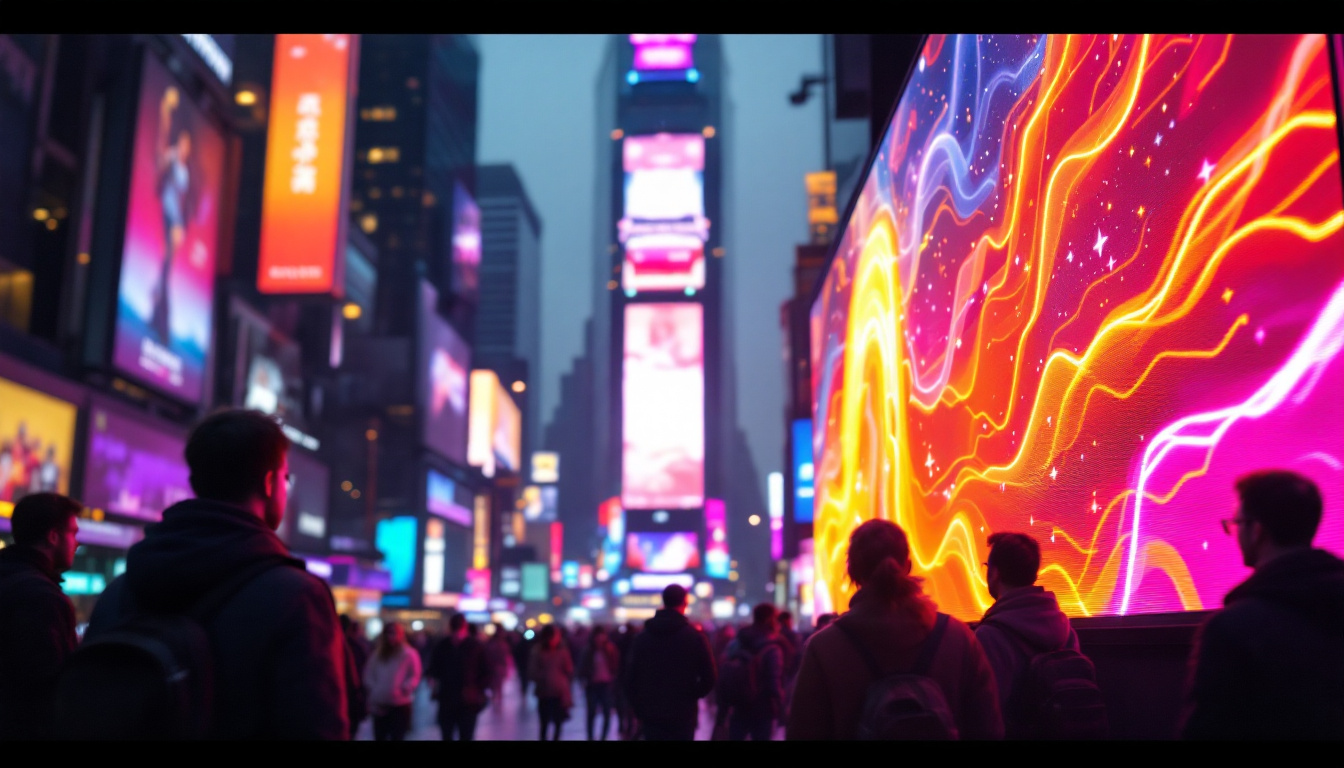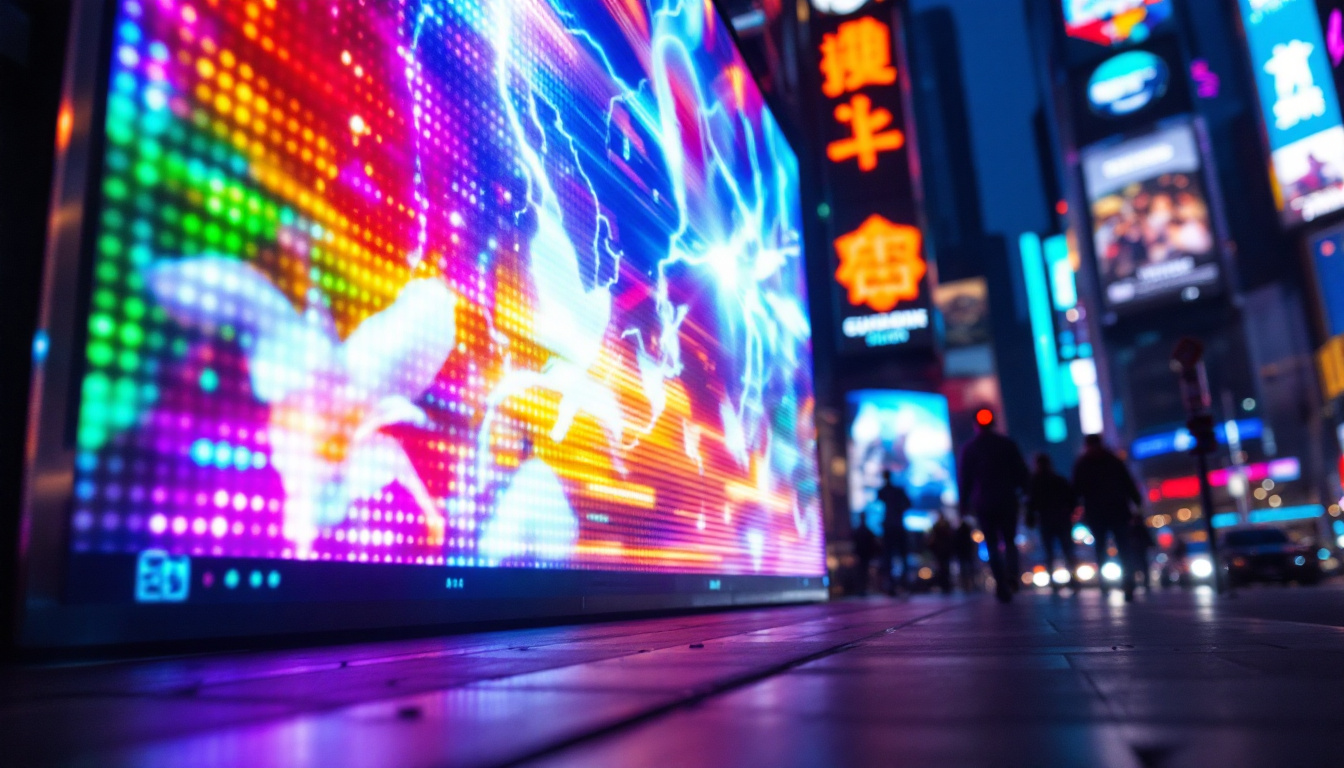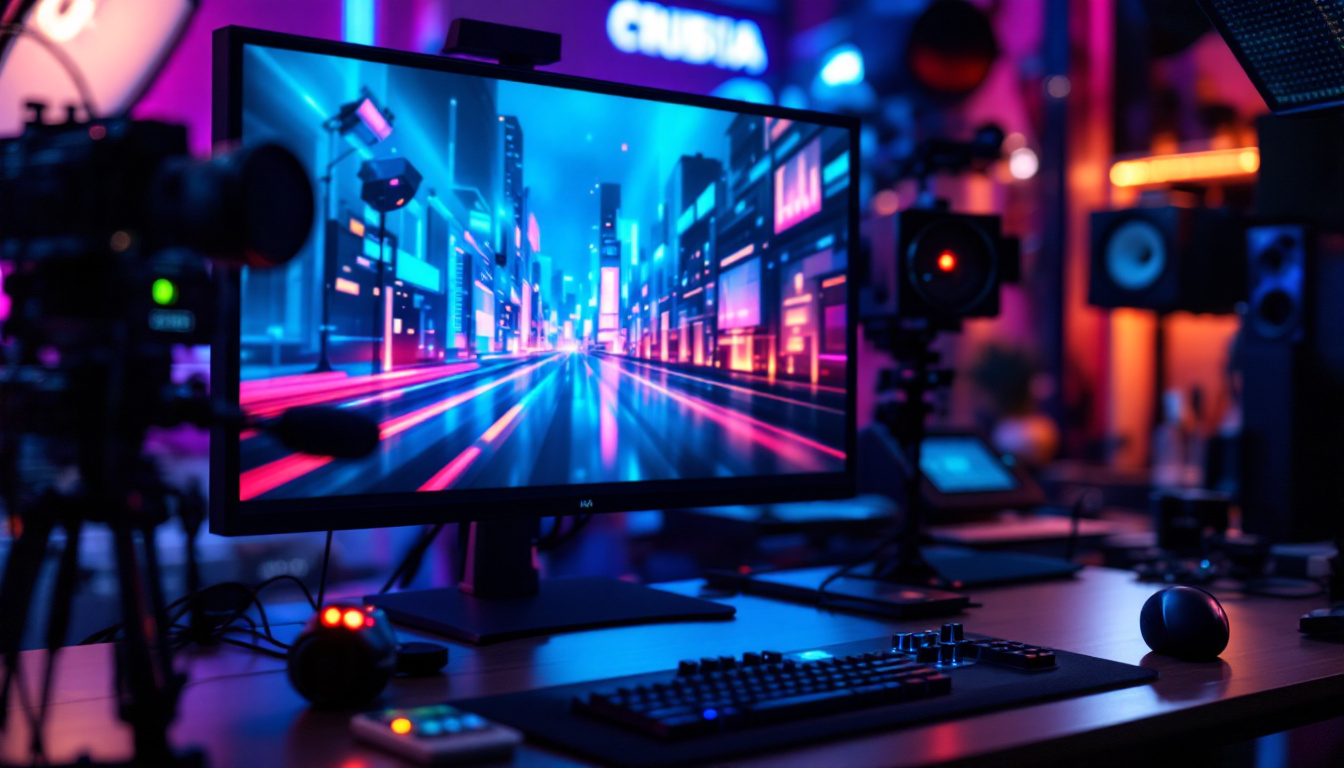
In the evolving landscape of interior design and visual communication, digital wall art has emerged as a transformative medium. At the heart of this innovation lies LED display technology, which has revolutionized how we experience art and information in both private and public spaces. This article delves deep into the world of digital wall art powered by LED displays, exploring the technology, its applications, benefits, and future prospects.
Understanding LED Display Technology
What Is an LED Display?
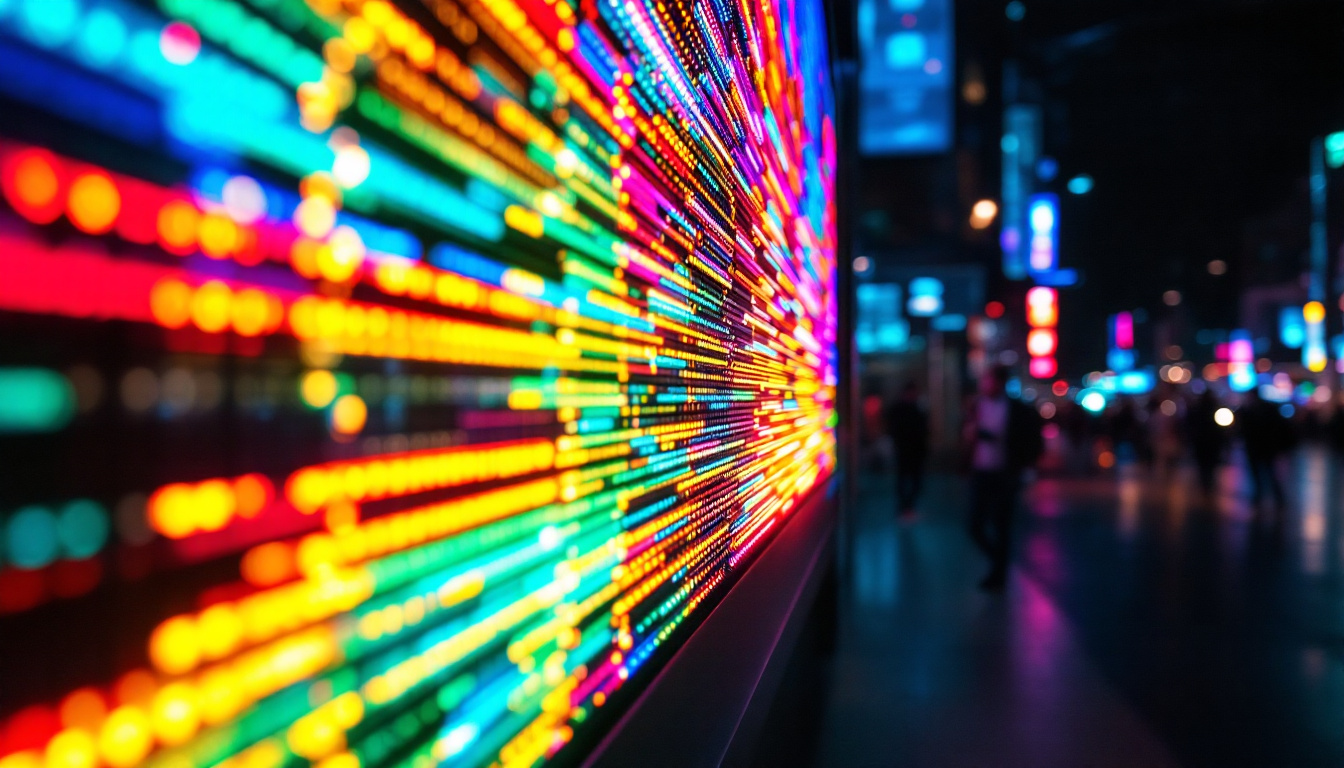
LED, or Light Emitting Diode, displays are screens composed of numerous tiny light-emitting diodes that produce bright and vibrant images. Unlike traditional LCDs or projection systems, LED displays generate their own light, allowing for superior brightness, contrast, and color accuracy. This self-illumination makes them particularly suitable for digital wall art, where visual impact is paramount.
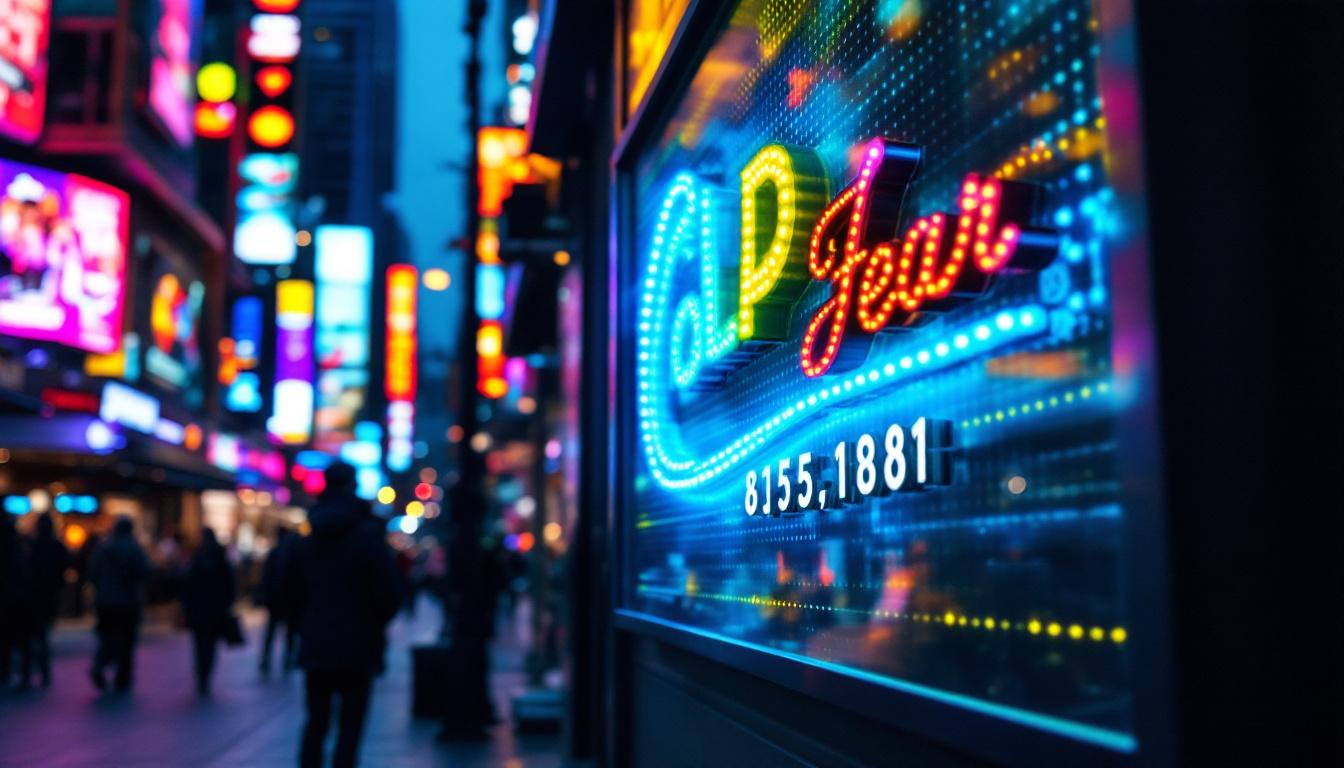
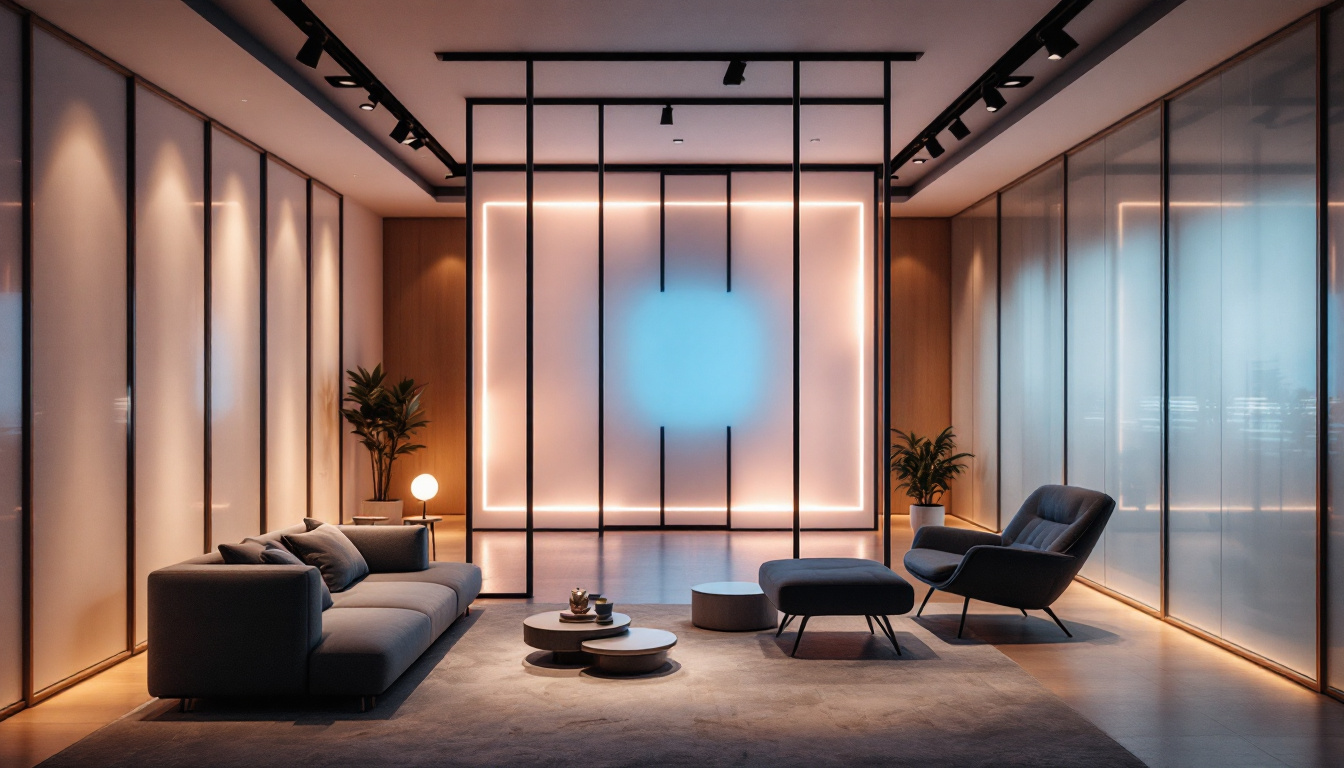
Modern LED displays come in various forms, including rigid panels, flexible strips, and even transparent screens. These variations enable creative freedom in designing digital art installations that can conform to different wall shapes and environments. For instance, transparent LED displays can be integrated into storefronts, allowing customers to view products behind the screen while still enjoying dynamic visual content. This innovative approach not only enhances the aesthetic appeal of commercial spaces but also engages potential customers in a unique way.
How LED Displays Work
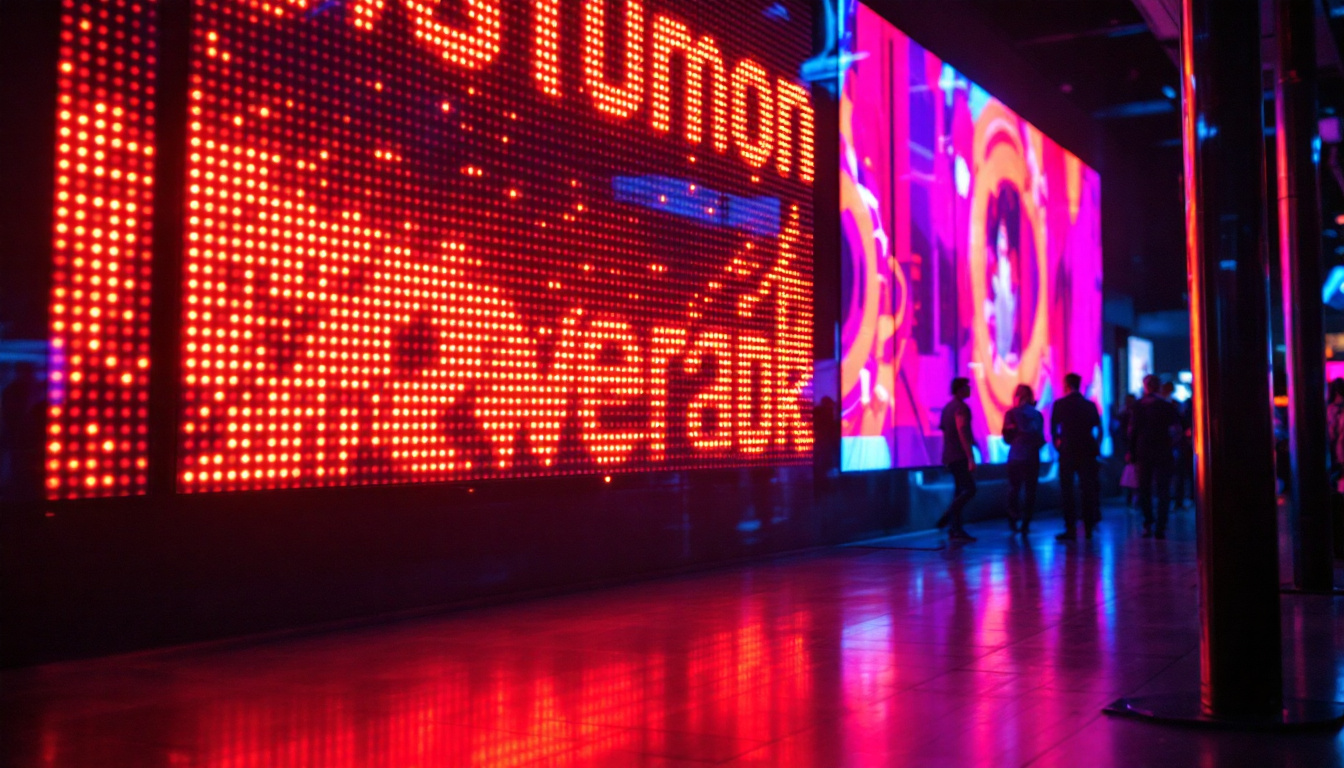
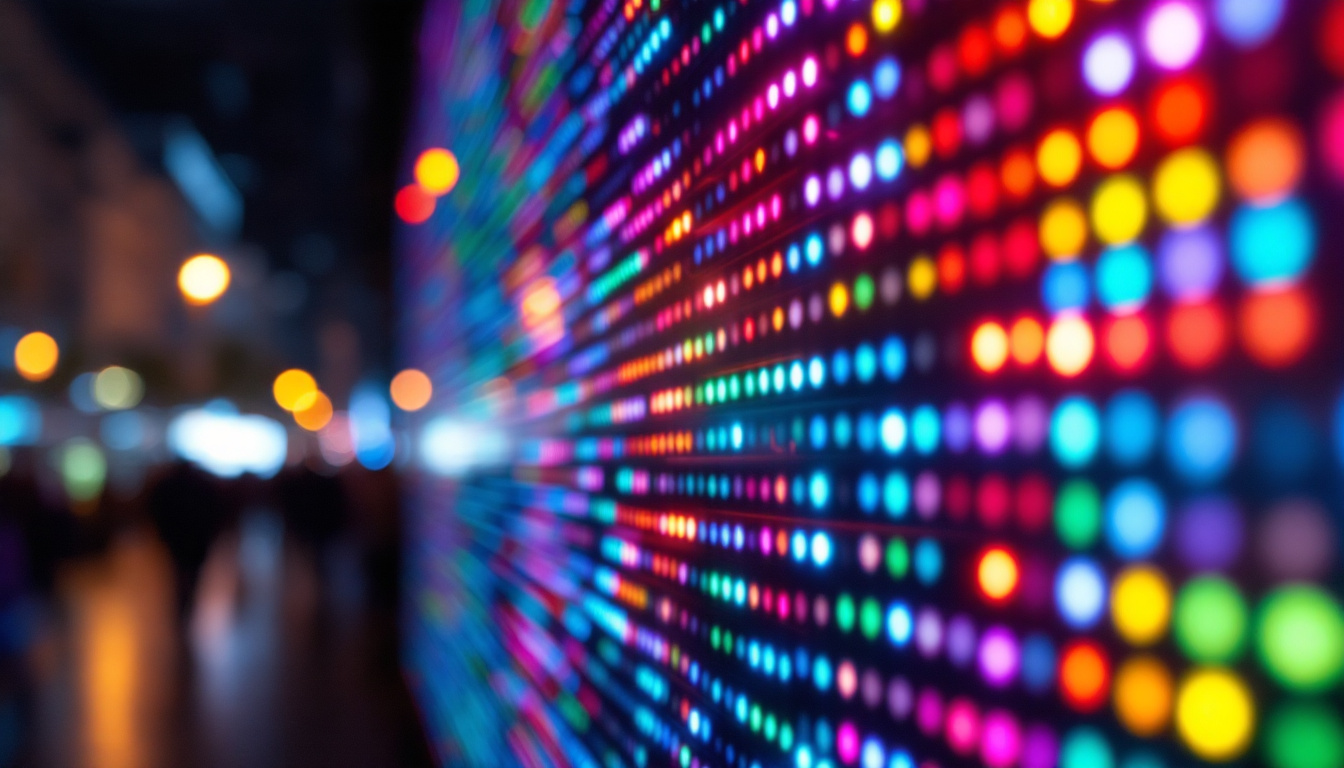
Each LED pixel consists of red, green, and blue diodes that combine to produce a full spectrum of colors. By adjusting the intensity of each diode, the display can render millions of colors with remarkable precision. The pixels are arranged in a grid, and a controller processes digital signals to illuminate the appropriate diodes, creating dynamic images and animations. This technology allows for seamless transitions and vivid displays that can captivate audiences, making LED screens a popular choice for concerts, exhibitions, and advertising.
Advancements in miniaturization and pixel density have led to ultra-high-definition LED displays, making it possible to showcase intricate digital artworks with exceptional clarity, even at close viewing distances. Additionally, the integration of smart technology has enabled LED displays to connect to the internet, allowing for real-time updates and interactive content. This capability opens up new avenues for artists and marketers alike, as they can create engaging experiences that evolve over time, responding to viewer interactions or current events. As LED technology continues to advance, the possibilities for creative expression and communication are virtually limitless.
The Rise of Digital Wall Art
From Static to Dynamic: The Evolution of Wall Art
Traditional wall art, such as paintings and photographs, has long been a staple of interior decoration. However, these forms are static and limited in their ability to adapt or engage viewers dynamically. Digital wall art, powered by LED displays, breaks these boundaries by offering ever-changing visuals that can be customized and updated in real time.
This shift is driven by the increasing demand for interactive and immersive environments in homes, offices, galleries, and public spaces. Digital wall art can transform a blank wall into a vibrant storytelling canvas, capable of displaying anything from serene landscapes to abstract animations, or even live data visualizations. The technology behind digital wall art allows for seamless integration with smart home systems, enabling users to change their wall displays with voice commands or through mobile applications, making the experience not just visually appealing but also highly interactive.
Moreover, the artistic possibilities are virtually limitless. Artists and designers are now exploring new mediums, creating works that can respond to environmental factors like light and sound, or even viewer interaction. This evolution is not just about aesthetics; it represents a new frontier in artistic expression, where the boundaries between the artist and the audience blur, inviting viewers to become part of the artwork itself.
Market Trends and Adoption
The global digital signage market, which includes LED displays used for digital art, is projected to grow at a compound annual growth rate (CAGR) of over 8% through 2027. This growth is fueled by technological advancements, decreasing costs, and expanding applications across industries.
In residential settings, smart homes are increasingly incorporating digital wall art as part of their design ethos, blending technology with aesthetics. Meanwhile, commercial sectors such as retail, hospitality, and corporate offices use LED displays to enhance brand presence and customer engagement. Retailers, for instance, are leveraging digital wall art to create immersive shopping experiences, using dynamic visuals to attract customers and convey brand stories in real-time. This not only captivates the audience but also encourages longer dwell times, ultimately leading to increased sales.
Furthermore, educational institutions are beginning to adopt digital wall art to create engaging learning environments. Classrooms and hallways adorned with interactive displays can showcase student projects, historical timelines, or even real-time data related to ongoing lessons, fostering a more stimulating atmosphere for both students and educators. This trend reflects a broader movement towards integrating technology in education, aiming to enhance engagement and retention through visually appealing and interactive content.
Applications of LED Digital Wall Art
Residential Spaces: Personalized Ambiance
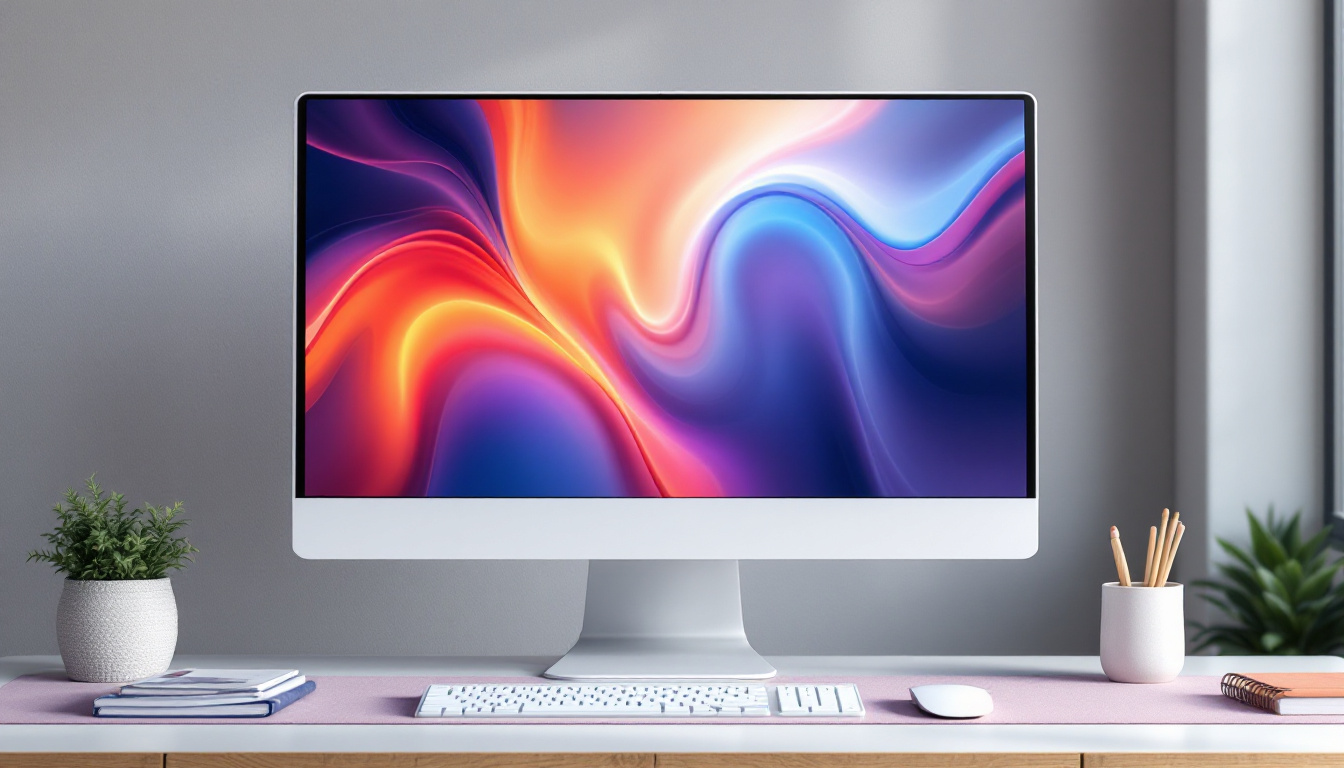
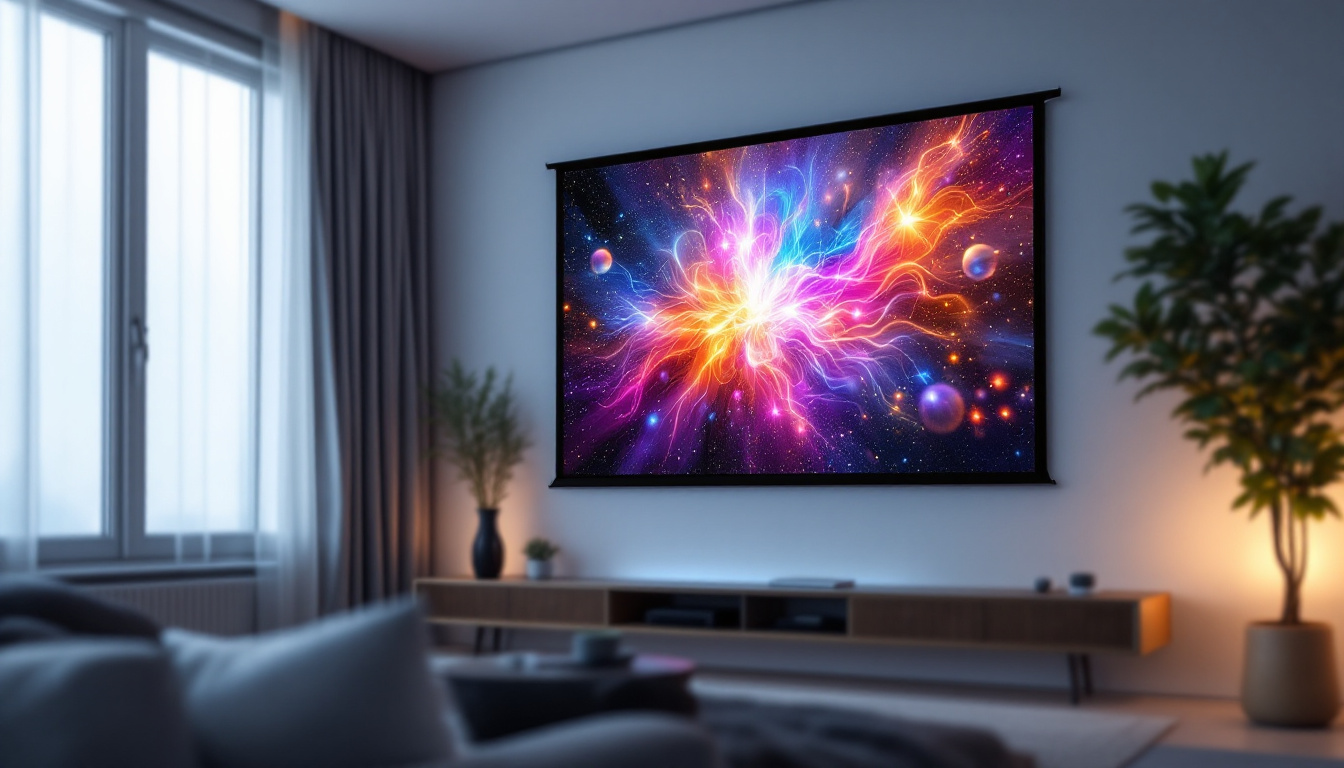
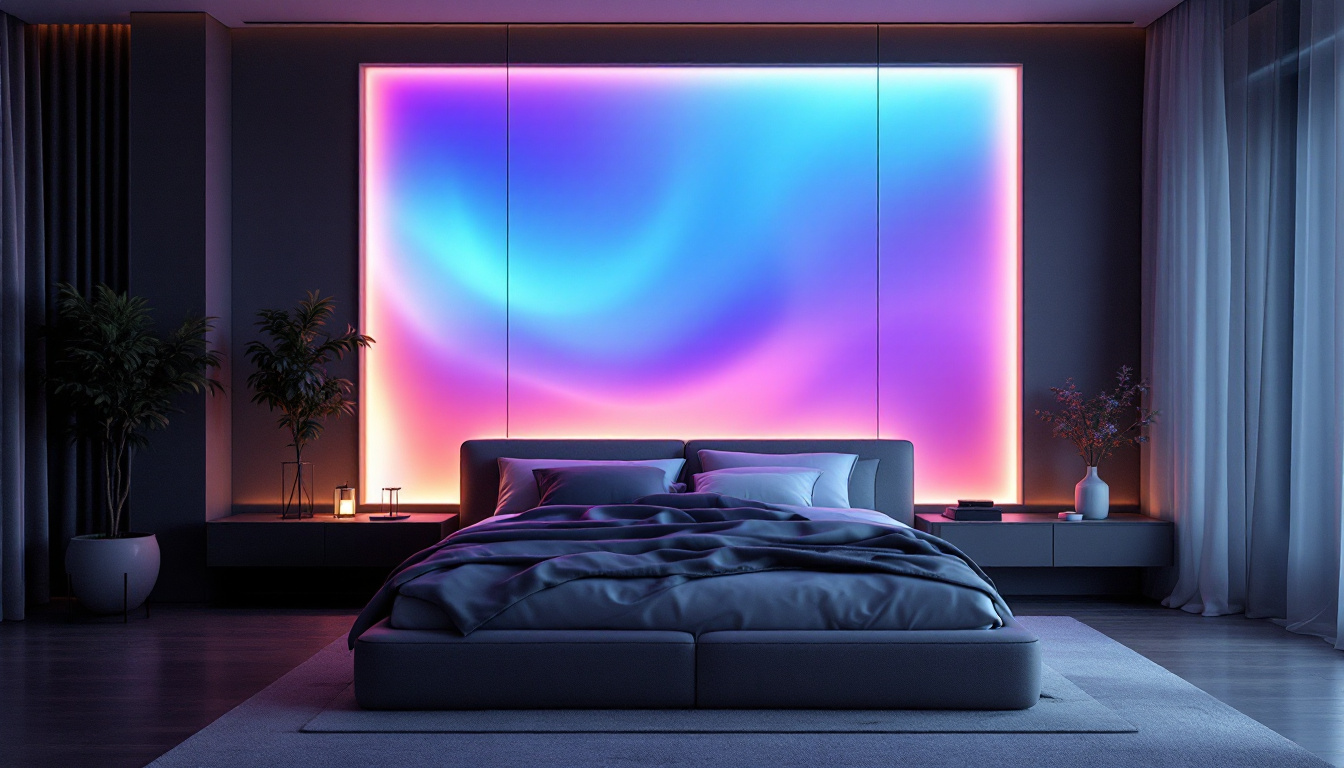
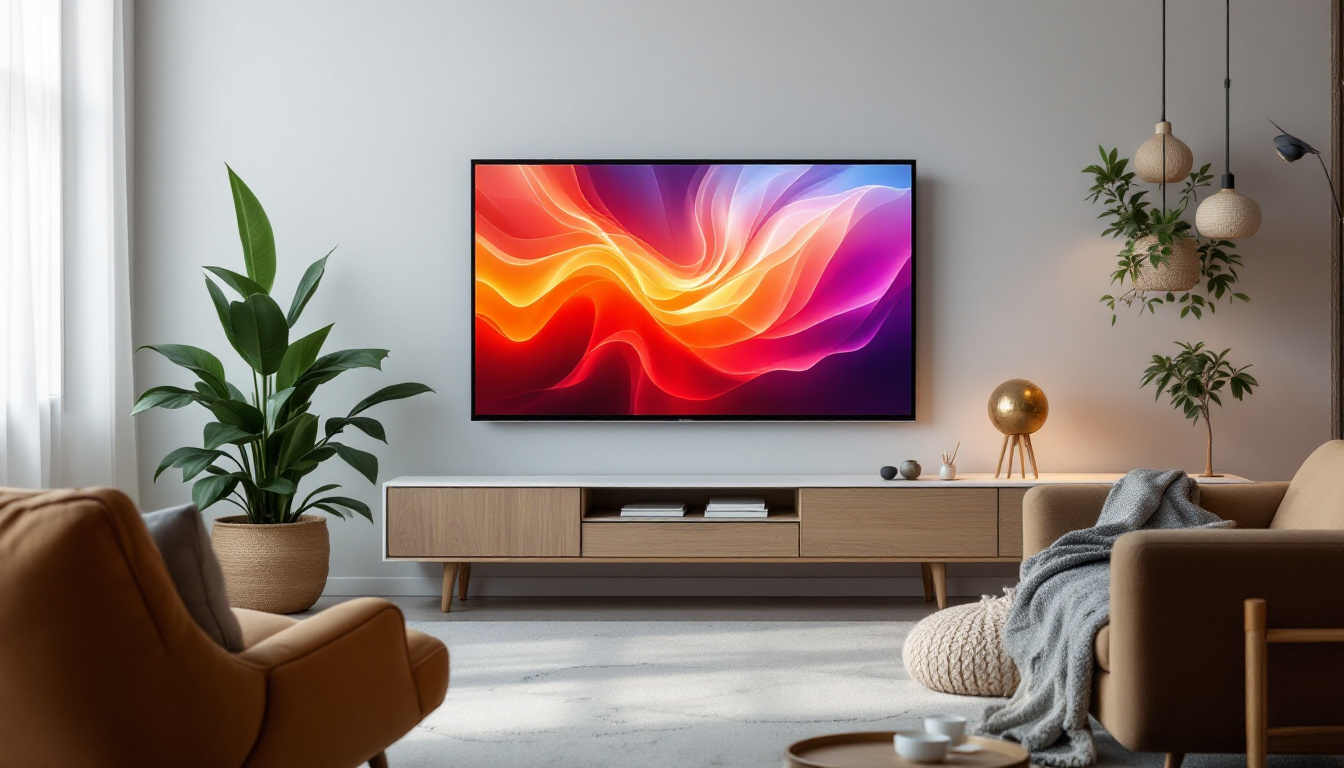
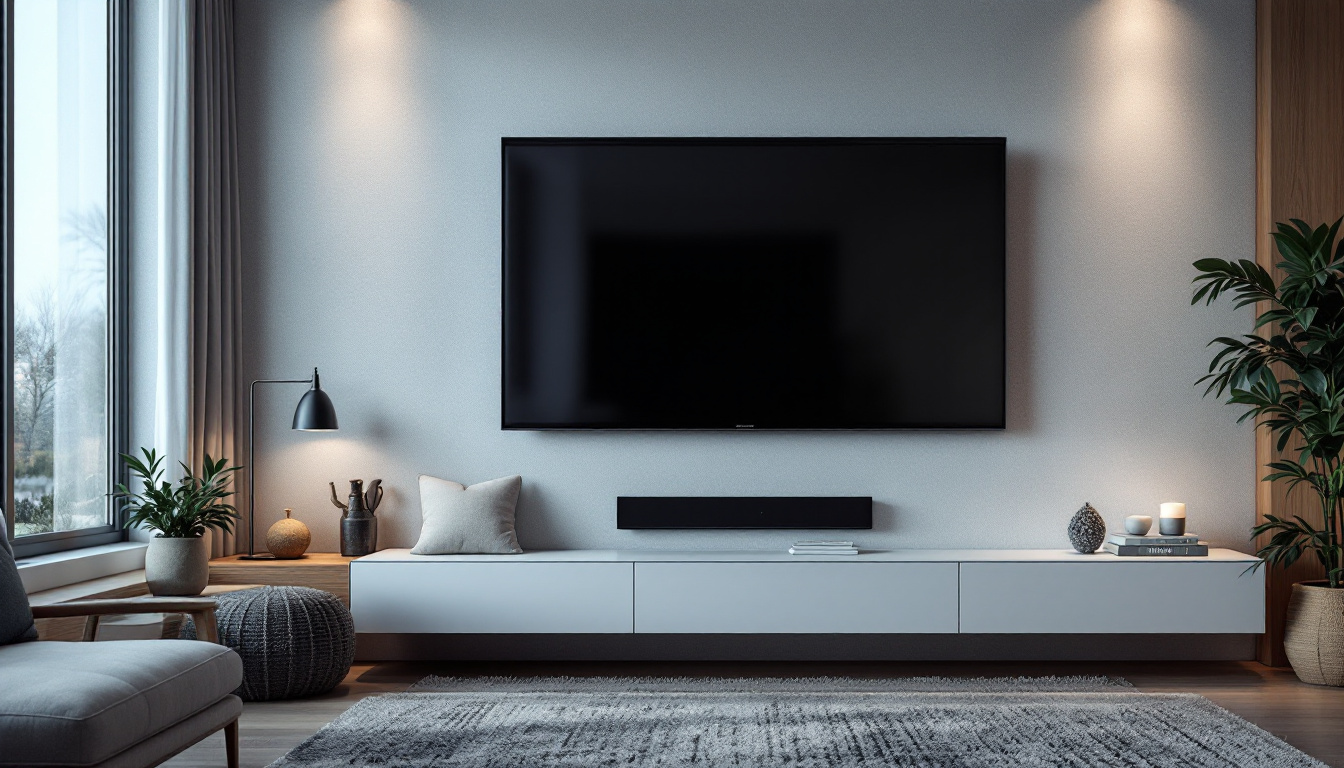
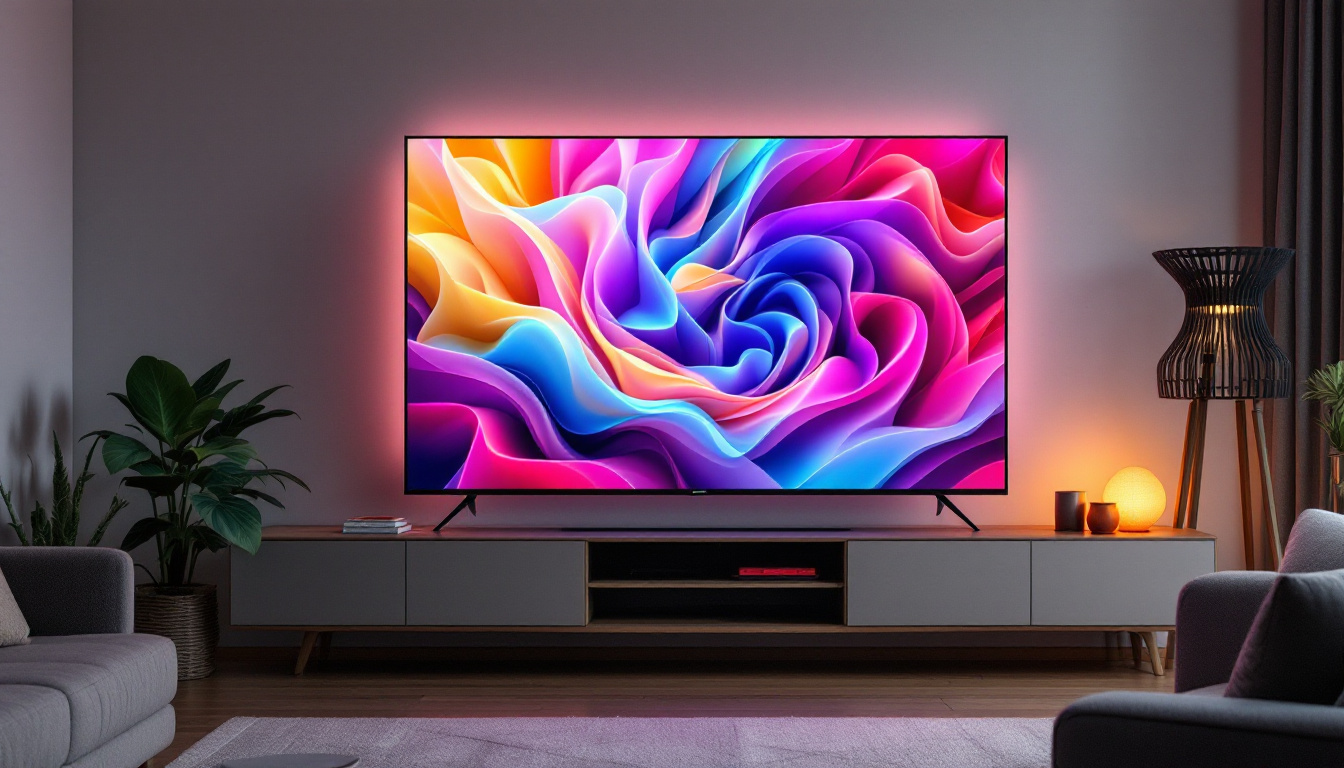
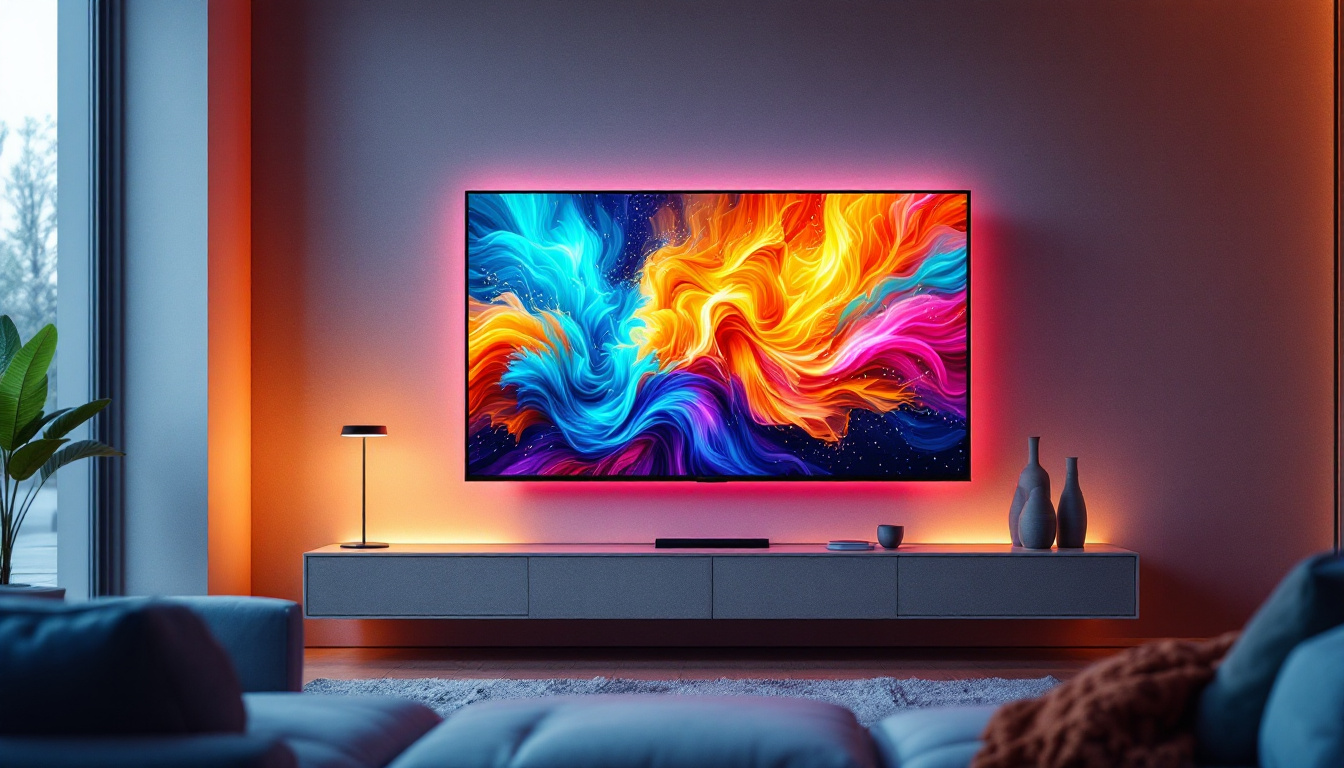
In homes, LED digital wall art offers unparalleled flexibility. Homeowners can select from vast libraries of digital artworks or commission custom pieces that reflect personal tastes and moods. With smart home integration, these displays can even respond to environmental cues like lighting or music, creating a multisensory experience.
For example, a living room wall can transition from a calming ocean scene during the day to a vibrant cityscape at night, all controlled via smartphone or voice commands. This adaptability makes digital wall art a compelling alternative to conventional décor.
Commercial and Public Environments
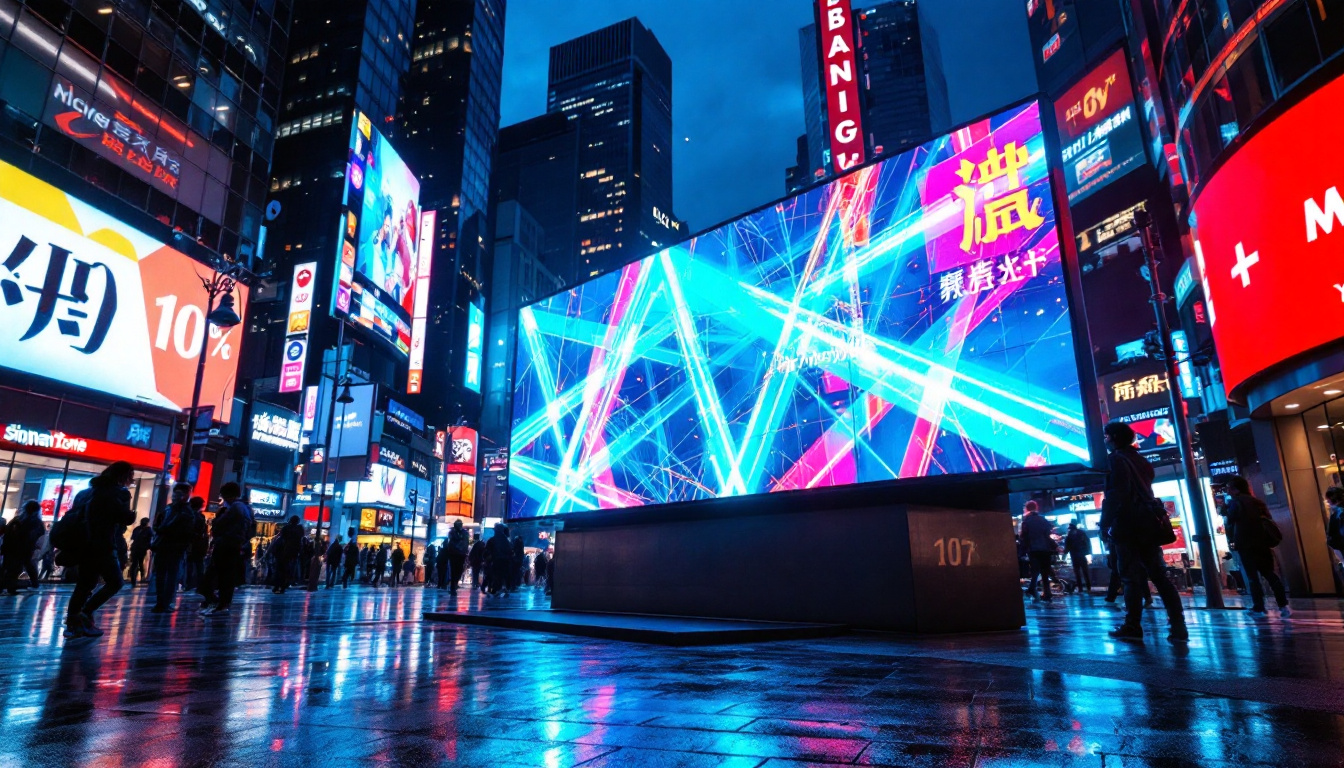
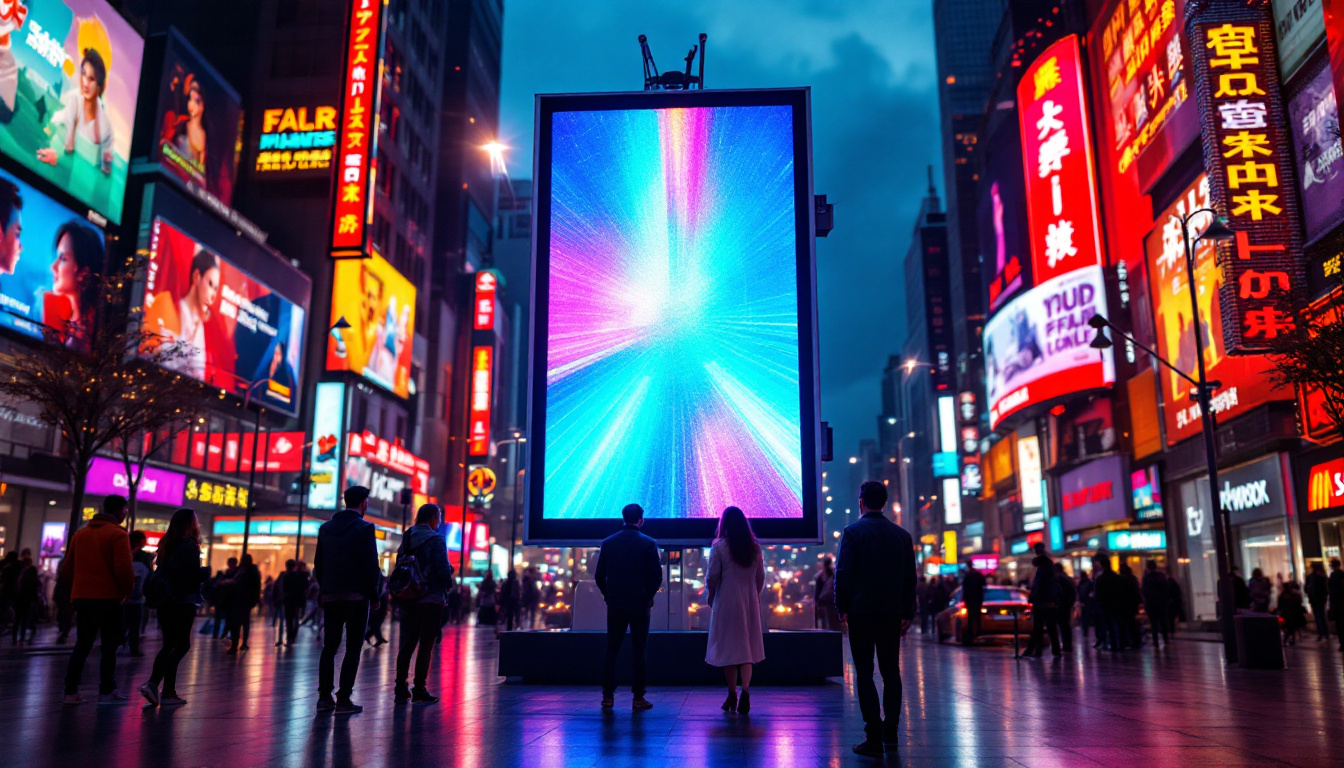
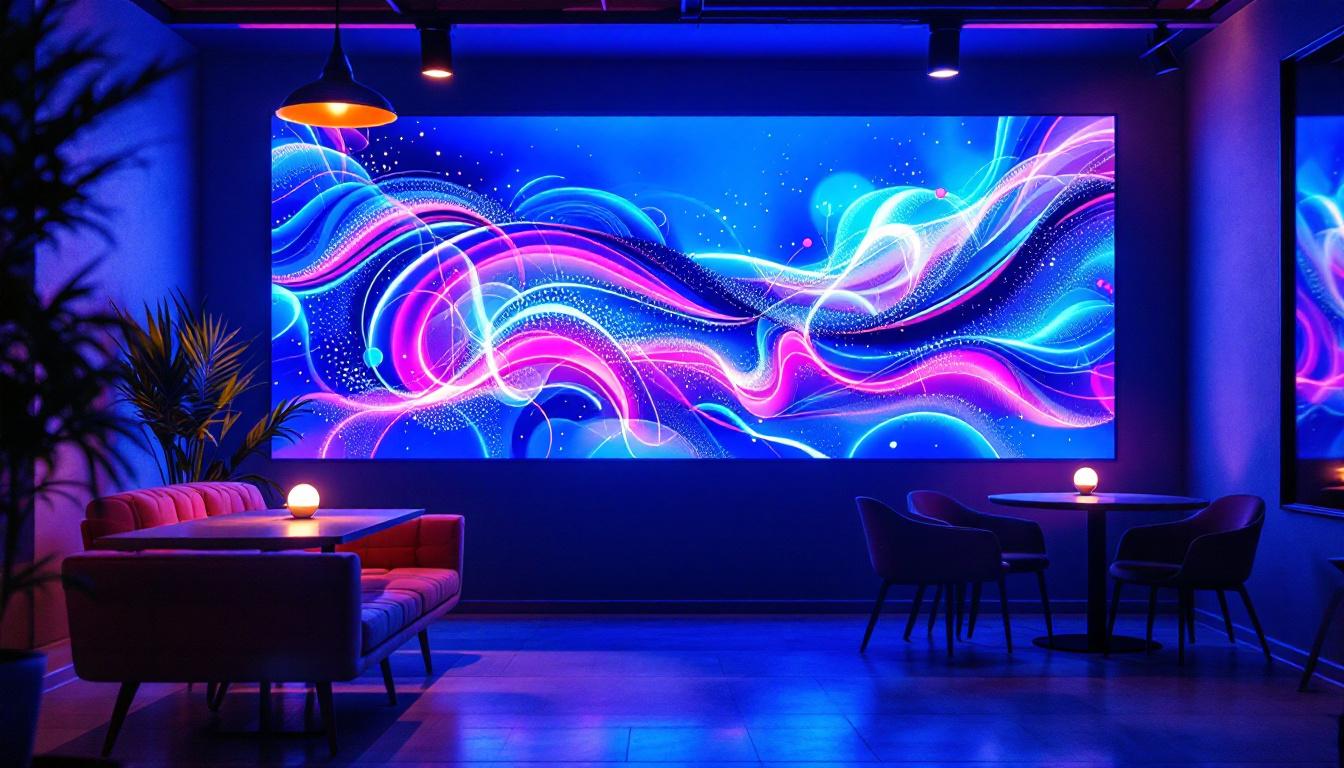
Businesses leverage LED digital wall art to captivate audiences and communicate messages effectively. Retailers use dynamic displays to showcase products and promotions, while hotels and restaurants create immersive atmospheres that enhance guest experiences.
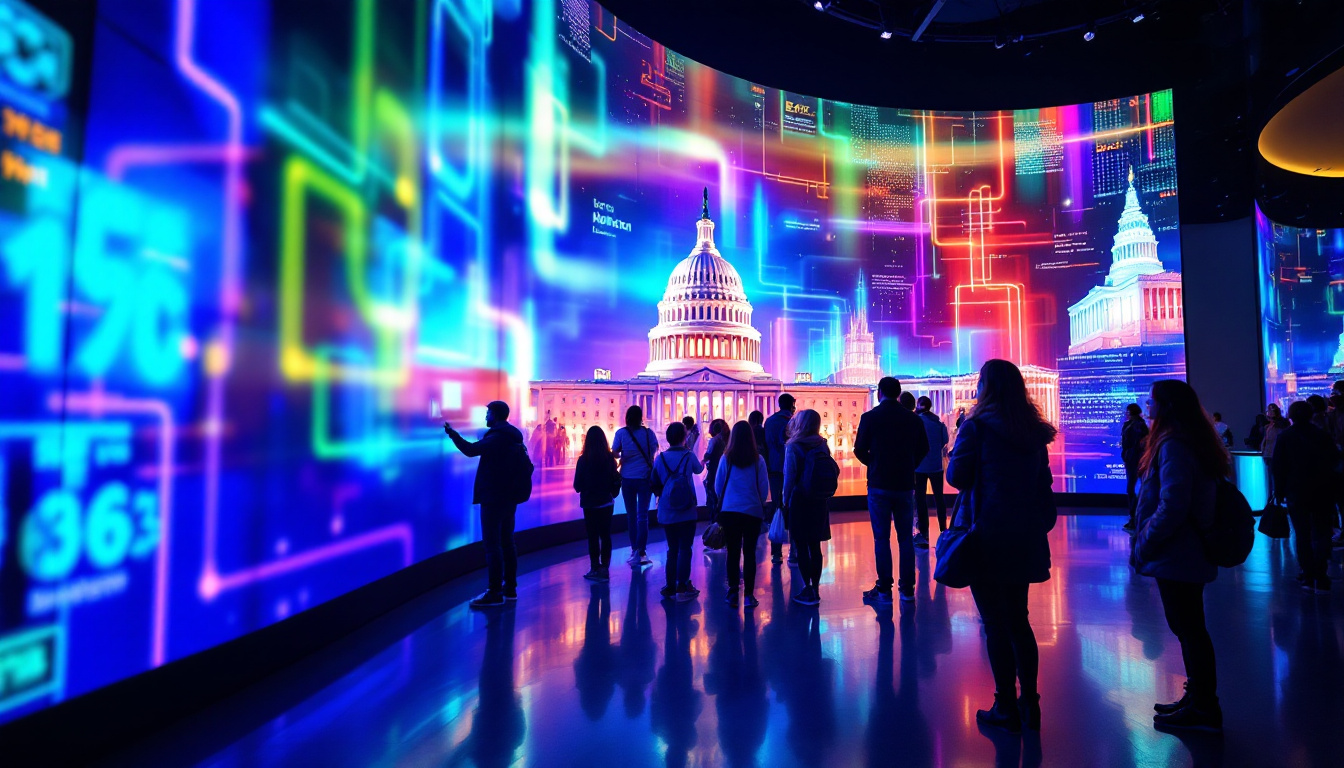
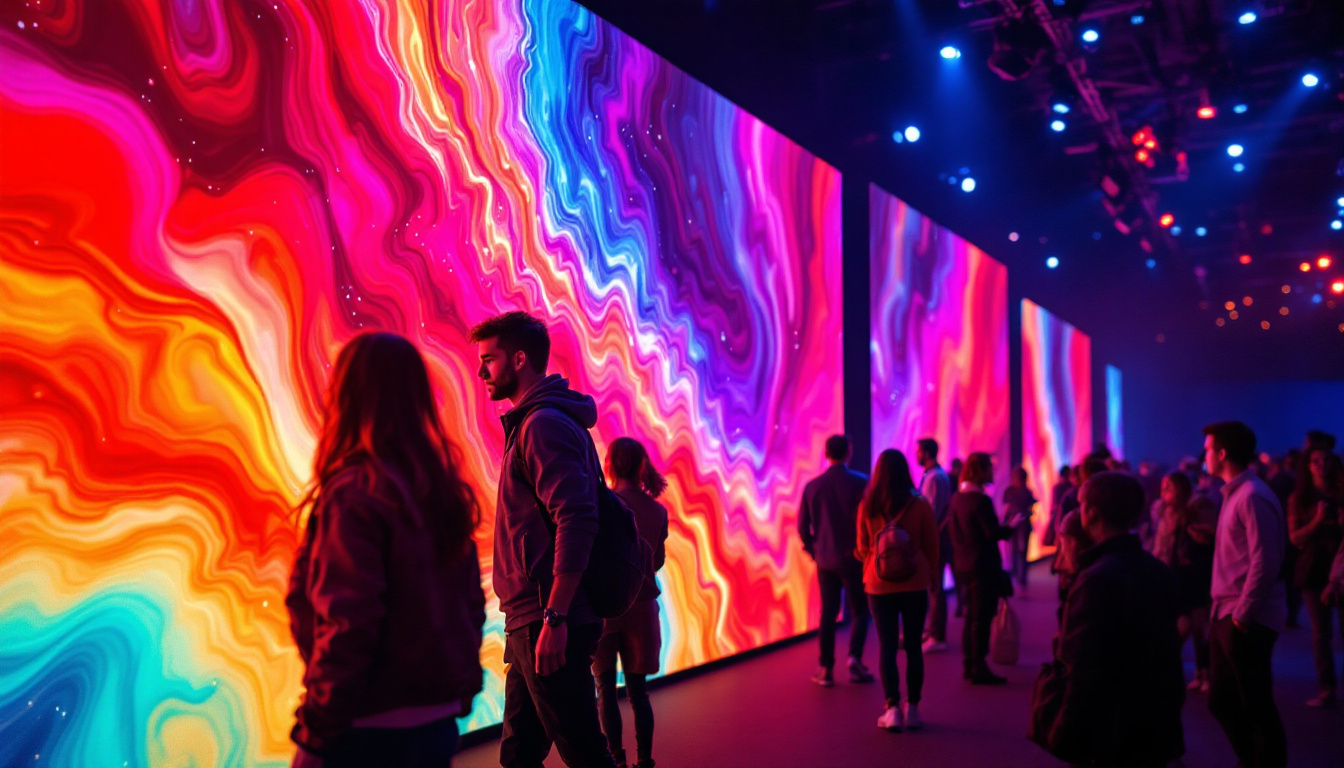
Public spaces such as museums and galleries employ large-scale LED walls to present interactive exhibitions. These installations can incorporate motion sensors or touch capabilities, inviting visitors to engage directly with the art. Additionally, LED displays are used in corporate offices to display brand storytelling, employee recognition, or live data dashboards, fostering a connected workplace culture.
Event and Entertainment Venues
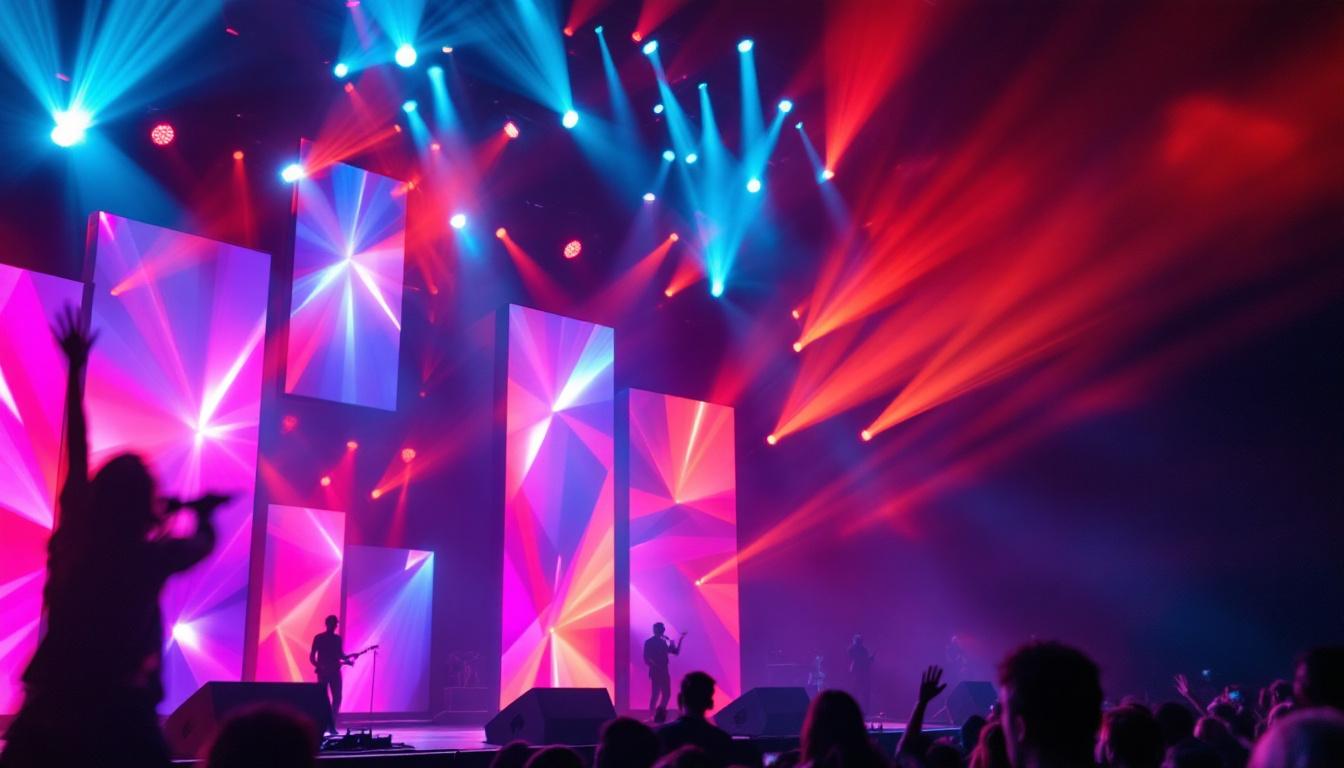
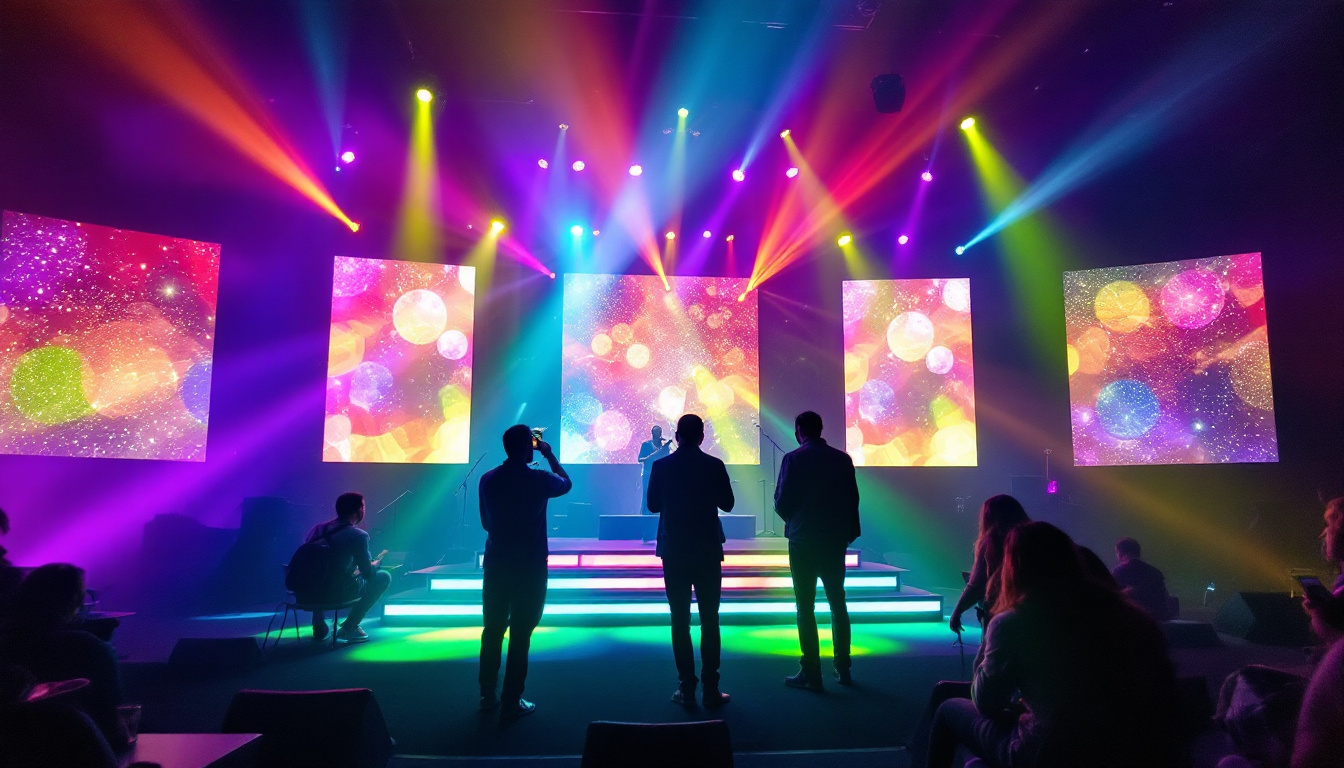
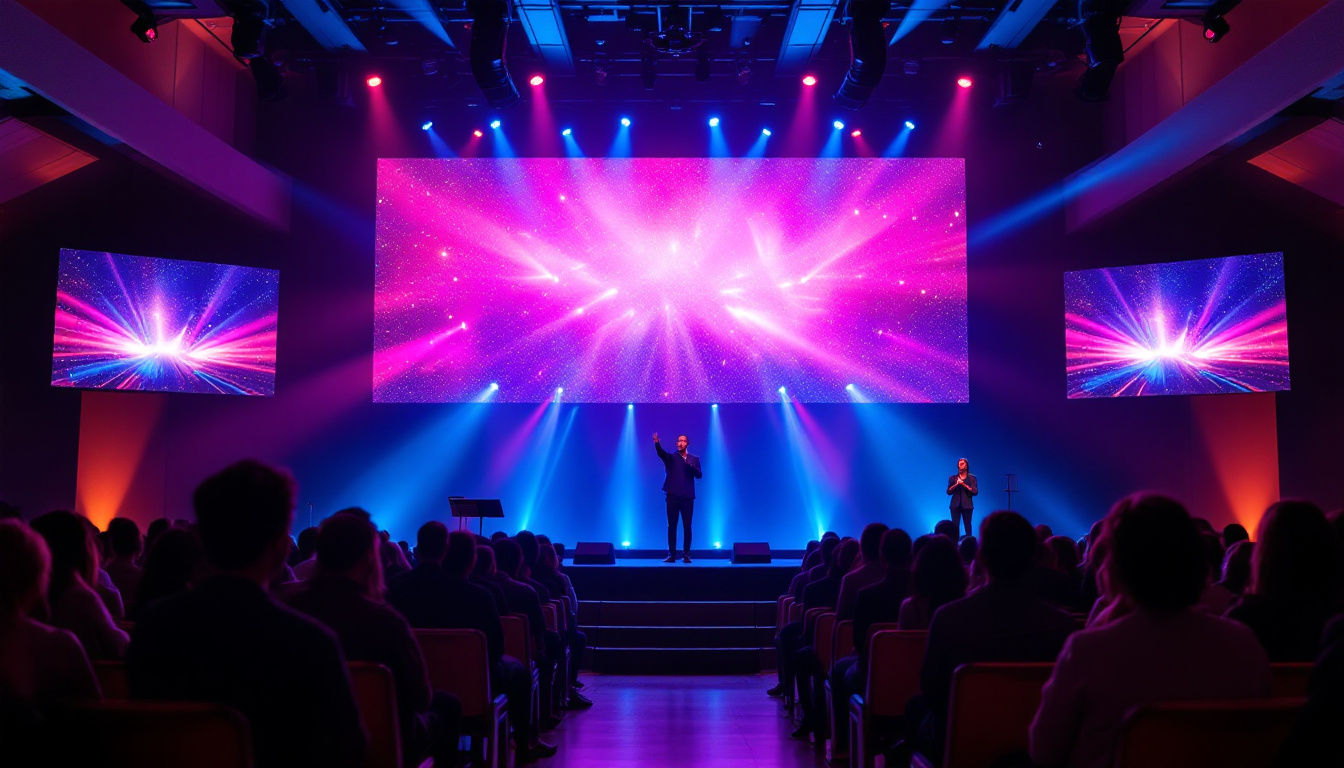
Concert halls, theaters, and event spaces utilize LED walls to create stunning backdrops and visual effects that synchronize with performances. The high brightness and color fidelity of LED displays ensure visibility even in challenging lighting conditions, enhancing the overall audience experience.
Moreover, temporary installations for festivals or exhibitions benefit from the portability and modularity of LED panels, allowing for creative and large-scale digital art presentations.
Advantages of Using LED Displays for Digital Wall Art
Brightness and Visibility
One of the most significant advantages of LED displays is their exceptional brightness, often exceeding 1,000 nits. This makes digital wall art clearly visible in various lighting conditions, including brightly lit rooms or outdoor environments. Unlike projection-based systems, LED displays do not require a darkened space to achieve optimal image quality.
Energy Efficiency and Longevity
LED technology is renowned for its energy efficiency compared to traditional lighting and display methods. Modern LED panels consume less power while delivering high brightness levels, making them environmentally friendly and cost-effective over time.
Additionally, LEDs have a long operational lifespan, often exceeding 50,000 hours. This durability reduces maintenance costs and downtime, which is particularly important for commercial installations.
Customization and Interactivity
LED digital wall art can be tailored to fit any wall size or shape, thanks to modular panel designs. This scalability allows for bespoke installations that complement architectural features and design themes.
Interactivity is another key benefit. Many LED displays support touch input, motion detection, or integration with external sensors, enabling dynamic and engaging art experiences that respond to viewer presence or environmental changes.
Challenges and Considerations
Initial Investment and Installation
Despite decreasing costs, high-quality LED displays still represent a significant upfront investment. Installation can also be complex, requiring professional expertise to ensure proper mounting, electrical connections, and calibration.
However, the long-term benefits often outweigh these initial hurdles, especially when factoring in the versatility and impact of digital wall art.
Content Management
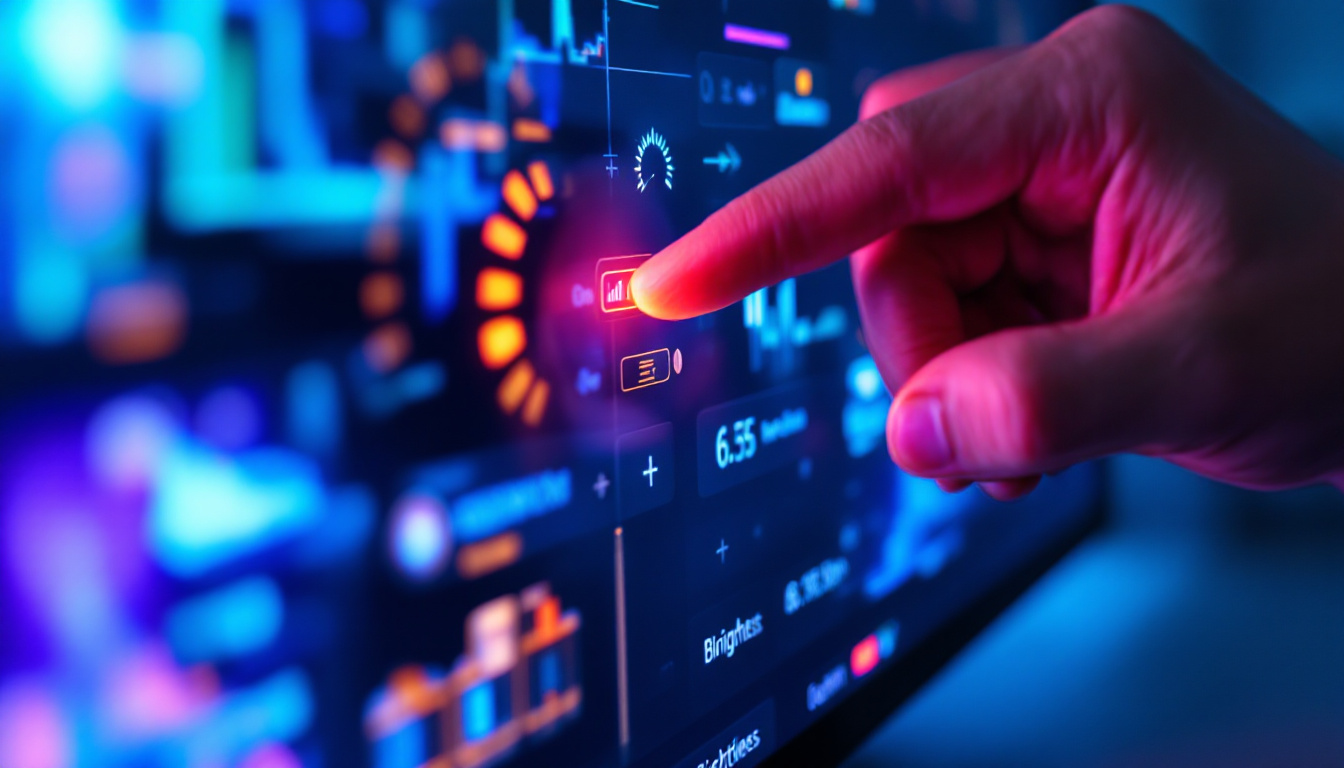
Creating and managing digital art content requires either technical skills or access to specialized software platforms. Users must consider how frequently they want to update the displayed content and whether they need remote management capabilities.
Many providers offer cloud-based content management systems that simplify this process, allowing users to schedule playlists, upload new artworks, and monitor display performance remotely.
Environmental Impact
While LED displays are energy-efficient, they still consume electricity and involve electronic components that require responsible disposal or recycling at end-of-life. Selecting displays with certifications for environmental standards and partnering with manufacturers who prioritize sustainability can mitigate these concerns.
The Future of Digital Wall Art with LED Displays
Advances in Display Technology
Emerging technologies such as microLED and miniLED promise even higher resolution, better color accuracy, and thinner form factors. These innovations will further enhance the quality and versatility of digital wall art, making it more accessible and immersive.
Flexible and transparent LED displays are also gaining traction, enabling new artistic possibilities like wrapping walls or integrating digital art into windows and glass surfaces.
Integration with Smart Environments
As smart homes and buildings become more prevalent, digital wall art will increasingly integrate with broader ecosystems. This means displays could automatically adapt based on time of day, weather conditions, or user preferences, creating seamless and personalized environments.
Voice assistants and AI-driven content curation will also play a role in making digital wall art more intuitive and engaging.
Expanding Creative Horizons
Artists and designers are exploring the unique capabilities of LED displays to push the boundaries of digital art. Interactive installations, generative art that evolves over time, and immersive storytelling formats are becoming more common, enriching cultural experiences and redefining how art is consumed.
Collaborations between technologists and creatives will continue to drive innovation, making digital wall art an exciting field for both creators and audiences.
Conclusion
LED display technology has fundamentally transformed digital wall art, offering unprecedented brightness, versatility, and interactivity. From personalized home environments to impactful commercial installations and immersive public exhibits, LED digital wall art is reshaping the way spaces communicate and inspire.
While challenges such as initial costs and content management exist, ongoing technological advancements and growing market adoption suggest a bright future for this medium. As LED displays become more sophisticated and integrated with smart systems, digital wall art will continue to evolve, offering richer, more dynamic visual experiences that captivate and engage audiences worldwide.
Discover the Future of Visual Experience with LumenMatrix
Ready to elevate your space with the vibrant, dynamic world of LED digital wall art? LumenMatrix is at the forefront of LED display innovation, offering a wide array of solutions that transform any environment. Whether you’re looking to create an immersive indoor atmosphere, captivate passersby with an outdoor display, or innovate with unique applications like vehicle and floor displays, LumenMatrix has the technology to bring your vision to life. Embrace the future of visual communication and check out LumenMatrix LED Display Solutions today to see how we can help you make a lasting impression.