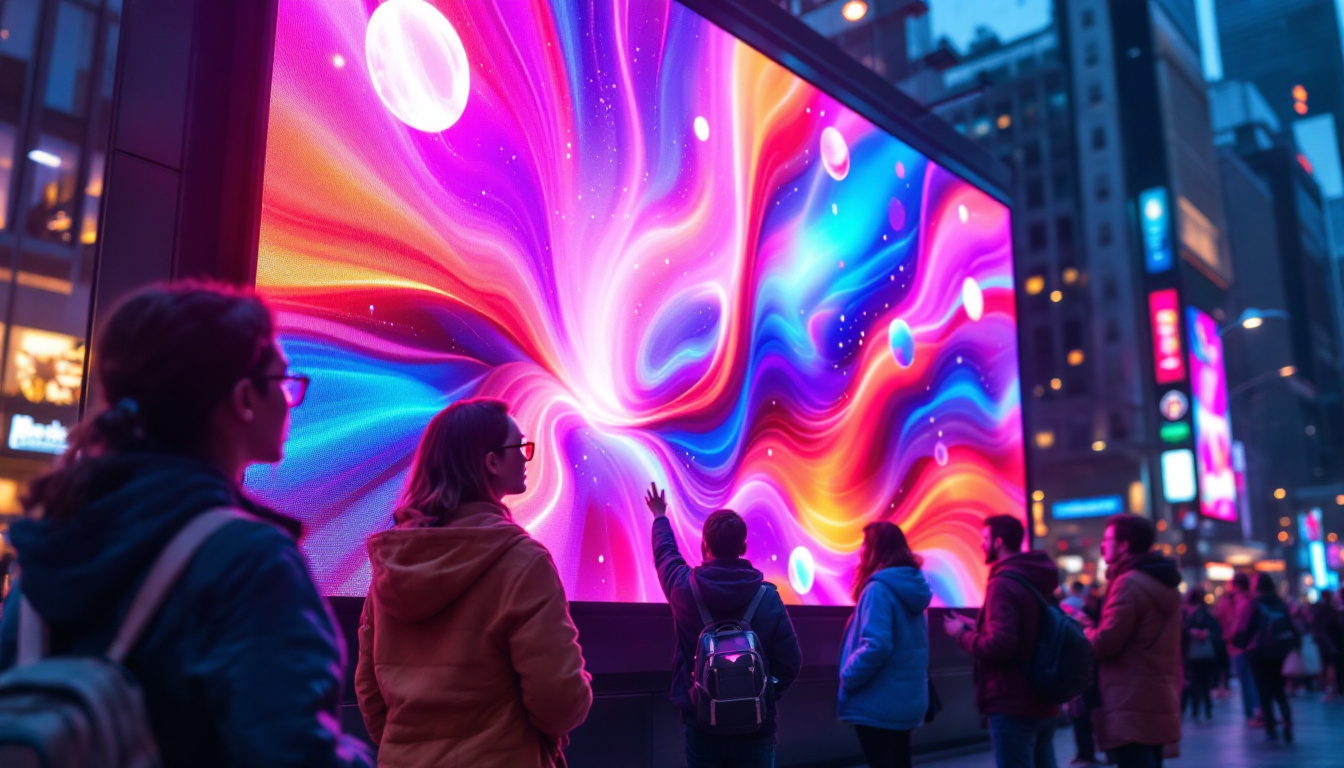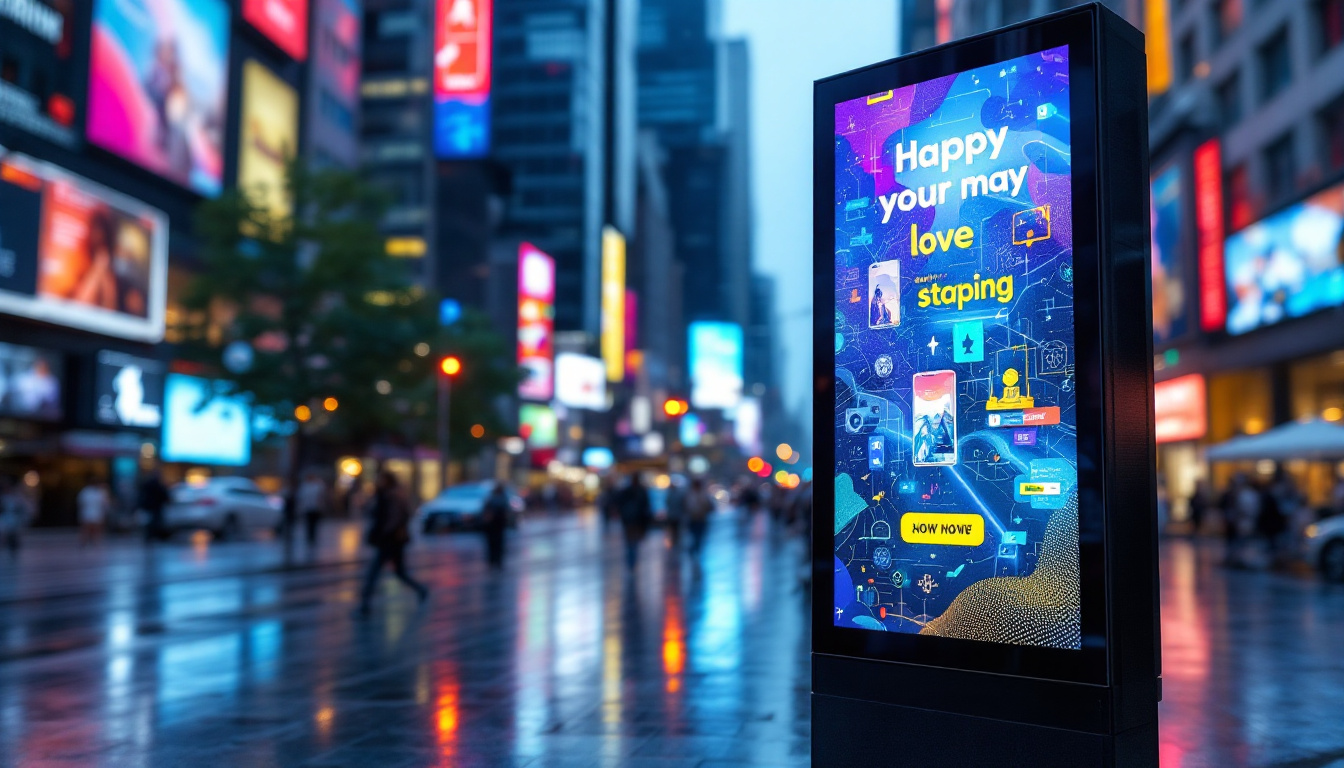
In today’s fast-paced digital world, LED display boards have become an essential tool for communication, advertising, and information dissemination. From towering billboards in Times Square to dynamic scoreboards in sports arenas, LED displays captivate audiences with their vibrant colors and sharp images. However, understanding the variety of LED display sizes and their applications can be a complex task. This article aims to demystify LED display board sizes, exploring their types, dimensions, and the factors influencing their selection.
Understanding LED Display Technology
LED, or Light Emitting Diode, technology has revolutionized the way visual content is presented in public and private spaces. Unlike traditional display technologies such as LCD or plasma, LEDs emit light directly, offering superior brightness and energy efficiency. This makes LED displays highly visible even under direct sunlight, a critical advantage for outdoor advertising and event displays. The ability to maintain vibrant colors and clarity in various lighting conditions has made LED technology the go-to choice for everything from billboards to stadium screens.
LED displays are composed of thousands to millions of tiny diodes arranged in a matrix. Each diode acts as a pixel, capable of emitting different colors by combining red, green, and blue (RGB) LEDs. The resolution and image quality depend largely on the pixel pitch—the distance between the centers of two adjacent pixels. Smaller pixel pitches mean higher resolution and sharper images, but also typically come at a higher cost. This trade-off is crucial for businesses and event organizers to consider, as the choice of pixel pitch can significantly impact the viewer’s experience and the overall effectiveness of the display.
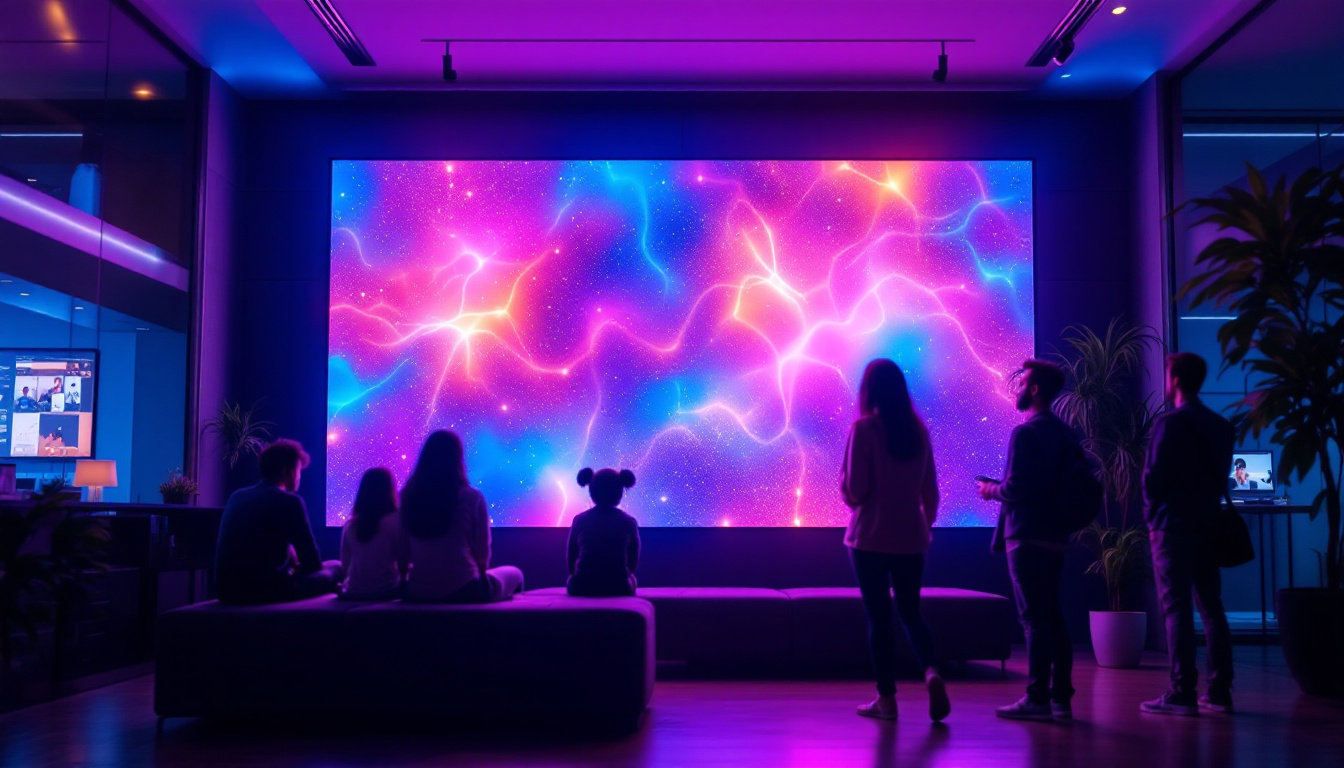
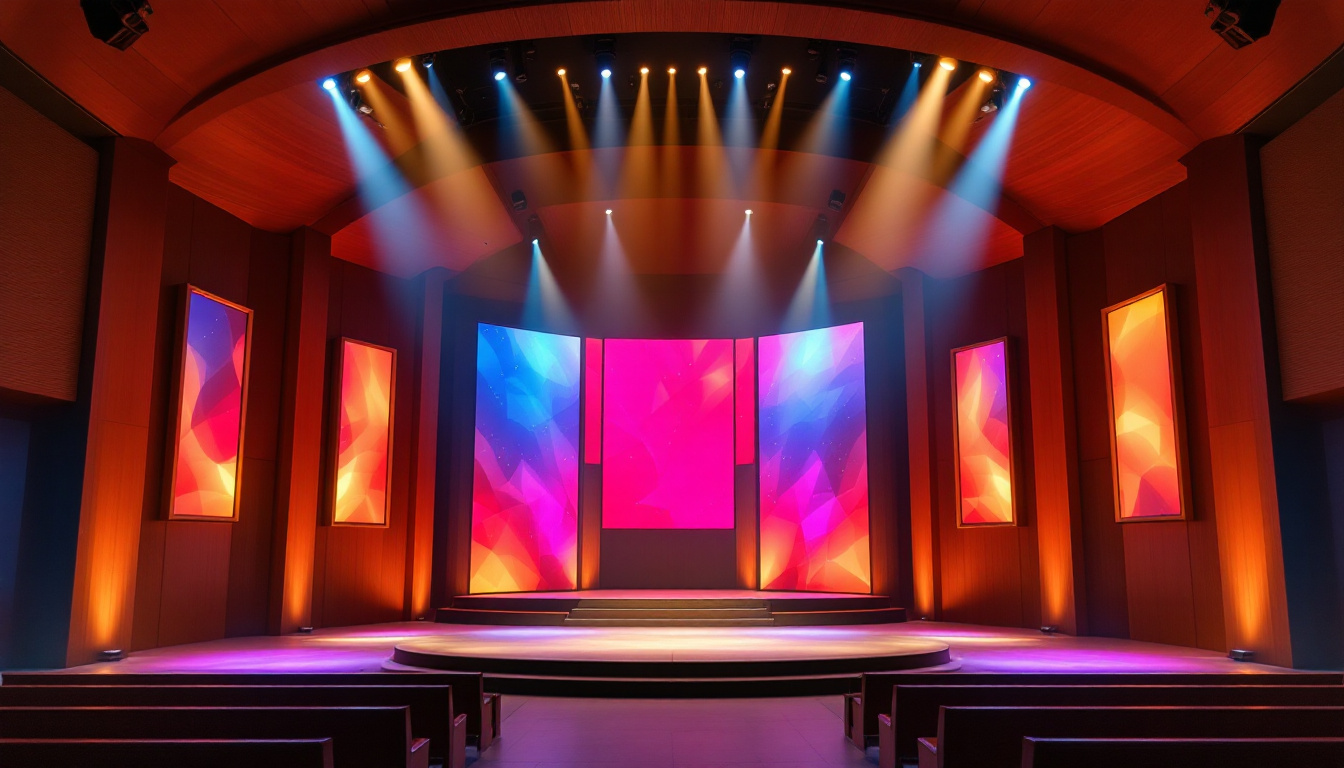
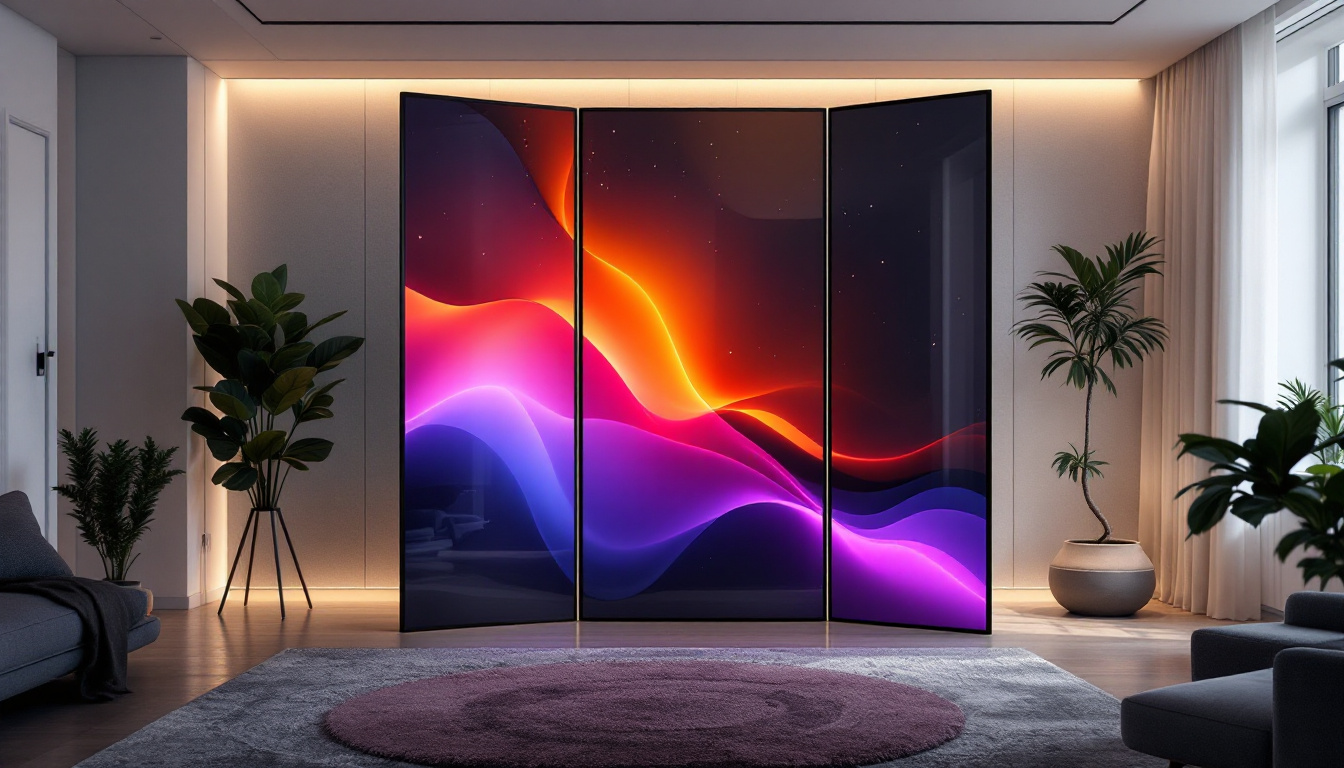
Moreover, the versatility of LED technology extends beyond just outdoor applications. Indoor LED displays are increasingly popular in venues such as theaters, shopping malls, and corporate environments. These displays can be customized to fit various shapes and sizes, allowing for creative installations that enhance the ambiance of a space. Additionally, advancements in LED technology have led to the development of flexible LED screens that can be bent or shaped to create unique visual experiences, further pushing the boundaries of what is possible in digital signage.
Another significant advantage of LED displays is their longevity and durability. Unlike traditional screens that may suffer from burn-in or require frequent replacements, LED displays can last for tens of thousands of hours with minimal maintenance. This durability makes them a cost-effective solution in the long run, as they reduce the need for frequent repairs or replacements. Furthermore, many LED displays are designed to be energy-efficient, consuming less power than their predecessors, which not only lowers operational costs but also aligns with growing environmental concerns about energy consumption in technology.
Common LED Display Board Sizes and Their Applications
LED display boards come in a wide range of sizes, each suited for particular environments and purposes. Understanding these sizes helps businesses and event organizers choose the right display for their needs.
Small LED Displays (Up to 2m²)
Small LED displays, typically under 2 square meters, are ideal for indoor use or close-range viewing. Examples include digital menu boards in restaurants, retail signage, and indoor event displays. Their compact size allows for easy installation in confined spaces while still delivering bright, clear visuals.
For instance, a 1.5m x 1m LED panel with a pixel pitch of 2.5mm can provide high-definition content suitable for audiences standing just a few meters away. These displays are often modular, allowing for customization in shape and size depending on the installation requirements.
Medium LED Displays (2m² to 20m²)
Medium-sized LED boards are the most versatile and commonly used category. They are suitable for both indoor and outdoor applications, such as corporate presentations, retail window displays, and medium-sized event backdrops. Sizes in this category often range from 2 meters wide by 1 meter tall up to 5 meters wide by 4 meters tall.
A popular example is a 4m x 3m LED screen with a 4mm pixel pitch, which balances resolution and viewing distance effectively. These displays can be seen in shopping malls, conference halls, and outdoor advertising spaces where viewers are typically 5 to 20 meters away.
Large LED Displays (Above 20m²)
Large LED display boards, exceeding 20 square meters, are designed for high-impact visibility in expansive environments. These include stadium screens, highway billboards, and large-scale event screens. Their immense size ensures visibility from hundreds of meters away, making them perfect for mass communication and advertising.
For example, the massive LED screens used in sports arenas can measure 10 meters by 20 meters or more, with pixel pitches ranging from 10mm to 20mm. While these have lower resolution compared to smaller indoor displays, their sheer size compensates for the viewing distance, ensuring the content remains clear and engaging.
Factors Influencing LED Display Size Selection
Choosing the right LED display size involves more than just picking the biggest or smallest option available. Several critical factors influence this decision, ensuring the display meets the intended purpose effectively.
Viewing Distance
One of the most important considerations is the typical distance between the display and its audience. For close-up viewing, such as in retail stores or indoor events, smaller displays with finer pixel pitches are preferred to ensure crisp images. Conversely, for displays viewed from afar—like billboards or stadium screens—larger sizes with coarser pixel pitches are more appropriate.
Industry guidelines suggest that the optimal viewing distance should be approximately 10 times the pixel pitch. For example, a display with a 5mm pixel pitch is best viewed from about 50mm (5cm) to several meters away, depending on the content.
Content Type and Resolution Requirements
The nature of the content displayed also affects size choice. High-definition videos and detailed graphics require higher resolution and thus smaller pixel pitches, which often means smaller display sizes or modular designs. Simple text or static images can be effectively displayed on larger screens with lower resolutions.
For instance, a financial trading floor displaying detailed charts would benefit from a high-resolution LED wall with a pixel pitch of 1.2mm to 2.5mm, while a highway billboard showing simple advertisements might use a 16mm pixel pitch screen.
Installation Environment
Indoor and outdoor environments impose different requirements on LED display sizes and specifications. Outdoor displays must be larger and brighter to combat daylight and weather conditions, often requiring robust casing and higher IP (Ingress Protection) ratings. Indoor displays can be smaller and more delicate, focusing on aesthetics and fine detail.
Additionally, the available physical space and mounting options can limit the maximum size of the display. For example, a storefront may only accommodate a 3m x 2m display, while a stadium can support screens exceeding 100m².
Budget Constraints
Cost is always a significant factor. Larger LED displays with finer pixel pitches can be expensive, not only in terms of initial purchase but also installation, maintenance, and energy consumption. Balancing size, resolution, and budget is essential to achieve the best return on investment.
For example, a medium-sized LED display with a 6mm pixel pitch might cost significantly less than a smaller 2mm pitch display, yet still fulfill the visual requirements for certain applications.
Popular LED Display Sizes in Real-World Applications
Examining real-world examples provides insight into how LED display sizes are selected and utilized across industries.
Retail and Hospitality
Retail stores often use LED displays ranging from 1m² to 5m² for digital signage, promotional content, and interactive displays. For example, a fashion retailer might install a 2m x 1.5m LED screen with a 3mm pixel pitch near the entrance to showcase new collections and sales.
In the hospitality sector, hotels and restaurants use LED screens for menus and event promotions, typically opting for smaller, high-resolution displays that blend seamlessly with interior decor.
Transportation Hubs
Airports, train stations, and bus terminals rely on medium to large LED displays for information boards and advertising. Sizes can range from 5m² to over 30m² depending on the location and viewing distance. For instance, an airport departure board might use a 6m x 2m LED display with a 4mm pixel pitch, ensuring readability from across the terminal.
Sports and Entertainment Venues
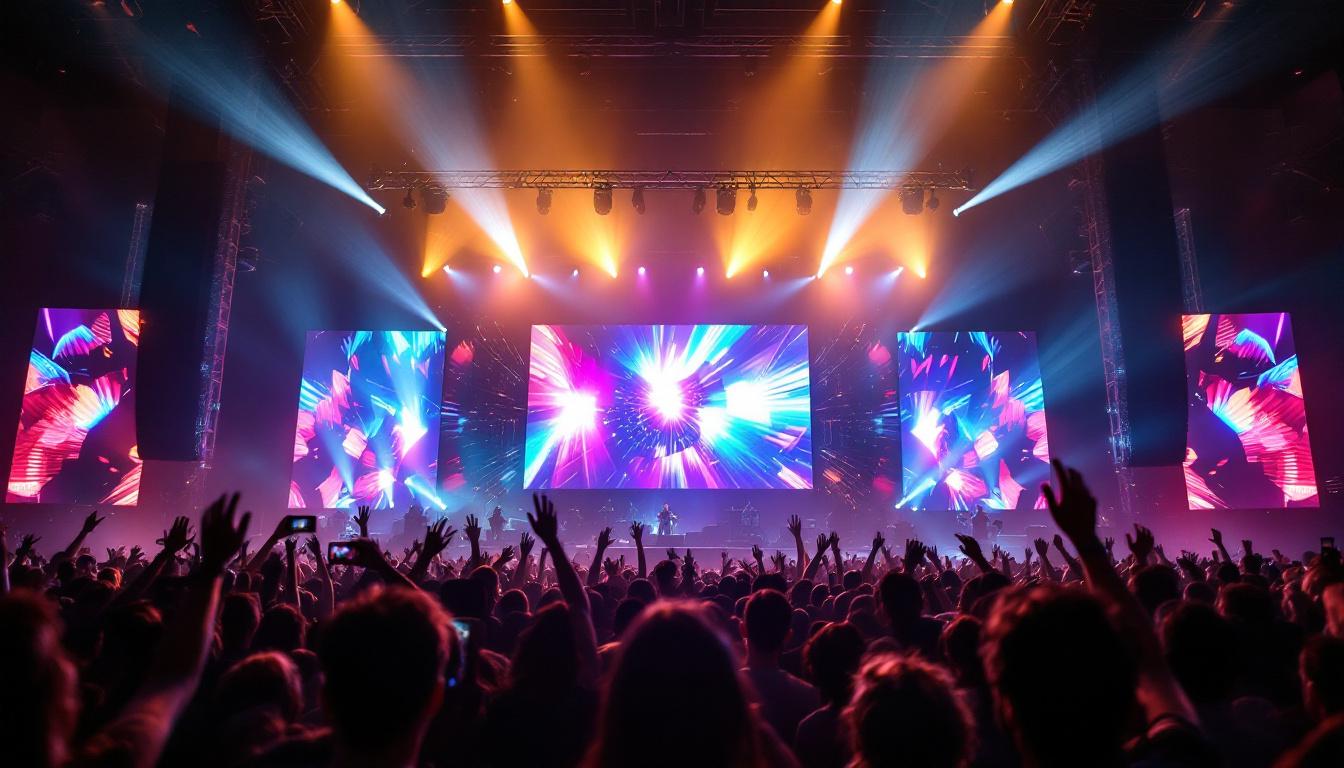
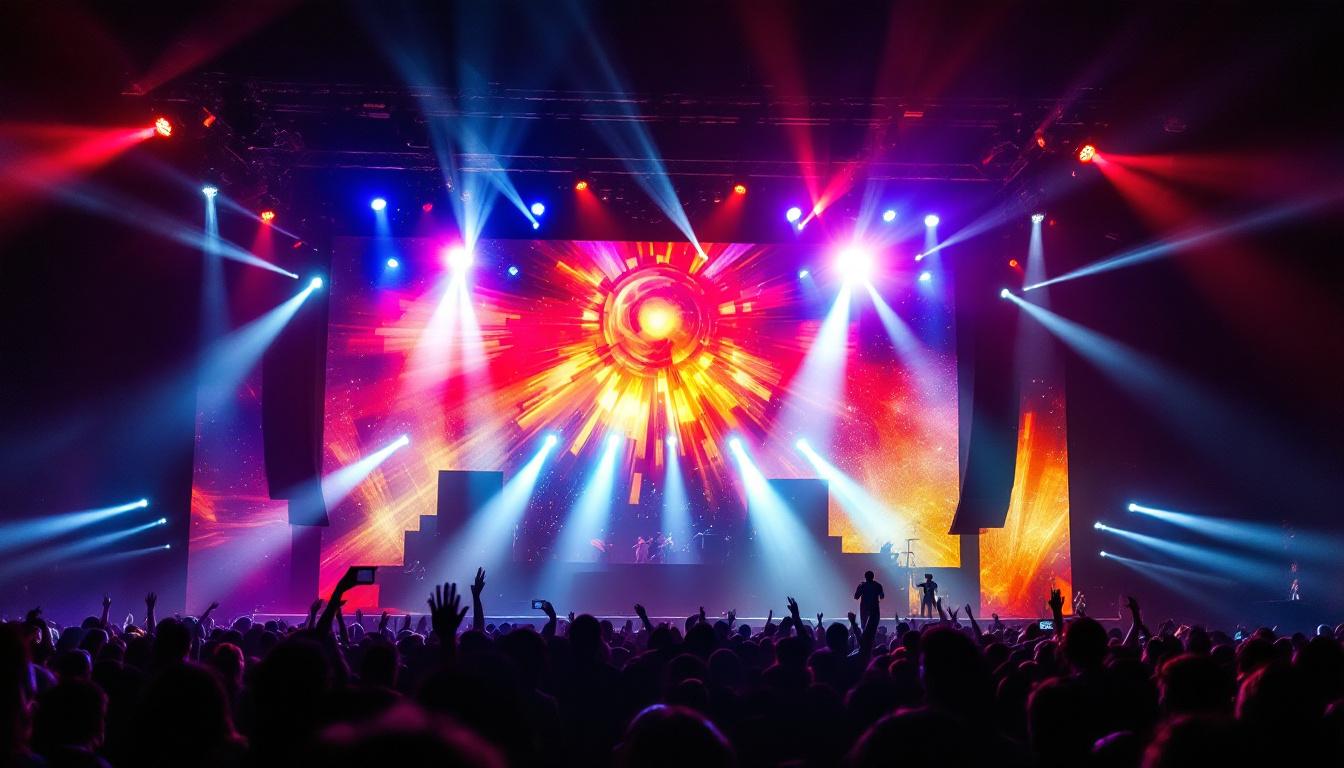
In stadiums and concert arenas, massive LED screens are essential for live broadcasts, replays, and advertisements. These displays can exceed 100m², with pixel pitches tailored to the venue size. The famous “Jumbotron” screens in major sports arenas often measure 15m by 25m or more, providing clear visuals to tens of thousands of spectators.
Outdoor Advertising
Billboards and roadside advertising use large LED displays with pixel pitches ranging from 10mm to 20mm. A typical roadside LED billboard might measure 12m x 6m, optimized for visibility at highway speeds. These displays must be bright and durable, operating 24/7 under varying weather conditions.
Emerging Trends in LED Display Sizes
As technology advances, LED display boards continue to evolve in size, resolution, and functionality.
Flexible and Curved LED Displays
Recent innovations include flexible LED panels that can be curved or shaped to fit unique architectural designs. These displays range in size but offer new possibilities for creative installations, such as wrapping around columns or creating immersive environments.
MicroLED and MiniLED Technologies
MicroLED and MiniLED technologies are pushing the boundaries of resolution and size. MicroLEDs feature extremely small diodes, enabling ultra-high-definition displays in relatively compact sizes. This technology is gaining traction in premium indoor applications, such as control rooms and luxury retail.
Integration with Smart Technologies
Modern LED displays increasingly integrate with IoT and AI technologies, allowing dynamic content adjustment based on audience demographics, weather, or time of day. This trend influences size selection by encouraging modular, scalable designs that can adapt to changing needs.
Conclusion
Choosing the right LED display board size is a multifaceted decision that depends on viewing distance, content type, environment, and budget. From small indoor panels to massive outdoor billboards, LED displays offer unparalleled flexibility and impact. Understanding the relationship between size, resolution, and application ensures that businesses and organizations can maximize the effectiveness of their visual communications.
As LED technology continues to advance, the possibilities for display sizes and configurations will expand, enabling even more creative and engaging ways to connect with audiences worldwide.
Explore Cutting-Edge LED Display Solutions with LumenMatrix
Ready to elevate your visual communication with the latest in LED display technology? LumenMatrix offers a comprehensive range of innovative LED display solutions tailored to your needs. Whether you’re looking for Indoor LED Wall Displays, Outdoor LED Wall Displays, or specialized options like Vehicle LED Displays, LED Sports Displays, and Custom LED Displays, we have you covered. Experience the transformative power of our LED Transparent Displays and All-in-One LED Displays, designed to captivate your audience and amplify your message. Don’t miss the opportunity to revolutionize your space. Check out LumenMatrix LED Display Solutions today and see how we can help you create unforgettable visual experiences.