In the modern world of digital signage and electronic displays, LED technology has become the gold standard for vibrant, energy-efficient, and versatile visual communication. Whether used in stadiums, retail environments, transportation hubs, or outdoor advertising, LED displays offer unparalleled brightness and clarity. However, one often overlooked but critical component of these systems is the display bracket — the structural framework that supports, secures, and positions LED panels.
This article delves into the essential role of display brackets in LED display installations, exploring their design, types, materials, and best practices to ensure optimal performance and longevity. Understanding display brackets is crucial for engineers, installers, and facility managers who want to maximize the benefits of LED technology while maintaining safety and aesthetics.
Understanding LED Display Technology
Before examining display brackets, it’s important to grasp the fundamentals of LED displays themselves. LED, or Light Emitting Diode, displays consist of numerous tiny diodes that emit light when an electrical current passes through them. These diodes are arranged in a grid to form pixels, which collectively produce images, videos, or text with high brightness and contrast.
LED displays are favored for their:
- High Brightness: Capable of producing vivid visuals even in direct sunlight, making them ideal for outdoor use.
- Energy Efficiency: LEDs consume significantly less power than traditional display technologies like LCD or plasma.
- Durability: Resistant to shock, vibration, and environmental factors, resulting in longer operational life.
- Flexibility: Available in various sizes and shapes, from small indoor panels to massive outdoor billboards.
Given these advantages, LED displays have become ubiquitous in advertising, sports arenas, transportation signage, and public information systems worldwide. Their versatility extends beyond mere aesthetics; they are increasingly being integrated with smart technology, allowing for dynamic content updates and real-time information dissemination. This capability is particularly beneficial in environments where information needs to be rapidly adjusted, such as in airports or train stations, where flight schedules and delays can be displayed instantly.
Moreover, the advancements in LED technology have led to the development of various types of displays, including OLED (Organic Light Emitting Diode) and MicroLED. OLED displays offer superior color accuracy and deeper blacks, making them a popular choice for high-end televisions and mobile devices. Meanwhile, MicroLED technology promises even greater efficiency and resolution, as it utilizes microscopic LEDs to create images without the need for a backlight. This not only enhances the display quality but also contributes to a thinner and lighter design, paving the way for innovative applications in both consumer electronics and commercial displays.
The Role of Display Brackets in LED Installations
While LED panels themselves are technologically advanced, their installation depends heavily on the mechanical support system — the display brackets. These brackets serve several critical functions:
- Structural Support: They hold the LED panels securely in place, preventing movement or damage due to wind, vibration, or accidental impact.
- Alignment and Positioning: Brackets ensure precise alignment of multiple LED modules to create a seamless image without gaps or misalignment.
- Ease of Maintenance: Proper bracket design allows for easy removal and replacement of individual panels for repairs or upgrades.
- Thermal Management: Some bracket systems facilitate airflow behind the panels, helping dissipate heat and maintain optimal operating temperatures.
Failing to use appropriate display brackets can lead to structural failures, image distortion, and increased maintenance costs. Therefore, understanding the types and specifications of display brackets is essential for successful LED display projects.
Key Considerations for Display Brackets
When selecting or designing display brackets, several factors must be considered to ensure safety and functionality:
- Load Capacity: The bracket must support the weight of the LED panels plus any additional forces such as wind load or seismic activity.
- Material Strength and Durability: Materials should resist corrosion, especially for outdoor installations, and maintain structural integrity over time.
- Compatibility: Brackets must be compatible with the specific LED panel model and installation environment.
- Adjustability: Fine-tuning capabilities for alignment and tilt angles enhance viewing experience and reduce installation errors.
- Installation Environment: Indoor versus outdoor settings, exposure to weather, and mounting surface type influence bracket choice.
Types of Display Brackets for LED Panels
Display brackets come in various forms tailored to different installation needs and environments. Below are the most common types used in LED display projects.
Wall-Mount Brackets
Wall-mount brackets are designed to attach LED panels directly to vertical surfaces such as building facades or interior walls. These brackets are typically flat or slightly angled to optimize viewing angles.
They are popular in retail stores, airports, and corporate lobbies where space efficiency and clean aesthetics are priorities. Wall-mount brackets often include adjustable features to compensate for uneven surfaces or to achieve precise panel alignment.
Hanging or Suspension Brackets
Suspension brackets enable LED displays to be hung from ceilings or overhead structures. This method is common in large venues like stadiums, convention centers, and concert halls where floor or wall space is limited.
These brackets must be engineered to handle dynamic loads, including vibrations and potential sway, ensuring the display remains stable and safe. Safety cables and redundant supports are often integrated as additional precautions.
Freestanding or Ground Support Brackets
Freestanding brackets support LED displays that are independent of existing structures. These are frequently used for temporary installations such as trade shows, outdoor events, or roadside advertising.
They typically feature robust bases or frames that can be anchored to the ground. Mobility and ease of assembly are key design considerations, with some systems incorporating wheels or modular components for transport.
Custom and Modular Brackets
For complex or large-scale LED installations, custom or modular bracket systems are developed to meet unique architectural and engineering requirements. These systems allow for scalability, curved or irregular shapes, and integration with building elements.
Modular brackets facilitate rapid assembly and disassembly, which is advantageous for rental displays or installations requiring frequent updates.
Materials and Manufacturing of Display Brackets
The choice of materials for display brackets significantly influences their performance, durability, and cost. Common materials include:
Aluminum
Aluminum is the most widely used material for LED display brackets due to its excellent strength-to-weight ratio, corrosion resistance, and ease of fabrication. It is particularly favored for outdoor installations where exposure to moisture and varying temperatures is a concern.
Additionally, aluminum’s lightweight nature simplifies transportation and installation, reducing labor costs and structural load requirements.
Steel
Steel brackets provide superior strength and rigidity, making them suitable for very large or heavy LED displays. However, steel is heavier and more prone to corrosion than aluminum, so it often requires protective coatings such as galvanization or powder coating.
Steel is commonly used in industrial environments or permanent installations where maximum structural support is necessary.
Composite Materials
Emerging composite materials, including carbon fiber reinforced polymers, offer high strength and low weight but are less common due to higher costs. These materials may be used in specialized applications where weight savings and durability are critical.
Installation Best Practices for Display Brackets
Proper installation of display brackets is vital for the safety, functionality, and longevity of LED displays. The following best practices are recommended:
Site Assessment and Planning
Before installation, a thorough site assessment should be conducted to evaluate structural support capacity, environmental conditions, and accessibility. This assessment informs bracket selection and installation methods.
Precision Alignment
Aligning LED panels with millimeter precision is necessary to avoid visual artifacts such as gaps or misaligned pixels. Brackets with adjustable features facilitate this process, allowing installers to fine-tune panel positioning during and after mounting.
Secure Fastening and Safety Measures
All brackets must be securely fastened using appropriate anchors and hardware rated for the expected loads. Safety cables or secondary supports should be installed as backups to prevent panel falls in case of primary bracket failure.
Thermal and Cable Management
Ensuring adequate airflow behind the panels helps dissipate heat generated by LEDs and power supplies. Bracket designs should not obstruct ventilation. Additionally, brackets should accommodate cable routing to prevent strain or damage.
Regular Inspection and Maintenance
Periodic inspection of brackets and mounting hardware is essential to detect corrosion, loosening, or damage. Preventive maintenance extends the service life of the display and enhances safety.
Case Studies: Display Brackets in Action
Examining real-world applications illustrates the critical role of display brackets in LED display success.
Times Square, New York City
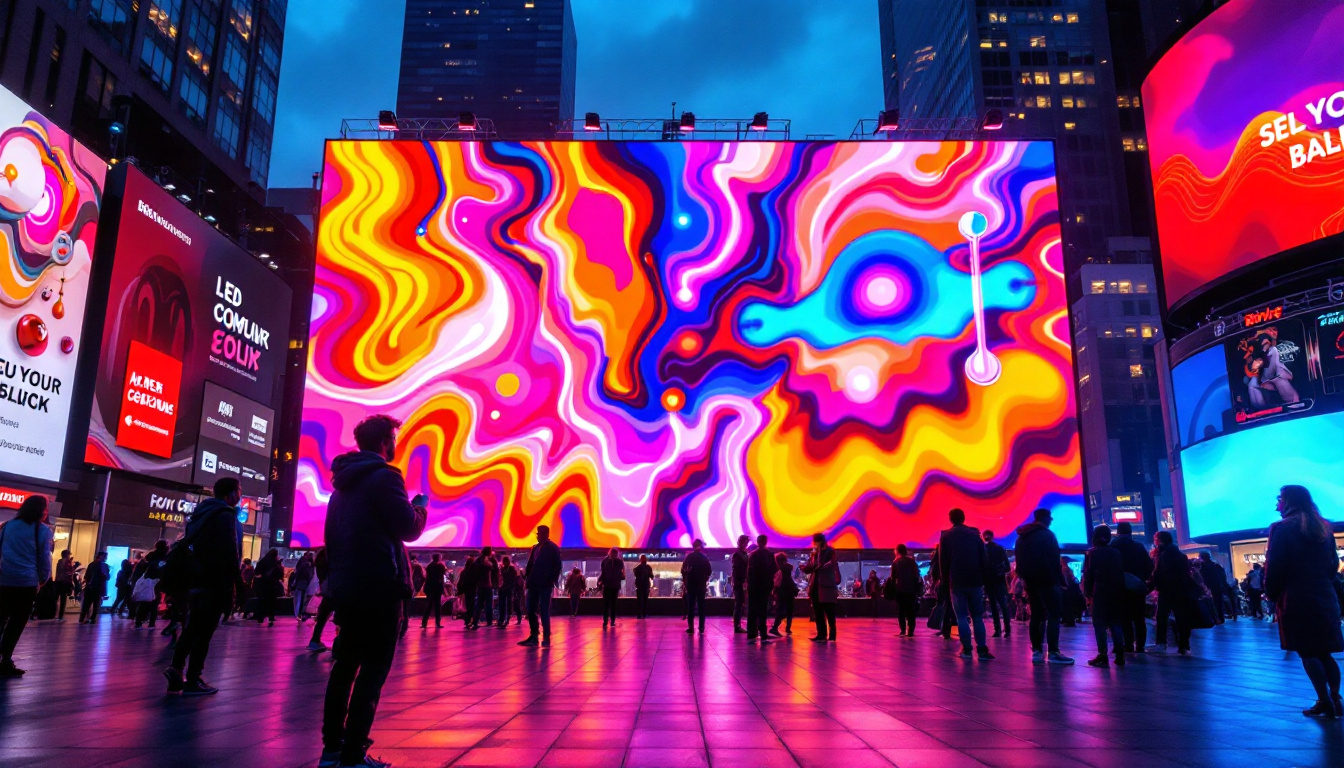
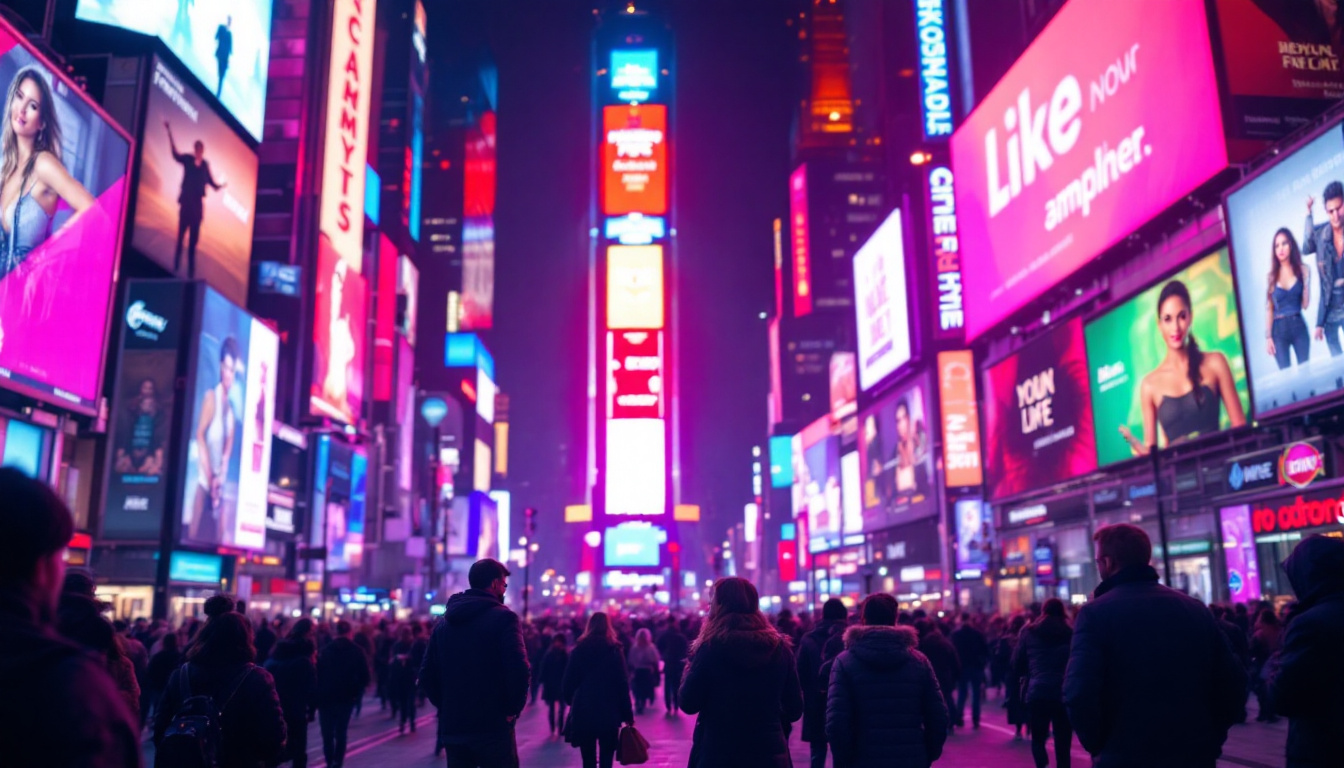
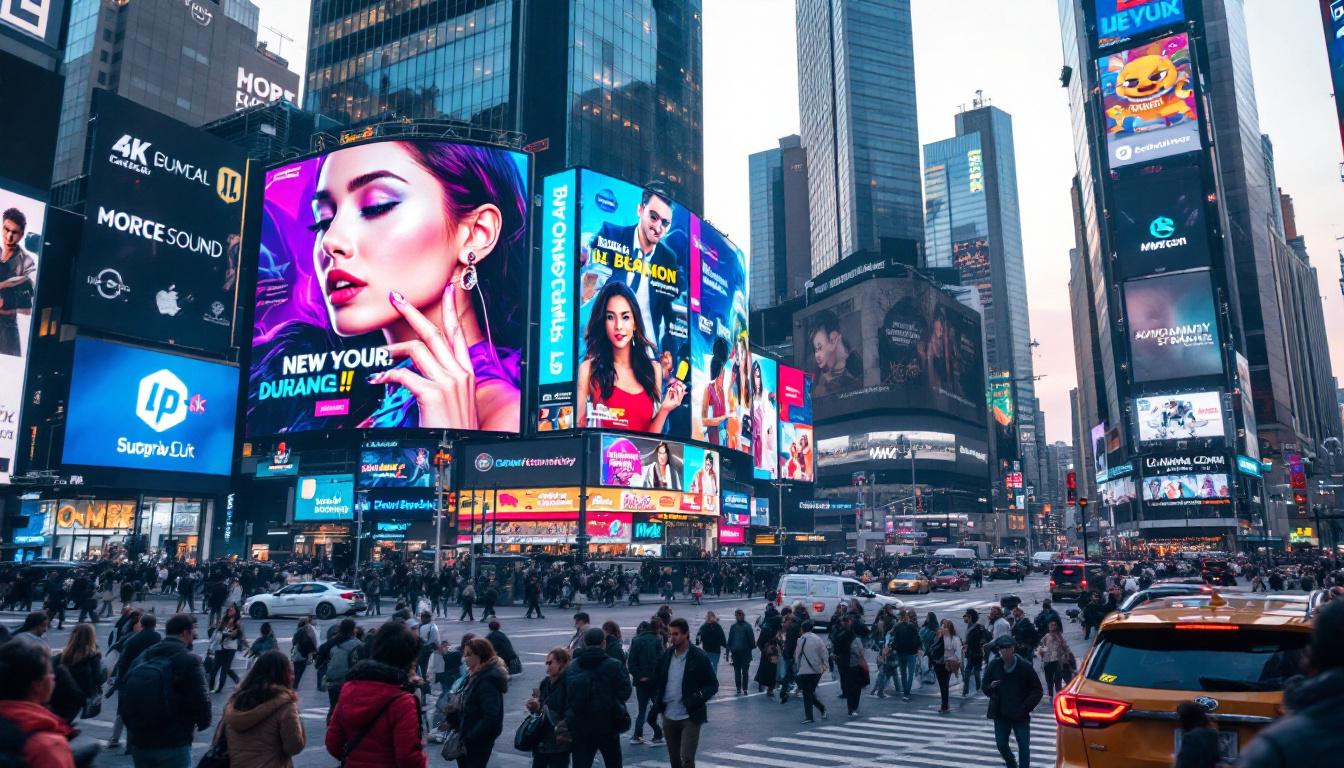
The iconic LED billboards in Times Square rely on robust aluminum and steel bracket systems engineered to withstand high wind loads and vibrations from nearby traffic and pedestrian activity. The brackets are designed for modularity, allowing rapid replacement of damaged panels without disrupting the entire display.
Mercedes-Benz Stadium, Atlanta
At this state-of-the-art stadium, massive LED ribbon boards and video displays are suspended using custom-engineered hanging brackets. These brackets incorporate vibration dampening and safety redundancies to ensure stability during events and inclement weather.
Retail Digital Signage in Shopping Malls
Indoor LED displays in shopping malls often use wall-mount brackets with adjustable tilt and swivel features. This flexibility allows retailers to optimize viewing angles for shoppers while maintaining a sleek appearance that complements store design.
Future Trends in Display Brackets for LED Technology
As LED technology evolves, so do the demands on display brackets. Emerging trends include:
Lightweight and Sustainable Materials
Manufacturers are exploring eco-friendly materials and manufacturing processes to reduce the environmental impact of display brackets. Innovations in recycled aluminum and biodegradable composites are gaining traction.
Smart Brackets with Integrated Sensors
Integrating sensors into brackets to monitor structural integrity, temperature, and vibration in real-time is becoming feasible. This smart technology enables predictive maintenance and enhances safety.
Modular and Adaptive Systems
Future bracket designs aim to support increasingly complex LED configurations, including flexible and curved displays. Modular systems that allow quick reconfiguration will be essential for dynamic advertising and event applications.
Conclusion
Display brackets are a fundamental yet often underappreciated component of LED display systems. Their design, material selection, and installation directly impact the performance, safety, and visual quality of LED displays. By understanding the various types of brackets, their functions, and best practices, stakeholders can ensure that LED installations deliver maximum value and reliability.
As LED technology continues to advance, the supporting infrastructure, including display brackets, will evolve to meet new challenges and opportunities. Investing in high-quality, well-engineered brackets is a critical step toward creating stunning, durable, and safe LED display solutions.
Explore Cutting-Edge LED Display Solutions with LumenMatrix
Ready to elevate your visual communication with the latest in LED display technology? LumenMatrix is at the forefront of innovation, offering a wide range of LED display solutions that bring your brand to life. From vibrant Indoor and Outdoor LED Wall Displays to dynamic Vehicle LED Displays, LED Posters, and beyond, our products are designed to captivate and engage your audience. Discover how our LED Sports Displays, Floor LEDs, Custom Displays, All-in-One, and Transparent LED options can transform your space and message. Check out LumenMatrix LED Display Solutions today and join the revolution in digital signage excellence.