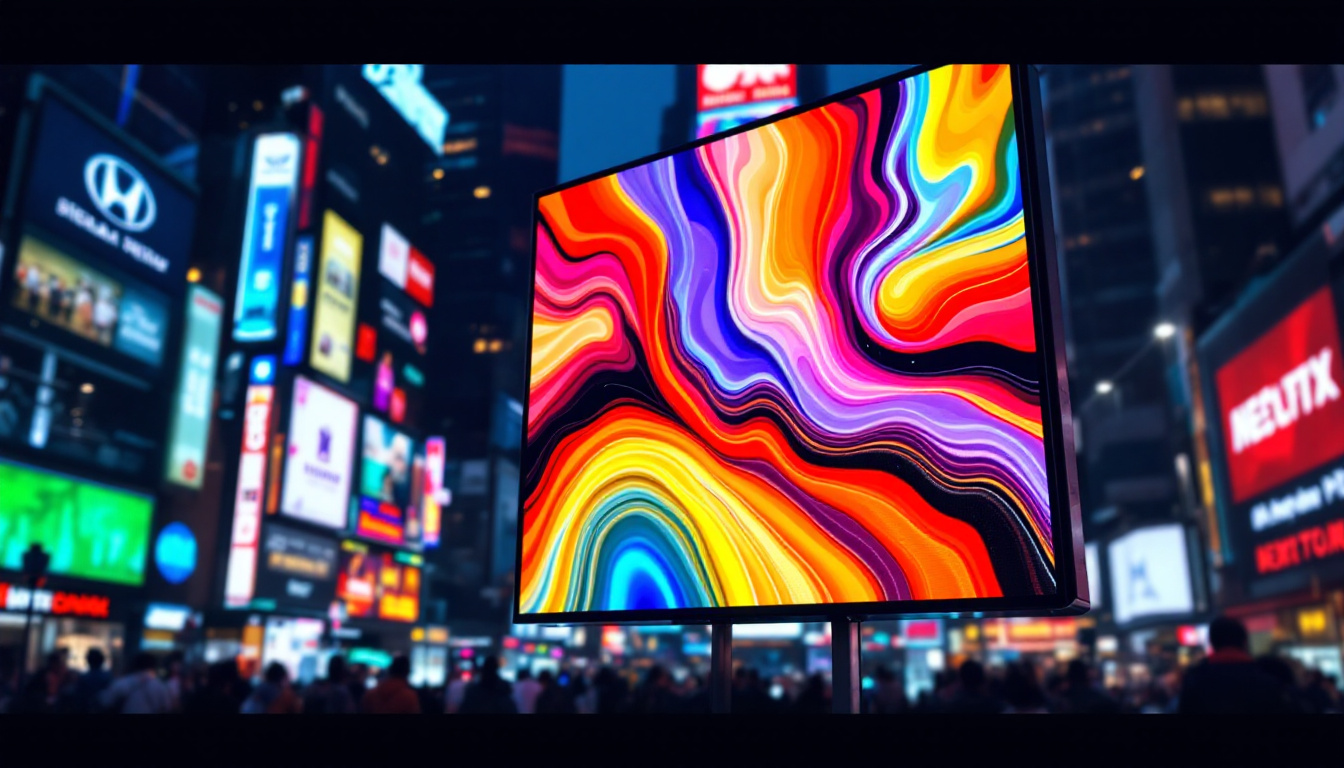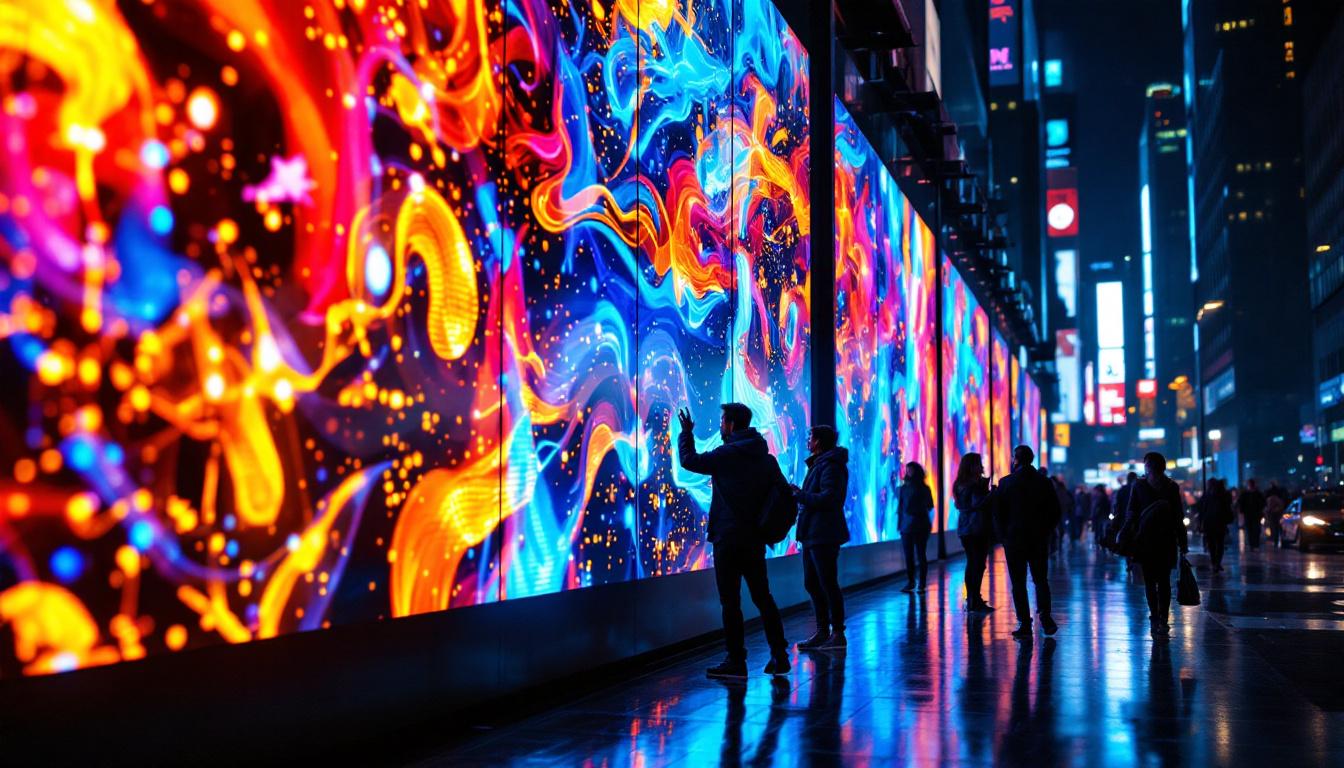
In today’s digital age, LED displays have become an integral part of how information is presented and consumed across various industries. From vibrant billboards in bustling city centers to dynamic screens in corporate boardrooms, LED technology has revolutionized visual communication. This article delves deep into the world of LED displays, explaining their technology, applications, benefits, and future trends, to provide a comprehensive understanding for businesses, marketers, and technology enthusiasts alike.
Understanding LED Display Technology
What is an LED Display?
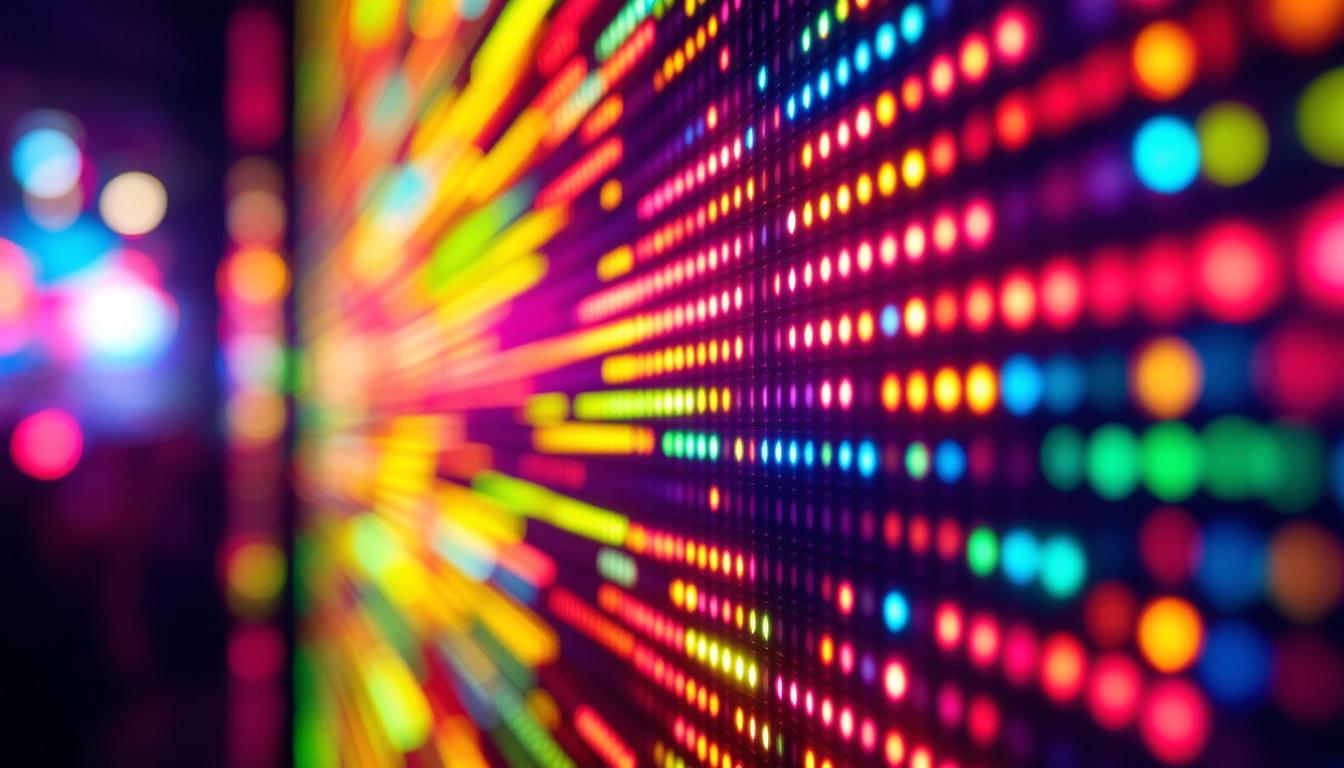
An LED (Light Emitting Diode) display is a flat panel display that uses an array of light-emitting diodes as pixels for a video display. Unlike traditional LCD screens that rely on backlighting, LED displays emit their own light, which results in brighter images, better contrast, and more vibrant colors. This self-illumination characteristic makes LED displays highly efficient and visually striking. The technology has evolved significantly over the years, leading to displays that can achieve incredible brightness levels and energy efficiency, making them suitable for a wide range of environments, from dimly lit rooms to bright outdoor settings.
LED displays come in various forms, including indoor and outdoor screens, flexible panels, and transparent displays. The technology behind these screens involves tiny diodes that emit light when an electric current passes through them. By controlling the intensity and color of each diode, LED displays can render high-resolution images and videos with remarkable clarity. Furthermore, advancements in LED technology, such as the development of organic LEDs (OLEDs), have introduced even more possibilities, allowing for displays that can bend and curve, providing new dimensions for creative applications in advertising and design.
Types of LED Displays
There are primarily two types of LED displays used today: direct view LED displays and LED-backlit LCD displays.
- Direct View LED Displays: These consist of individual LEDs that form the pixels of the screen. They are commonly used for large-scale outdoor billboards, stadium screens, and large indoor displays. Their modular design allows for scalability and customization in size and shape. This flexibility is particularly beneficial for events and advertising, where unique configurations can be tailored to fit specific venues and audiences, enhancing the overall visual experience.
- LED-Backlit LCD Displays: These use LEDs as a backlight source behind an LCD panel. This type is prevalent in televisions, computer monitors, and smartphones, offering improved brightness and energy efficiency compared to traditional CCFL-backlit LCDs. The integration of LED backlighting has also allowed manufacturers to produce thinner and lighter devices, making them more portable and user-friendly, while still delivering high-quality visuals.
Understanding these distinctions is crucial for selecting the right type of LED display for specific applications. For instance, while direct view displays are ideal for high-impact advertising and public displays, LED-backlit LCDs are more suited for personal and home use, where space and energy consumption are key considerations. Additionally, as technology continues to advance, we can expect to see further innovations in LED display capabilities, such as enhanced color accuracy and improved energy efficiency, which will open up new possibilities for both consumers and businesses alike.
Applications of LED Displays Across Industries
Advertising and Outdoor Signage
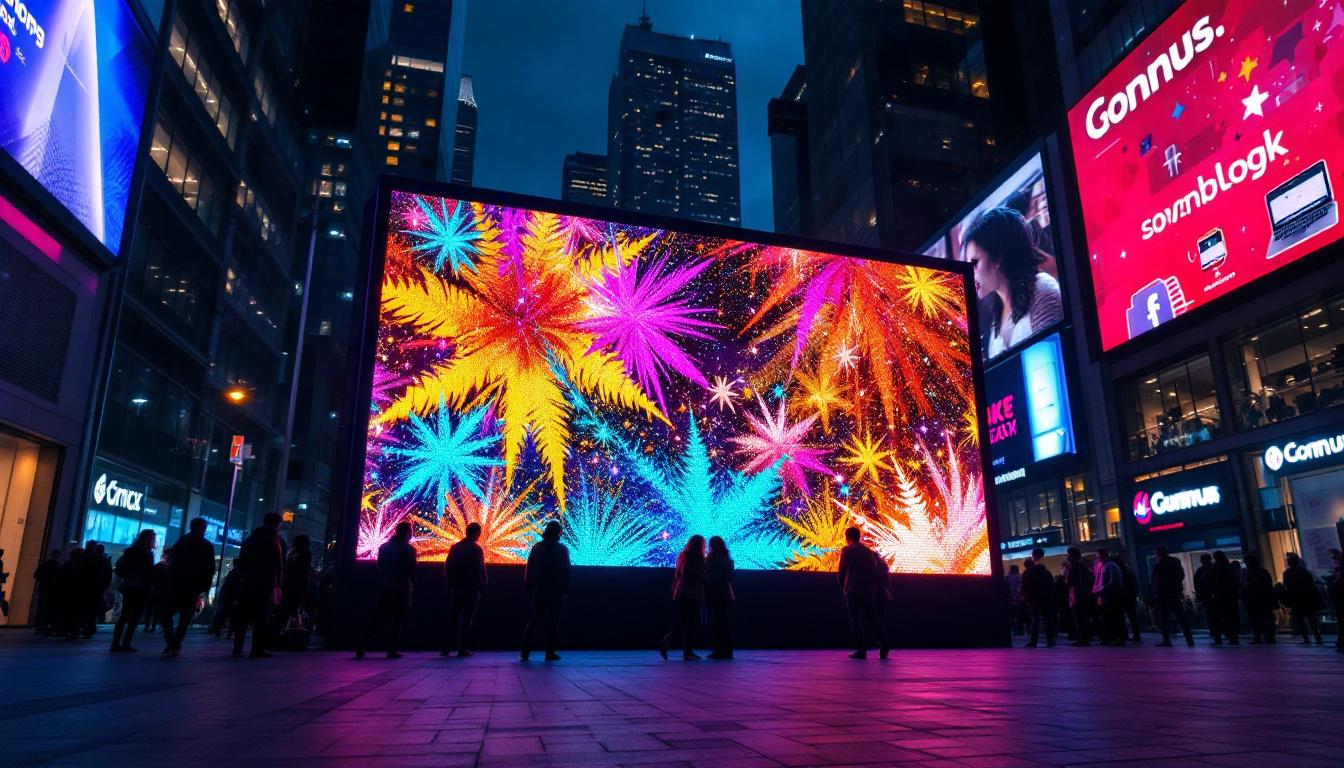
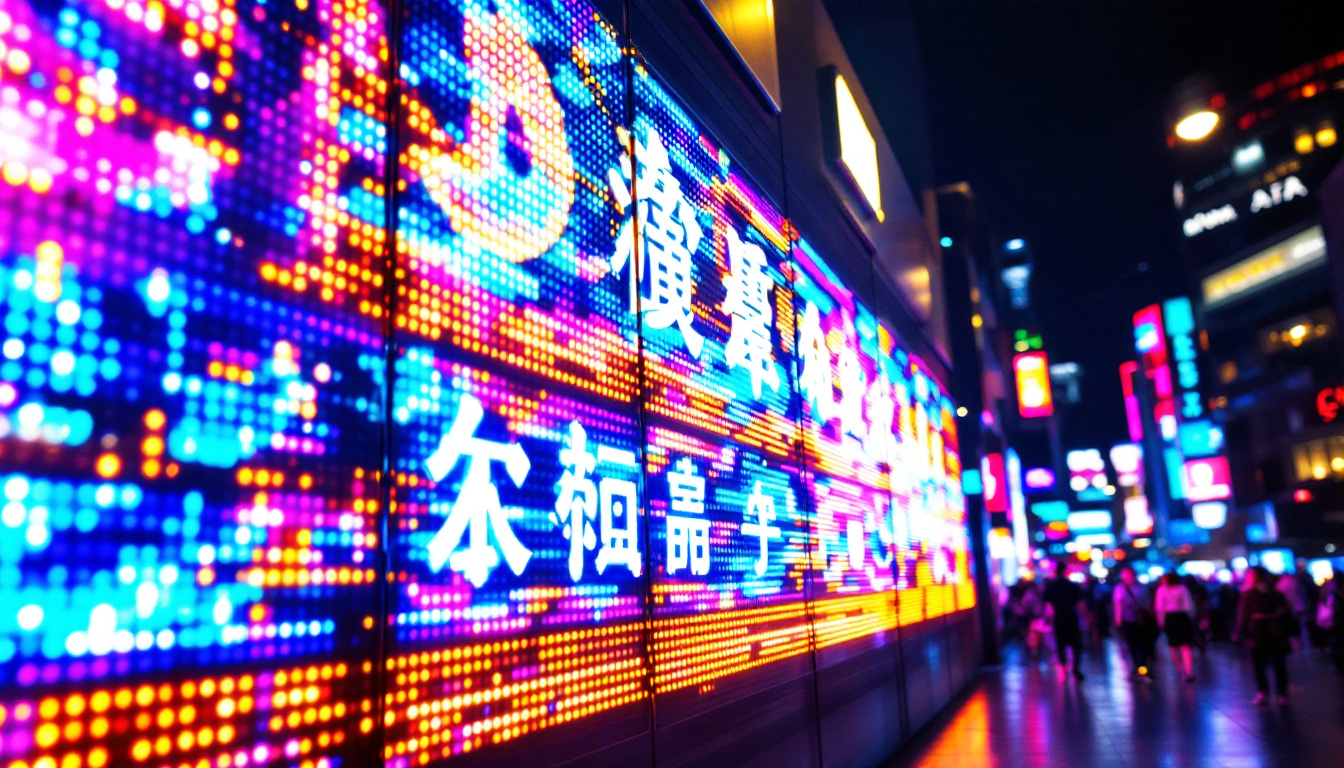
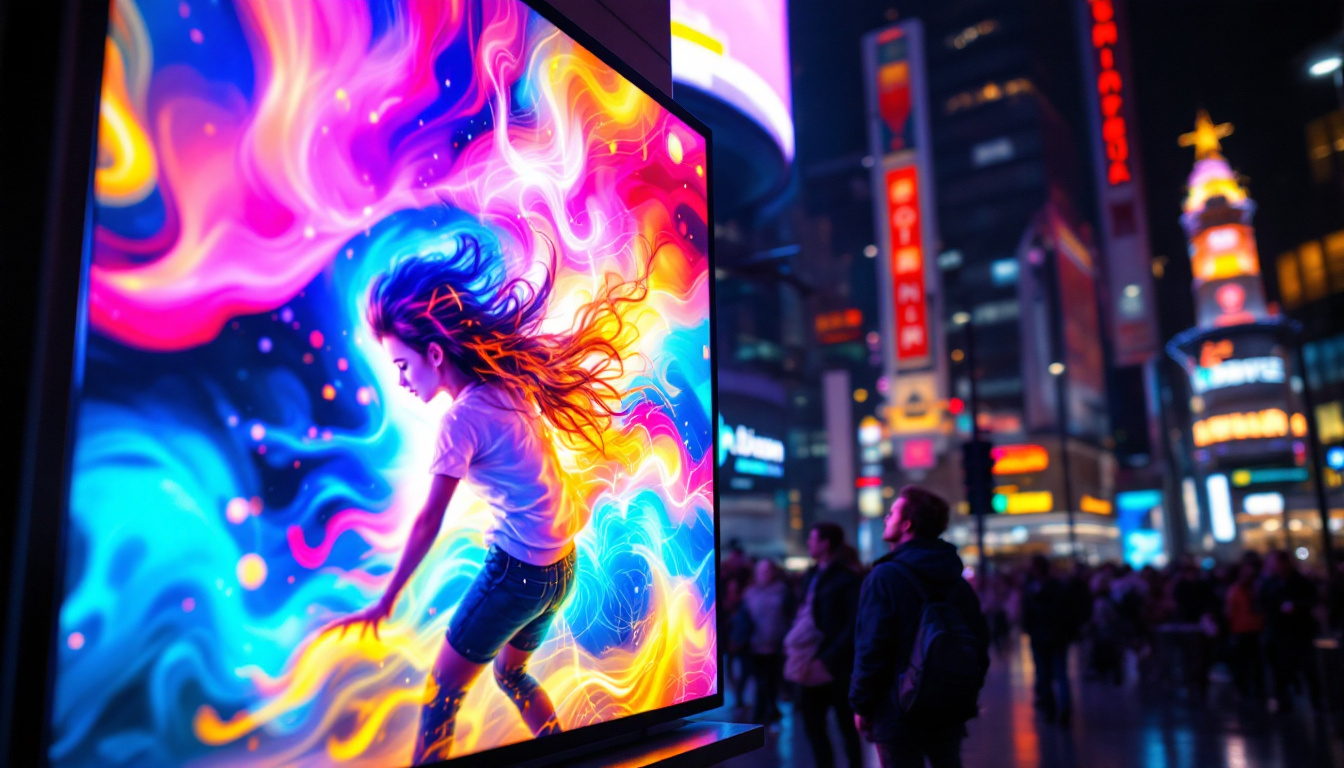
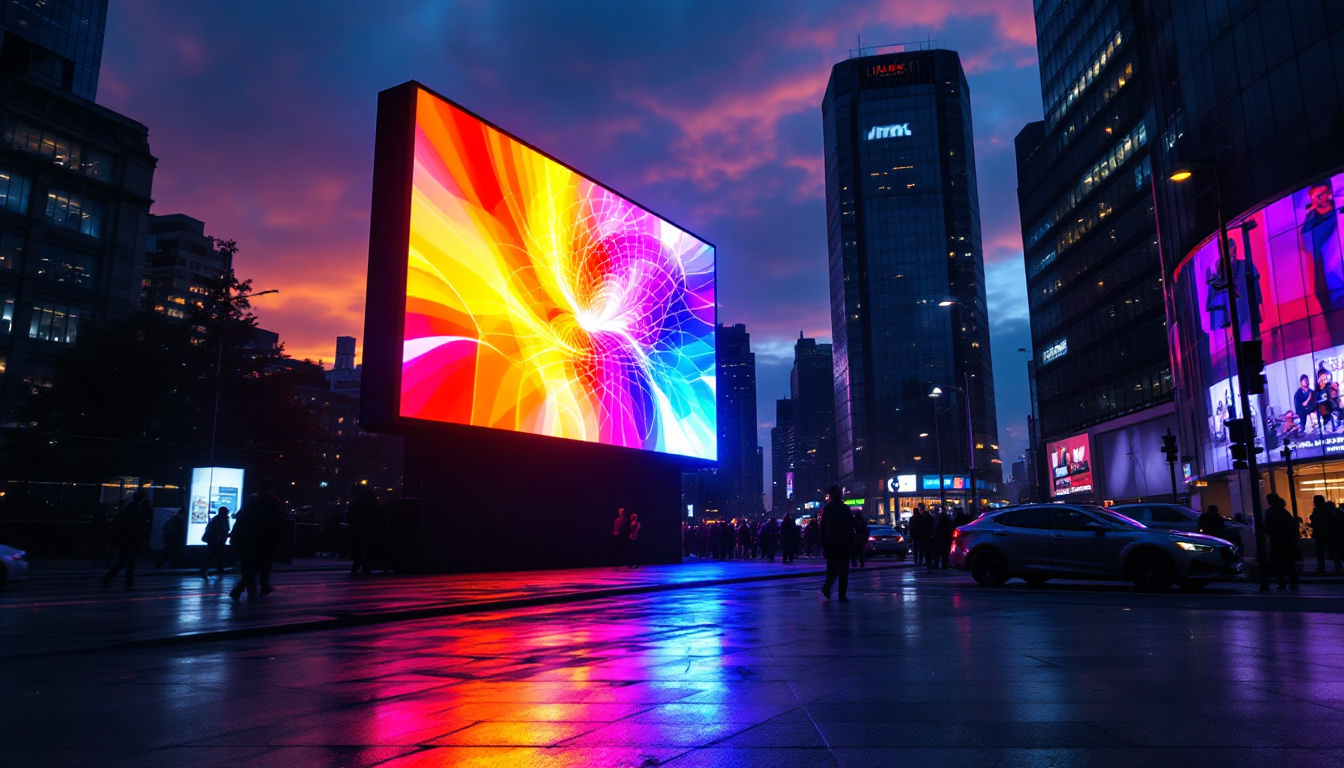
One of the most visible uses of LED displays is in advertising. According to a 2023 report by Grand View Research, the global digital signage market is projected to reach $32.84 billion by 2028, with LED technology playing a pivotal role. LED billboards and signage offer unparalleled brightness and visibility, even in direct sunlight, making them ideal for outdoor advertising.
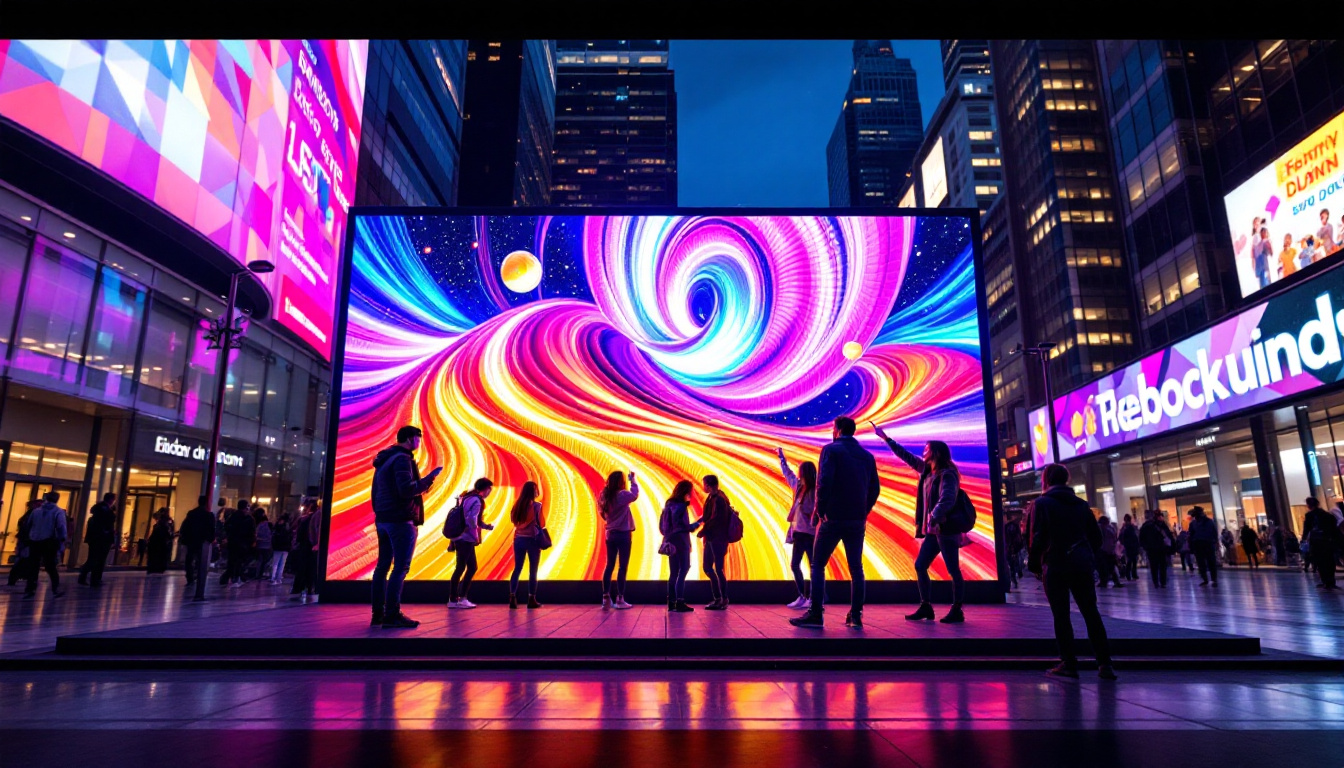
Major cities like New York, Tokyo, and London showcase LED billboards that captivate millions daily. The dynamic nature of LED displays allows advertisers to update content in real time, target specific demographics, and create interactive campaigns that engage audiences more effectively than static signs. Furthermore, the ability to incorporate animations and videos into advertisements enables brands to tell compelling stories, making their messages more memorable. As a result, companies are increasingly investing in LED technology to enhance their marketing strategies and drive consumer engagement.
Corporate and Event Displays
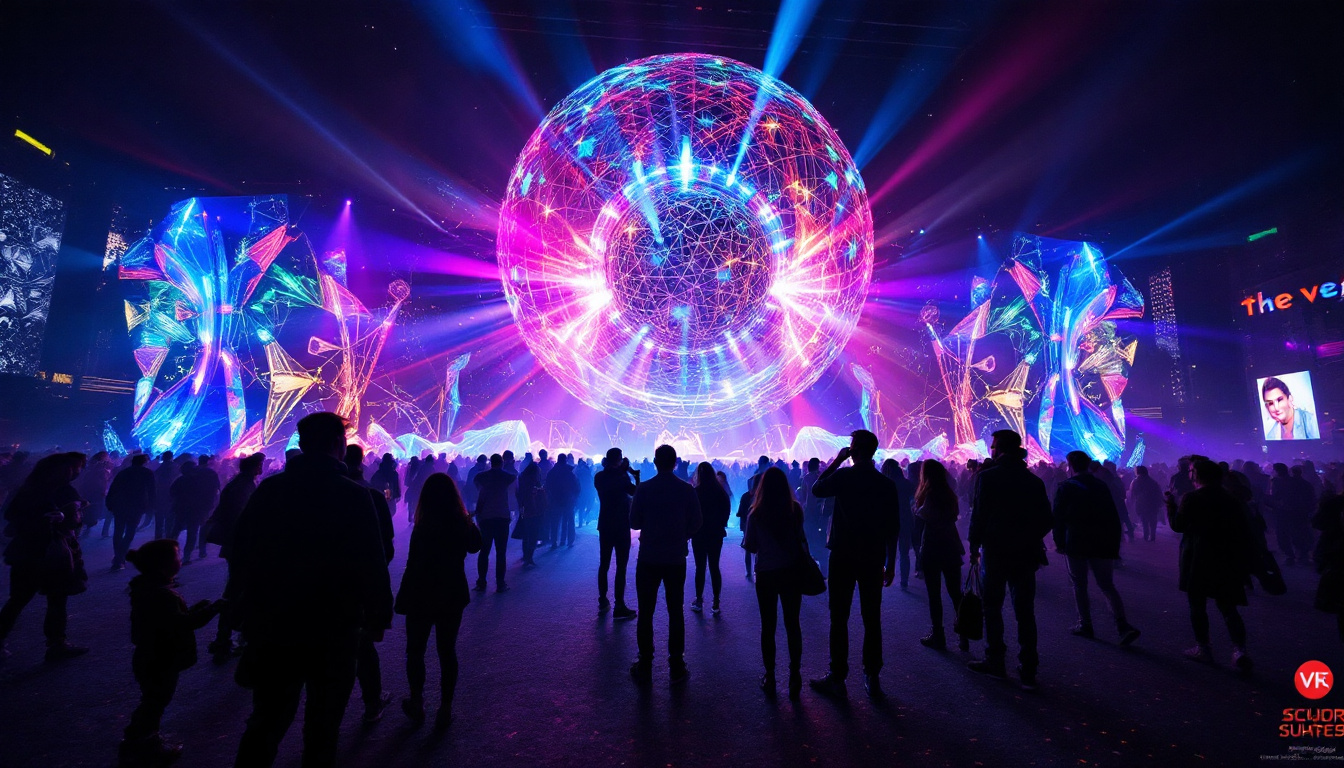
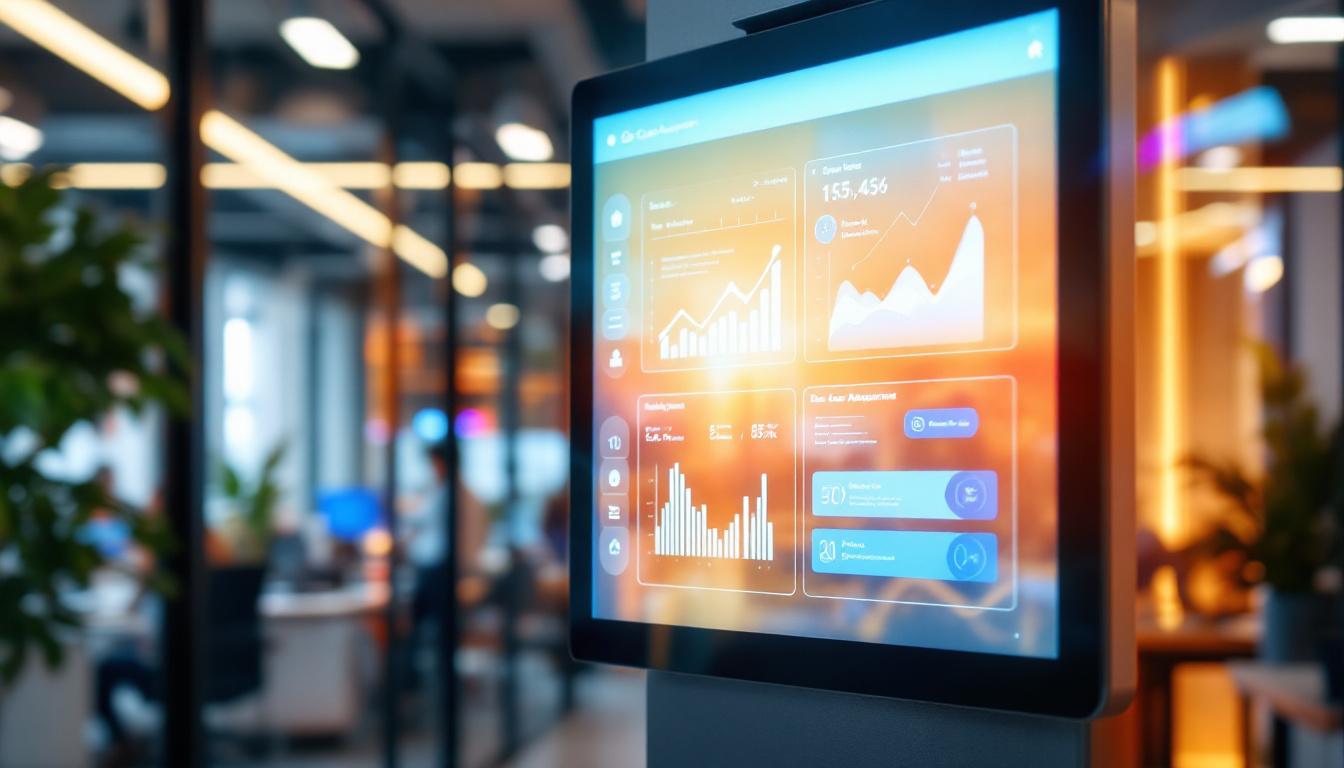
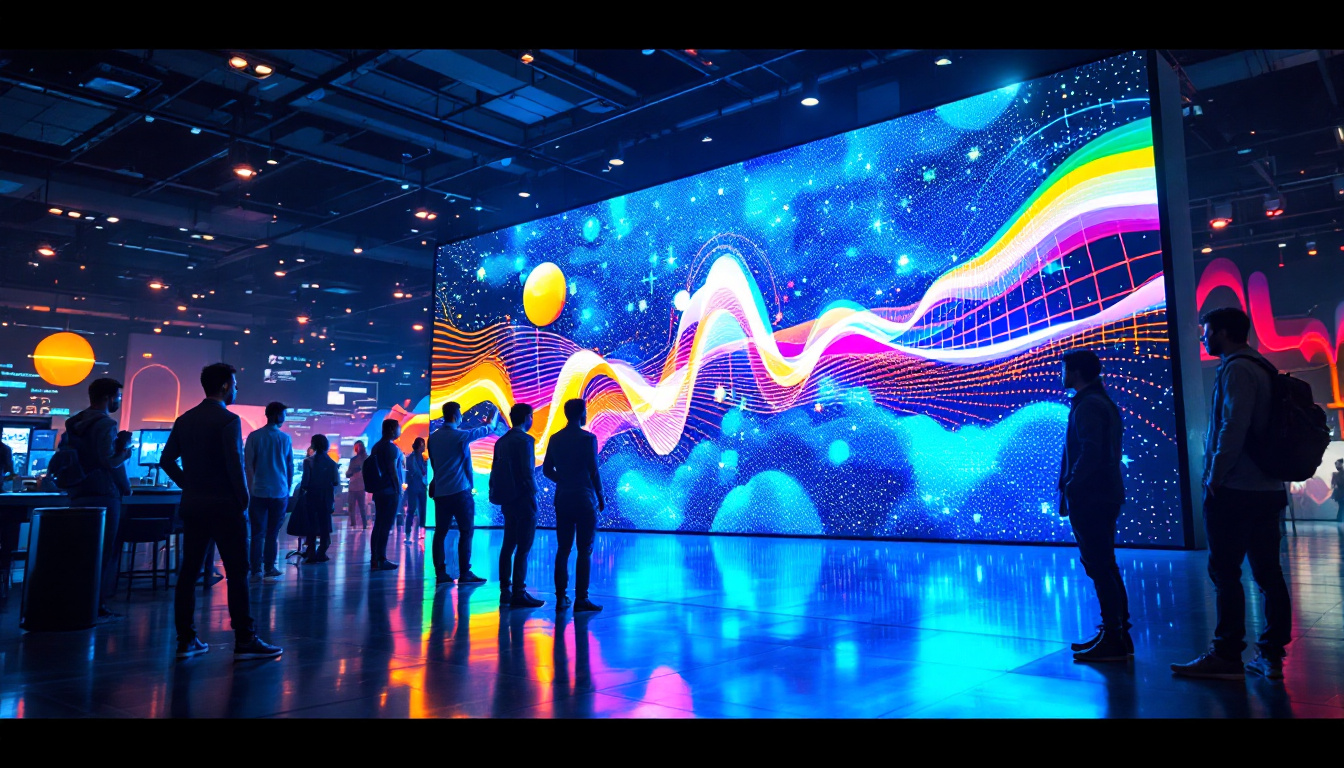
In corporate settings, LED displays are used for presentations, video conferencing, and digital whiteboards. Their high resolution and clarity ensure that information is conveyed effectively during meetings and conferences. Event organizers also rely heavily on LED screens for concerts, sports events, and exhibitions, where large audiences require clear visibility from a distance.
For instance, the 2022 FIFA World Cup employed massive LED screens in stadiums to enhance the spectator experience by broadcasting live action, replays, and interactive content. This trend underscores the importance of LED technology in creating immersive environments. Additionally, LED displays are increasingly being integrated with augmented reality (AR) and virtual reality (VR) technologies, providing attendees with an even more engaging experience. By blending physical and digital elements, event organizers can create unforgettable moments that resonate with audiences long after the event concludes.
Retail and Hospitality
Retailers utilize LED displays to attract customers with eye-catching promotions and dynamic product showcases. In hospitality, hotels and restaurants use LED screens for digital menus, wayfinding, and ambiance creation. The flexibility and customization options of LED displays enable businesses to tailor their messaging and atmosphere to their brand identity.
Moreover, the integration of LED technology in retail environments has transformed the shopping experience. For example, interactive displays allow customers to browse products, view detailed information, and even make purchases directly from the screen. This not only streamlines the shopping process but also enhances customer satisfaction by providing instant access to information. In the hospitality sector, LED displays can be programmed to change throughout the day, offering breakfast menus in the morning and dinner specials in the evening, thus creating a dynamic and responsive environment that adapts to customer needs.
Key Advantages of LED Displays
Superior Brightness and Visibility
LED displays are renowned for their exceptional brightness levels, often exceeding 5,000 nits for outdoor screens. This makes them highly visible in various lighting conditions, including direct sunlight. The ability to maintain image clarity and color accuracy regardless of ambient light is a significant advantage over other display technologies.
Energy Efficiency and Longevity
Compared to traditional lighting and display technologies, LEDs consume significantly less power. This energy efficiency translates into lower operational costs, especially for large-scale installations that run continuously. Additionally, LED displays boast long lifespans, often exceeding 100,000 hours, reducing maintenance and replacement expenses.
Flexibility and Customization
LED display modules can be configured in various shapes and sizes, from massive curved screens to transparent panels integrated into glass facades. This versatility allows architects and designers to incorporate digital displays seamlessly into buildings and public spaces, enhancing aesthetic appeal and functionality.
High Refresh Rates and Color Accuracy
Modern LED displays support high refresh rates, which ensure smooth video playback without flicker or motion blur. Combined with advanced color calibration, this results in vibrant, true-to-life images that enhance viewer engagement and satisfaction.
Choosing the Right LED Display: Factors to Consider
Pixel Pitch and Resolution
Pixel pitch, the distance between individual LEDs, directly affects the display’s resolution and viewing distance. Smaller pixel pitches provide higher resolution and are suitable for close-up viewing, such as indoor displays or retail environments. Larger pixel pitches are more cost-effective for large outdoor screens where viewers are farther away.
Brightness and Weather Resistance
For outdoor applications, brightness levels must be sufficient to combat sunlight glare. Additionally, LED displays intended for outdoor use require robust weatherproofing to withstand rain, dust, and temperature extremes. IP65 or higher ratings are standard for ensuring durability in harsh environments.
Installation and Maintenance
The ease of installation and ongoing maintenance are practical considerations. Modular LED panels that allow for quick replacement and servicing minimize downtime and reduce long-term costs. Businesses should also consider the availability of technical support and warranty services when selecting a supplier.
The Future of LED Display Technology
MicroLED and MiniLED Innovations
Emerging technologies like MicroLED and MiniLED are set to redefine display performance. MicroLEDs, composed of microscopic LEDs, offer even higher brightness, contrast, and energy efficiency with superior color accuracy. These displays promise to combine the best attributes of OLED and traditional LEDs without their drawbacks, such as burn-in issues.
MiniLED technology enhances backlighting in LCD panels, enabling more precise local dimming and improved HDR performance. These advancements are already influencing premium TVs, monitors, and commercial displays, signaling a new era of visual excellence.
Integration with Smart Technologies
LED displays are increasingly integrated with IoT (Internet of Things) and AI-driven content management systems. This integration allows for real-time data-driven content updates, personalized advertising, and interactive user experiences. For example, smart city initiatives employ LED displays to provide dynamic traffic updates, emergency alerts, and public information tailored to specific locations and times.
Sustainability and Environmental Impact
As environmental concerns grow, LED display manufacturers are focusing on sustainability. This includes using recyclable materials, reducing energy consumption, and designing products for easier end-of-life recycling. The longevity and efficiency of LEDs already contribute to lower environmental footprints compared to other display technologies, making them a preferred choice for eco-conscious businesses.
Conclusion
LED display technology has transformed the way information is presented and consumed across multiple sectors. Its superior brightness, energy efficiency, and versatility make it an indispensable tool for advertising, corporate communication, entertainment, and beyond. As innovations like MicroLED and AI integration continue to evolve, LED displays will become even more dynamic, immersive, and sustainable.
For businesses and organizations looking to leverage the power of visual communication, understanding the nuances of LED technology is essential. Selecting the right display, tailored to specific needs and environments, can significantly enhance engagement, brand visibility, and operational efficiency.
In a world increasingly driven by digital interaction, LED displays stand at the forefront of visual innovation, illuminating the path to a more connected and vibrant future.
Illuminate Your Message with LumenMatrix
Ready to elevate your visual communication to new heights? LumenMatrix is at the forefront of LED display innovation, offering a diverse range of solutions tailored to your unique needs. From Indoor and Outdoor LED Wall Displays to specialized options like Vehicle, Sports, and Floor LED Displays, our products are designed to captivate and engage. Discover the transformative power of LED technology with our Custom, All-in-One, and Transparent LED Displays. Experience the future of digital signage with LumenMatrix and share your message with unparalleled impact and clarity. Check out LumenMatrix LED Display Solutions today and light up your brand’s potential.