In the rapidly evolving world of digital signage and visual communication, LED displays have emerged as a dominant technology. From vibrant advertising billboards to immersive event backdrops and dynamic retail signage, LED displays offer unparalleled brightness, flexibility, and energy efficiency. However, the term “LED display” encompasses a wide range of technologies and applications, often leading to confusion among consumers and professionals alike.
This article delves into the fundamentals of LED display technology, exploring how it works, its various types, advantages, and practical applications. Whether you are a business owner considering digital signage, a designer seeking to understand display options, or simply curious about how those captivating screens function, this comprehensive guide will illuminate the subject.
Understanding LED Display Technology
What Is an LED Display?
LED stands for Light Emitting Diode, a semiconductor device that emits light when an electric current passes through it. An LED display is a flat panel display that uses an array of these tiny LEDs to produce images and videos. Unlike traditional LCD or plasma screens, LED displays can be made very large, are highly visible in bright environments, and can be configured in various shapes and sizes.
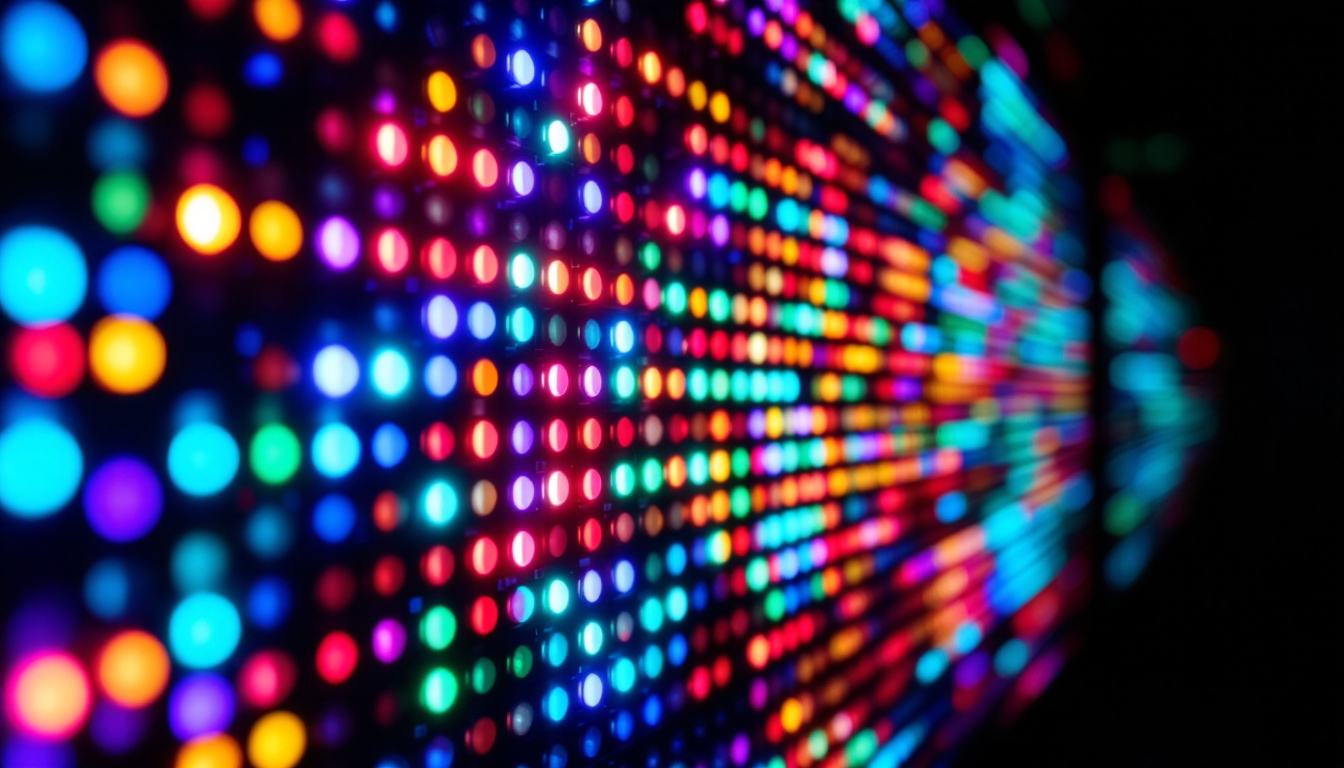
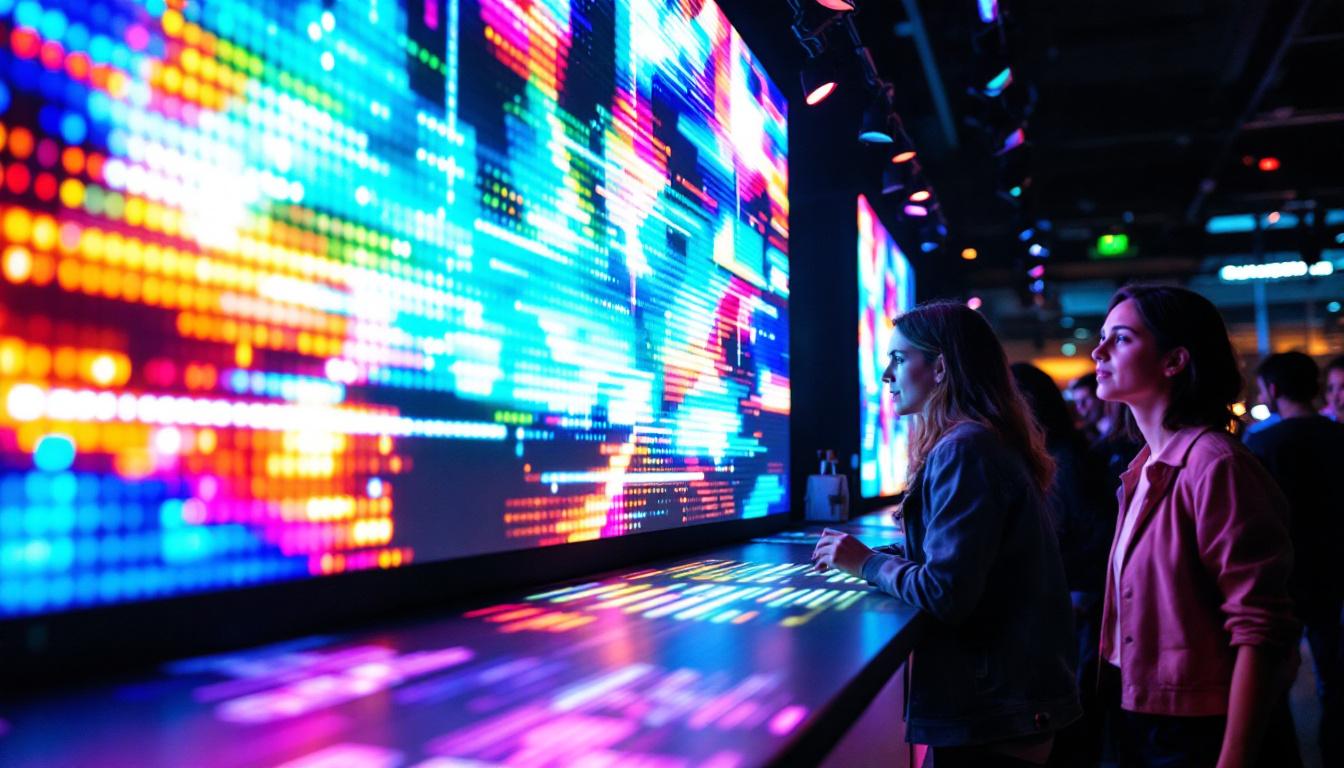
At its core, an LED display consists of thousands to millions of individual LEDs arranged in a grid. Each LED acts as a single pixel or part of a pixel, emitting red, green, or blue light. By adjusting the intensity of these LEDs, the display can produce a full spectrum of colors and create detailed images.
How Do LED Displays Work?
The operation of an LED display revolves around controlling the brightness and color of each LED pixel. Modern LED displays use a technology called “RGB” (Red, Green, Blue) where each pixel contains three LEDs—one for each primary color. By varying the intensity of these three LEDs, the display can render millions of colors.
Control electronics manage the timing and brightness of each LED. These electronics receive digital signals from a media player or computer and translate them into light patterns. This process happens thousands of times per second, creating the illusion of continuous moving images and videos.
Types of LED Displays
LED displays come in several forms, each suited for different applications and environments. The main types include:
- Indoor LED Displays: Designed for controlled lighting environments, indoor LED panels have smaller pixel pitches (the distance between LEDs) to provide high resolution and sharp images at close viewing distances.
- Outdoor LED Displays: Built to withstand harsh weather conditions, these displays feature higher brightness levels to remain visible under direct sunlight and often have larger pixel pitches due to typical viewing distances.
- Transparent LED Displays: These innovative panels allow light to pass through, making them ideal for storefront windows and architectural applications where maintaining visibility is important.
- Flexible and Curved LED Displays: Utilizing bendable substrates and modular designs, these displays can be shaped to fit unique surfaces, enabling creative installations and dynamic stage designs.
Key Advantages of LED Displays
Brightness and Visibility
One of the most significant advantages of LED displays is their exceptional brightness. Outdoor LED billboards can reach brightness levels of up to 10,000 nits, ensuring clear visibility even in direct sunlight. Indoor displays typically operate between 800 and 1,500 nits, providing vibrant images without glare.
This brightness capability is crucial for applications such as retail signage, transportation hubs, and sports arenas, where ambient lighting conditions vary dramatically. The high visibility of LED displays helps attract attention and convey messages effectively.
Energy Efficiency and Longevity
LED technology is inherently energy-efficient compared to older display technologies like cathode ray tube (CRT) or plasma screens. LEDs convert a higher percentage of electrical energy into light, reducing power consumption and operational costs.
Moreover, LED displays have a long lifespan, often exceeding 100,000 hours of operation. This durability means less frequent replacements and lower maintenance costs, making LED displays a cost-effective investment over time.
Flexibility and Customization
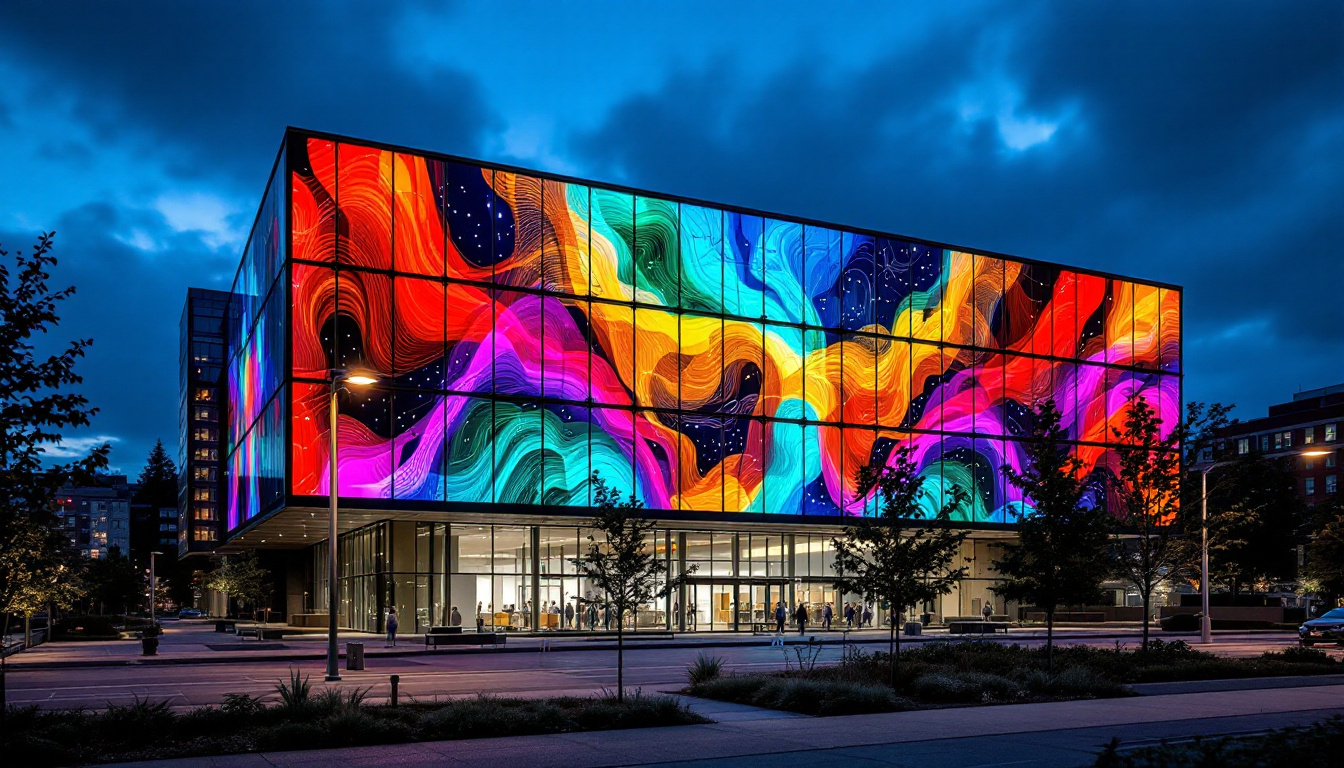
LED displays offer remarkable flexibility in terms of size, shape, and resolution. Modular designs allow for the creation of massive video walls or uniquely shaped installations that can fit architectural constraints or creative visions.
Additionally, LED displays support dynamic content, enabling real-time updates, interactive features, and integration with data feeds. This adaptability is invaluable for marketing campaigns, live events, and information dissemination.
Color Accuracy and Contrast
Thanks to precise control over individual LEDs, LED displays deliver excellent color accuracy and contrast ratios. Deep blacks and vibrant colors enhance image quality, making content more engaging and easier to read.
High contrast is particularly important in environments with varying lighting conditions, ensuring that content remains clear and impactful regardless of the surroundings.
Applications of LED Displays Across Industries
Advertising and Outdoor Signage
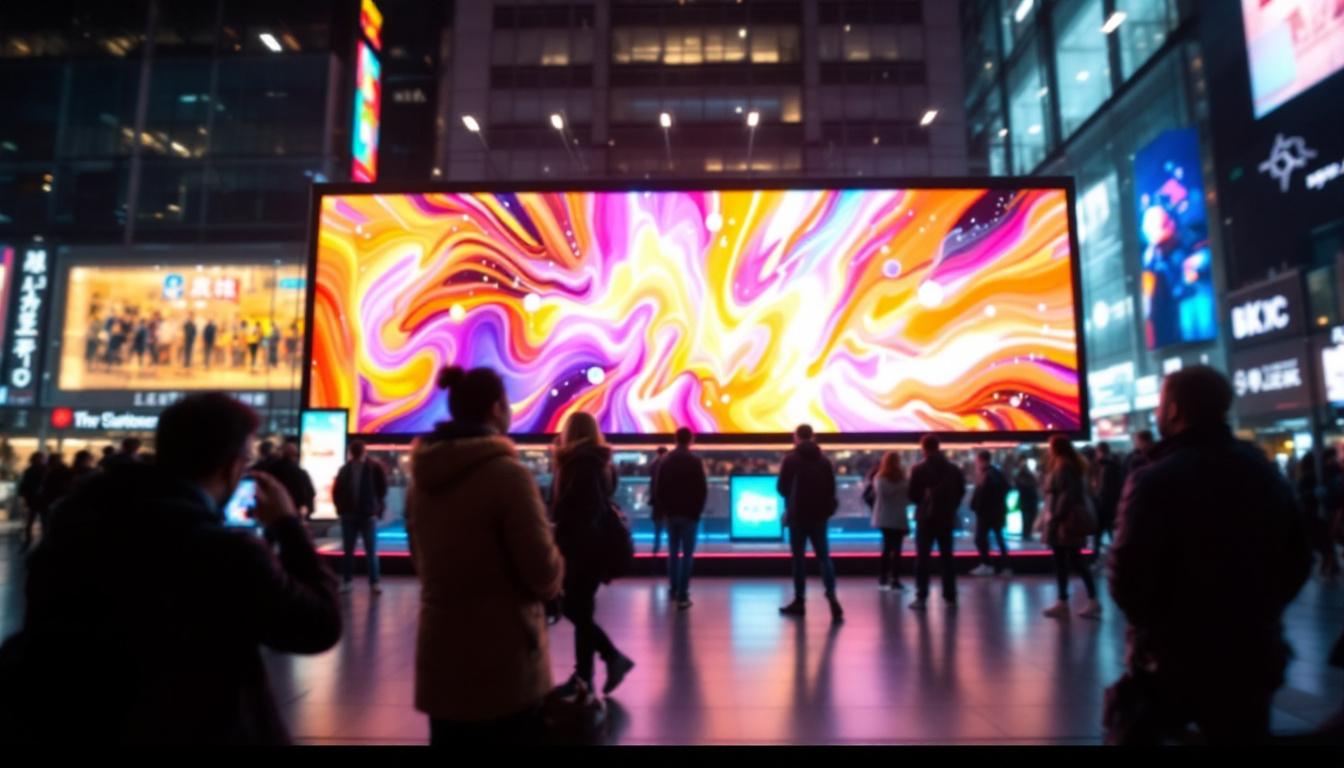
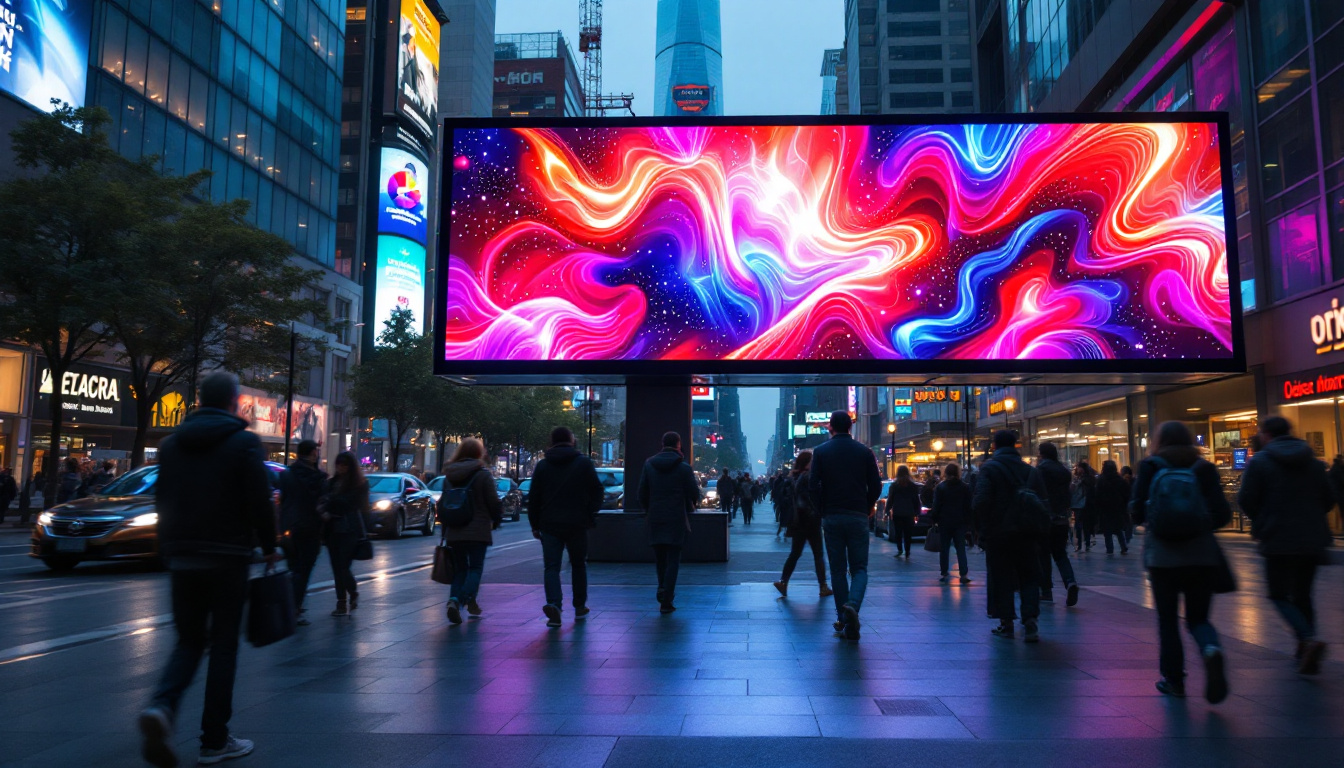
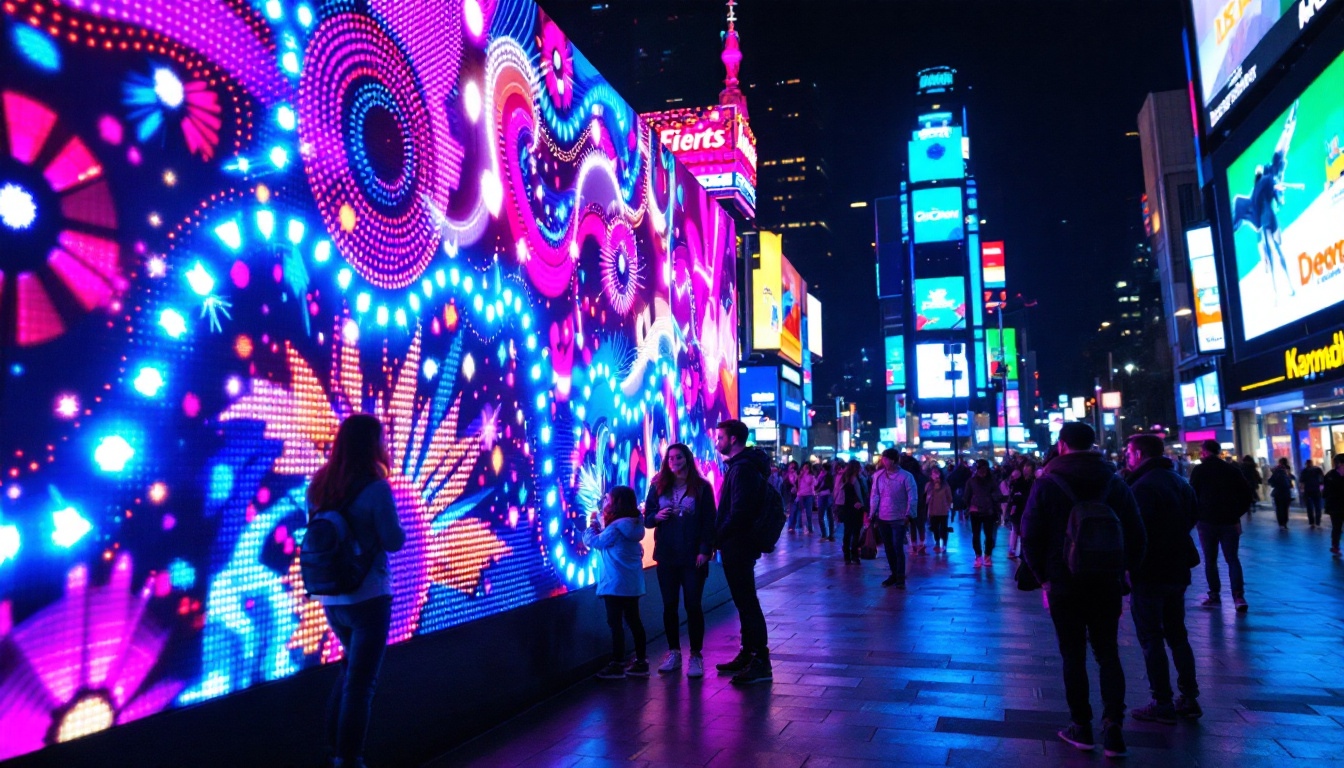
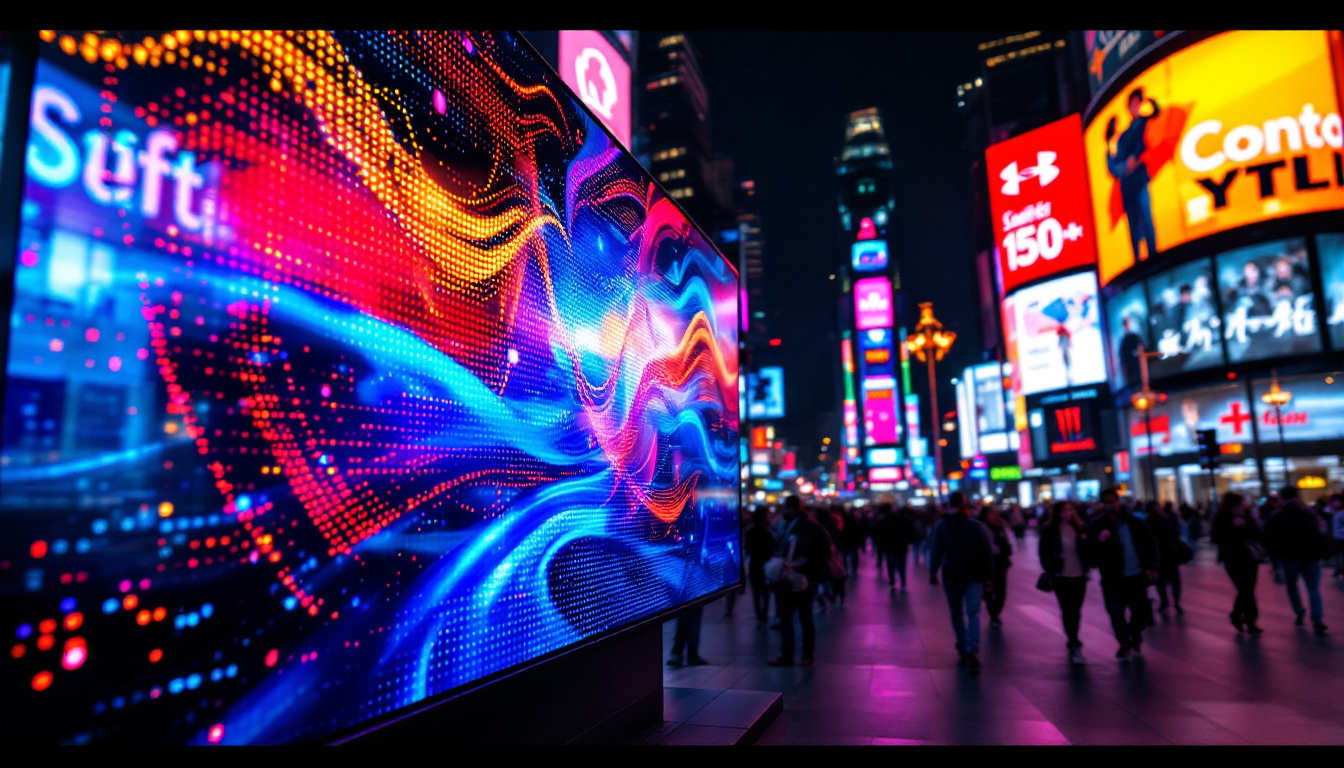
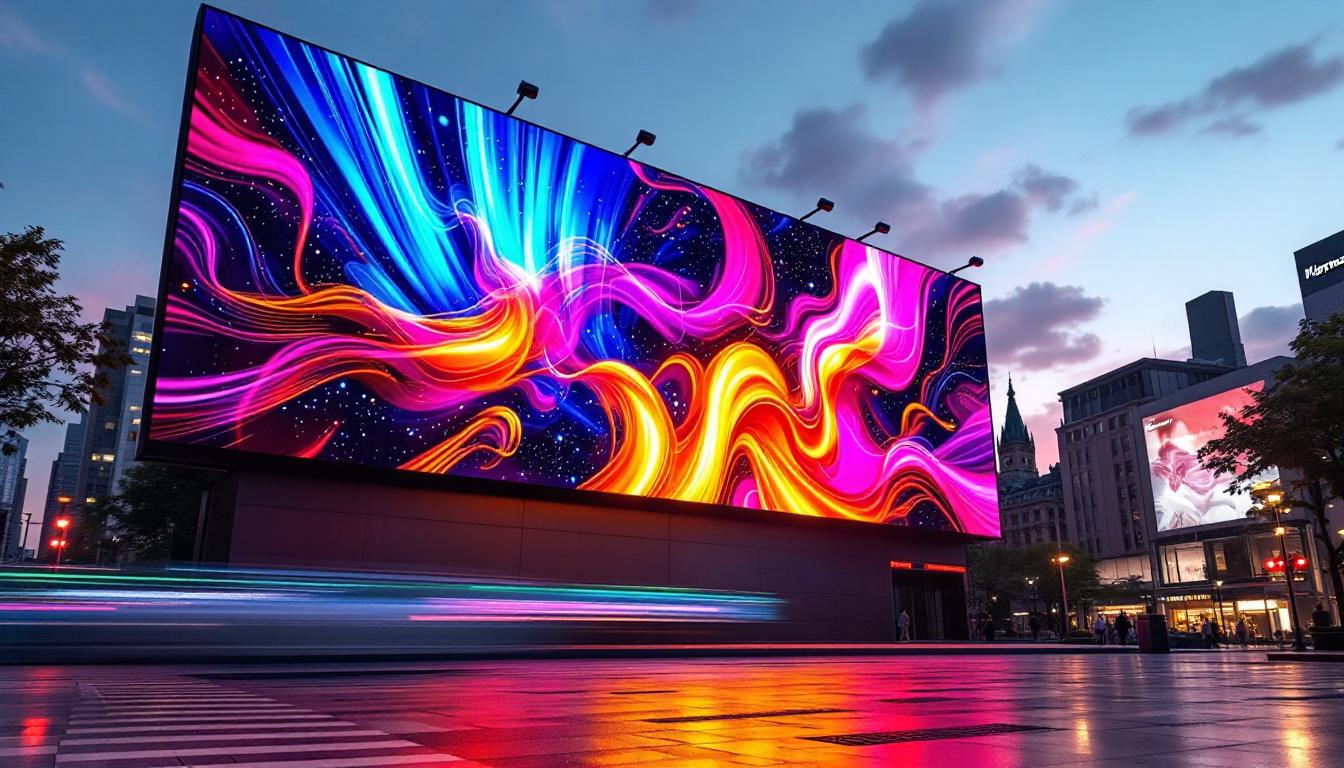
Perhaps the most visible use of LED displays is in outdoor advertising. Digital billboards powered by LED technology dominate cityscapes worldwide, replacing static posters with dynamic, eye-catching content. According to recent industry reports, the global digital signage market is expected to grow at a compound annual growth rate (CAGR) of over 8% through 2028, driven largely by LED display adoption.
LED billboards allow advertisers to change messages instantly, tailor content based on time of day or audience demographics, and incorporate animations and videos to increase engagement. Their high brightness ensures messages remain clear even in bright daylight.
Retail and Point of Sale Displays
Retailers leverage LED displays to enhance customer experiences and drive sales. From digital price tags and promotional screens to large video walls showcasing product features, LED technology helps create immersive environments that attract shoppers.
Interactive LED displays also enable customers to explore product catalogs, customize options, or access additional information, blending physical and digital retail seamlessly.
Events, Entertainment, and Sports
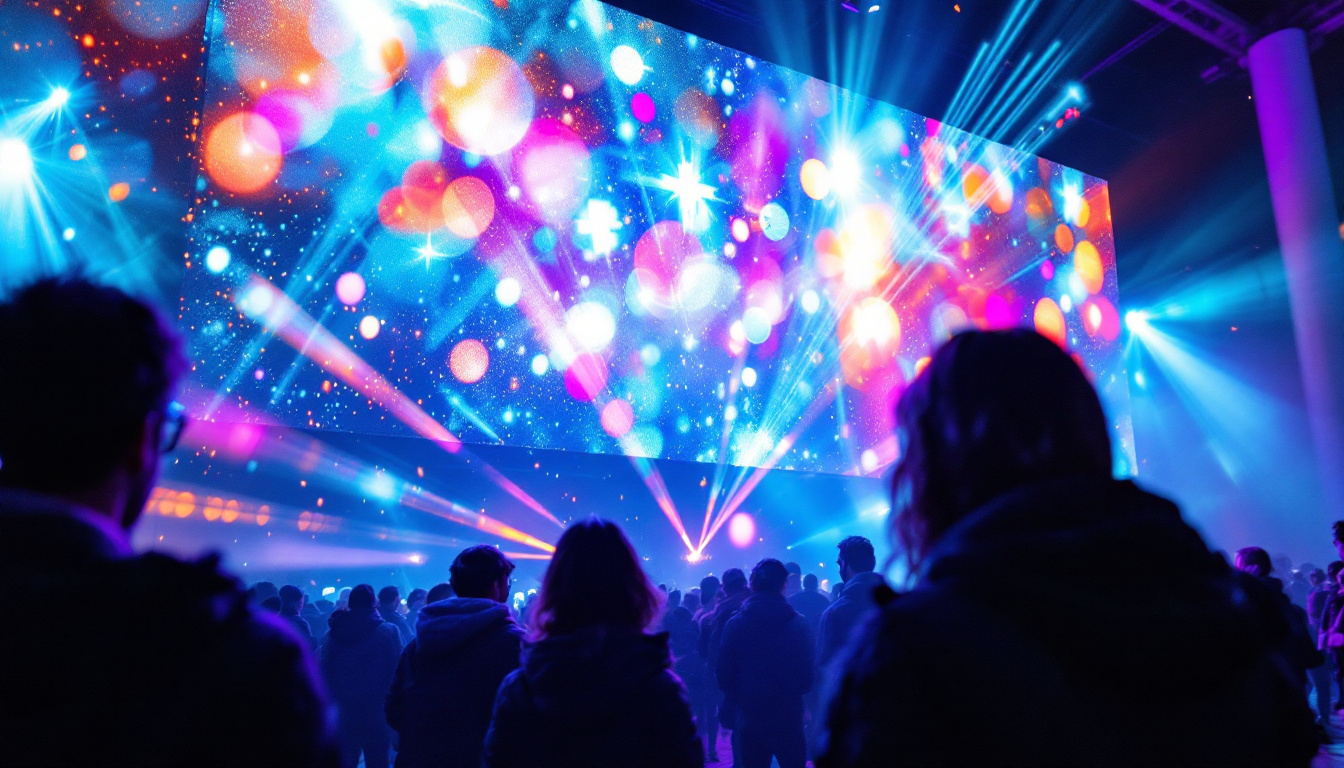
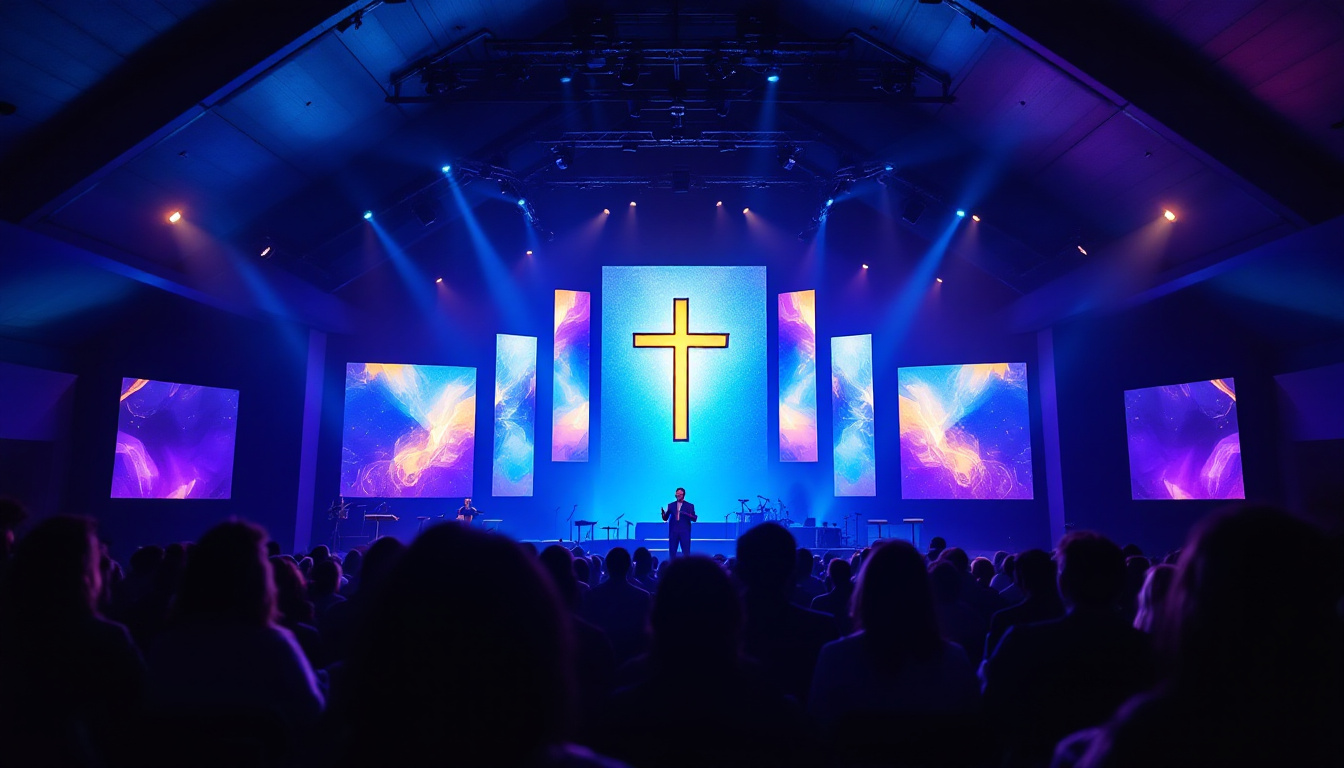
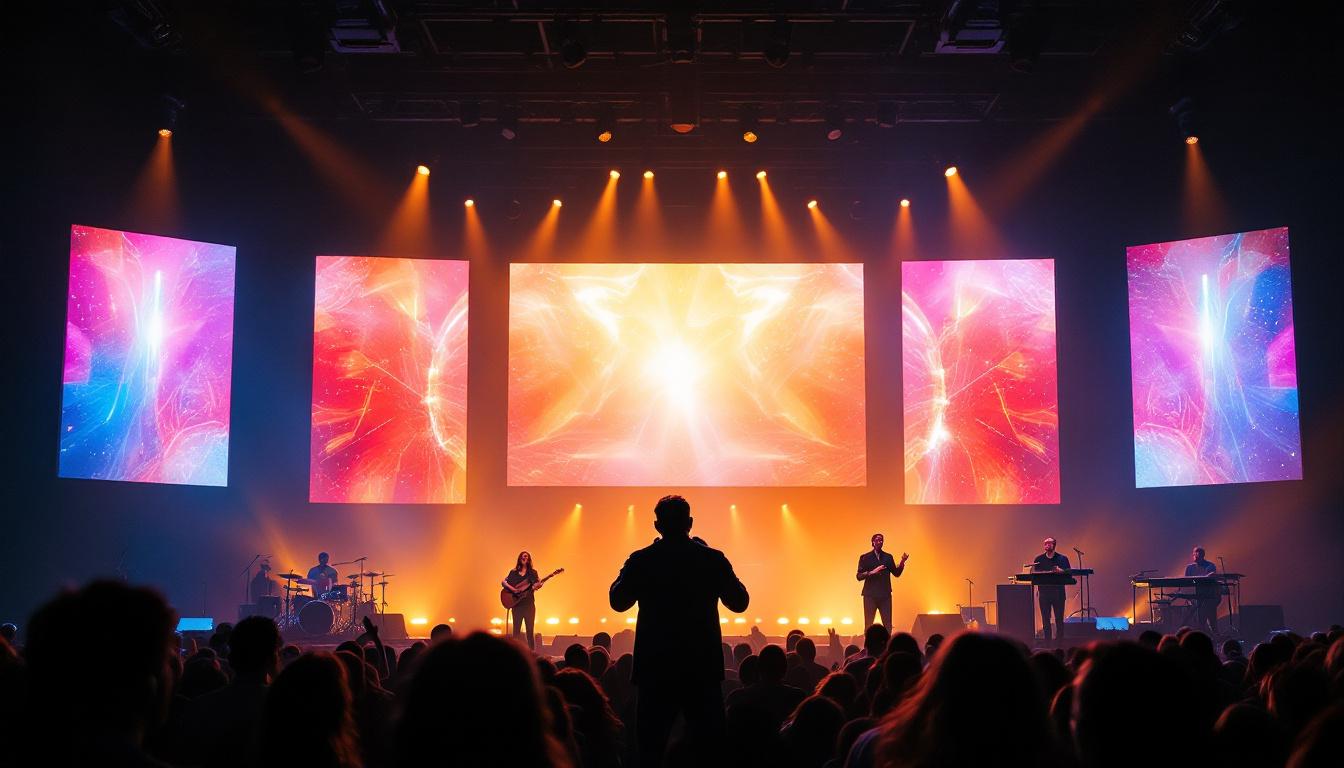
Concerts, sports arenas, and theaters increasingly rely on LED displays for stage backdrops, scoreboards, and immersive visual effects. The ability to produce large-scale, high-resolution images with vibrant colors makes LED displays ideal for engaging audiences.
Flexible and curved LED panels allow designers to create unique stage environments, while transparent LED screens can add depth and layering to performances.
Transportation and Public Information
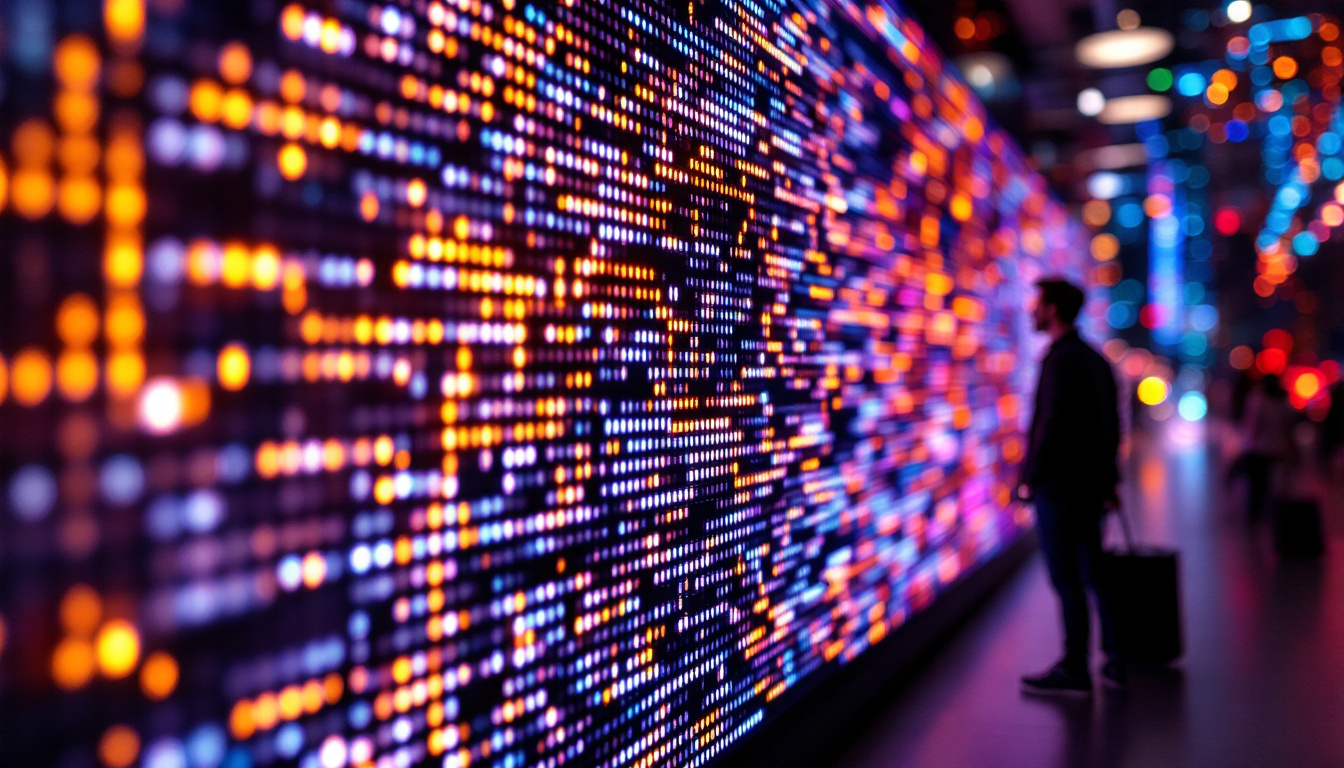
LED displays are widely used in airports, train stations, and bus terminals to provide real-time information such as arrivals, departures, and delays. Their high visibility and reliability ensure passengers stay informed even in crowded or brightly lit environments.
Additionally, LED signage is used for traffic management, safety warnings, and wayfinding, contributing to smoother and safer transportation systems.
Technical Considerations When Choosing an LED Display
Pixel Pitch and Resolution
Pixel pitch, measured in millimeters, is the distance between the centers of two adjacent LEDs. It directly affects the resolution and viewing distance of the display. Smaller pixel pitches mean higher resolution and better image clarity at close range, but they also increase cost.
Choosing the right pixel pitch depends on the intended viewing distance. For example, an indoor display viewed from a few feet away might require a pixel pitch of 1.5mm or less, while a large outdoor billboard viewed from hundreds of feet away can have a pixel pitch of 10mm or more.
Brightness and Contrast Ratios
Brightness requirements vary depending on the installation environment. Outdoor displays need higher brightness levels to combat sunlight, while indoor displays can operate at lower brightness to reduce glare and eye strain.
Contrast ratio, the difference between the brightest whites and darkest blacks, affects image depth and readability. Higher contrast ratios produce more vivid images and improve content legibility.
Refresh Rate and Viewing Angle
The refresh rate, measured in Hertz (Hz), indicates how many times per second the display updates its image. Higher refresh rates reduce flicker and improve the smoothness of motion, which is especially important for video content and live broadcasts.
Viewing angle determines how well the display can be seen from different positions. Wider viewing angles ensure that content remains clear and color-accurate even when viewed from the sides, which is critical in public spaces.
Durability and Environmental Protection
For outdoor installations, LED displays must be rugged and weatherproof. Look for displays with appropriate IP (Ingress Protection) ratings, which indicate resistance to dust and water. Additionally, temperature control features such as built-in fans or heaters help maintain optimal operation in extreme climates.
Future Trends in LED Display Technology
MicroLED and MiniLED Innovations
Emerging technologies like MicroLED and MiniLED are pushing the boundaries of LED display performance. MicroLED offers even smaller pixel sizes and higher brightness with lower power consumption, promising displays with near-perfect color accuracy and contrast.
MiniLED backlighting is enhancing traditional LCD displays by providing better local dimming and improved contrast, bridging the gap between LCD and full LED displays.
Integration with Smart Technologies
LED displays are increasingly integrated with smart technologies such as AI-driven content management, IoT connectivity, and interactive sensors. These advancements enable personalized advertising, real-time analytics, and seamless integration with other digital systems.
Sustainability and Energy Efficiency
As environmental concerns grow, manufacturers are focusing on making LED displays more sustainable by improving energy efficiency, using recyclable materials, and designing for easier maintenance and longer lifespans.
Conclusion
LED displays have revolutionized the way information and advertising are presented across industries. Their brightness, flexibility, and durability make them an ideal choice for a wide range of applications, from outdoor billboards to immersive event experiences.
Understanding the technical aspects such as pixel pitch, brightness, and environmental requirements is essential for selecting the right LED display solution. As technology advances, innovations like MicroLED and smart integrations will continue to enhance the capabilities and impact of LED displays.
For businesses and organizations looking to captivate audiences and communicate effectively, investing in LED display technology offers a powerful and future-proof solution.
Illuminate Your Message with LumenMatrix
Ready to elevate your visual communication and captivate your audience with unparalleled clarity? LumenMatrix is at the forefront of LED display innovation, offering a diverse range of solutions tailored to your unique needs. From Indoor and Outdoor LED Wall Displays to specialized options like Vehicle, Sports, and Floor LED Displays, our mission is to revolutionize your brand’s presence. Embrace the future of digital signage with our Custom, All-in-One, and Transparent LED Displays. Check out LumenMatrix LED Display Solutions today and transform your visual storytelling into an immersive experience.