Modern vehicles are no longer just mechanical machines; they are sophisticated hubs of digital technology designed to enhance driving experience, safety, and convenience. One of the most significant advancements in automotive technology is the integration of LED displays within car interiors. These displays have revolutionized how drivers interact with their vehicles, providing clear, vibrant, and customizable information at a glance.
This article delves into the world of in-car LED displays, exploring their technology, applications, benefits, and future trends. Whether you’re a car enthusiast, a tech-savvy driver, or someone curious about automotive innovations, understanding LED displays in cars will offer insights into how these devices shape the driving experience.
Understanding LED Display Technology in Cars
What is an LED Display?
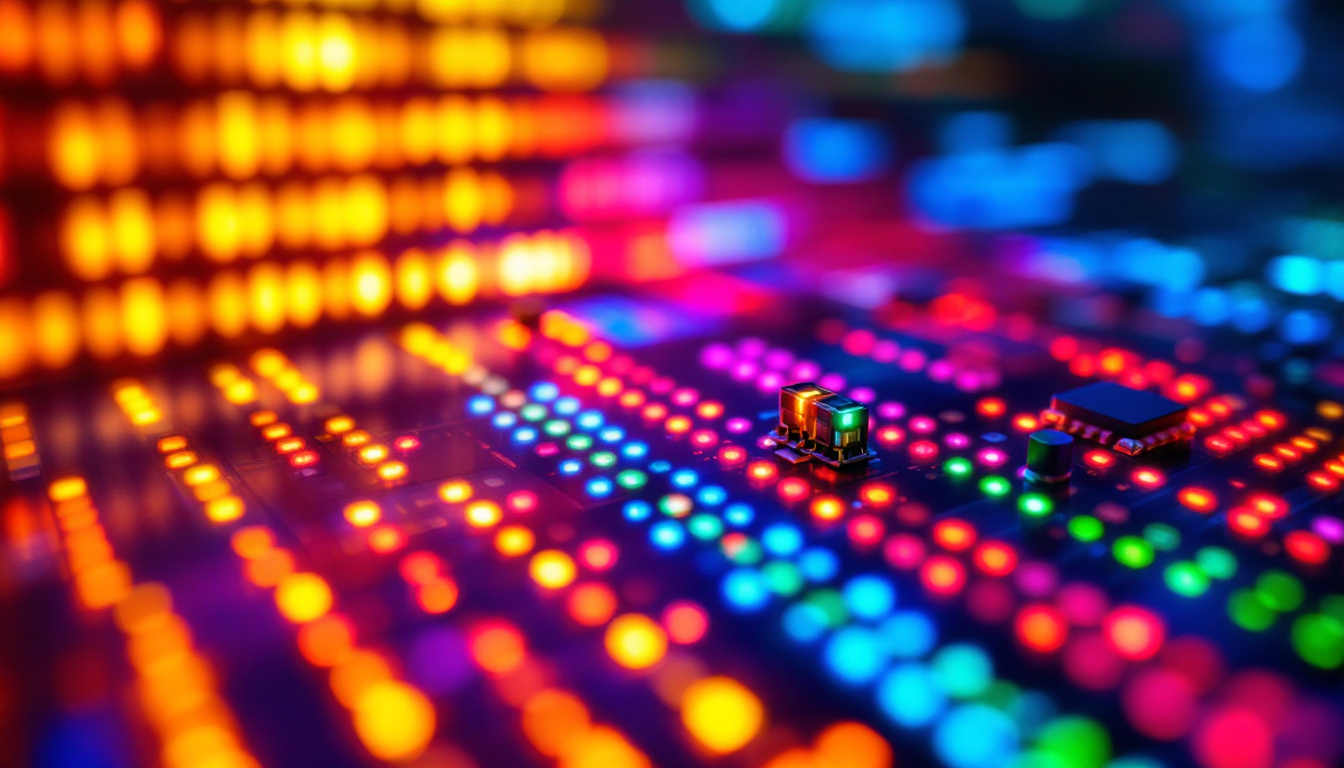
LED stands for Light Emitting Diode, a semiconductor device that emits light when an electric current passes through it. In automotive applications, LED displays consist of numerous tiny LEDs arranged in a matrix to form images, text, or video. These displays are favored for their brightness, energy efficiency, and long lifespan compared to traditional display technologies like LCD or incandescent bulbs.
Unlike LCDs, which rely on backlighting, LEDs produce their own light, enabling better contrast and visibility, especially under direct sunlight. This feature is critical in cars, where display readability under varying lighting conditions is essential for safety and usability. Furthermore, the rapid response time of LEDs allows for real-time updates, which is particularly useful for displaying critical information such as speed, navigation prompts, or alerts, ensuring that drivers can access vital data at a glance without distraction.
Types of LED Displays Used in Cars
In automotive interiors, LED displays come in several forms, each serving distinct purposes:
- Segmented LED Displays: These are simple numeric or alphanumeric displays commonly used for speedometers, odometers, or fuel gauges. They display fixed characters with high clarity.
- Dot Matrix LED Displays: Composed of a grid of LEDs, these displays can show more complex information such as warnings, messages, or simple graphics. They offer flexibility in content presentation.
- Full-Color LED Displays: These advanced displays use RGB (Red, Green, Blue) LEDs to produce a wide spectrum of colors, enabling rich, dynamic visuals such as navigation maps, multimedia content, and customizable interfaces.
Each type is selected based on the specific function it needs to perform, balancing factors like cost, power consumption, and visual requirements. Additionally, the integration of LED displays in vehicles has evolved with advancements in technology, leading to features such as touch sensitivity and voice activation, which enhance user interaction and accessibility. This evolution not only improves the driving experience but also aligns with the growing trend of smart vehicles that utilize interconnected systems to provide drivers with a seamless interface.
Moreover, the aesthetic appeal of LED displays cannot be overlooked. Full-color displays allow manufacturers to create visually striking dashboards that can be customized to reflect the brand’s identity or the driver’s personal style. As the automotive industry continues to innovate, we can expect to see even more sophisticated uses of LED technology, including augmented reality displays that overlay critical information directly onto the windshield, further enhancing safety and convenience for drivers on the road.
Applications of LED Displays in Modern Vehicles
Instrument Clusters and Dashboard Displays
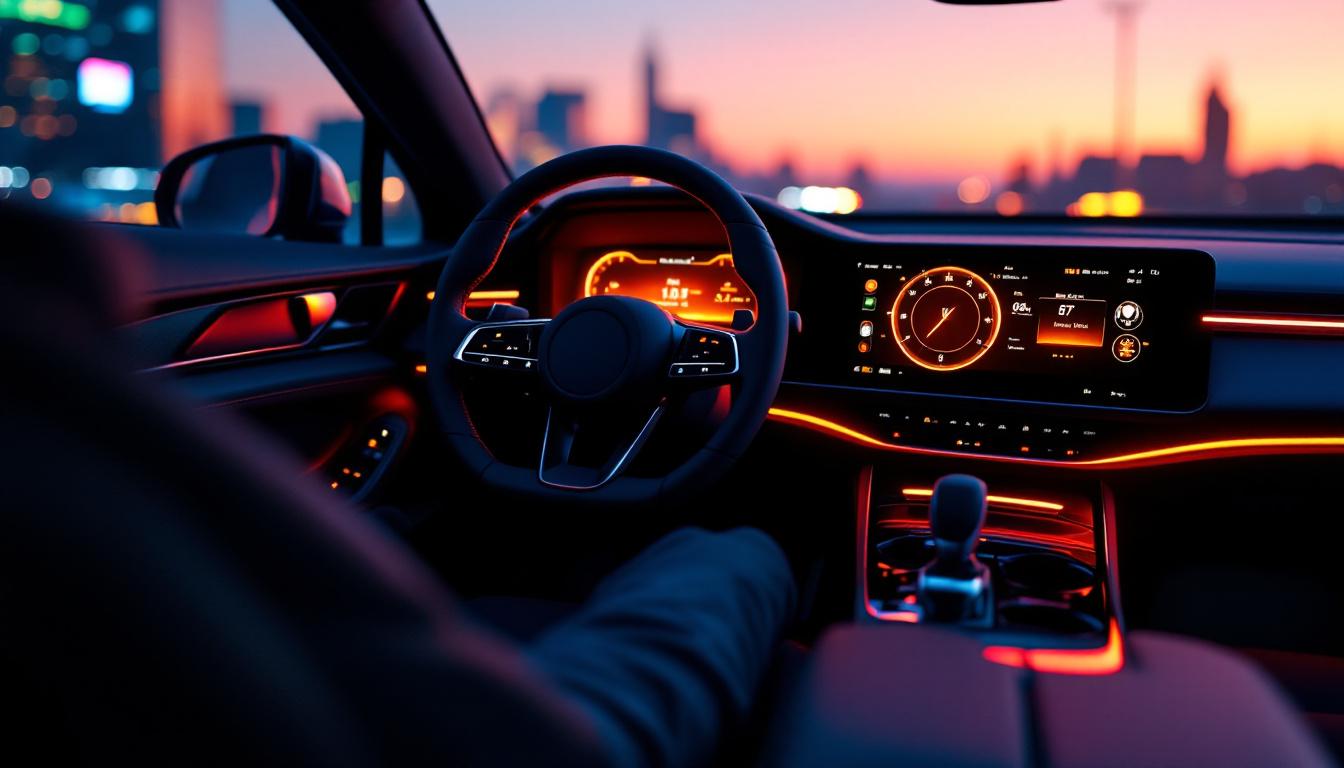
The instrument cluster is the primary interface between the driver and the vehicle’s operational data. Traditional analog gauges are increasingly being replaced or supplemented by LED-based digital clusters. These displays can show speed, RPM, fuel level, engine temperature, and more in a clear and customizable format.
For example, many luxury and mid-range cars now feature fully digital LED instrument panels that adapt their layout based on driving mode or user preferences. This flexibility enhances driver awareness and reduces distraction by presenting only the most relevant information. Furthermore, the ability to customize the display allows for a more engaging driving experience, where drivers can choose themes that match their mood or driving style, from sporty to eco-friendly layouts. This personalization not only adds a touch of individuality but also helps drivers focus on the information that matters most to them at any given moment.
Head-Up Displays (HUDs)
Head-Up Displays project critical information onto the windshield or a transparent screen, allowing drivers to keep their eyes on the road. Modern HUDs often use LED technology to deliver bright, sharp images that remain visible in various lighting conditions.
Typical HUD content includes speed, navigation directions, collision warnings, and traffic sign recognition. By integrating LED displays in HUDs, manufacturers improve safety by minimizing the need for drivers to glance down at the dashboard. Additionally, advanced HUDs are now incorporating augmented reality features, overlaying navigation prompts directly onto the road ahead, which further enhances situational awareness. This innovation not only aids in navigation but also contributes to a more immersive driving experience, where the vehicle seems to seamlessly integrate with the environment.
Infotainment Systems and Center Consoles
Infotainment systems have become the centerpiece of in-car technology, combining navigation, media, communication, and vehicle settings into a unified interface. LED displays in these systems provide vivid, high-resolution visuals that enhance usability and aesthetics.
Touchscreen LED displays enable intuitive control, while their brightness and color accuracy ensure readability under all lighting conditions. Additionally, LED backlighting in buttons and controls complements the display, creating a cohesive and user-friendly environment. Many systems also support voice commands and gesture controls, reducing the need for physical interaction with the screen. This integration of LED technology with smart features not only streamlines the user experience but also keeps drivers focused on the road, enhancing safety and convenience.
Ambient and Decorative Lighting
Beyond functional displays, LED technology is also used for ambient lighting inside the car cabin. Programmable LED strips and panels can change colors and intensity to create mood lighting, improve visibility, and enhance the overall driving experience.
Some vehicles allow drivers to customize ambient lighting based on personal preferences or driving modes, contributing to a more personalized and enjoyable atmosphere. This feature can transform the cabin into a serene space during nighttime drives or energize the environment for spirited journeys. Moreover, ambient lighting can be synchronized with music or driving dynamics, creating a multi-sensory experience that captivates passengers and enhances the overall enjoyment of the ride. As manufacturers continue to innovate, the integration of LED technology in vehicle interiors is set to redefine comfort and style, making every journey a unique adventure.
Benefits of LED Displays in Automotive Environments
Enhanced Visibility and Safety
One of the primary advantages of LED displays is their superior visibility. LEDs produce bright, sharp images that remain clear in direct sunlight, nighttime, or adverse weather conditions. This clarity helps drivers quickly interpret critical information, reducing reaction times and enhancing safety.
Furthermore, LED displays can be designed with anti-glare coatings and adaptive brightness controls, automatically adjusting to ambient light levels to prevent eye strain and distraction.
Energy Efficiency and Longevity
LED technology is highly energy-efficient, consuming significantly less power than traditional incandescent bulbs or even some LCD backlights. This efficiency is crucial in electric and hybrid vehicles where conserving battery power extends driving range.
Additionally, LEDs have a long operational lifespan, often exceeding 50,000 hours. This durability reduces maintenance costs and the need for frequent replacements, contributing to overall vehicle reliability.
Design Flexibility and Customization
LED displays offer unparalleled design flexibility. Their thin profile and ability to produce vivid colors allow automakers to create sleek, modern dashboards and interfaces that integrate seamlessly with the vehicle’s interior design.
Customization options also extend to software, enabling dynamic content changes, personalized themes, and adaptive interfaces that respond to driver preferences or driving conditions.
Challenges and Considerations in Implementing LED Displays
Cost and Complexity
While LED displays bring many benefits, they also introduce higher initial costs compared to traditional analog instruments. The complexity of integrating high-resolution, full-color LED panels with vehicle electronics requires advanced engineering and software development.
Manufacturers must balance these costs against the added value to consumers, often reserving the most sophisticated LED displays for premium models before gradually introducing them to more affordable vehicles.
Durability and Environmental Factors
Automotive LED displays must withstand harsh conditions, including temperature extremes, vibration, humidity, and exposure to sunlight. Ensuring durability requires robust materials, protective coatings, and rigorous testing.
Additionally, displays must maintain performance over time without color fading or pixel degradation, which can impact usability and aesthetics.
User Interface and Driver Distraction
Designing LED displays that provide comprehensive information without overwhelming or distracting the driver is a critical challenge. Overly complex or cluttered displays can reduce situational awareness and increase the risk of accidents.
Automakers employ human factors engineering and usability testing to optimize display layouts, font sizes, color schemes, and interaction methods to enhance clarity and minimize distraction.
Future Trends in In-Car LED Display Technology
Integration with Augmented Reality (AR)
Augmented Reality is poised to transform in-car displays by overlaying digital information directly onto the driver’s view of the road. LED-based HUDs combined with AR technology can highlight hazards, navigation cues, and points of interest in real-time, improving safety and convenience.
Several manufacturers and tech companies are actively developing AR HUD systems that leverage LED display advancements to deliver immersive and context-aware driving experiences.
Flexible and Transparent LED Displays
Emerging technologies in flexible and transparent LED displays open new possibilities for automotive interiors. Flexible displays can conform to curved surfaces, enabling innovative dashboard designs and more ergonomic layouts.
Transparent LED displays integrated into windows or windshields can provide heads-up information without obstructing views, blending seamlessly into the vehicle’s architecture.
Smart and Connected Displays
The future of in-car LED displays is closely tied to the rise of connected vehicles and the Internet of Things (IoT). Smart displays will integrate with cloud services, vehicle sensors, and mobile devices to deliver personalized, real-time data such as traffic updates, weather alerts, and vehicle diagnostics.
Artificial intelligence and machine learning will enable these displays to anticipate driver needs, adapt interfaces dynamically, and enhance overall vehicle intelligence.
Conclusion
LED displays have become an indispensable component of modern automotive design, offering superior visibility, energy efficiency, and design versatility. From instrument clusters and infotainment systems to head-up displays and ambient lighting, LED technology enhances both functionality and aesthetics in vehicles.
As automotive technology continues to evolve, LED displays will play a central role in delivering safer, smarter, and more engaging driving experiences. Understanding the capabilities and challenges of LED displays helps consumers appreciate the sophistication behind today’s car interiors and anticipate the innovations of tomorrow.
Explore the Future of Automotive LED Displays with LumenMatrix
As you’ve seen, LED displays are transforming the automotive landscape, offering drivers enhanced safety, efficiency, and a truly personalized driving experience. If you’re ready to experience the forefront of LED display technology, look no further than LumenMatrix. Our innovative solutions, from Vehicle LED Displays to Custom LED Displays, are designed to bring your driving experience into the future. Check out LumenMatrix LED Display Solutions today and see how we’re driving the revolution in visual communication.