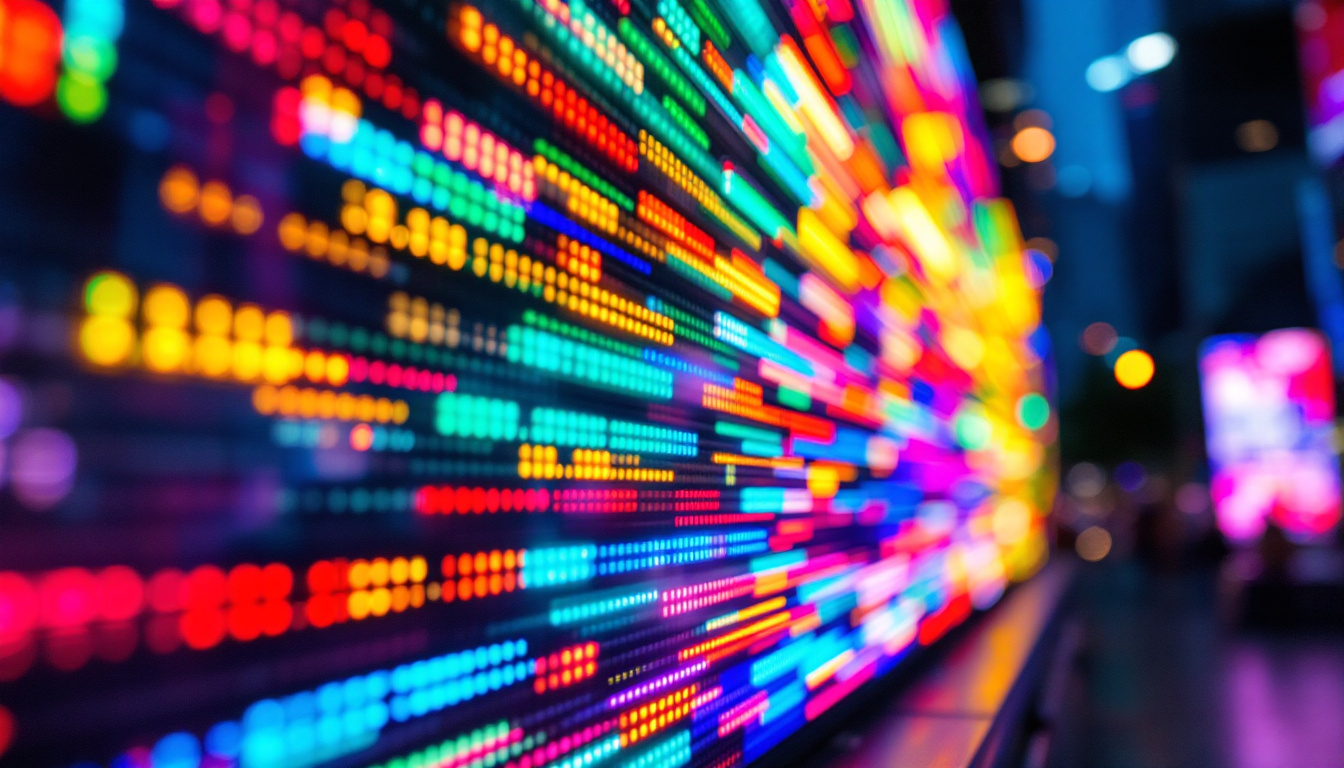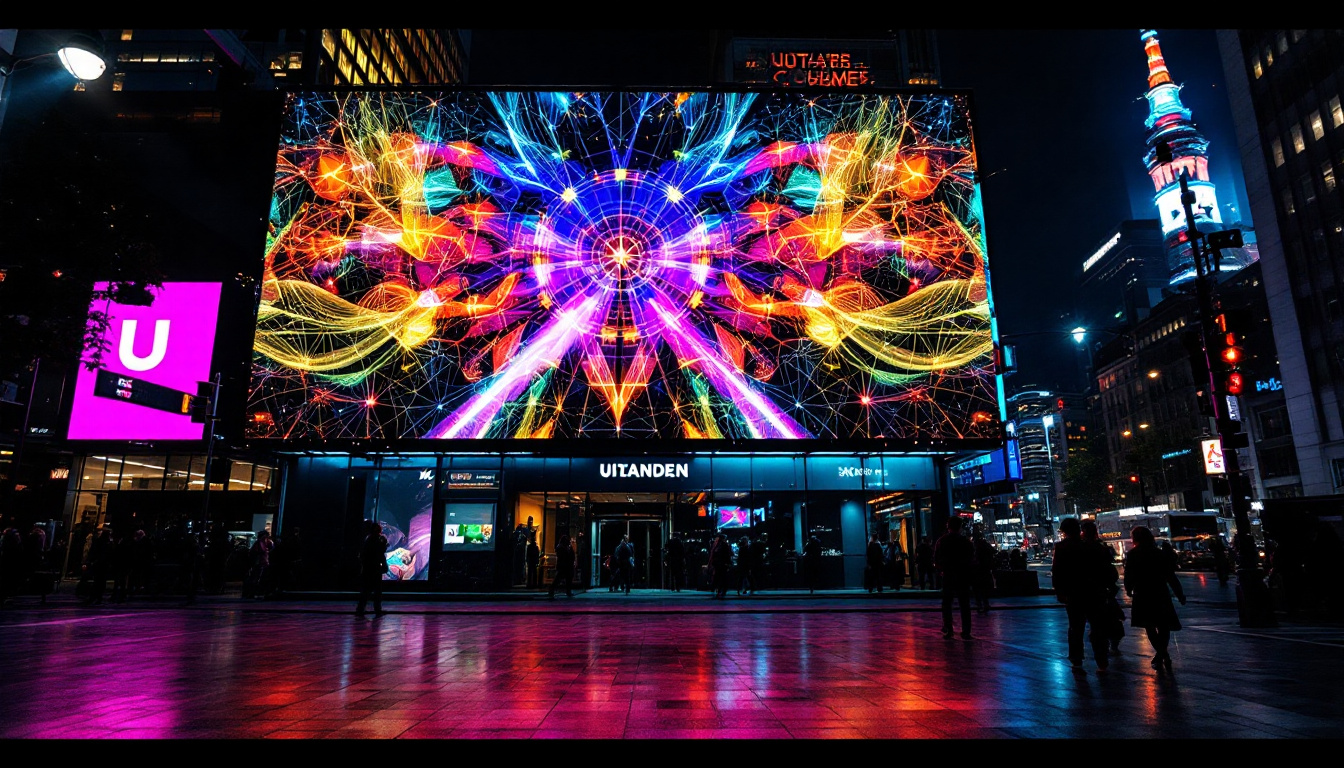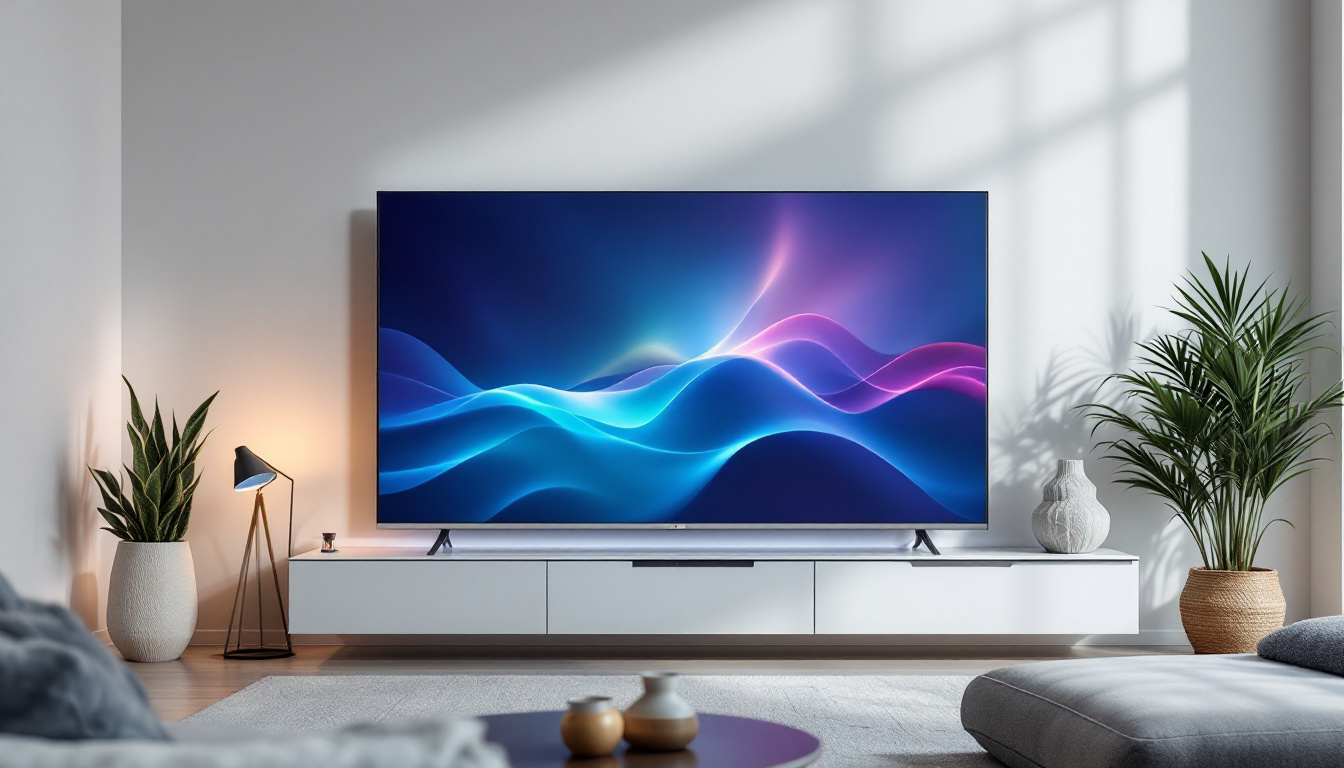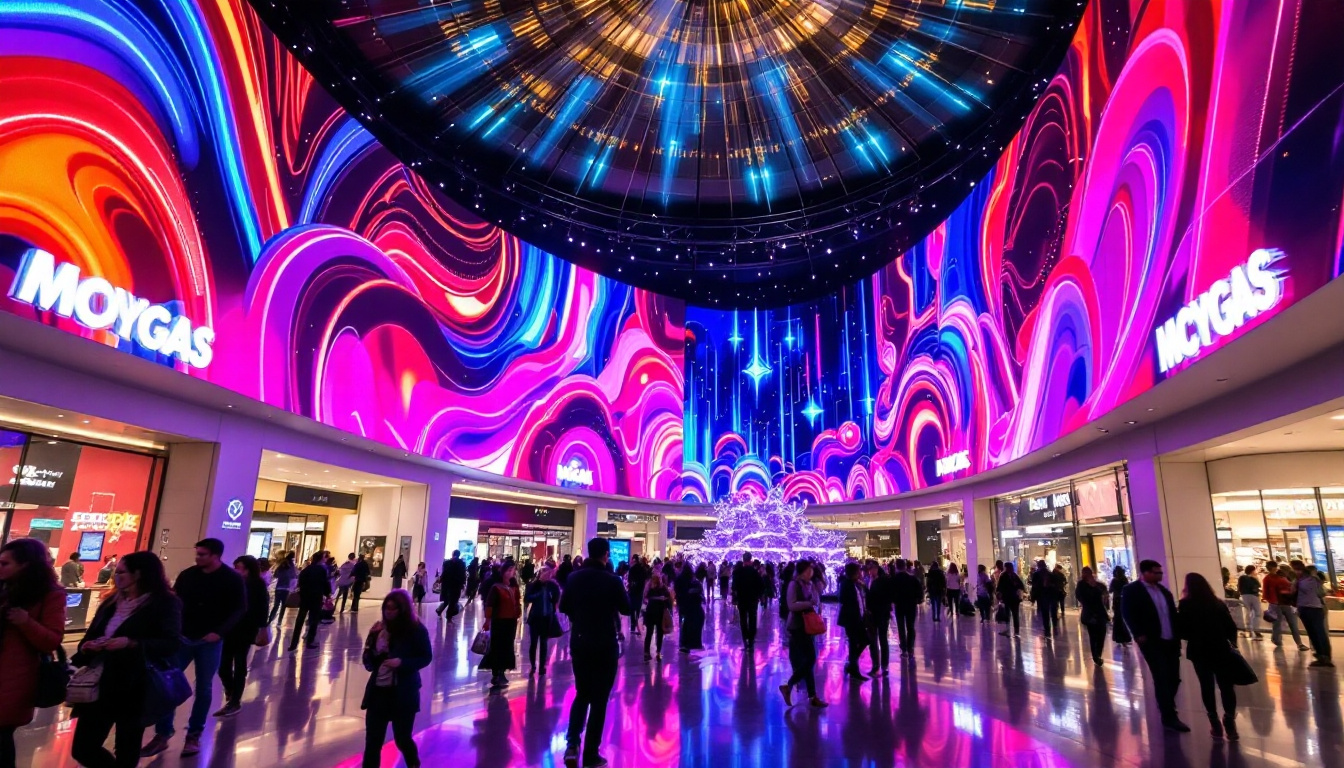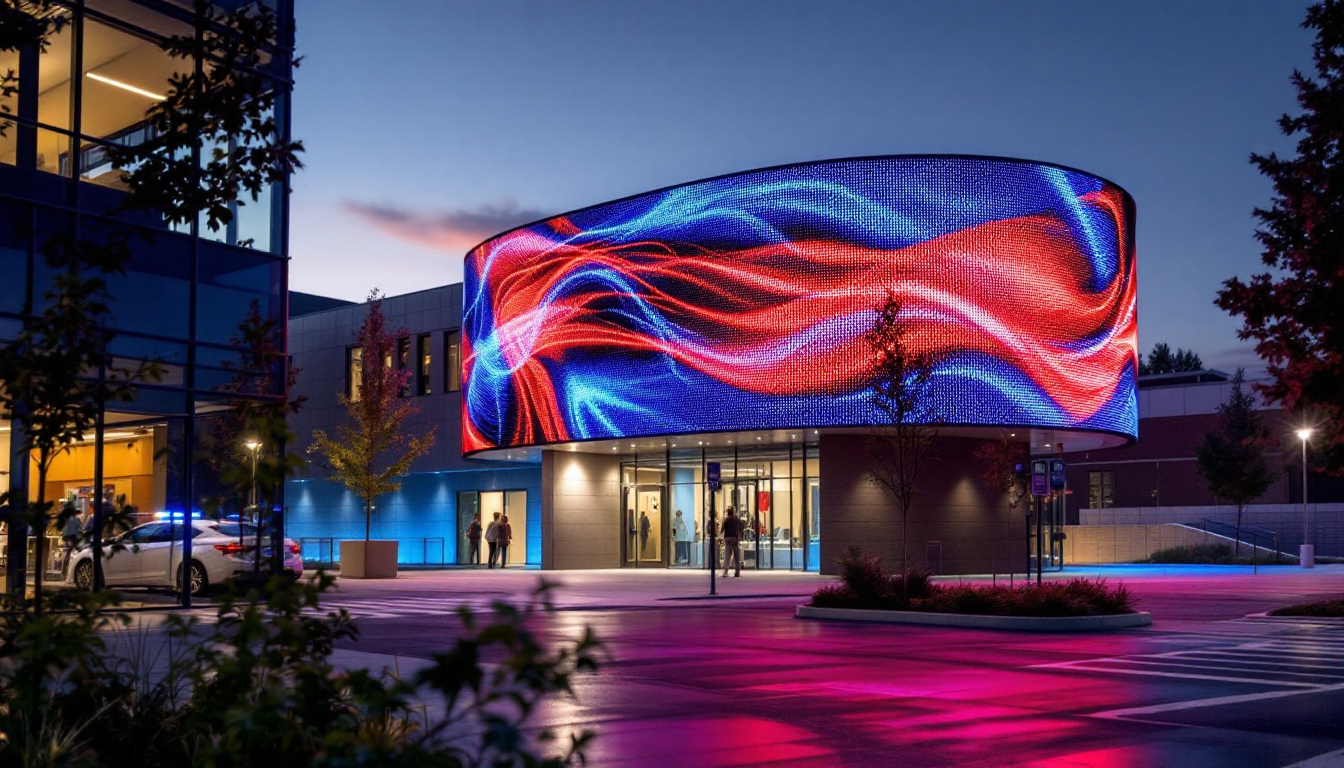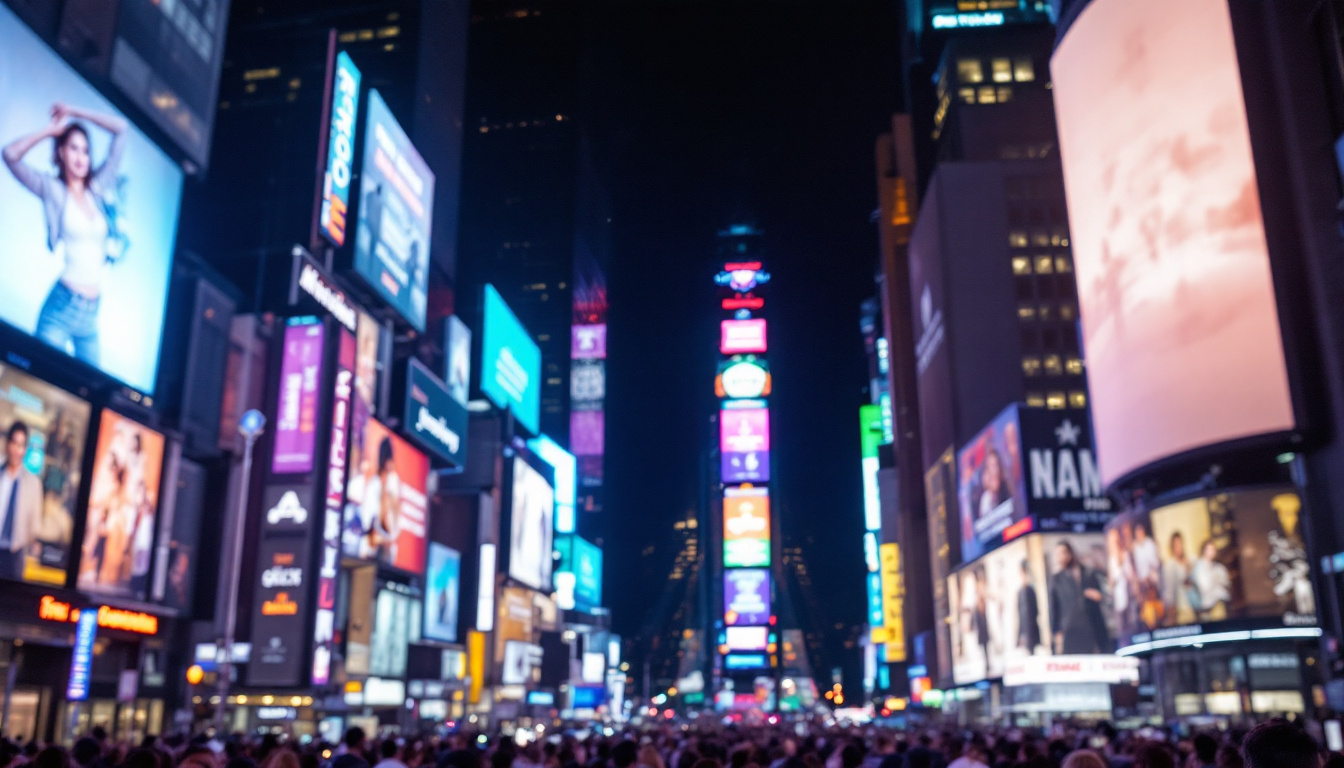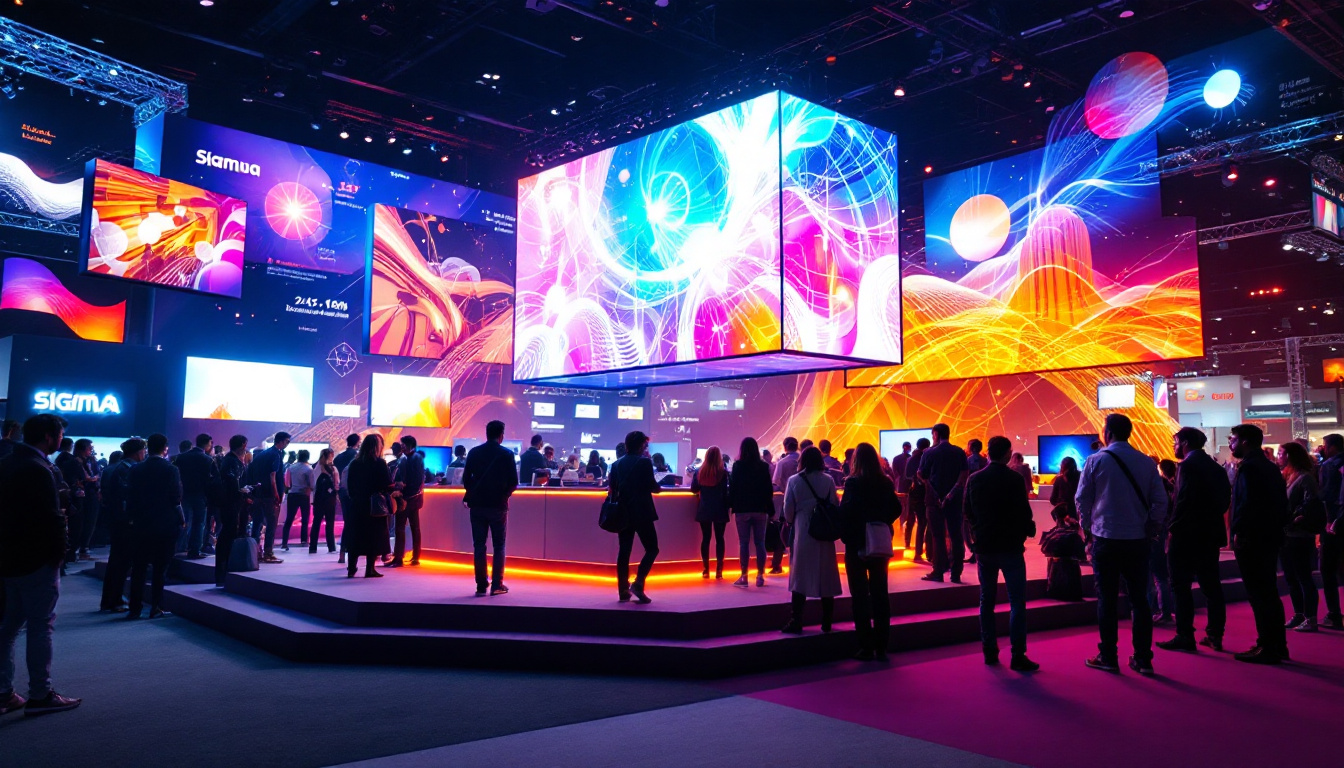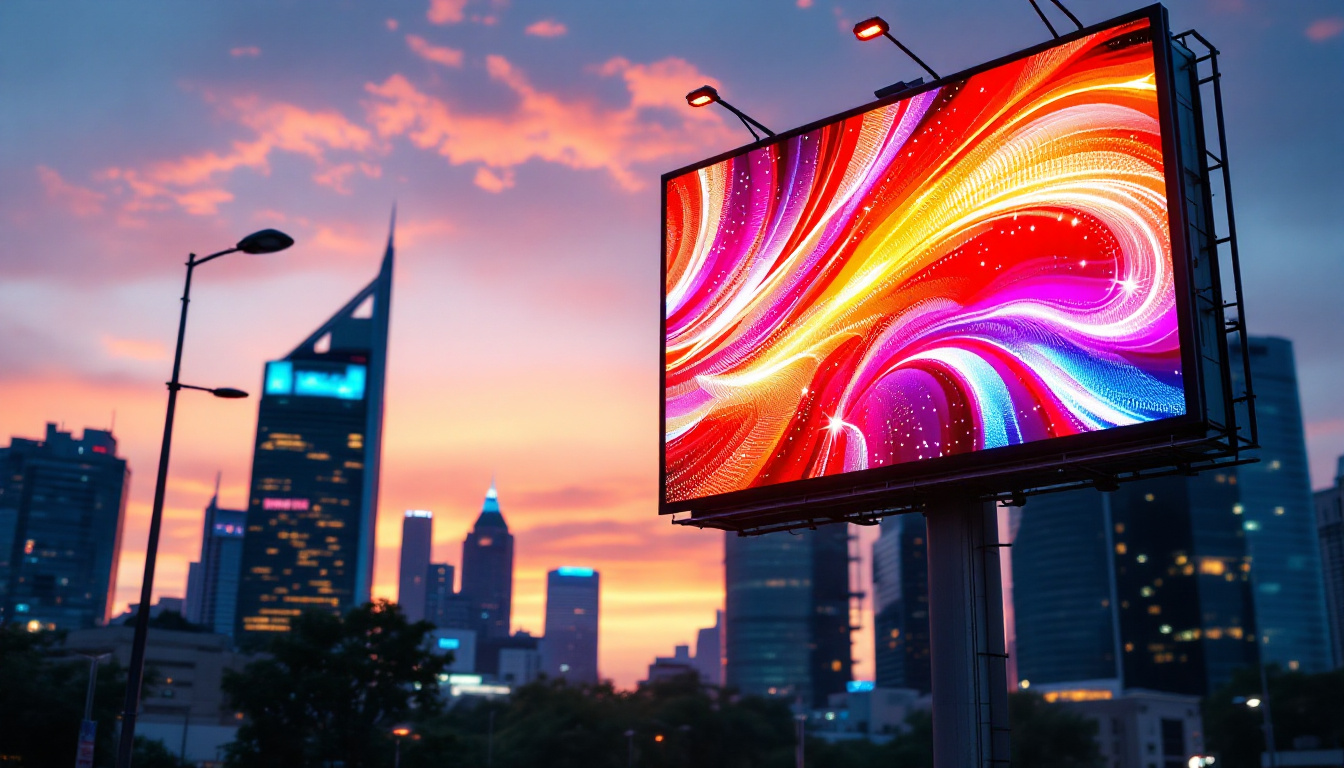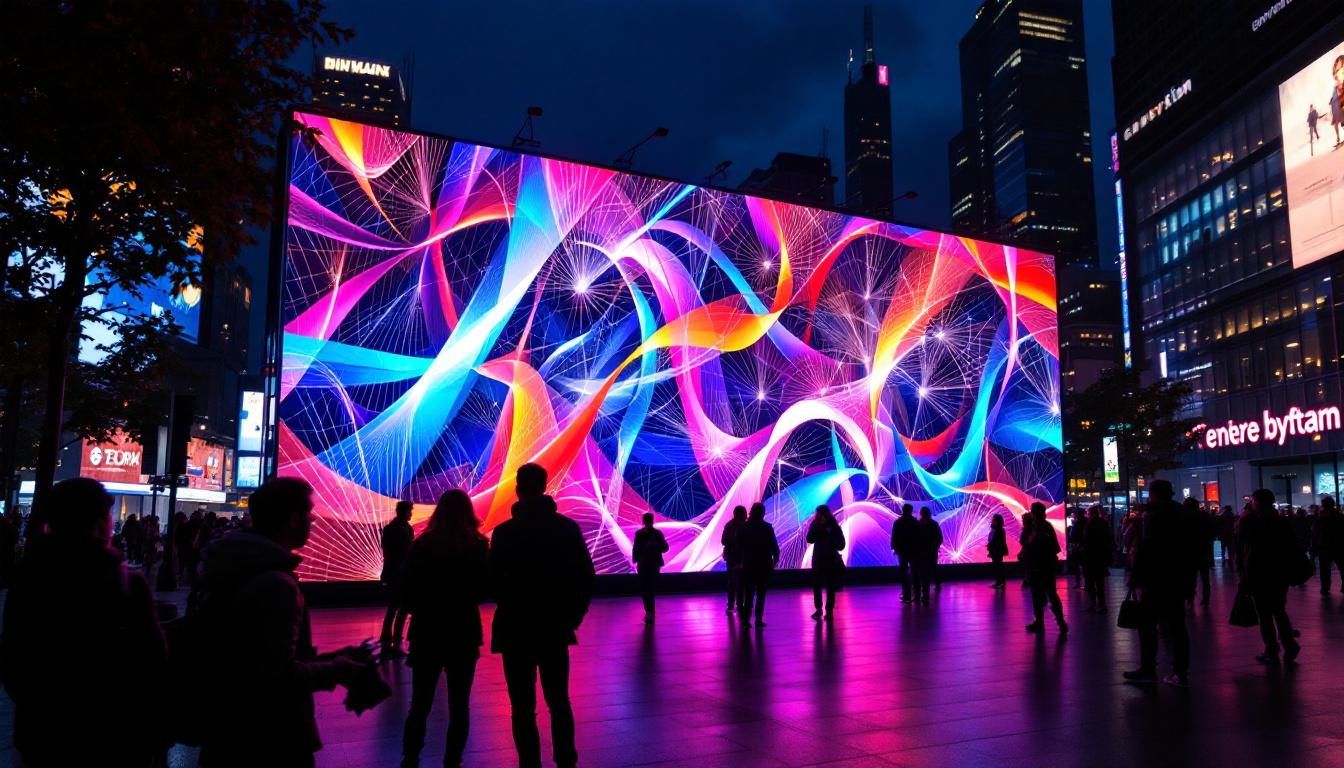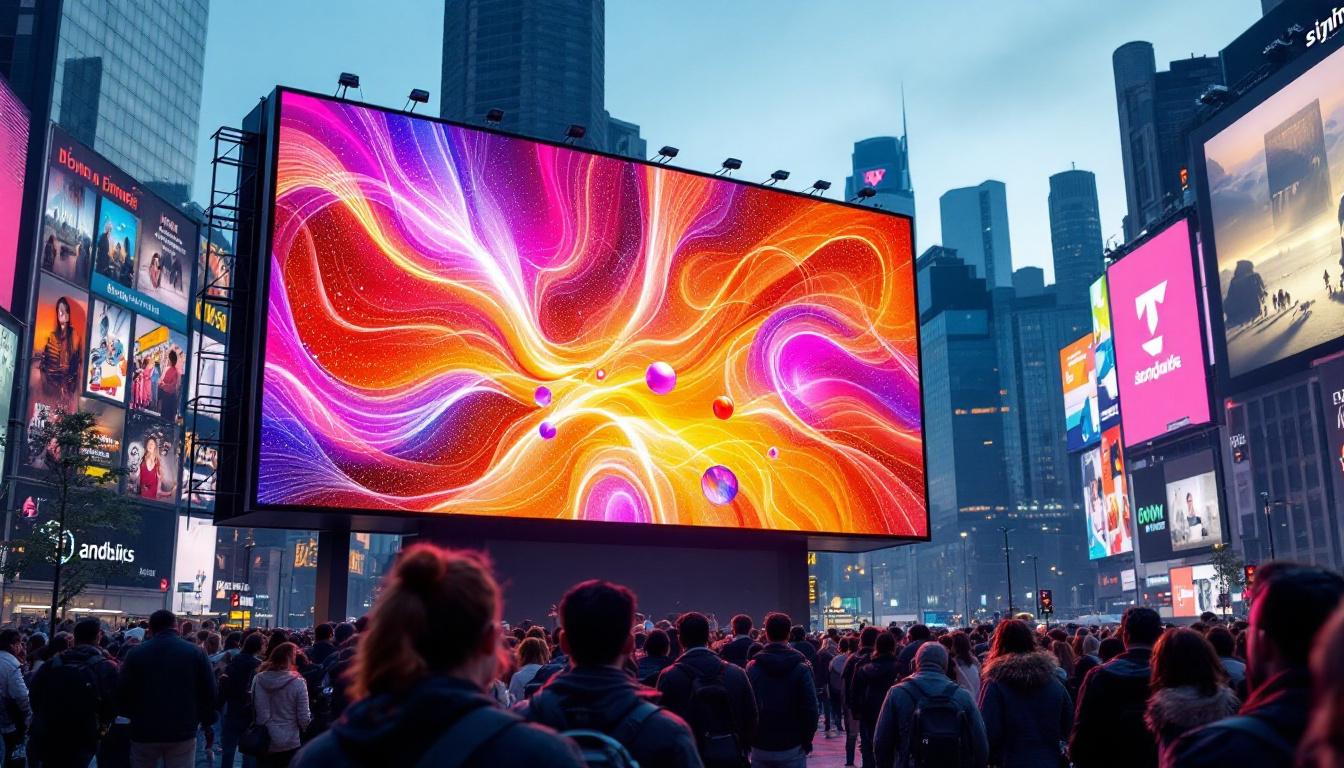
In today’s visually driven world, large LED displays have become an essential part of advertising, entertainment, and information dissemination. From towering billboards in Times Square to dynamic scoreboards in sports arenas, LED displays are everywhere, captivating audiences with their brightness, clarity, and versatility. But what exactly makes these displays tick? This article delves into the technology behind large LED displays, their types, applications, and why they have become the preferred choice for large-scale visual communication.
Understanding LED Display Technology
What is an LED Display?
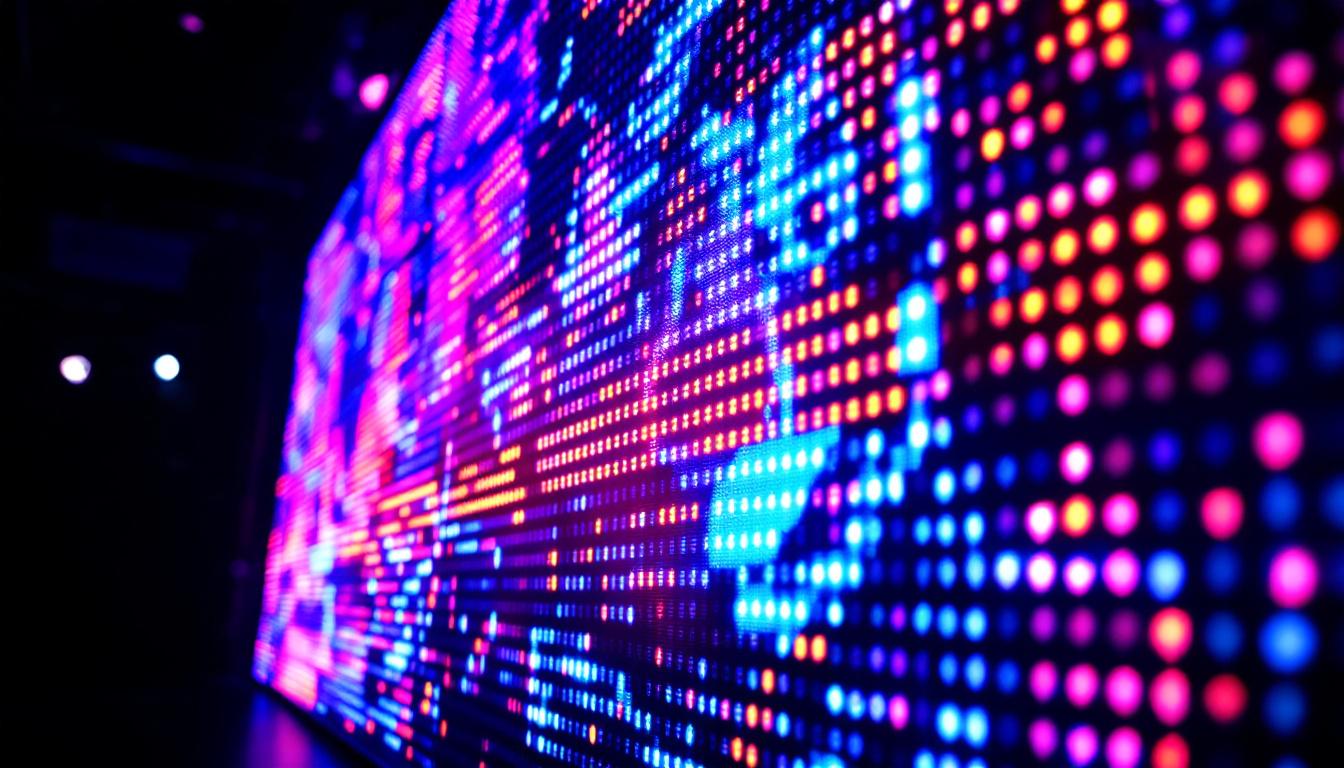
LED stands for Light Emitting Diode, a semiconductor device that emits light when an electric current passes through it. An LED display is essentially a screen made up of thousands or even millions of these tiny diodes arranged in a grid to form images, videos, or text. Unlike traditional display technologies such as LCD or plasma, LEDs produce their own light, which results in higher brightness levels and better contrast.
Large LED displays are constructed by assembling multiple LED panels or modules into a seamless screen. Each module contains numerous LEDs, which can be red, green, and blue (RGB) to produce a full spectrum of colors. By adjusting the intensity of each LED, the display can render vivid and dynamic visuals that are visible even under direct sunlight.
How Do LED Displays Work?
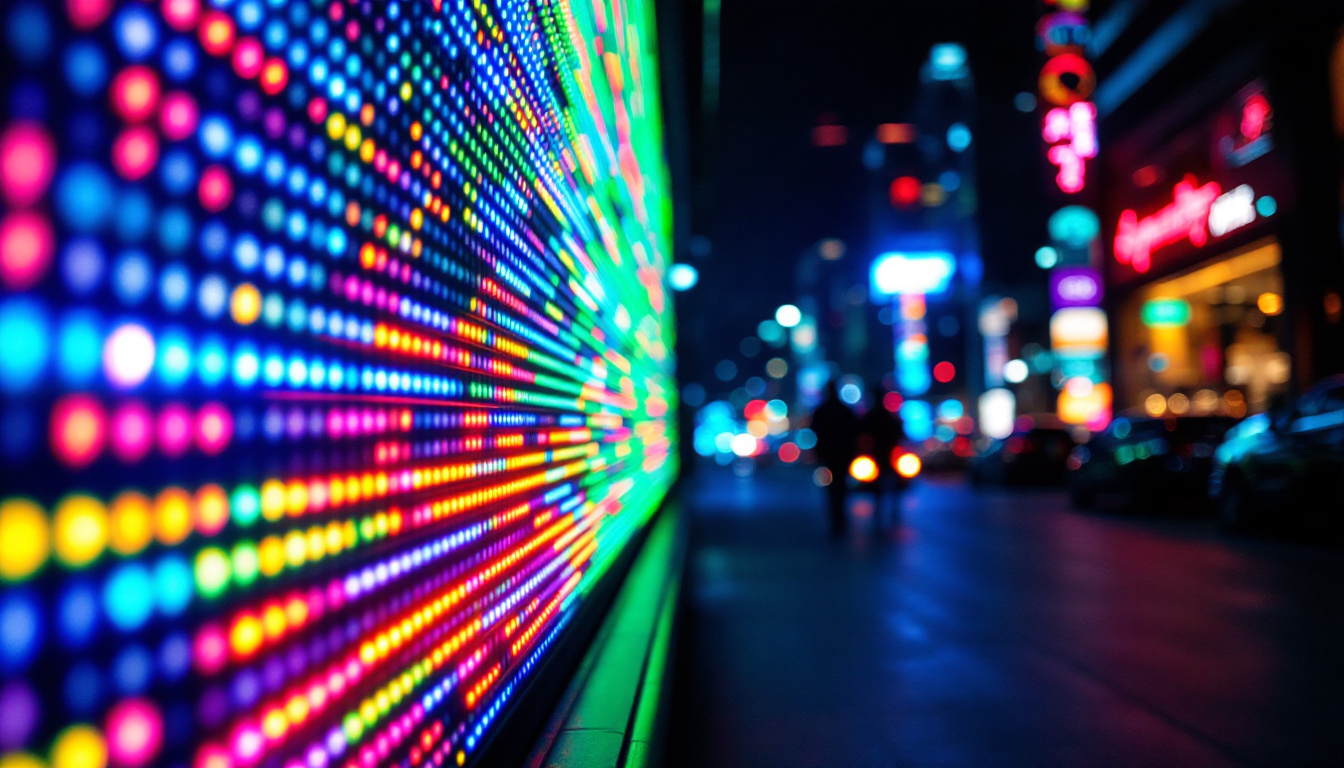
The core principle behind LED displays is the manipulation of individual LEDs to create images. Each pixel on the screen is made up of three LEDs: one red, one green, and one blue. By varying the brightness of these three LEDs, a wide range of colors can be produced through color mixing.
The display is controlled by a sophisticated system that sends signals to each LED, telling it when to turn on and how brightly to shine. This process happens thousands of times per second, creating smooth motion and vibrant images. The refresh rate, measured in hertz (Hz), determines how often the image is updated per second, with higher rates reducing flicker and improving image quality.
Advantages of LED Displays Over Other Technologies
LED displays offer several advantages compared to other large display technologies such as LCD, projection, or plasma screens:
- Brightness: LEDs can achieve brightness levels exceeding 5,000 nits, making them clearly visible even in direct sunlight, unlike LCDs which struggle outdoors.
- Energy Efficiency: LEDs consume less power compared to traditional lighting and display technologies, making them more cost-effective over time.
- Durability: LED displays are robust and weather-resistant, suitable for both indoor and outdoor use.
- Color Accuracy and Contrast: The ability to control each LED individually allows for deeper blacks and more vibrant colors.
- Flexibility: LED panels can be assembled in various shapes and sizes, including curved or irregular forms, expanding creative possibilities.
Types of Large LED Displays
Indoor vs. Outdoor LED Displays
Large LED displays are designed differently depending on their intended environment. Indoor LED displays prioritize high resolution and pixel density since viewers are usually closer to the screen. These displays often have pixel pitches (distance between LEDs) as low as 1 to 2 millimeters, producing crisp images suitable for conference rooms, retail stores, or concert venues.
Outdoor LED displays, on the other hand, focus on brightness and weather resistance. Because viewers typically view these screens from a distance, the pixel pitch is larger—ranging from 4mm to over 20mm—allowing for larger pixels that can emit more light. These displays are built to withstand rain, wind, dust, and extreme temperatures, often featuring protective coatings and cooling systems.
Fixed vs. Rental LED Displays
Fixed LED displays are permanently installed in a specific location, such as stadium scoreboards, building facades, or highway billboards. These installations are designed for long-term use and often incorporate advanced mounting and maintenance features.
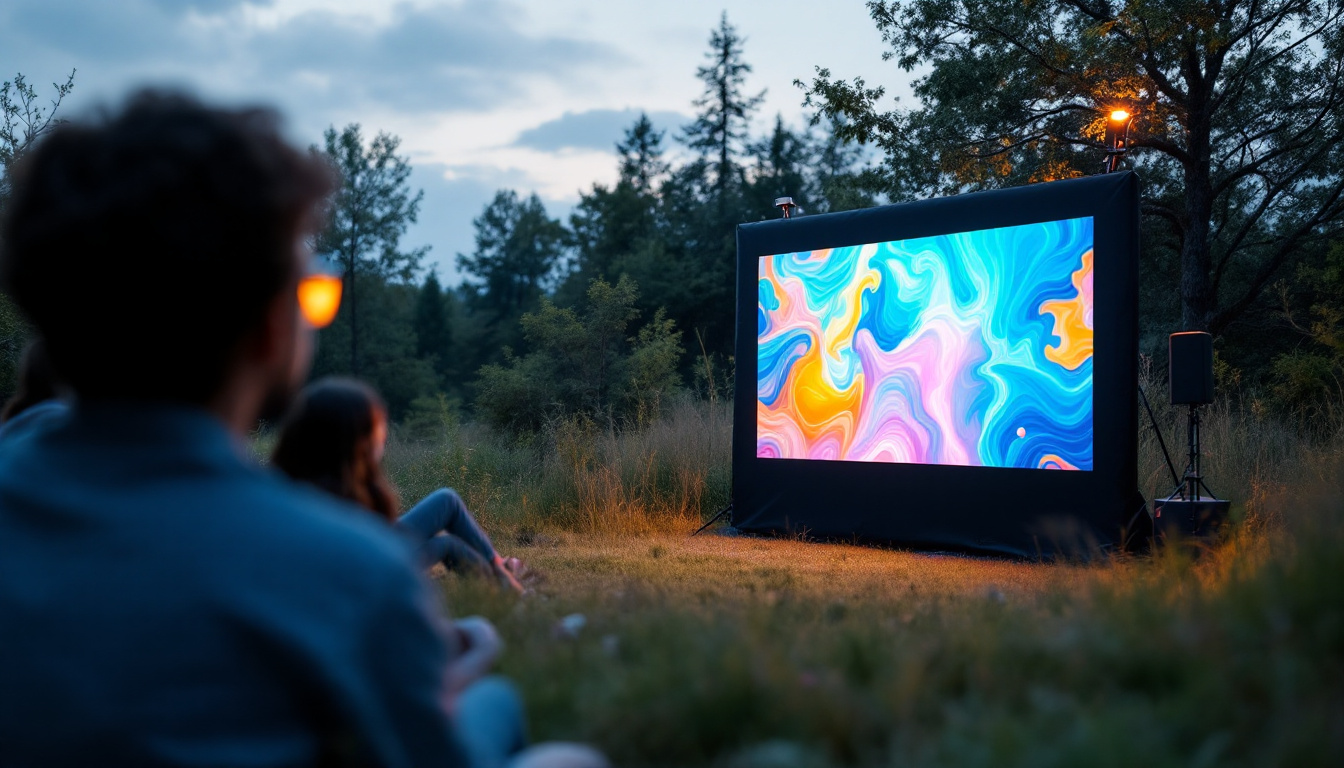
Rental LED displays are modular and portable, designed for temporary events like concerts, trade shows, or festivals. They are lightweight, easy to assemble and disassemble, and often come with quick-connect systems. Rental displays prioritize flexibility and speed of deployment over extreme durability.
Transparent and Flexible LED Displays
Recent innovations have introduced transparent LED displays that allow light to pass through the screen, making them ideal for glass windows or storefronts. These displays maintain visibility from both sides and can display dynamic content without obstructing natural light.
Flexible LED displays use bendable panels that can be curved or shaped to fit unique architectural designs. This technology opens new possibilities for immersive environments and artistic installations, blending technology seamlessly with aesthetics.
Applications of Large LED Displays
Advertising and Digital Billboards
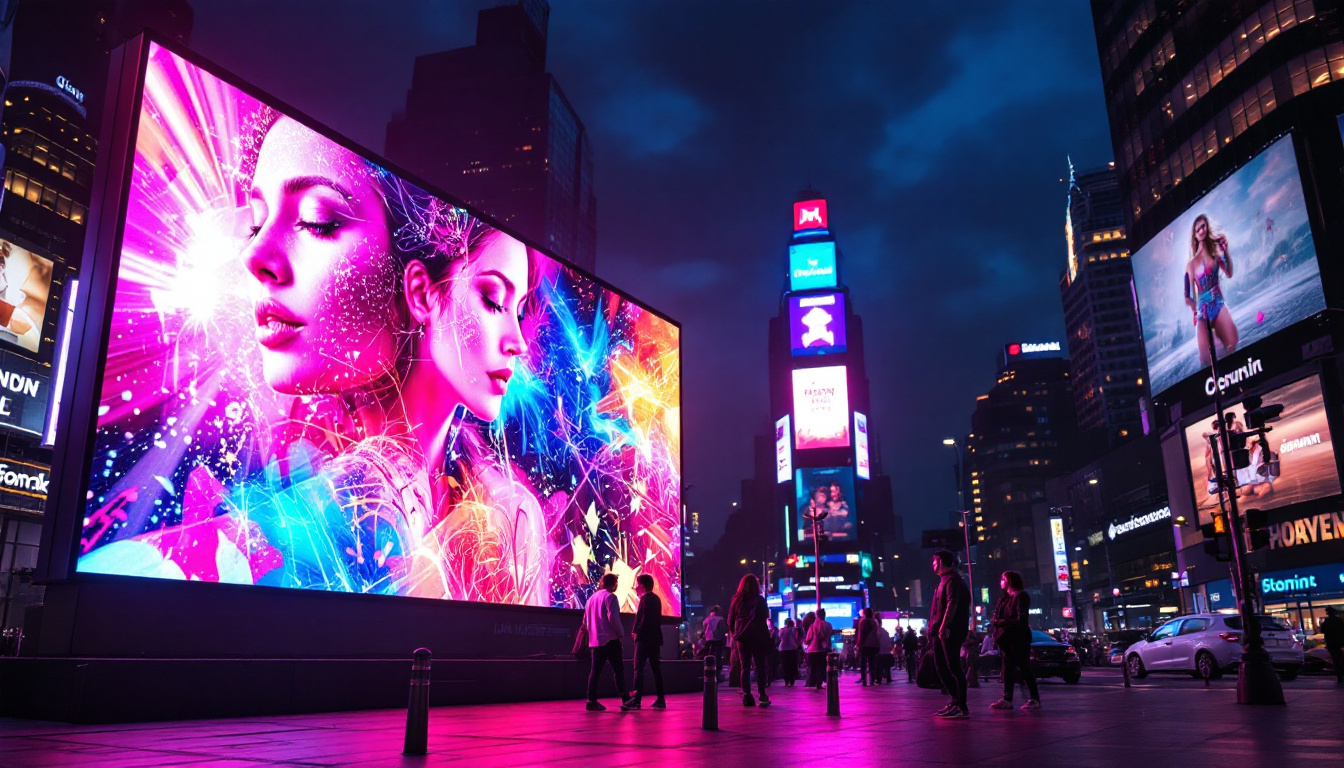
One of the most common uses of large LED displays is in advertising. Digital billboards have revolutionized outdoor advertising by enabling dynamic content that can be updated remotely and frequently. Studies have shown that digital billboards increase brand recall by up to 47% compared to static billboards, making them a powerful marketing tool.
LED displays allow advertisers to showcase videos, animations, and interactive content, capturing the attention of passersby more effectively than traditional print ads. Additionally, digital billboards can be programmed to display different ads based on time of day, weather conditions, or audience demographics, maximizing impact.
Sports and Entertainment Venues
Sports arenas and concert venues rely heavily on large LED displays to enhance the spectator experience. Scoreboards, video walls, and ribbon boards provide real-time updates, replays, and immersive visuals that engage audiences.
Modern stadiums often feature massive LED screens that can span hundreds of square meters, delivering crystal-clear images even in bright daylight. These displays also support interactive features such as social media feeds, fan messages, and live polls, creating a more connected and entertaining environment.
Transportation and Public Information
Large LED displays are widely used in transportation hubs like airports, train stations, and bus terminals to provide real-time information on arrivals, departures, and delays. Their high visibility and clarity help travelers navigate complex environments efficiently.
Additionally, LED displays are used for traffic management on highways, displaying speed limits, warnings, and road conditions. Their ability to update instantly allows authorities to communicate critical information quickly, improving safety and traffic flow.
Corporate and Retail Environments
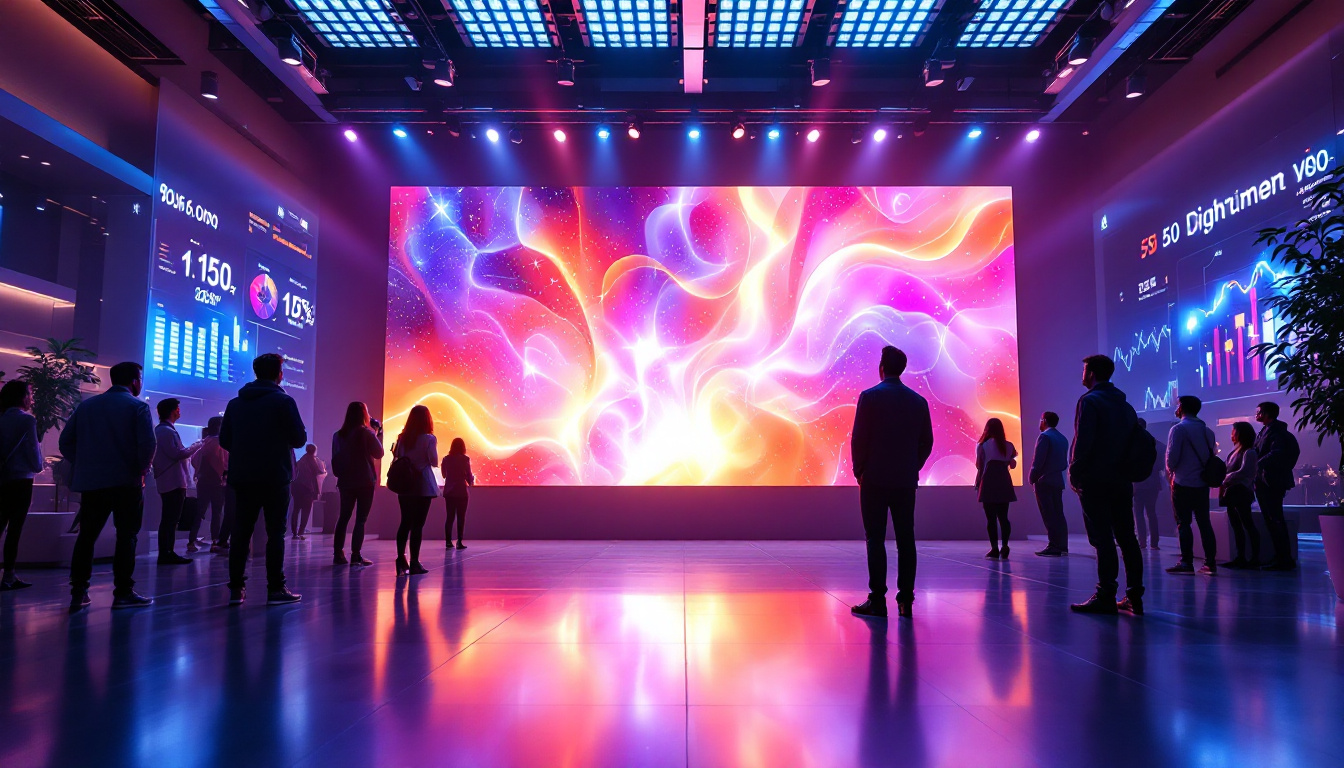
In corporate settings, large LED displays serve as digital signage for presentations, branding, and internal communications. They help create modern, tech-savvy environments that impress clients and motivate employees.
Retailers use LED displays for promotional content, product launches, and interactive advertising. The dynamic nature of LED screens enables stores to adapt messaging in real-time based on inventory, customer behavior, or special events, driving sales and enhancing customer engagement.
Key Considerations When Choosing a Large LED Display
Resolution and Pixel Pitch
The resolution of an LED display is determined by the number of pixels it contains, which is directly related to the pixel pitch. A smaller pixel pitch means more LEDs per square meter, resulting in sharper images. For indoor applications where viewers are close, a pixel pitch of 1-3mm is ideal. For outdoor displays viewed from a distance, a pixel pitch of 10-20mm is often sufficient.
Brightness and Contrast
Brightness is critical for outdoor displays to remain visible under direct sunlight. Typical outdoor LED displays offer brightness levels between 5,000 and 8,000 nits, while indoor displays usually require 800 to 1,500 nits. Contrast ratio, the difference between the darkest black and brightest white, affects image depth and realism. Higher contrast ratios enhance visual quality, especially in varying lighting conditions.
Durability and Weather Resistance
For outdoor installations, the display must be rated for protection against dust and water ingress, commonly indicated by an IP (Ingress Protection) rating. An IP65 rating or higher is preferred for outdoor LED displays to ensure longevity. Additionally, the display should be resistant to temperature fluctuations and UV exposure.
Installation and Maintenance
Ease of installation and maintenance can significantly impact the total cost of ownership. Modular LED panels that allow for quick replacement and access to components reduce downtime and service costs. Some displays offer front-access maintenance, enabling technicians to service the screen without dismantling the entire structure.
Energy Consumption
Energy efficiency is an important consideration, especially for large displays that operate 24/7. Modern LED displays incorporate energy-saving features such as automatic brightness adjustment based on ambient light and efficient power supplies to reduce operational costs.
Future Trends in Large LED Displays
MicroLED Technology
MicroLED is an emerging display technology that uses microscopic LEDs to create pixels. This innovation promises even higher brightness, better color accuracy, and longer lifespan than current LED displays. MicroLED displays are expected to revolutionize both indoor and outdoor large-format screens by offering near-perfect image quality with lower power consumption.
Integration with IoT and AI
Large LED displays are increasingly being integrated with Internet of Things (IoT) devices and artificial intelligence (AI) to deliver personalized and context-aware content. For example, AI-powered analytics can adjust advertising based on audience demographics detected by cameras or sensors, optimizing engagement and ROI.
Enhanced Interactivity
Touch-sensitive and gesture-controlled LED displays are gaining traction, especially in retail and event environments. These interactive screens create immersive experiences that encourage user participation, making content more memorable and impactful.
Conclusion
Large LED displays have transformed the way information and advertising are presented in public and private spaces. Their superior brightness, flexibility, and durability make them ideal for a wide range of applications, from outdoor billboards to indoor corporate signage. Understanding the technology behind these displays, their types, and key considerations ensures that businesses and organizations can select the right solution to meet their needs.
As LED technology continues to evolve, with advancements like MicroLED and AI integration on the horizon, the future of large-scale visual communication looks brighter and more dynamic than ever. Whether for marketing, entertainment, or information, large LED displays will remain at the forefront of captivating audiences worldwide.
Illuminate Your Space with LumenMatrix
Ready to elevate your visual communication with the brilliance of LED technology? Discover LumenMatrix’s extensive range of innovative LED display solutions tailored to your unique needs. From vibrant Indoor LED Walls to robust Outdoor Displays and beyond, LumenMatrix is committed to transforming your space with displays that captivate and engage. Embrace the future of digital signage with our cutting-edge products designed for maximum impact. Check out LumenMatrix LED Display Solutions today and start your journey towards unparalleled visual excellence.