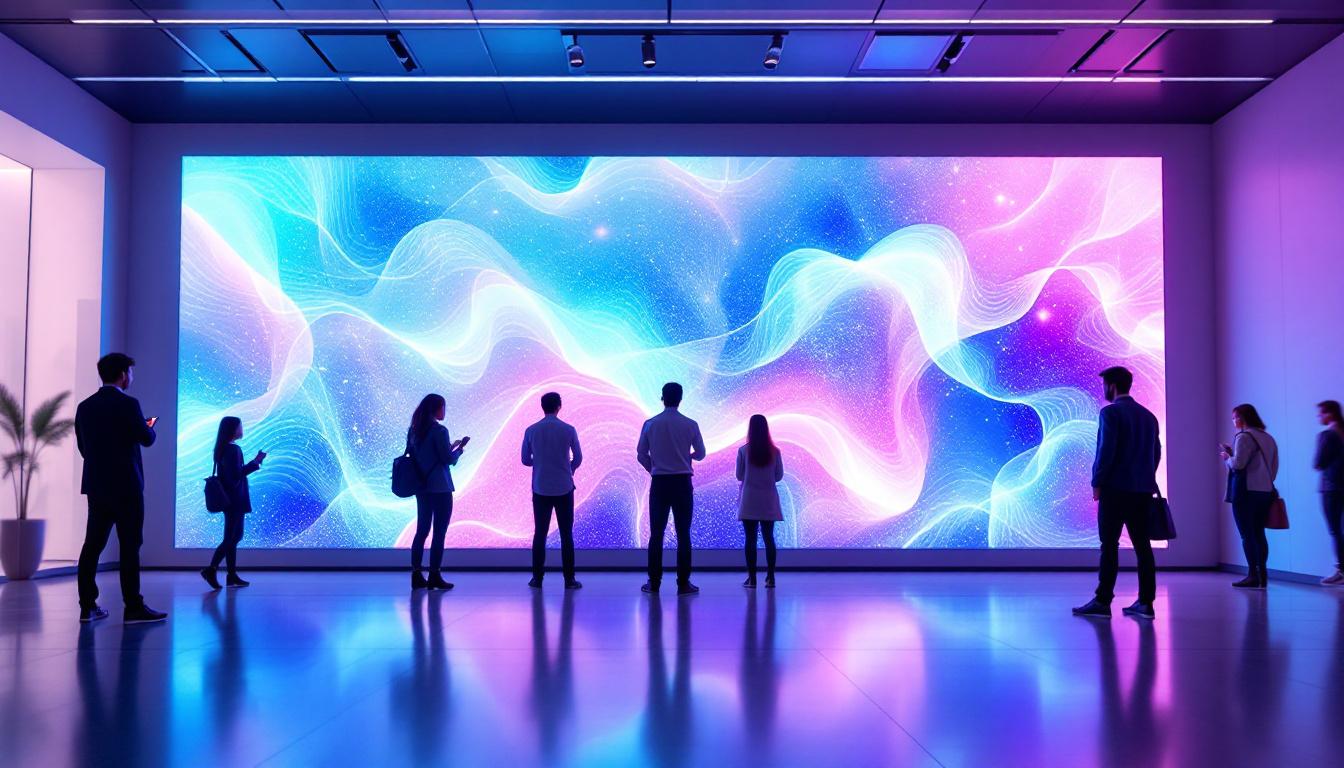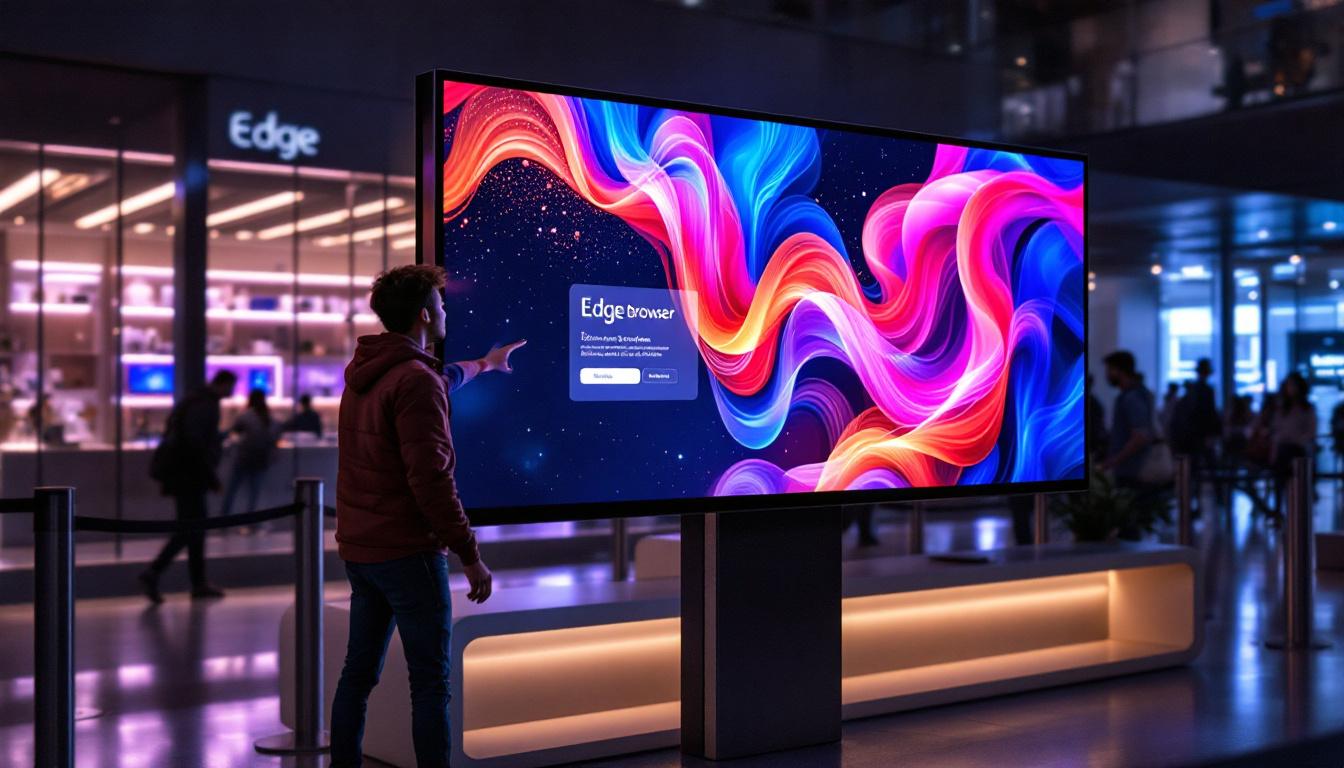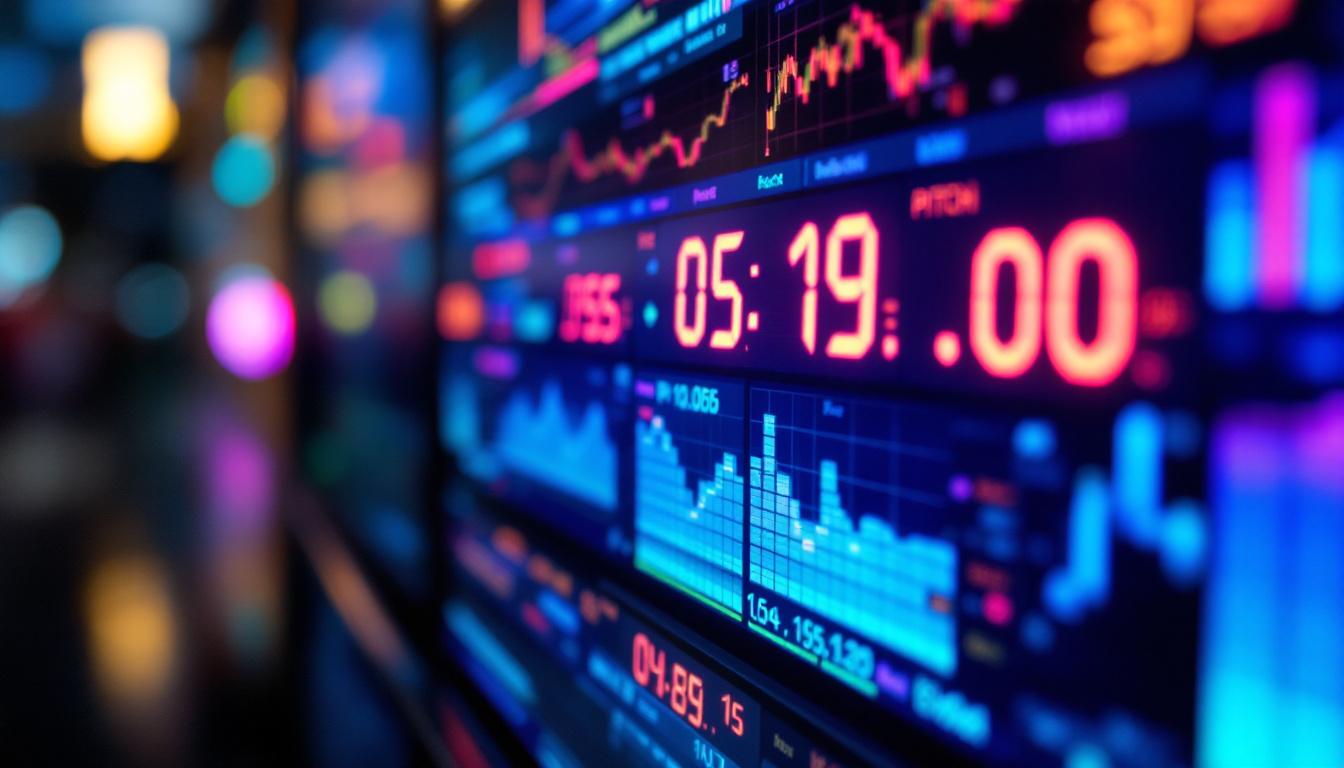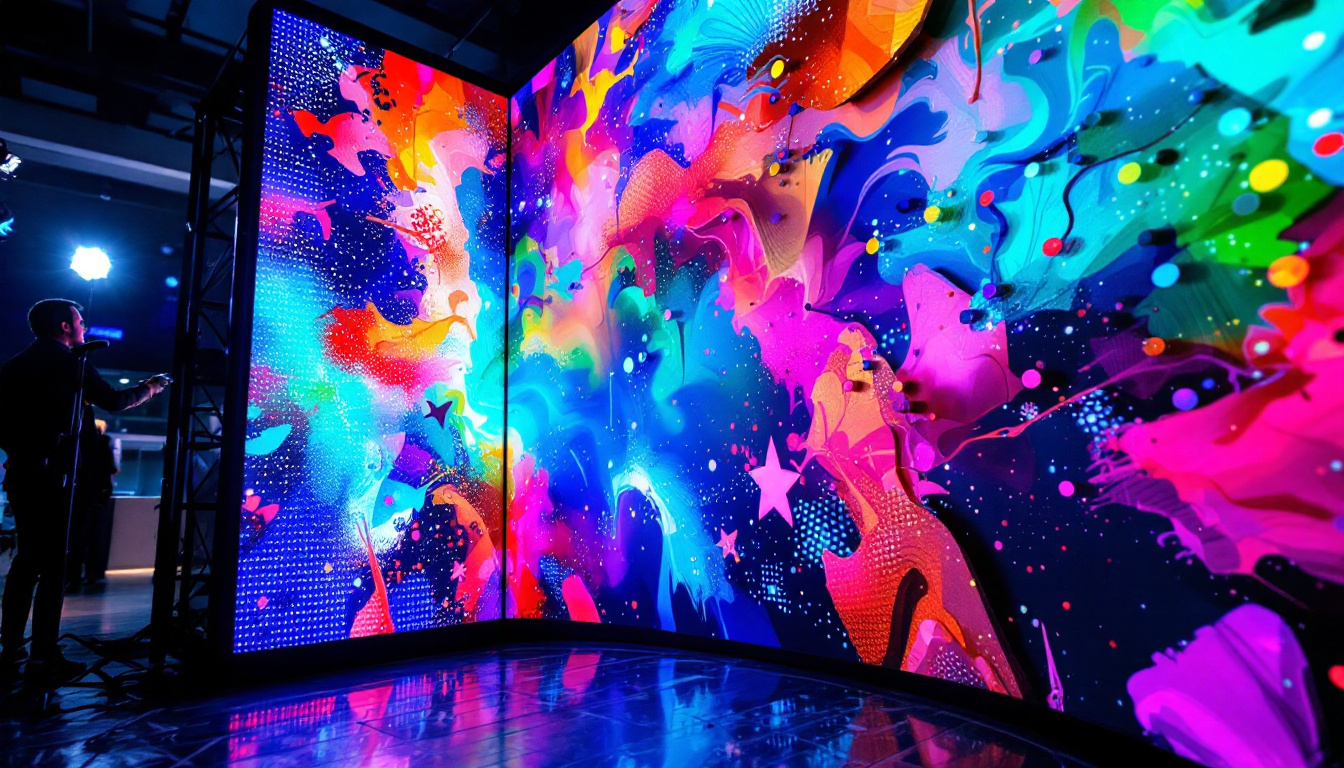
In today’s fast-evolving digital landscape, display technologies play a crucial role in communication, advertising, entertainment, and information dissemination. Among these technologies, LED displays have emerged as a dominant force, reshaping the way visuals are presented across various industries. This article delves deep into the LED display market, explaining what LED displays are, their types, advantages, applications, and the future trends shaping this dynamic sector.
Understanding LED Displays: What Are They?
LED stands for Light Emitting Diode, a semiconductor device that emits light when an electric current passes through it. LED displays utilize thousands to millions of these tiny diodes to create images and videos by controlling the light intensity and color of each diode. Unlike traditional display technologies such as LCD or plasma, LEDs produce their own light, which results in brighter, more vibrant images and greater energy efficiency. This self-illuminating property allows LED displays to achieve deeper blacks and a wider color gamut, making them a preferred choice for high-definition content and dynamic visuals.
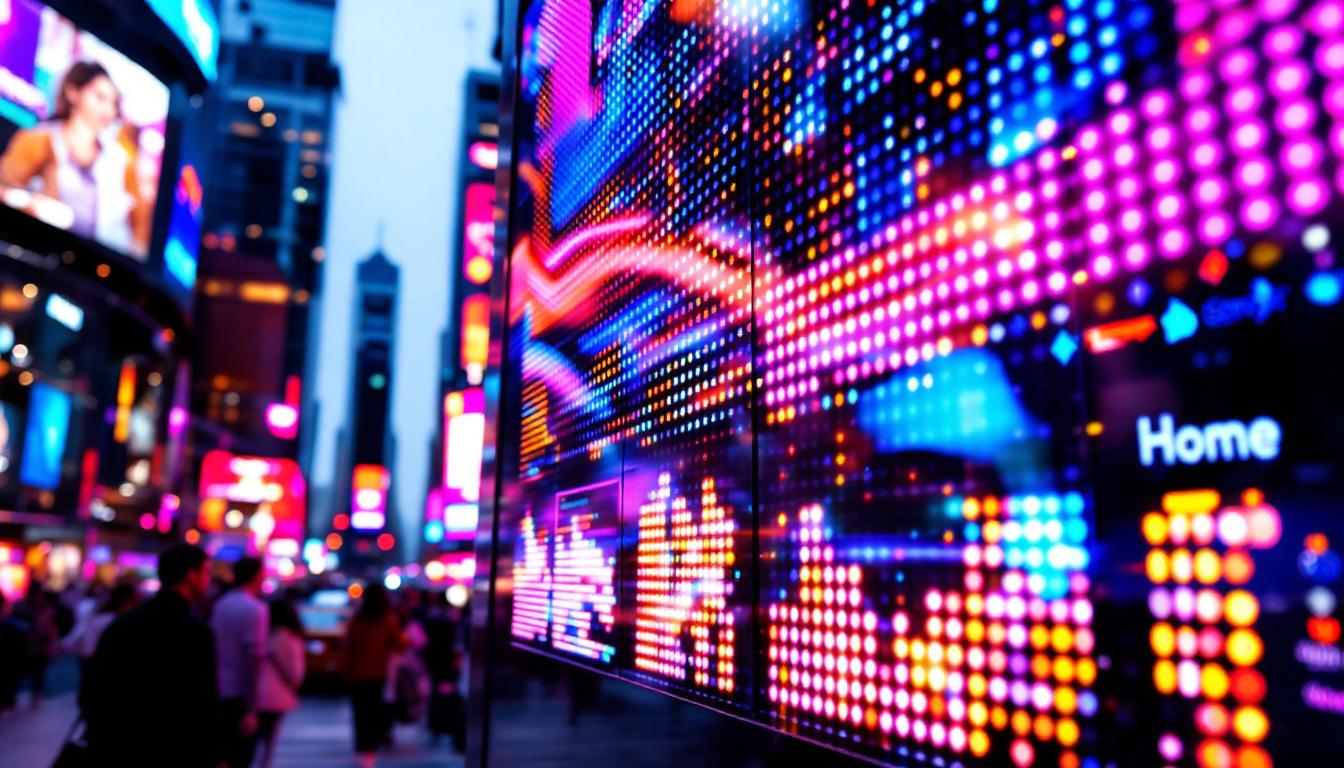
The core principle behind LED displays is the arrangement of these diodes in a grid or matrix format, where each diode acts as a pixel or part of a pixel. By varying the brightness and color of each diode, the display can render detailed images, animations, and videos. This technology is scalable, allowing for small handheld screens as well as massive outdoor billboards. The versatility of LED displays also extends to their ability to adapt to various environments, whether it’s a bright outdoor setting or a dimly lit indoor space, ensuring optimal visibility and performance in all conditions.
Types of LED Displays
LED displays are broadly categorized based on their structure and application:
- Direct View LED (DVLED) Displays: These displays use LEDs as the actual pixels. They are commonly used in large-scale applications such as stadium screens, outdoor advertising billboards, and digital signage. DVLEDs offer exceptional brightness and viewing angles, making them ideal for environments where visibility from a distance is crucial. Their modular design also allows for easy customization in size and shape, enabling creative installations that can fit any architectural space.
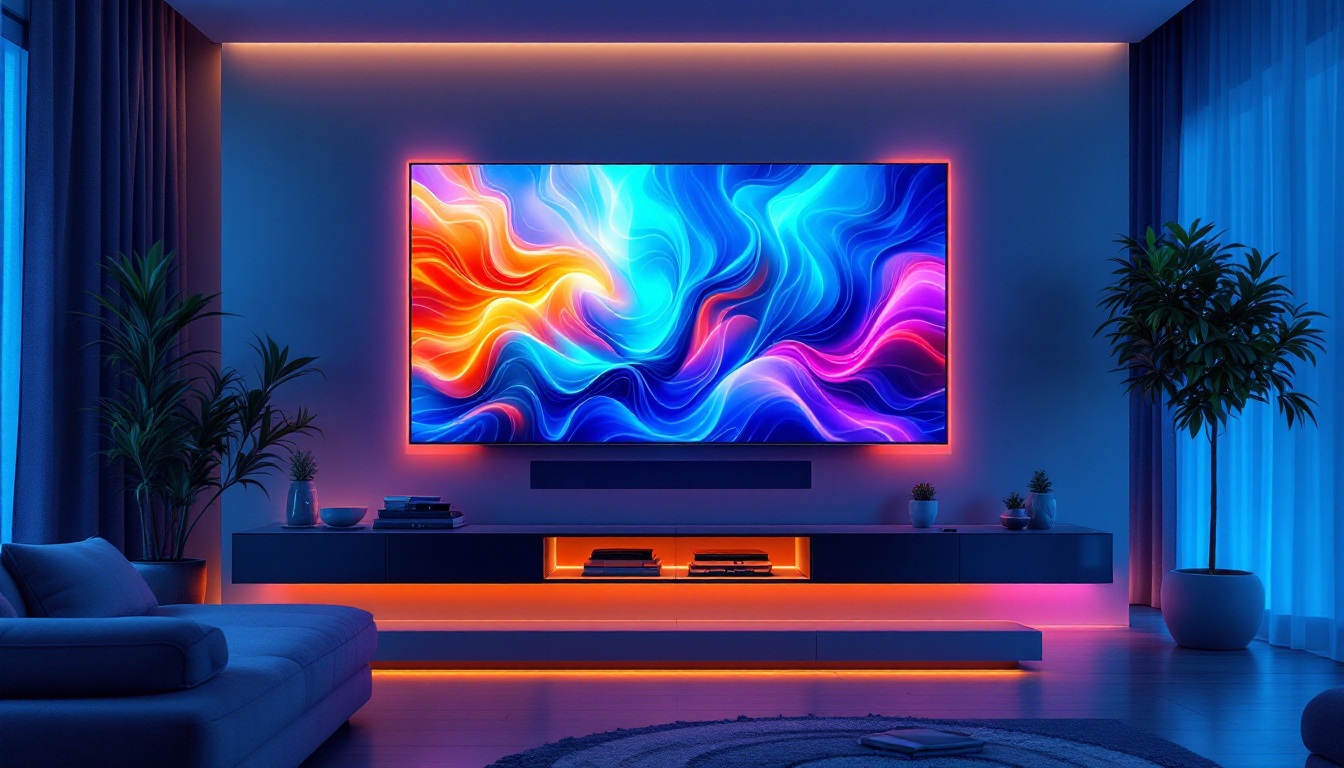
- LED-Backlit LCD Displays: In this type, LEDs serve as a backlight for LCD panels. This is the most common technology for televisions, computer monitors, and smartphones. It combines the color accuracy of LCDs with the energy efficiency and slim profile of LEDs. The use of local dimming in LED-backlit LCDs enhances contrast ratios, allowing for more lifelike images, especially in scenes with varying brightness levels.
- MicroLED Displays: An emerging technology where microscopic LEDs form the display pixels. MicroLEDs promise superior brightness, contrast, and energy efficiency compared to OLED and LCD technologies, though they are currently expensive and complex to manufacture. This innovative technology has the potential to revolutionize the display market with its ability to deliver seamless images without the risk of burn-in, a common issue with OLED displays. As production techniques advance, MicroLEDs may become more accessible, paving the way for next-generation televisions and portable devices.
In addition to these primary types, LED displays are also being integrated into various sectors, including automotive, healthcare, and retail. For instance, automotive manufacturers are increasingly utilizing LED technology in dashboard displays and head-up displays, providing drivers with critical information in a clear and visually appealing manner. In healthcare, LED screens are used in medical imaging and patient monitoring systems, where clarity and precision are paramount. Retailers are leveraging LED displays for dynamic advertising and interactive experiences, enhancing customer engagement in stores.
The rapid advancement of LED technology continues to open new possibilities, such as flexible displays that can be curved or rolled, and transparent displays that allow for innovative applications in architecture and design. As research and development in this field progresses, we can expect even more groundbreaking applications that will reshape how we interact with digital content in our daily lives.
Why LED Displays Dominate the Market
The LED display market has witnessed exponential growth over the past decade, driven by several compelling advantages that make LEDs the preferred choice across multiple sectors.
Brightness and Visibility
One of the most significant benefits of LED displays is their exceptional brightness. LEDs can achieve luminance levels far exceeding those of LCD or OLED displays, making them highly visible even in direct sunlight. This capability is especially critical for outdoor advertising, traffic signals, and public information displays.
Energy Efficiency and Longevity
Compared to traditional display technologies, LEDs consume significantly less power. This energy efficiency translates into lower operating costs, an important factor for businesses managing large-scale digital signage networks. Additionally, LEDs have a longer lifespan, often exceeding 50,000 hours of operation, reducing maintenance and replacement expenses.
Color Accuracy and Contrast
LED displays offer vibrant colors and deep contrast ratios. Direct View LED displays, in particular, can produce true blacks by turning off individual diodes, resulting in high contrast images. This feature enhances visual appeal and improves readability, which is vital for advertising and broadcast applications.
Flexibility and Scalability
LED technology is highly adaptable. Displays can be manufactured in various shapes and sizes, from small wearable devices to massive video walls spanning hundreds of square meters. Modular LED panels can be seamlessly tiled to create custom configurations, enabling creative and impactful visual experiences.
Applications of LED Displays Across Industries
The versatility and performance of LED displays have led to their widespread adoption across diverse industries. Understanding these applications highlights the importance of LED technology in modern communication and entertainment.
Advertising and Digital Signage
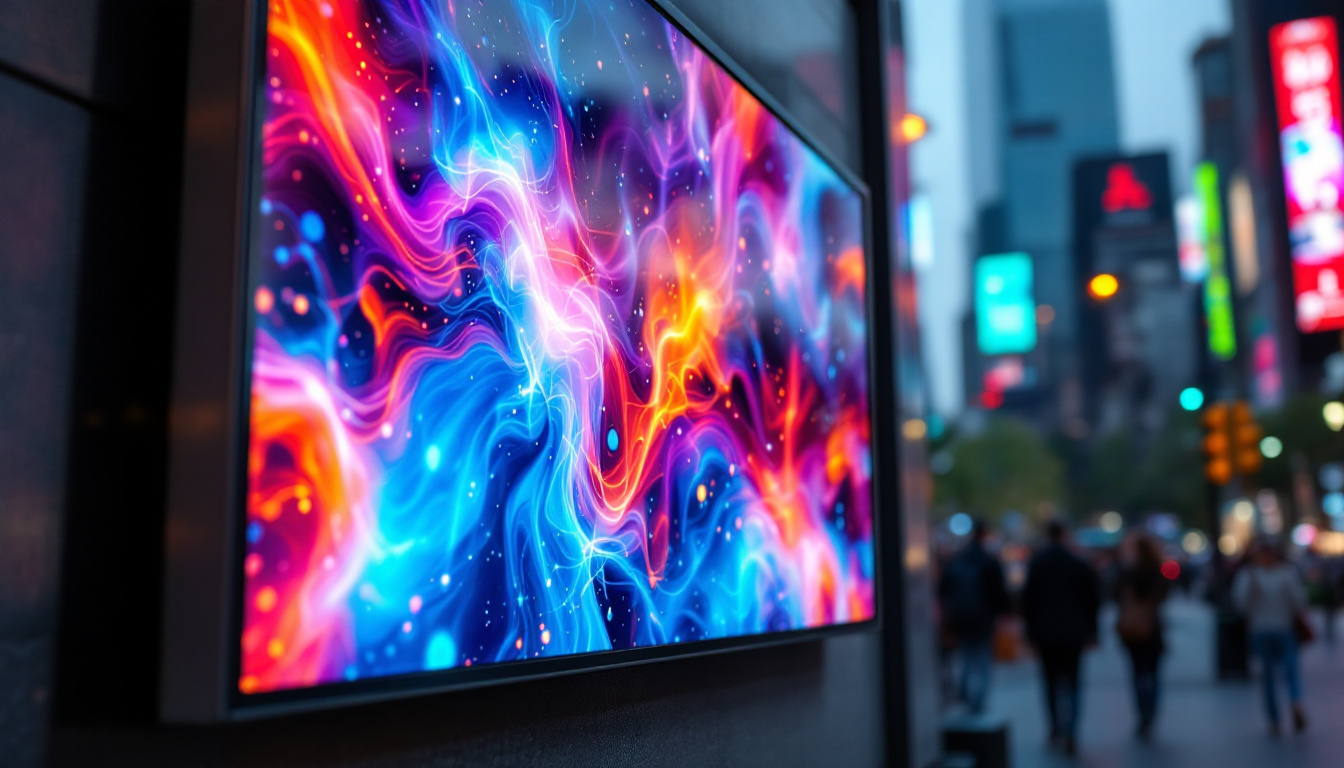
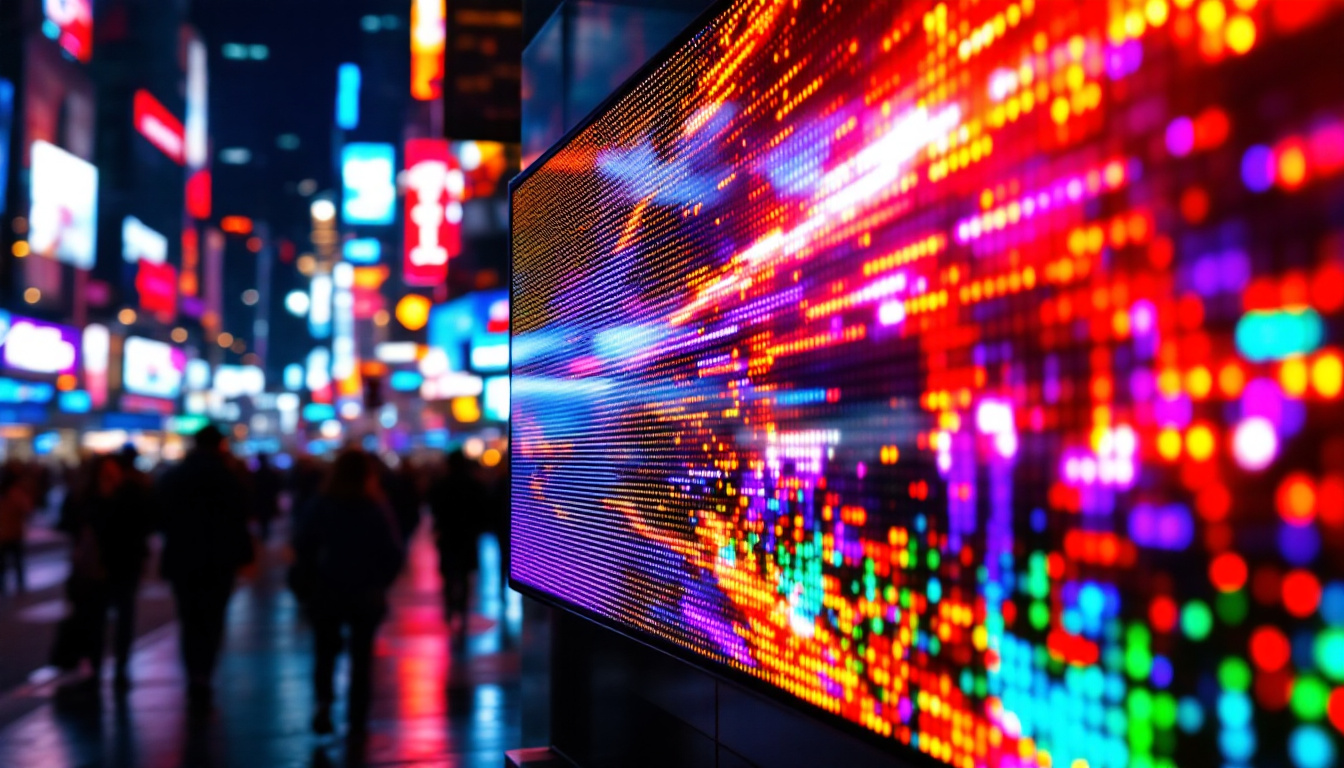
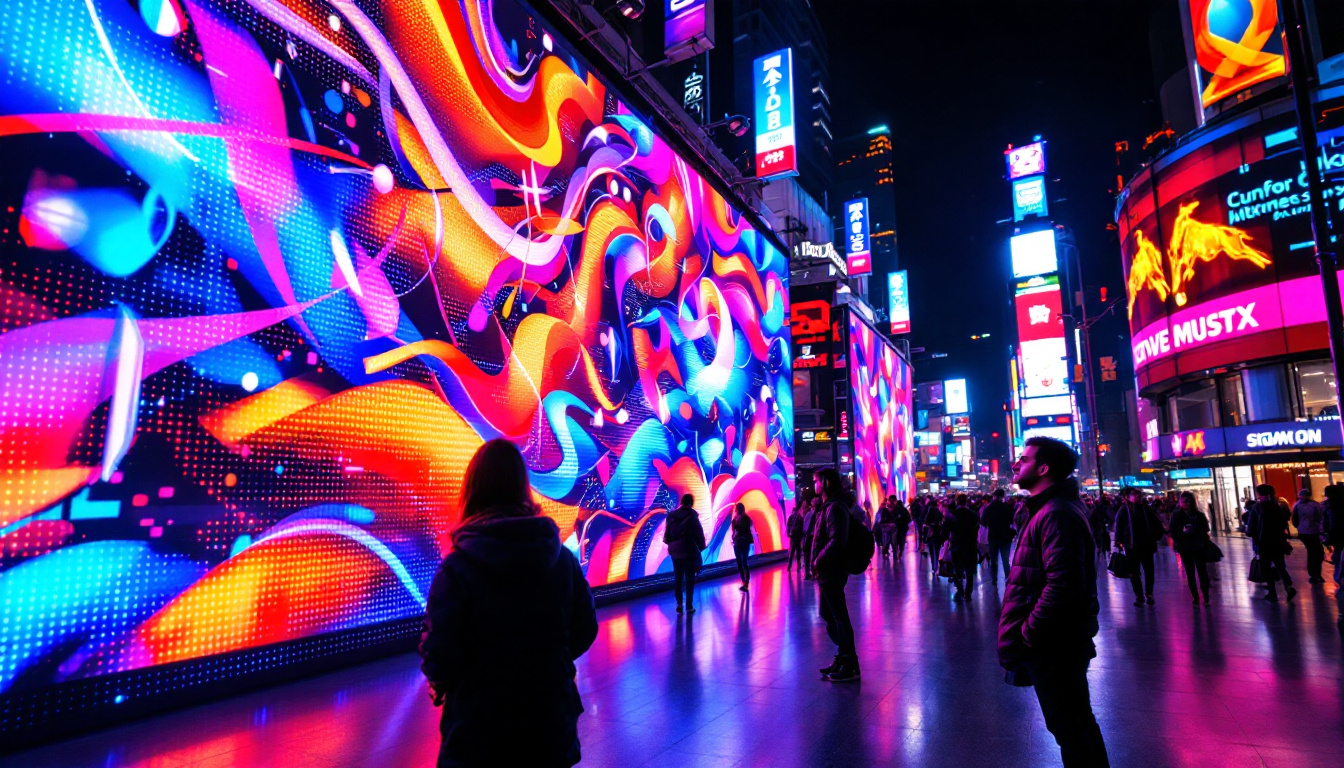
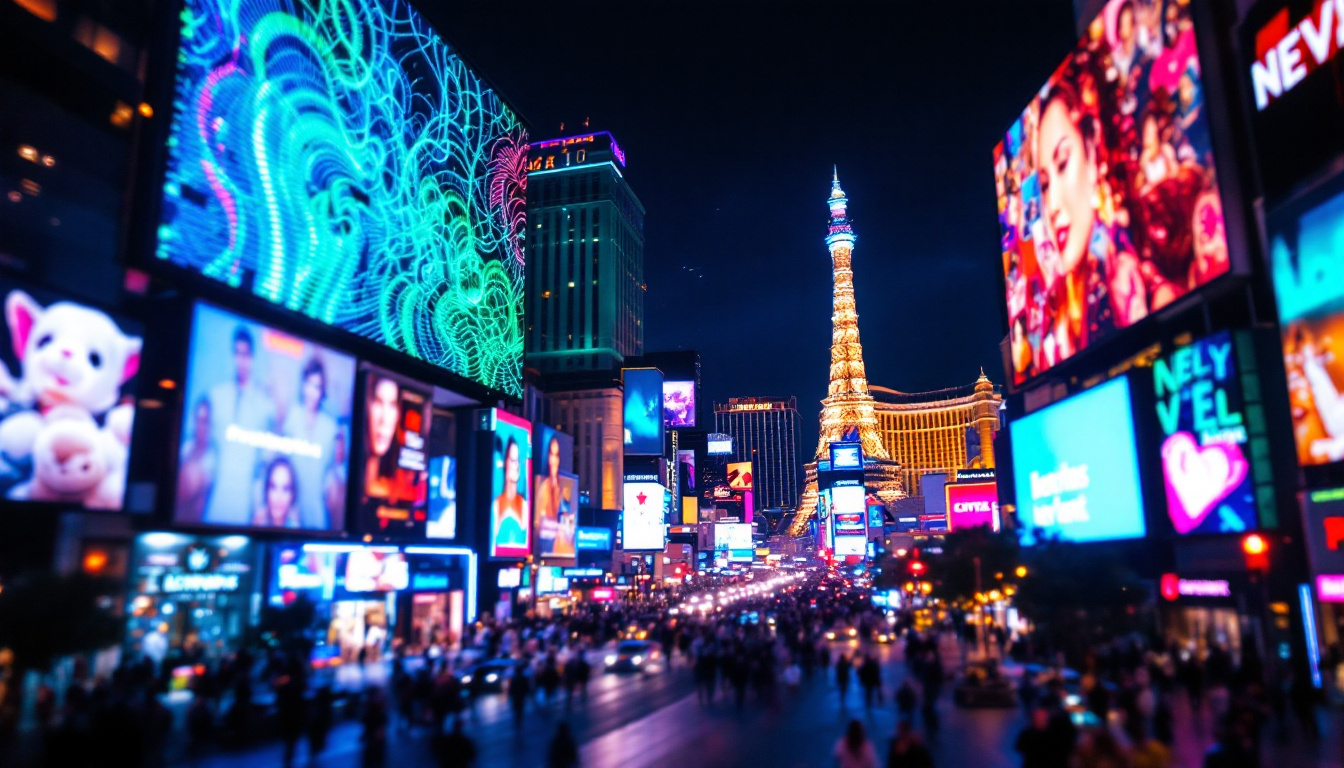
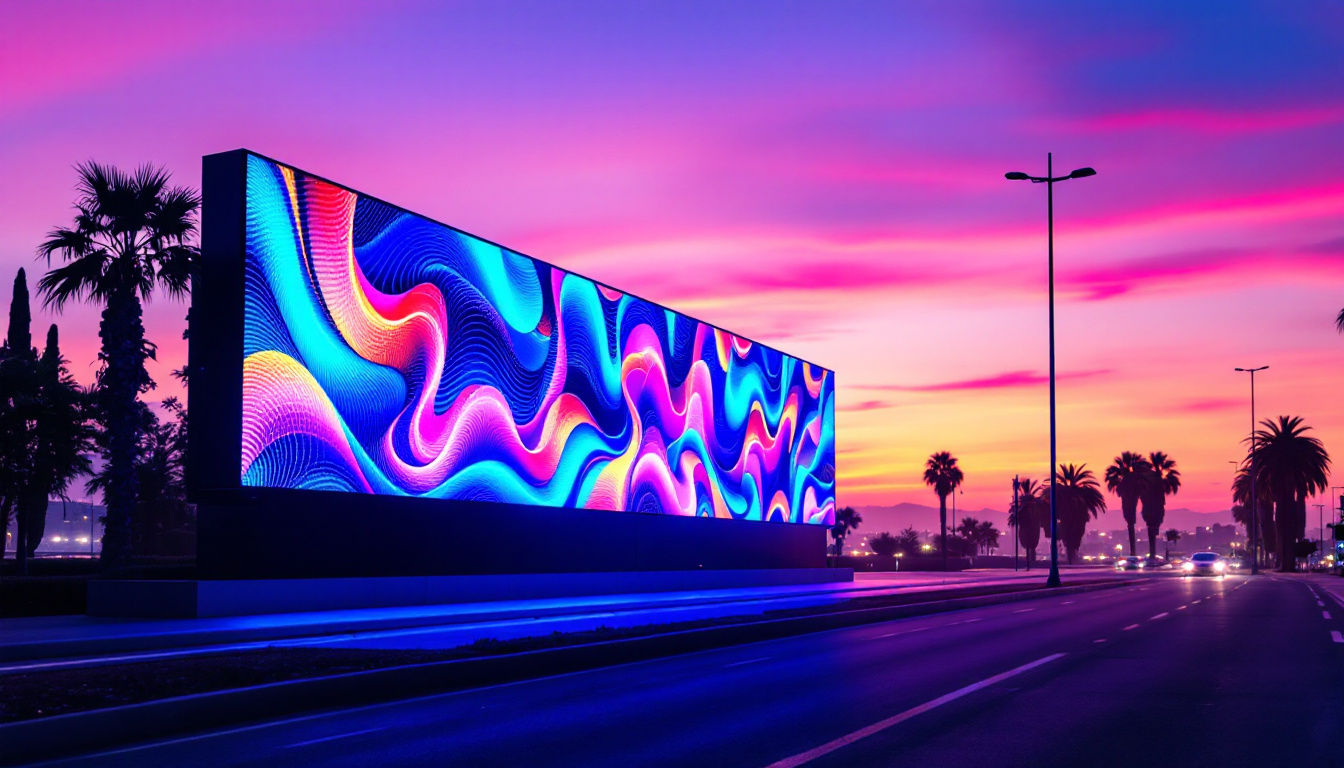
Outdoor and indoor advertising are among the largest markets for LED displays. Billboards, retail store signage, and transit advertising leverage LED’s brightness and dynamic content capabilities to capture consumer attention. According to industry reports, the global digital signage market is expected to reach over $30 billion by 2027, with LED displays accounting for a significant share due to their superior performance.
Sports and Entertainment Venues
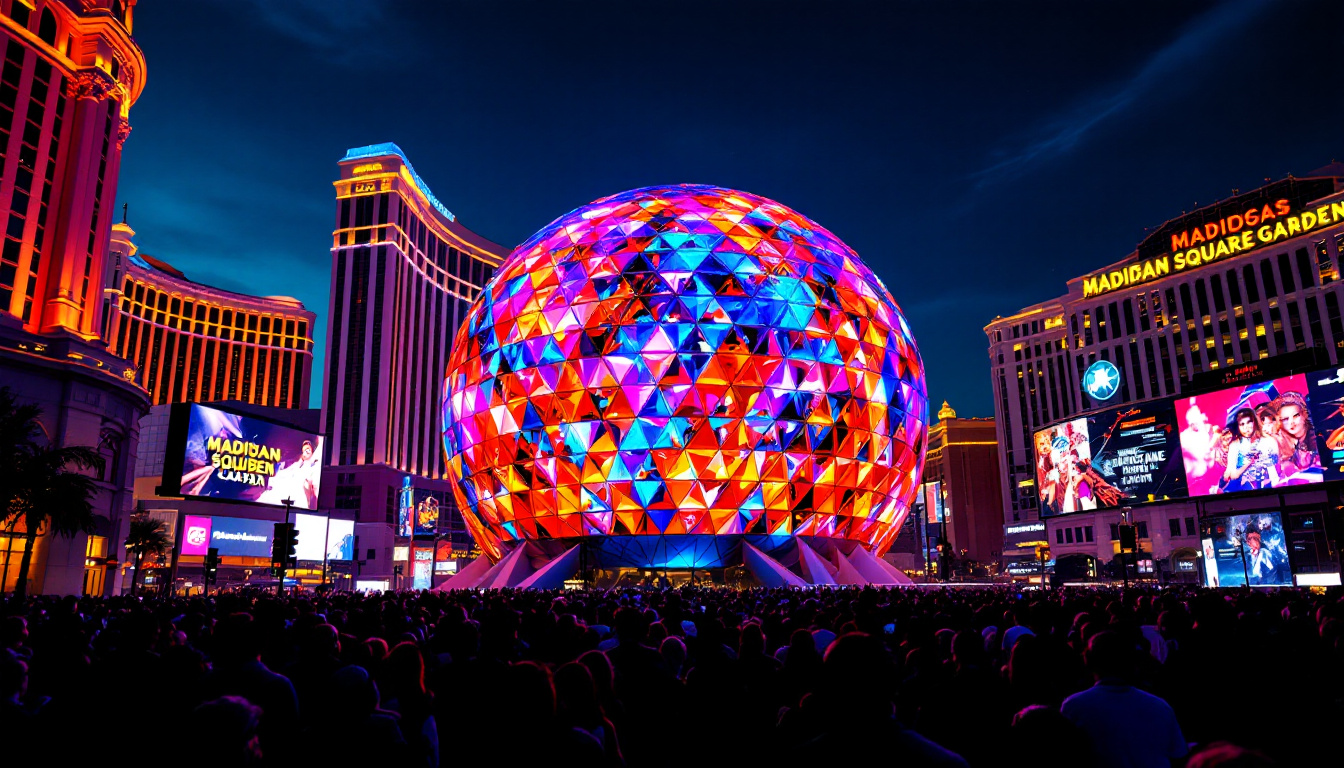
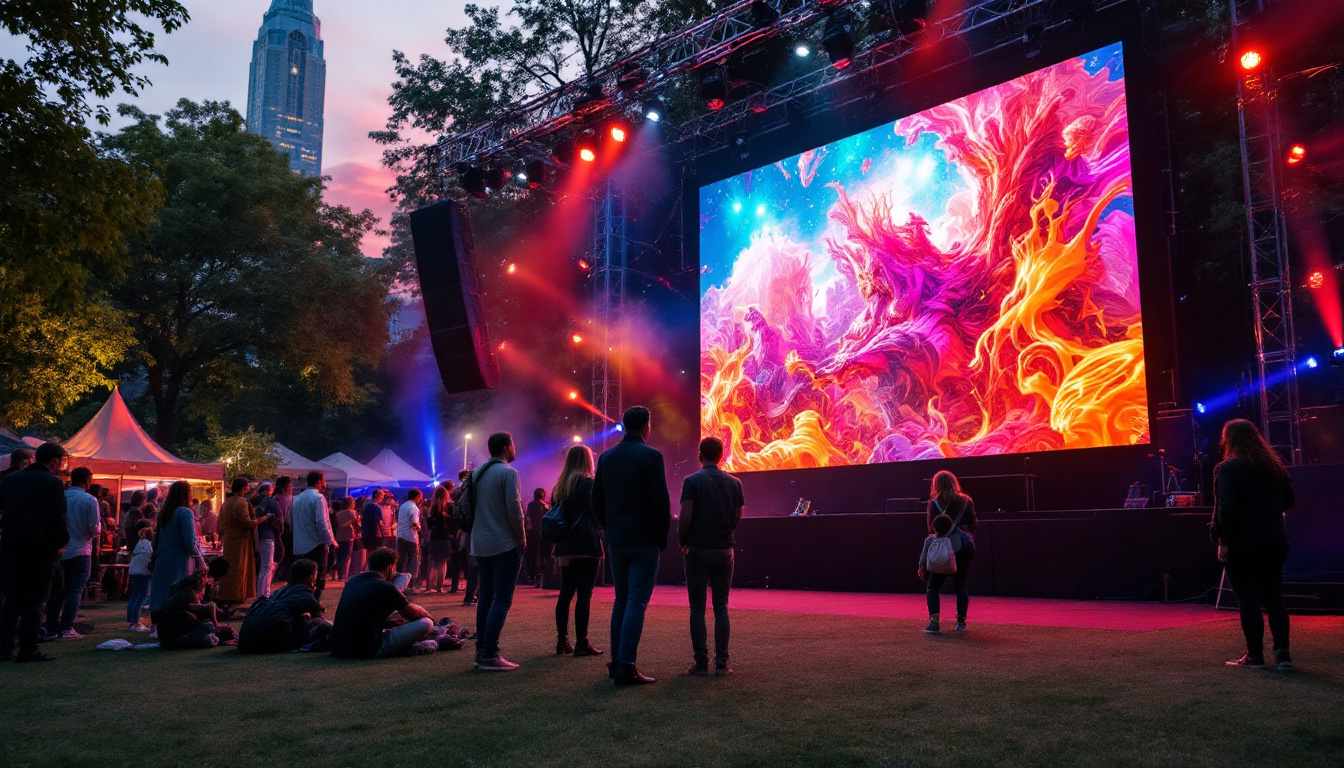
Stadiums, arenas, and concert venues use massive LED screens to enhance the spectator experience. These displays provide live video feeds, replays, scores, and interactive content. The ability to withstand harsh weather conditions and deliver high-quality visuals makes LED displays ideal for outdoor venues.
Broadcast and Control Rooms
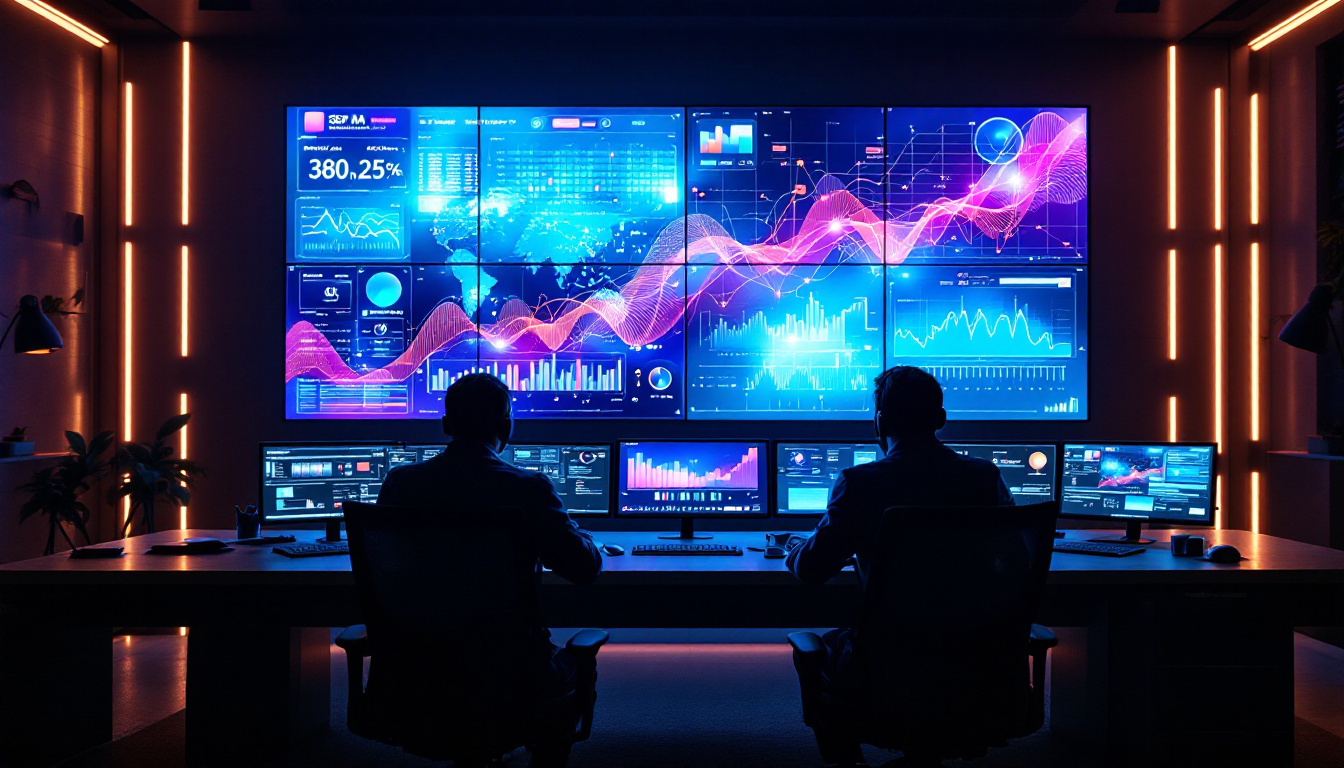
Newsrooms, control centers, and command rooms rely on LED video walls for monitoring and information display. The high resolution and seamless image quality enable operators to analyze data efficiently and make informed decisions quickly.
Transportation and Public Information
LED displays are commonly used in airports, train stations, and bus terminals to provide real-time schedules, alerts, and wayfinding information. Their visibility and reliability are crucial for ensuring smooth passenger flow and safety.
Retail and Hospitality
Retailers use LED displays for promotional content, interactive kiosks, and immersive brand experiences. Hotels and restaurants employ LED screens for menus, entertainment, and ambiance enhancement, contributing to customer engagement and satisfaction.
Market Trends and Future Outlook
The LED display market continues to evolve rapidly, driven by technological advancements, changing consumer preferences, and new applications. Several trends are shaping the future of this industry.
Growth of MicroLED Technology
MicroLED displays are poised to revolutionize the market by combining the best attributes of OLED and traditional LEDs—offering superior brightness, contrast, and energy efficiency without the burn-in issues associated with OLEDs. Although still in early stages, companies are investing heavily in microLED research and development, anticipating commercial availability within the next few years.
Integration with Smart Technologies
LED displays are increasingly integrated with IoT (Internet of Things) and AI-powered content management systems. This integration enables dynamic, context-aware content delivery, real-time analytics, and remote control, enhancing the effectiveness of digital signage networks and interactive displays.
Environmental Sustainability
With growing awareness of environmental impact, manufacturers are focusing on eco-friendly LED display solutions. Innovations include the use of recyclable materials, energy-efficient designs, and longer-lasting components, aligning with global sustainability goals.
Expansion in Emerging Markets
Emerging economies in Asia, Latin America, and Africa are witnessing increased adoption of LED display technologies due to urbanization, infrastructure development, and rising consumer spending. This expansion presents significant growth opportunities for manufacturers and service providers.
Choosing the Right LED Display: Key Considerations
For businesses and organizations looking to invest in LED displays, understanding the critical factors that influence performance and cost is essential.
Pixel Pitch and Resolution
Pixel pitch refers to the distance between the centers of two adjacent LEDs. Smaller pixel pitches result in higher resolution and sharper images, suitable for close viewing distances. Conversely, larger pixel pitches are cost-effective for large-scale displays viewed from afar.
Brightness and Contrast Requirements
The intended environment—indoor or outdoor—dictates the brightness level needed. Outdoor displays require higher brightness to combat sunlight glare, while indoor displays prioritize contrast and color accuracy.
Durability and Weather Resistance
Outdoor LED displays must withstand rain, dust, temperature fluctuations, and UV exposure. Look for displays with appropriate IP (Ingress Protection) ratings and robust build quality to ensure longevity.
Installation and Maintenance
Modular designs facilitate easier installation and maintenance. Consider the availability of local technical support and warranty terms to minimize downtime.
Conclusion
The LED display market is a vibrant and rapidly growing sector, fueled by technological innovation and expanding applications. From dazzling outdoor billboards to immersive sports arenas and smart retail environments, LED displays have transformed how visual content is delivered and experienced. Understanding the technology, market dynamics, and future trends is vital for businesses and professionals seeking to leverage LED displays effectively. As advancements like microLED and AI integration become mainstream, the future promises even more exciting possibilities for this indispensable technology.
Illuminate Your Space with LumenMatrix
As you consider the vast potential and dynamic capabilities of LED displays, LumenMatrix stands at the forefront of this technological revolution. Our commitment to innovation ensures that whether you’re looking to enhance your brand’s visibility or create an unforgettable visual experience, our range of LED display solutions—including Indoor, Outdoor, Vehicle, Poster, Sports, Floor, Custom, All-in-One, and Transparent LED Displays—has you covered. Embrace the future of visual communication with LumenMatrix and let us help you captivate your audience like never before. Check out LumenMatrix LED Display Solutions today and see your vision come to life in brilliant light.