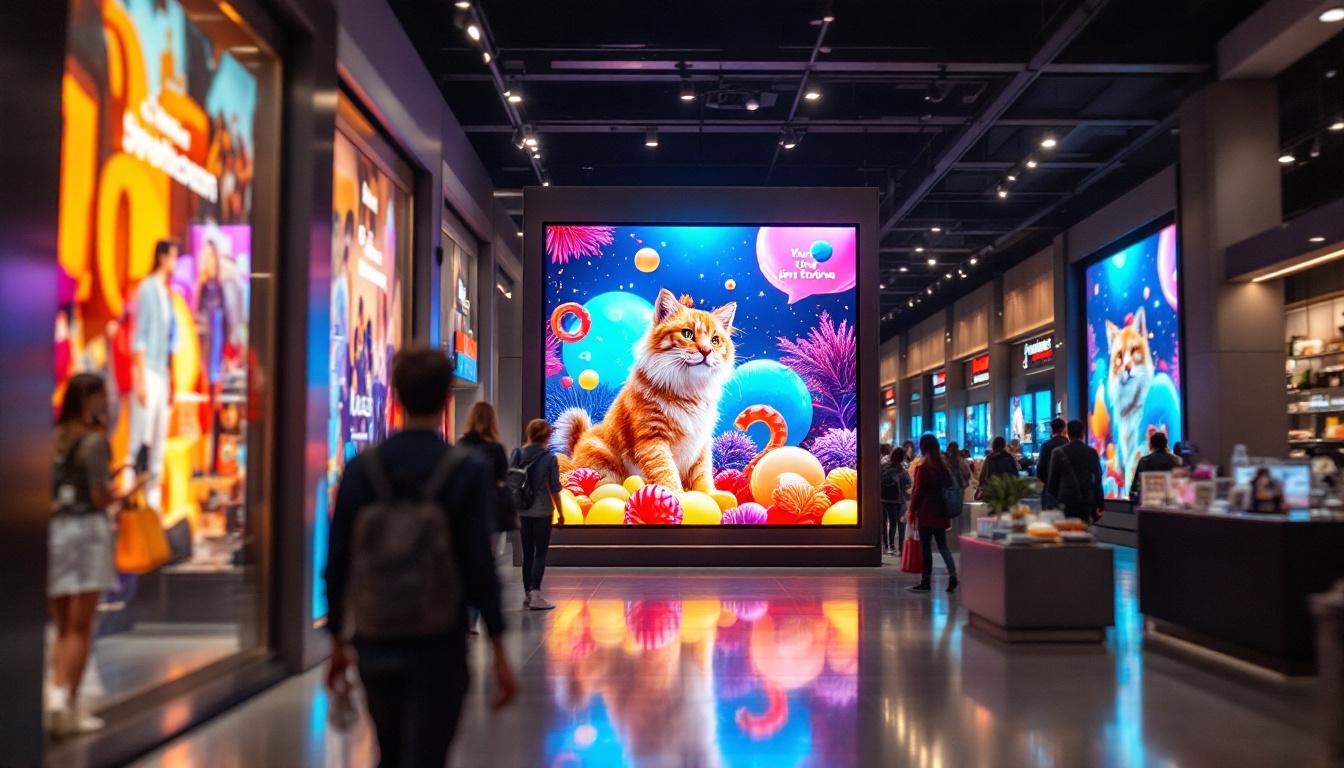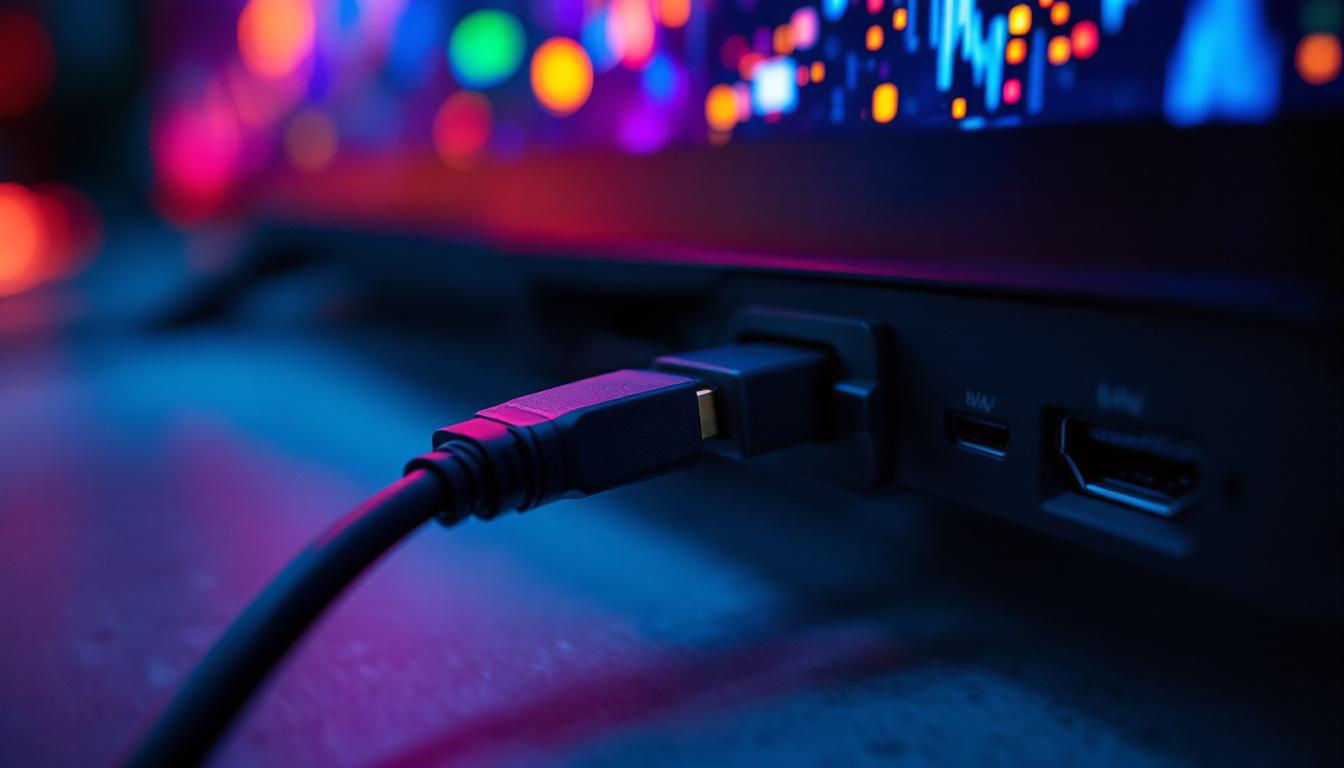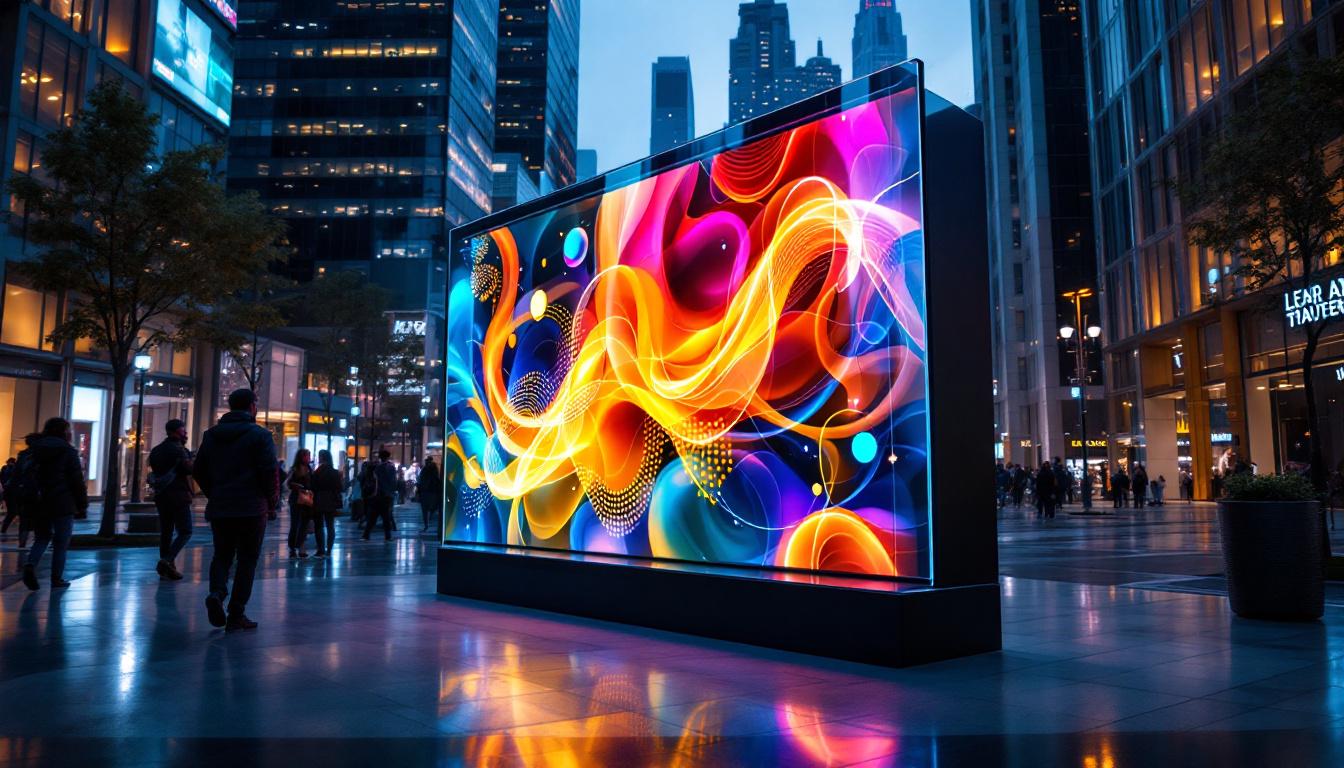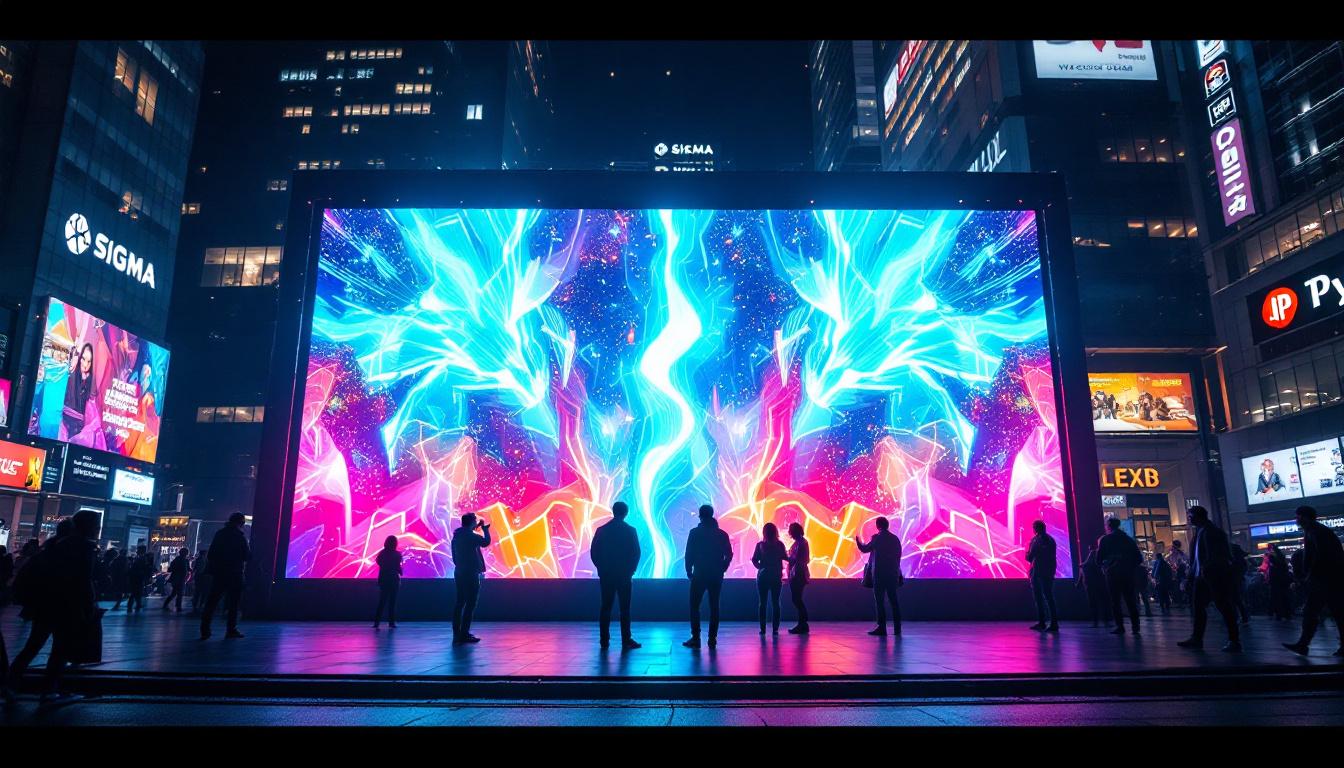
In the rapidly evolving world of display technology, LED displays have become a cornerstone for everything from smartphones and televisions to large-scale digital billboards. Their vibrant colors, energy efficiency, and versatility make them a preferred choice for consumers and manufacturers alike. But what exactly is an LED display, how does it work, and why has it become so dominant in the market? This article dives deep into the technology behind LED displays, exploring their advantages, applications, and the innovations driving their future.
Understanding LED Display Technology
LED stands for Light Emitting Diode, a semiconductor device that emits light when an electric current passes through it. Unlike traditional LCD (Liquid Crystal Display) screens that rely on backlighting, LED displays use these tiny diodes as individual light sources, which fundamentally changes how images are produced and perceived. This innovation has led to a significant evolution in display technology, making LED displays increasingly popular in various applications, from televisions and computer monitors to large-scale advertising billboards.
How LED Displays Work
At its core, an LED display consists of an array of light-emitting diodes arranged in a grid. Each diode corresponds to a pixel or sub-pixel on the screen. When electricity flows through a diode, it emits light of a specific color—typically red, green, or blue. By varying the intensity of these three colors, the display can produce a full spectrum of colors through additive color mixing. This ability to create vibrant and dynamic visuals is one reason why LED technology has become the preferred choice for high-definition displays, providing a more immersive viewing experience.
There are two primary types of LED displays: direct LED and OLED (Organic LED). Direct LED displays use inorganic LEDs as the light source, often arranged behind or within the display panel. OLED displays, on the other hand, use organic compounds that emit light when electrically stimulated, allowing for thinner and more flexible screens with superior contrast ratios. The flexibility of OLED technology has opened up new possibilities in design, enabling curved screens and even foldable devices that can adapt to various user needs.
Key Components of LED Displays
Several components work together to create the images seen on an LED display:
- LED Pixels: The smallest unit of light emission, usually comprising red, green, and blue diodes.
- Driver Circuits: Control the current supplied to each LED, regulating brightness and color.
- Display Panel: The physical structure that holds the LEDs in place and provides the screen’s shape and size.
- Control Electronics: Process input signals and translate them into instructions for the LEDs.
In addition to these core components, the quality of an LED display can also be influenced by factors such as refresh rate and resolution. A higher refresh rate ensures smoother motion, which is particularly important in fast-paced video content or gaming. Meanwhile, resolution determines the clarity of the image, with higher pixel counts allowing for finer detail and sharper visuals. As technology continues to advance, we see the emergence of even more sophisticated features, such as HDR (High Dynamic Range) support, which enhances the contrast and color accuracy of images, making them more lifelike and engaging.
Moreover, the energy efficiency of LED displays is another significant advantage. Compared to traditional display technologies, LEDs consume less power, which not only reduces electricity costs but also contributes to a lower environmental impact. This aspect is particularly appealing in commercial settings, where large displays are often in use for extended periods. As sustainability becomes a priority for many businesses, the adoption of LED technology aligns well with eco-friendly initiatives, making it a smart choice for both consumers and corporations alike.
Advantages of LED Displays Over Other Technologies
LED displays have surged in popularity due to several distinct advantages over older or competing display technologies like LCD, plasma, and even traditional LEDs used as backlighting. These benefits are critical for consumers, manufacturers, and industries relying on high-quality visual output.
Superior Brightness and Contrast
One of the most notable advantages of LED displays is their exceptional brightness. LEDs can achieve luminance levels exceeding 1,000 nits, which is significantly higher than many LCD screens. This brightness makes LED displays highly visible even in direct sunlight, a crucial feature for outdoor advertising and mobile devices used in various lighting conditions.
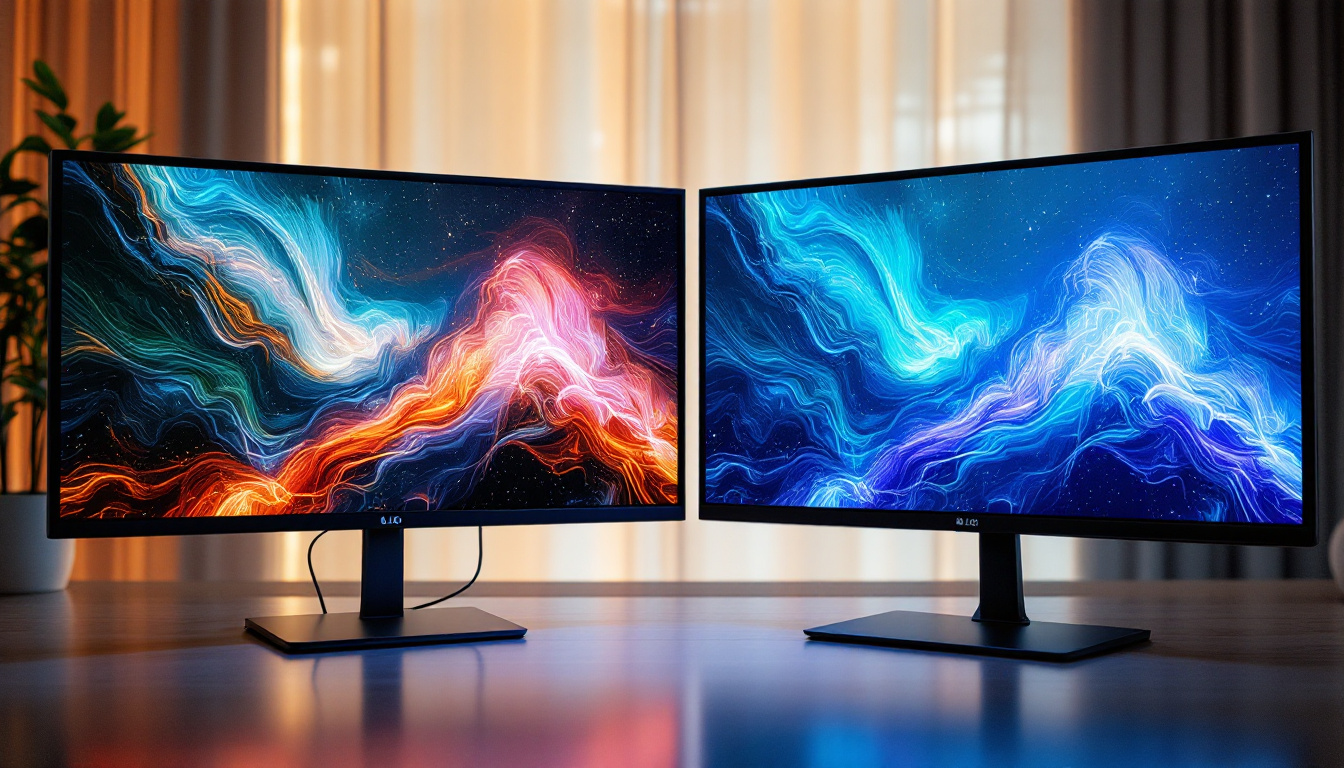
Additionally, LED displays, especially OLED variants, offer superior contrast ratios. Because OLED pixels emit light individually, they can turn off completely to produce true blacks. This capability results in richer images and more immersive viewing experiences, particularly in dark environments.
Energy Efficiency
Compared to traditional backlit LCDs or plasma screens, LED displays consume less power. The efficiency stems from the fact that LEDs emit light directly and can be controlled precisely, reducing wasted energy. This efficiency not only lowers electricity bills but also contributes to longer battery life in portable devices like smartphones and laptops.
Durability and Longevity
LEDs are solid-state devices, meaning they have no fragile filaments or glass tubes like older technologies. This robustness translates into longer lifespans and greater resistance to shock and vibration. For industries such as transportation and outdoor advertising, where displays face harsh conditions, this durability is invaluable.
Applications of LED Displays Across Industries
The versatility of LED display technology has led to its adoption in a wide range of applications, each benefiting from the unique properties of LEDs.
Consumer Electronics
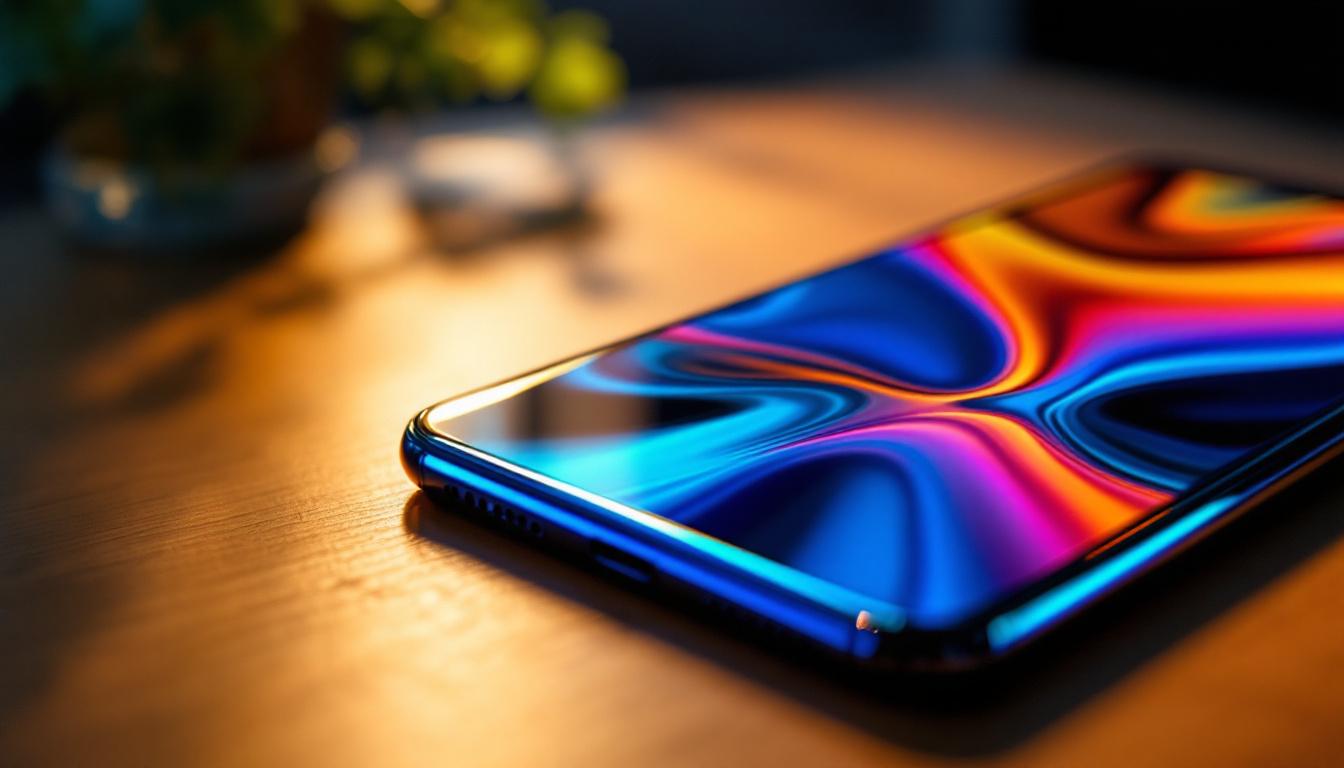
Smartphones, tablets, laptops, and televisions have all embraced LED technology. OLED screens, in particular, have become the gold standard for flagship smartphones due to their thin profiles, vibrant colors, and deep blacks. Leading brands have integrated OLED panels into their devices to enhance user experience and display quality.
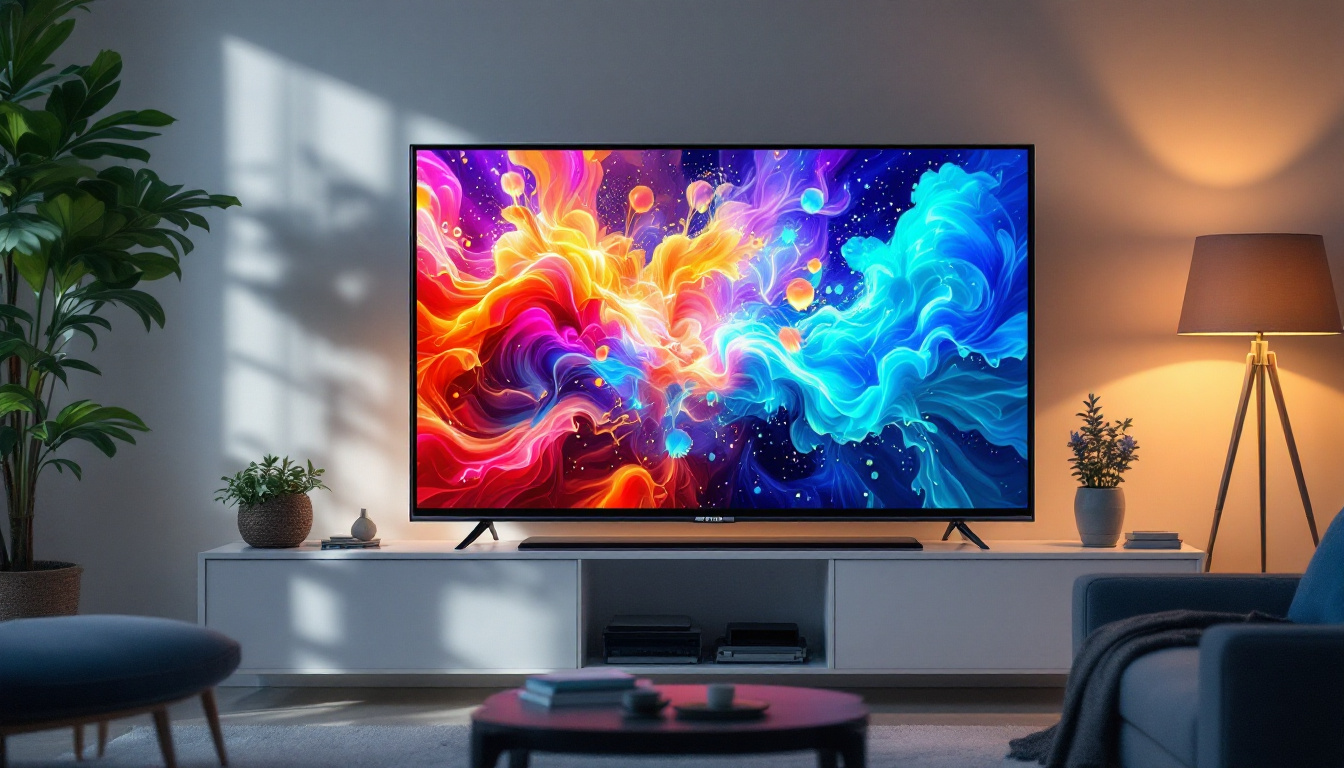
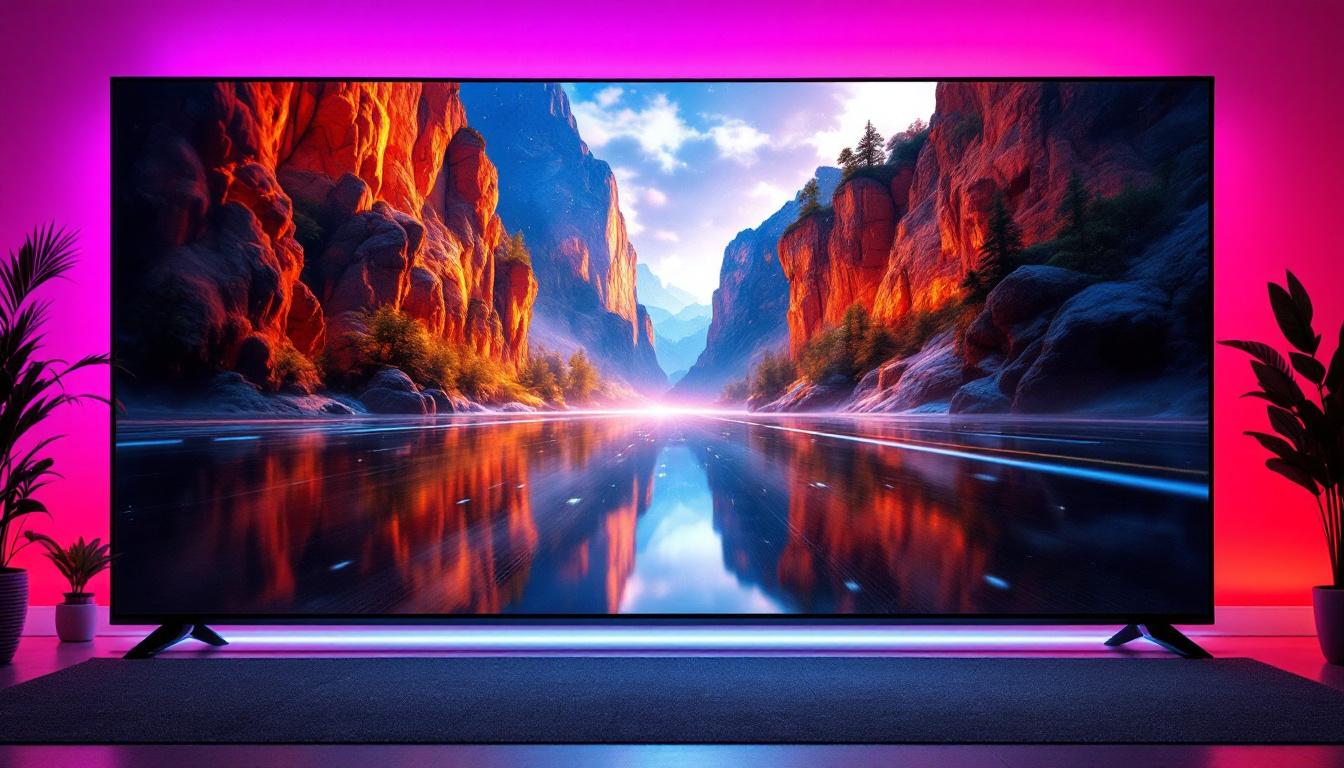
Televisions with LED backlighting have largely replaced older plasma and LCD models, offering better energy efficiency and improved picture quality. The rise of 4K and 8K resolutions further emphasizes the need for high-performance LED displays capable of rendering detailed images with precision.
Outdoor and Large-Scale Displays
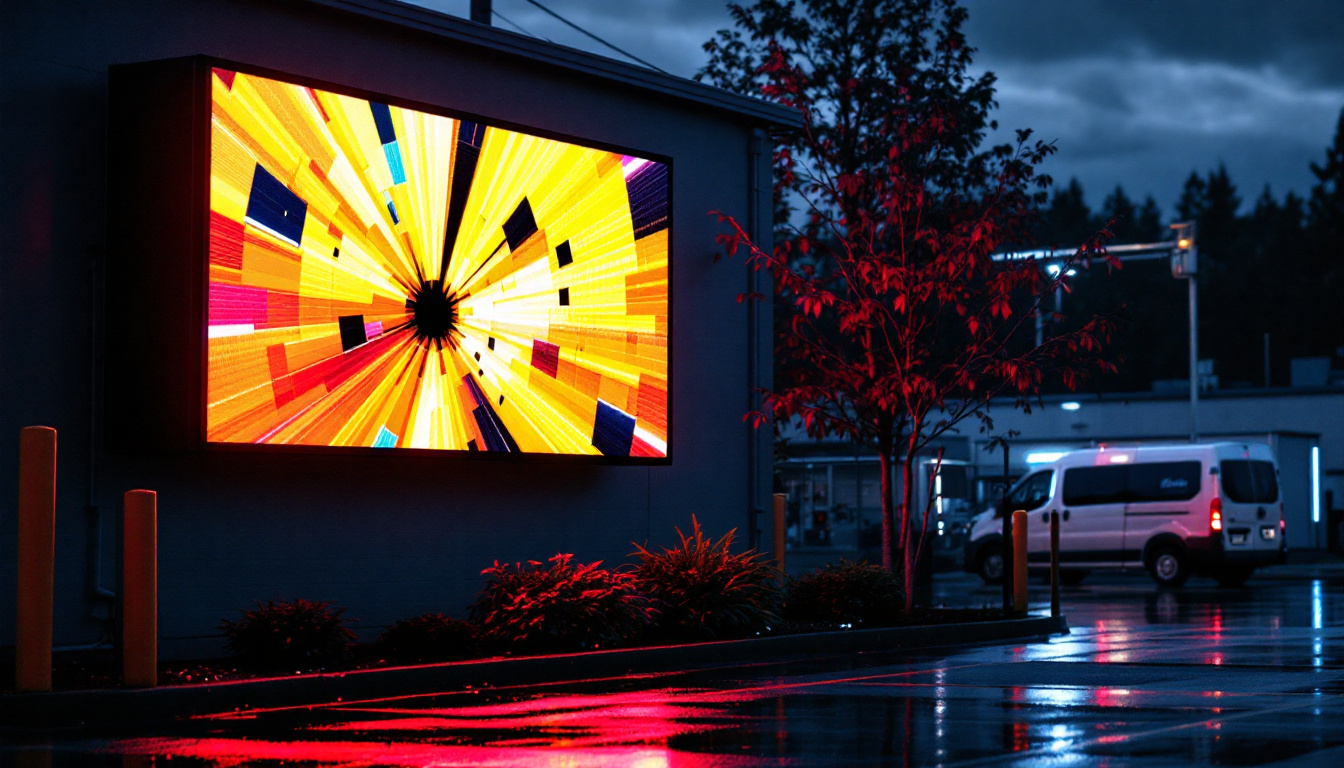
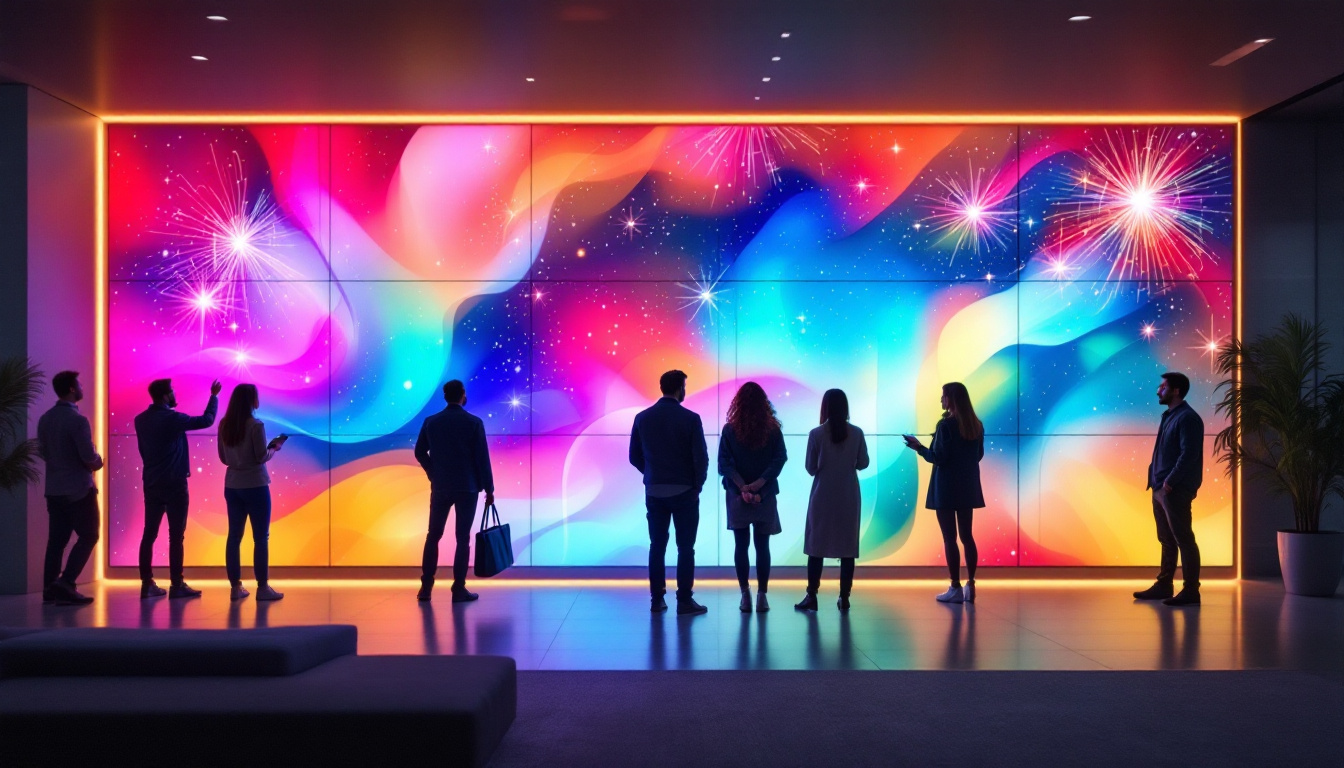
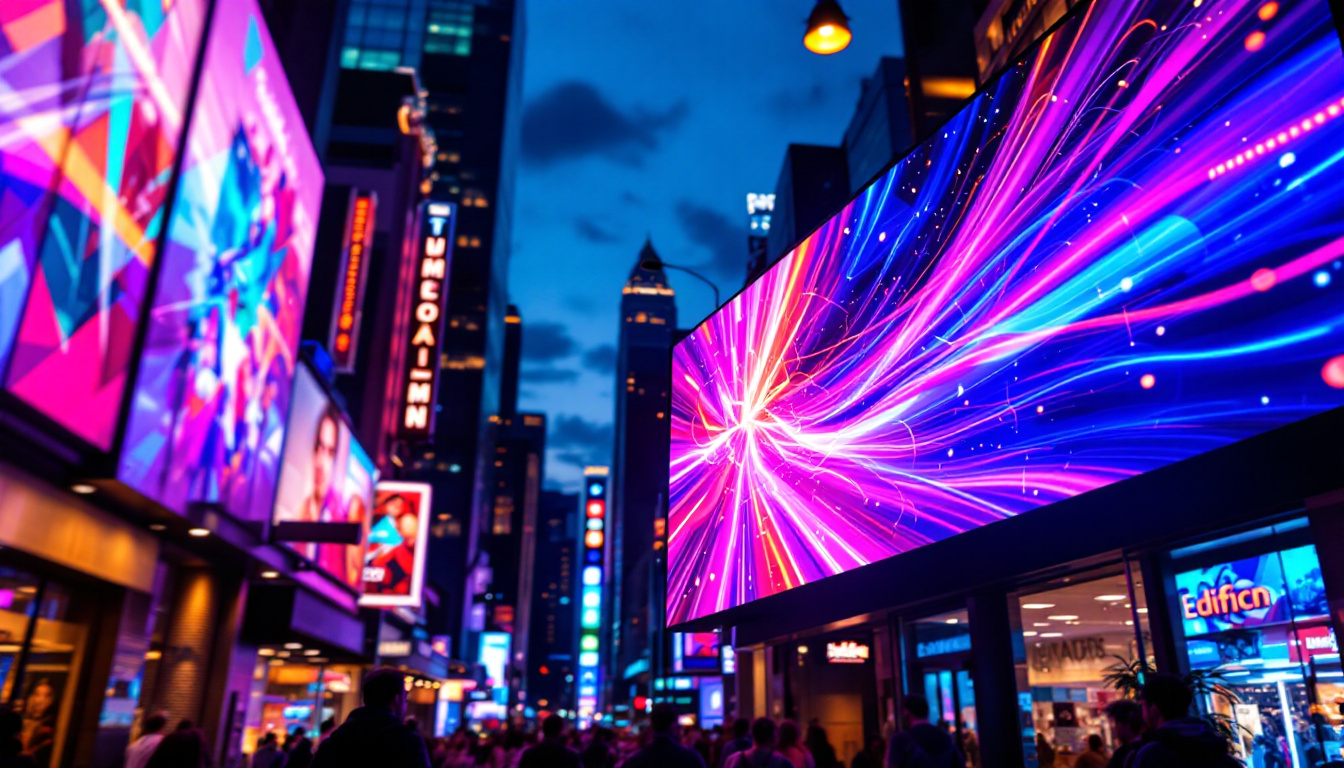
LED displays dominate outdoor advertising, sports arenas, and public information boards. Their high brightness and weather resistance make them ideal for these environments. For example, Times Square in New York City features massive LED billboards that attract millions of viewers daily, showcasing the technology’s ability to deliver vivid, attention-grabbing content on a grand scale.
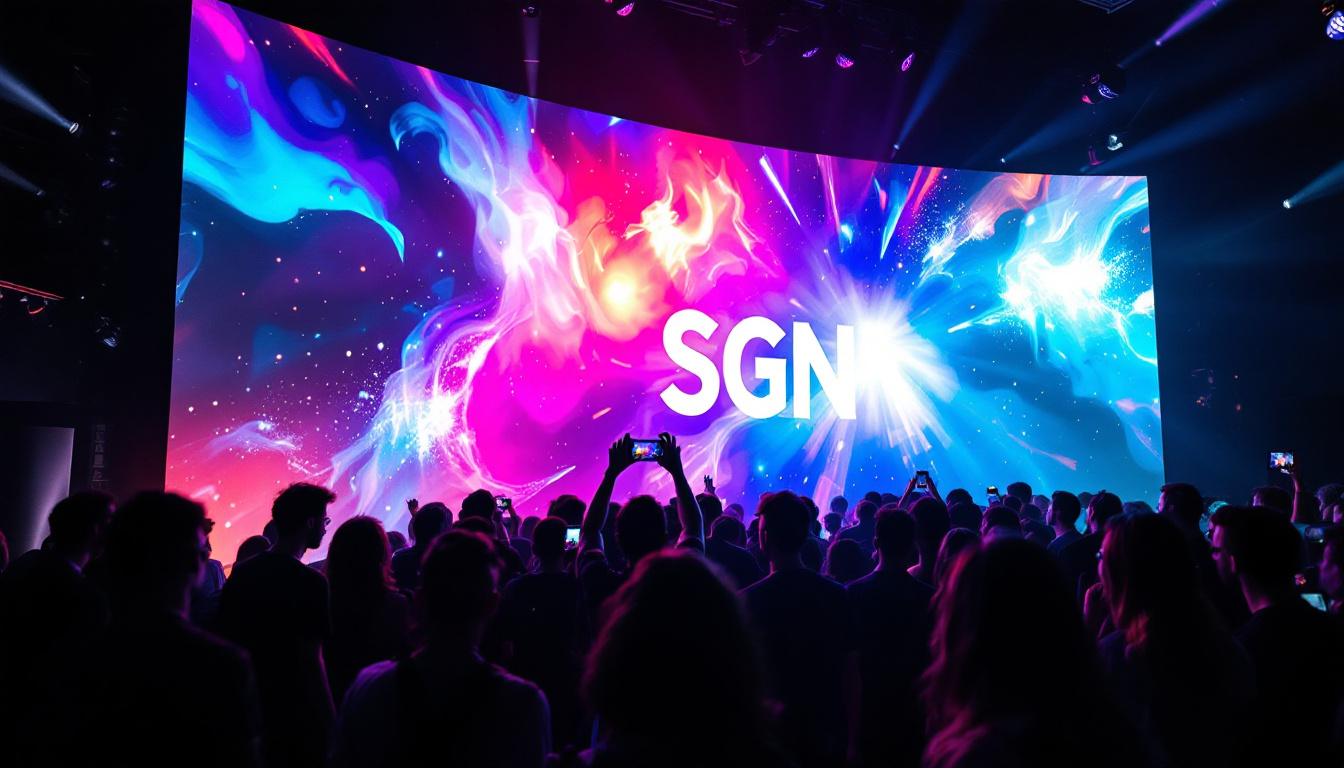
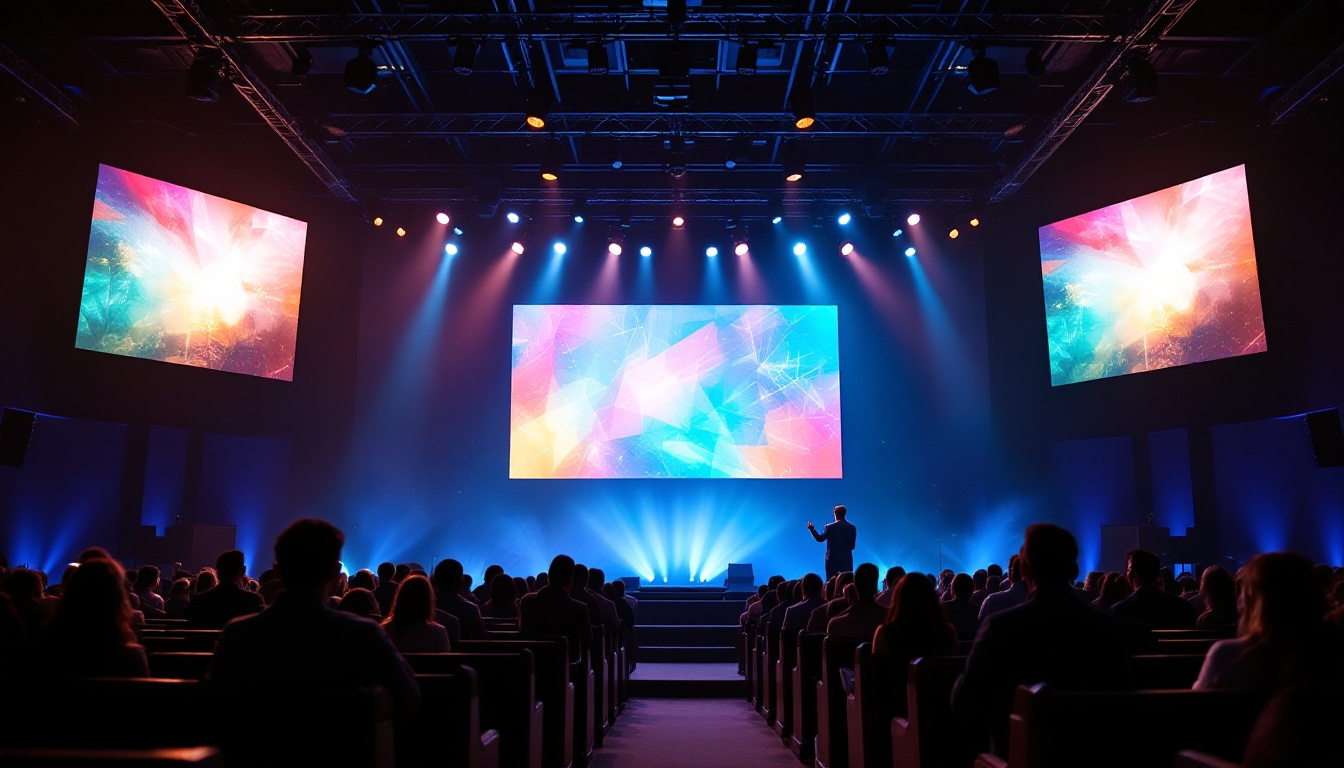
In stadiums and concert venues, LED screens provide live video feeds, replays, and interactive content, enhancing the spectator experience. The modular nature of LED panels allows for custom sizes and shapes, accommodating various architectural designs.
Automotive and Transportation
LED displays are increasingly used in vehicle dashboards, heads-up displays (HUDs), and infotainment systems. Their brightness ensures visibility in different lighting conditions, while their energy efficiency supports the power constraints of electric vehicles. Additionally, LED technology is used in traffic signals and public transit information systems, where clarity and reliability are paramount.
Innovations and Future Trends in LED Display Technology
The LED display sector is dynamic, with continuous advancements pushing the boundaries of what these screens can achieve. Understanding these trends provides insight into the future of visual technology.
MicroLED: The Next Big Leap
MicroLED technology involves using microscopic LEDs to create displays with even higher brightness, contrast, and energy efficiency than current OLEDs. Unlike OLEDs, MicroLEDs do not suffer from burn-in issues and have longer lifespans. Major companies are investing heavily in MicroLED research, anticipating its adoption in premium TVs, augmented reality (AR) devices, and wearable technology.
Flexible and Transparent Displays
Advances in materials science have enabled the development of flexible LED displays that can bend, fold, or roll without losing functionality. This flexibility opens new possibilities for wearable devices, foldable smartphones, and innovative advertising formats.
Transparent LED displays are also gaining traction, allowing screens to be embedded into windows or glass surfaces without obstructing the view. Retail stores and automotive manufacturers are exploring these displays to create interactive and futuristic user experiences.
Improved Color Accuracy and HDR Support
High Dynamic Range (HDR) technology enhances the range of colors and brightness levels a display can reproduce. LED displays are increasingly supporting advanced HDR standards like HDR10+ and Dolby Vision, delivering more lifelike and immersive visuals. This improvement is particularly important for content creators, gamers, and cinephiles who demand precise color reproduction and detail.
Choosing the Right LED Display: What Consumers Should Know
With the variety of LED display technologies available, consumers often face challenges in selecting the right screen for their needs. Understanding key factors can help make informed decisions.
Resolution and Pixel Density
Resolution refers to the number of pixels on a screen, while pixel density (measured in pixels per inch, or PPI) indicates how closely packed those pixels are. Higher resolutions and pixel densities result in sharper images, especially on smaller screens like smartphones. For TVs and monitors, resolution choices depend on viewing distance and content type.
Brightness and Viewing Environment
Consider where the display will be used. For outdoor or brightly lit environments, higher brightness levels are essential to maintain visibility. Indoor displays can often get by with lower brightness but may benefit from better contrast and color accuracy.
Refresh Rate and Response Time
For gaming and fast-moving video content, a higher refresh rate (measured in Hz) and lower response time reduce motion blur and provide smoother visuals. Many modern LED displays offer refresh rates of 120Hz or more, catering to these demands.
Price and Brand Reliability
While LED displays have become more affordable, prices vary widely based on technology, size, and features. Investing in reputable brands and checking reviews can ensure better performance and longevity.
Conclusion
LED display technology has revolutionized how visual content is presented across numerous platforms and industries. Its combination of brightness, energy efficiency, durability, and color performance makes it a versatile and powerful solution for modern display needs. As innovations like MicroLED and flexible displays continue to emerge, the future promises even more immersive and dynamic visual experiences.
Whether choosing a smartphone, television, or digital signage, understanding the fundamentals of LED displays empowers consumers and professionals to make choices that best suit their requirements. As the technology advances, staying informed will remain key to leveraging the full potential of LED displays.
Explore the Future of Visuals with LumenMatrix
Ready to experience the pinnacle of LED display technology? LumenMatrix is at the forefront of innovation, offering a vast array of LED display solutions that bring your visual communications to life. From Indoor and Outdoor LED Wall Displays to specialized options like Vehicle, Sports, and Floor LED Displays, our products are designed to captivate and engage. Dive into a world where clarity meets creativity with our Custom, All-in-One, and Transparent LED Displays. Check out LumenMatrix LED Display Solutions today and transform your space into a dynamic visual experience.